


Krakow travel guides
Browse and explore the best travel guides in Krakow.
Krakow travel facts
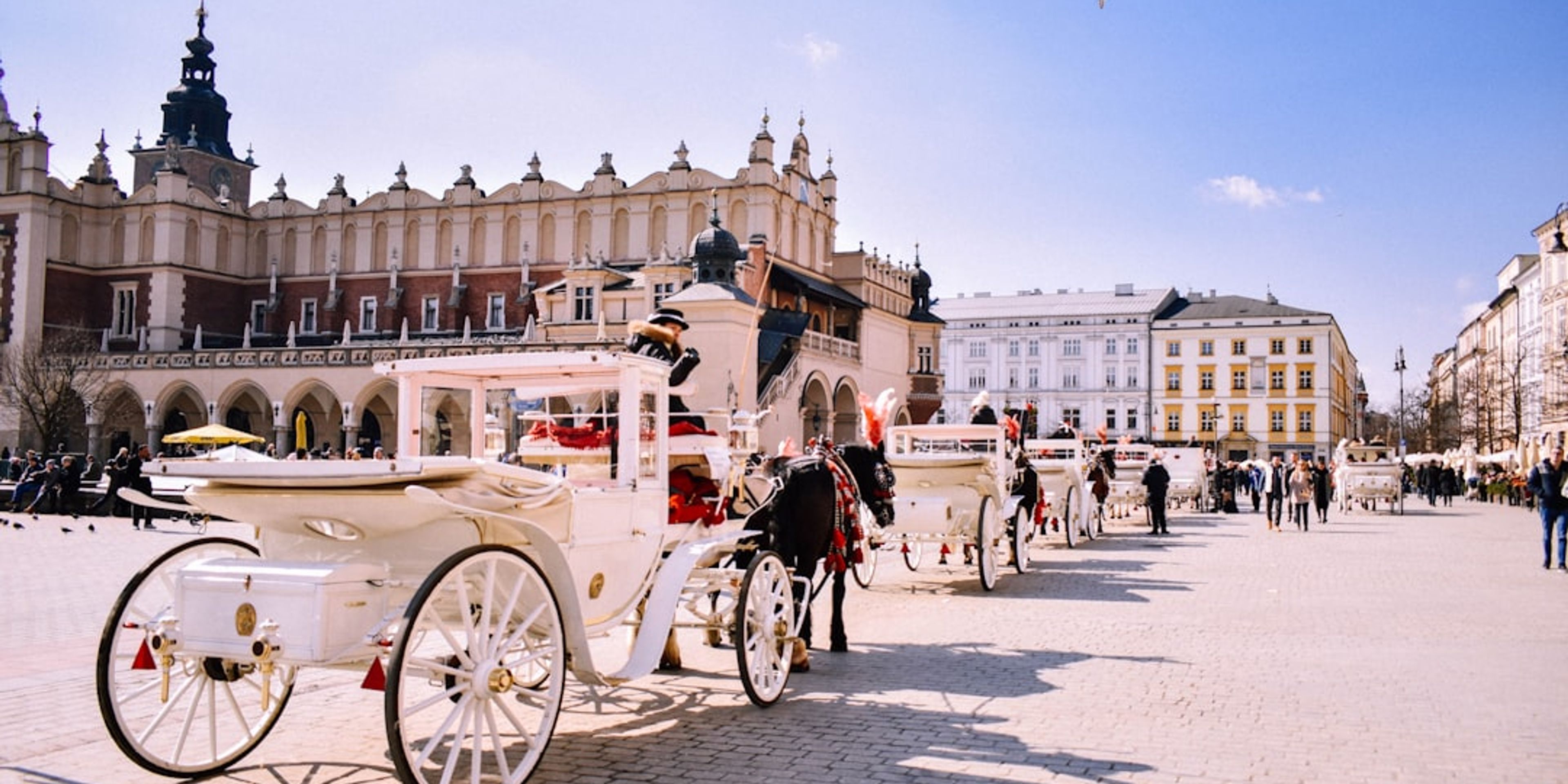
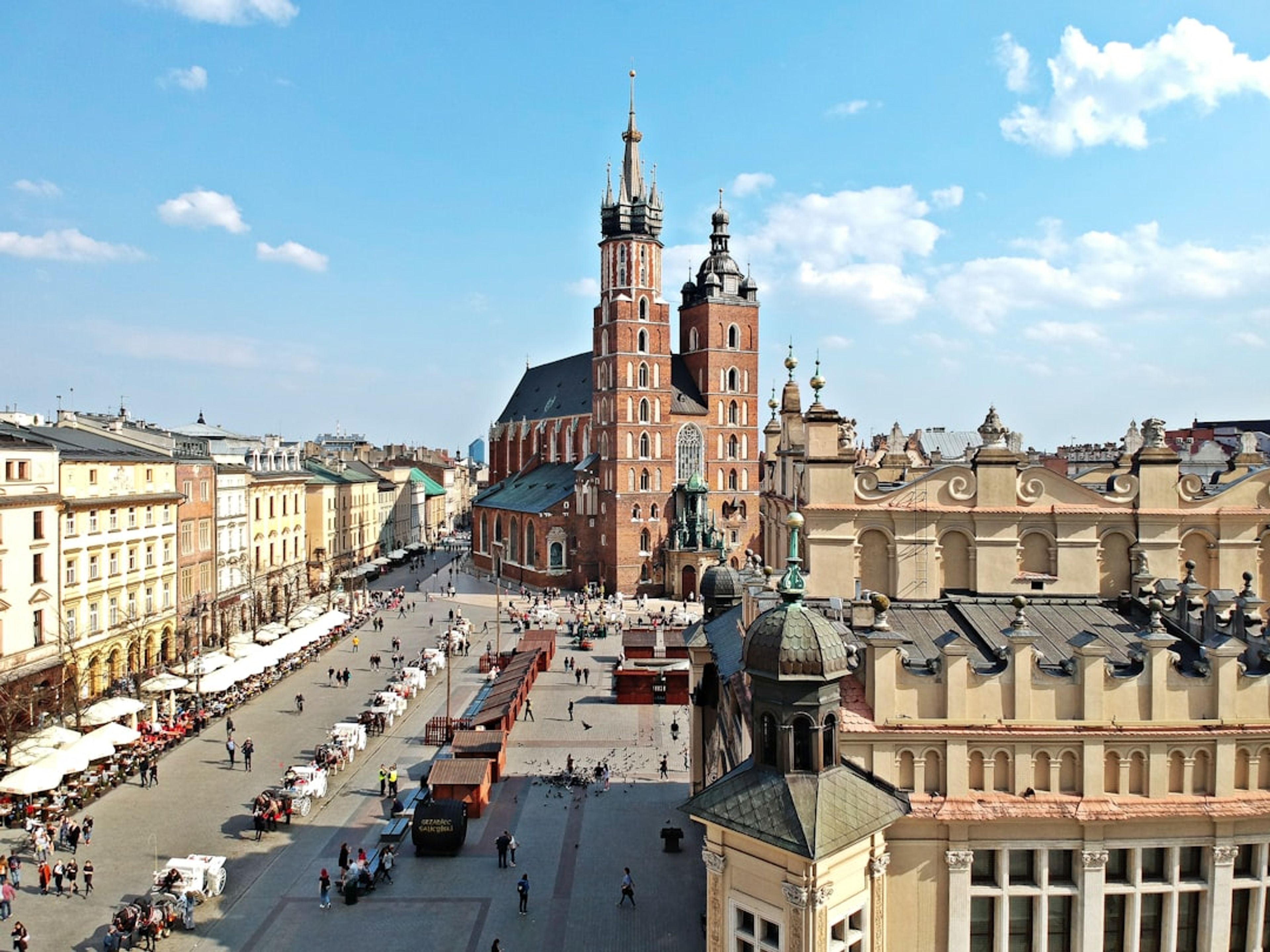
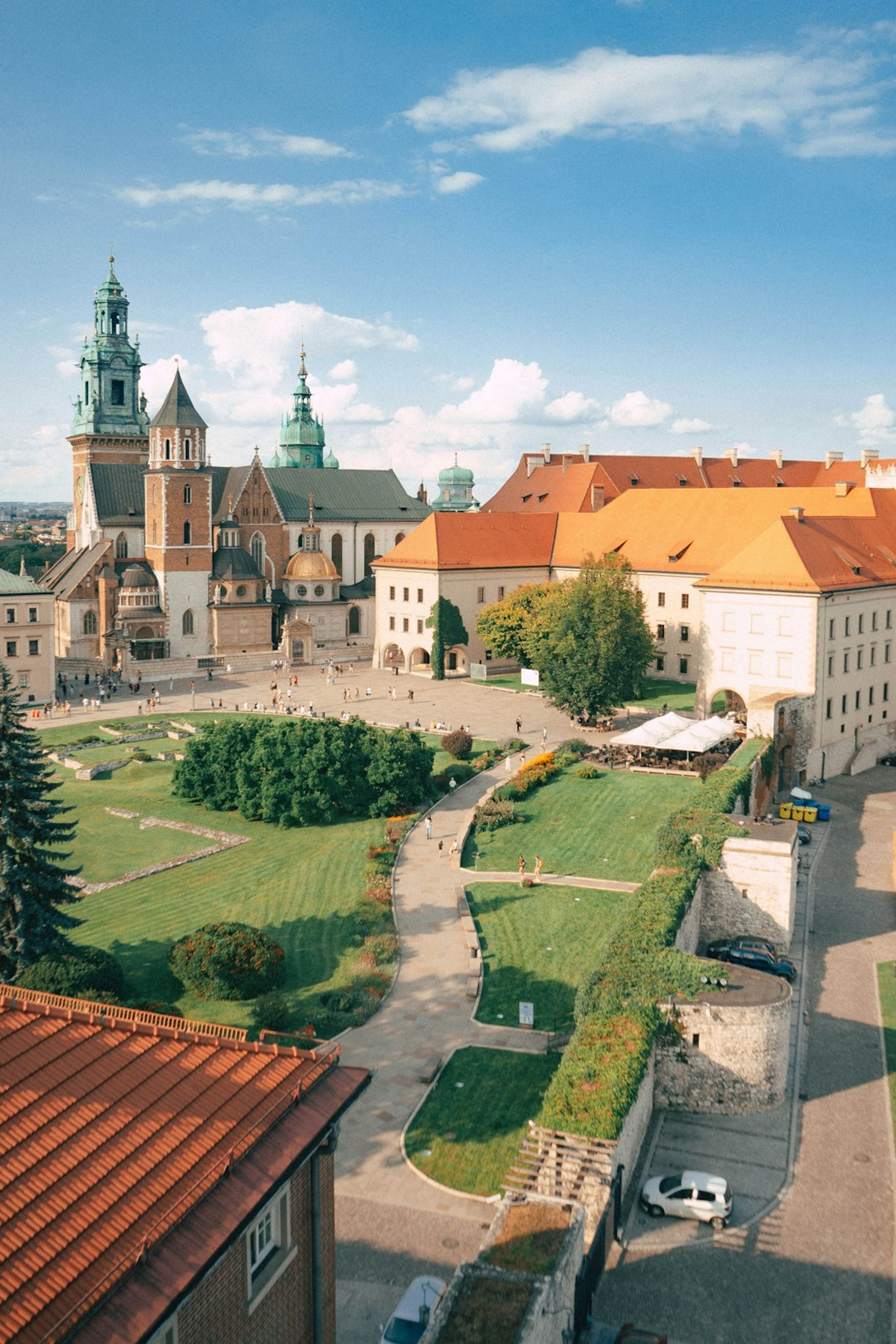
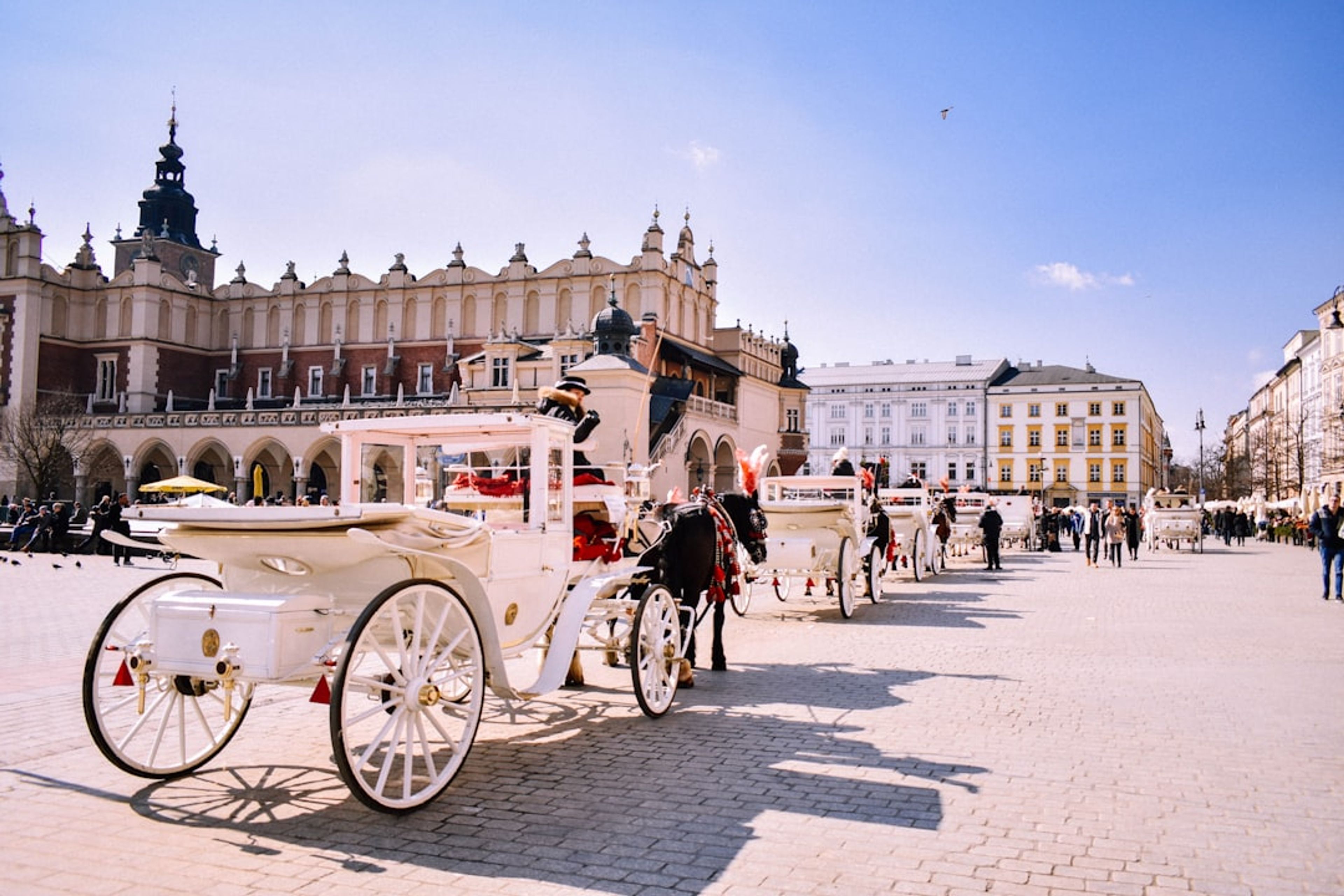
Krakow (Kraków) is Poland's former royal capital and one of Europe's best-preserved medieval cities. Set on the Vistula River in the south of the country, it grew from a 7th-century settlement into a powerful seat of Polish kings, leaving behind a UNESCO-listed Old Town, the hilltop Wawel Castle, and the largest medieval market square on the continent.
Today Krakow blends centuries of history with a youthful, creative energy fuelled by its universities, cafes, and the atmospheric Jewish quarter of Kazimierz. Visitors come for cobbled streets and Gothic churches, but stay for the bar-lined courtyards, milk-bar pierogi, and craft-beer scene that make the city feel both ancient and very much alive.
Krakow is also a natural base for day trips to landmark sites including the Wieliczka Salt Mine, the Auschwitz-Birkenau Memorial, and the dramatic limestone landscapes of Ojcow National Park, making it one of Central Europe's most rewarding short-break destinations.

Country
Poland
Region
Lesser Poland Voivodeship (Małopolska)
Population
~800,000 (metro ~1.5 million)
Elevation
219 m (719 ft)
Time Zone
CET (UTC+1) / CEST (UTC+2)
Currency
Polish Złoty (PLN)
Language
Polish
Nearest Airport
KRK – John Paul II International Airport (Kraków-Balice)
Airport to City Centre
~11 km (20 min by train, 30–40 min by bus)
Typical Cost Level
Budget to Mid-range
Transport Pass
KKM Krakow City Card (transit + museums)
Spring (Mar–May)
8–19°C (46–66°F)
Summer (Jun–Aug)
18–25°C (64–77°F), warm and lively
Autumn (Sep–Nov)
5–17°C (41–63°F), crisp and colourful
Winter (Dec–Feb)
-3 to 3°C (27–37°F), often snowy
Krakow travel guides
Stay in the loop
Get the latest deals, new destinations, and travel tips delivered straight to your inbox.
No spam, unsubscribe anytime.
Do you need a visa for Poland?
Entry rules, stay length and passport validity by nationality.
Climate averages · 1991–2020
When is the best time to visit Krakow?
The best time to visit Krakow is between April and September, the most comfortable stretch of the year on these averages.
Best time · April–SeptemberRainfall
- Jan-2°
- Feb0°
- Mar4°
- Apr9°
- May14°
- Jun18°
- Jul20°
- Aug19°
- Sep14°
- Oct9°
- Nov4°
- Dec0°
Latest travel guides
Krakow Destination FAQ
The best time to visit Krakow is from late April to early June and September to October, when the weather is mild and crowds are smaller than in midsummer. Late spring brings blossoming parks and lively beer-garden weather, while early autumn offers crisp air, golden light around the Old Town, and shorter queues at Wawel Castle. July and August are warm and busy with festivals; December delivers magical Christmas markets but cold, often-snowy days.
The fastest way from John Paul II Krakow-Balice Airport (KRK) to the city centre is the SKA1 airport train, which reaches Krakow Główny main station in about 20 minutes and runs every 30 minutes. Bus lines 208, 252, and night line 902 connect the airport to central stops for the price of a standard transit ticket, while a licensed taxi or ride-hail to the Old Town typically takes 25–35 minutes depending on traffic.
The best way to get around Krakow is on foot, supplemented by the city's dense tram and bus network. The Old Town and Kazimierz are compact and largely pedestrianised, so most sights are within a 20-minute walk of the main square. For longer hops, MPK trams cover the city efficiently, tickets are inexpensive, and ride-hail apps work well; a car is unnecessary for visitors and parking inside the centre is restricted.
Plan on three to four days in Krakow to see the city properly without rushing. Two days are enough to cover the Old Town, Wawel Castle, and Kazimierz, while a third and fourth day let you add major day trips such as the Wieliczka Salt Mine and the Auschwitz-Birkenau Memorial. History enthusiasts and slow travellers can comfortably stretch a visit to five or six days, especially when combining museums with the city's cafe and food scene.
Krakow is generally very safe for tourists, with low rates of violent crime and a strong, visible police presence in the Old Town and Kazimierz. The main risks are pickpocketing on busy trams and around the Main Market Square, plus the usual nightlife issues of overcharging in tourist-trap bars. Sticking to licensed taxis, keeping valuables out of sight, and using common-sense precautions late at night is enough for a worry-free trip.
Krakow's main neighbourhoods for visitors are the Old Town (Stare Miasto), Wawel, Kazimierz, and Podgórze. The Old Town is the historic core, centred on the Main Market Square, while neighbouring Wawel hill holds the royal castle and cathedral. Kazimierz, the former Jewish quarter, is the city's nightlife and food hotspot; across the Vistula, Podgórze offers the former WWII ghetto sites, Schindler's Factory, and a more local, lower-key atmosphere.
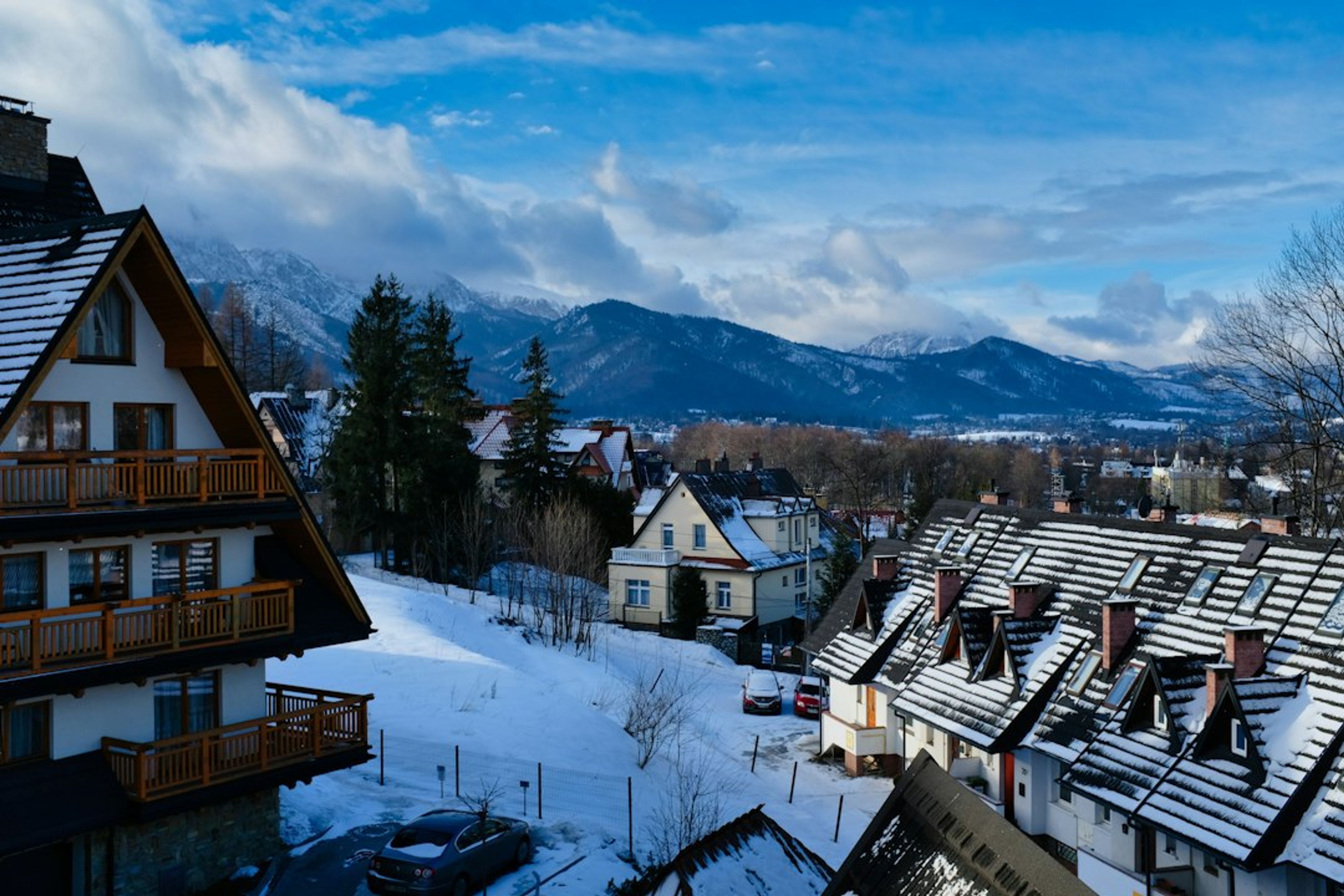
The best day trips from Krakow are the Wieliczka Salt Mine, the Auschwitz-Birkenau Memorial, and the Tatra Mountains around Zakopane. Wieliczka offers underground chapels and salt sculptures only 30 minutes from the city, while Auschwitz-Birkenau is a sobering but essential half-day journey west. For nature, Zakopane sits about two hours south and provides hiking, cable-car views, and traditional Góral mountain culture; Ojcow National Park is a quieter, closer alternative.
Yes, you can pay with cryptocurrency for hotels in Krakow when you book through trip1. On trip1, you can book hotels across Krakow and pay with over 50 cryptocurrencies including Bitcoin, Ethereum, and USDC. trip1 covers 3 million+ hotels in 190+ countries, making it easy to find and book accommodation with crypto.