

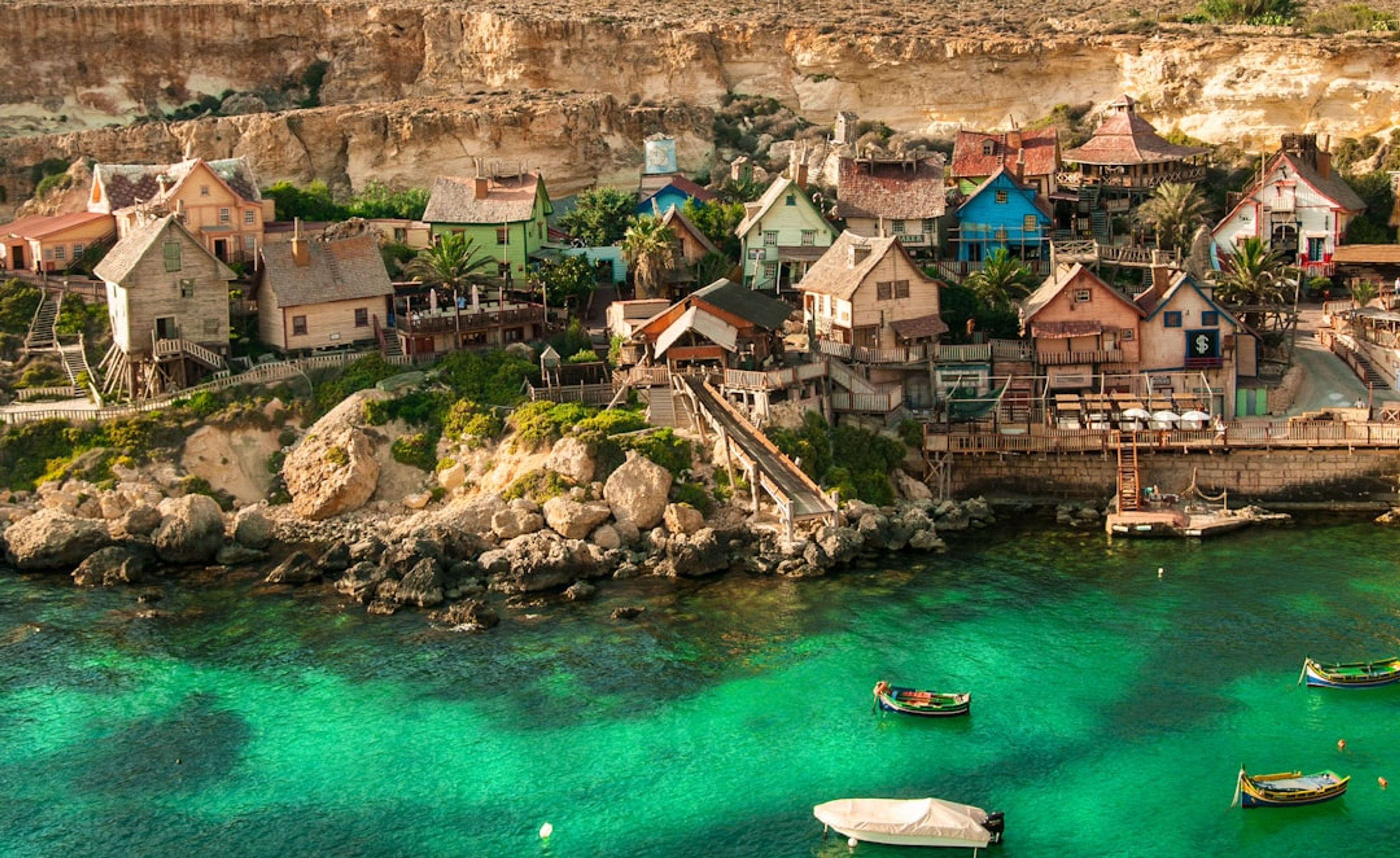

When is the best time to visit Malta?

The best time to visit Malta is between May and October, the most comfortable stretch of the year on these averages.

Malta has a dry, hot summer and a wetter cool season. That is the holiday-coast pattern: sea and shade when the sun is the point, walking and towns when the rain comes back. The pin on this page is a country centroid. Valletta will not feel like the same week, and a city page is the honest place to read the year if you already know where you are going.

Most visitors come for the dry months and the water. Shoulder weeks are for walking without the worst heat. Winter is a city-and-food trip, not a failed beach week. The monthly table owns the averages. This layer is how Malta uses them.

Malta

Spring

Spring in Malta is the walking season before the dry heat takes over. March, April and May are for towns, trails and days outside that are not yet a sea-only brief. The water is not the whole point, even when the sky looks like a holiday.

In Malta the meteorological summer is June, July and August and winter is December, January and February. Pack a layer for mornings. The interior, if you leave the obvious strip, lags the coast. This is the window where Malta is pleasant without the high-season crush.
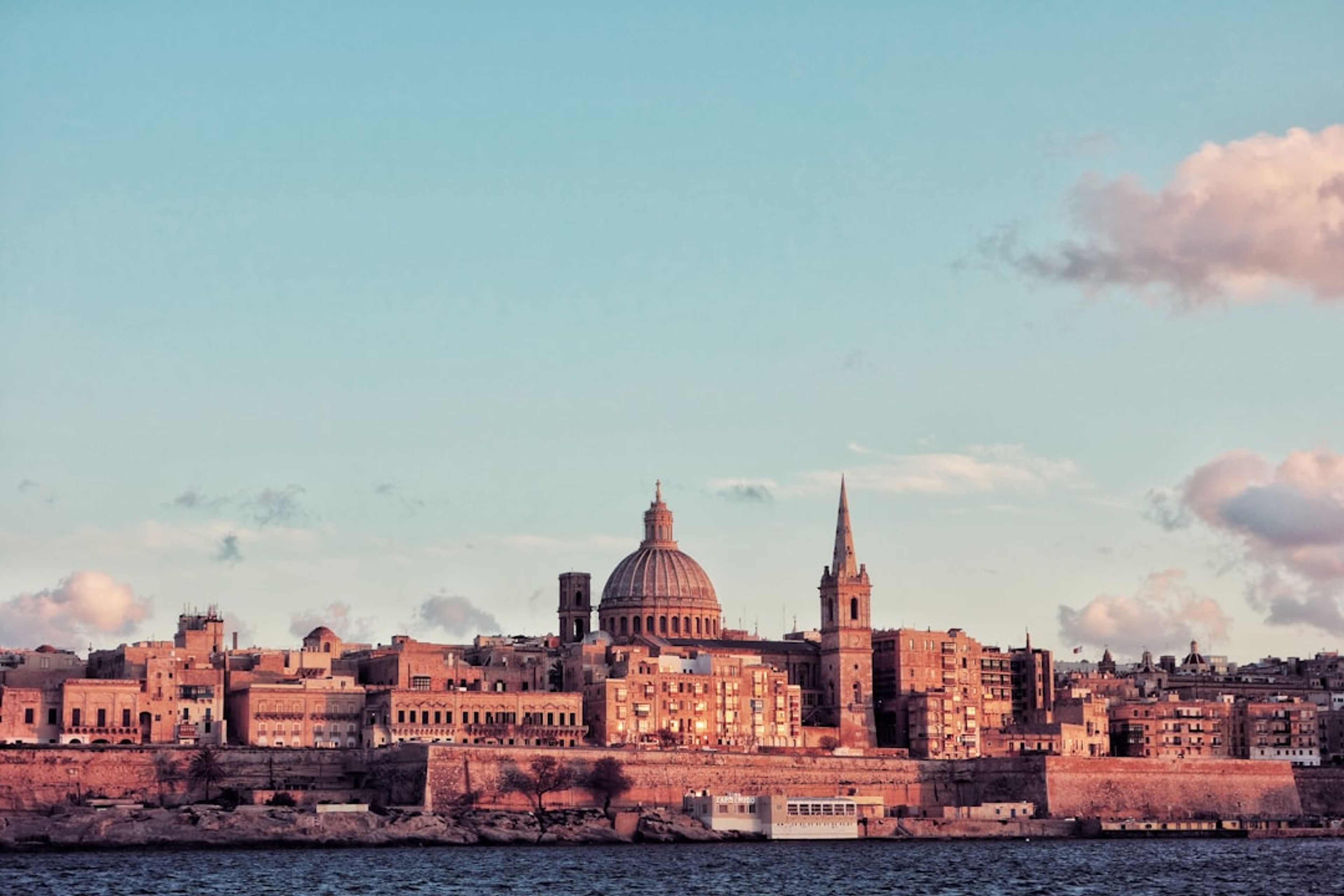

Summer

Summer is why a lot of people book Malta: June, July and August, dry air, long days, and a sea-first itinerary where the coast is the point. Sightseeing belongs to morning. The rest of the day is shade and water.

In Malta the meteorological summer is June, July and August and winter is December, January and February. Inland it is a harsher holiday if you cannot drop into the water. Nights stay warm. If quiet is the brief, the main strips in Malta in these months are the wrong brief.

Autumn

Early autumn in Malta can still be a sea holiday. September, October and November start warm and then let go. The water holds longer than the crowds. Later in the stretch, swimming becomes a maybe, then a no, and the trip shifts to walking.

In Malta the meteorological summer is June, July and August and winter is December, January and February. This is the mixed-itinerary window: a few coast nights, then inland, without one climate fighting the other. Rain starts to matter again in the cooler corners before the last of the heat has gone.

Winter

Winter in Malta is not a beach season. December, January and February are for towns, food and walking in a coat. The far south of Malta may be milder than the interior. That is still winter, not a delayed summer.

In Malta the meteorological summer is June, July and August and winter is December, January and February. Come for cities. Do not come because a summer photo is still on the listing. Days are short. A bright afternoon is a gift, not the product you bought.

Average weather in Malta

TemperatureRainfall

Source: MeteostatPeriod: 1991-2020Checked: 28 Aug 2026265 places covered

Weather in Malta cities

Travel guides for Malta

What to read before you book.

All travel guides in Malta

Check another month

Now pick a month.

FAQs about Malta

Climate averages for Malta, 1991–2020.

The best time to visit Malta is between May and October, the most comfortable stretch of the year on these averages.

August is the hottest month, with an average around 27°C.

November is the wettest month, with about 90 mm of rain.

No. These are 1991–2020 climate normals from Meteostat, not a live forecast. Actual weather in any given week can differ.