
Get up to €50 off your staySubscribe and get up to €50 off your next stay
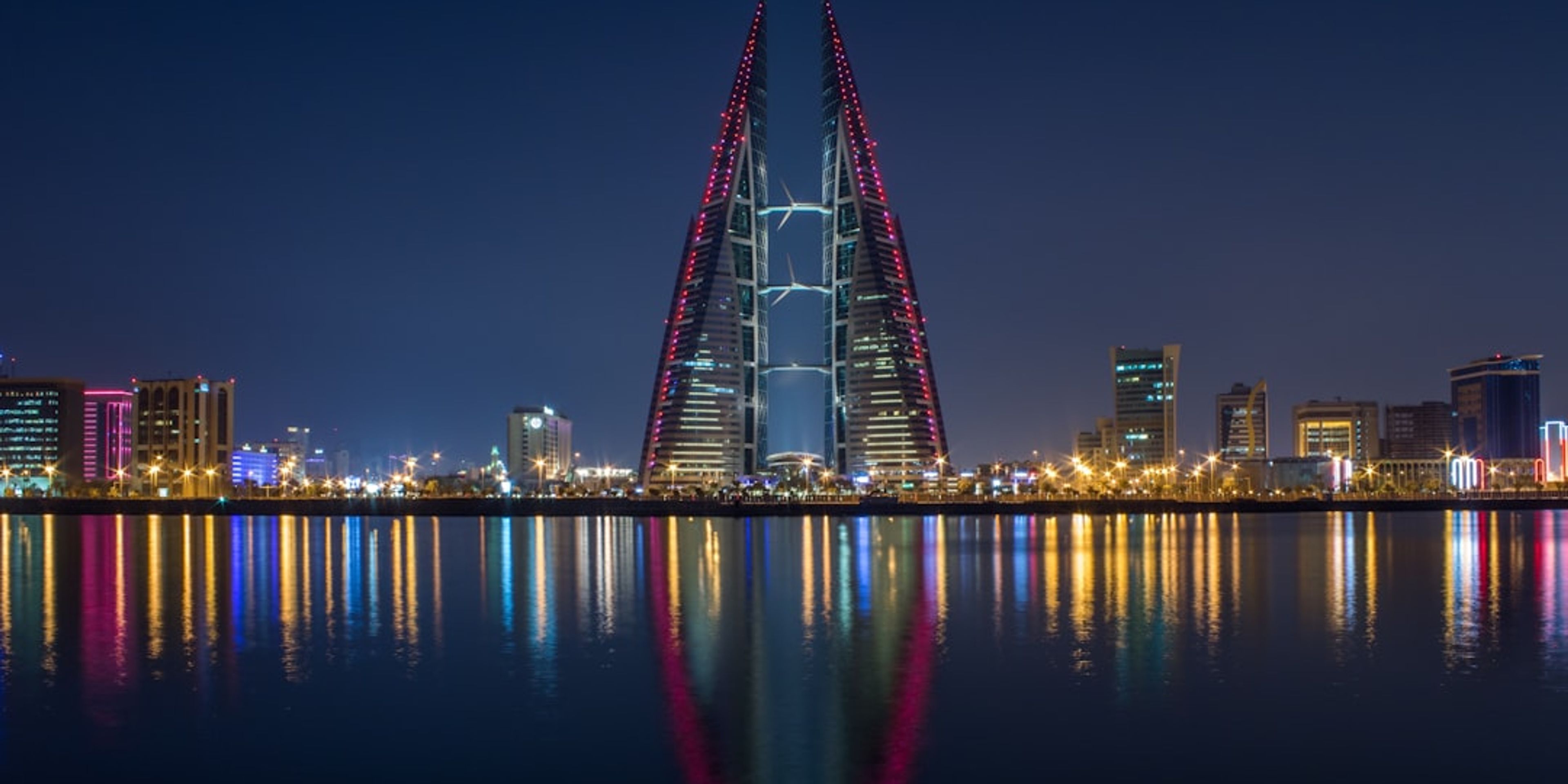
Browse and explore the best travel guides in Bahrain.
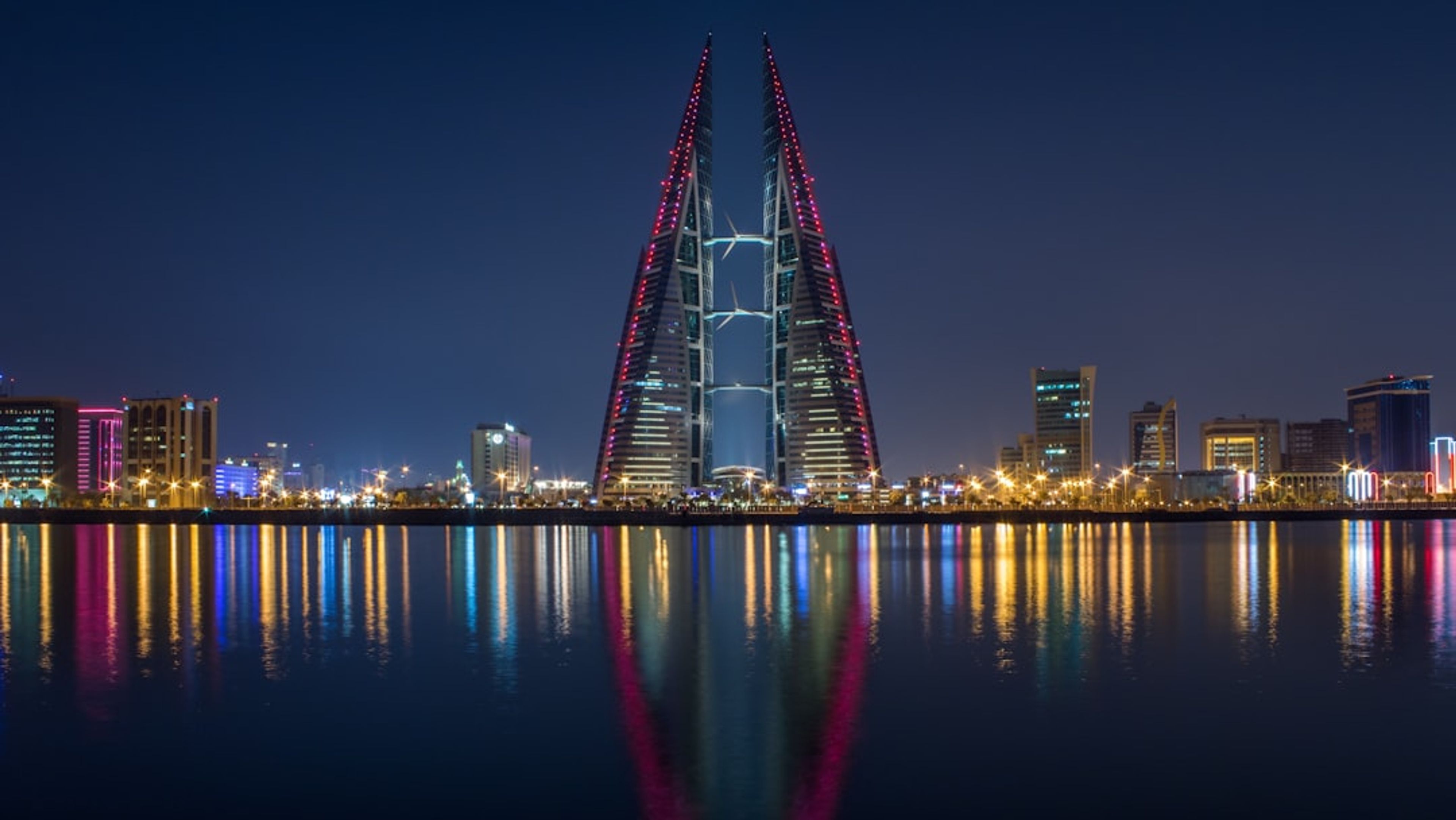
Bahrain is a low-lying archipelago in the Persian Gulf that trades on being the region's most relaxed state, with a long pearl-diving history, a genuine bar and restaurant scene, and Formula One arriving every spring at the Sakhir circuit. The islands hold four thousand years of settlement, from the Dilmun burial mounds and the UNESCO-listed Qal'at al-Bahrain fort to the wind-tower houses of Muharraq. It is small enough to cross by car in under an hour, which makes it an easy short break or a stopover with substance.
Capital
Manama
Population
~1.5 million
Area
786 km² across ~50 islands
Time Zone
AST (UTC+3), no daylight saving
Currency
Bahraini Dinar (BHD), one of the world's highest-value currencies
Languages
Arabic; English very widely used in business and tourism
Main Airports
BAH (Bahrain International, Muharraq)
Visa
eVisa online or visa on arrival for many nationalities, typically 14 days and extendable
Best For
Formula One, Dilmun archaeology, diving, dining and nightlife
Typical Cost Level
Mid-range to Expensive
Get the latest deals, new destinations, and travel tips delivered straight to your inbox.
No spam, unsubscribe anytime.
Entry rules, stay length and passport validity by nationality.
Many nationalities can get a visa on arrival or apply online through Bahrain's eVisa portal before travelling. GCC citizens enter freely. UK, US, EU, Canadian and Australian passport holders are typically eligible for a two-week visit visa on arrival, extendable, or a three-month multiple-entry eVisa applied for in advance. Applying online first is usually cheaper and avoids airport queues. You will need a passport valid for six months and proof of onward travel.
November to March is the comfortable season, with daytime temperatures in the low to mid 20s Celsius and pleasant evenings. The Bahrain Grand Prix in spring is the single biggest event of the year and hotel rates roughly double that weekend, so book far ahead or avoid it. Summer from June to September is brutal, regularly exceeding 40°C with very high humidity, and life moves indoors to malls and hotel pools.
Bahrain is a safe destination with very low crime rates and a well-developed tourism infrastructure. Occasional political demonstrations occur in some outlying villages and are best avoided. Bahrain is more socially relaxed than its neighbours, with alcohol legally served in licensed hotels and bars, but it remains a Muslim country: dress modestly away from hotel pools and beaches, avoid public drunkenness, and be discreet during Ramadan when eating and drinking in public during daylight is prohibited.
The Bahraini Dinar (BHD) is the currency, pegged to the US dollar at about 0.377 BHD to 1 USD, which makes it one of the highest-value currencies in the world. Prices therefore look deceptively small, so check the decimals: the dinar divides into 1,000 fils. Cards are accepted almost everywhere and contactless is standard. Saudi riyals are also widely accepted given the causeway traffic.
Two to three days is enough for the main sights. One day covers Manama, including the Bahrain National Museum, Bab al-Bahrain souq and the Al Fateh Grand Mosque. A second handles the UNESCO-listed Qal'at al-Bahrain fort, the Dilmun burial mounds, the Tree of Life and the pearling path in Muharraq. A third day suits diving, a desert trip or the F1 circuit. Bahrain also works well as a two-night add-on to a longer Gulf itinerary.
On trip1, you can book hotels across Bahrain and pay with over 120 cryptocurrencies including Bitcoin, Ethereum, and USDC. trip1 covers 3 million+ hotels in 190+ countries, making it easy to find and book accommodation with crypto.