
Get up to €50 off your staySubscribe and get up to €50 off your next stay
Browse and explore the best travel guides in Bolivia.
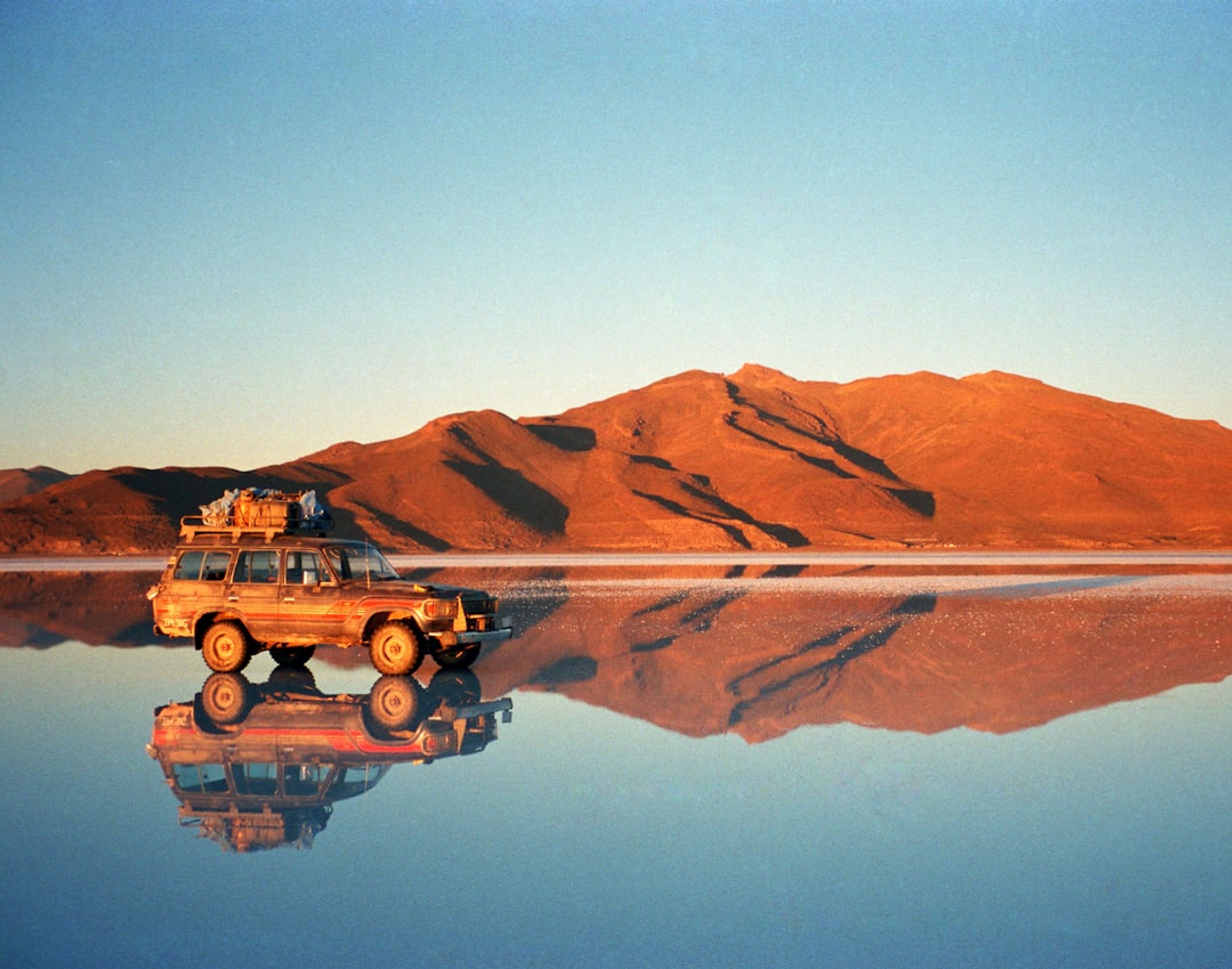
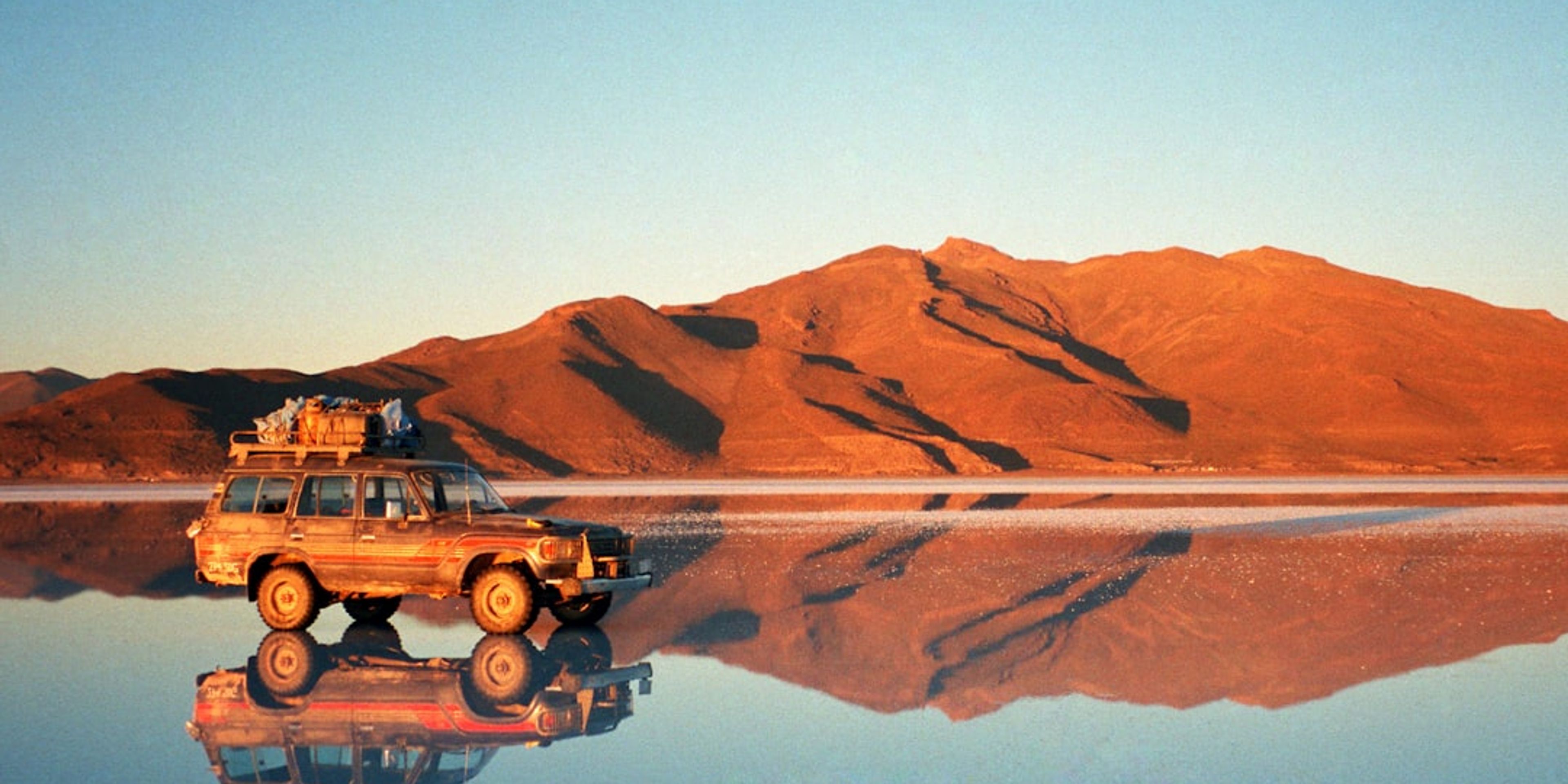
Bolivia is the highest and most indigenous country in South America, and the Salar de Uyuni is its defining image: 10,000 square kilometres of salt flat that becomes a perfect mirror when a thin film of water covers it after rain. La Paz sprawls across a canyon at 3,600 metres with cable cars serving as public transport, Lake Titicaca sits higher still on the Peruvian border, and the road down to the Yungas drops thousands of metres into cloud forest. Prices are the lowest on the continent and the altitude is the main thing to plan around.
Capital
Sucre (constitutional); La Paz is the seat of government
Population
~12.4 million
Area
1,098,581 km²
Time Zone
BOT (UTC-4), no daylight saving
Currency
Boliviano (BOB)
Languages
Spanish, Quechua and Aymara are the main languages of 37 official ones
Main Airports
VVI (Santa Cruz), LPB (El Alto, La Paz), CBB (Cochabamba)
Visa
Visa-free 90 days for EU and UK passport holders; US citizens need a visa, available on arrival for a substantial fee
Best For
Salar de Uyuni, La Paz, Lake Titicaca, Andean culture, Amazon basin
Typical Cost Level
Budget, the cheapest country in South America
Get the latest deals, new destinations, and travel tips delivered straight to your inbox.
No spam, unsubscribe anytime.
Entry rules, stay length and passport validity by nationality.
EU, UK, Canadian and Australian passport holders enter visa-free for up to 90 days per year. US citizens are the notable exception and need a visa, which can be obtained on arrival for a substantial fee but requires a yellow fever certificate, passport photos, proof of accommodation and an onward ticket. Getting it in advance at a consulate avoids delays at the border. Rules for US travellers have shifted over the years, so verify before flying.
May to October is the dry season, best for trekking, the Amazon and reliable road conditions, with clear skies over the Altiplano and cold nights. For the famous mirror effect on the Salar de Uyuni you need the opposite: a thin layer of water on the salt, which happens during the December to April wet season, typically at its best in January and February. Many visitors compromise with late March or April, catching some reflection with fewer washed-out roads.
Take it seriously, because La Paz airport sits at 4,050 metres and altitude sickness affects a large share of arrivals. Spend your first day resting rather than sightseeing, drink plenty of water, avoid alcohol and eat lightly. Coca tea is the local remedy and genuinely helps with mild symptoms. If you can, arrive via Santa Cruz at low altitude and ascend gradually. Severe symptoms such as confusion or breathlessness at rest need immediate descent and medical attention.
Bolivia is generally safe for travellers, though petty theft and distraction scams are common in La Paz and around bus terminals. Use only official radio taxis rather than hailing on the street, and be alert to fake police who ask to inspect your documents or bags. Road safety is the biggest genuine risk: mountain routes are dangerous and overnight bus travel less so than it once was but still variable. Political protests and road blockades can disrupt travel with little notice.
Almost everyone joins an organised 4x4 tour from the town of Uyuni, reached by overnight bus or a short flight from La Paz. One-day tours cover the salt flat itself, including Incahuasi island and the train cemetery. Three-day tours continue south through coloured lagoons, flamingo colonies, geysers and the Sol de Mañana thermal field, often ending at the Chilean border near San Pedro de Atacama. Nights are extremely cold and accommodation is basic, so bring serious warm layers.
On trip1, you can book hotels across Bolivia and pay with over 120 cryptocurrencies including Bitcoin, Ethereum, and USDC. trip1 covers 3 million+ hotels in 190+ countries, making it easy to find and book accommodation with crypto.