
Get up to €50 off your staySubscribe and get up to €50 off your next stay
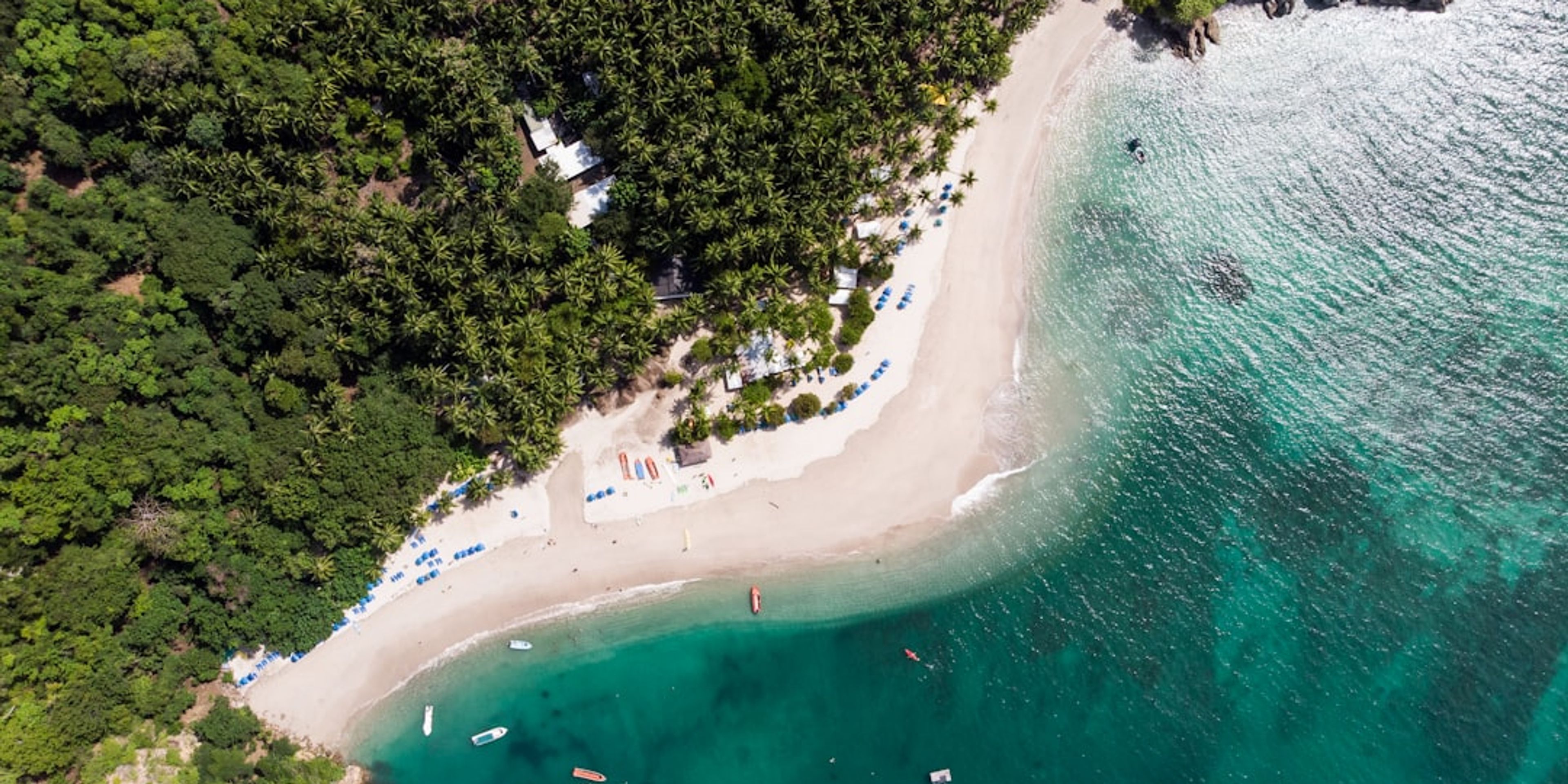
Browse and explore the best travel guides in Costa Rica.
Costa Rica holds around five percent of the world's known species on a third of a percent of its land, and it has protected roughly a quarter of its territory to keep it that way. The result is a country where you can watch lava-scarred Arenal from a hot spring, walk suspension bridges through the Monteverde cloud forest, spot sloths and scarlet macaws in Manuel Antonio, and surf both the Pacific and Caribbean coasts within a week. It abolished its army in 1948 and runs almost entirely on renewable electricity, and the pura vida attitude is not just marketing.

Get the latest deals, new destinations, and travel tips delivered straight to your inbox.
No spam, unsubscribe anytime.
EU, UK, US, Canadian and Australian passport holders can enter visa-free for up to 90 days. You will need a passport valid for at least one day beyond your stay in practice, though six months is safer, plus proof of onward travel, which immigration officers do check. Costa Rica charges a departure tax when leaving by air, usually built into the ticket price.
December to April is the dry season on the Pacific side and the peak period, with reliable sun and the highest prices. May to November is the green season, bringing afternoon rain rather than all-day downpours, lush landscapes and much better value, though September and October are the wettest on the Pacific. The Caribbean coast around Puerto Viejo runs on an opposite pattern and is often driest in September and October. Turtle nesting seasons vary by coast and species.
Renting a car gives the most freedom, and a 4x4 is genuinely worth it for unpaved roads to places like Monteverde and the Nicoya beaches. Journey times are far longer than distances suggest because of mountain roads. Shared shuttle services connect all the main tourist towns door to door and are the easiest option without a car. Public buses are very cheap but slow and hard to navigate. Domestic flights on Sansa save half a day to remote areas like Drake Bay.
Costa Rica is among the safest countries in Latin America and violent crime against tourists is uncommon. Theft from rental cars and unattended beach belongings is the main problem, so never leave anything visible in a vehicle. The bigger dangers are natural: rip currents cause drownings every year on Pacific beaches, so swim where lifeguards are present, and take care on mountain roads in the rain. Tap water is safe in most of the country.
Ten to fourteen days is ideal because travel between regions eats time. A classic route gives three nights at La Fortuna for Arenal and hot springs, two or three in Monteverde for the cloud forest, and four on the Pacific coast at Manuel Antonio, Santa Teresa or Nosara. A week means picking two regions rather than three. Add Tortuguero or the Osa Peninsula if you want serious wildlife and have the time.
On trip1, you can book hotels across Costa Rica and pay with over 120 cryptocurrencies including Bitcoin, Ethereum, and USDC. trip1 covers 3 million+ hotels in 190+ countries, making it easy to find and book accommodation with crypto.
Entry rules, stay length and passport validity by nationality.