
Get up to €50 off your staySubscribe and get up to €50 off your next stay
Browse and explore the best travel guides in Cuba.
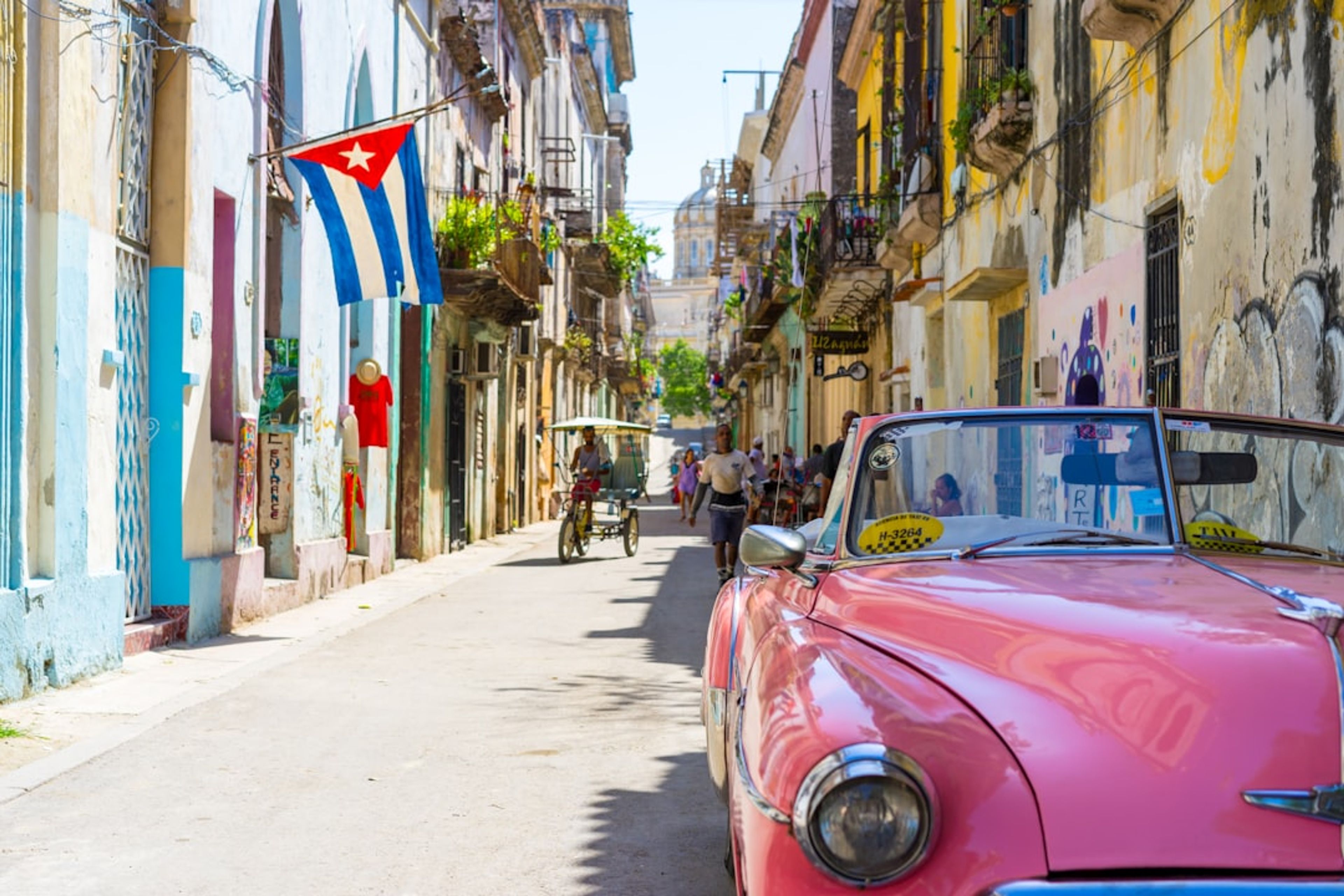
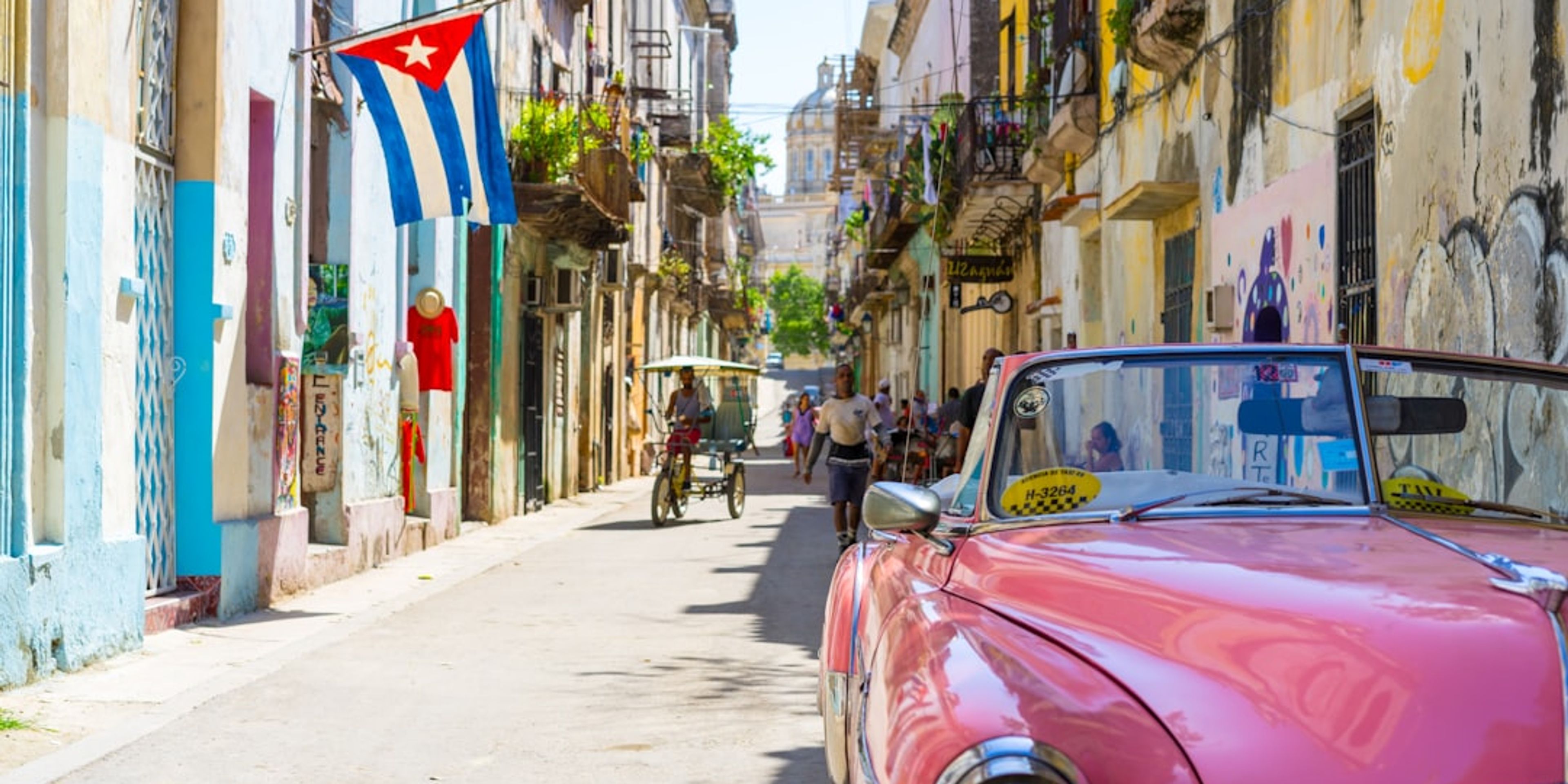
Cuba is the largest island in the Caribbean and the most complicated to travel, which is precisely what draws people. Havana's crumbling baroque and neoclassical facades, 1950s American cars and live son in every other doorway are not staged for visitors; neither are the queues and shortages that shape daily life. Beyond the capital lie the tobacco fields and limestone mogotes of Viñales, the pastel colonial grid of Trinidad, and long white beaches at Varadero and Cayo Coco.
Travel here needs more preparation than elsewhere in the region. Cash is essential, internet access is limited and expensive, and shortages of fuel, food and medicine are common, so bring what you need rather than expecting to buy it.

Get the latest deals, new destinations, and travel tips delivered straight to your inbox.
No spam, unsubscribe anytime.
Every visitor needs a tourist card, which functions as the visa and is normally valid for 30 days, extendable once. Most airlines sell them at check-in or you can buy one from a Cuban consulate or an authorised agency. You also need proof of travel medical insurance, which is checked on arrival. US citizens face additional restrictions under their own government's rules and must travel under one of the permitted categories, so check current US regulations before booking.
December to April is the dry season and the best time, with warm days, low humidity and little rain, though it is also the busiest and priciest. Carnival in Santiago in July and the Havana Jazz Festival in January are highlights. May to October is hot, humid and wet, with hurricane season peaking from August to October. Note that power cuts are more disruptive in the summer heat, when air conditioning matters most.
Bring enough cash for your entire trip, because Cuba's payment system is unreliable for visitors. Cards issued by US banks do not work at all, and other foreign cards frequently fail even where terminals exist. Euros are the easiest currency to bring, with US dollars and pounds also exchangeable. The official and informal exchange rates for the Cuban peso have diverged sharply in recent years, so read up close to your travel dates. Budget more cash than you think you need.
Casas particulares, licensed rooms in private homes, are the most rewarding option and put money directly into Cuban hands. They are inexpensive, widely available in Havana, Trinidad and Viñales, and hosts typically cook excellent breakfasts and help arrange transport. State hotels and the international resorts at Varadero offer more predictable amenities and reliable power and water, which matters during shortages. Many travellers mix the two, using casas in the cities and a resort for beach days.
Cuba has very low violent crime and is generally safe for visitors, with a heavy police presence in tourist areas. Scams and overcharging are the common annoyances, particularly with taxis, cigar touts and street hustlers in Havana. The greater practical difficulties are shortages: fuel queues, power outages lasting hours, and limited availability of medicines, so bring any prescriptions plus a basic first aid kit. Internet access requires purchased cards and is patchy.
On trip1, you can book hotels across Cuba and pay with over 120 cryptocurrencies including Bitcoin, Ethereum, and USDC. trip1 covers 3 million+ hotels in 190+ countries, making it easy to find and book accommodation with crypto.
Entry rules, stay length and passport validity by nationality.