
Get up to €50 off your staySubscribe and get up to €50 off your next stay
Browse and explore the best travel guides in Dominican Republic.
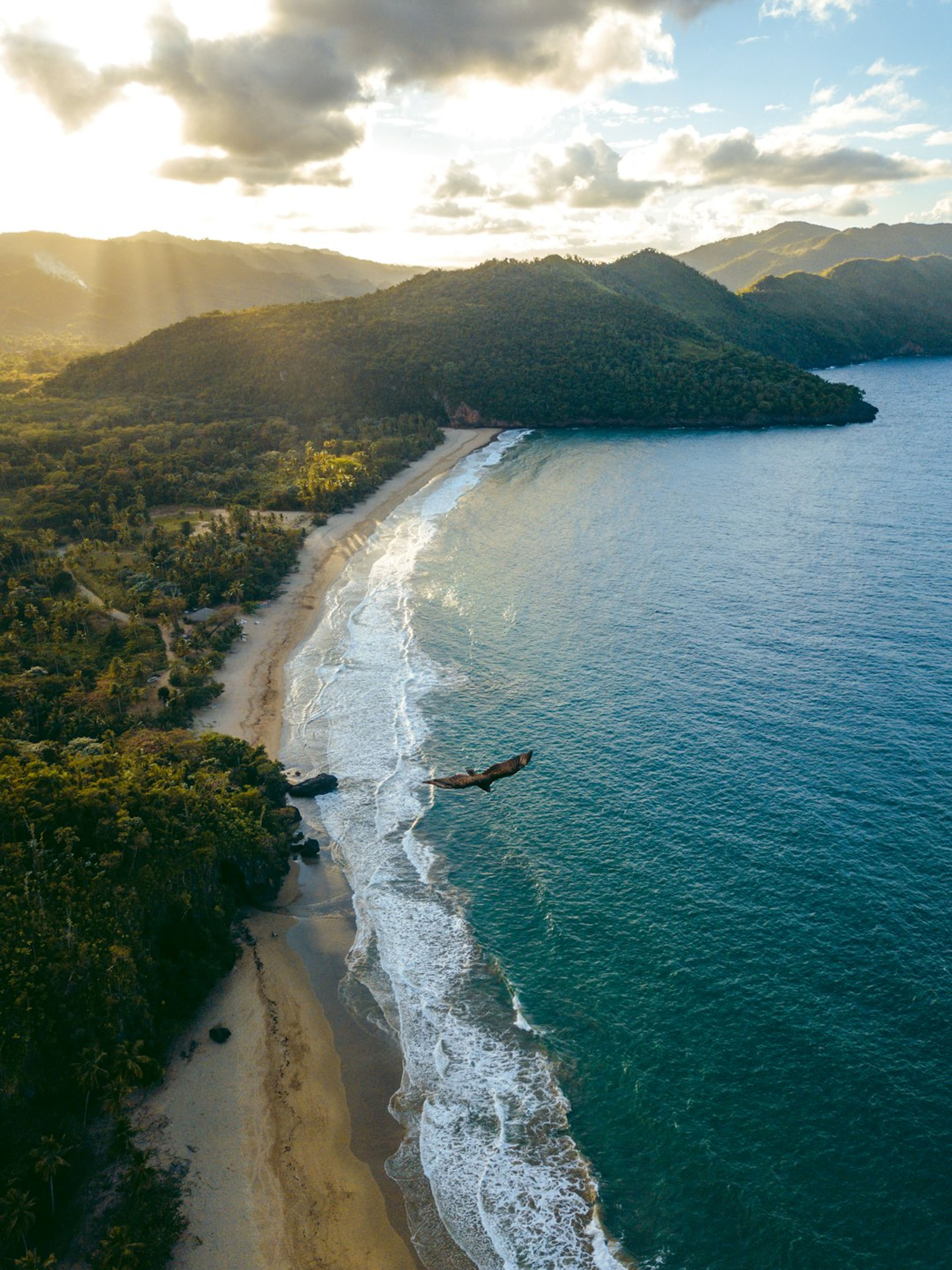
The Dominican Republic is the Caribbean's most visited country, and most of that traffic lands in Punta Cana for the all-inclusive strip along Bavaro's beaches. There is considerably more to it. Santo Domingo's Zona Colonial is the oldest permanent European settlement in the Americas, with the first cathedral and first paved street in the New World. The interior rises to Pico Duarte, the highest peak in the Caribbean at 3,098 metres, Samaná hosts humpback whales each winter, and Cabarete on the north coast is a world-class kitesurfing centre.
Get the latest deals, new destinations, and travel tips delivered straight to your inbox.
No spam, unsubscribe anytime.
Entry rules, stay length and passport validity by nationality.
Most nationalities including EU, UK, US and Canadian passport holders enter visa-free for up to 30 days, and the old paper tourist card fee is now included in airfares. Everyone must complete the online E-Ticket form within 72 hours before both arrival and departure, which generates a QR code checked at the airport. Overstaying incurs a fine payable on departure, which is common and straightforward but worth avoiding.
December to April is the dry season and peak period, with warm sunshine and the lowest humidity. January to March is also humpback whale season in Samaná Bay, one of the best places in the world to see them. June to November is hurricane season with a higher chance of rain, though the south and east coasts often stay dry. Sargassum seaweed can affect east-coast beaches, typically worst from April to August.
Punta Cana and Bavaro on the east coast hold most of the all-inclusive resorts and the best beaches, and suit a straightforward sun holiday. Santo Domingo is the choice for history and city life, with the Zona Colonial. Puerto Plata and Cabarete on the north coast are better for kitesurfing, surfing and a more local feel at lower prices. Samaná is greener and quieter, good for whale watching and waterfalls, while Las Terrenas has a French and Italian expat character.
Resort areas are well policed by a dedicated tourist police force and most visits are trouble-free. Petty theft, overcharging and taxi scams are the usual concerns, and it is sensible to use hotel safes, avoid displaying valuables and stick to arranged transport at night. Some parts of Santo Domingo and Santiago have higher crime and are best avoided after dark. Road safety is genuinely poor, so think carefully before renting a motorbike or driving at night.
On trip1, you can book hotels across the Dominican Republic and pay with over 120 cryptocurrencies including Bitcoin, Ethereum, and USDC. trip1 covers 3 million+ hotels in 190+ countries, making it easy to find and book accommodation with crypto.