
Get up to €50 off your staySubscribe and get up to €50 off your next stay
Browse and explore the best travel guides in Eswatini.
Eswatini, known as Swaziland until 2018, is a small landlocked kingdom wedged between South Africa and Mozambique, and one of the last absolute monarchies in the world. It packs an improbable range of landscapes into an area you can drive across in three hours, from the misty highveld around Mbabane down through the Ezulwini Valley to hot lowveld bush on the Mozambican side.
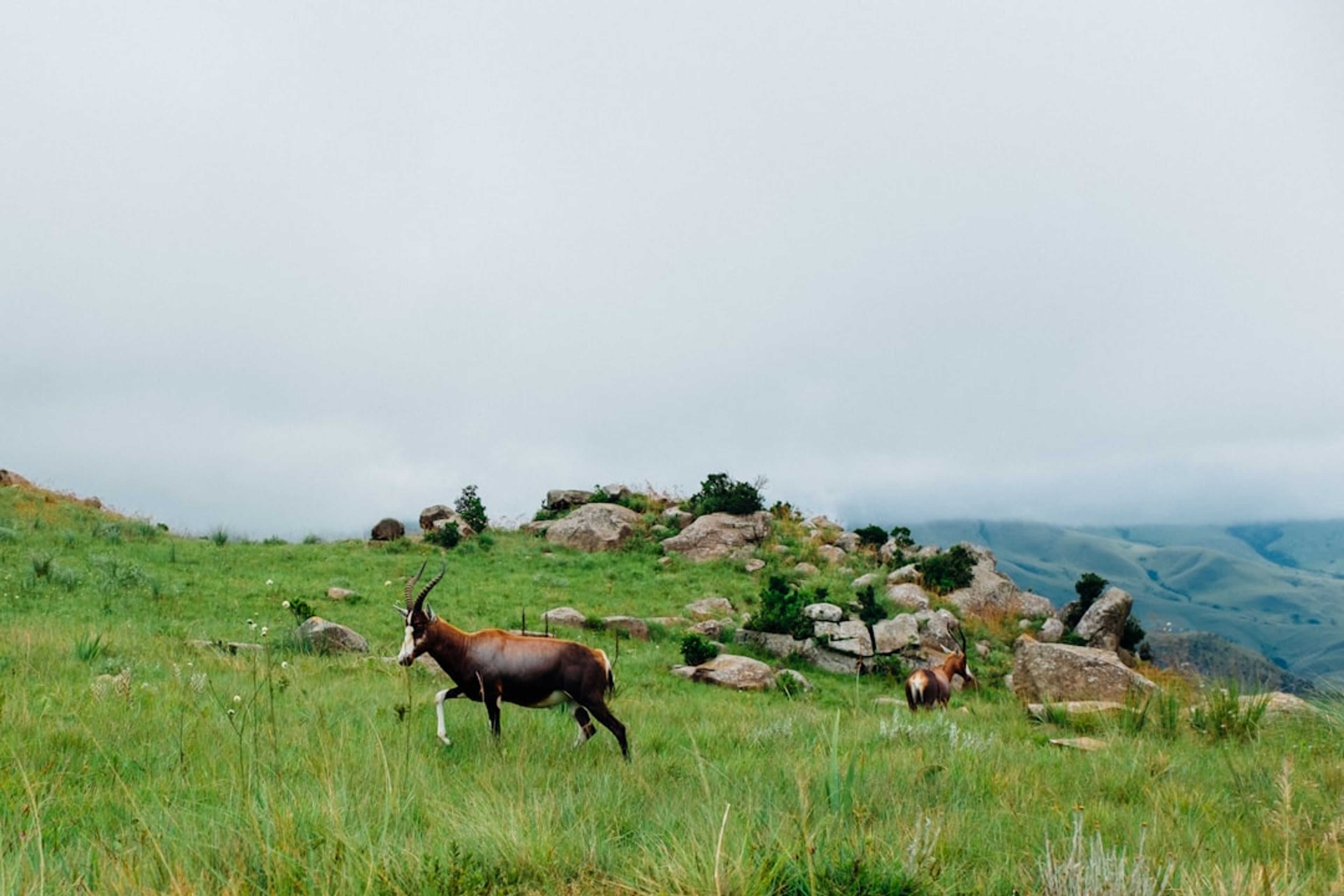
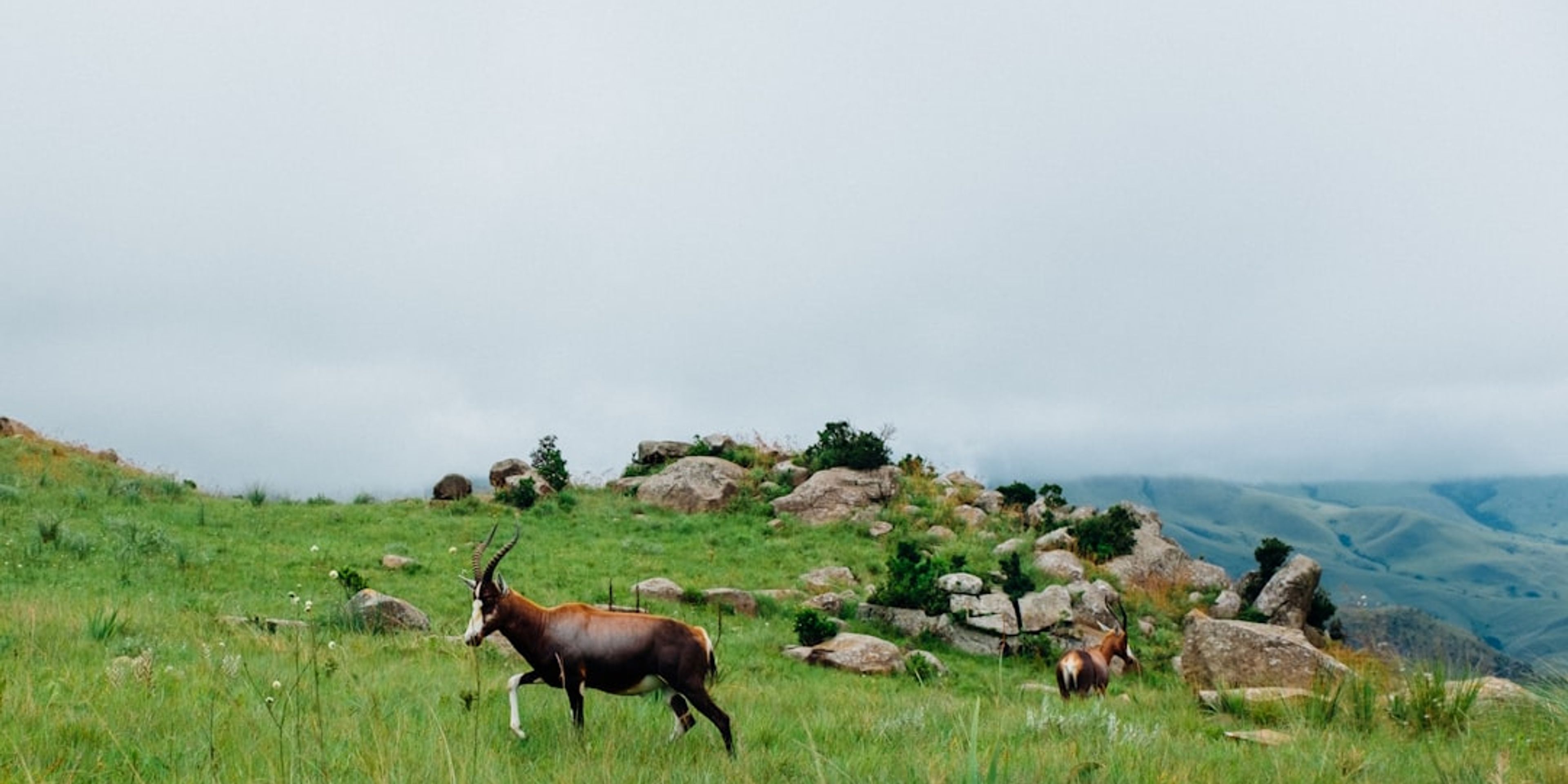
The wildlife punches above its weight. Hlane Royal National Park has lion, elephant and white rhino; Mkhaya Game Reserve is one of the more reliable places in southern Africa to track black rhino on foot; and Mlilwane, with no large predators, lets you walk, cycle or ride a horse among zebra and antelope. All three are within an hour or so of each other.
Traditional culture remains genuinely central rather than staged, most visibly at the Umhlanga reed dance in late August and the Incwala kingship ceremony around the turn of the year. The Ezulwini and Malkerns valleys are also known for candle-making, glassblowing and weaving workshops. Most people arrive overland, slotting the country between Johannesburg, Kruger and the KwaZulu-Natal coast.
Get the latest deals, new destinations, and travel tips delivered straight to your inbox.
No spam, unsubscribe anytime.
Entry rules, stay length and passport validity by nationality.
May to September is the dry winter, with mild days, cold nights in the highveld and the best game viewing as vegetation thins. The summer rains from October to March bring humidity and afternoon thunderstorms but also green landscapes and newborn wildlife. Two major cultural events anchor the calendar: the Umhlanga reed dance in late August or early September, and Incwala, the kingship ceremony, around December and January.
Most visitors arrive overland from South Africa, and the country slots neatly into a route between Johannesburg, Kruger and the KwaZulu-Natal coast. Border posts are straightforward, with Ngwenya and Oshoek the busiest, though smaller crossings close in the early evening. King Mswati III International near Manzini has limited scheduled flights, mainly to Johannesburg, so flying in is possible but rarely the cheapest option.
More than the country's size suggests. Hlane Royal National Park holds lion, elephant and white rhino in a compact area. Mkhaya Game Reserve is one of the better places in southern Africa to see black rhino on foot with a guide. Mlilwane Wildlife Sanctuary, close to Mbabane, has no large predators, which means you can walk, cycle or ride horses among zebra, warthog and antelope. Distances between all three are short.
Most Western and Commonwealth nationalities enter visa-free for short stays, typically up to 30 days, with a passport valid for six months. The currency is the Swazi lilangeni, pegged one-to-one with the South African rand, and rand is accepted everywhere at par, which makes a stopover easy if you are arriving from South Africa. Lilangeni are not accepted back across the border, so spend them before you leave.
On trip1, you can book hotels across Eswatini and pay with over 120 cryptocurrencies including Bitcoin, Ethereum, and USDC. trip1 covers 3 million+ hotels in 190+ countries, making it easy to find and book accommodation with crypto.