Get up to €50 off your staySubscribe and get up to €50 off your next stay
Browse and explore the best travel guides in Luxembourg.
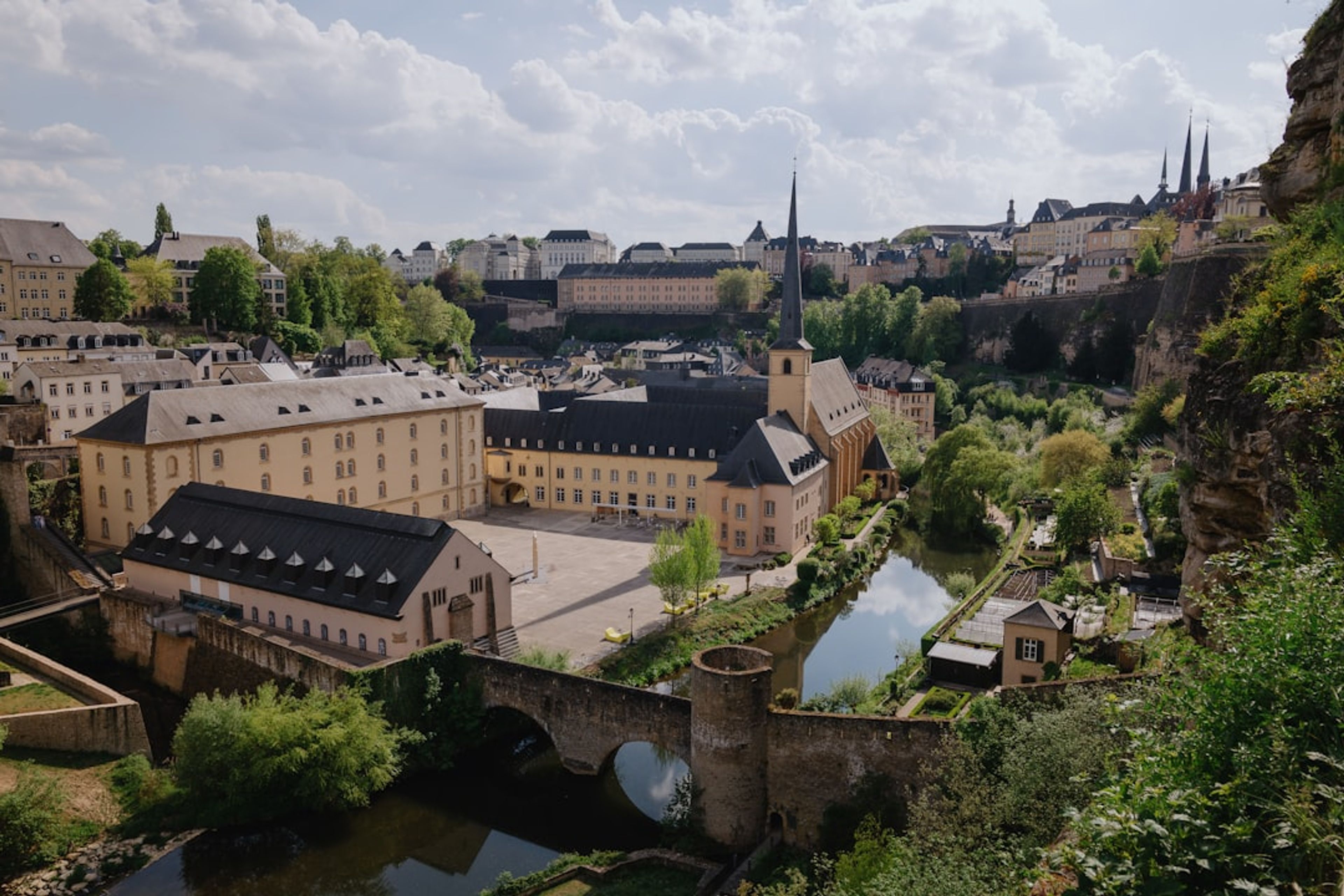
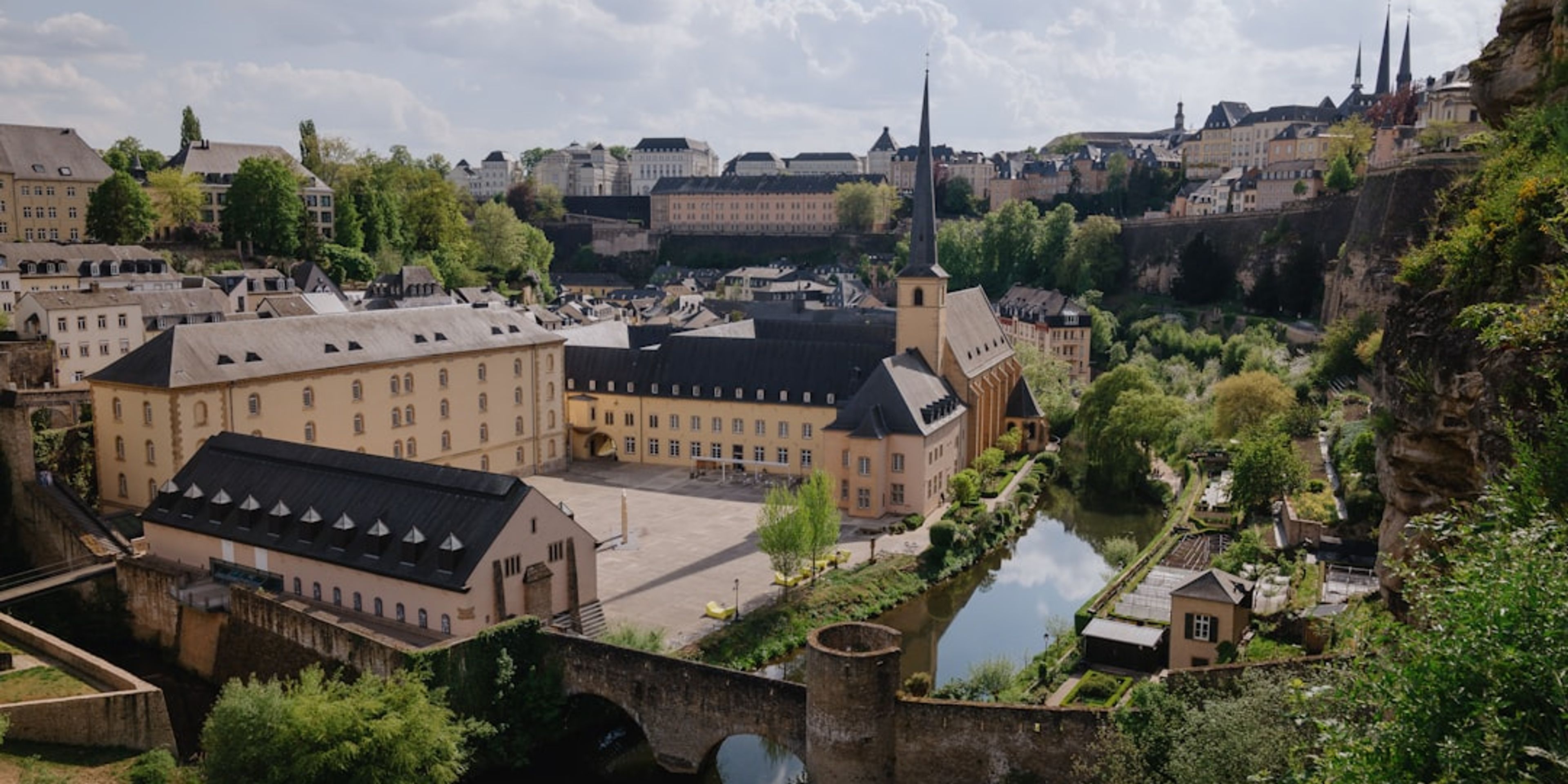
Luxembourg packs an improbable amount into 2,586 square kilometres: a UNESCO-listed capital built on dramatic sandstone cliffs, the forested valleys and castle ruins of the Ardennes in the north, and the terraced Moselle vineyards along the German border. Wedged between Belgium, France and Germany, it is one of Europe's wealthiest and most quietly rewarding small countries, and the entire national public transport network - trains, trams and buses - is free to ride for residents and visitors alike.
Capital
Luxembourg City
Population
~680,000
Area
2,586 km²
Time Zone
CET (UTC+1), CEST (UTC+2) in summer
Currency
Euro (EUR)
Languages
Luxembourgish, French, German
Main Airports
LUX (Luxembourg Findel)
Visa
Schengen Area - visa-free up to 90 days in any 180 for most nationalities
Best For
Castles, Ardennes hiking, Moselle wine, EU institutions
Typical Cost Level
Mid-range to Expensive
Get the latest deals, new destinations, and travel tips delivered straight to your inbox.
No spam, unsubscribe anytime.
Entry rules, stay length and passport validity by nationality.
Luxembourg is in the Schengen Area, so most nationalities can enter visa-free for up to 90 days in any 180-day period. That includes UK, US, Canadian, Australian and Japanese passport holders, among many others. EU and EEA citizens have unrestricted entry. Travellers from countries outside the visa-free list need a Schengen visa, which is valid across all 29 Schengen states rather than Luxembourg alone. Check your passport has at least three months of validity remaining beyond your planned departure.
May to September gives the most reliable weather, with long daylight hours ideal for hiking the Mullerthal trails and the Ardennes. September and early October add the Moselle grape harvest and thinner crowds. December brings Christmas markets to Luxembourg City's Place d'Armes and Place de la Constitution. January and February are cold and grey, and many rural castles and attractions cut their opening hours or close entirely.
Yes. Luxembourg made all national public transport free in 2020, and it applies to visitors as well as residents. Trains, trams and buses across the whole country cost nothing to board in standard class, with no ticket or registration needed. The only exceptions are first-class train travel and a handful of tourist services such as the Pfaffenthal panoramic lift's neighbouring funicular routes, which remain paid. This makes day trips to Vianden, Echternach or Esch-sur-Sûre unusually cheap.
Two to three days covers the country comfortably. One full day handles Luxembourg City, including the Bock Casemates, the Chemin de la Corniche and the Grund quarter below the cliffs. A second day reaches Vianden Castle and the Ardennes, and a third takes in the Moselle wine villages or the Mullerthal region known as Little Switzerland. Because the country is only 82 km long and transport is free, everything is a realistic day trip from the capital.
Luxembourg uses the Euro (EUR). Card payment is accepted almost everywhere, including small cafes and rural guesthouses, and contactless is standard. Cash is still worth carrying in small amounts for village bakeries, markets and some castle entry desks. Luxembourg is one of the more expensive countries in the Eurozone, with restaurant and hotel prices closer to Switzerland than to neighbouring Belgium.
On trip1, you can book hotels across Luxembourg and pay with over 120 cryptocurrencies including Bitcoin, Ethereum, and USDC. trip1 covers 3 million+ hotels in 190+ countries, making it easy to find and book accommodation with crypto.