
Get up to €50 off your staySubscribe and get up to €50 off your next stay
Browse and explore the best travel guides in Mozambique.
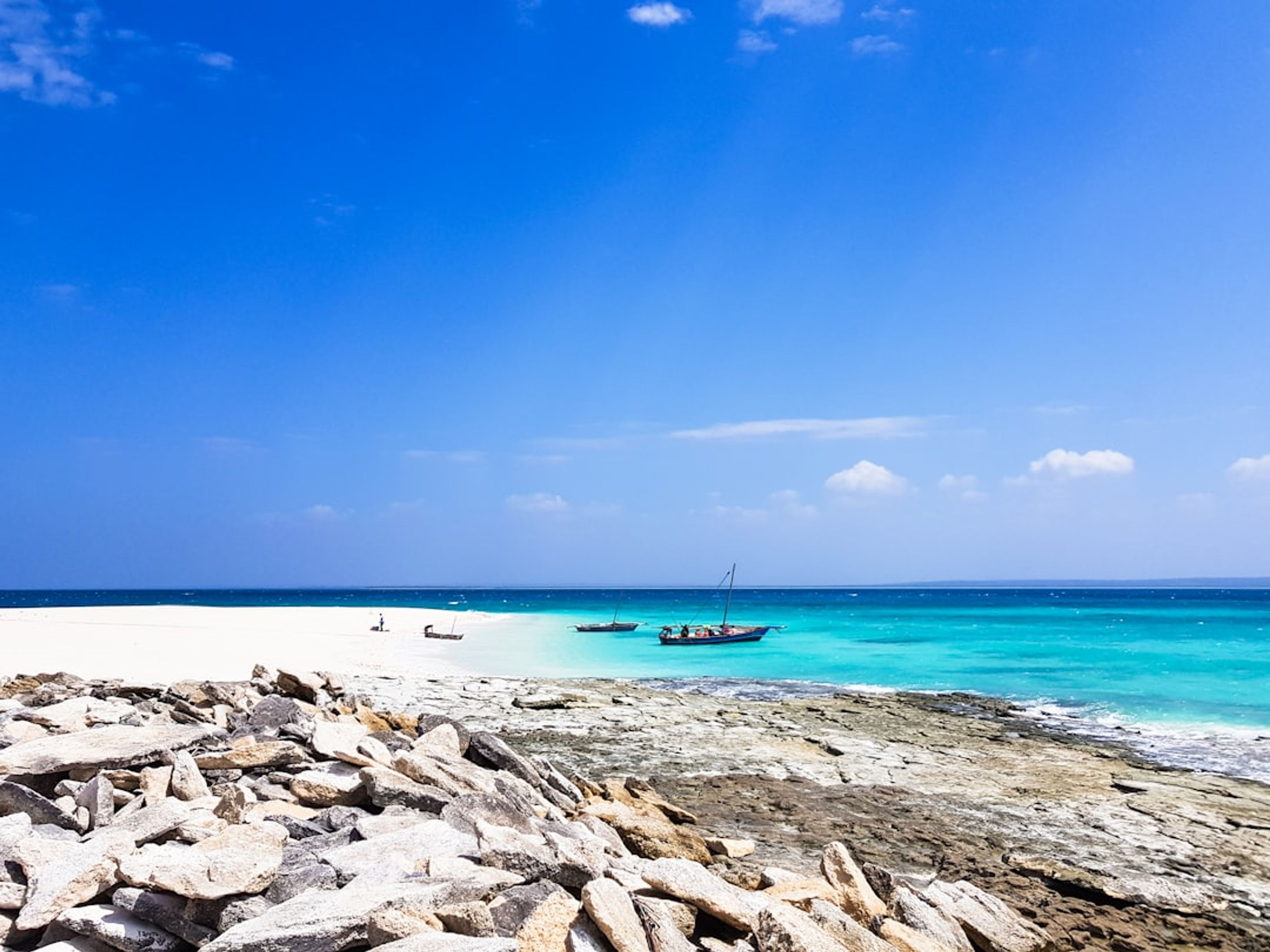
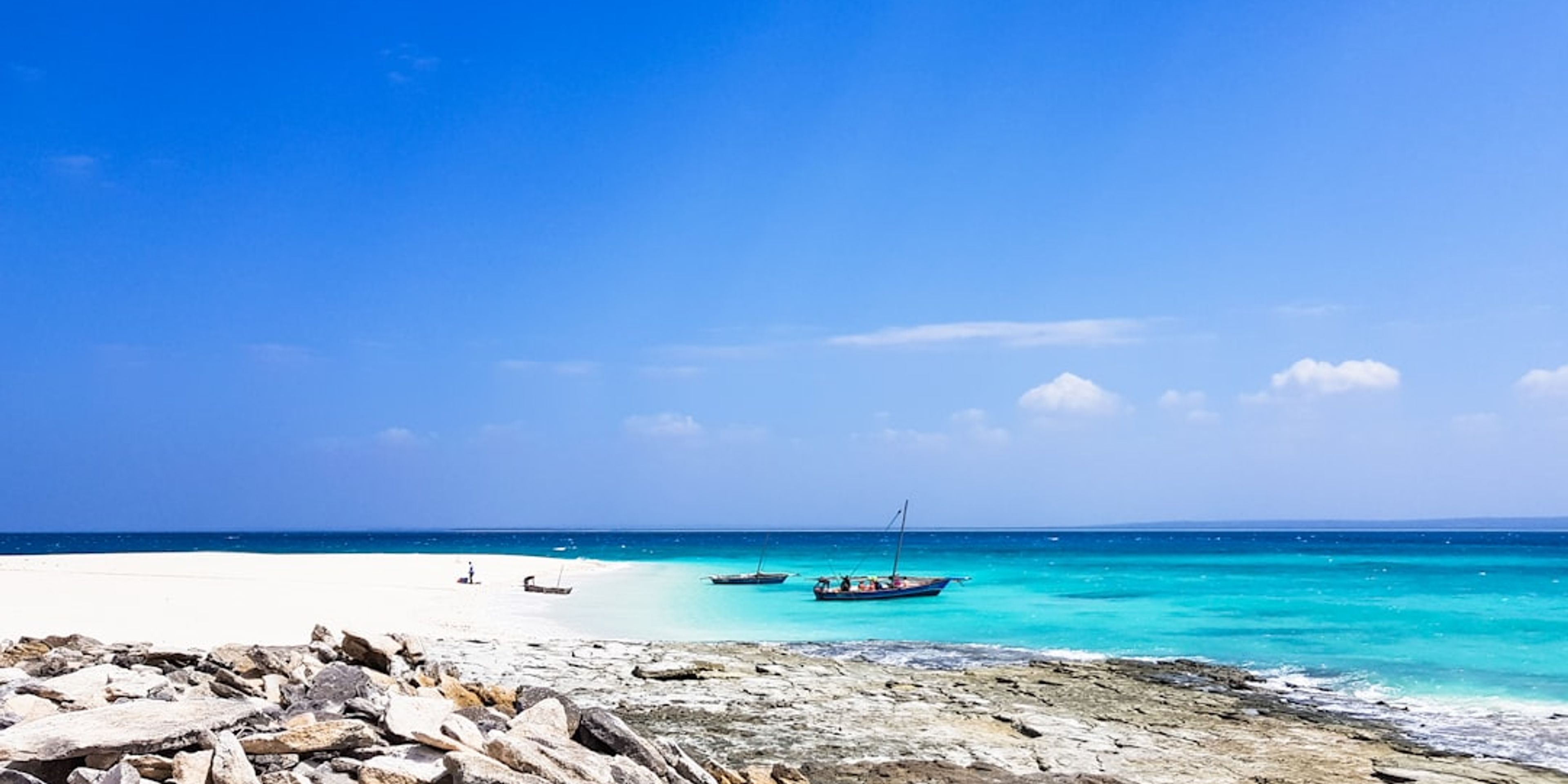
Mozambique has 2,500 kilometres of Indian Ocean coastline, and that is the reason to come. Warm water, coral reefs, dhows under sail and long empty beaches run the length of the country, from the South African border in the south to the Tanzanian border in the north, backed by a Portuguese colonial history that shows up in the language, the architecture and the food.
Tofo, near Inhambane, is the diving capital, known for reliable manta ray cleaning stations and seasonal whale sharks. Offshore from Vilanculos, the Bazaruto Archipelago is a national park of five islands built from vast sand dunes, with dugongs in the channels and a handful of serious lodges. Maputo itself is worth a night or two for its Portuguese-era buildings, a market in a Gustave Eiffel-designed iron building, and some of the best seafood and peri-peri prawns in Africa.
Two practical points matter. An armed insurgency in the far north means Cabo Delgado, including the Quirimbas Archipelago, carries Do Not Travel warnings, while the south and centre operate normally. And since February 2026 all visitors need either an Electronic Travel Authorisation or an eVisa arranged before departure, checked by airlines at boarding.
Capital
Maputo
Population
~34 million
Area
801,590 km², with 2,500 km of coastline
Time Zone
Central Africa Time (UTC+2)
Currency
Mozambican metical (MZN)
Languages
Portuguese is official; Makhuwa, Changana and others widely spoken
Main Airports
MPM (Maputo), VNX (Vilanculos), INH (Inhambane)
Visa
29 nationalities are visa-exempt for 30 days but need an eTA obtained online before departure (since February 2026); all others need an eVisa
Best For
Beaches, scuba diving, whale sharks and mantas, island lodges, seafood
Typical Cost Level
Moderate

Get the latest deals, new destinations, and travel tips delivered straight to your inbox.
No spam, unsubscribe anytime.
Rules changed in February 2026. Citizens of 29 countries, including the US, UK, Canada, Australia and most EU states, no longer need a visa for stays of up to 30 days but must obtain an Electronic Travel Authorisation online before departure. Everyone else needs an eVisa. Both are applied for through the official portal at evisa.gov.mz. Airlines now verify authorisation before boarding, so arriving without one risks being denied at check-in rather than sorted out on landing.
The tourist south and centre are, but the far north is not. Cabo Delgado province, the Niassa Special Reserve and the Memba and Erati districts of northern Nampula carry Do Not Travel warnings because of an armed insurgency, which rules out the Quirimbas Archipelago for now. Maputo, Inhambane and Tofo, Vilanculos and the Bazaruto Archipelago sit outside those zones and operate normally under standard increased-caution advice. Petty crime is common in Maputo, so take the usual city precautions.
May to November is the dry season and the best window, with warm days, low humidity and the clearest water for diving. The wet season from December to April brings heavy rain and cyclone risk along the coast. Whale sharks are most reliable around Tofo from October to March, humpbacks pass between July and September, and manta rays are present year-round.
The Bazaruto Archipelago off Vilanculos is the headline: five islands of enormous sand dunes and sandbanks inside a national park, with dugongs in the channels and a cluster of upmarket lodges. Tofo and Barra near Inhambane are the diving and backpacking hub, known for whale sharks and manta cleaning stations. Ponta do Ouro in the far south draws South African visitors for dolphins and an easy border run from Durban.
The Mozambican metical, abbreviated MZN or MT. South African rand and US dollars are accepted at some lodges and in border areas but usually at a poor rate. ATMs are reliable in Maputo, Vilanculos and Inhambane but scarce elsewhere, so carry cash when heading to remote beaches or islands, where many small guesthouses and dive operators are cash-only.
On trip1, you can book hotels across Mozambique and pay with over 120 cryptocurrencies including Bitcoin, Ethereum, and USDC. trip1 covers 3 million+ hotels in 190+ countries, making it easy to find and book accommodation with crypto.
Entry rules, stay length and passport validity by nationality.