
Get up to €50 off your staySubscribe and get up to €50 off your next stay
Browse and explore the best travel guides in Nepal.
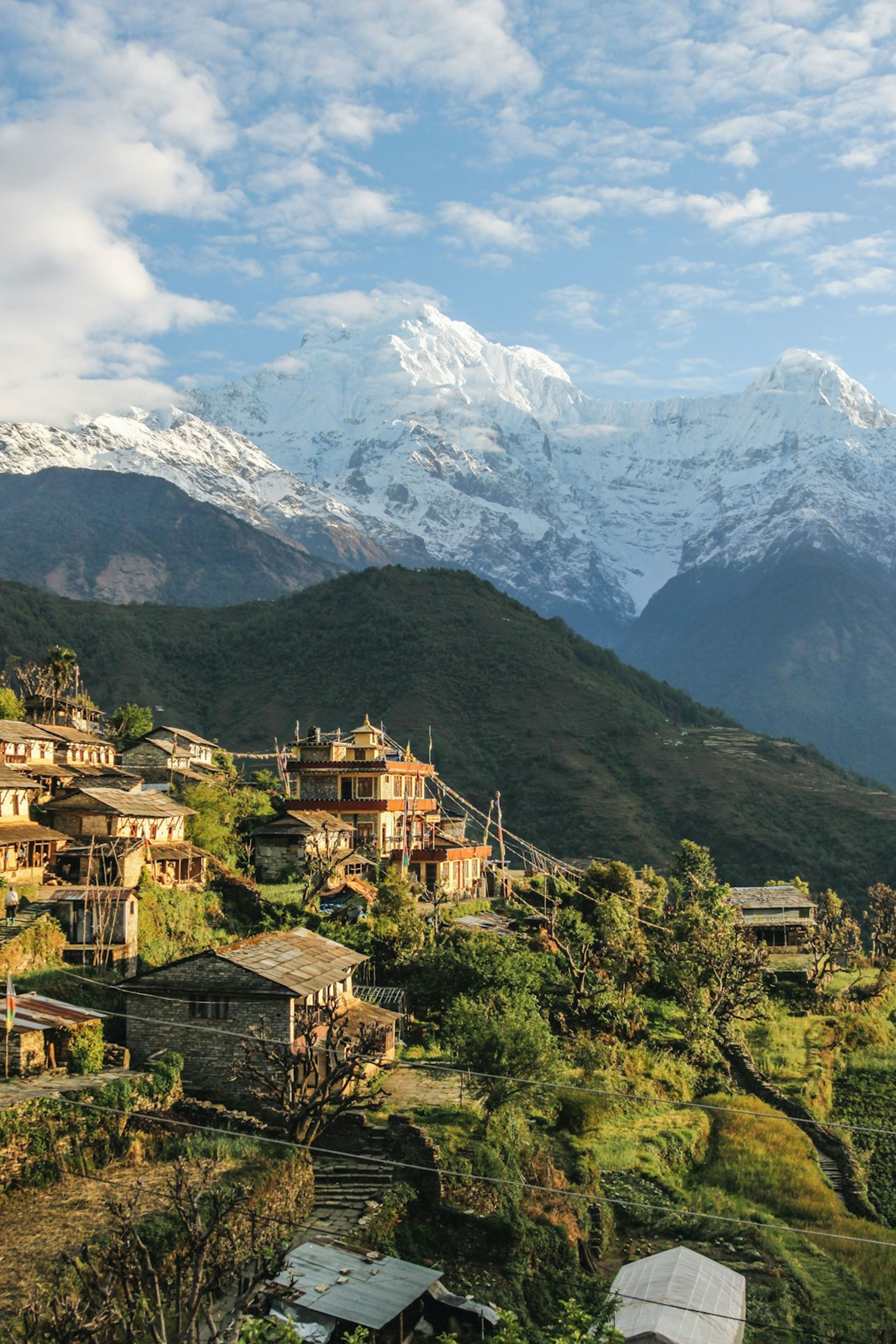
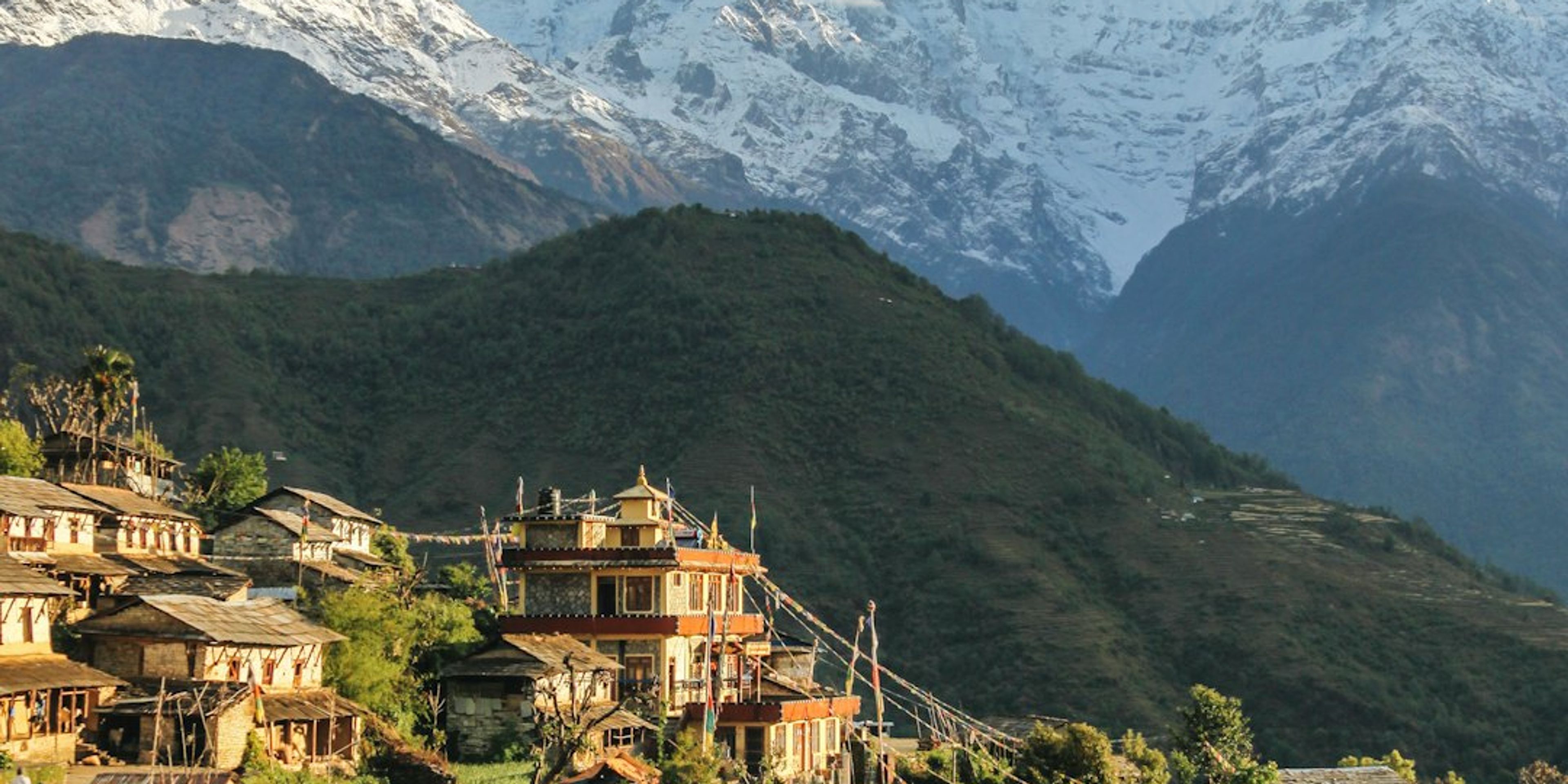
Nepal holds eight of the world's fourteen peaks above 8,000 metres, including Everest, and trekking is what brings most people here - the Everest Base Camp route, the Annapurna Circuit, and quieter trails through Langtang and Manaslu. But the country compresses an extraordinary range into a small space: from the Kathmandu Valley's Newari temple squares at Patan and Bhaktapur, to the lakeside calm of Pokhara, down to the subtropical grasslands of Chitwan where rhinos and tigers live at barely 100 metres above sea level.
Capital
Kathmandu
Population
~30 million
Area
147,516 km²
Time Zone
NPT (UTC+5:45), one of only a few 45-minute offsets in the world
Currency
Nepalese Rupee (NPR), pegged to the Indian Rupee
Languages
Nepali; English widely used in tourism and trekking
Main Airports
KTM (Tribhuvan, Kathmandu), PKR (Pokhara), BWA (Bhairahawa)
Visa
Visa on arrival for most nationalities: 15, 30 or 90 days at roughly USD 30, 50 or 125
Best For
Trekking, Himalayan views, temples, wildlife, paragliding
Typical Cost Level
Budget
Get the latest deals, new destinations, and travel tips delivered straight to your inbox.
No spam, unsubscribe anytime.
Almost all nationalities can get a visa on arrival at Kathmandu airport and major land borders. Fees are roughly USD 30 for 15 days, USD 50 for 30 days and USD 125 for 90 days, payable in cash. Indian citizens do not need a visa at all. You can pre-fill the application form online within 15 days of arrival to speed up the queue, which gets long when several international flights land together.
October and November are the best months overall, with clear post-monsoon skies giving the sharpest mountain views and stable trekking conditions. March to May is the second trekking season, warmer with rhododendrons in bloom but hazier. June to September is the monsoon, when trails are wet, leeches are active and clouds hide the peaks, though the rain-shadow regions of Upper Mustang and Dolpo stay dry. December to February is cold at altitude and high passes may close.
Yes, every trek requires permits, and most main routes now also require a licensed guide. You will normally need a TIMS card plus a national park or conservation area entry permit, such as the Sagarmatha permit for Everest or the ACAP for Annapurna. Restricted areas including Upper Mustang and Manaslu need special permits and a registered agency. Rules on solo trekking have tightened in recent years, so check the current position with a Kathmandu or Pokhara agency before planning an independent route.
Nepal is a friendly country with low violent crime, and the real risks are altitude, road travel and weather rather than people. Altitude sickness is the most serious danger on treks: ascend gradually, build in acclimatisation days and descend immediately if symptoms worsen. Mountain roads and domestic flights both have poor safety records, so choose operators carefully. Nepal sits in an active earthquake zone. Petty theft and trekking scams exist but are manageable with normal caution.
The Nepalese Rupee (NPR) is the currency, pegged to the Indian Rupee at 1.6 to 1. Cards work in Kathmandu and Pokhara hotels, restaurants and agencies, usually with a surcharge, but the mountains run entirely on cash. Withdraw plenty before starting a trek, as ATMs on trails are scarce, unreliable and charge high fees, and prices rise steeply with altitude. Indian notes of 500 and 2000 rupees are not legal tender in Nepal.
On trip1, you can book hotels across Nepal and pay with over 120 cryptocurrencies including Bitcoin, Ethereum, and USDC. trip1 covers 3 million+ hotels in 190+ countries, making it easy to find and book accommodation with crypto.
Entry rules, stay length and passport validity by nationality.