
Get up to €50 off your staySubscribe and get up to €50 off your next stay
Browse and explore the best travel guides in Palau.
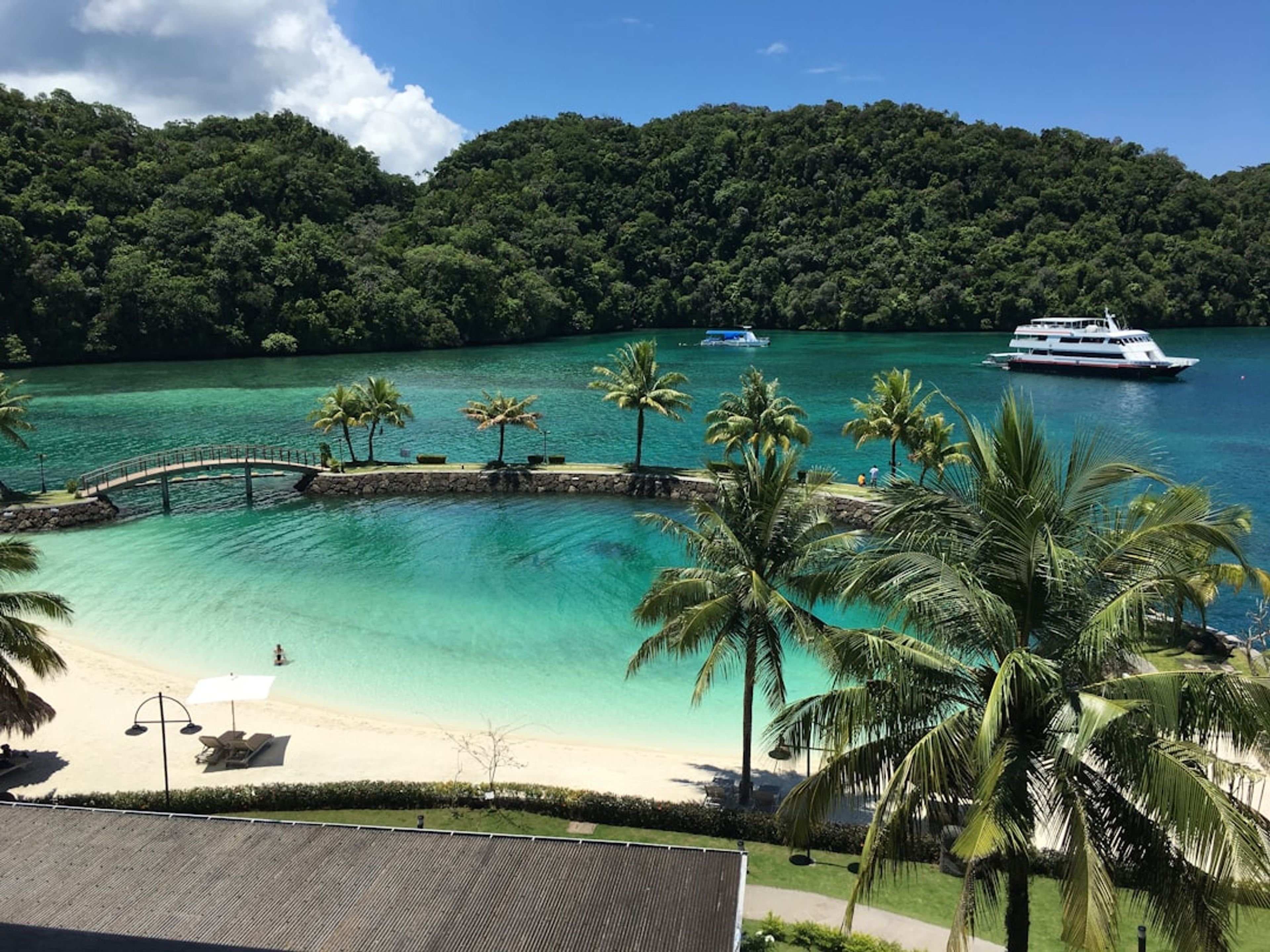
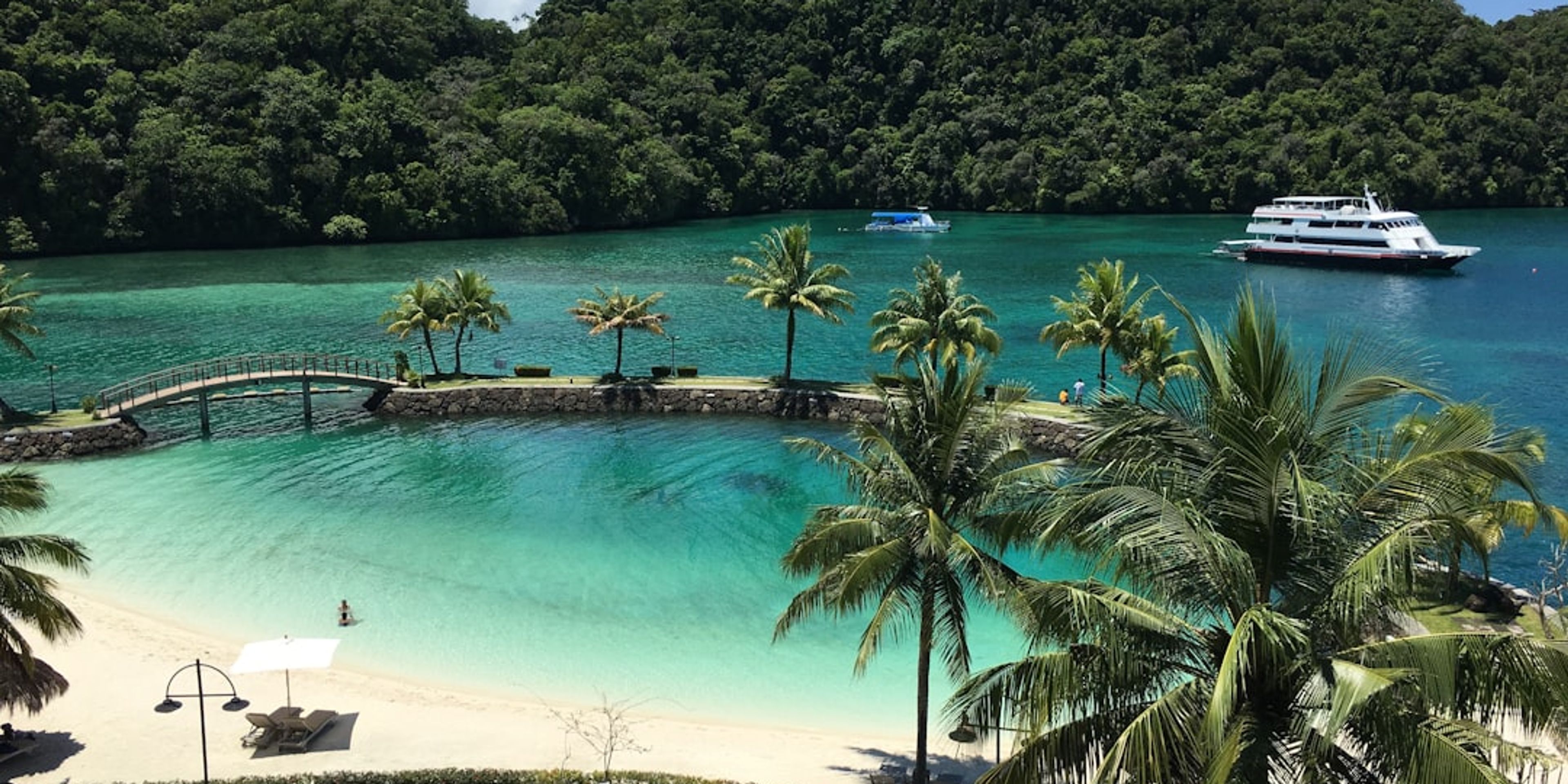
Palau is an archipelago of more than 340 islands in the western Pacific, and it is one of the great diving destinations on earth. The Rock Islands, a UNESCO World Heritage site, are hundreds of mushroom-shaped limestone knobs scattered across a turquoise lagoon, undercut at the waterline by centuries of tidal erosion.
Below the surface, Blue Corner and German Channel deliver reef sharks, manta rays and schooling barracuda in currents that demand a reef hook. Jellyfish Lake, a marine lake where millions of golden jellyfish have evolved without functional stings, reopened after a drought-driven population crash and is snorkel-only. Wrecks from the 1944 Battle of Peleliu lie in shallow water alongside the reefs.
Palau takes conservation seriously and expects visitors to as well. Arriving passengers sign the Palau Pledge, stamped into their passports, promising to tread lightly, and eighty percent of the country's waters are a no-take marine sanctuary. Accommodation is concentrated around Koror, from dive lodges to a few upmarket resorts.
Capital
Ngerulmud; Koror is the largest town and tourism base
Population
~17,700
Area
459 km² across more than 340 islands
Time Zone
UTC+9
Currency
US dollar (USD)
Languages
Palauan and English, both official
Main Airports
ROR (Roman Tmetuchl International, Airai)
Visa
Visa-free on arrival for most nationalities; USD 100 Pristine Paradise Environmental Fee is built into the airfare
Best For
Scuba diving, snorkelling, WWII wrecks, kayaking the Rock Islands
Typical Cost Level
Expensive

Get the latest deals, new destinations, and travel tips delivered straight to your inbox.
No spam, unsubscribe anytime.
Entry rules, stay length and passport validity by nationality.
Diving is good all year, but November to April is drier and generally calmer, and manta activity at German Channel peaks in the earlier part of that window. July to October brings heavier rain and the tail of the typhoon belt, though Palau sits south of most storm tracks. Water temperature holds around 28 to 30C throughout, so a thin wetsuit or rash guard is enough.
Every visitor pays a USD 100 environmental fee, and since it is built into the price of your international airline ticket you will not be asked for it separately at the airport. The money funds conservation and the national marine sanctuary. Separately, permits are required for the Rock Islands and Jellyfish Lake, usually arranged and charged by your dive shop or tour operator.
Most nationalities enter visa-free on arrival, commonly for 30 days, and US citizens may stay up to a year under the Compact of Free Association. On arrival every visitor signs the Palau Pledge, a short promise to the children of Palau to tread lightly, which immigration stamps into your passport. It is a genuine legal commitment as well as a symbolic one.
No, though the best-known sites reward experience. Blue Corner and Peleliu Corner run strong currents and dive shops expect a logged history and reef hook competence. Snorkellers do very well in the Rock Islands, on the shallow coral gardens and at Jellyfish Lake, which is snorkel-only because scuba bubbles harm the jellyfish. Kayaking among the limestone islands needs no certification at all.
Roman Tmetuchl International near Koror is served by a small number of routes, most commonly from Taipei, Manila, Seoul and Guam, with schedules that can change seasonally and sometimes run only a few times a week. Because connections are limited, build a buffer night into either end of a dive trip so a missed link does not cost you the whole itinerary.
On trip1, you can book hotels across Palau and pay with over 120 cryptocurrencies including Bitcoin, Ethereum, and USDC. trip1 covers 3 million+ hotels in 190+ countries, making it easy to find and book accommodation with crypto.