
Get up to €50 off your staySubscribe and get up to €50 off your next stay
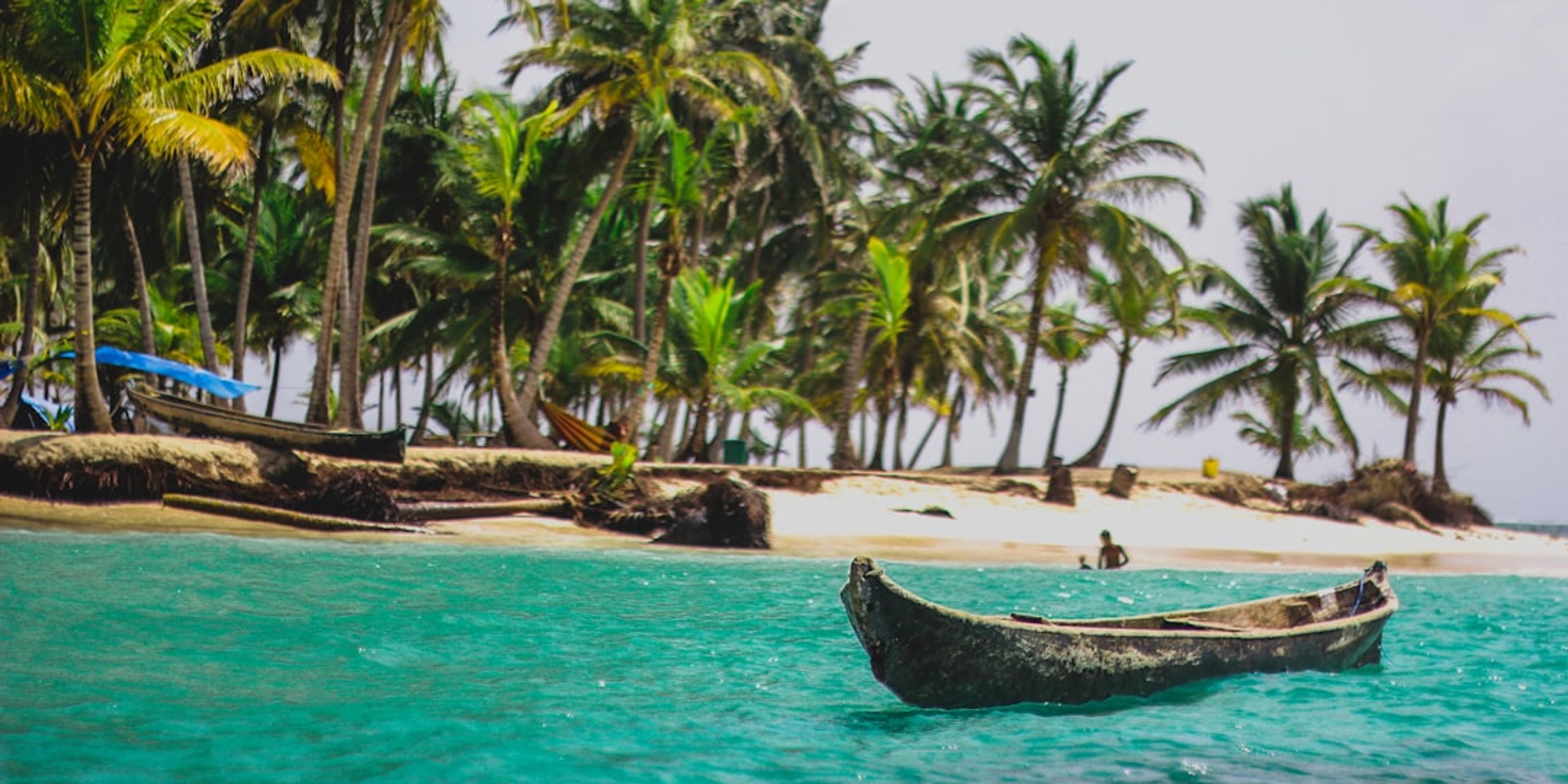
Browse and explore the best travel guides in Panama.
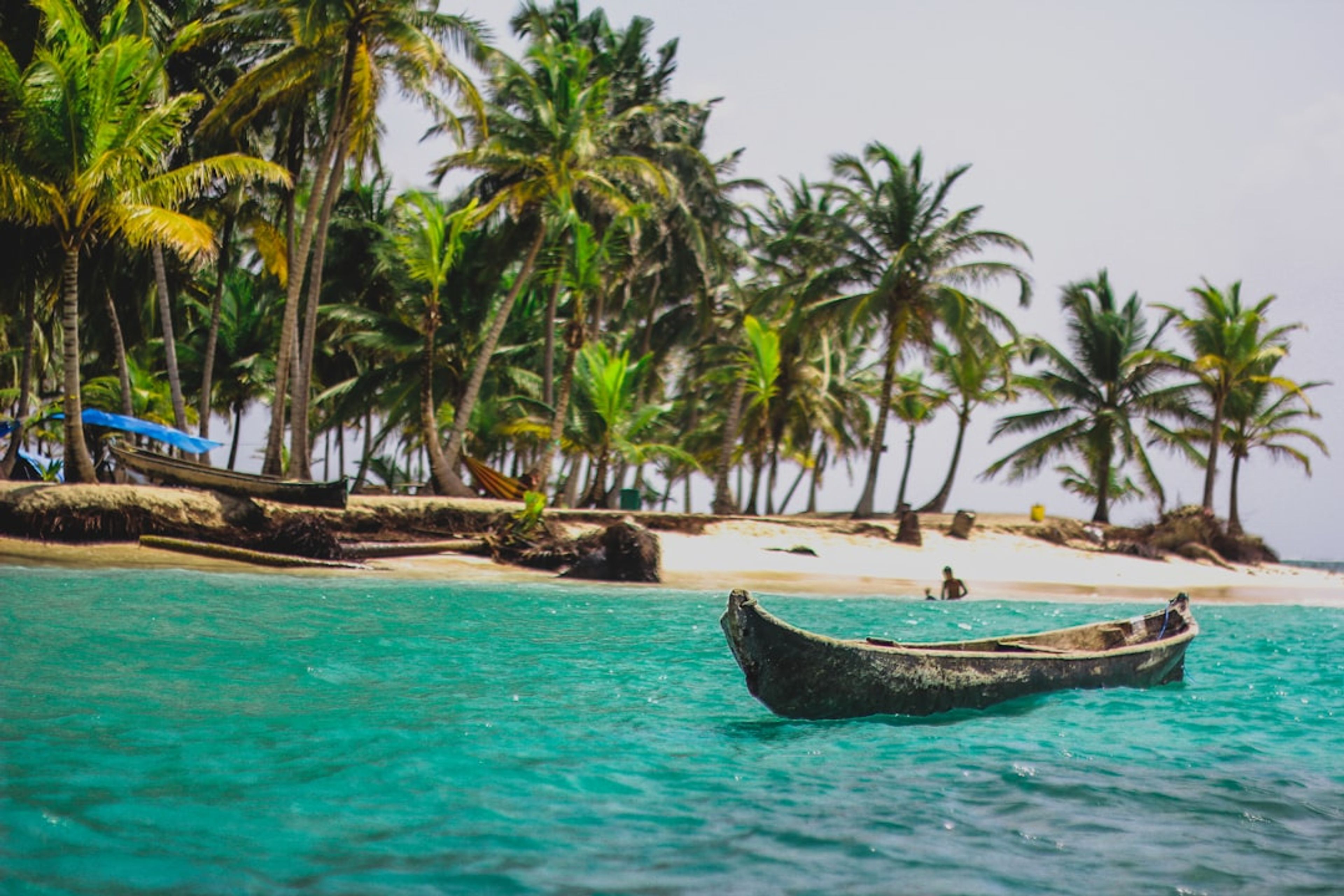
Panama is where the Americas narrow to a 50-kilometre strip and the canal cuts straight through, and watching a Panamax ship rise through the Miraflores locks remains genuinely impressive. Panama City is the region's most cosmopolitan capital, a glass skyline facing the restored colonial quarter of Casco Viejo across the bay. Elsewhere the country delivers the Caribbean-facing Bocas del Toro archipelago, the near-untouched San Blas islands governed by the Guna people, cloud forest and coffee around Boquete, and world-class birdwatching within an hour of the capital.
Capital
Panama City
Population
~4.5 million
Area
75,417 km²
Time Zone
EST (UTC-5), no daylight saving
Currency
Balboa (PAB) pegged 1:1 to the US dollar, which is the circulating banknote
Languages
Spanish; English widely spoken in Panama City and Bocas
Main Airports
PTY (Tocumen International, Panama City)
Visa
Visa-free for EU, UK, US, Canadian and Australian passport holders, typically 90 to 180 days
Best For
Panama Canal, Casco Viejo, San Blas islands, Bocas del Toro, birdwatching
Typical Cost Level
Mid-range
Get the latest deals, new destinations, and travel tips delivered straight to your inbox.
No spam, unsubscribe anytime.
Entry rules, stay length and passport validity by nationality.
EU, UK, US, Canadian and Australian passport holders enter visa-free, typically for 90 to 180 days depending on nationality. You will need a passport valid for six months, proof of onward travel and evidence of sufficient funds, usually cited as USD 500, which immigration officers occasionally ask to see. Panama uses the US dollar, so there is no currency requirement to worry about on arrival.
Mid-December to mid-April is the dry season on the Pacific side and the most reliable time to travel, with sunshine and calm seas for San Blas. The Caribbean coast, including Bocas del Toro, follows a different pattern and often has drier spells in September and October. May to November brings afternoon rain to most of the country, greener landscapes and lower prices. Panama sits below the hurricane belt, so tropical storms are not a concern.
The Miraflores Visitor Center is the easiest option, about 20 minutes from Panama City, with viewing terraces, a museum and an IMAX film. Check the ship transit schedule online and time your visit for when vessels are actually locking through, usually mid-morning or late afternoon. The Agua Clara locks on the Caribbean side show the newer, larger Neopanamax locks. For a fuller experience, partial and full canal transit cruises run on selected days and take four to eight hours.
Panama is one of the safer countries in Central America and Casco Viejo, Punta Paitilla and the main tourist areas are well policed. Petty theft and opportunistic robbery occur, so avoid displaying phones and jewellery, and use rideshare apps at night rather than walking between neighbourhoods. The Darién Gap on the Colombian border is genuinely dangerous and carries a firm advisory against all travel. Colon city also has a poor safety record.
Seven to ten days covers the country comfortably. Give Panama City two or three days for Casco Viejo, the canal and Ancon Hill, then three or four for either Bocas del Toro on the Caribbean or San Blas for the Guna islands. Add two or three for Boquete's coffee farms and cloud forest in the western highlands. Panama also works very well as a three-day stopover thanks to Copa's hub at Tocumen.
On trip1, you can book hotels across Panama and pay with over 120 cryptocurrencies including Bitcoin, Ethereum, and USDC. trip1 covers 3 million+ hotels in 190+ countries, making it easy to find and book accommodation with crypto.