
Get up to €50 off your staySubscribe and get up to €50 off your next stay
Browse and explore the best travel guides in Saint Lucia.
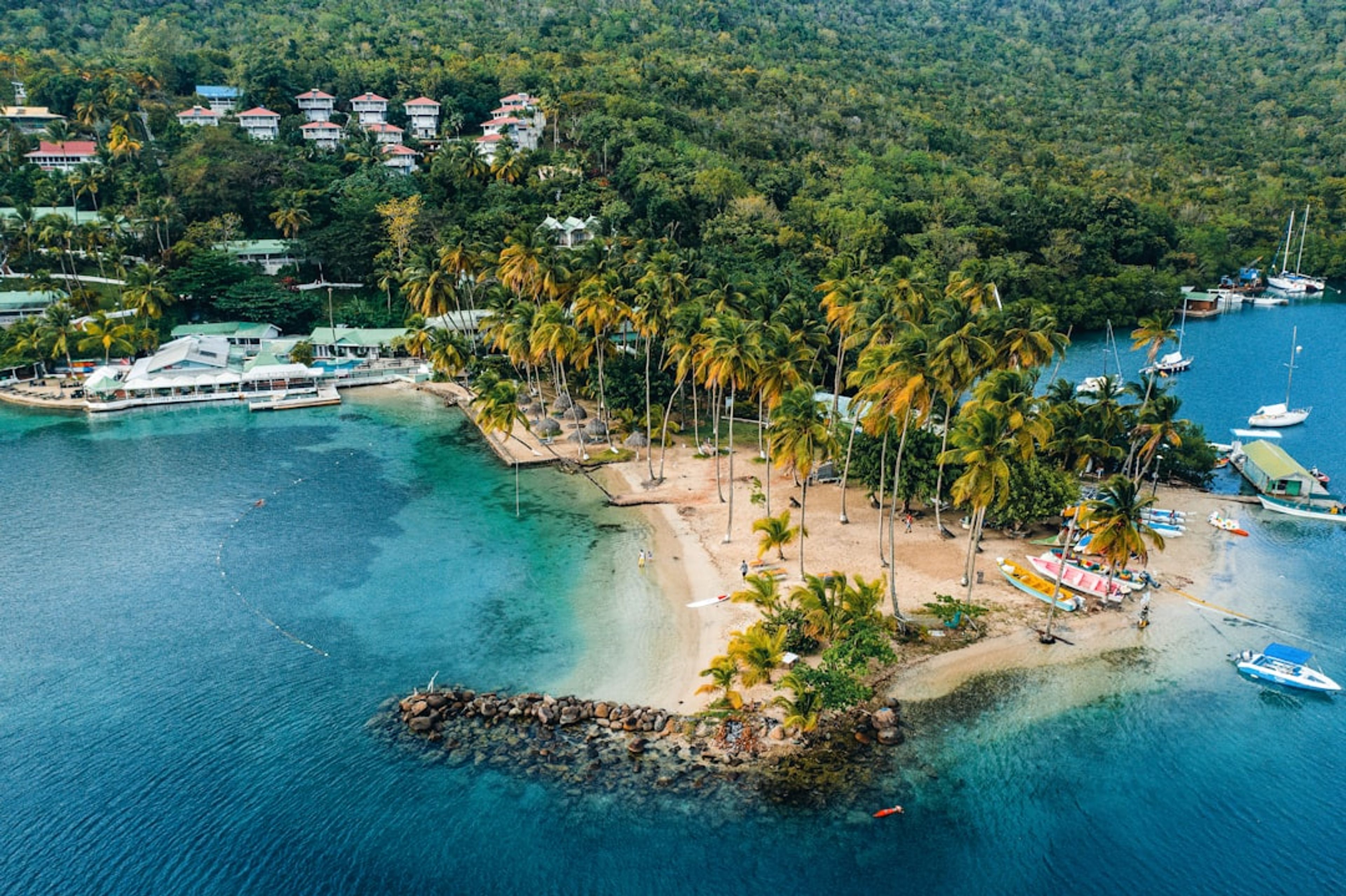
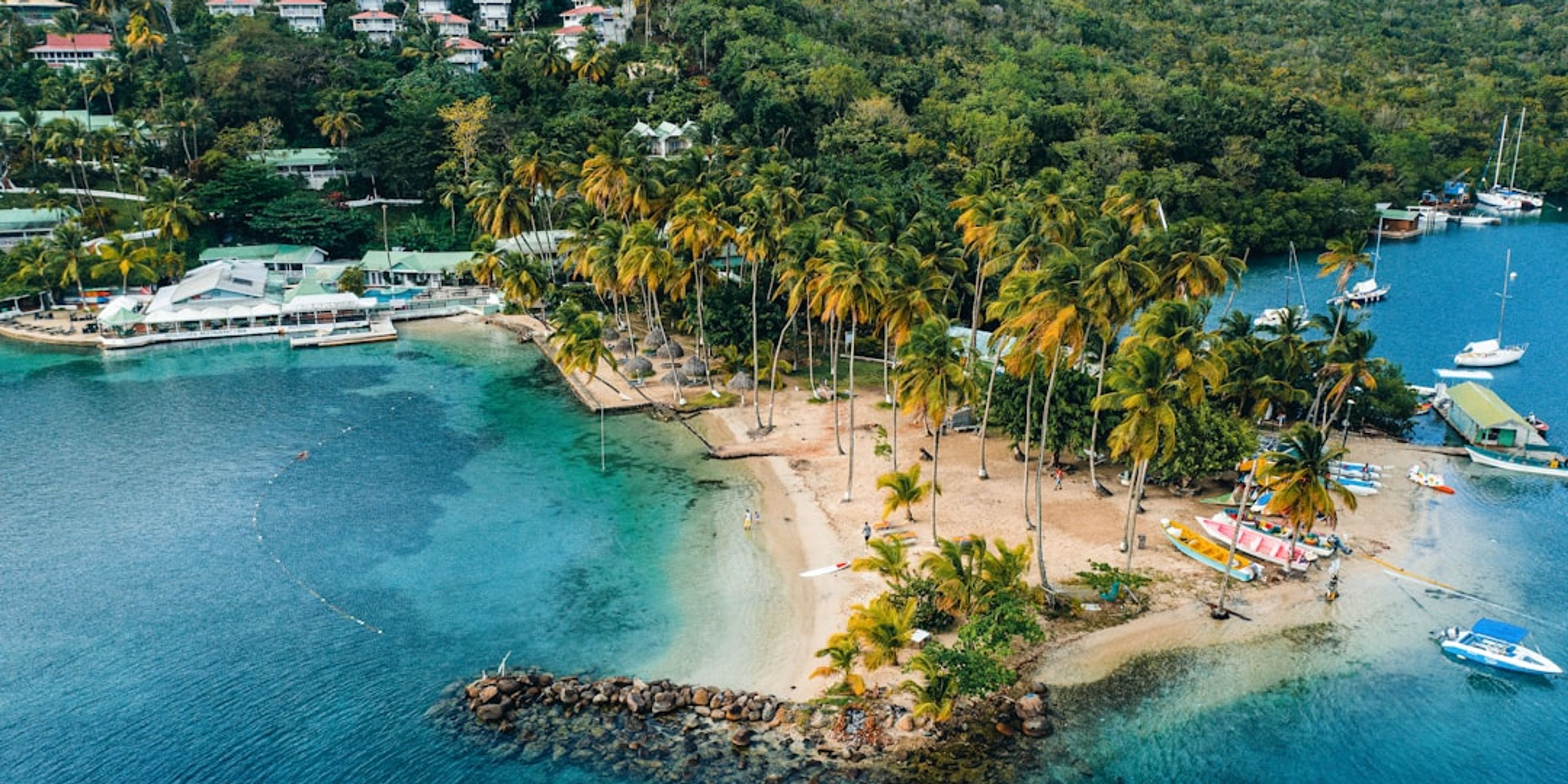
Saint Lucia has the most dramatic profile in the Caribbean thanks to the Pitons, two volcanic spires rising straight out of the sea near Soufrière and now a UNESCO World Heritage site. The island is steep, green and volcanic throughout, with a drive-in sulphur crater, hot springs, rainforest hiking and waterfalls packed into a space you can cross in two hours. That scenery, combined with a concentration of adults-only resorts, has made it one of the region's leading honeymoon destinations, though the fishing villages and Friday street party at Gros Islet keep it grounded.
Capital
Castries
Population
~180,000
Area
617 km²
Time Zone
AST (UTC-4), no daylight saving
Currency
East Caribbean Dollar (XCD), pegged at 2.70 to the US dollar; USD widely accepted
Languages
English (official); Saint Lucian Creole widely spoken
Main Airports
UVF (Hewanorra, Vieux Fort), SLU (George F. L. Charles, Castries)
Visa
Visa-free for EU, UK, US, Canadian and Commonwealth passport holders, typically up to 6 weeks
Best For
The Pitons, honeymoons, rainforest hiking, sailing, sulphur springs
Typical Cost Level
Expensive

Get the latest deals, new destinations, and travel tips delivered straight to your inbox.
No spam, unsubscribe anytime.
Entry rules, stay length and passport validity by nationality.
EU, UK, US, Canadian and Commonwealth passport holders do not need a visa and are typically granted up to six weeks on arrival, extendable. You will need a passport valid for six months, a return ticket and confirmed accommodation. An online immigration form should be completed before travel. Saint Lucia charges a departure tax, which is normally included in your airfare.
December to April is the dry season and peak period, with reliable sunshine and the highest rates. Saint Lucia Carnival in July and the Saint Lucia Jazz Festival in May are the two events worth planning around. June to November is wetter and falls in hurricane season, with September and October the highest risk, though rates drop significantly. Even in the wet season, rain tends to come in short heavy bursts rather than lasting all day.
Soufrière in the southwest puts you beneath the Pitons with the most dramatic views, the sulphur springs and the best boutique and luxury resorts, but it is quiet with limited dining outside hotels. The north around Rodney Bay and Gros Islet has more restaurants, bars, the Friday street party and easier access to the smaller Castries airport. Note that Hewanorra, the international airport, is in the far south, so a northern stay means a 90-minute transfer.
Gros Piton is the one visitors climb, and a licensed guide is mandatory. The hike takes around four hours return, is genuinely steep and scrambly in places, and starts early to avoid the heat. You need reasonable fitness and proper shoes rather than any technical skill. Petit Piton is shorter but far more dangerous, effectively a near-vertical scramble, and is discouraged for casual hikers. Both sit inside the UNESCO-listed Pitons Management Area, so an access fee applies.
On trip1, you can book hotels across Saint Lucia and pay with over 120 cryptocurrencies including Bitcoin, Ethereum, and USDC. trip1 covers 3 million+ hotels in 190+ countries, making it easy to find and book accommodation with crypto.