Get up to €50 off your staySubscribe and get up to €50 off your next stay
Browse and explore the best travel guides in Gothenburg.
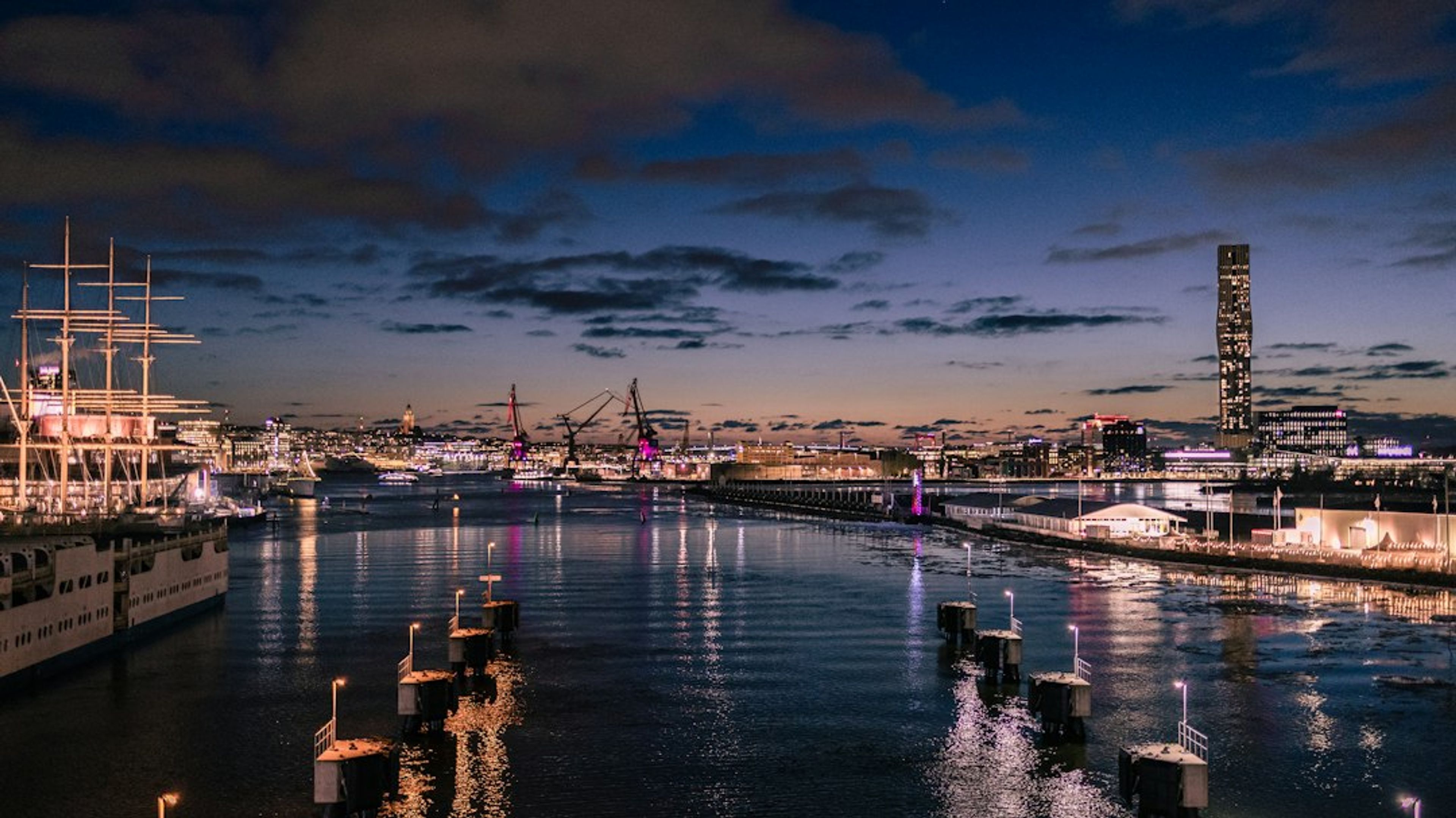
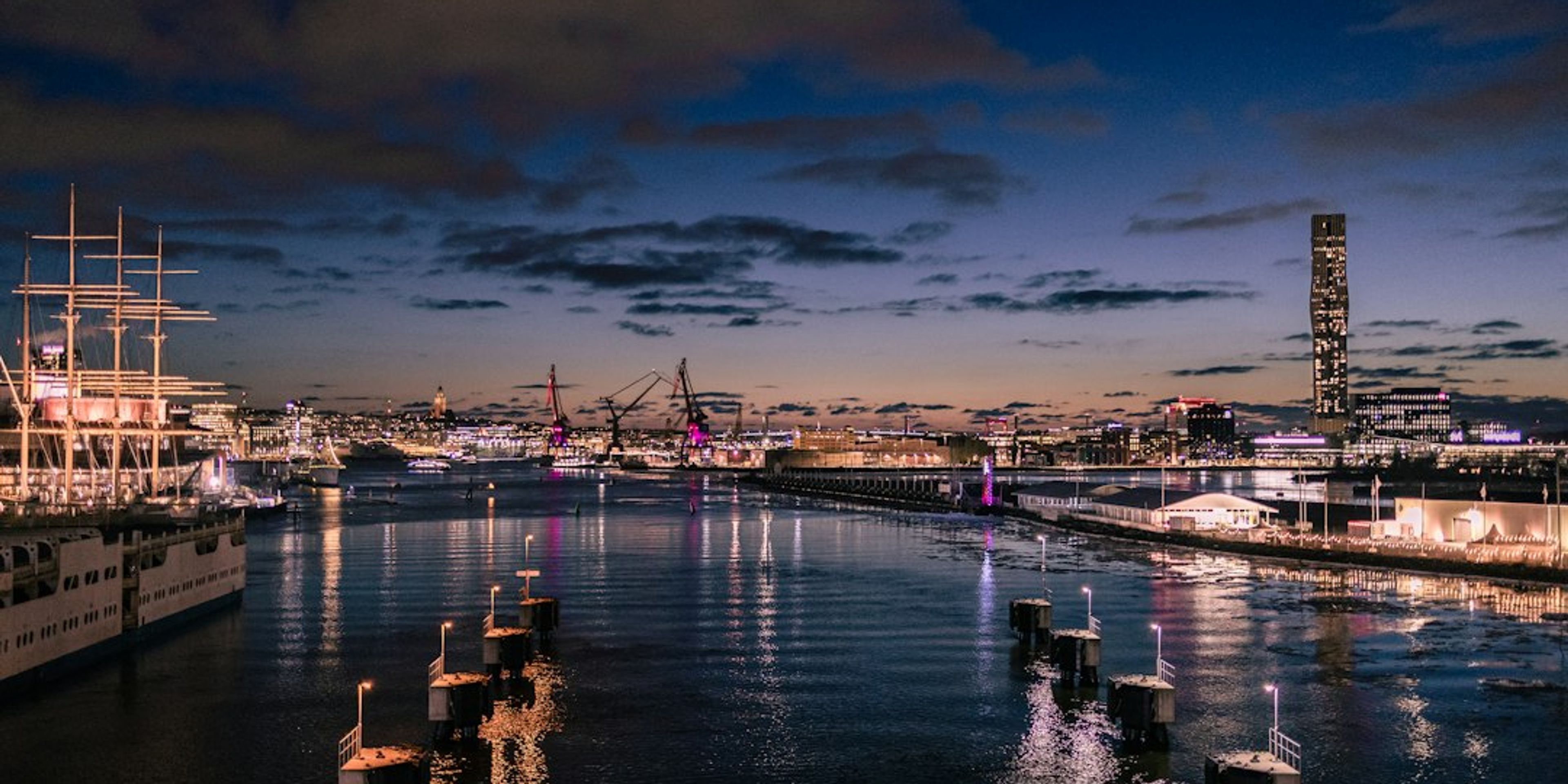
Gothenburg is Sweden's second-largest city and its main port, set on the west coast where the Göta älv river meets the sea. Laid out by Dutch engineers in the 17th century, its centre is crossed by canals and lined with grand boulevards such as the Avenyn, giving it a relaxed, open feel.
Visitors wander the wooden houses and cafes of Haga, famous for its oversized cinnamon buns, and spend a day at Liseberg, one of Scandinavia's biggest amusement parks. Seafood is a speciality, from the Feskekôrka fish market to the city's acclaimed restaurants, and Universeum, the art museum on Götaplatsen and the green Slottsskogen park add plenty to explore.
Gothenburg's greatest draw may be its archipelago: car-free islands with rocky swimming spots and fishing villages, reachable by tram and ferry on a standard transport ticket. Friendly and easy to navigate, the city is also a gateway to the dramatic Bohuslän coast to the north.
Country
Sweden
Region
Västra Götaland, west coast
Population
~605,000 (city), ~1.1 million metro
Elevation
~12 m above sea level
Time Zone
CET (UTC+1), CEST (UTC+2) in summer
Currency
Swedish Krona (SEK)
Language
Swedish (English widely spoken)
Nearest Airport
GOT (Göteborg Landvetter), ~25 km
Airport to City Centre
~20-30 min by Flygbussarna airport coach
Typical Cost Level
Mid-range to High
Transport Pass
Västtrafik 24/72-hour ticket via To Go app (includes archipelago ferries)
Spring (Mar-May)
0-15°C
Summer (Jun-Aug)
12-21°C
Autumn (Sep-Nov)
3-15°C
Winter (Dec-Feb)
-3 to 3°C

Get the latest deals, new destinations, and travel tips delivered straight to your inbox.
No spam, unsubscribe anytime.
Entry rules, stay length and passport validity by nationality.
May to September is the best time to visit Gothenburg, when the archipelago islands, outdoor terraces and Liseberg amusement park are in full swing. August brings the Gothenburg Culture Festival. From mid-November, Liseberg's Christmas market is one of Scandinavia's largest.
The Flygbussarna airport coach is the easiest way from Göteborg Landvetter Airport to the city centre. It reaches Nils Ericson Terminal next to Central Station in about 20-30 minutes, with stops at central hotels. A taxi takes around 25 minutes but costs considerably more.
Trams are the best way to get around Gothenburg, which has one of the largest tram networks in Northern Europe. Västtrafik tickets, bought in the To Go app, also cover buses and the ferries to the southern archipelago. The centre is walkable, so you do not need a car.
Two to three days is ideal for Gothenburg. That covers Haga, the canals, Liseberg and the seafood scene, plus a day in the car-free southern archipelago. Add more time to explore the Bohuslän coast.
Yes, Gothenburg is generally safe for tourists. The centre and main visitor areas are calm and well lit. Watch your belongings around Central Station and in nightlife areas late at night, as in any large city.
On trip1, you can book hotels across Gothenburg and pay with over 50 cryptocurrencies including Bitcoin, Ethereum, and USDC. trip1 covers 3 million+ hotels in 190+ countries, making it easy to find and book accommodation with crypto.
The southern archipelago is the best day trip from Gothenburg, with car-free islands such as Styrsö and Vrångö reachable by tram and ferry on a regular transport ticket. Marstrand, with its island fortress, is about an hour away, and the fishing villages of the Bohuslän coast, such as Smögen, are popular in summer.
Seafood is the must-try food in Gothenburg, especially an open-faced shrimp sandwich, or räksmörgås. Visit the Feskekôrka fish market, then stop for fika in Haga, where cafes serve famously huge cinnamon buns.