Get up to €50 off your staySubscribe and get up to €50 off your next stay
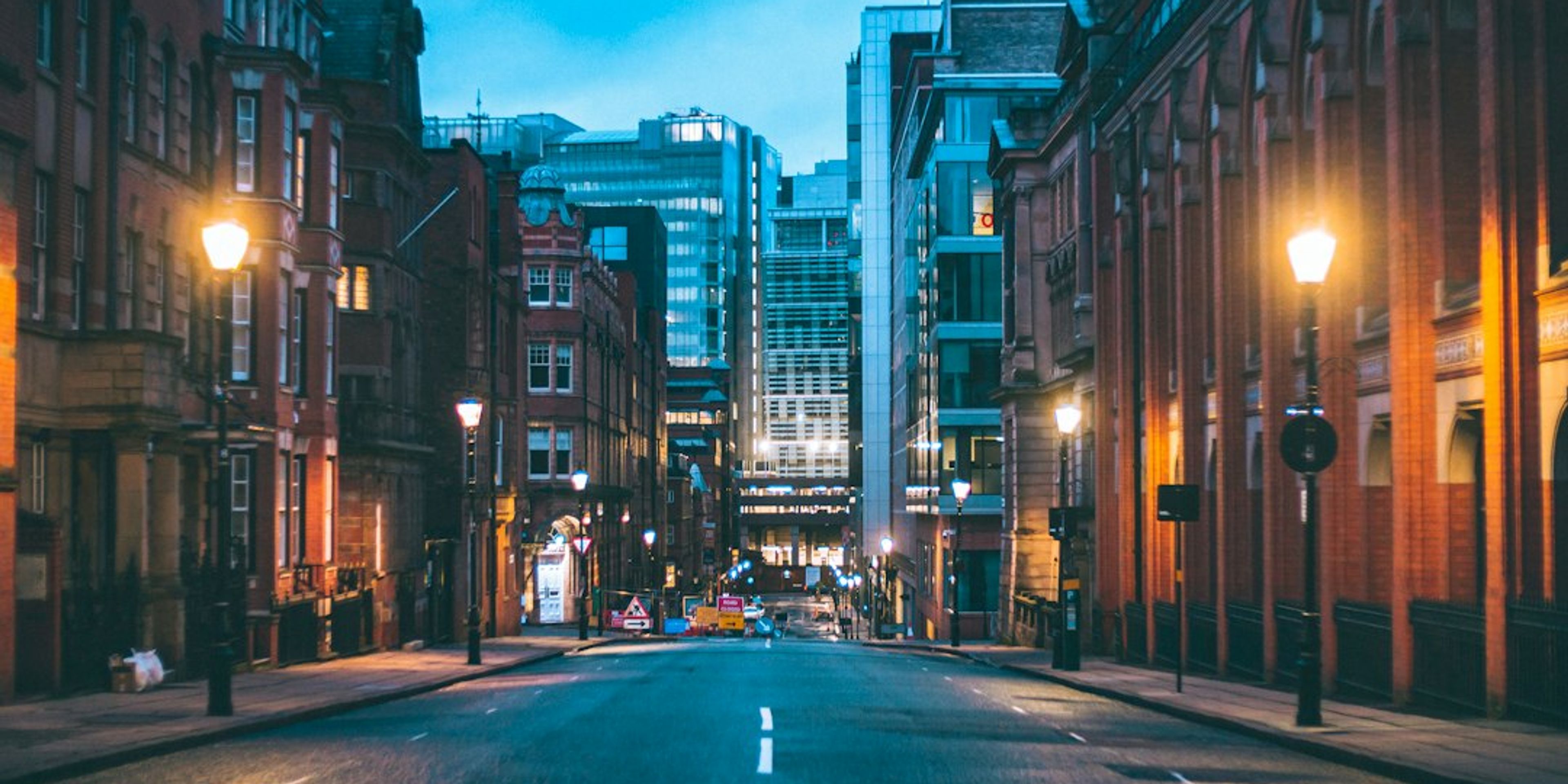
Browse and explore the best travel guides in Birmingham.
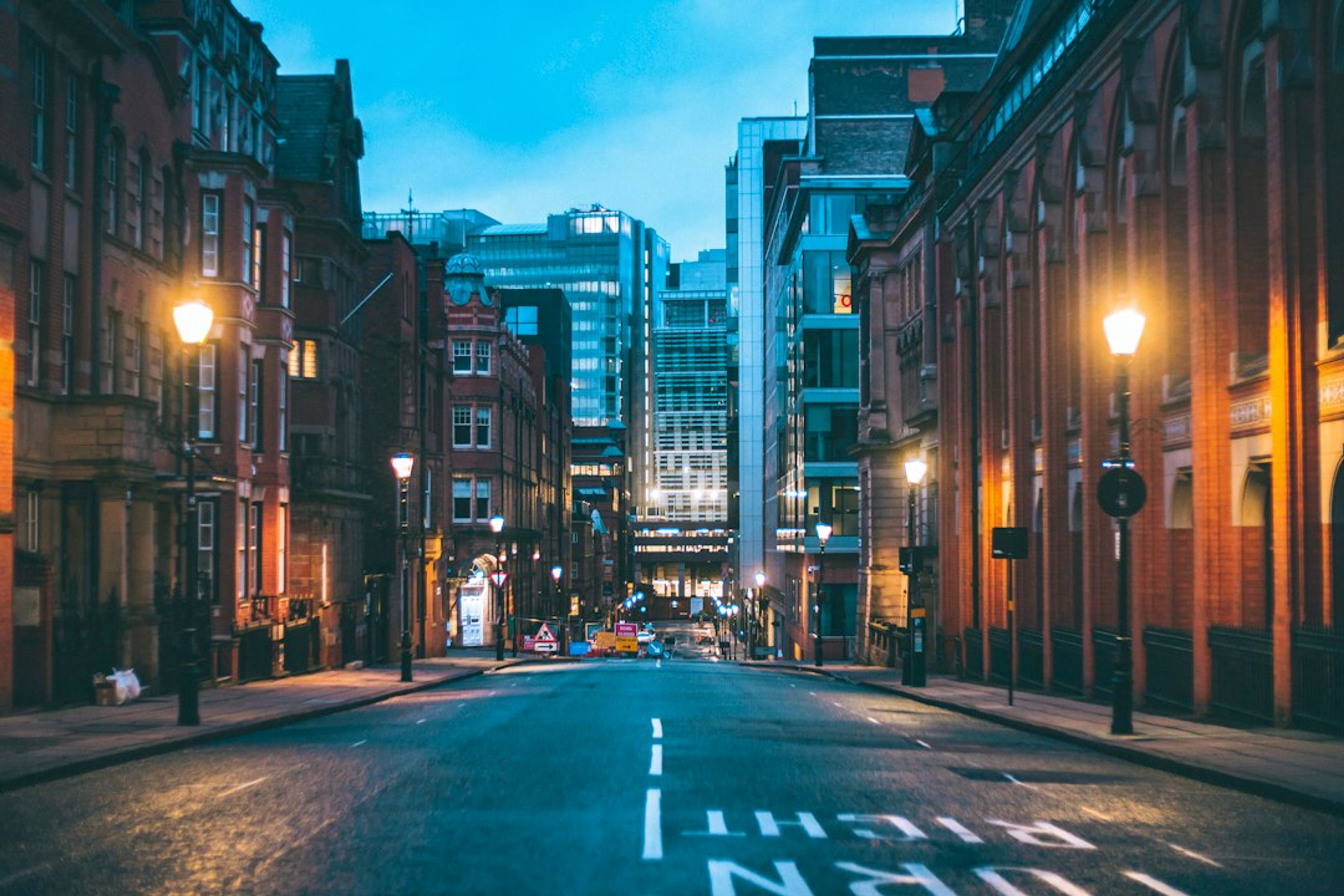
Birmingham is the UK's second-largest city and was once the workshop of the world, powering the Industrial Revolution with its factories, foundries and canals. That network of waterways still threads through the centre, lined with converted warehouses, towpath cafes and waterside bars around Brindleyplace and Gas Street Basin.
Today the city has reinvented itself with landmarks like the Library of Birmingham, the Bullring and the revamped New Street station. The Jewellery Quarter still produces much of Britain's jewellery, Digbeth is a creative hub of street art, music venues and street food, and the Balti Triangle is the home of the balti curry. Cadbury World in Bournville and Symphony Hall add to the mix.
Birmingham is well connected, with trains reaching London in around 80 minutes and a busy international airport just outside the city. Hotels are good value compared with London, and Stratford-upon-Avon, Warwick Castle and the Cotswolds are all within easy reach.
Country
United Kingdom
Region
West Midlands, England
Population
~1.15 million (city), ~2.9 million West Midlands
Elevation
~140 m above sea level
Time Zone
GMT (UTC+0), BST in summer
Currency
Pound Sterling (GBP)
Language
English
Nearest Airport
BHX (Birmingham), ~13 km
Airport to City Centre
~10-15 min by train to New Street
Typical Cost Level
Mid-range
Transport Pass
Swift card or nNetwork day ticket; contactless on buses and trams
Spring (Mar-May)
6-14°C
Summer (Jun-Aug)
13-21°C
Autumn (Sep-Nov)
7-15°C
Winter (Dec-Feb)
2-7°C
Get the latest deals, new destinations, and travel tips delivered straight to your inbox.
No spam, unsubscribe anytime.
May to September is the best time to visit Birmingham, with the mildest weather for canal walks and outdoor events. November and December bring the Frankfurt Christmas Market to the city centre. Rain is possible in any month, so pack a jacket.
The train is the fastest way from Birmingham Airport to the city centre. A free AirRail shuttle links the terminal to Birmingham International station, and frequent trains reach Birmingham New Street in about 10-15 minutes. A taxi takes around 25 minutes outside rush hour.
You do not need a car in Birmingham. The city centre, Jewellery Quarter, Brindleyplace and Digbeth are all walkable, and the West Midlands Metro tram, local trains and buses cover the rest. Contactless payment works across most public transport, and the canal towpaths make pleasant walking routes.
Two days is a good amount of time for Birmingham. That covers the city centre, the canals, the Jewellery Quarter and a curry in the Balti Triangle. Add a day or two for Cadbury World or trips to Stratford-upon-Avon and Warwick Castle.
Birmingham is generally safe for tourists who take normal city precautions. The centre and main visitor areas are busy and well lit. Watch your belongings around New Street station and the Bullring, and stick to busy streets late at night.
On trip1, you can book hotels across Birmingham and pay with over 50 cryptocurrencies including Bitcoin, Ethereum, and USDC. trip1 covers 3 million+ hotels in 190+ countries, making it easy to find and book accommodation with crypto.
The City Centre is the most convenient area to stay in Birmingham. Brindleyplace and the canal basin have waterside bars and restaurants, the Jewellery Quarter has independent shops and cocktail bars, and Digbeth is the creative quarter with street art, music venues and street food. Edgbaston and Moseley are leafier and quieter.
Stratford-upon-Avon, Shakespeare's birthplace, is the classic day trip from Birmingham, about an hour by train. Warwick Castle is even closer, and the Cotswolds villages are within easy driving distance. Ironbridge Gorge, a cradle of the Industrial Revolution, is about an hour west.
Entry rules, stay length and passport validity by nationality.