When is the best time to visit British Virgin Islands?
The best time to visit British Virgin Islands is between December and May, the most comfortable stretch of the year on these averages.
Temperatures peak in August at around 29°C (84°F). November is the wettest month, with about 159 mm of rain. Outside December–May the numbers move but the year has no single wet or dry season.
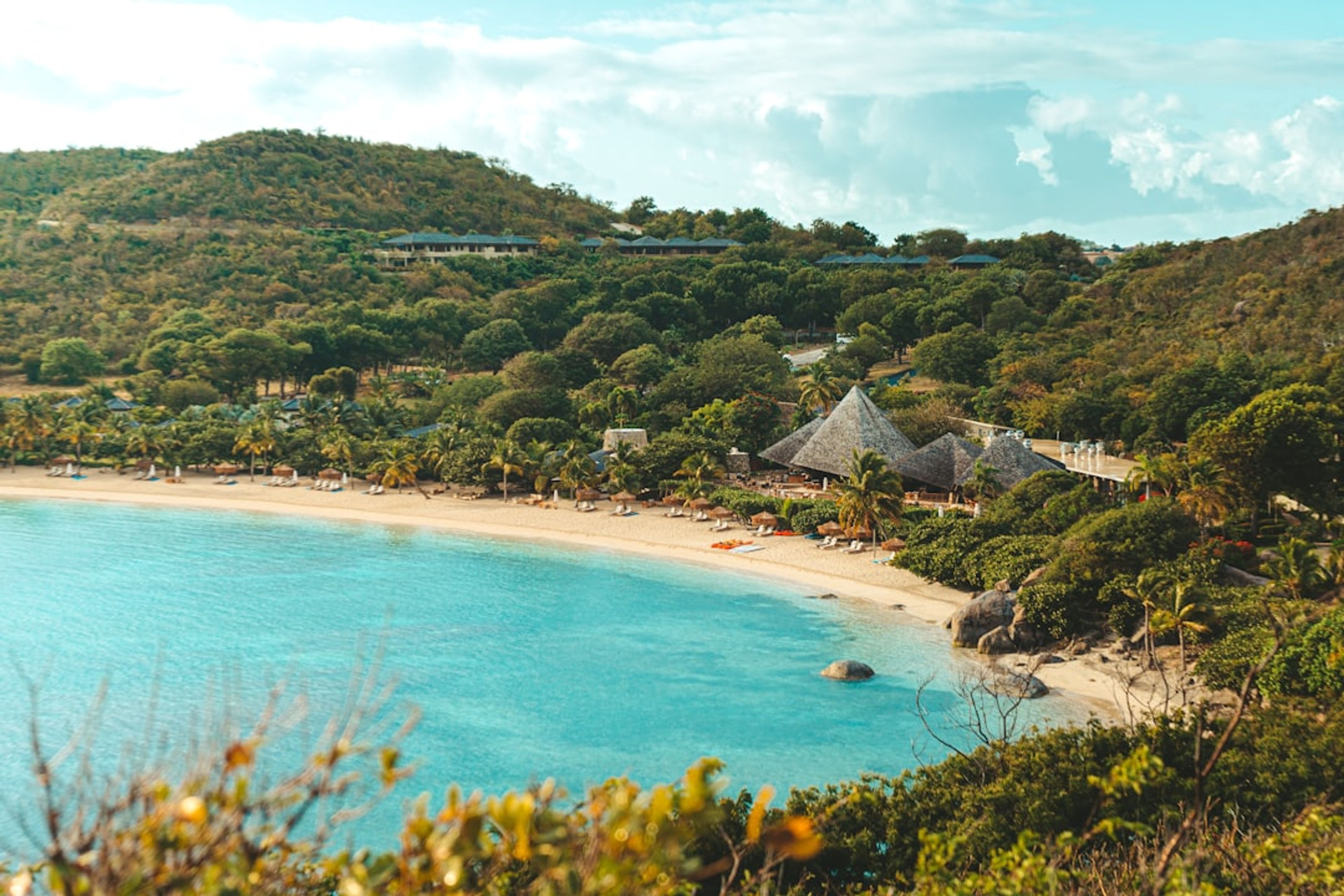

British Virgin Islands weather by month
TemperatureRainfall
Average temperature and rainfall, month by month
Every figure below is a 1991–2020 climate normal for British Virgin Islands, in °C and °F. Open a month for what to expect and what to pack.
| Month | Average | Rainfall |
|---|---|---|
| January | 26°C / 78°F | 58 mm |
| February | 26°C / 79°F | 50 mm |
| March | 26°C / 79°F | 50 mm |
| April | 27°C / 81°F | 59 mm |
| May | 28°C / 82°F | 79 mm |
| June | 29°C / 84°F | 61 mm |
| July | 29°C / 84°F | 77 mm |
| August | 29°C / 84°F | 107 mm |
| September | 29°C / 84°F | 125 mm |
| October | 28°C / 83°F | 141 mm |
| November | 27°C / 81°F | 159 mm |
| December | 26°C / 80°F | 79 mm |
Travel guides for British Virgin Islands
What to read before you book.
Check another month
Now pick a month.
FAQs about British Virgin Islands weather
Climate averages for British Virgin Islands, 1991–2020.
The best time to visit British Virgin Islands is between December and May, the most comfortable stretch of the year on these averages.
August is the hottest month, with an average around 29°C.
November is the wettest month, with about 159 mm of rain.
January is the coolest month, averaging 26°C (78°F) against 29°C (84°F) in August.
This page does not show today's weather. It is a 1991–2020 climate normal from Meteostat — a long-run average of what each month is usually like, which is what you want when booking ahead. For today or the coming week, check a live forecast.
No. These are 1991–2020 climate normals from Meteostat, not a live forecast. Actual weather in any given week can differ.