
Get up to €50 off your staySubscribe and get up to €50 off your next stay

Browse and explore the best travel guides in British Virgin Islands.
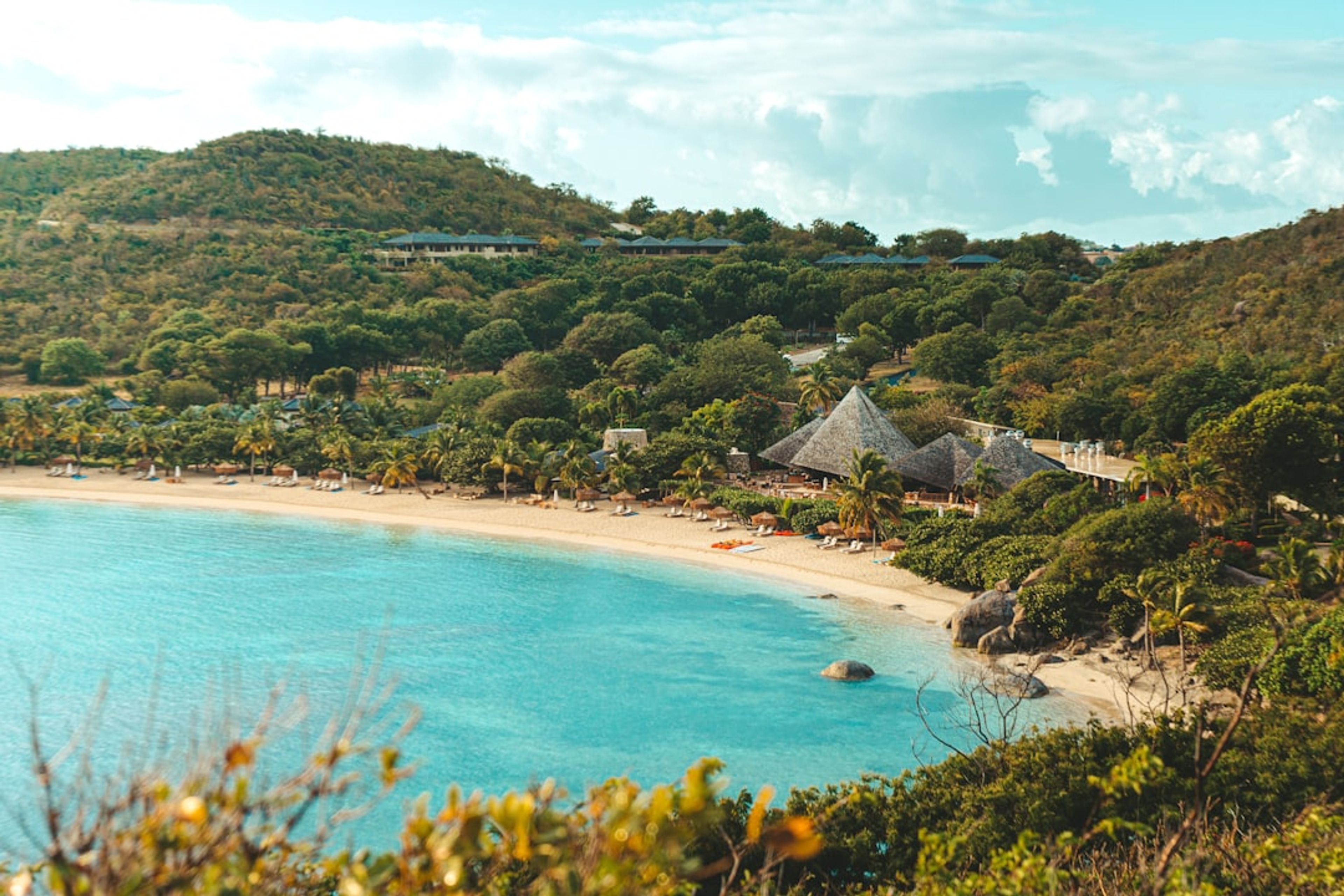
The British Virgin Islands are built around sailing more completely than anywhere else in the Caribbean, with around 60 islands and cays packed into protected waters, steady trade winds and line-of-sight navigation that makes chartering unusually forgiving. Tortola is the hub, Virgin Gorda has The Baths, a jumble of house-sized granite boulders forming grottoes and pools, and Jost Van Dyke is famous for beach bars reached by dinghy. Anegada, the one flat coral island, sits behind a reef known for lobster and shipwrecks.
Capital
Road Town (on Tortola)
Population
~32,000
Area
153 km² across around 60 islands and cays
Time Zone
AST (UTC-4), no daylight saving
Currency
US Dollar (USD), despite being a British Overseas Territory
Languages
English
Main Airports
EIS (Terrance B. Lettsome, Beef Island); many arrive by ferry from St Thomas
Visa
Visa-free for EU, UK, US and Canadian passport holders; a British Overseas Territory outside the UK visa system
Best For
Yacht charter and sailing, The Baths, snorkelling, beach bars
Typical Cost Level
Expensive

Get the latest deals, new destinations, and travel tips delivered straight to your inbox.
No spam, unsubscribe anytime.
EU, UK, US and Canadian passport holders do not need a visa and are typically granted up to 30 days on arrival, extendable. The BVI is a British Overseas Territory with its own immigration system, so a UK visa does not automatically cover it and vice versa. You will need a passport valid for six months, a return ticket and proof of accommodation or a yacht charter booking.
December to April is the sailing high season, with steady 15 to 20 knot trade winds, dry weather and the busiest charter fleet, so book boats months ahead. The BVI Spring Regatta in late March and Foxy's Old Year's Night on Jost Van Dyke are the calendar's biggest events. Hurricane season runs June to November and most charter companies scale back sharply in September and October. May and early June offer excellent conditions with fewer boats.
There are no direct long-haul flights, so most visitors connect. The common routes are a flight to St Thomas in the US Virgin Islands followed by a 45 to 60 minute ferry to Tortola, or a connecting flight through San Juan, Antigua or St Maarten into Beef Island (EIS) on a small aircraft. The St Thomas ferry route is usually cheaper but involves clearing immigration twice. Allow generous connection time in either case.
No, but the islands are designed around boats and a land-based trip sees considerably less. You can stay on Tortola or Virgin Gorda and reach The Baths, Anegada and Jost Van Dyke on public ferries and day-trip boats, which works well. Chartering, either bareboat with a skipper's qualification or crewed, opens up the anchorages and beach bars that define the destination. Day sails from Tortola are a good middle ground.
On trip1, you can book hotels across the British Virgin Islands and pay with over 120 cryptocurrencies including Bitcoin, Ethereum, and USDC. trip1 covers 3 million+ hotels in 190+ countries, making it easy to find and book accommodation with crypto.
Entry rules, stay length and passport validity by nationality.