

When is the best time to visit Vancouver?

The best time to visit Vancouver is between May and October, the most comfortable stretch of the year on these averages.

Vancouver has a real winter and a real summer. Snow is part of the cold months, not a freak event. The outdoor year is short in the middle and long at the ends of summer. Vancouver is a city in Canada. This page is about Vancouver, not a country average.

Most visitors come once the freeze has lifted, or they come on purpose for the cold. Do not book Vancouver as a sunlounger destination. The monthly table owns the averages. This layer is the year those numbers sit inside.

Part of Canada weather.

Vancouver

Spring

Spring in Vancouver is the thaw. March, April and May move from leftover winter to usable outdoor days. Snow retreats. Mud and bright afternoons can share a week.

In Vancouver the meteorological summer is June, July and August and winter is December, January and February. Come for cities and the first terraces, not for guaranteed picnic weather. A squall in Vancouver in these months is ordinary, not a ruined trip.

Read Vancouver in this stretch as its own climate, not as a generic holiday season copied from another destination.
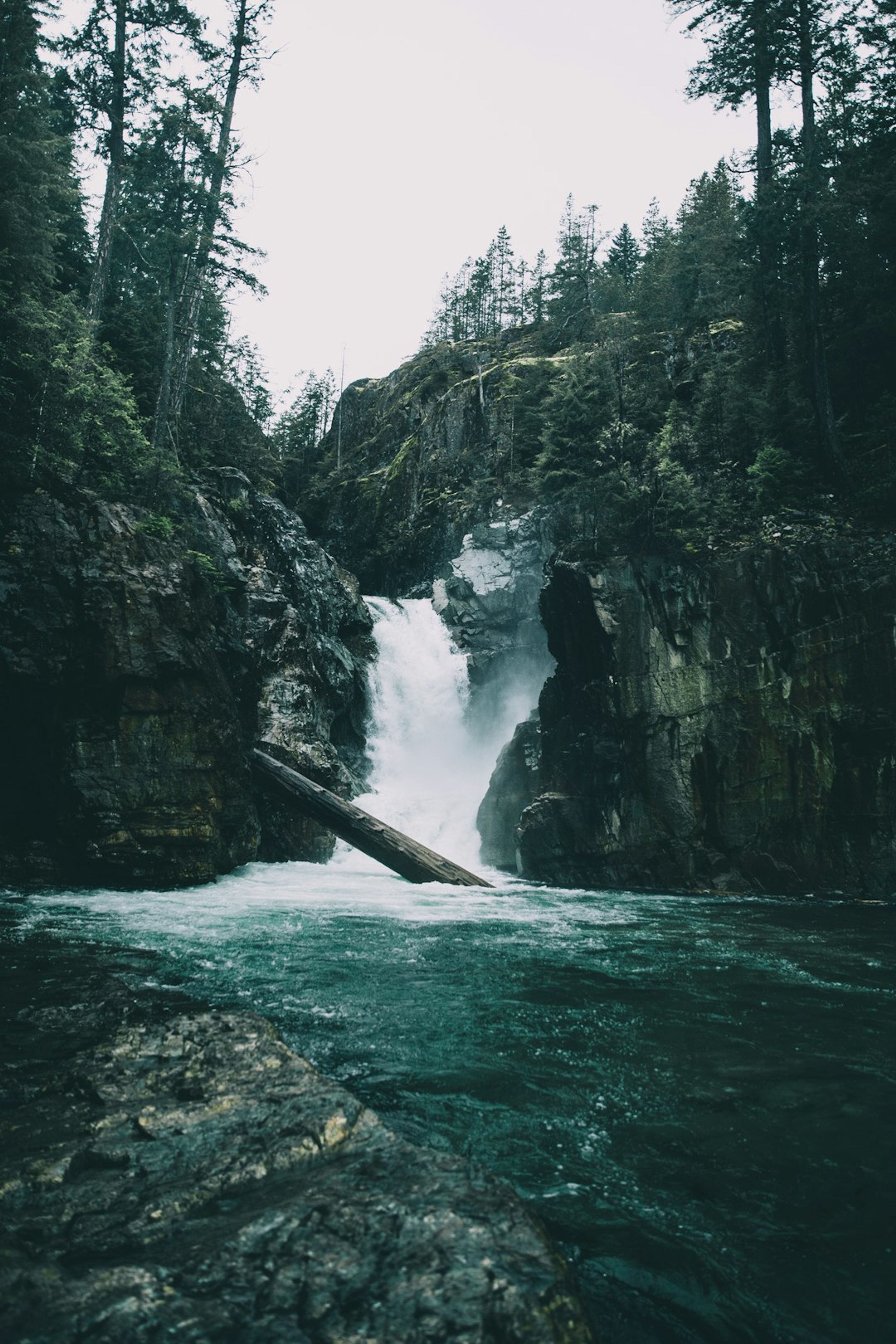
Summer

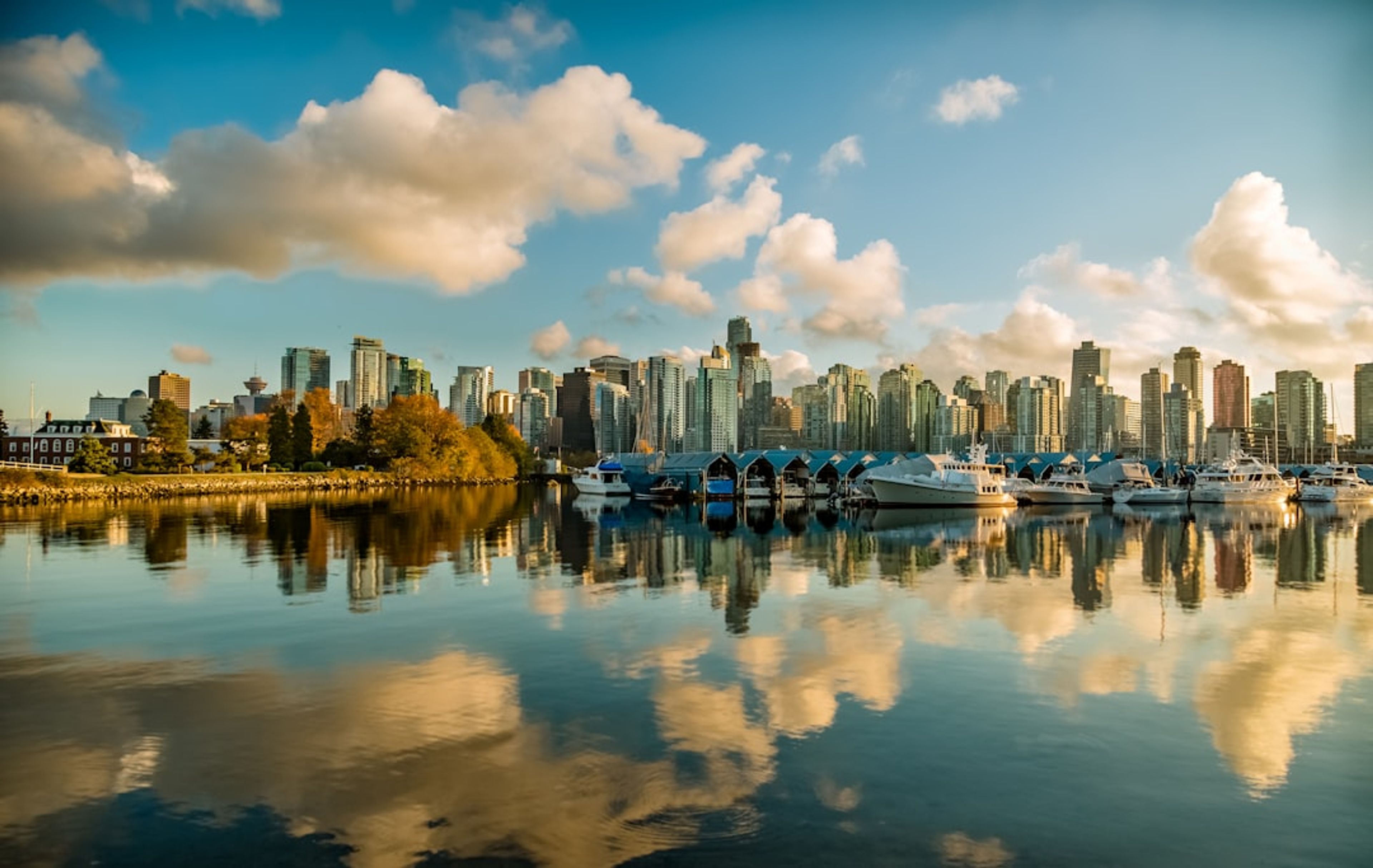
Summer is the outdoor season in Vancouver: June, July and August. Days are long. Heat is relative to the winter you came from, not to a Mediterranean coast. This is walking, terrace and lake weather, not a sunlounger climate.

In Vancouver the meteorological summer is June, July and August and winter is December, January and February. Evenings can still want a layer, especially away from the built-up centre. Rain does not disappear just because it is summer. Pack for a useful day that can turn wet.

Autumn

Autumn in Vancouver is short and useful: September, October and November. The first weeks are still outdoor days. The last weeks are a coat, wet leaves, and the knowledge that winter is coming.

In Vancouver the meteorological summer is June, July and August and winter is December, January and February. Come for cities and landscape, not for a last swim. Light is good. Afternoons end early. A shell in the bag is not optional.

Read Vancouver in this stretch as its own climate, not as a generic holiday season copied from another destination.
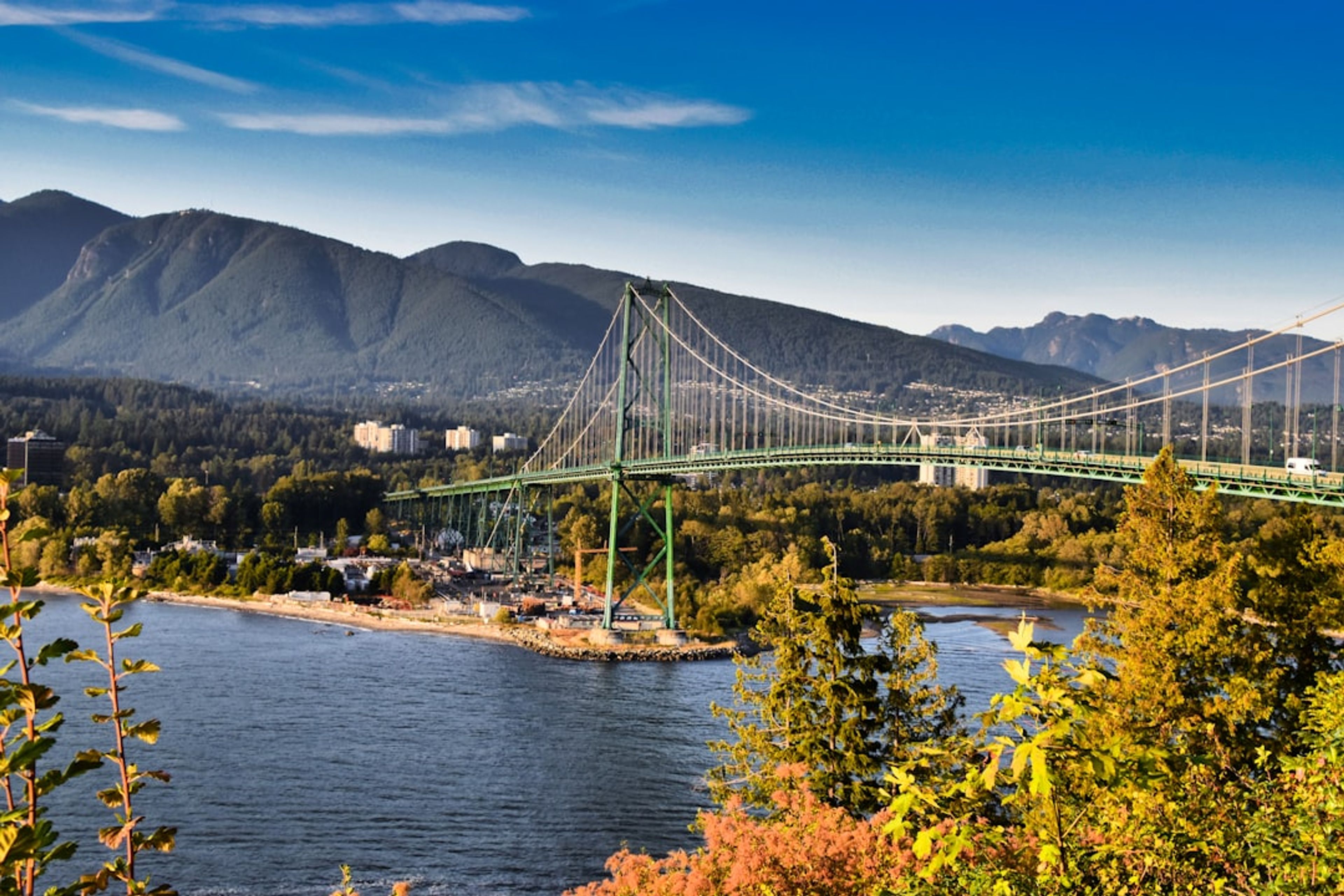
Winter

Winter in Vancouver is the real thing: December, January and February. Cold, short days, and snow that is part of the season rather than a postcard accident. This is a city-and-indoor trip unless you came for the cold on purpose.

In Vancouver the meteorological summer is June, July and August and winter is December, January and February. Do not book Vancouver as a mild winter-sun destination. Coat, boots, early dark. The monthly table will look grim because the months are grim in the honest way.

Average weather in Vancouver

TemperatureRainfall

Source: MeteostatPeriod: 1991-2020Checked: 28 Aug 2026265 places covered

Where to stay in Vancouver

Dates are a starting point for May.

All hotels in Vancouver

Check another month

Now pick a month.

FAQs about Vancouver

Climate averages for Vancouver, 1991–2020.

The best time to visit Vancouver is between May and October, the most comfortable stretch of the year on these averages.

July is the hottest month, with an average around 19°C.

November is the wettest month, with about 245 mm of rain.

No. These are 1991–2020 climate normals from Meteostat, not a live forecast. Actual weather in any given week can differ.