
Get up to €50 off your staySubscribe and get up to €50 off your next stay
Browse and explore the best travel guides in Antarctica.
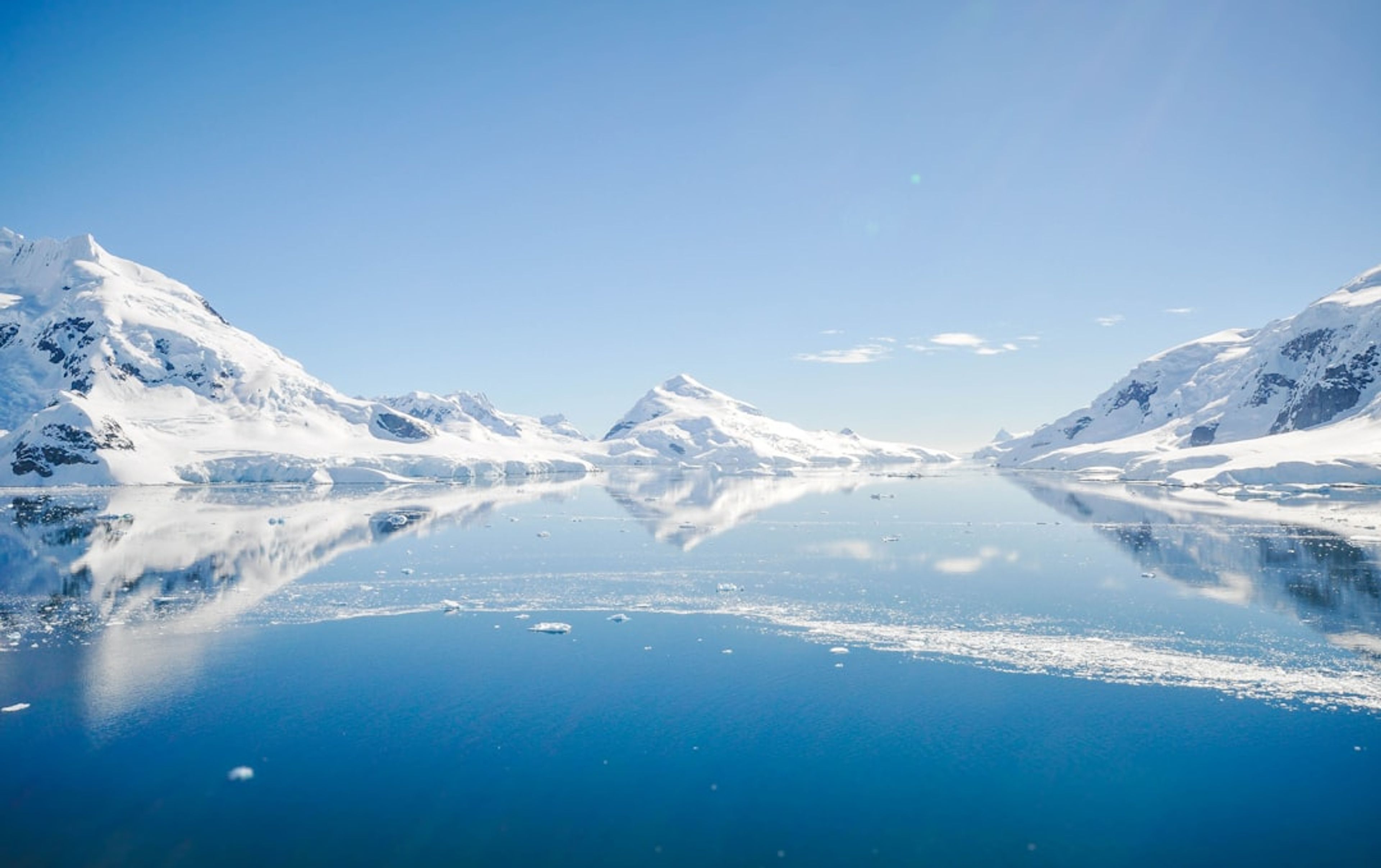
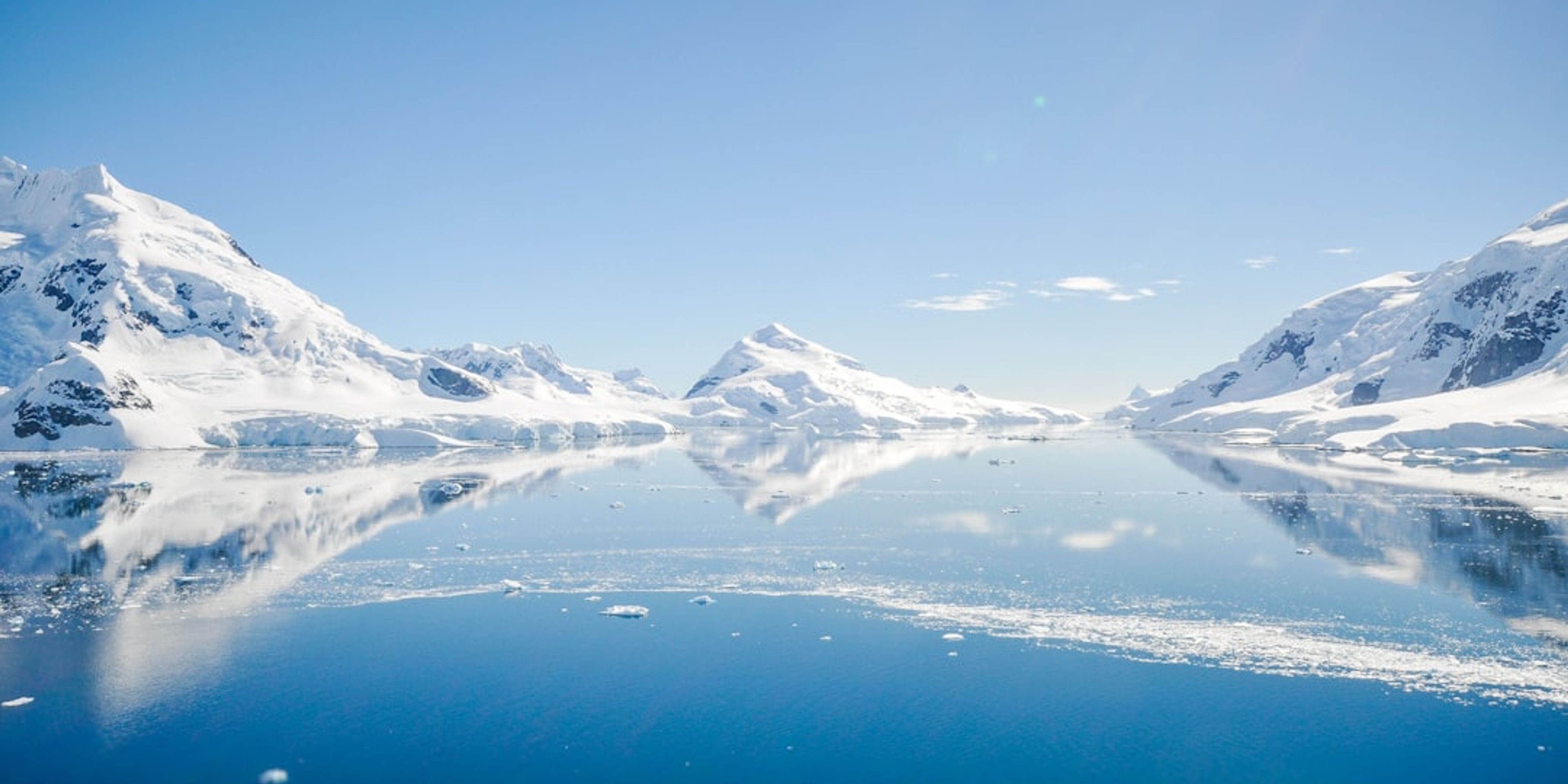
Antarctica is the only continent with no permanent population, no government and no currency, governed instead by an international treaty that reserves it for peaceful scientific use. Almost all visitors arrive by expedition ship, most crossing the Drake Passage from Ushuaia in Argentina to the Antarctic Peninsula, where gentoo, chinstrap and Adélie penguin colonies, humpback and minke whales, and glacier-walled channels like the Lemaire fill a typical itinerary.
The season is short, running roughly November to March, and there is no accommodation on the continent for tourists: your ship is your hotel throughout. Visitor numbers are tightly managed under IAATO rules, with landings limited to 100 people ashore at a time.
Capital
None; Antarctica has no government or permanent population
Population
~1,000 in winter rising to ~5,000 research staff in summer
Area
14,000,000 km², the fifth-largest continent
Time Zone
No official time zone; ships and stations keep the time of their gateway country
Currency
None; expedition ships bill in US dollars, and gateway ports use local currency
Languages
No official language; English is used on most expeditions
Main Airports
No commercial airports; most trips sail from Ushuaia, some fly to King George Island
Visa
No visa for Antarctica itself under the Antarctic Treaty, but you need one for the gateway country you depart from, usually Argentina or Chile
Best For
Penguins, whales, icebergs, expedition cruising, polar photography
Typical Cost Level
Very Expensive, typically USD 8,000 to 15,000+ per person

Get the latest deals, new destinations, and travel tips delivered straight to your inbox.
No spam, unsubscribe anytime.
Antarctica has no government and issues no visas, as it is administered under the Antarctic Treaty rather than by any single nation. What you do need is a visa or entry permission for the gateway country you depart from, almost always Argentina for Ushuaia or Chile for Punta Arenas. Your expedition operator handles the environmental permits required to land, and reputable ones are members of IAATO, which sets the visitor rules.
The season runs from roughly November to March and each part offers something different. November brings pristine snow, dramatic ice and penguin courtship. December and January have the longest daylight, warmest temperatures and hatching chicks, and are the busiest and priciest. February and March are best for whale watching, with humpbacks and orcas at their most numerous, and penguin chicks fledging. Outside these months sea ice closes the region entirely to tourism.
Most trips sail from Ushuaia in Argentina, crossing the Drake Passage to the Antarctic Peninsula in about two days each way. The Drake has a reputation for severe seas and can be genuinely rough, so come prepared with motion sickness medication. A faster alternative is the fly-cruise, flying roughly two hours from Punta Arenas in Chile to King George Island and boarding a ship there, which skips the crossing entirely at higher cost. A few longer voyages reach the Ross Sea from New Zealand.
Expect USD 8,000 to 15,000 per person for a standard 10 to 12 day Peninsula voyage, with luxury vessels and longer itineraries running considerably higher. Fly-cruise options that skip the Drake Passage cost more again. Last-minute deals occasionally surface in Ushuaia for travellers who can wait, though these have become rarer. The price typically includes all meals, landings and expedition staff, but not flights to South America, insurance or optional activities like kayaking and camping.
Your expedition ship is your accommodation for the entire trip, as there are no hotels anywhere on the continent. Research stations host scientists and support staff, not tourists. A small number of operators run temporary camps in the interior for specialist trips to the South Pole or Emperor penguin colonies, at very high cost. Most travellers book a hotel for a night or two in Ushuaia or Punta Arenas before and after the voyage, which is worth doing given flight delays.
On trip1, you can book hotels in the Antarctic gateway cities of Ushuaia and Punta Arenas and pay with over 120 cryptocurrencies including Bitcoin, Ethereum, and USDC. trip1 covers 3 million+ hotels in 190+ countries, making it easy to find and book accommodation with crypto.