

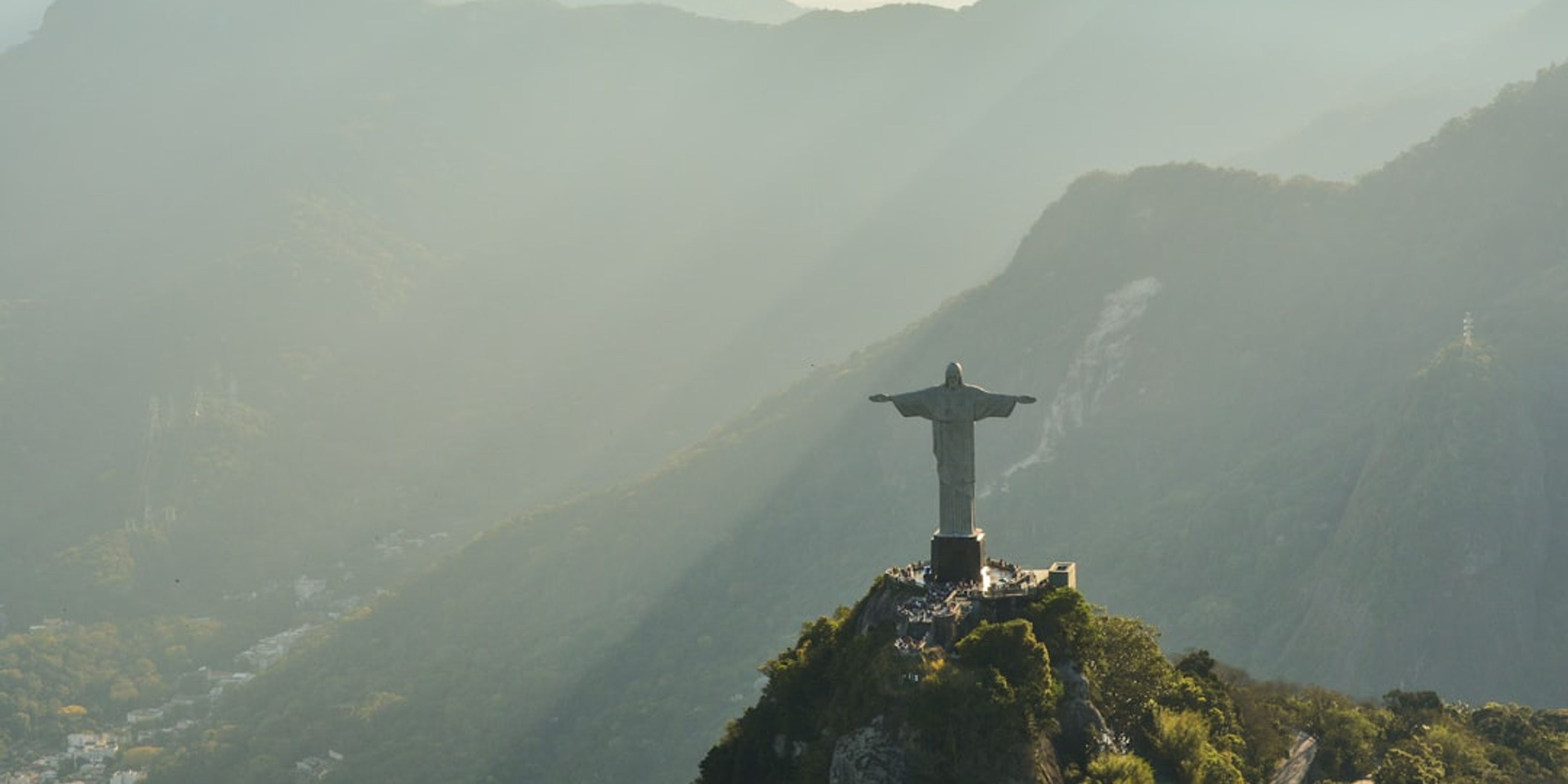

Brazil travel guides
Browse and explore the best travel guides in Brazil.
Brazil travel facts
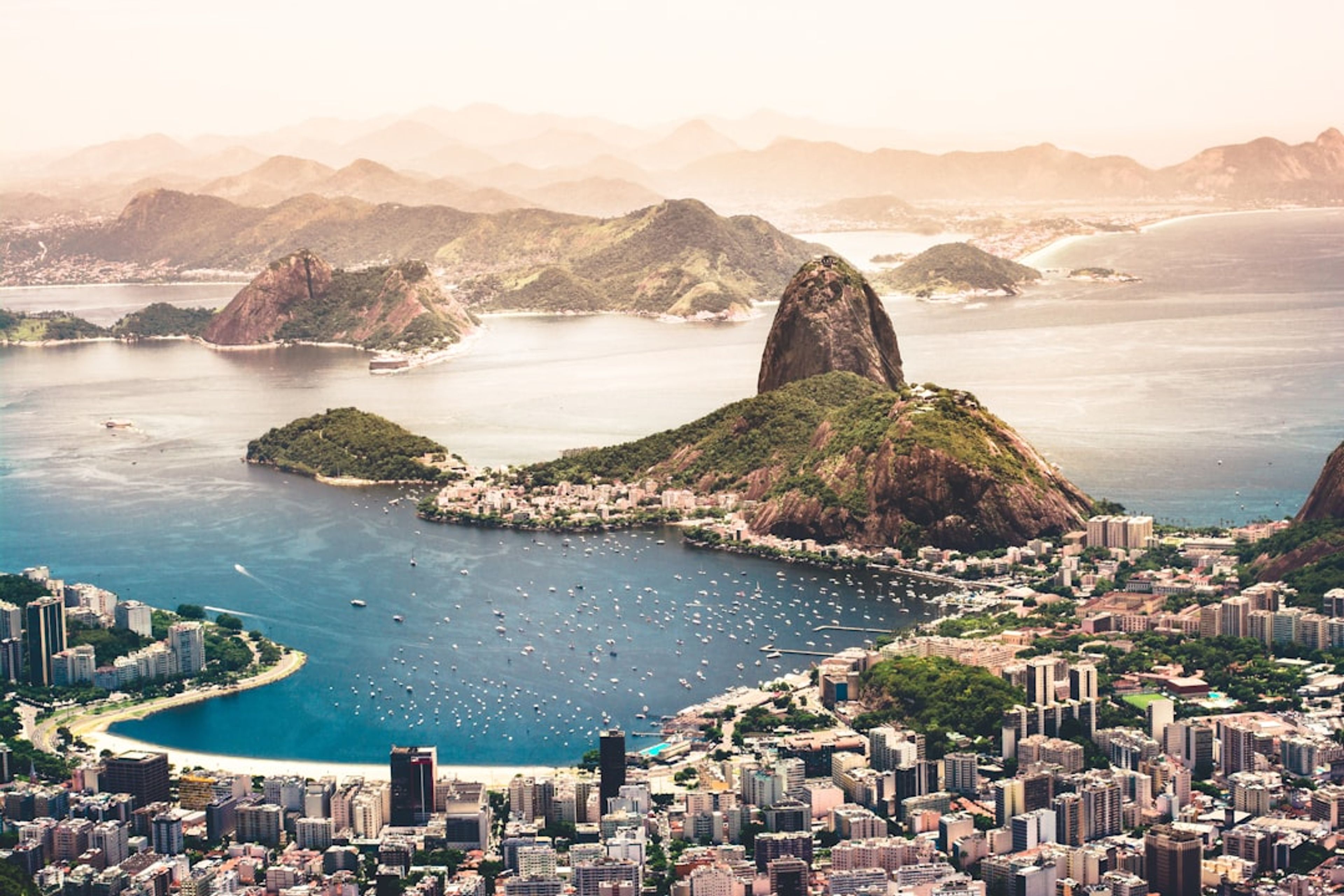
Brazil is a continent of a country, and no two regions feel alike. Rio de Janeiro delivers the beaches and mountain-backed skyline, São Paulo the food and nightlife, Salvador the Afro-Brazilian heart of the northeast, and Manaus the gateway to the Amazon. Add Iguaçu Falls in the south, the wildlife-rich Pantanal wetlands and thousands of kilometres of coastline, and most first trips end up covering long distances by air. Portuguese is the language everywhere, and Carnival in February or March is the peak of the calendar.

Capital
Brasília
Population
~213 million
Area
8,515,767 km²
Time Zone
BRT (UTC-3) in the main cities; UTC-4 and UTC-5 in the west
Currency
Brazilian Real (BRL)
Languages
Portuguese
Main Airports
GRU (São Paulo), GIG (Rio de Janeiro), BSB (Brasília)
Visa
Visa-free for EU and UK; e-visa required for US, Canada and Australia
Best For
Beaches, Amazon, Carnival, waterfalls
Typical Cost Level
Budget to Mid-range

Brazil destinations
Stay in the loop
Get the latest deals, new destinations, and travel tips delivered straight to your inbox.
No spam, unsubscribe anytime.
Do you need a visa for Brazil?
Entry rules, stay length and passport validity by nationality.

Climate averages · 1991–2020
When is the best time to visit Brazil?
Monthly temperatures, rainfall and sunshine — not a live forecast.
See Brazil weatherLatest travel guides

Brazil Travel FAQ
EU and UK citizens can enter Brazil visa-free for up to 90 days. Travellers from the US, Canada and Australia need an e-visa, which is applied for online before departure. Rules have changed several times in recent years, so confirm current requirements with the Brazilian consulate before booking.
It depends which part of Brazil you are visiting, as the country spans several climates. For Rio and the southeast, December to March is hot beach season and includes Carnival, while May to September is drier and milder. The Amazon is wettest between December and May, and the Pantanal is best for wildlife in the dry season from July to October.
Brazil requires more street awareness than most destinations, but millions of visitors travel there each year without incident. Stick to well-populated areas, avoid displaying phones or jewellery in the street, and use ride-hailing apps rather than walking at night. Neighbourhood matters enormously, so ask your hotel which areas to avoid.
Brazil uses the Brazilian Real (BRL), written as R$. Cards are accepted very widely, even by beach vendors, and the domestic Pix instant transfer system is ubiquitous among locals. Carry modest cash for markets and small towns.
On trip1, you can book hotels across Brazil and pay with over 50 cryptocurrencies including Bitcoin, Ethereum, and USDC. trip1 covers 3 million+ hotels in 190+ countries, making it easy to find and book accommodation with crypto.