


Shanghai travel guides
Browse and explore the best travel guides in Shanghai.
Shanghai travel facts
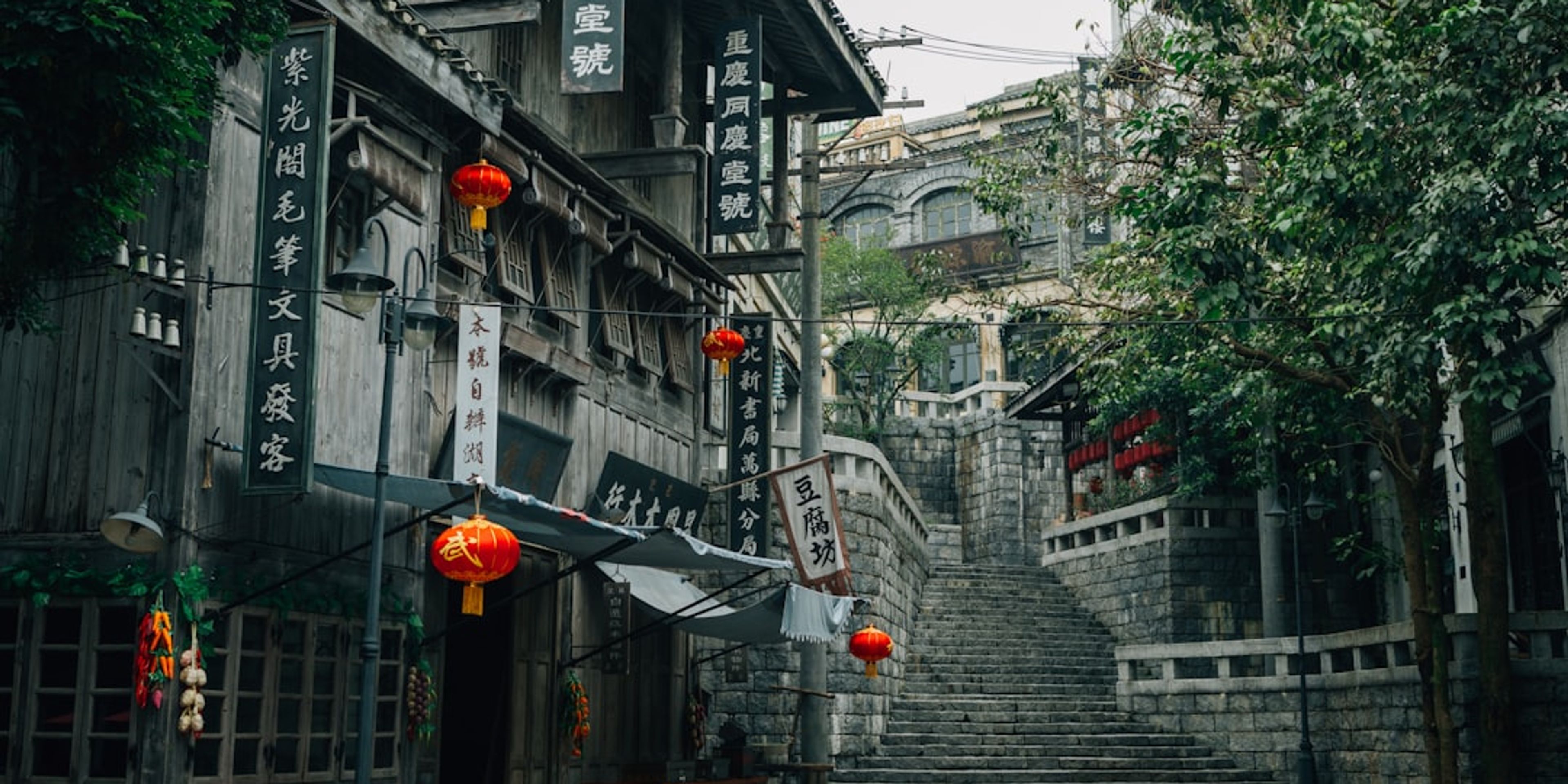
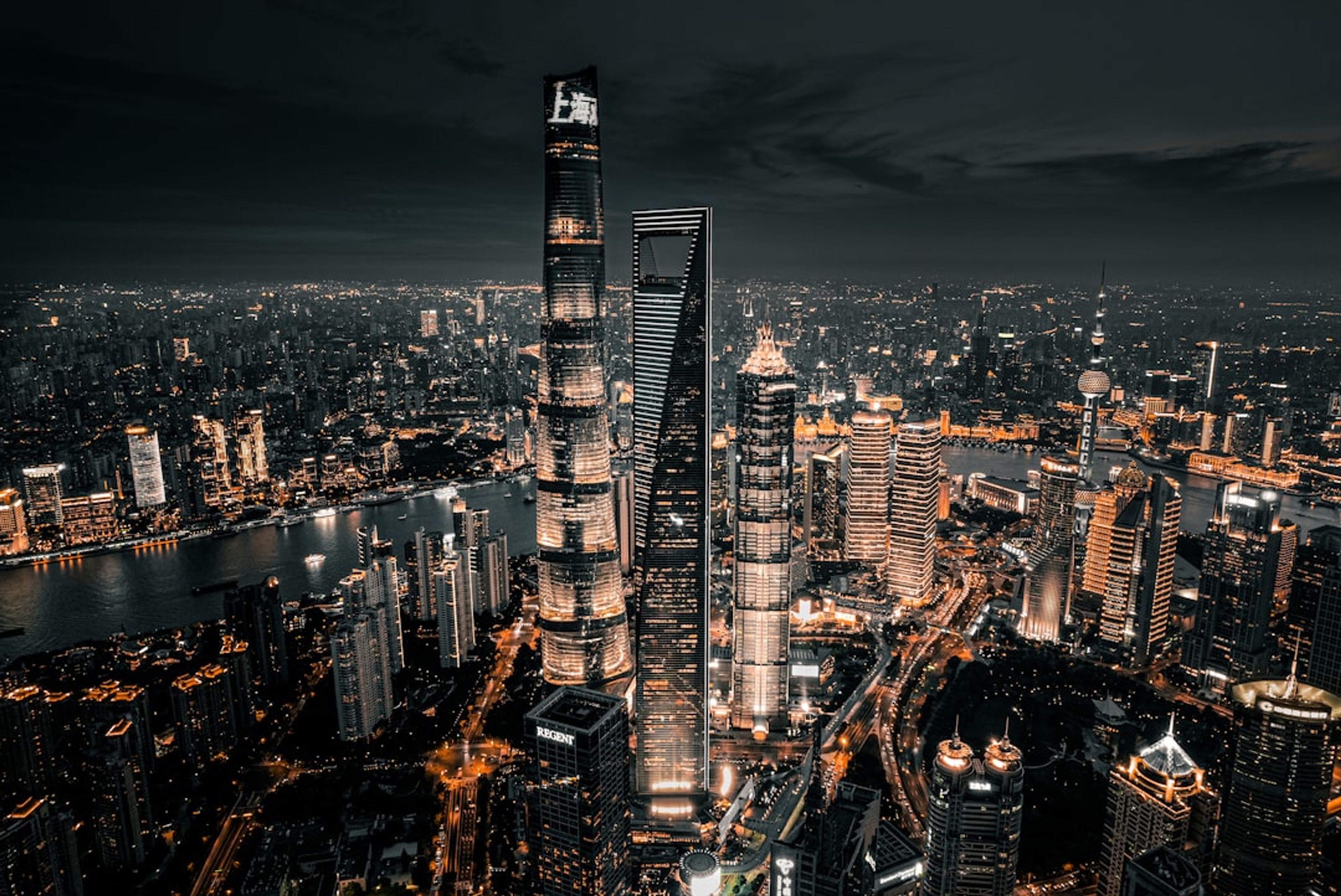
Shanghai is China's commercial capital and its most outward-facing city, split by the Huangpu River into two very different halves. On the west bank, the Bund's colonial banking houses front a promenade built in the 1920s; on the east, Pudong's skyscrapers went up almost entirely after 1990.
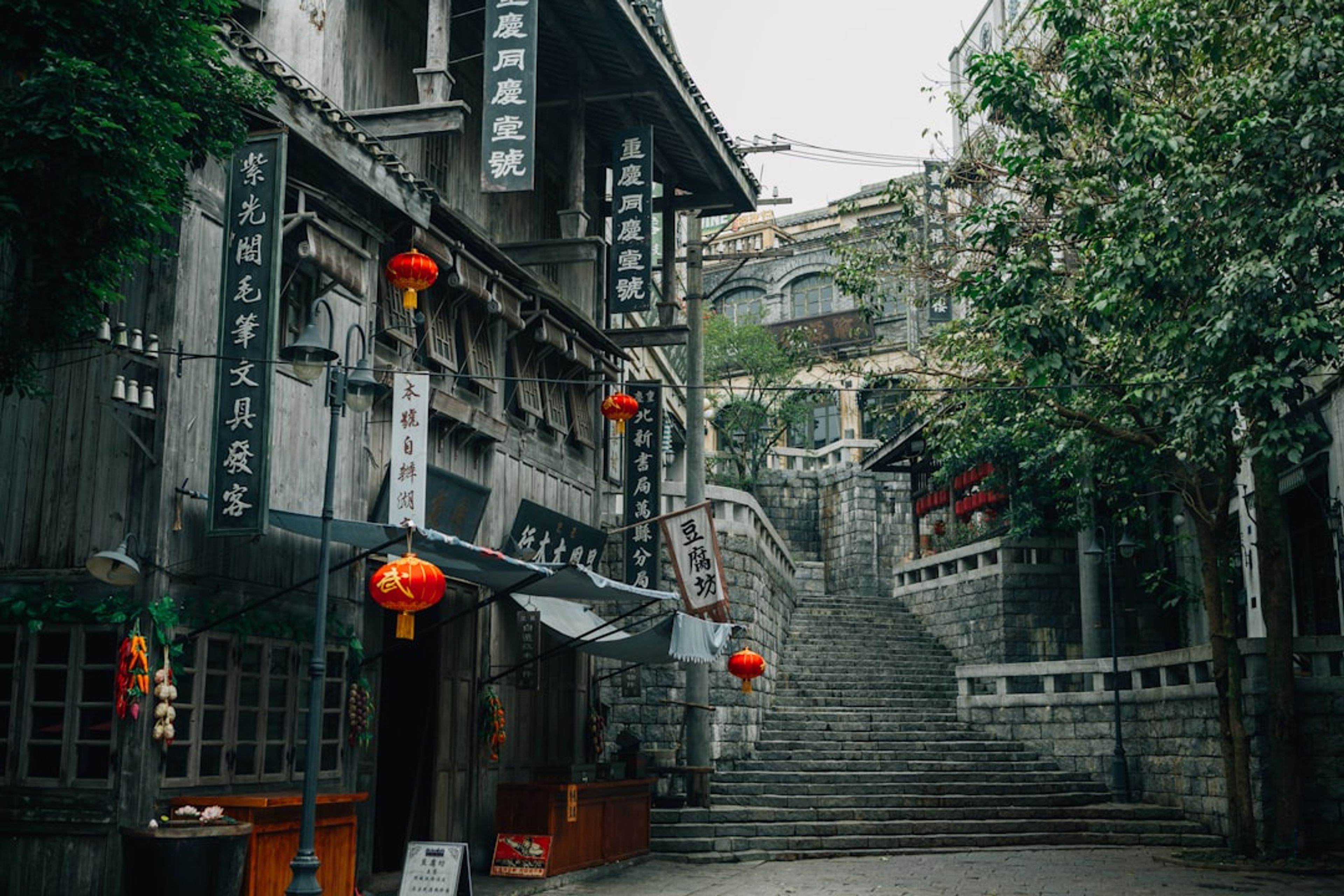
Between those two skylines the city is more textured than it first appears. The former French Concession has plane-tree avenues and 1930s villas, the Yu Garden quarter preserves classical Ming landscaping, and neighbourhoods like Tianzifang and Jing'an mix lane housing with galleries and bars. The metro is one of the largest networks in the world and reaches almost everywhere worth going.
Shanghai also functions as a base for the Yangtze Delta. The canal towns of Zhujiajiao and Tongli are an hour out, and high-speed trains reach Suzhou in 25 minutes and Hangzhou's West Lake in under an hour.

Country
China
Region
Yangtze River Delta, eastern China
Population
~24.9 million
Elevation
4 m above sea level
Time Zone
CST (UTC+8)
Currency
Chinese Yuan Renminbi (CNY)
Language
Mandarin Chinese; Shanghainese locally
Nearest Airport
PVG (Pudong), 30 km; SHA (Hongqiao), 13 km
Airport to City Centre
~8 min on the Maglev plus metro, or ~50 min direct on Metro Line 2
Typical Cost Level
Mid-range
Transport Pass
Shanghai Public Transportation Card, or QR ticketing via the metro app
Spring (Mar-May)
14-23°C
Summer (Jun-Aug)
28-33°C
Autumn (Sep-Nov)
18-27°C
Winter (Dec-Feb)
4-9°C
Shanghai travel guides

Stay in the loop
Get the latest deals, new destinations, and travel tips delivered straight to your inbox.
No spam, unsubscribe anytime.
Do you need a visa for China?
Entry rules, stay length and passport validity by nationality.
Climate averages · 1991–2020
When is the best time to visit Shanghai?
The best time to visit Shanghai is between April and June, the most comfortable stretch of the year on these averages.
Best time · April–JuneRainfall
- Jan6°
- Feb7°
- Mar11°
- Apr16°
- May22°
- Jun25°
- Jul30°
- Aug29°
- Sep25°
- Oct20°
- Nov14°
- Dec8°
Latest travel guides






Shanghai Destination FAQ
October and November are the best months in Shanghai, with clear skies and comfortable temperatures. Late March to May is the other good window. Summer is hot, humid and includes a rainy plum season, while winter is damp and cold without much snow.
The Maglev reaches Longyang Road in eight minutes, from where you connect to Metro Line 2. Alternatively, Metro Line 2 runs directly into the city in about 50 minutes without changing. Taxis take 45-60 minutes depending on traffic.
The metro is the fastest and cheapest option, with signage and announcements in English throughout. Buy a Shanghai Public Transportation Card or use QR ticketing in the metro app. Taxis are inexpensive but slow in rush hour, and a translation app helps with drivers.
Three days is a good baseline for Shanghai. One for the Bund, the Yu Garden and Nanjing Road, one for the French Concession and the museums, and one for Pudong or a canal town. Add a fourth for a day trip to Suzhou or Hangzhou.
Almost everything in Shanghai is paid by mobile QR code rather than cash. Both major Chinese payment apps now allow foreign visitors to link an international card, which is worth setting up before you arrive. Keep some cash for small vendors who still take it.
Shanghai is very safe, with low street crime even late at night. The most common problems are scams targeting foreigners — the tea ceremony invitation and the art student gallery approach near the Bund and Nanjing Road are the classics. Decline politely and walk on.
On trip1, you can book hotels across Shanghai and pay with over 50 cryptocurrencies including Bitcoin, Ethereum, and USDC. trip1 covers 3 million+ hotels in 190+ countries, making it easy to find and book accommodation with crypto.