
Get up to €50 off your staySubscribe and get up to €50 off your next stay
Browse and explore the best travel guides in Cook Islands.
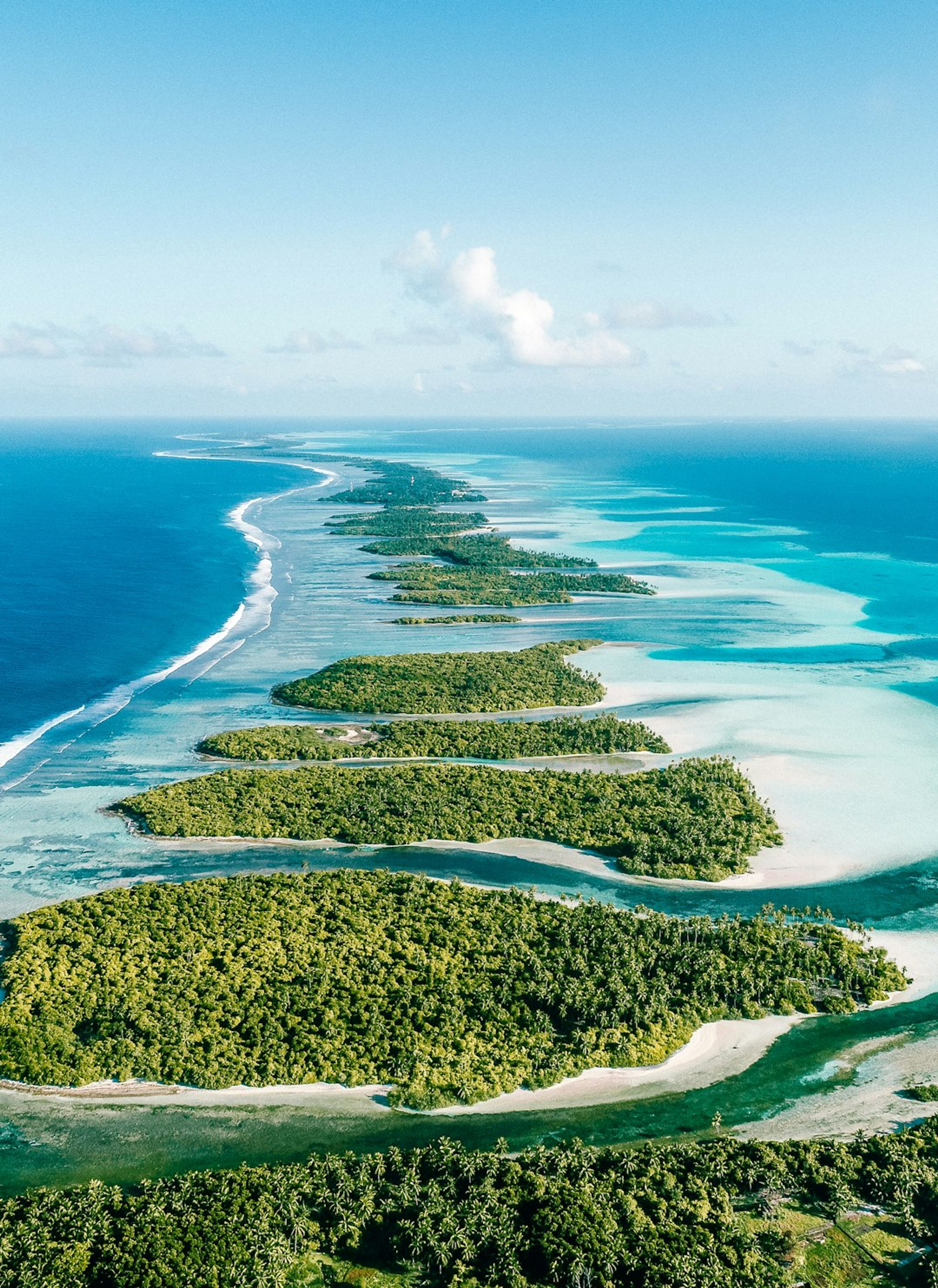
The Cook Islands are fifteen islands spread across an area of ocean the size of Western Europe, though almost all visitors see just two of them. Rarotonga, the main island, is a green volcanic peak ringed by a single 32-kilometre coast road, a lagoon and a bus service that runs clockwise and anti-clockwise and nothing else.
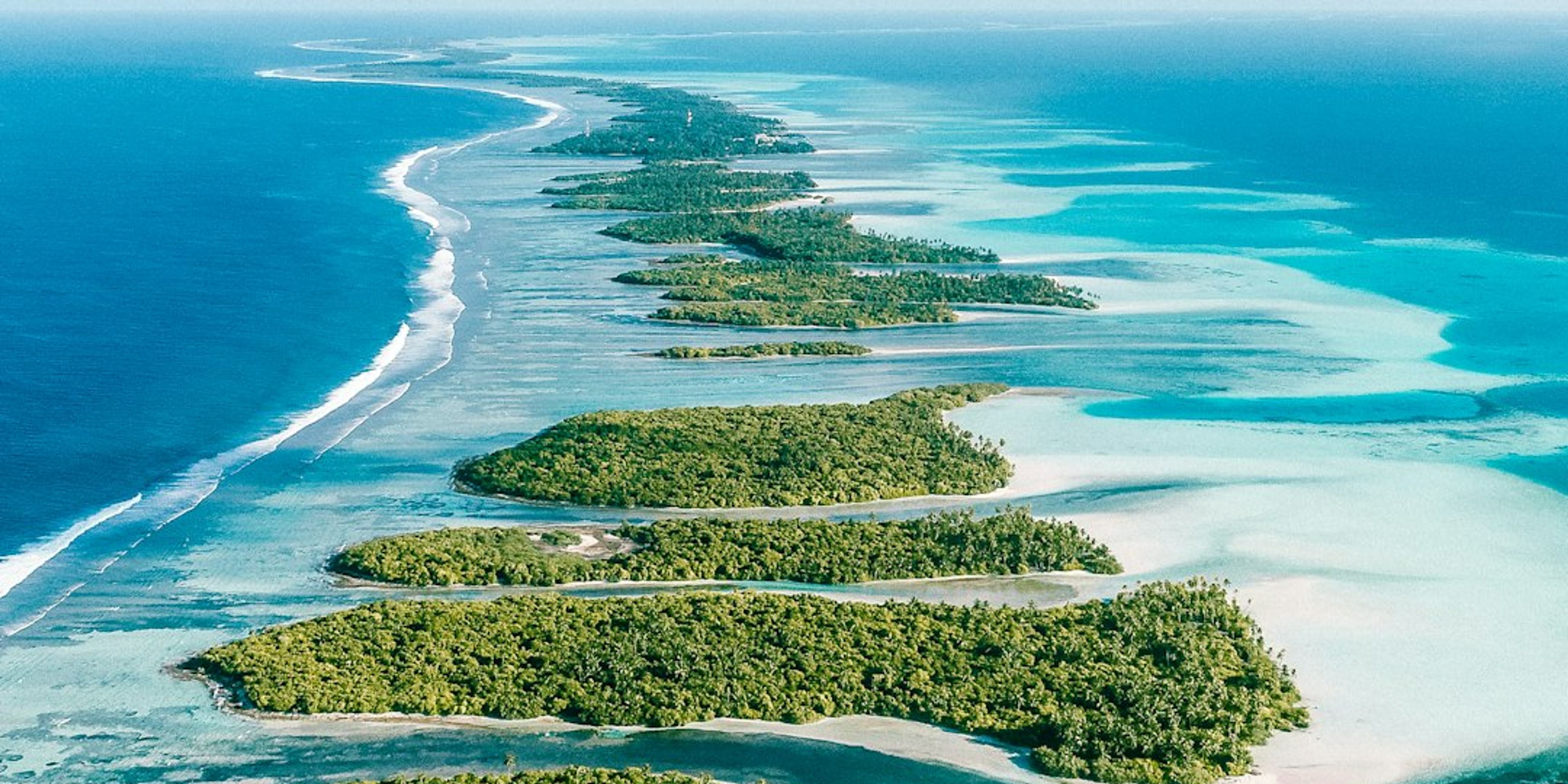
Aitutaki, 45 minutes north by air, has one of the most photographed lagoons in the world: a vast triangle of shallow turquoise water studded with uninhabited motu, best seen on a full-day boat trip that stops at One Foot Island. Back on Rarotonga, the cross-island track climbs past the Needle rock spire, Muri Lagoon draws kitesurfers and paddleboarders, and Saturday morning at Punanga Nui market is the island's social event.
The country is self-governing in free association with New Zealand, uses the New Zealand dollar and draws most of its visitors from New Zealand and Australia. There are no high-rises, a longstanding rule caps buildings at coconut-palm height, and the mood is relaxed rather than luxurious.
Get the latest deals, new destinations, and travel tips delivered straight to your inbox.
No spam, unsubscribe anytime.
April to November is the dry season, with warm days, low humidity and the calmest lagoon conditions. December to March is hotter, wetter and the cyclone season, though rain often comes in short bursts and prices soften outside the Christmas peak. July and August coincide with the New Zealand school holidays and book out early.
Both, if you can. Rarotonga has the international airport, the restaurants, the markets, the mountain hiking and the widest range of accommodation. Aitutaki, a 45-minute flight north, has the lagoon that sells the country in photographs, but far fewer places to eat and stay. A common split is five nights on Rarotonga and three on Aitutaki. If time is tight, Aitutaki can be done as a long and expensive day trip.
One road circles the island, and the bus service runs in two directions, clockwise and anti-clockwise, which is all the navigation you need. A full loop takes about 50 minutes. Scooters are popular and require a local licence, obtained at the police station in Avarua, and helmets are now mandatory. Bicycles and rental cars are also widely available, and the island is only 32 km around.
Most nationalities enter visa-free for up to 31 days, provided you hold an onward ticket and pre-booked accommodation for at least the first night. The currency is the New Zealand dollar, supplemented by distinctive local Cook Islands coins including a triangular two-dollar piece, which are not legal tender outside the country, so spend or keep them as souvenirs before you fly.
On trip1, you can book hotels across the Cook Islands and pay with over 120 cryptocurrencies including Bitcoin, Ethereum, and USDC. trip1 covers 3 million+ hotels in 190+ countries, making it easy to find and book accommodation with crypto.