Get up to €50 off your staySubscribe and get up to €50 off your next stay
Browse and explore the best travel guides in Tartu.
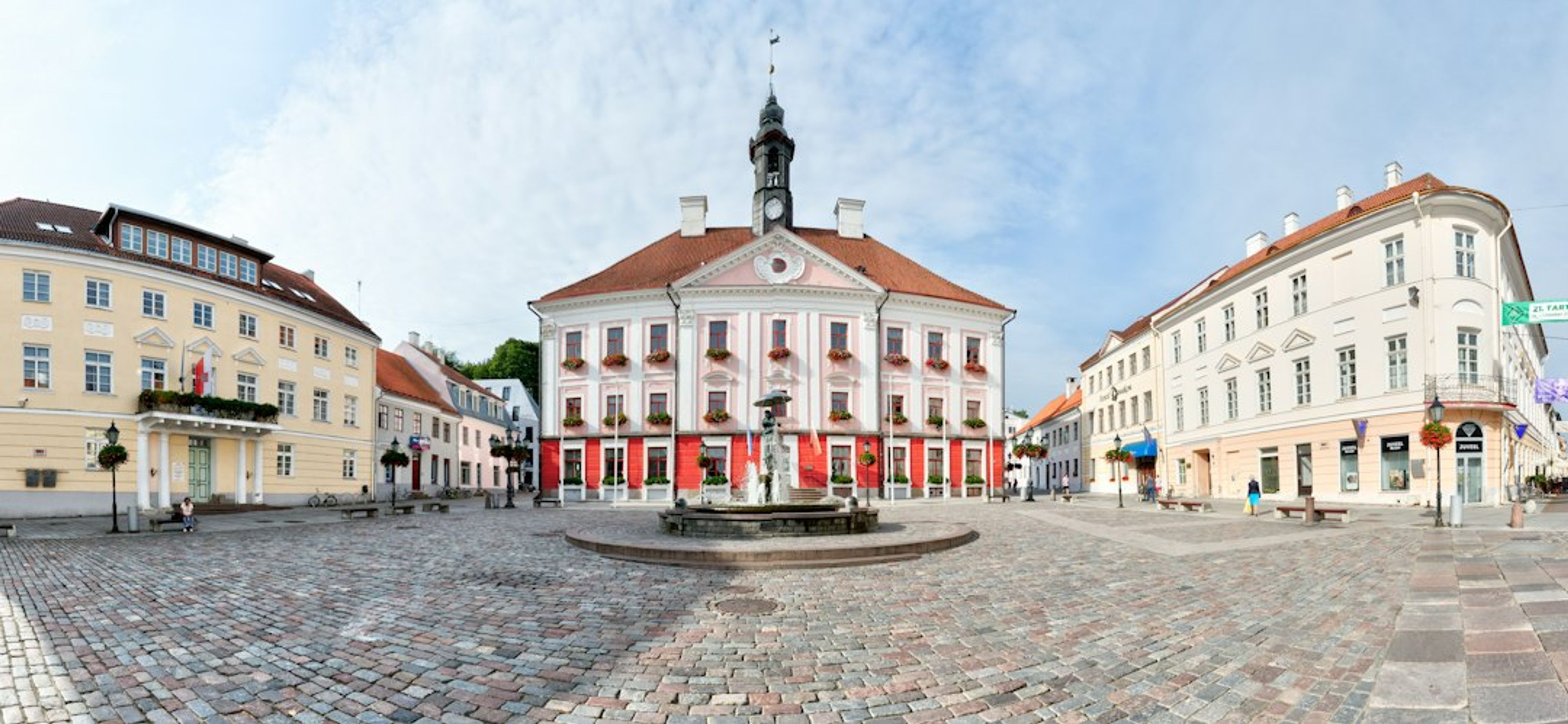
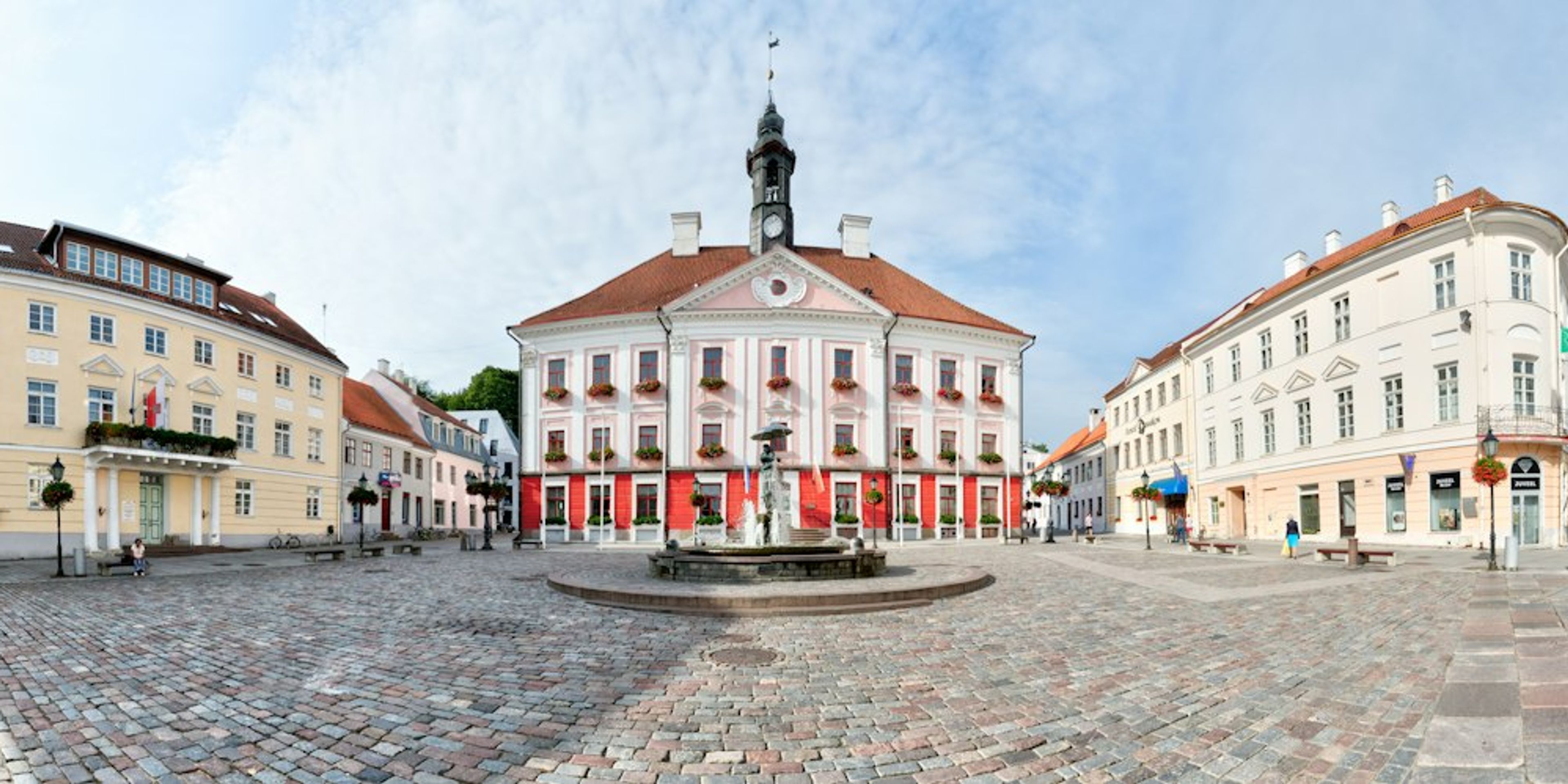
Tartu is Estonia's second city and its intellectual heart, home to the University of Tartu, founded in 1632 and one of the oldest universities in Northern Europe. Students give the compact old town a youthful energy, from the cafes around Town Hall Square and its Kissing Students fountain to the bars along the Emajõgi river.
Visitors stroll up Toome Hill to the ruins of a medieval cathedral, explore the striking Estonian National Museum built on a former airfield, and spend hours at the AHHAA Science Centre. Wooden-house districts like Supilinn and Karlova, a thriving street art scene and the Aparaaditehas creative hub show the city's quirkier side. Tartu was a European Capital of Culture in 2024.
Relaxed, affordable and easy to explore on foot, Tartu is around two hours from Tallinn by train or bus. It is also the gateway to southern Estonia's lakes, forests and hills, including Lake Peipus and the winter sports town of Otepää.
Country
Estonia
Region
Tartu County, southern Estonia
Population
~97,000
Elevation
~60 m above sea level
Time Zone
EET (UTC+2), EEST (UTC+3) in summer
Currency
Euro (EUR)
Language
Estonian
Nearest Airport
TLL (Tallinn), ~185 km; small TAY (Tartu) with limited flights
Airport to City Centre
~2-2.5 hrs by bus or train from Tallinn
Typical Cost Level
Budget to Mid-range
Transport Pass
Ühiskaart bus card; city bike share
Spring (Mar-May)
0-15°C
Summer (Jun-Aug)
12-23°C
Autumn (Sep-Nov)
1-14°C
Winter (Dec-Feb)
-8 to -1°C

Get the latest deals, new destinations, and travel tips delivered straight to your inbox.
No spam, unsubscribe anytime.
June to August is the best time to visit Tartu, with long daylight hours, outdoor cafes and riverside festivals. Late spring and early autumn are quieter and pleasant for walking, while winter is cold and snowy but atmospheric. Term time brings a lively student buzz to the old town.
Most visitors fly into Tallinn Airport and continue to Tartu by bus or train. Direct buses from the airport and trains from Tallinn's main station take around 2 to 2.5 hours. Tartu also has a small airport with limited flights, about 15 minutes from the centre by taxi.
Walking is the best way to get around central Tartu. The old town, Town Hall Square, Toome Hill and the riverbank are all close together, and city buses and a bike-share scheme cover the rest. You do not need a car unless you plan to explore southern Estonia's lakes and forests.
One to two days is enough for Tartu. That covers the old town, the university, Toome Hill and the Estonian National Museum. Stay longer if you want to visit Lake Peipus or the hills around Otepää.
Yes, Tartu is a very safe city for tourists. Crime against visitors is rare, and the compact centre is easy to walk at any hour. Take the usual precautions with your belongings in busy bars and at festivals.
On trip1, you can book hotels across Tartu and pay with over 50 cryptocurrencies including Bitcoin, Ethereum, and USDC. trip1 covers 3 million+ hotels in 190+ countries, making it easy to find and book accommodation with crypto.
Lake Peipus and the Onion Route make the most distinctive day trip from Tartu, with Old Believer villages, onion stalls and lakeside views about an hour away. Otepää, Estonia's winter sports capital, offers hiking and lakes in summer. Viljandi, with its castle ruins and folk music festival, is also within easy reach.
The Old Town around Town Hall Square is the main area for visitors to Tartu. Supilinn, or Soup Town, is a charming district of old wooden houses near the river, and Karlova has more wooden architecture and a relaxed local feel. The Aparaaditehas creative hub is the place for cafes, design shops and nightlife.
Entry rules, stay length and passport validity by nationality.