
Get up to €50 off your staySubscribe and get up to €50 off your next stay
Browse and explore the best travel guides in French Polynesia.
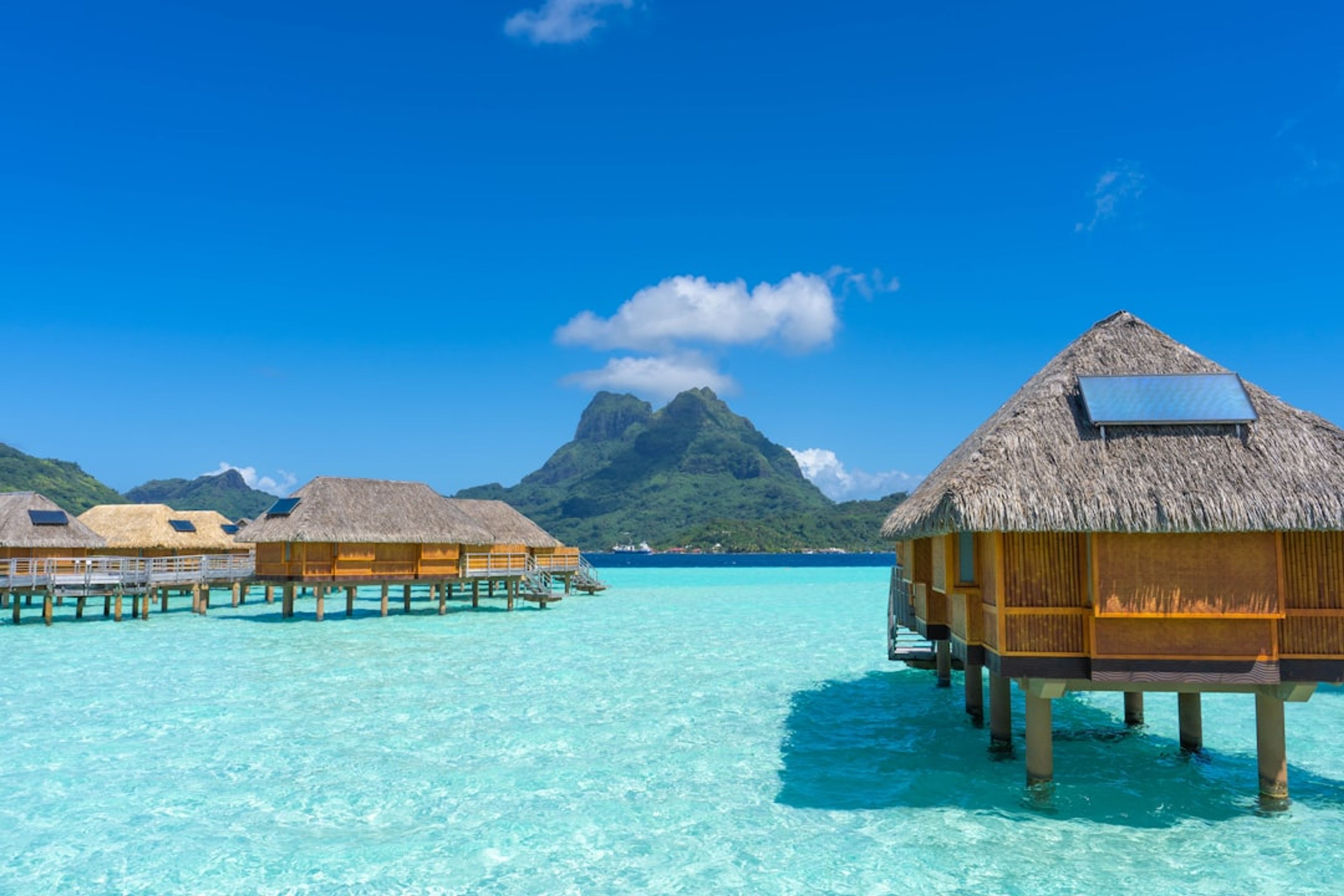
French Polynesia scatters 118 islands and atolls across two million square kilometres of the South Pacific, an area the size of Western Europe holding only about 280,000 people. Tahiti is the gateway and administrative centre, but the archipelagos each do something different: the Society Islands hold Bora Bora and Moorea with their lagoons and overwater bungalows, the Tuamotus are ring-shaped atolls with world-class drift diving at Fakarava and Rangiroa, and the remote Marquesas are jagged volcanic islands with no reef at all, where Gauguin painted and is buried.

Get the latest deals, new destinations, and travel tips delivered straight to your inbox.
No spam, unsubscribe anytime.
EU citizens can enter and stay freely, and UK, US, Canadian, Australian and New Zealand passport holders are visa-exempt for up to 90 days. French Polynesia is an overseas collectivity of France but sits outside the Schengen Area, so a Schengen visa is not valid here and nationalities requiring a visa need one specifically for French Polynesia. Check transit requirements too, as many routes connect through the United States, which needs an ESTA even in transit.
May to October is the dry season, with lower humidity, temperatures around 25°C and the best conditions for lagoon activities, and it is the peak travel period. The Heiva festival in July fills Tahiti with dance and outrigger racing. November to April is warmer and wetter with a small cyclone risk, but rates fall and the islands are greener. Humpback whales visit between roughly August and October, which is a strong reason to travel in the dry season.
Most first trips combine two or three of the Society Islands. Tahiti is the arrival point, with black-sand beaches and the Papeete market, though many treat it as a transit stop. Moorea is 30 minutes by ferry and offers dramatic peaks at far lower prices than Bora Bora. Bora Bora is the lagoon and overwater bungalow icon. For diving, add a Tuamotu atoll such as Fakarava or Rangiroa, and for a genuinely remote experience the Marquesas.
It is one of the most expensive destinations in the world, largely because almost everything is imported and the islands are extremely remote. Overwater bungalows commonly exceed USD 800 to 1,500 a night, and restaurant meals are priced accordingly. Costs come down substantially if you stay in family-run pensions, eat at roulottes, the food trucks that gather in Papeete and other towns each evening, and use public ferries and the Air Tahiti multi-island air pass rather than individual flights.
On trip1, you can book hotels across French Polynesia and pay with over 120 cryptocurrencies including Bitcoin, Ethereum, and USDC. trip1 covers 3 million+ hotels in 190+ countries, making it easy to find and book accommodation with crypto.