Get up to €50 off your staySubscribe and get up to €50 off your next stay
Browse and explore the best travel guides in Wrocław.
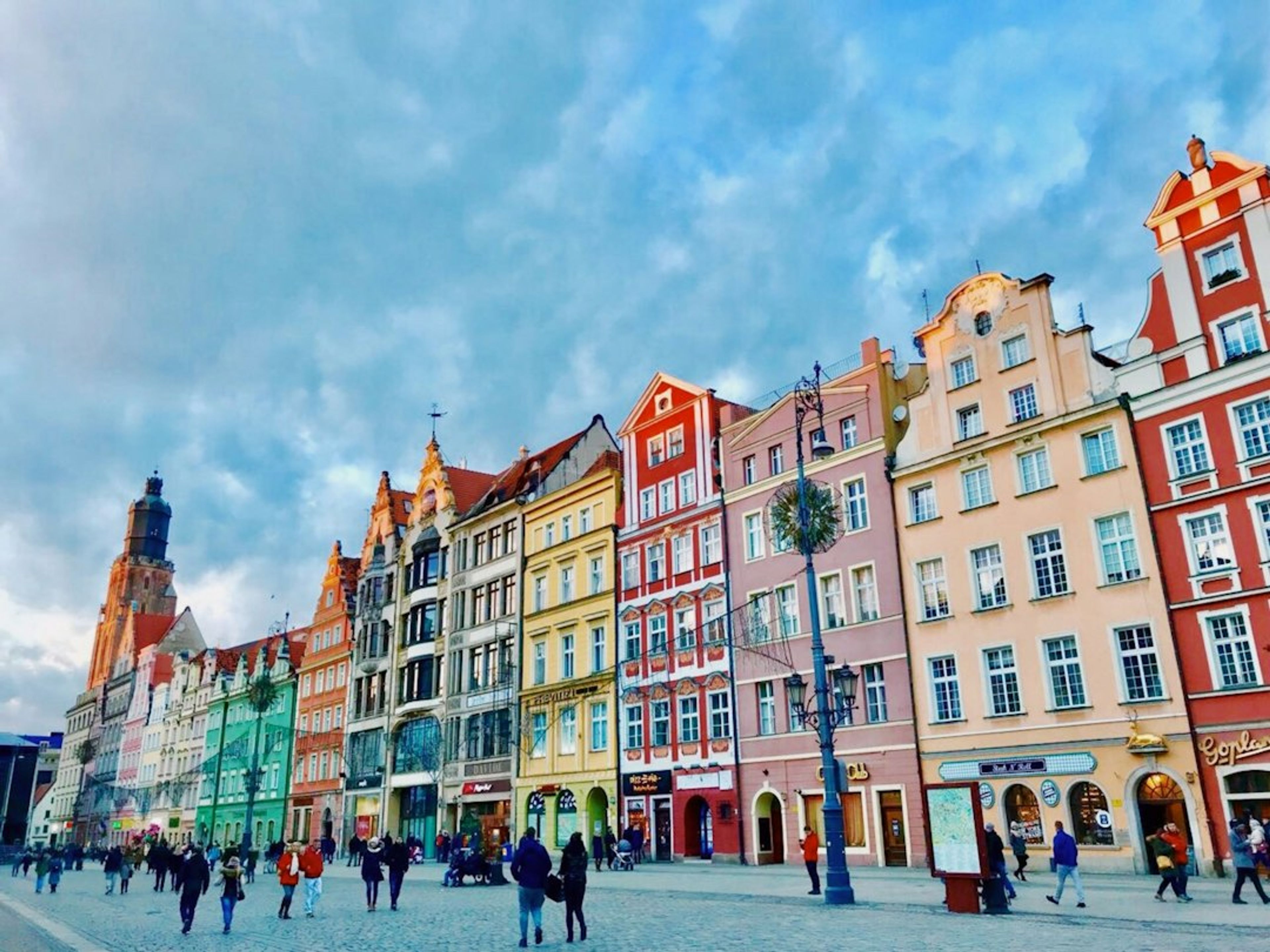
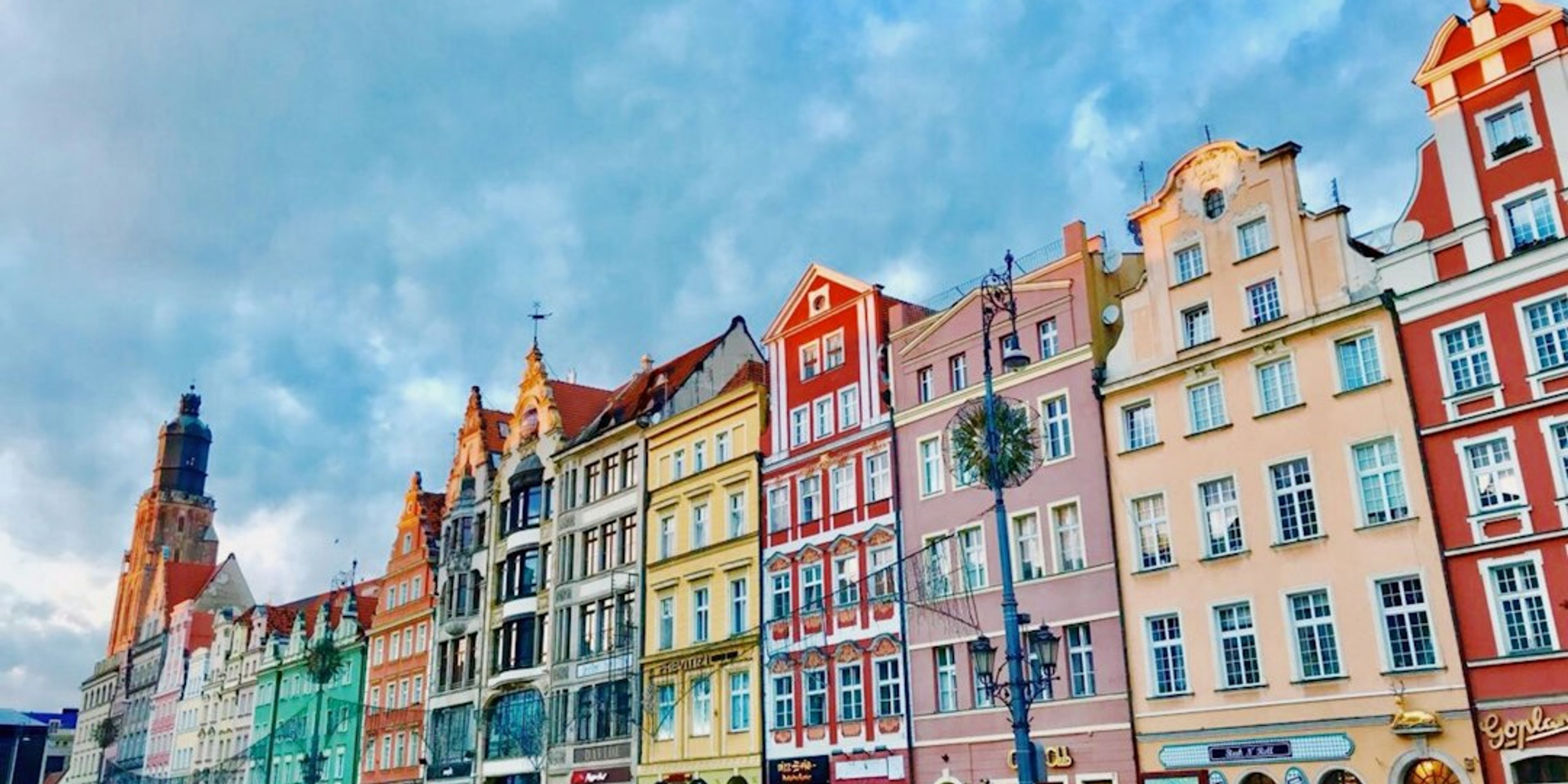
Wrocław is the capital of Lower Silesia and one of Poland's most beautiful cities, spread across a dozen islands in the Oder river and linked by more than 100 bridges. Its Market Square is one of the largest in Europe, ringed by colourful merchant houses and anchored by a magnificent Gothic town hall.
Visitors wander to Ostrów Tumski, the cathedral island where a lamplighter still lights the gas lamps by hand each evening, and hunt for the hundreds of small bronze dwarfs hidden around the city. Highlights include the Panorama of Racławice, the UNESCO-listed Centennial Hall, the Japanese Garden and the university's baroque Aula Leopoldina.
With a large student population, Wrocław has a lively food, cafe and nightlife scene, and prices are lower than in Western Europe. The city is compact, well served by trams, and a good base for castles and mountains in the surrounding Lower Silesia region.
Country
Poland
Region
Lower Silesia (Dolnośląskie)
Population
~675,000
Elevation
~120 m above sea level
Time Zone
CET (UTC+1), CEST (UTC+2) in summer
Currency
Polish Złoty (PLN)
Language
Polish
Nearest Airport
WRO (Wrocław Copernicus), ~10 km
Airport to City Centre
~30-40 min by bus 106; ~20 min by taxi
Typical Cost Level
Budget to Mid-range
Transport Pass
Urbancard; 24-hour tram and bus ticket
Spring (Mar-May)
4-18°C
Summer (Jun-Aug)
14-25°C
Autumn (Sep-Nov)
5-17°C
Winter (Dec-Feb)
-3-4°C
Get the latest deals, new destinations, and travel tips delivered straight to your inbox.
No spam, unsubscribe anytime.
Entry rules, stay length and passport validity by nationality.
May to September is the best time to visit Wrocław, when the Market Square fills with outdoor tables and the riverbanks come alive. Late November to December brings one of Poland's best Christmas markets. Winters are cold, but hotel prices are lower.
Bus 106 is the cheapest way from Wrocław Airport to the city centre, taking around 30-40 minutes to the main railway station. A taxi or ride-hailing car takes about 20-25 minutes and is inexpensive by Western European standards.
Walking and trams are the best way to get around Wrocław. The Old Town and Cathedral Island are compact and best explored on foot, and an extensive tram network reaches sights like Centennial Hall and the zoo. Tickets can be bought by contactless card on board, so you do not need a car.
Two to three days is ideal for Wrocław. That gives you time for the Market Square, Cathedral Island, the Panorama of Racławice and Centennial Hall, plus a hunt for the city's bronze dwarfs. Add a day for a trip to Książ Castle.
Yes, Wrocław is a safe city for tourists. The Old Town is busy and well patrolled day and night. Watch for pickpockets in crowded areas and check bar prices before ordering in nightlife spots.
On trip1, you can book hotels across Wrocław and pay with over 50 cryptocurrencies including Bitcoin, Ethereum, and USDC. trip1 covers 3 million+ hotels in 190+ countries, making it easy to find and book accommodation with crypto.
Książ Castle, one of Poland's largest castles, is the most popular day trip from Wrocław, about an hour away. The UNESCO-listed Churches of Peace in Świdnica and Jawor are nearby, and the Karkonosze Mountains around Karpacz offer hiking and skiing within two hours.
Pierogi are the classic Polish dish to try in Wrocław, filled with anything from potato and cheese to meat or berries. Also look for żurek, a sour rye soup often served in a bread bowl, bigos hunter's stew and placki potato pancakes. Wrocław has a lively craft beer scene too.