
Antigua & Barbuda travel guides
Browse and explore the best travel guides in Antigua & Barbuda.
Antigua & Barbuda travel facts
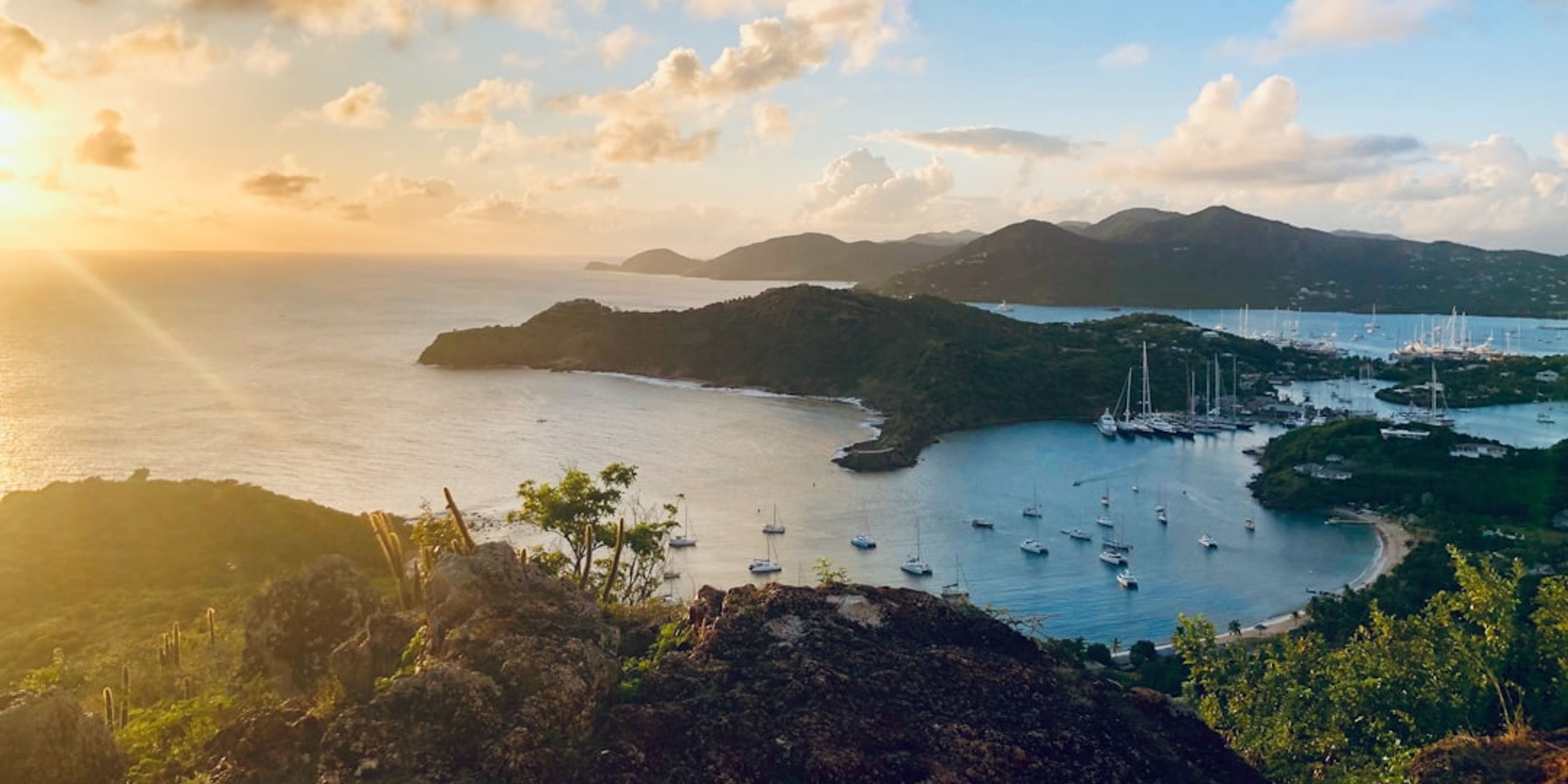
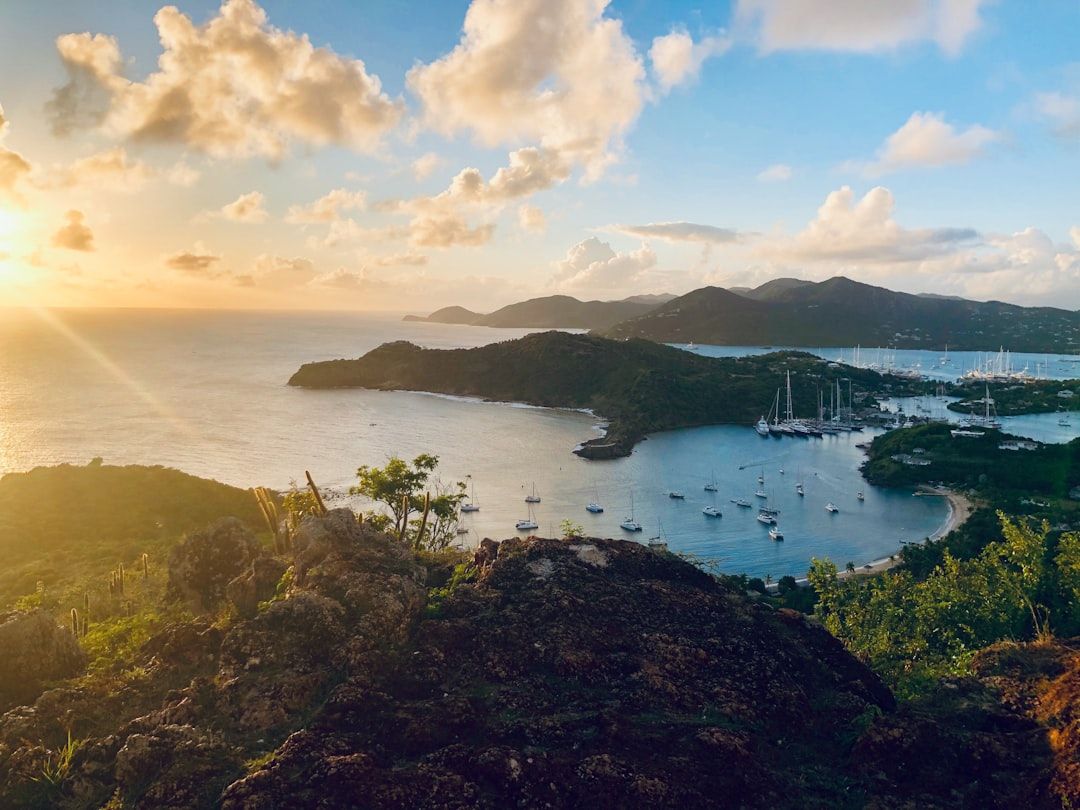
Antigua markets itself on having 365 beaches, one for every day of the year, and the claim holds up better than most tourist-board slogans. The island's deeply indented coastline creates sheltered coves and natural harbours that made it a British naval base, and Nelson's Dockyard in English Harbour is now a UNESCO World Heritage site and still a working marina at the centre of Caribbean sailing. Barbuda, a short flight or ferry north, is flatter, emptier and fringed with pink sand, with a frigatebird colony of thousands in its lagoon.

Capital
St John's
Population
~94,000
Area
442 km² across two main islands
Time Zone
AST (UTC-4), no daylight saving
Currency
East Caribbean Dollar (XCD), pegged at 2.70 to the US dollar; USD widely accepted
Languages
English; Antiguan Creole widely spoken
Main Airports
ANU (V.C. Bird International, Antigua)
Visa
Visa-free for EU, UK, US, Canadian and Commonwealth passport holders, typically up to 180 days
Best For
Beaches, sailing and yacht regattas, Nelson's Dockyard, Barbuda's pink sand
Typical Cost Level
Expensive

Stay in the loop
Get the latest deals, new destinations, and travel tips delivered straight to your inbox.
No spam, unsubscribe anytime.
Do you need a visa for Antigua & Barbuda?
Entry rules, stay length and passport validity by nationality.
Climate averages · 1991–2020
When is the best time to visit Antigua & Barbuda?
Monthly temperatures, rainfall and sunshine — not a live forecast.
See Antigua & Barbuda weatherLatest travel guides



Antigua & Barbuda Travel FAQ
Most nationalities do not need a visa, including EU, UK, US, Canadian and Commonwealth passport holders, who typically receive up to 180 days on arrival. You will need a passport valid for six months, a return ticket and proof of accommodation. An online immigration and customs declaration must usually be completed before arrival, so check the current requirement a few days before you fly.
December to April is the dry high season, with warm sunshine, low humidity and the highest prices. Sailing Week in late April and the Antigua Charter Yacht Show in December are the two big fixtures on the calendar. Hurricane season runs June to November, with September and October the highest risk months, though prices drop sharply and many resorts stay open. May and early June offer good weather at shoulder-season rates.
Yes, if you want empty beaches rather than facilities. Barbuda has around 1,500 residents, miles of pink-tinged sand and one of the largest frigatebird colonies in the world at Codrington Lagoon, reached by small boat. It was devastated by Hurricane Irma in 2017 and rebuilding continues, so accommodation and restaurants remain limited. Most visitors come as a day trip by ferry, which takes about 90 minutes, or on a short flight from Antigua.
Renting a car is the best way to reach the quieter beaches, though you will need to buy a temporary local driving permit and drive on the left. Roads are narrow with unmarked potholes, so take it slowly. Public minibuses are very cheap and run frequently between St John's and the main villages, but they stop early in the evening and do not serve most resort areas. Taxis are unmetered, so agree the fare before setting off.
On trip1, you can book hotels across Antigua & Barbuda and pay with over 50 cryptocurrencies including Bitcoin, Ethereum, and USDC. trip1 covers 3 million+ hotels in 190+ countries, making it easy to find and book accommodation with crypto.