
Guides · Kyoto
10 Best Places to See Autumn Leaves in Kyoto

CEO and co-founder
This guide ranks the 10 best places to see autumn leaves in Kyoto, the temples and gardens that repay the late November crowds rather than simply being famous. Each entry gives the exact address with postal code, the station or bus stop that serves it with the line and walk time, distance from Kyoto Station, 2026 opening hours and admission in yen, the peak window, and whether a reservation is compulsory.
The list is ordered so you can build efficient routes rather than criss-cross the city. Tofuku-ji, Kiyomizu-dera and Kodai-ji group into a single Higashiyama day with Kodai-ji held back for its night viewing. Nanzen-ji and Eikan-do sit five minutes apart. Arashiyama takes a half day west, Ruriko-in and Enko-ji a half day north, and Ohara Sanzen-in and Jingo-ji at Takao are separate half days that also peak one to two weeks earlier than everything else because they sit higher.
Two practical points. The Kyoto City Bus one-day pass was discontinued in 2024; the replacement Subway and Bus 1-Day Pass costs 1,100 yen, is valid for a calendar day rather than 24 hours, and reaches Ohara. And temple admissions are almost universally cash only, so carry several thousand yen in notes. The climatological norm for Kyoto city is mid November to early December, but no official 2026 forecast had been published as of 1 September, so confirm dates in mid September before booking flights.
1Tofuku-ji - The Best Maple Density Within Walking Distance of Kyoto Station
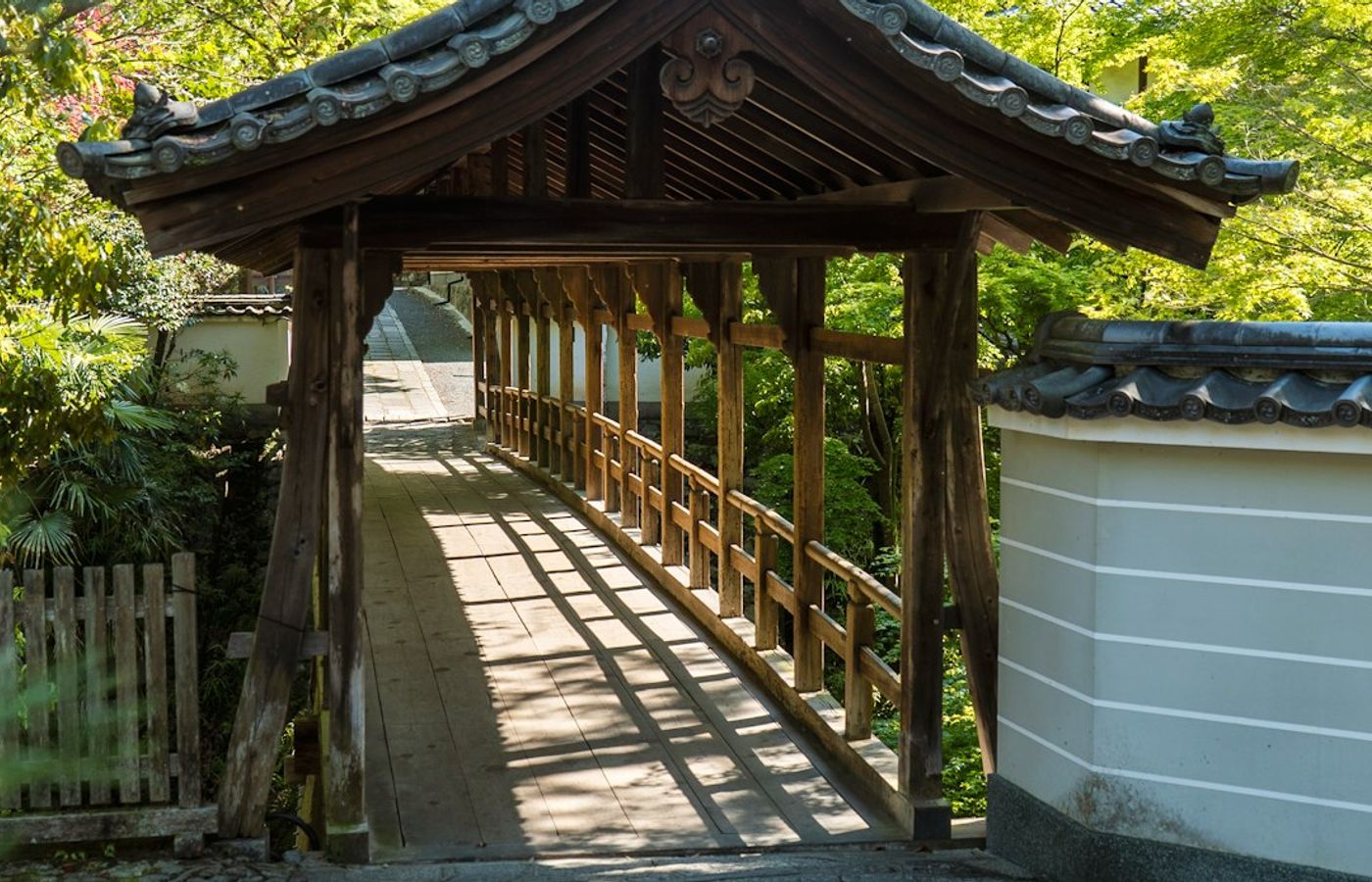

Tofuku-ji tops the list on access and density. It is the closest major autumn temple to Kyoto Station, and the view down from the Tsutenkyo Bridge into the maple-filled Sengyokukan ravine is the image most people picture when they think of Kyoto in November. Autumn hours run 8:30 to 16:00 from 14 November to 6 December, with the Hojo garden opening at 9:00. Peak colour usually lands between 20 and 30 November.
Admission is 600 yen for Tsutenkyo and Kaisando outside the season, rising to 1,000 yen at peak, with the Hojo garden a separate 500 yen and no combined ticket sold in autumn. Now the caveat nobody puts in the brochure: photography from the Tsutenkyo and Gaunkyo bridges is restricted during the autumn special period, so the shot everyone comes for may not be one you are allowed to take. Queue flow is one-way and the site gridlocks between 10:00 and 14:00 on late November weekends.
Pro Tip: Be at the gate for the 8:30 opening, not 9:00, and go straight to the Hojo garden first. Everyone else turns left for Tsutenkyo, which means you get the dry-landscape gardens almost alone and hit the bridge as the first wave clears.
2Eikan-do Zenrin-ji - Kyoto's Densest Maple Grounds, Day and Night
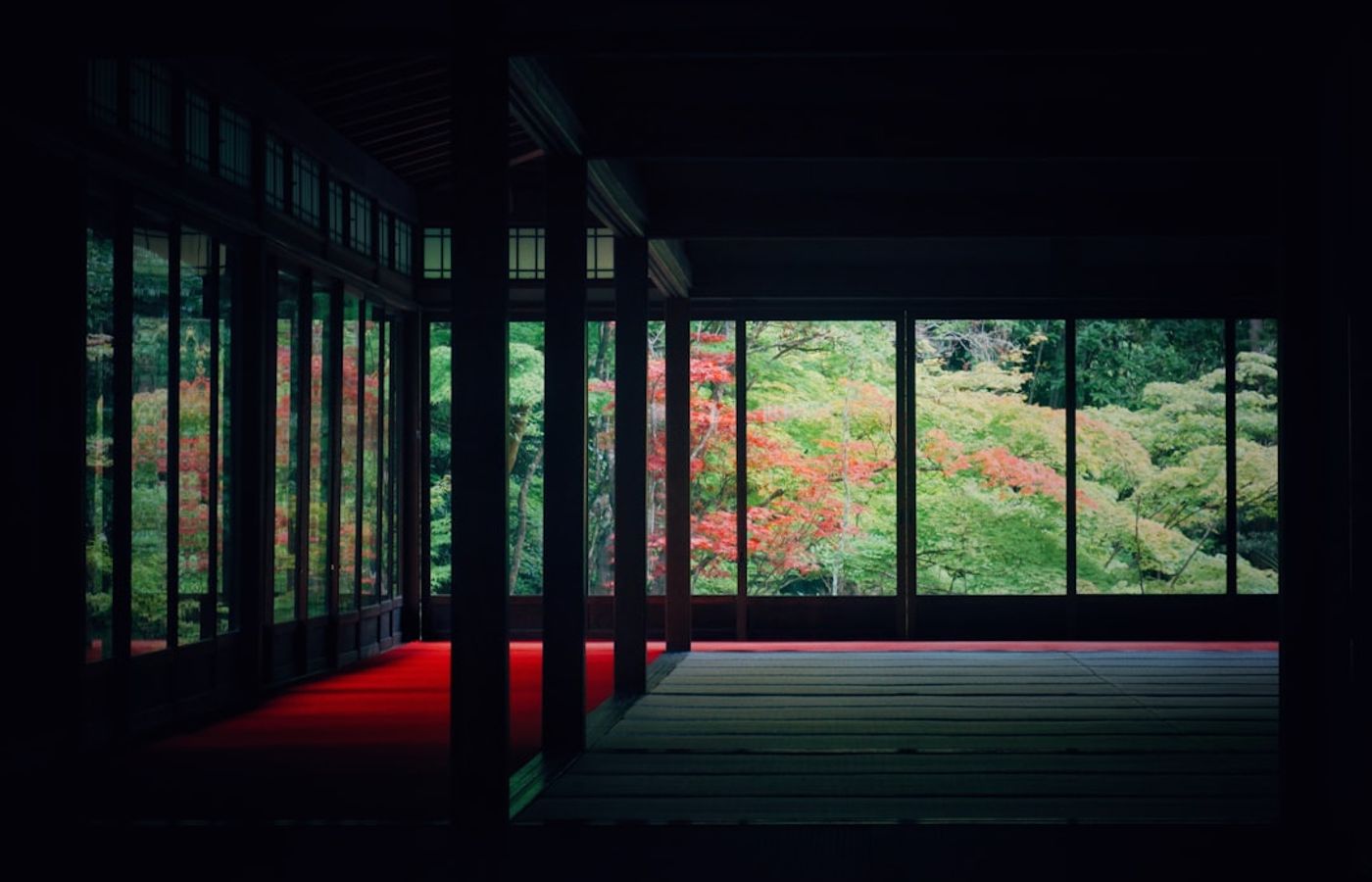

Eikan-do is widely rated Kyoto's finest autumn temple on sheer volume, with something in the order of 3,000 maples across a hillside site. The 2026 dates are confirmed and unusually precise: the autumn treasure exhibition runs 11 November to 6 December, 9:00 to 16:00 at 1,500 yen, and the illumination runs 20 November to 6 December, 17:30 to 20:30 at 1,000 yen.
Read those two lines carefully, because the grounds are cleared between them and one ticket does not carry over. Seeing Eikan-do Zenrin-ji by day and by night in 2026 costs 2,500 yen, about 13.50 EUR, and means leaving and queuing again. The night queue on the Philosopher's Path side regularly runs 30 to 60 minutes, and the illuminated pond area is small enough to become a shuffling one-way loop. No reservation is needed for either session.
Pro Tip: Pick one session, not both. Choose the daytime exhibition if you want to climb to the Tahoto pagoda and look back over the maples; choose the illumination only if you are prepared to join the queue by 17:15, before it forms properly.

3Arashiyama - Tenryu-ji, Togetsukyo Bridge and the Sagano Scenic Railway
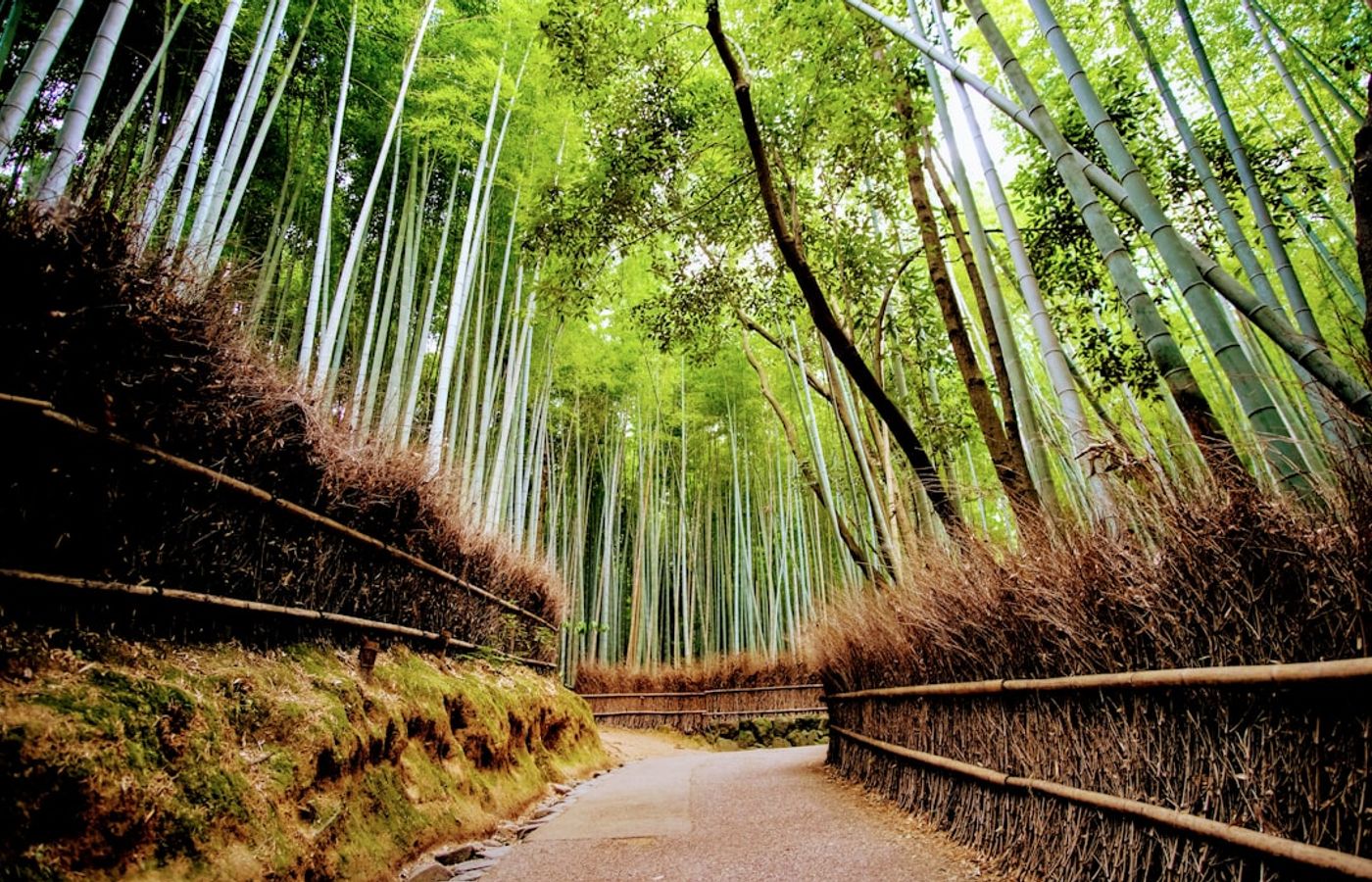

Arashiyama is three things at once in autumn: the Sogenchi pond garden at Tenryu-ji, the Togetsukyo Bridge with Mount Arashiyama turning behind it, and the Sagano Scenic Railway running 7.3 km through the Hozugawa gorge in 25 minutes for 880 yen. Tenryu-ji charges 500 yen for the garden and opens 8:30 to 17:00, with a special 7:30 opening from 14 to 30 November 2026. The bridge is free and open at all hours.
That 7:30 opening exists because Arashiyama is the most congested district in Kyoto in late November, and 10:00 to 15:00 is close to unworkable. Every seat on the Sagano railway is reserved, sales open a month before travel, and autumn departures sell out, so book the moment your dates are fixed. Two honest warnings: the railway is not covered by the Japan Rail Pass, and the current rolling stock is being retired during 2026, with new vehicles testing from August, so confirm the timetable.
Pro Tip: Take the first JR train out and be at the Tenryu-ji gate for 7:30. Do the garden, then walk the Togetsukyo Bridge before 9:00 while the police are not yet controlling pedestrian flow, and take a mid-morning railway departure from Torokko Saga rather than an afternoon one.
4Kiyomizu-dera - The Shortest Night Viewing Window and a 6:00 Opening
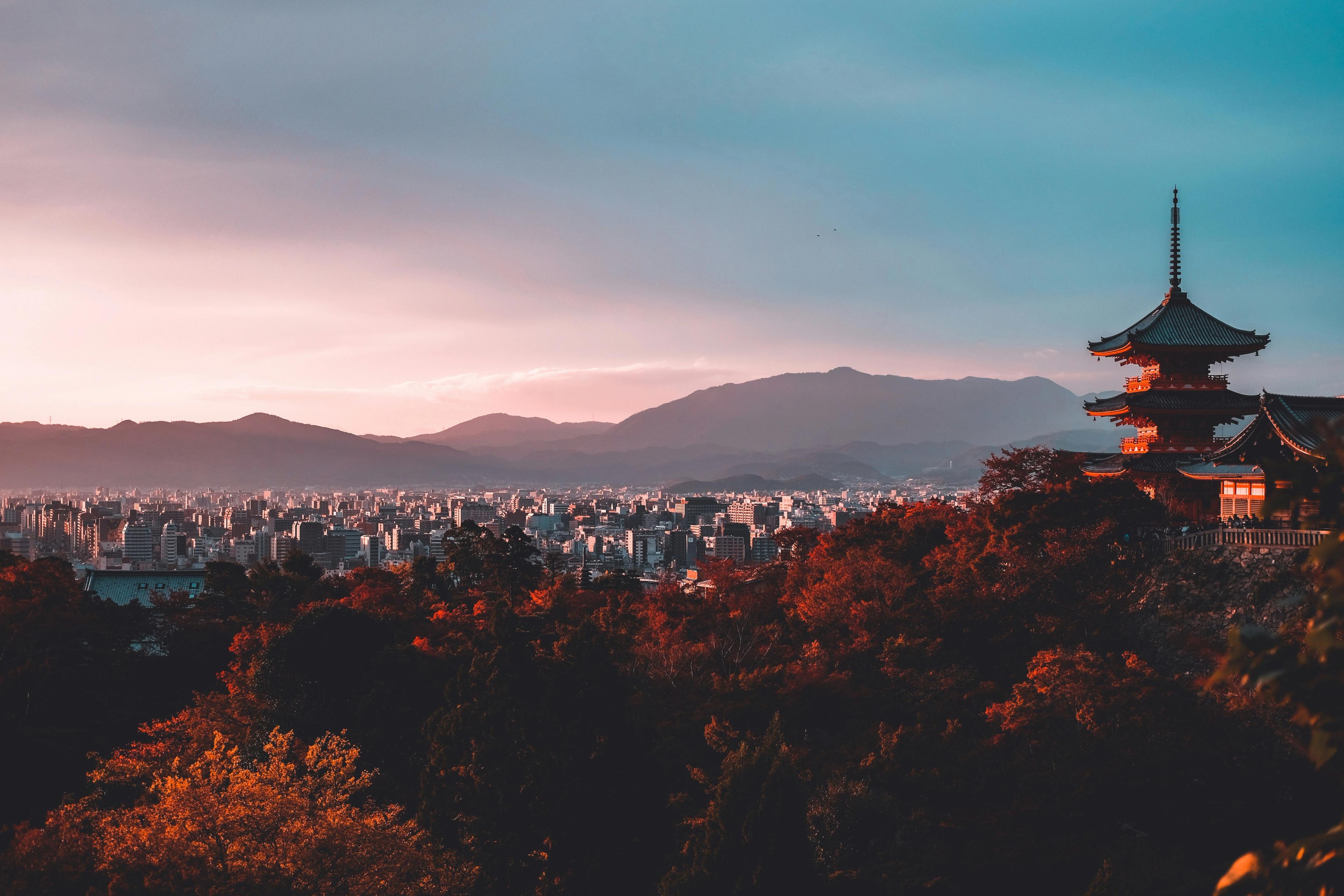
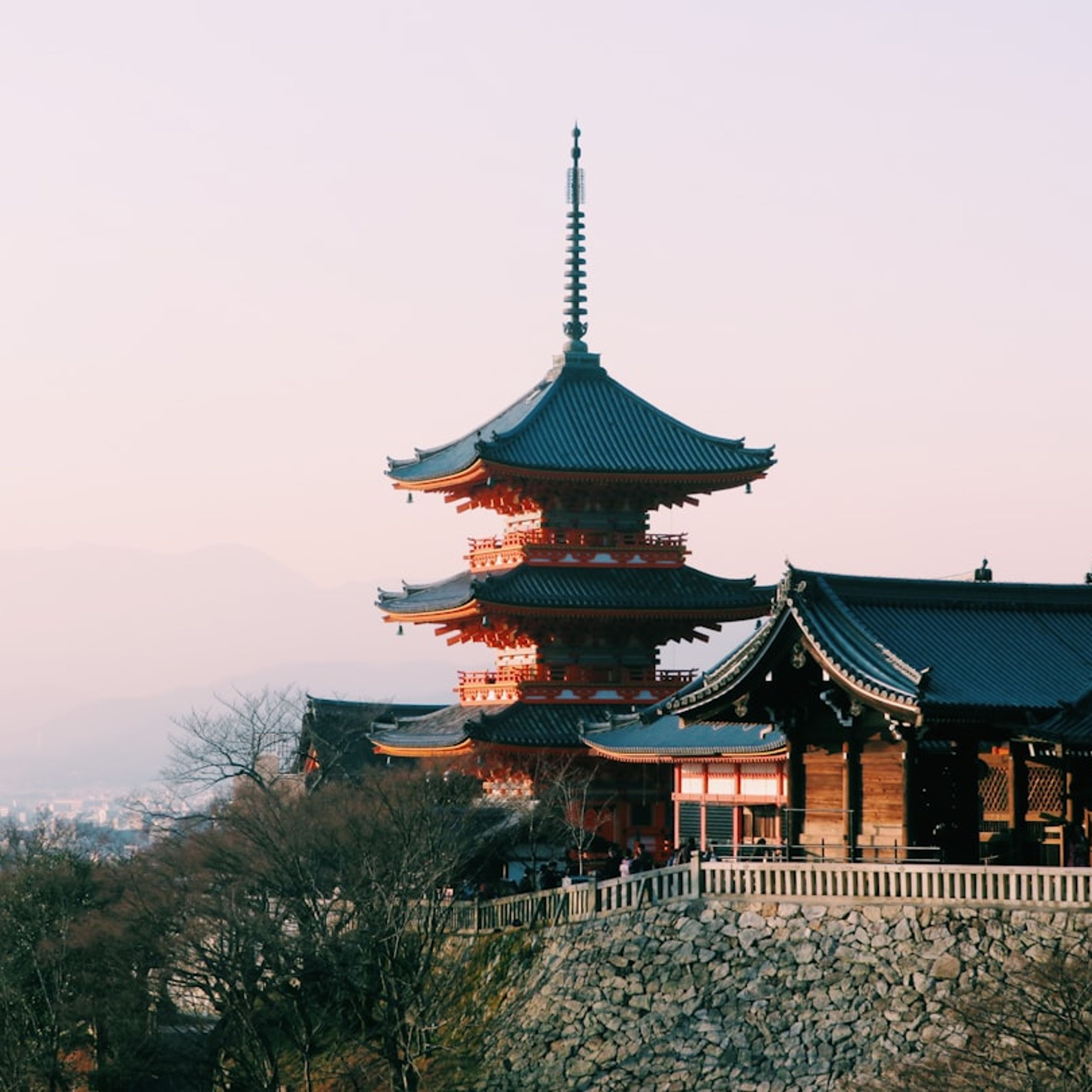
Kiyomizu-dera is one of the Historic Monuments of Ancient Kyoto inscribed by UNESCO, and in autumn its great wooden stage sits above a slope of maples. Daytime admission is 500 yen and the gates open at 6:00, the earliest of any major temple in the city. The 2026 autumn night viewing is confirmed for 21 to 30 November, 17:30 to 21:30, also 500 yen, with around 500 lights and the blue Kannon searchlight beam over the city.
Note how short that window is. Ten nights, against 52 at Kodai-ji, and markedly shorter than the 2025 run, which means no flexibility at all if your dates slip or the season arrives late. Be clear-eyed about the foliage too: here the leaves frame the architecture rather than being the subject, so a purist will rank Kiyomizu-dera below Tofuku-ji or Eikan-do. The Kiyomizu-zaka approach is a wall of people from 09:00 onwards.
Pro Tip: Use the 6:00 opening. Walk up Kiyomizu-zaka at first light, when the shops are shut and the street is empty, and you will have the stage and the Okunoin viewpoint largely to yourself. It is the single best hour available anywhere in Higashiyama.
5Nanzen-ji and the Keage Incline - The Aqueduct Shot, Mostly for Free
Nanzen-ji's draw in November is the Suirokaku, a red-brick Meiji-era aqueduct running through temple grounds with maples on both sides, and it costs nothing to walk under. The paid areas are separate: the Hojo garden at 600 yen, the Sanmon gate at 600 yen and Nanzen-in at 500 yen, each with its own ticket window. Hours are 8:40 to 17:00 until 30 November, dropping to 16:30 from 1 December, with reception closing 20 minutes earlier.
That 1 December cut catches people out in a delayed season, which 2026 may well be. Climbing the Sanmon gate is the one to pay for, because it puts you above the tree line looking back over the district. Five minutes away, the Keage Incline is 582 m of preserved boat railway that is free and open at all hours, though be warned: it is a cherry-blossom site and its autumn colour is thin. Treat it as a 15 minute walk between the station and the temple, not a destination.
Pro Tip: Do Nanzen-ji at 8:40 and Eikan-do afterwards, not the reverse. Nanzen-ji's aqueduct is a narrow spot that clogs by mid-morning, whereas Eikan-do absorbs crowds across a hillside and reads fine at 11:00.
6Ruriko-in - The Table Reflection, and the Only Booking You Cannot Skip
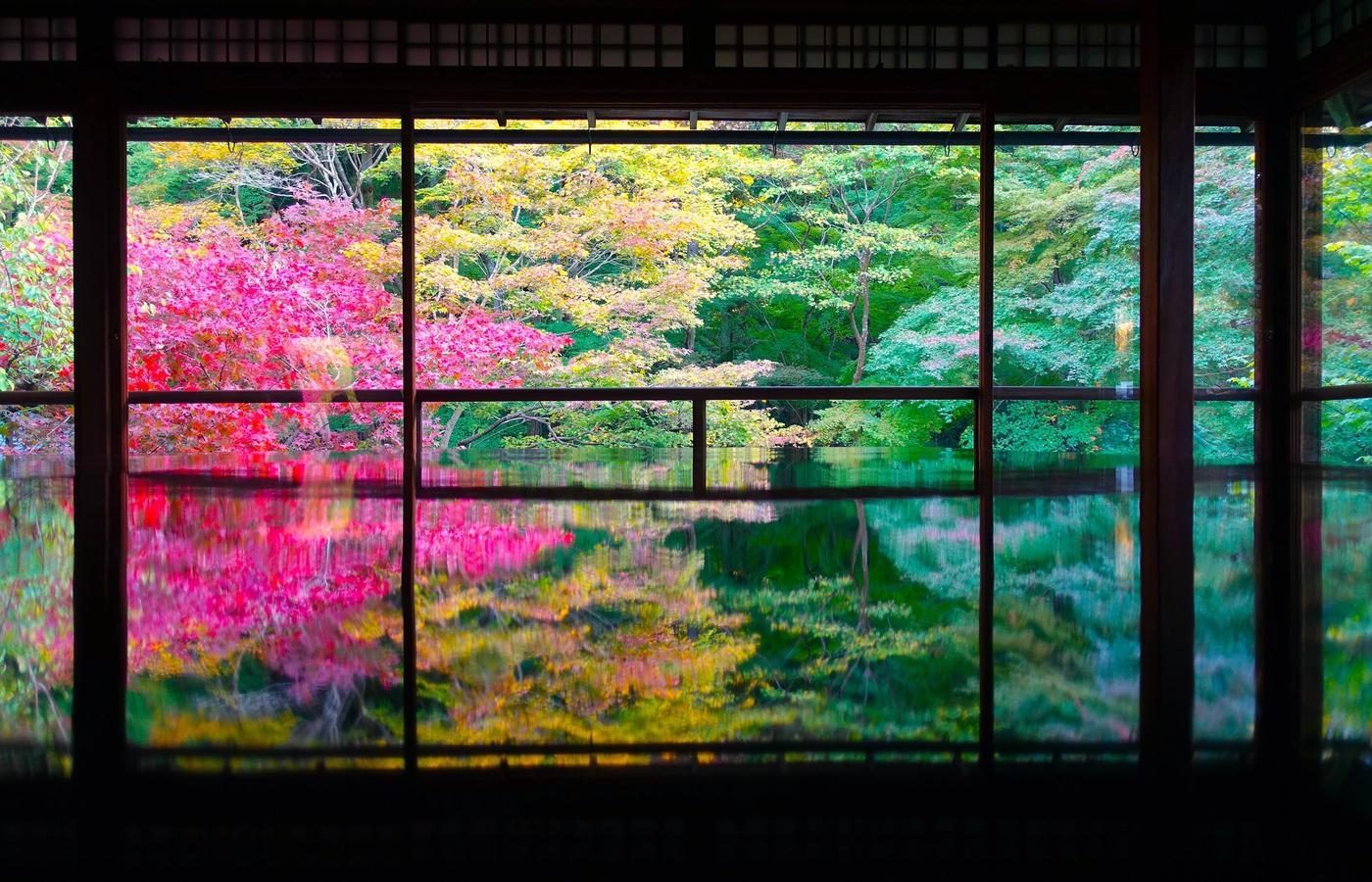
Ruriko-in exists on this list for one image: the yuka-momiji, where a lacquered writing desk on the upper floor reflects the maples outside so cleanly that the table appears to be made of leaves. Admission is 2,000 yen, roughly 10.80 EUR, the most expensive standard temple entry in Kyoto, with a 1,000 yen student rate. The temple opens only in fixed seasons, and 2026 autumn dates had not been published as of 1 September.
The 2025 pattern is your planning baseline: open 1 October to 14 December, 10:00 to 17:00, walk-in until 7 November and advance reservation compulsory from 8 November to 7 December, which is precisely when the colour peaks. Bookings go through a date and time form on the temple's own site, and cancellation fees apply inside three days. Be realistic about what 2,000 yen buys: a timed slot, a managed queue at the desk and a no-lingering rule, after a long and awkward journey.
Pro Tip: Check the temple's reservation page from mid September and book the first slot of the day the moment 2026 dates appear. This is the one item in a Kyoto autumn itinerary you cannot improvise, so build the rest of that day around whichever slot you get.
7Kodai-ji - The Longest Night Viewing Window in Kyoto
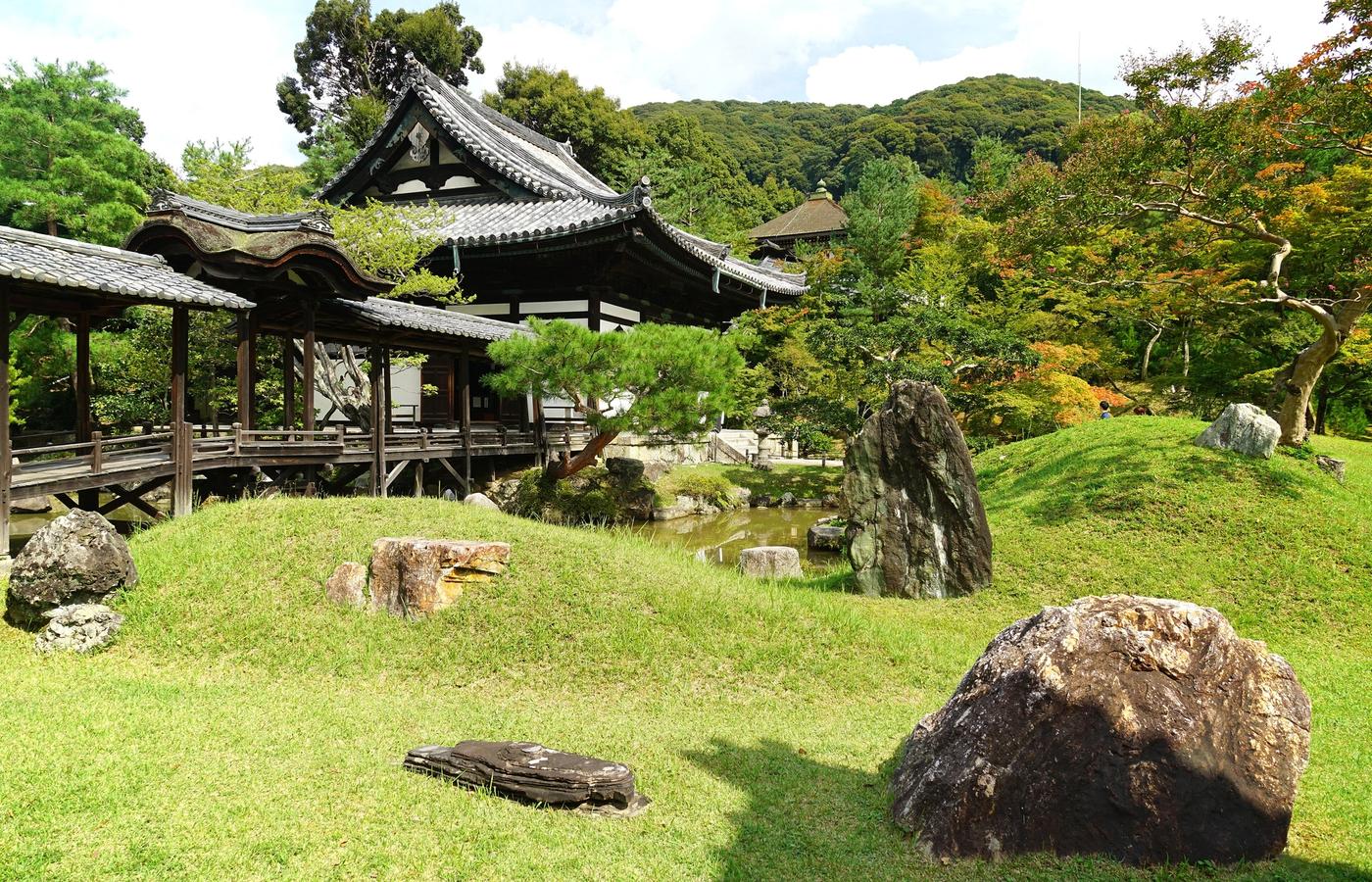
Kodai-ji offers the best value-for-flexibility in Kyoto's autumn calendar. Its 2026 night viewing is confirmed for 23 October to 13 December, lights on at 17:00, last entry 21:30, at 800 yen for adults or 1,200 yen combined with neighbouring Entoku-in. That is 52 nights against Kiyomizu-dera's 10, and no reservation is required for either the day or the night session, which makes it the temple to hold in reserve if weather or a late season wrecks your plans.
The grounds were built for Nene, widow of Toyotomi Hideyoshi, and the reflecting pond in front of the Kaisando does the heavy lifting after dark. One thing genuinely divides visitors: the projection-mapping show on the Hojo dry garden. Some find it a striking use of a 400-year-old space and others find it kitsch. Between 17:00 and 19:00 the site fills with overflow walking down from Kiyomizu-dera, and it thins noticeably after 20:00 on weekdays.
Pro Tip: Arrive at 20:15 on a Tuesday or Wednesday rather than at opening. You get the illuminated pond with room to stand still, and the 1,200 yen combined ticket with Entoku-in makes sense at that hour because both are quiet enough to walk properly.
8Ohara Sanzen-in - Mid-November Colour an Hour North of the City
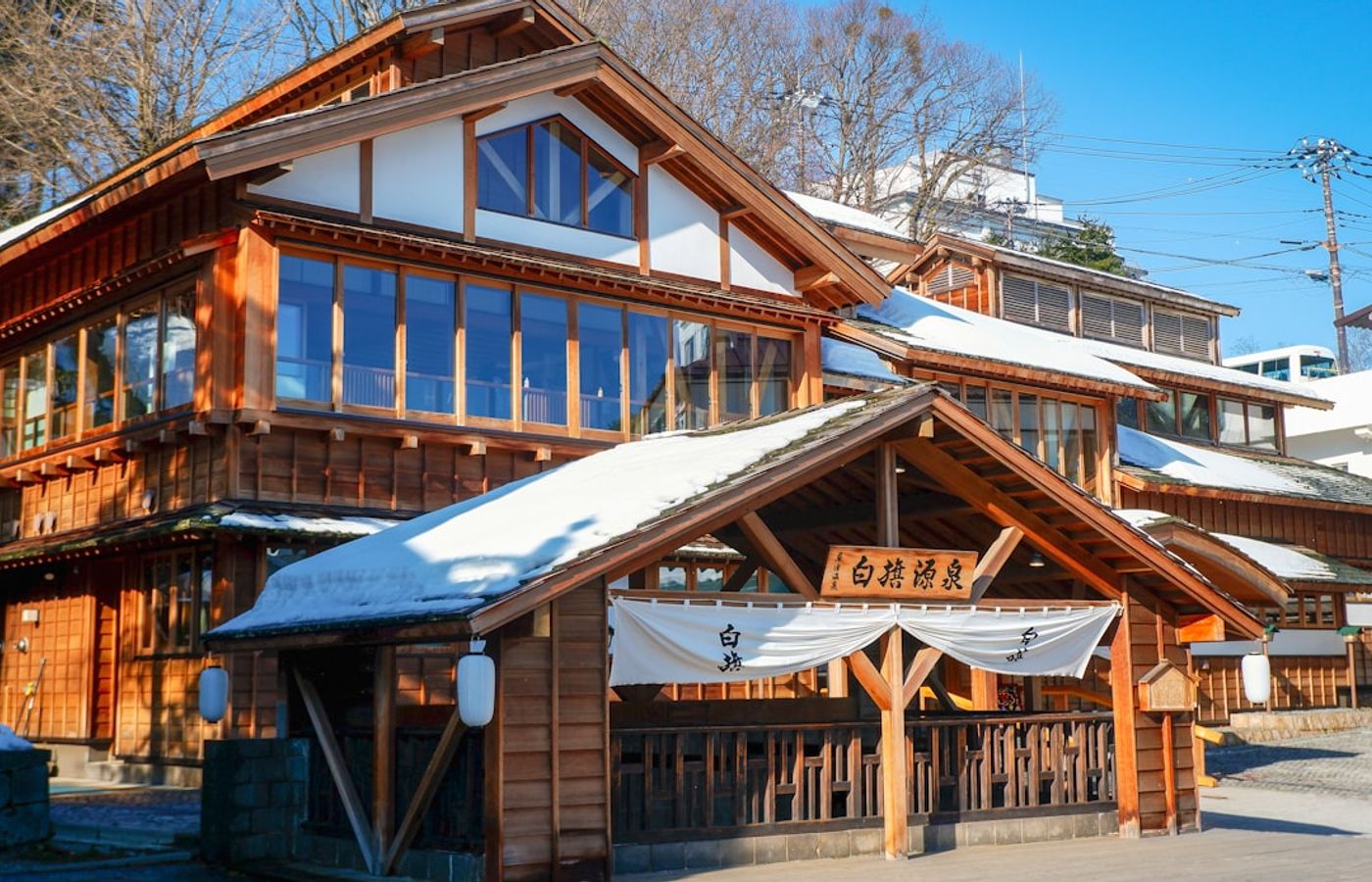
Sanzen-in is the answer for anyone arriving in mid November, when the city temples are still half green. Ohara sits high enough in the northern hills that it peaks around the middle of the month and is often past its best by 30 November, the reverse of the pattern downtown. Admission is 700 yen, and November hours are 8:45 to 16:45, 15 minutes shorter at both ends than the rest of the year.
What you get for the journey is a moss garden under maples with the small stone Warabe Jizo figures set into it, and a village that feels genuinely rural after a week of Higashiyama crowds. The costs are honest ones: a two hour round trip minimum, 560 yen each way on a route outside the flat fare zone, no parking, and village restaurants that close early. The Subway and Bus 1-Day Pass at 1,100 yen covers Ohara, which is reason enough to buy it on this particular day.
Pro Tip: Take the 8:00 or so Kyoto Bus 17 from stop C3 and be at Sanzen-in for the 8:45 opening, then walk on to Jikko-in and Hosen-in before lunch. Both are 200 m away, cost around 800 yen and are almost empty even in peak week.
9Jingo-ji at Takao - The Earliest Peak and the Hardest Climb
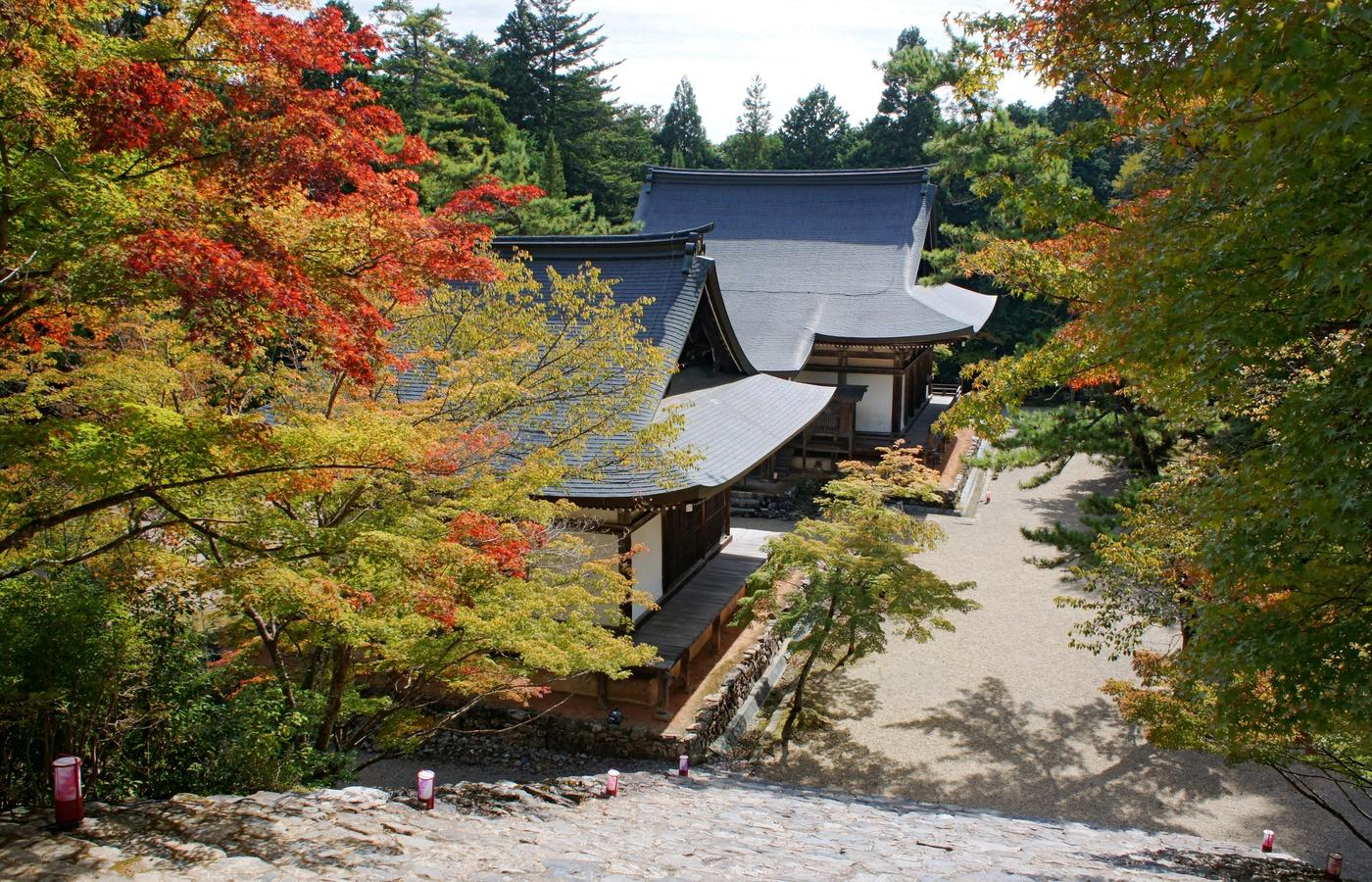
Jingo-ji peaks early to mid November, earlier than any other major site in this guide, so do not schedule it for the last week of the month. The temple sits on a wooded ridge above the Kiyotaki river in the Takao valley, and the walk in crosses a bridge then climbs a long stone stairway of around 350 steps. Hours are 9:00 to 16:00 and admission is 1,000 yen for junior high age and above.
The signature activity here is kawarake-nage, throwing small unglazed clay discs out over the Kinun valley from a platform at the top, sold separately on site. It is also the most physically demanding entry on the list, and worth saying plainly: the staircase is steep, uneven and unavoidable, with no accessible alternative. A single infrequent bus route serves the valley, the last return is early, and the site is fully weather exposed.
Pro Tip: Check the JR Bus return times before you start climbing, and plan to be back at the Yamashiro-Takao stop with 30 minutes to spare. Combine Jingo-ji with Saimyo-ji and Kozan-ji in the same valley, all within 20 minutes on foot, so one bus trip covers three temples.
10Enko-ji - Fallen Leaves on Moss, by Timed Reservation Only
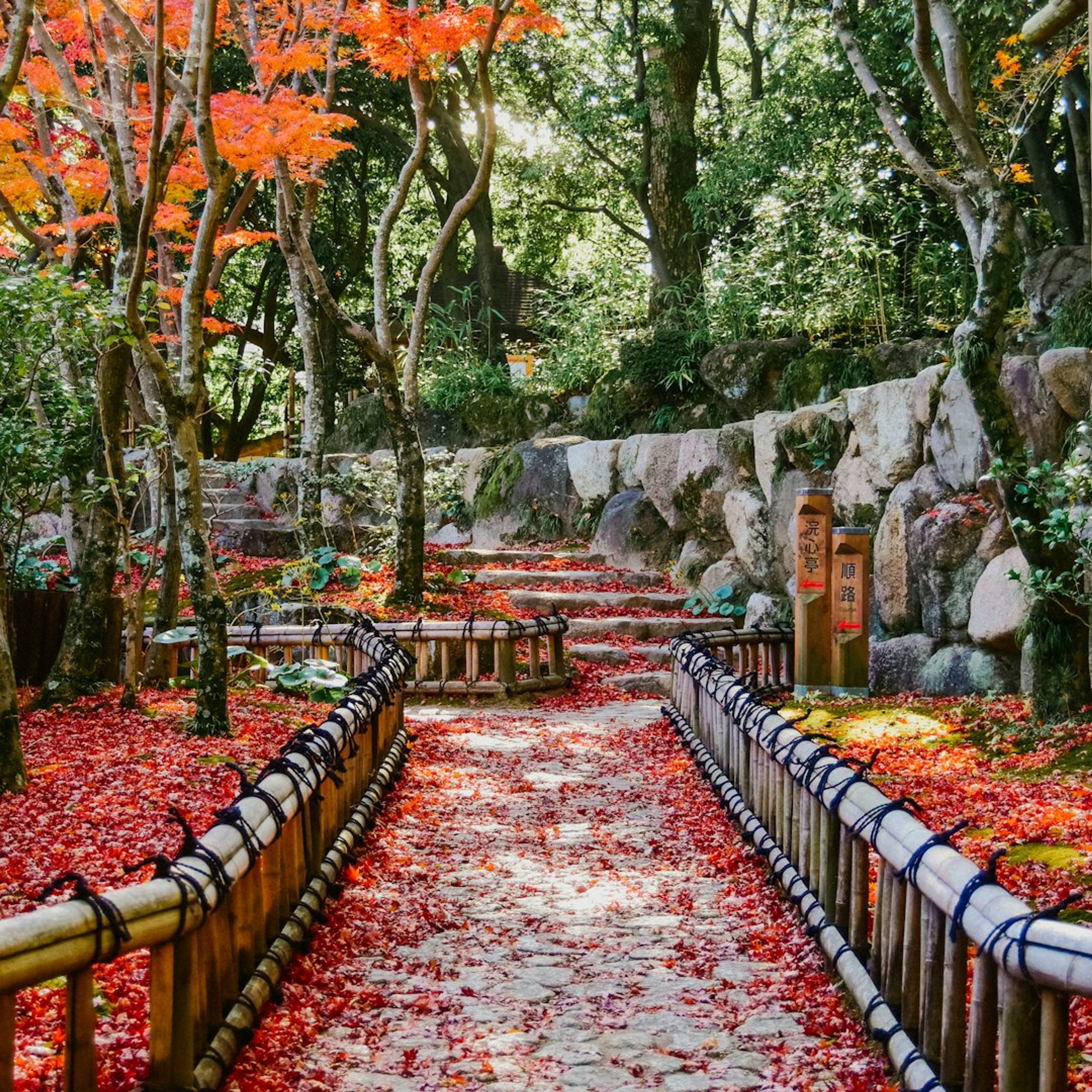
Enko-ji closes the list because it delivers a specific thing better than anywhere else in Kyoto: the Jugyu-no-tei moss garden after the maples have started dropping, when the moss is carpeted in red rather than framed by it. That makes it a late November site, generally at its best in the last week of the month. The 2025 season ran 10 November to 10 December, 8:00 to 17:00, at 1,500 yen for adults and 800 yen for students, and 2026 dates were not yet published on 1 September.
Autumn entry is by compulsory timed reservation through the temple's own booking calendar, and in 2025 that calendar opened at 09:00 on 20 October, which is late enough to catch out anyone planning from abroad. Parking closes entirely during the special period. Set expectations accordingly: 1,500 yen and a fixed slot buys a compact garden and a visit of 45 to 60 minutes, with same-day slots sometimes available at the gate.
Pro Tip: Book the 8:00 slot, because the moss garden reads best in low side light and the reflection off the wet moss disappears once the sun is high. Then walk 15 minutes north to Shisen-do, which needs no booking and has the same late-season character.
Get hotel deals for Kyoto
Price drops, new stays and local tips for Kyoto, straight to your inbox.
No spam, unsubscribe anytime.

CEO and co-founder
Tomas is the co-founder and director of trip1, an European company specializing in reservation services. He launched the company in 2025 with a focus on building scalable, efficient operations.
10 Best Places to See Autumn Leaves in Kyoto - FAQ
Mid November to early December in the city, with the main temples usually at their best in the last ten days of November. Higher sites turn one to two weeks earlier: Jingo-ji at Takao peaks in early to mid November and Ohara Sanzen-in around mid-month. Enko-ji's fallen leaves on moss are best in the last week of November.
A slightly late season. Japan Meteorological Corporation's forecast of 1 October 2026 puts Kyoto's maple date at 11 December, six days later than average, and ginkgo at 27 November. Weathernews expects Arashiyama to peak around 24 November. Forecasts are updated through the autumn, so check again in early November and keep a flexible day.
Yes, it is the main month for autumn leaves. Ohara and Jingo-ji peak in mid November, and the city temples such as Tofuku-ji, Eikan-do and Kiyomizu-dera from about 20 November. The catch is crowds: Arashiyama is close to unworkable from 10:00 to 15:00 in late November, so use early openings like Kiyomizu-dera at 6:00 and Tofuku-ji at 8:30.
Yes, but not for peak leaves. Colour in the city usually arrives from mid November, so in October the maples are still mostly green. Some autumn events do start: Kodai-ji's night viewing begins on 23 October 2026, and Ruriko-in opened from 1 October in 2025 with walk-in entry before its November booking period. Plan for November if leaves are the reason for the trip.
Day one in Higashiyama: Kiyomizu-dera at its 6:00 opening, Tofuku-ji, then Kodai-ji for its night viewing. Day two: Nanzen-ji at 8:40 and Eikan-do five minutes away, then Arashiyama in the afternoon or Ohara Sanzen-in in the morning if you are there in mid November. Buy the Subway and Bus 1-Day Pass at 1,100 yen and carry cash.
Kodai-ji has the longest run, 23 October to 13 December, from 17:00 at 800 yen. Eikan-do lights up from 20 November to 6 December, 17:30 to 20:30 at 1,000 yen, a separate ticket from the day visit. Kiyomizu-dera has the shortest window, 21 to 30 November, 17:30 to 21:30 at 500 yen. Kodai-ji and Eikan-do need no reservation.