

Guides · Mexico City
5 Best Things to Do in Mexico City During Day of the Dead

CEO and co-founder
This guide ranks the 5 best things to do in Mexico City during Day of the Dead, meaning the events that justify building a trip around the last two weeks of October and the first two days of November 2026. Each entry gives the exact address, the Metro or Tren Ligero line that reaches it, the walk time from the station, and a Pro Tip based on how these events actually run rather than how the listings describe them.
We have ordered the list chronologically, because that is the only ordering that helps in a city where Dia de Muertos is spread across three weeks rather than concentrated into one weekend. Two of the five are fixed-date parades, one is a participatory procession, one is a set of free public altars that stand for over a week, and one is an overnight cemetery vigil that only happens on the night of 1 November. Nothing on this list overlaps, so what you see depends entirely on which dates your flights cover.
One practical note before you plan. The 2026 Mexico City Metro fare is 5 pesos per journey, about 0.25 EUR, but paper tickets were abolished in 2024, so buy a Tarjeta de Movilidad Integrada for 15 pesos at any station booth when you arrive. The same card works on the Mexico City Metro, the Metrobus, the Tren Ligero and the trolleybus network, which covers every line named in this guide, including the awkward run out to San Andres Mixquic.
1Desfile de Alebrijes Monumentales - The Parade That Opens Day of the Dead Season
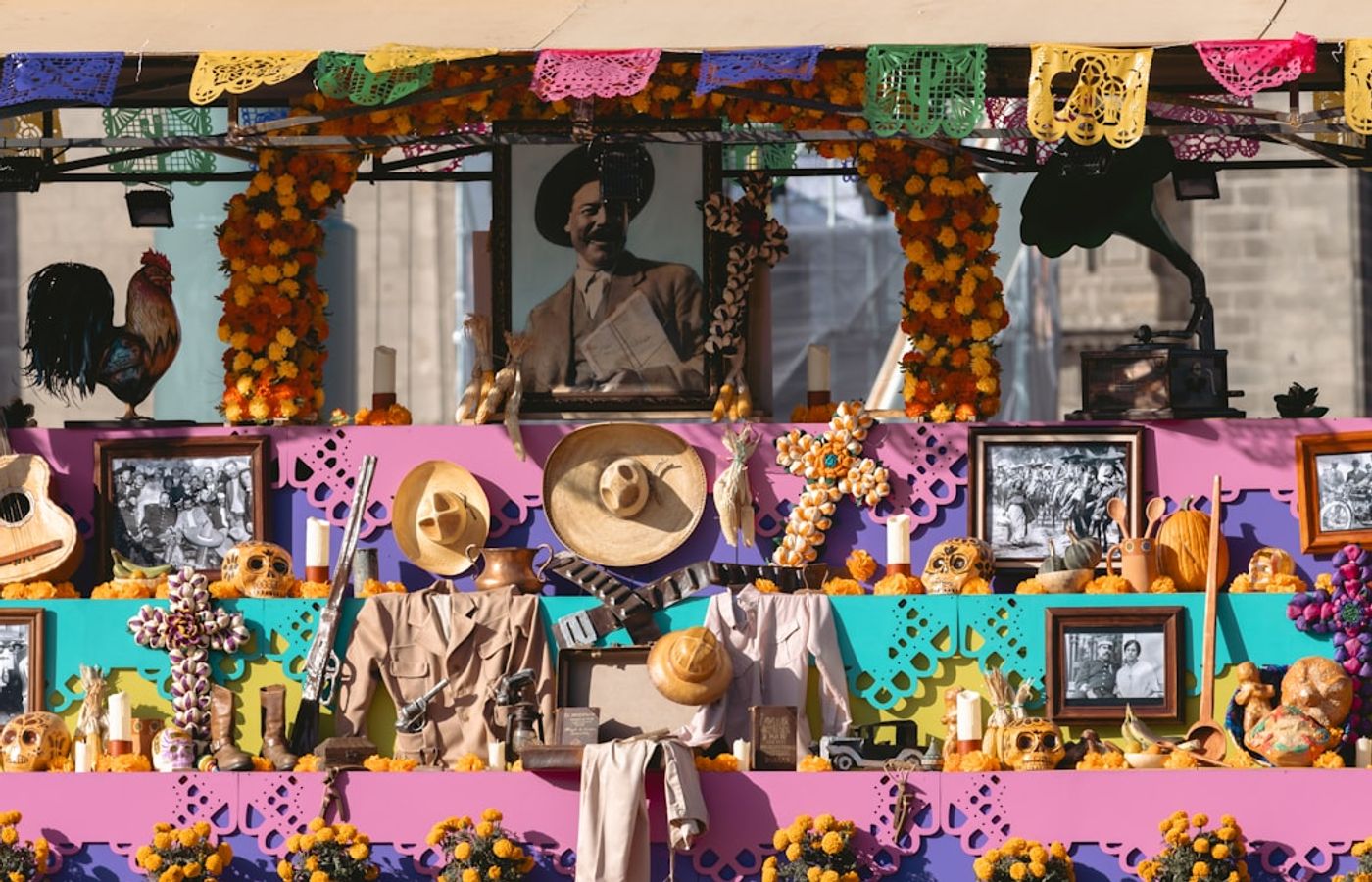

The first major event of the season, and the one most visitors miss because it happens a fortnight before anyone expects Day of the Dead to begin. On Saturday 17 October 2026 at 12:00, the Museo de Arte Popular sends its 17th Desfile de Alebrijes Monumentales through the Centro Historico: dozens of papier-mache creatures the size of small buses, built by artisan workshops competing for a 70,000 peso first prize. Alebrijes are a 20th-century Mexican invention rather than an ancient rite, and the monumental versions exist only for this parade.
The route covers roughly 4 km from the Zocalo along 5 de Mayo, Avenida Juarez and Paseo de la Reforma, finishing at the Angel de la Independencia. Watching costs nothing and needs no ticket. Winners are announced on 24 October, and the alebrijes then stand along Reforma for public viewing, which is arguably the better experience: nobody pressing in behind you, and time to walk the whole set. The Museo de Arte Popular itself, at Revillagigedo 11 in the Centro, is a five minute walk from Metro Juarez on Line 3 and worth an hour on any other day of the trip.
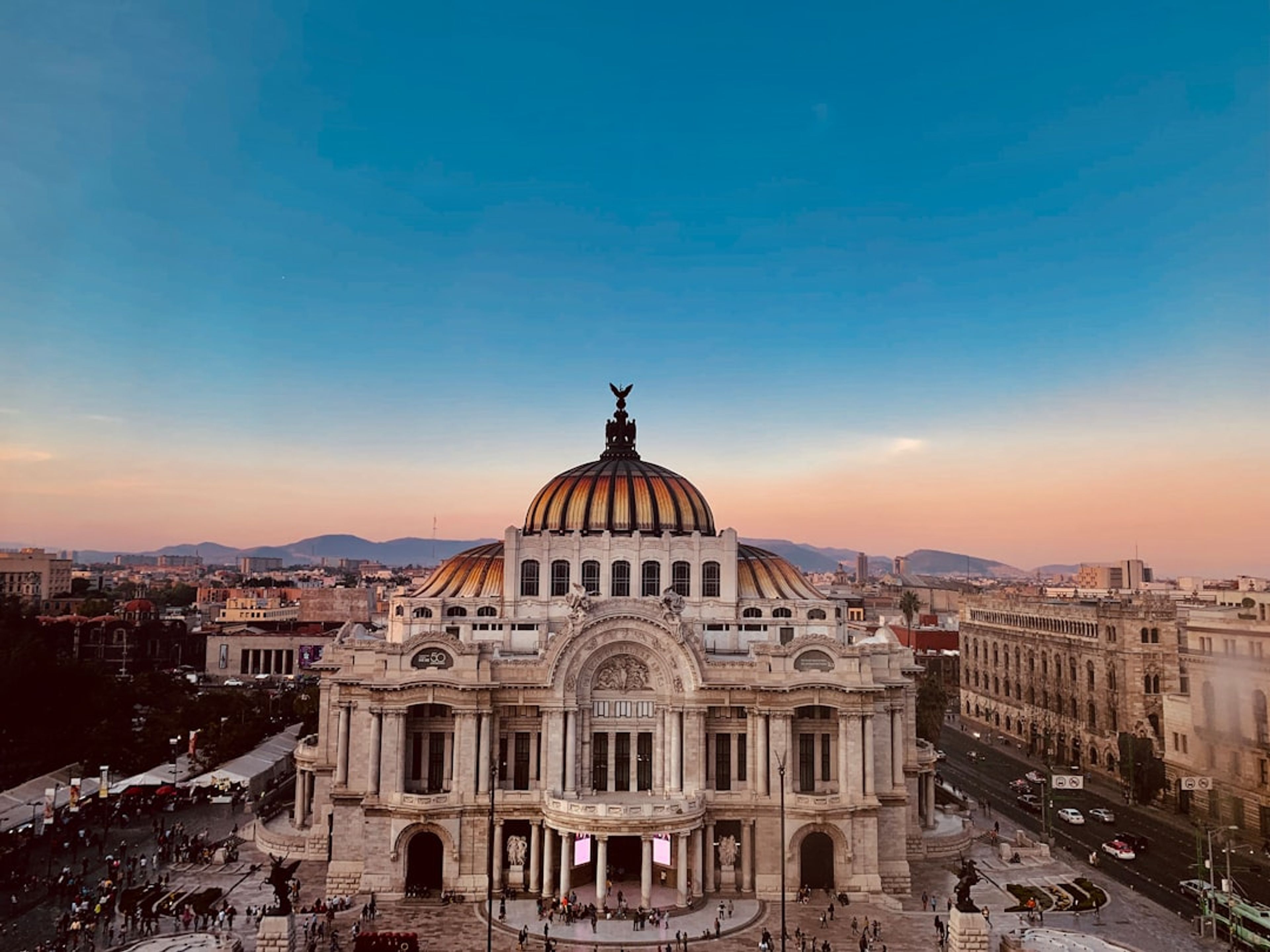
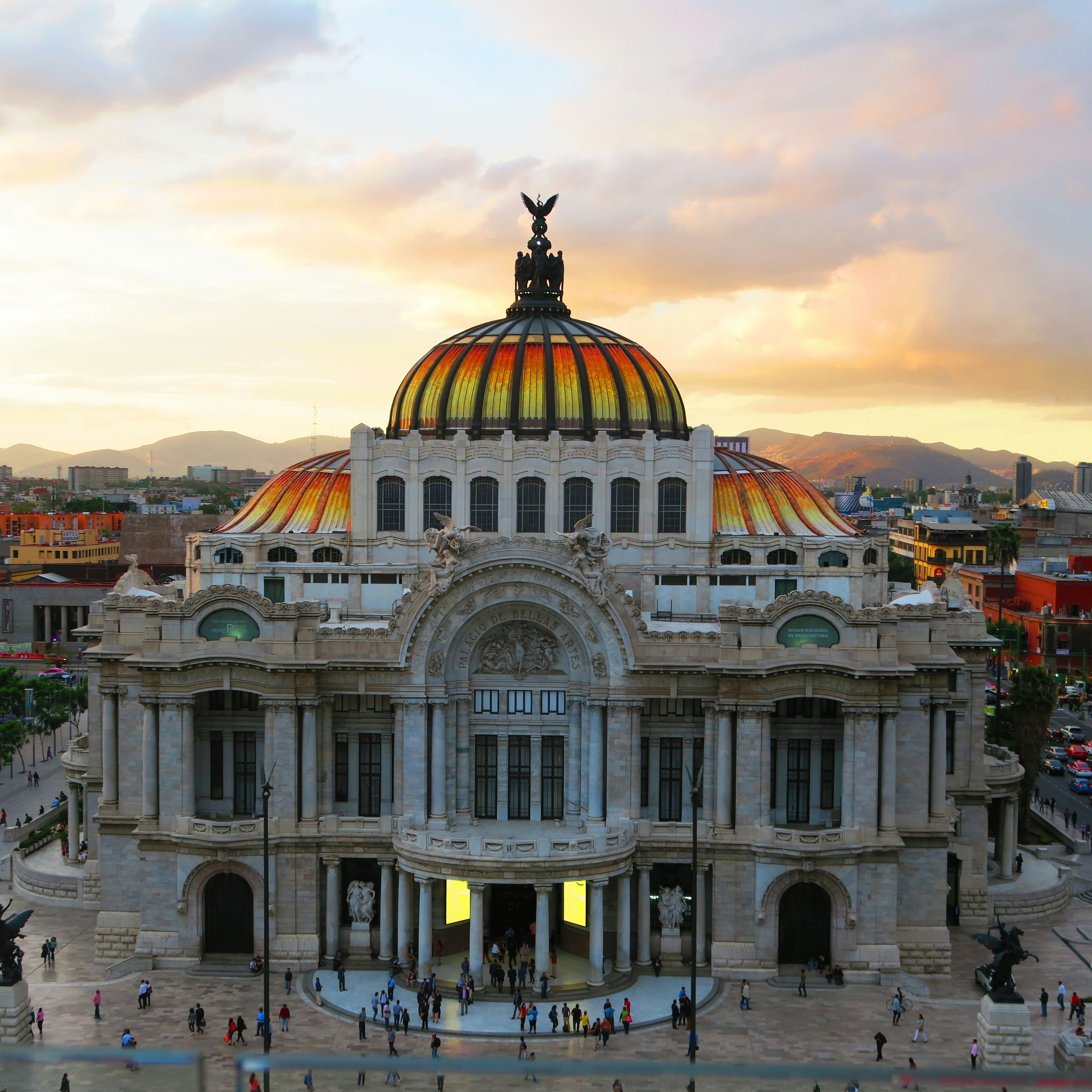
Pro Tip: Skip the Zocalo start, where the crush is worst, and stand on Avenida Juarez near the Palacio de Bellas Artes instead. Metro Bellas Artes puts you 200 m away, the alebrijes have room to turn there, and the Torre Latinoamericana gives every photograph a backdrop people recognise.
2Mega Procesion de Catrinas - The One You Walk In Rather Than Watch
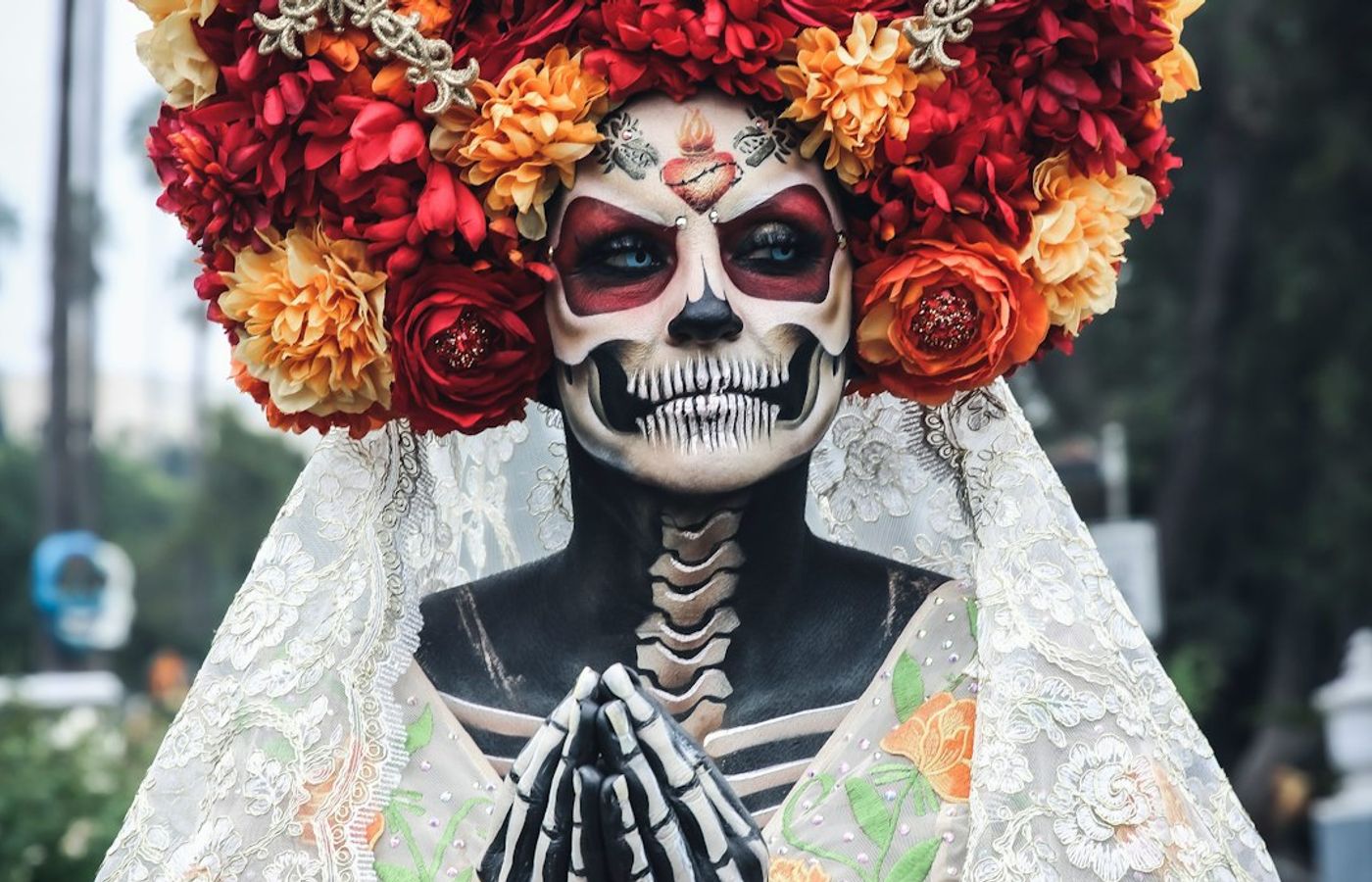

On Sunday 25 October 2026 from 18:00, tens of thousands of people in full Catrina make-up walk from the Angel de la Independencia down Paseo de la Reforma, Avenida Juarez and 5 de Mayo to the Zocalo. This is the 13th edition of the Mega Procesion de Catrinas, and unlike the city's official parade it is organised by a civil association rather than the government. La Catrina, the elegant skeleton in a feathered hat, comes from a 1910 etching by Jose Guadalupe Posada and was named by Diego Rivera decades later.
Watching from the pavement is free. Walking in it costs a symbolic 25 peso contribution and an online registration in one of 25 contingent categories, which is the version worth doing: the point of this event is that the participants outnumber the spectators. Make-up stands set up near the Angel in the afternoon, and full Catrina face paint takes 20 to 40 minutes. Wear shoes you can cover 4 km in, because there is no drop-out point once the procession fills Reforma.
Two details make the difference between watching and taking part. The make-up stalls near the Angel de la Independencia work fast but queue badly after 17:00, and the procession is genuinely long, covering roughly 4 km of Paseo de la Reforma, Avenida Juarez and 5 de Mayo on foot. If you are marching, carry water and a small bag you can hold rather than a rucksack, because the contingents move slowly and stop often for photographs along the way.
Pro Tip: Register weeks ahead and arrive at the Angel by 16:30, not 18:00. The make-up queues are long by 17:00, and the light between 18:00 and 18:45 in late October is the only window where you get the procession lit and the sky still blue.

3Gran Desfile de Dia de Muertos - The City's Biggest Day of the Dead Parade
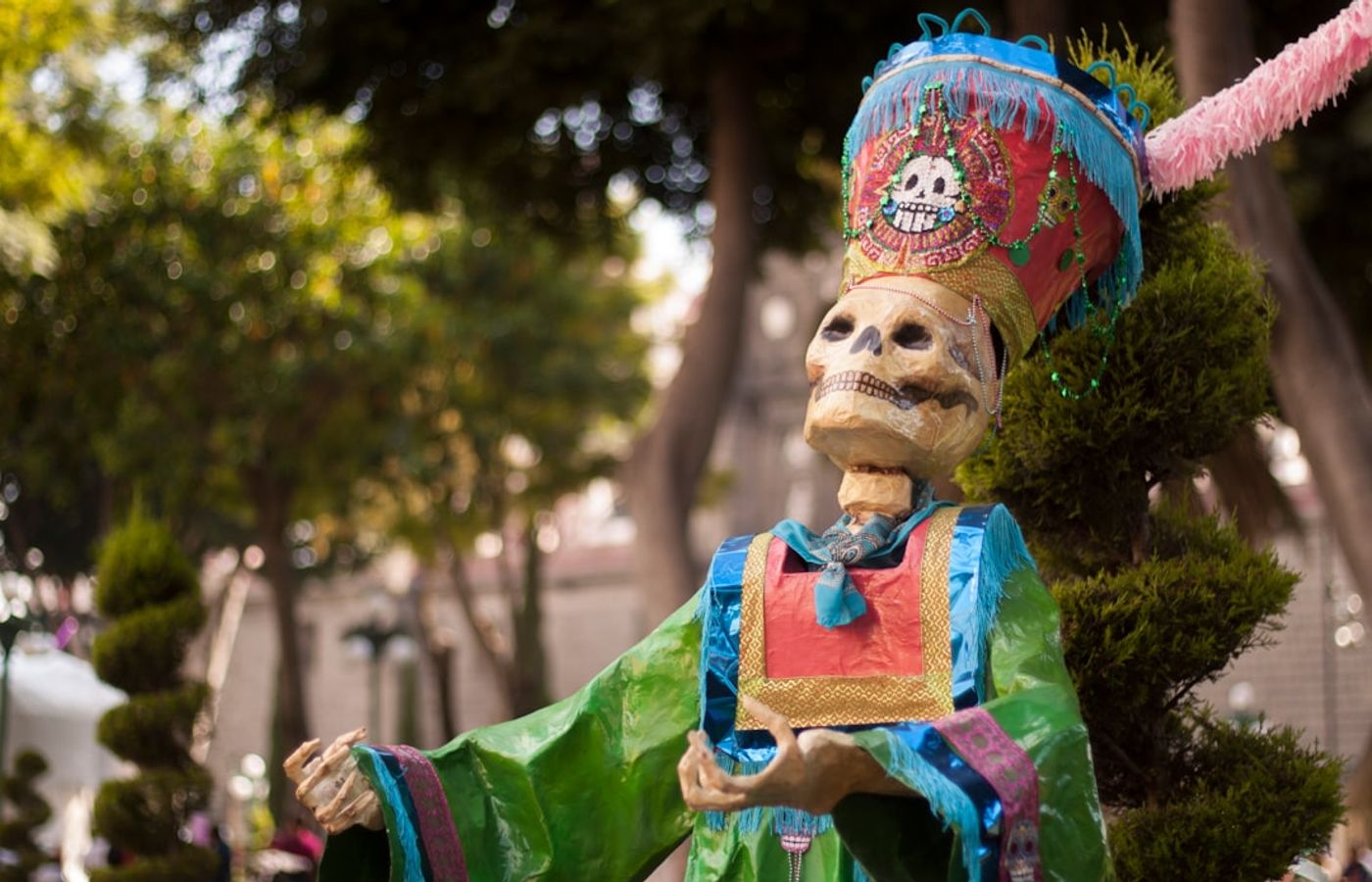

The Gran Desfile de Dia de Muertos is the headline act, confirmed for Saturday 31 October 2026 and organised by the Secretaria de Cultura de la Ciudad de Mexico. It runs about 10 km from Bosque de Chapultepec along Paseo de la Reforma, Avenida Juarez, Eje Central and 5 de Mayo to the Zocalo, taking roughly four hours. The 2026 edition works around three themes, prehispanic roots, Mexican popular culture and tributes to notable figures, with homages to Juan Gabriel and Jose Alfredo Jimenez.
It is free and there is no seating. The city counts past attendance in the hundreds of thousands, and the official start time for 2026 had not been published as of early September, though recent editions have set off in the early afternoon. Metrobus Line 7, which normally runs the length of Reforma, closes on parade day, so plan on the Metro. Be honest with yourself about the format: you will hold one spot for two hours and see the parade pass once, which is a different experience from wandering a festival.
Pro Tip: Pick a cross street on Reforma between Rio Mississippi and Bucareli rather than the Angel roundabout or the Zocalo, both of which fill three hours early. Confirm the start time on the Secretaria de Cultura site in mid-October, then arrive two hours before it.
4La Alumbrada at San Andres Mixquic - The Overnight Cemetery Vigil
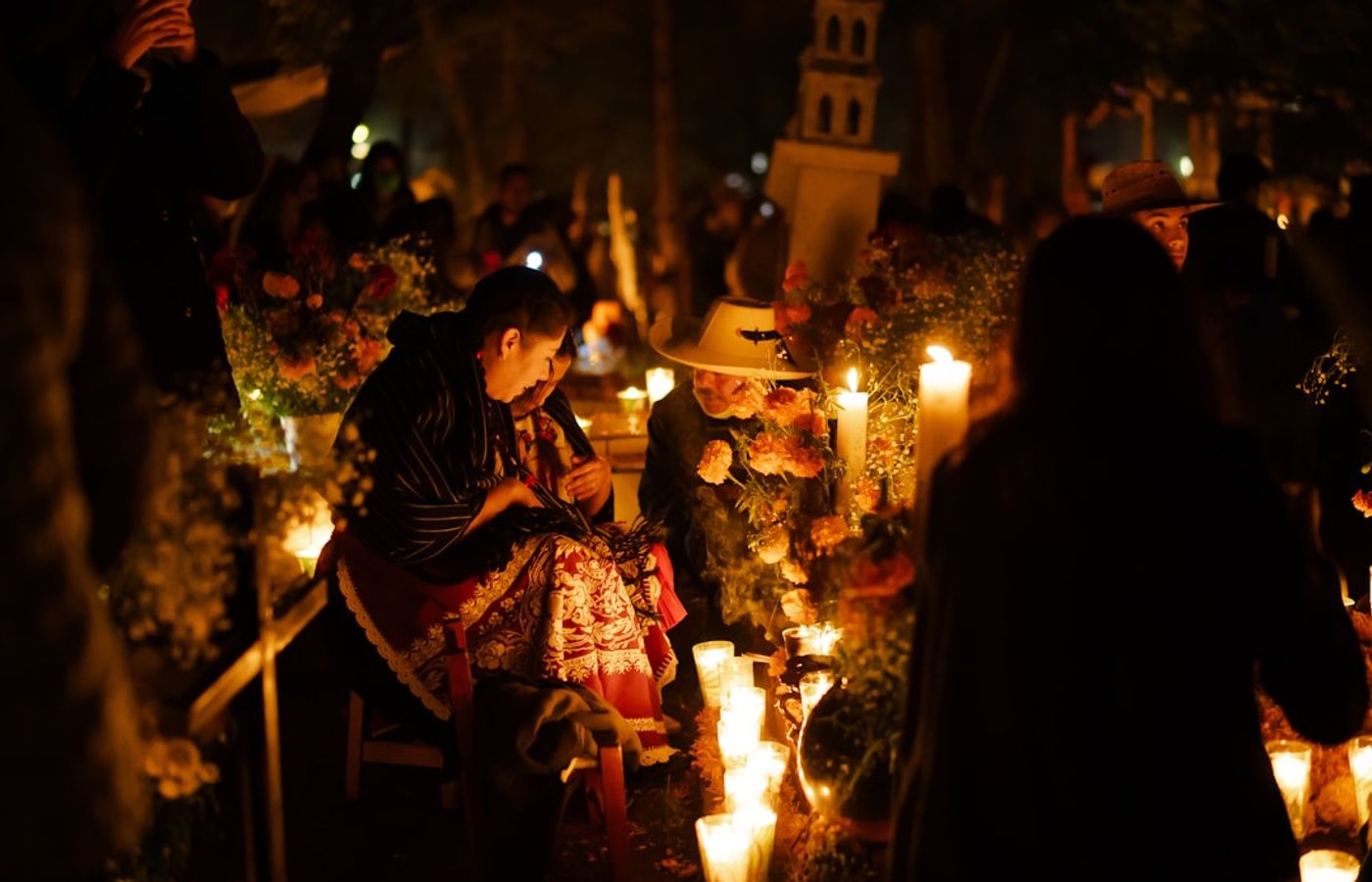
On the night of 1 November, families in the village of San Andres Mixquic fill the Panteon de San Andres with candles and cempasuchil marigolds and sit with their dead until dawn. La Alumbrada, the lighting, is the closest thing in Mexico City to the tradition UNESCO inscribed on its Intangible Cultural Heritage list in 2008. Entry to the cemetery and to every activity in the Tlahuac festival programme is free, and the ofrenda displays around the sixteenth-century Templo y Ex Convento de San Andres Apostol stay up for over a week.
Getting there is the hard part and no guide should pretend otherwise. Take Metro Line 12 to its Tlahuac terminus, then RTP route 149 or a Tlahuac to Mixquic combi for another 45 to 70 minutes. Total cost is under 50 pesos each way, but Tlahuac station and the approach road saturate completely on 1 November, so budget two hours in each direction. This is a working vigil, not a show. Photograph the graves only with permission, keep your voice down near families, and do not step over an ofrenda to get an angle.
The village programme runs wider than the vigil itself. Tlahuac stages a monumental ofrenda, market stalls and folk performances around the church square across the first days of November, all free, and the ex-convent atrium is worth 20 minutes in daylight before the crowds arrive. Food stalls sell pan de muerto and atole through the night, which matters because there is nowhere else to eat once the roads clog.
Pro Tip: Go out in the late afternoon of 1 November rather than after dark, watch the candles being lit around 19:00, and leave by 22:00 before the return crush. If two hours each way sounds unappealing, the vigils at San Gregorio Atlapulco in Xochimilco are 40 minutes closer and far quieter.
5The Free Public Ofrendas - Zocalo Monumental Altar and the UNAM Megaofrenda
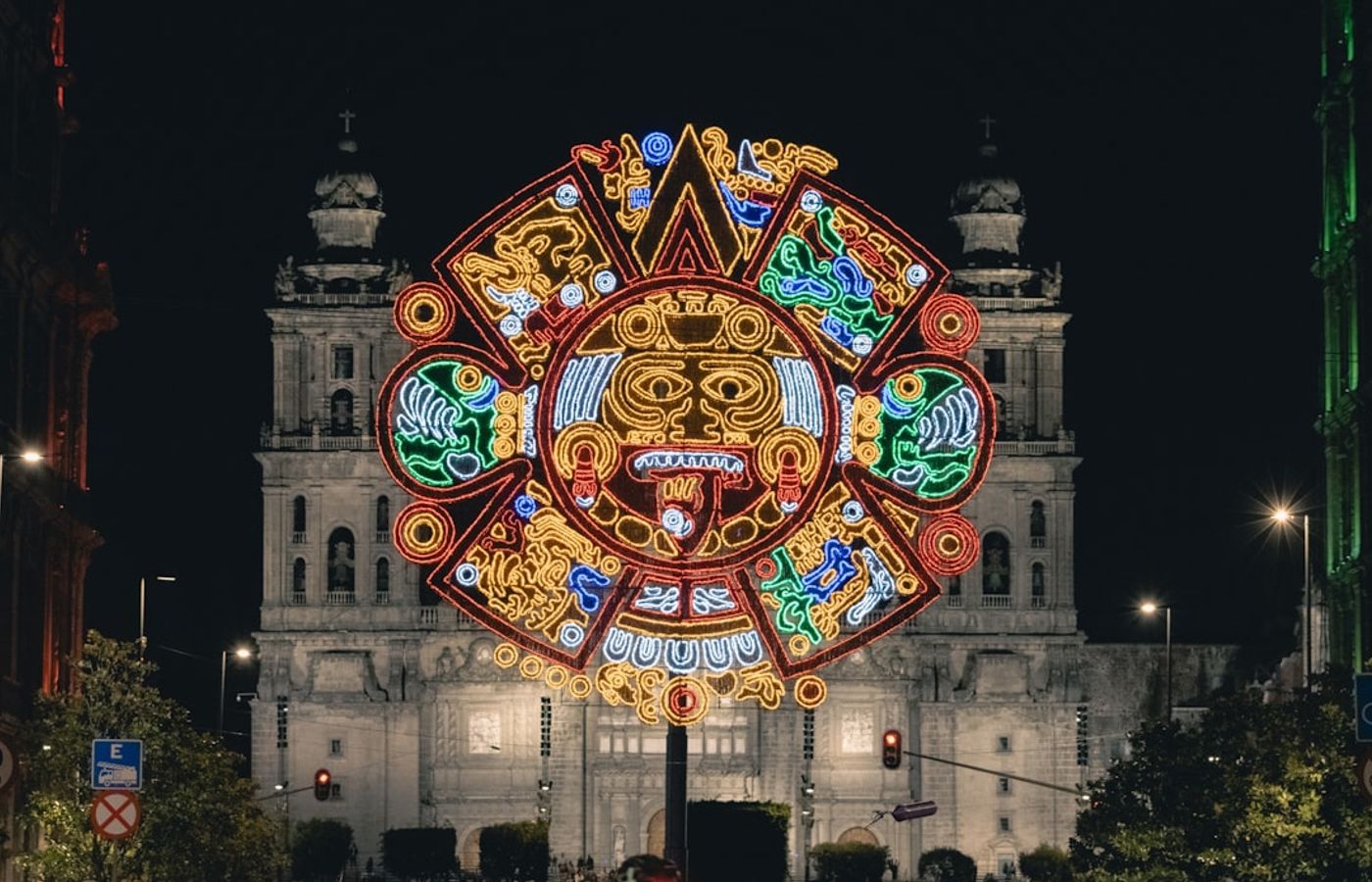
The best-value entry on this list, because it costs nothing, needs no ticket and stands for over a week. From the last days of October until 2 November the city installs its Ofrenda Monumental across the Plaza de la Constitucion, built by more than a hundred artisans and billed as the largest altar in the country. In 2025 it ran from 25 October to 2 November; the exact 2026 dates were still unpublished in early September. It is at its best after dark, when the illumination goes on and the Catedral Metropolitana sits behind it.
Pair it with the UNAM Megaofrenda, and note the change that catches out older guides: the university's festival no longer takes place at Las Islas on the Ciudad Universitaria campus. It moved into the Centro Historico, with the 2025 edition staged at the Palacio de la Escuela de Medicina on Plaza Santo Domingo, a 10 minute walk north of the Zocalo. Both are free. Between them you can see a state-scale altar and a student-built one in a single evening, which is the cheapest and most reliable Dia de Muertos experience the city offers.
Pro Tip: Walk the Zocalo altar between 20:00 and 22:00 on a weekday, not at the weekend. Then take Republica de Brasil north to Plaza Santo Domingo, where the plaza's arcade of public scribes is still working and there is no queue for anything.
Get hotel deals for Mexico City
Price drops, new stays and local tips for Mexico City, straight to your inbox.
No spam, unsubscribe anytime.

CEO and co-founder
Tomas is the co-founder and director of trip1, an European company specializing in reservation services. He launched the company in 2025 with a focus on building scalable, efficient operations.
5 Best Things to Do in Mexico City During Day of the Dead - FAQ
Yes, especially if your trip covers the last week of October. Mexico City spreads Dia de Muertos over about three weeks, from the Desfile de Alebrijes Monumentales on 17 October to the cemetery vigils of 1 and 2 November, and every main event is free, including both big parades and the Zocalo altar. Expect big crowds: the Gran Desfile draws hundreds of thousands.
The main days are Sunday 1 and Monday 2 November 2026, but Mexico City celebrates for about three weeks around them. The season opens with the Desfile de Alebrijes Monumentales on Saturday 17 October, the Mega Procesion de Catrinas follows on Sunday 25 October, and the Gran Desfile de Dia de Muertos runs on Saturday 31 October.
Yes. The Gran Desfile de Dia de Muertos runs on Saturday 31 October 2026, about 10 km from Bosque de Chapultepec along Paseo de la Reforma to the Zocalo, and takes around four hours. It is free, with no seating. The official start time had not been confirmed by late September, with press reports pointing to the early afternoon, so check the Secretaria de Cultura site in mid-October.
On a cross street along Paseo de la Reforma between Rio Mississippi and Bucareli, rather than at the Angel de la Independencia roundabout or the Zocalo, which both fill about three hours early. Arrive two hours before the start and take the Metro, because Metrobus Line 7 along Reforma closes on parade day.
Yes, and some events welcome you to join in. Anyone can register to walk in the Mega Procesion de Catrinas on 25 October for a symbolic 25-peso contribution, with face-painting stands near the Angel de la Independencia. At family vigils such as San Andres Mixquic on 1 November, be a respectful guest: photograph graves only with permission, keep your voice down and never step over an ofrenda.
Families build ofrendas, altars with photos, candles, food and orange cempasuchil marigolds, to welcome back their dead, and on the night of 1 November many keep vigil at the graves until dawn. In Mexico City you can see both: the Ofrenda Monumental in the Zocalo, expected from 29 October to 2 November 2026, and the candlelit Alumbrada at San Andres Mixquic cemetery. UNESCO lists the tradition as Intangible Cultural Heritage.