

Guides · Copenhagen
Copenhagen in October: Hygge Season Starts

CEO and co-founder
Copenhagen in October is the month the city turns inward and gets better at it. Candles appear on cafe tables in the afternoon, Tivoli swaps its summer season for 20,000 pumpkins, and on one Friday night several hundred buildings that are shut all year open their doors. This guide covers 11 places and events worth planning around in 2026, each with the exact address, the nearest Metro or harbour bus, and a Pro Tip built for short days and frequent rain.
On the weather: daytime highs run about 13C in the first week and drop to 9C or 10C by the end of the month, with evenings consistently colder at around 5C to 7C. Rain is frequent rather than heavy, so a waterproof shell matters more than an umbrella in the wind. Daylight falls from roughly 11.5 hours on 1 October to under 9.5 by the 31st, and Central European Summer Time ends on Sunday 25 October 2026.
Two dates fix the calendar. Culture Night falls on Friday 9 October 2026, and Tivoli's Halloween season runs from 2 October to 1 November. Everything else is close together: Copenhagen is small and flat, and Nyhavn, Torvehallerne, Rosenborg and Christiansborg are all within 20 minutes of each other on foot. Assistens Cemetery is in Norrebro, the saunas are across the water at Refshaleoen, and Louisiana is 35 minutes north by train.
1Culture Night - Friday 9 October 2026
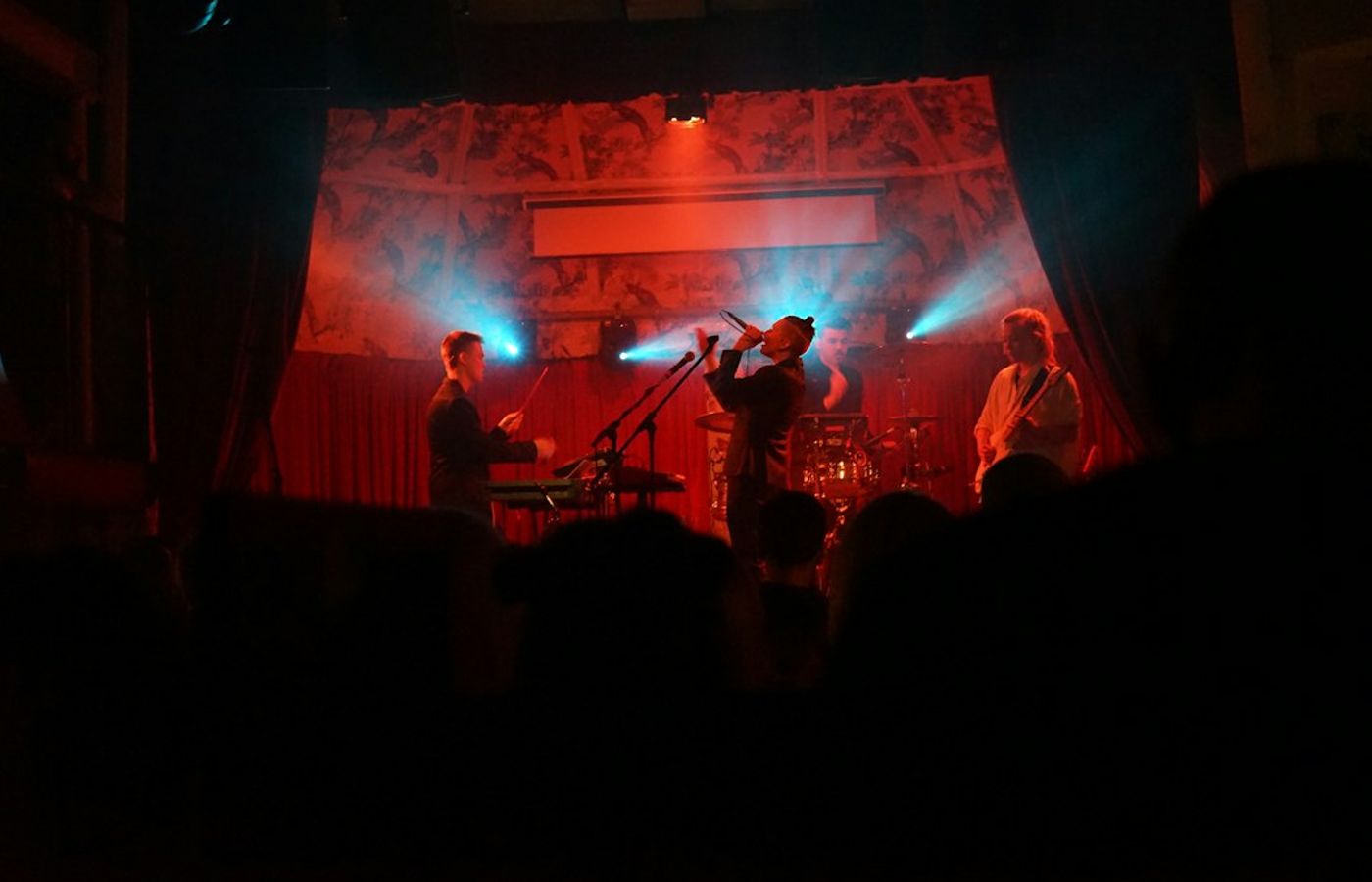

Culture Night, or Kulturnatten, falls on Friday 9 October 2026 and runs from 6pm to midnight across Copenhagen and Frederiksberg. More than 200 institutions take part: museums, churches, libraries, theatres, palaces, government ministries, the Supreme Court and the National Bank among them. The point is access rather than programming, because most of what opens is a tower, a basement or a chamber that is closed to the public for the other 364 days. The city tourist board lists the full programme once it is published in September.
Entry works through a single Culture Pass, around DKK 125 in 2026 and cheaper bought online in advance than on the night. One adult pass admits up to two children under 12, and the pass includes free public transport across the evening, which matters because the venues are spread right across two municipalities. Last entry at most places is 11.30pm and a handful of events need separate registration.
Pro Tip: Pick three or four venues before you set off, not twelve. Queues at the headline buildings like Christiansborg and the National Bank start forming around 5pm, so go to one of those first and spend the rest of the night on small venues you can walk straight into.
2Tivoli Gardens Halloween - 2 October to 1 November 2026
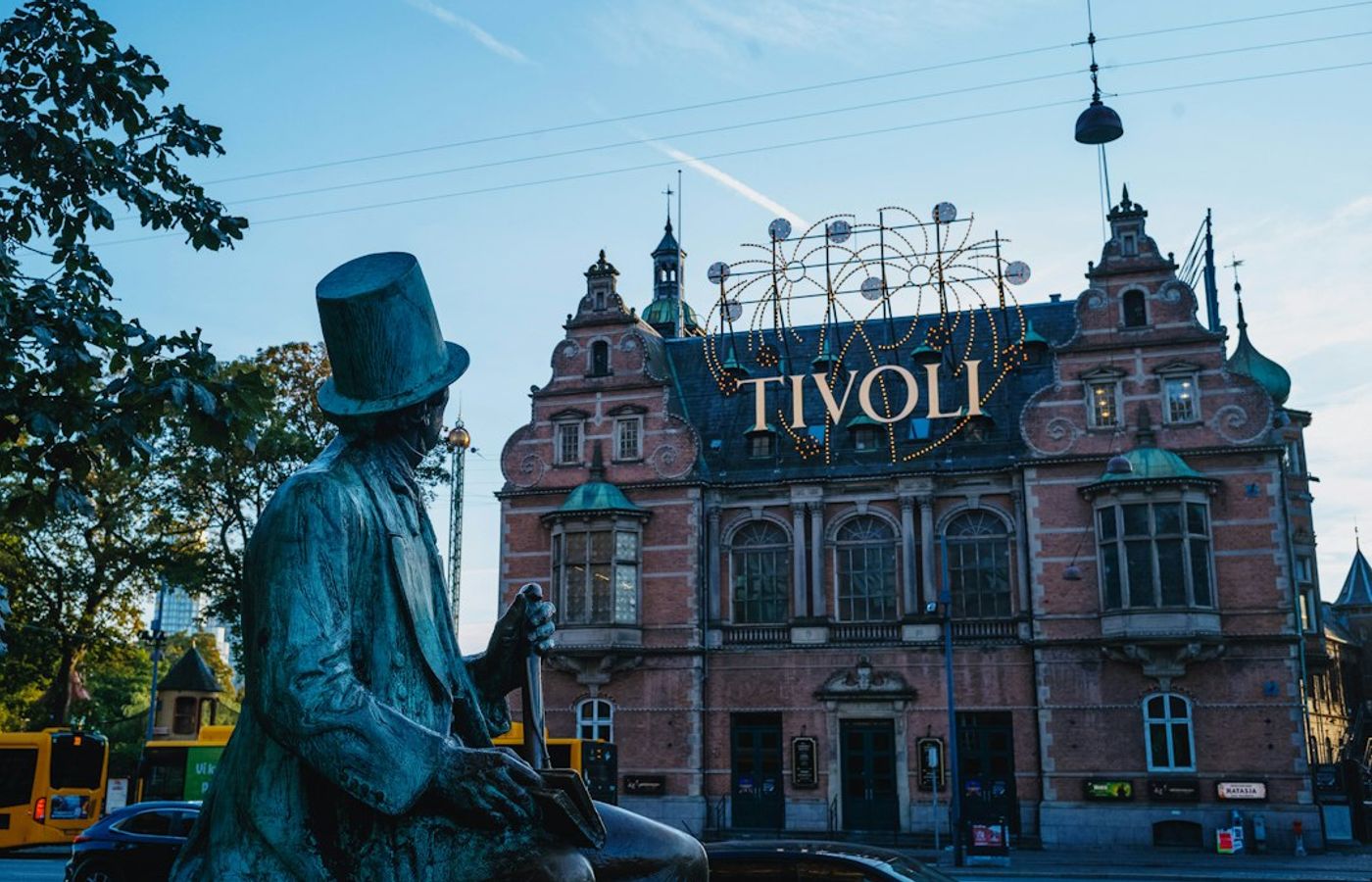

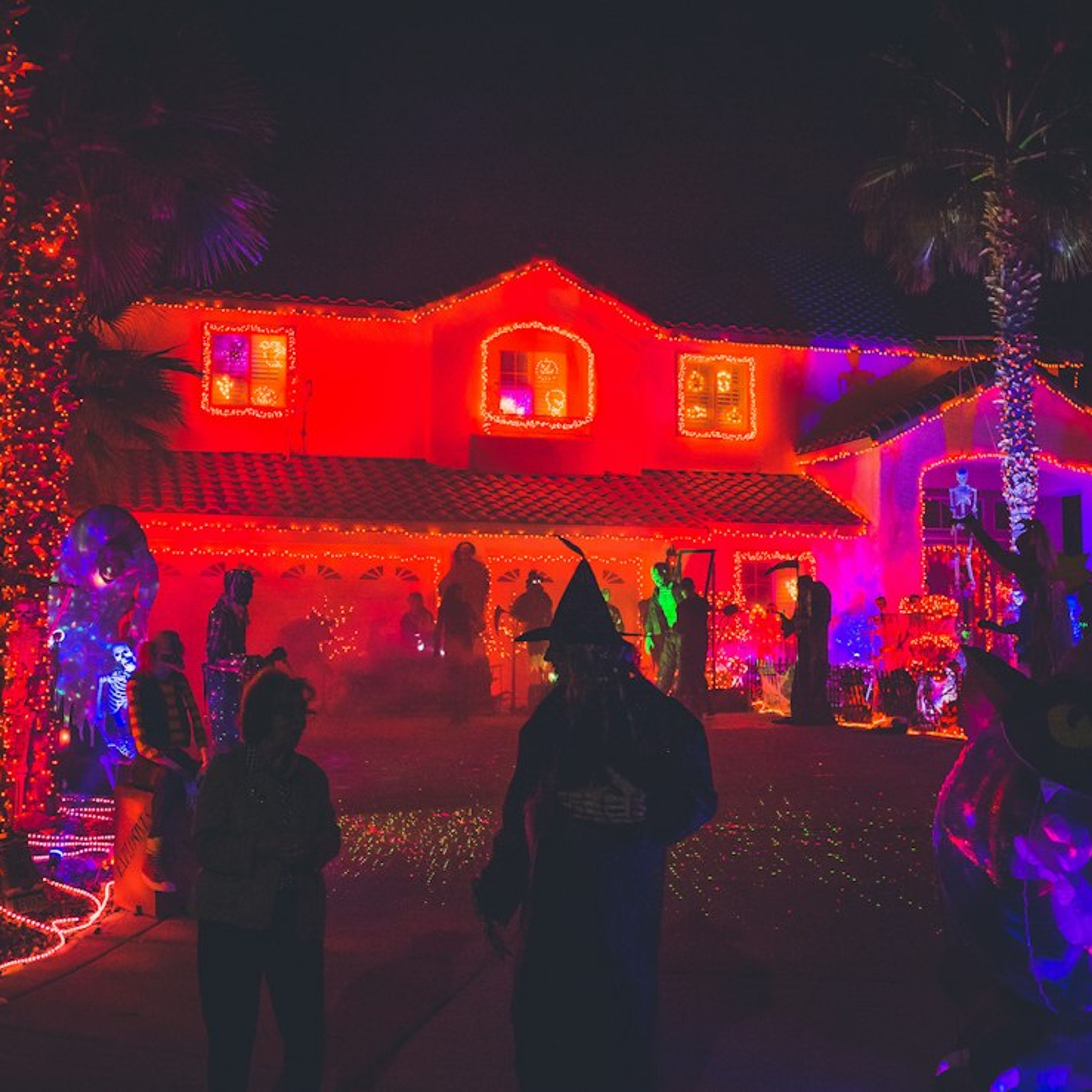
Tivoli Gardens opened in 1843 and is the second-oldest amusement park still operating anywhere. Its Halloween season runs from 2 October to 1 November 2026 and is the park's second-biggest season after Christmas: tens of thousands of pumpkins, chrysanthemums banked along the paths, scarecrows, cobwebs and the whole garden lit amber after dark. Every ride runs for the full season, including the wooden Rutschebanen from 1914 with its onboard brakeman.
Most seasonal programming is included with standard park entry, with rides charged separately or through a multi-ride pass. The Halloween illuminations on Tivoli Lake, a short show of light, fire and water, run in the evenings, and there is a monster parade through the park after dark. Weekday closing is around 10pm and weekends run to midnight. The tone is atmospheric rather than frightening, and it is built for families.
Pro Tip: Arrive around 4pm on a weekday. You get an hour of daylight to see the pumpkin displays properly, then the lights come on while you are inside, which is the transition the whole season is built around. Weekends in the last fortnight of October are the busiest of the run.

3Hygge Season - How Copenhagen Actually Does It

October is when hygge stops being an export word and becomes the practical response to the weather. Danes burn more candles per head than any other nation in Europe, and from early October they appear on cafe tables at two in the afternoon. The concept covers warmth, low light, slowness and good company, and the honest translation is closer to deliberate cosiness than to anything mystical.
In practice it means finding somewhere to sit for two hours without being moved on. Paludan Bogcafe in the Latin Quarter is a bookshop cafe with wooden galleries and long tables. The cafes around Sankt Peders Straede and the side streets of Norrebro do the same thing with fewer students. Order kanelsnegle, the cinnamon roll that Danish bakeries do better than anyone, and expect filter coffee refills.
Pro Tip: Build one of these stops into every afternoon rather than treating it as an activity. Copenhagen in October gets dark early and wet without warning, and the city is designed around having somewhere warm to disappear into for an hour when it does.
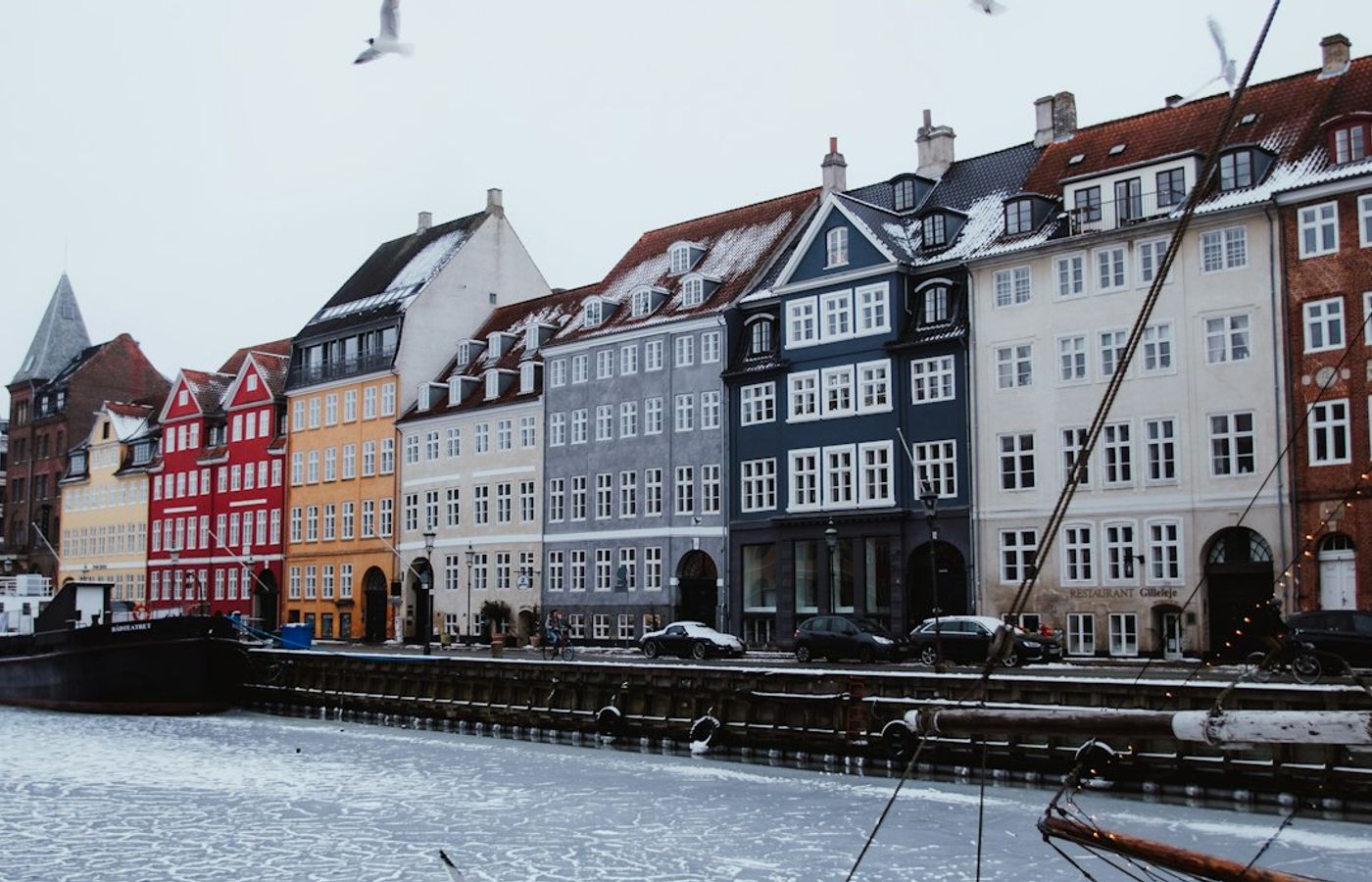
4Nyhavn - The Postcard, Best Before Nine
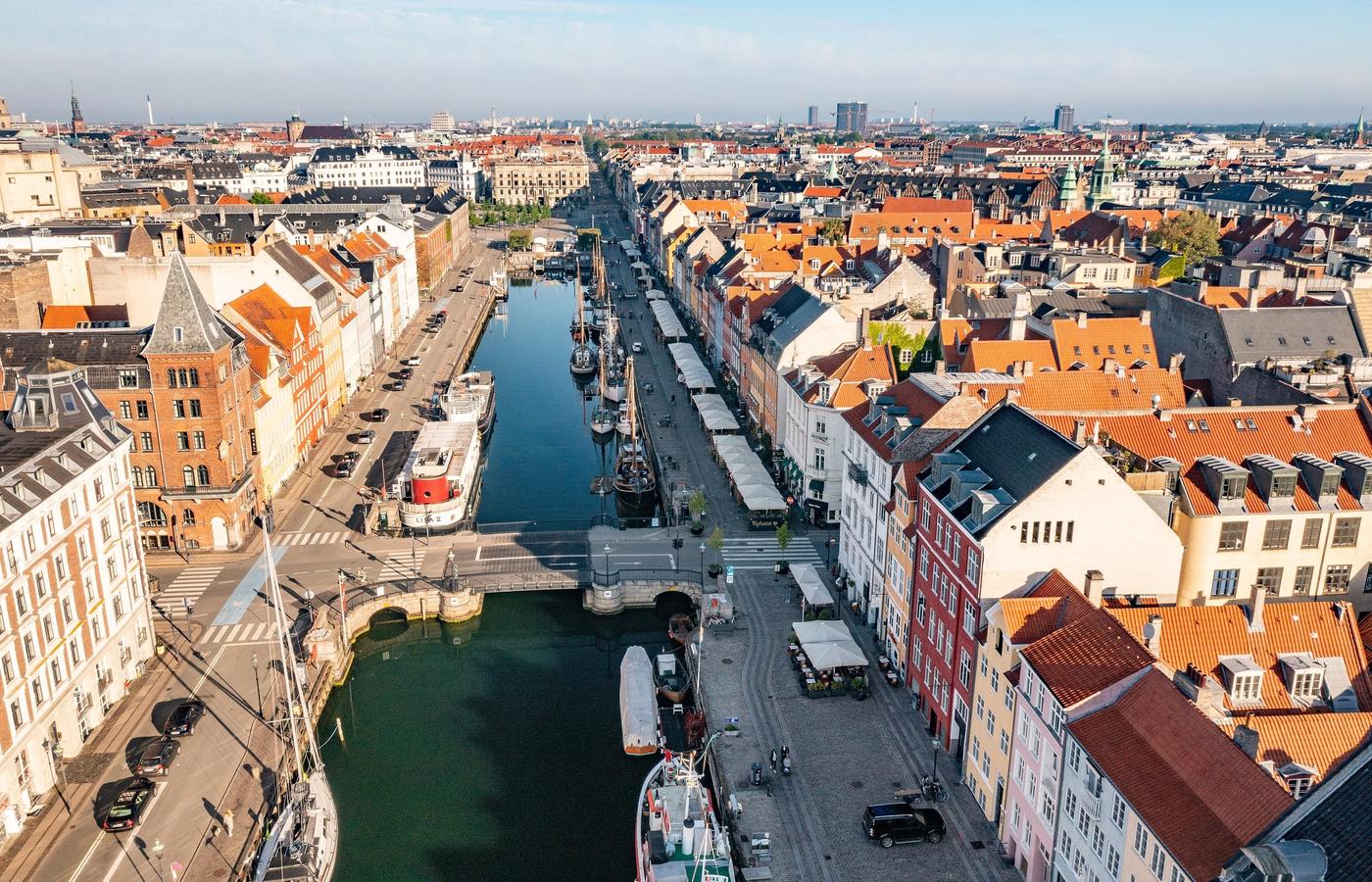
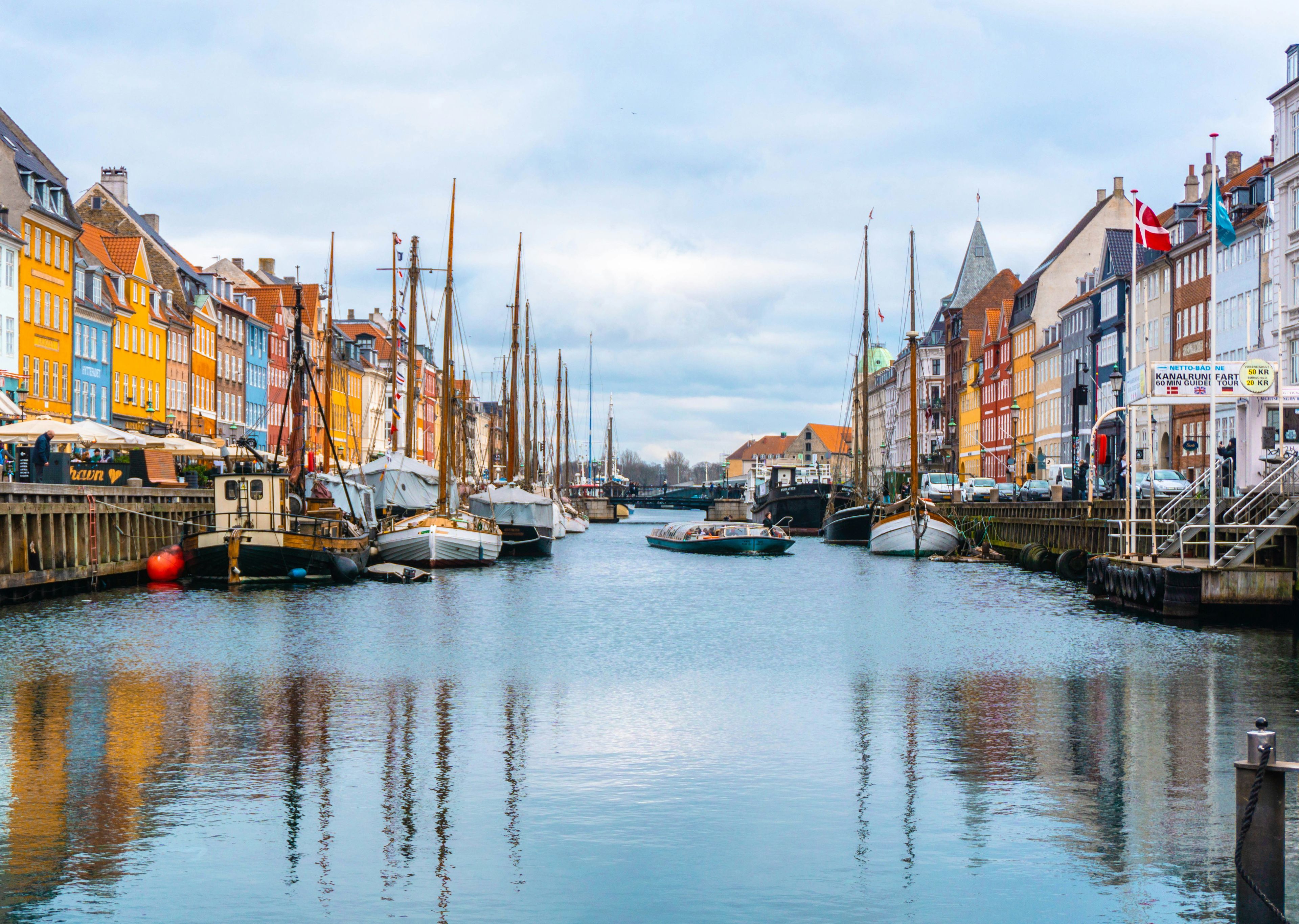
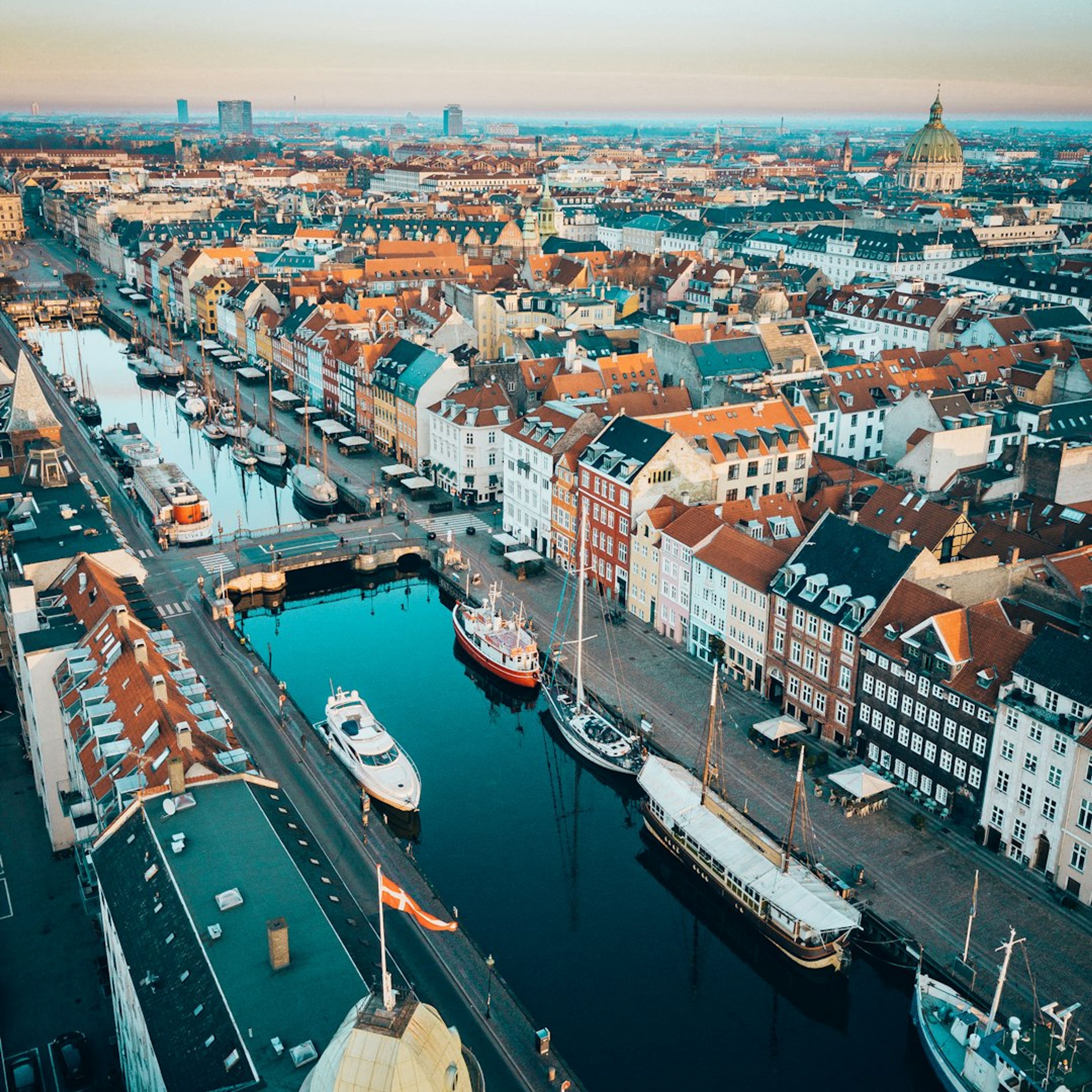
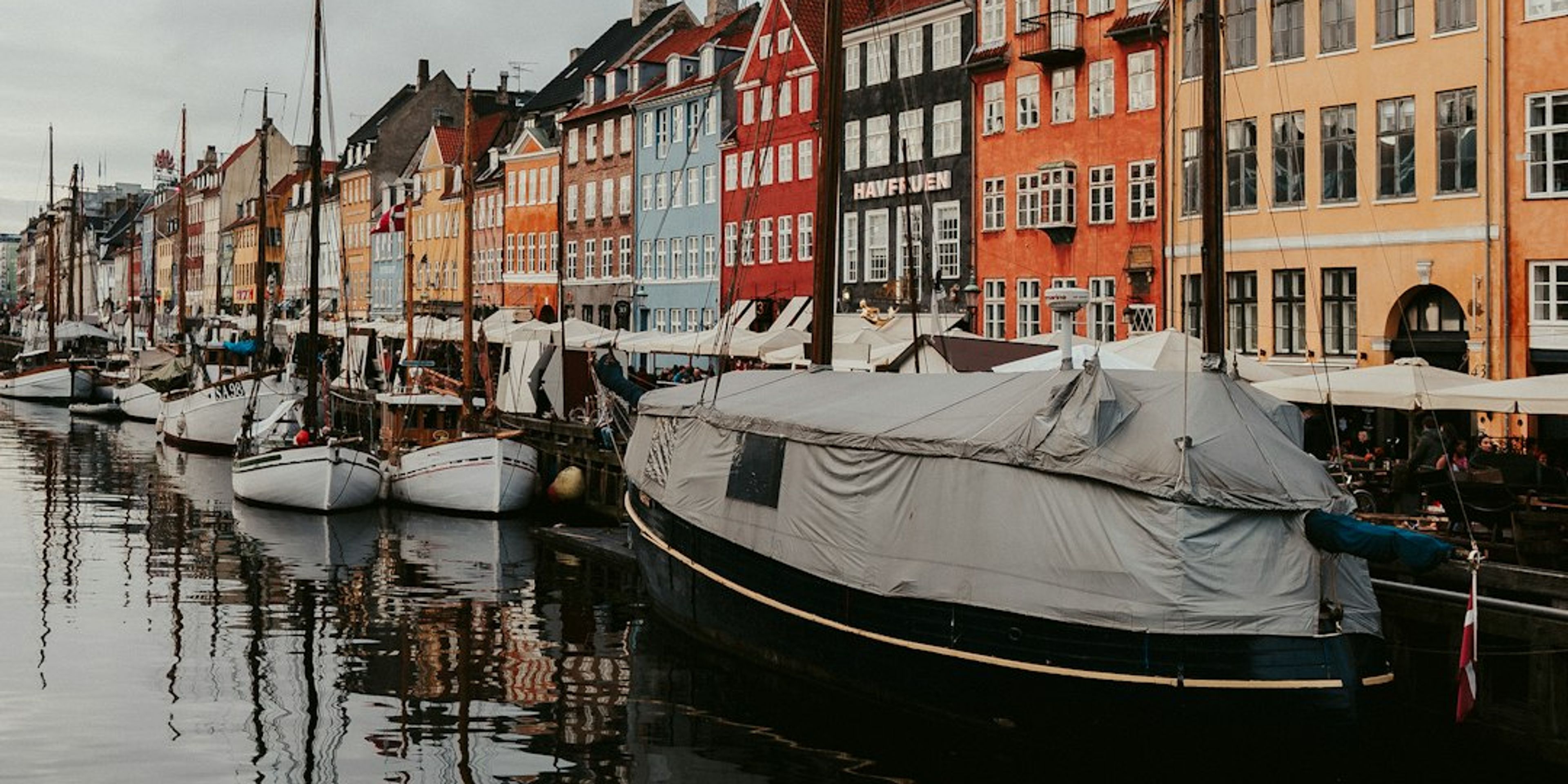
Nyhavn is the 17th-century canal that every photograph of Copenhagen uses: a row of narrow gabled houses in ochre, red and blue along a quay lined with wooden ships. It was dug in the 1670s as a commercial harbour running into the city, and for two centuries it was the sailors' quarter with the reputation that implies. Hans Christian Andersen lived at three different addresses along it, including number 20 where he wrote his first fairy tales.
The restaurants along the sunny northern side are priced for the view and October empties the outdoor seating that justifies it. The canal tours leaving from here are genuinely worth taking though, and an hour on the water covers the Little Mermaid, the opera house and Christianshavn from an angle the streets do not give you. Boats run through October with covered seating.
Pro Tip: Photograph the coloured houses in the morning, when the light is on them and the quay is almost empty, then eat somewhere else entirely. Ten minutes inland the same meal costs half as much, and in October you will not be sitting outside anyway.
5Torvehallerne - Smorrebrod Under Glass
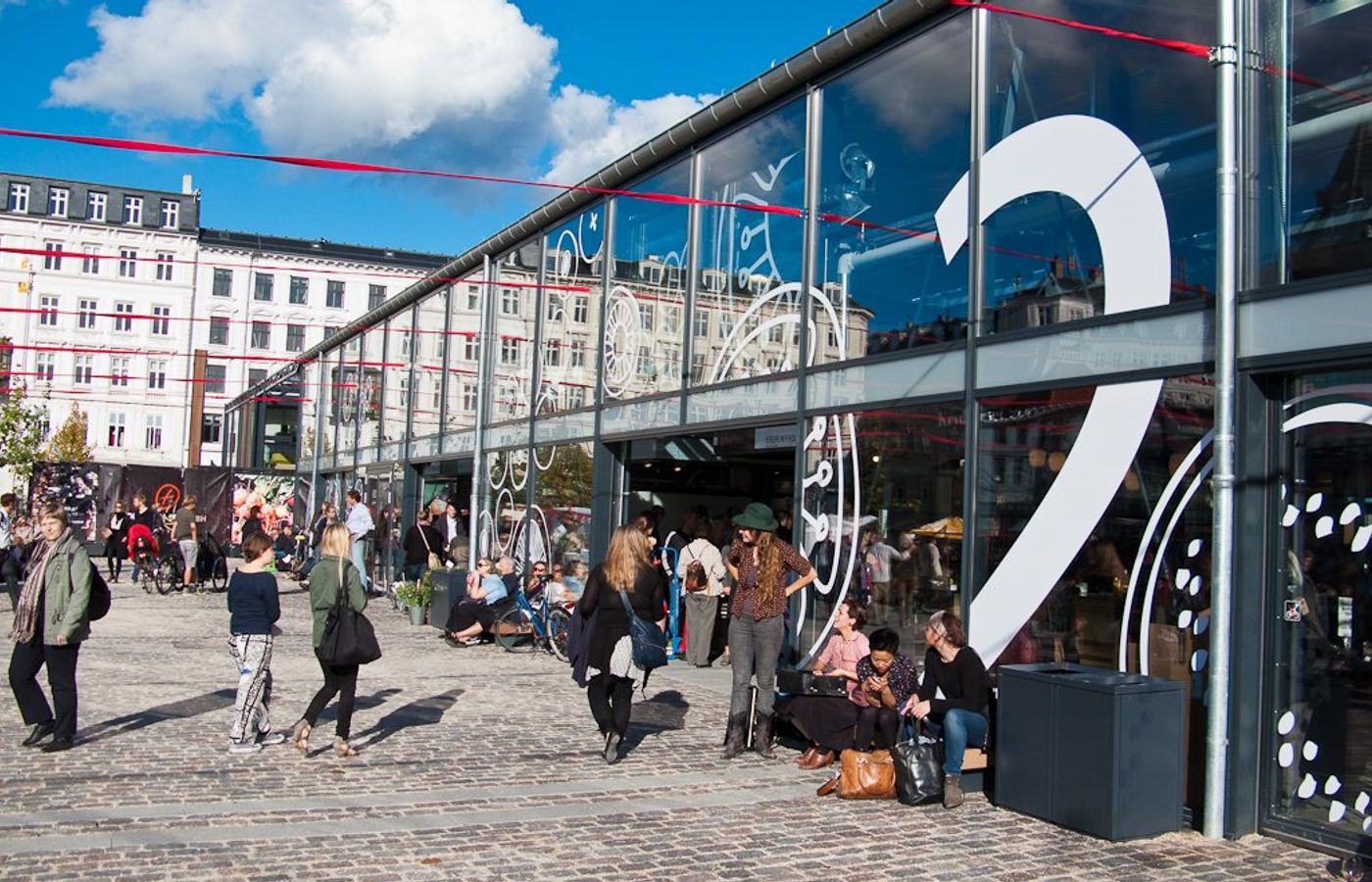
Torvehallerne opened in 2011 on the site of an old vegetable market at Norreport and is two glass halls holding around 60 stalls, with produce traders outside between them. It is the best single place to eat in Copenhagen without booking: smorrebrod at Hallernes, fish, cheese, coffee roasters, a porridge bar and a Spanish counter, all under cover. Prices are Copenhagen prices but a fraction of what a sit-down restaurant charges.
October brings Danish root vegetables, apples from Fyn, wild mushrooms, and the start of the game season on the butchers' counters. Being fully indoors makes it the obvious lunch plan when the rain comes in sideways. It closes around 7pm on weekdays and 6pm at weekends, and it sits directly on top of Norreport, which is the busiest transport interchange in Denmark.
Pro Tip: Eat smorrebrod here rather than at a restaurant. The open sandwiches are made to the same standard, you pay a third of the price, and you can order two or three different ones from separate counters instead of committing to a set menu.
6Rosenborg Castle and Kongens Have - Crown Jewels and Lime Avenues
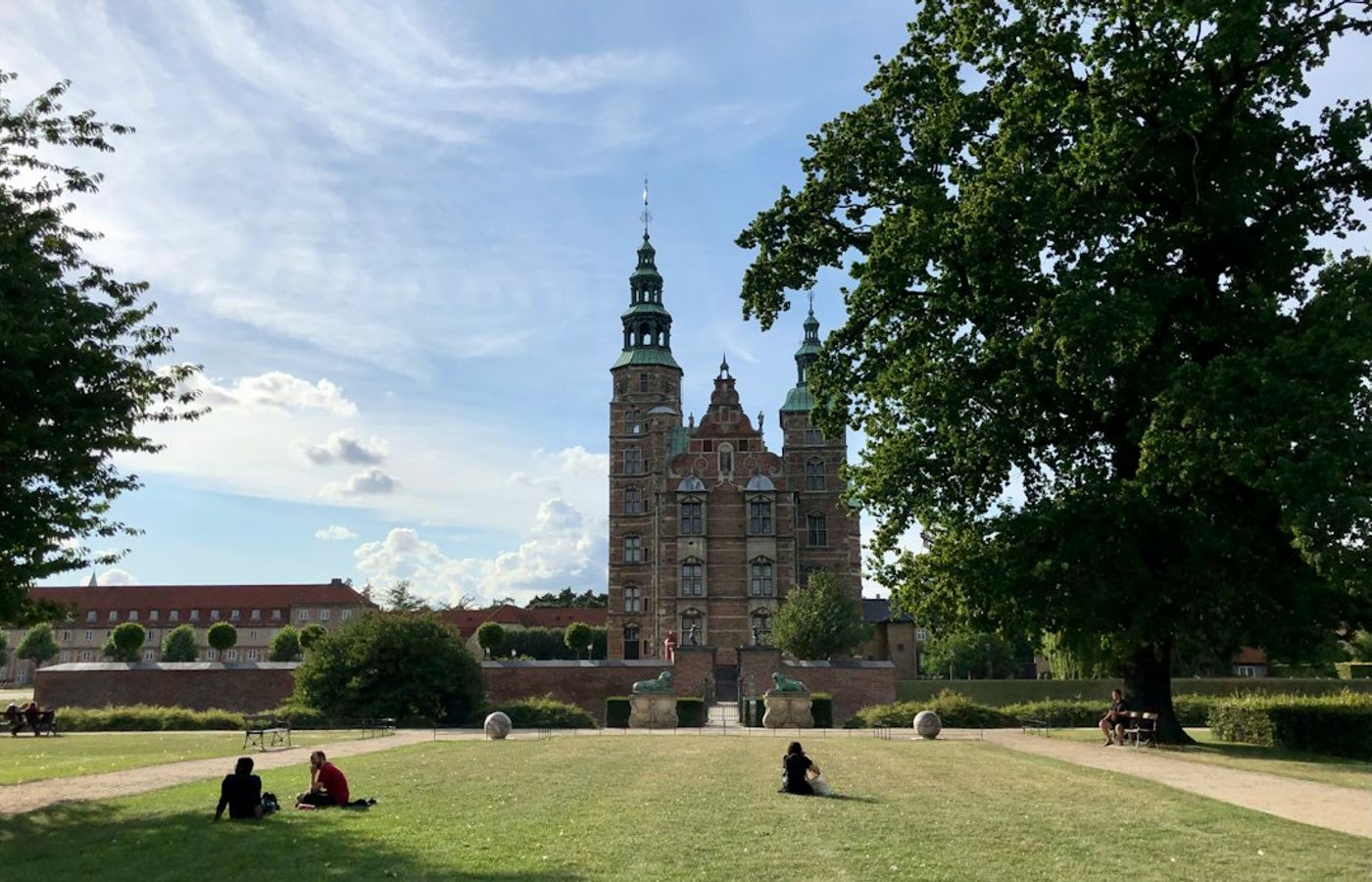
Rosenborg Castle was built by Christian IV as a summer house in the early 1600s and is a compact Dutch Renaissance building of red brick and copper spires rather than a grand palace. The Danish crown jewels and regalia are in the basement treasury, and the Long Hall upstairs holds the coronation thrones and three life-sized silver lions. It takes about 90 minutes, which makes it one of the more manageable royal sites in Europe.
Kongens Have, the King's Garden, surrounds it and is the oldest royal garden in Denmark and the most used park in the city. The avenues of lime and chestnut turn through the middle of October and the garden is free and open from dawn. This is the best concentration of autumn colour in central Copenhagen and it is a five-minute walk from Norreport.
Pro Tip: Do the garden first and the castle after lunch. Kongens Have in low morning light with the mist still on the lawns is better than anything in the treasury, and the castle queue is shortest in the early afternoon once the morning coach groups have moved on.
7Assistens Cemetery - The Best Autumn Colour in the City
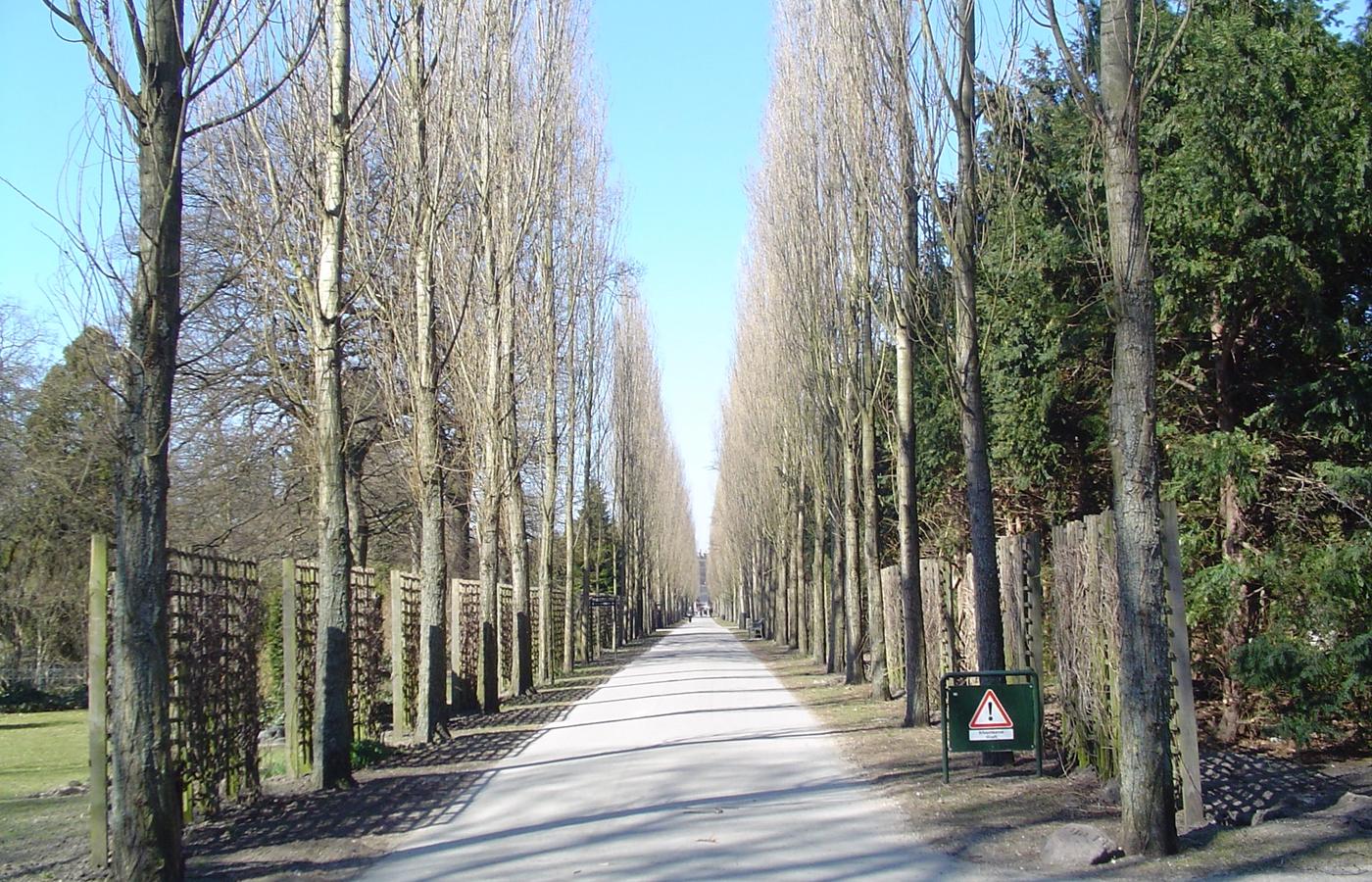
Assistens Cemetery was laid out in 1760 as a burial ground for the poor outside the city walls and is now a public park that Norrebro treats as its garden. People sunbathe, read and picnic here among the graves, which unsettles some visitors and is entirely normal locally. Hans Christian Andersen, Soren Kierkegaard and Niels Bohr are all buried here, and their graves are signposted from the main gates.
October is its month. The avenues of lime, beech and maple turn together, the paths fill with leaf litter, and the whole 20 hectares go copper and yellow in a way no other green space in Copenhagen manages. It is free and open daily from early morning until dusk, with closing time pulling earlier as the season goes on. Norrebro's cafes and the Jaegersborggade shops are five minutes away.
Pro Tip: Enter at Kapelvej and leave by the northwestern gate onto Jaegersborggade, which is a single street of small bakeries, coffee roasters and ceramic studios. It turns a cemetery visit into an afternoon and it is where Norrebro actually spends its weekends.
8Christiansborg Tower - The Best Free View in Copenhagen
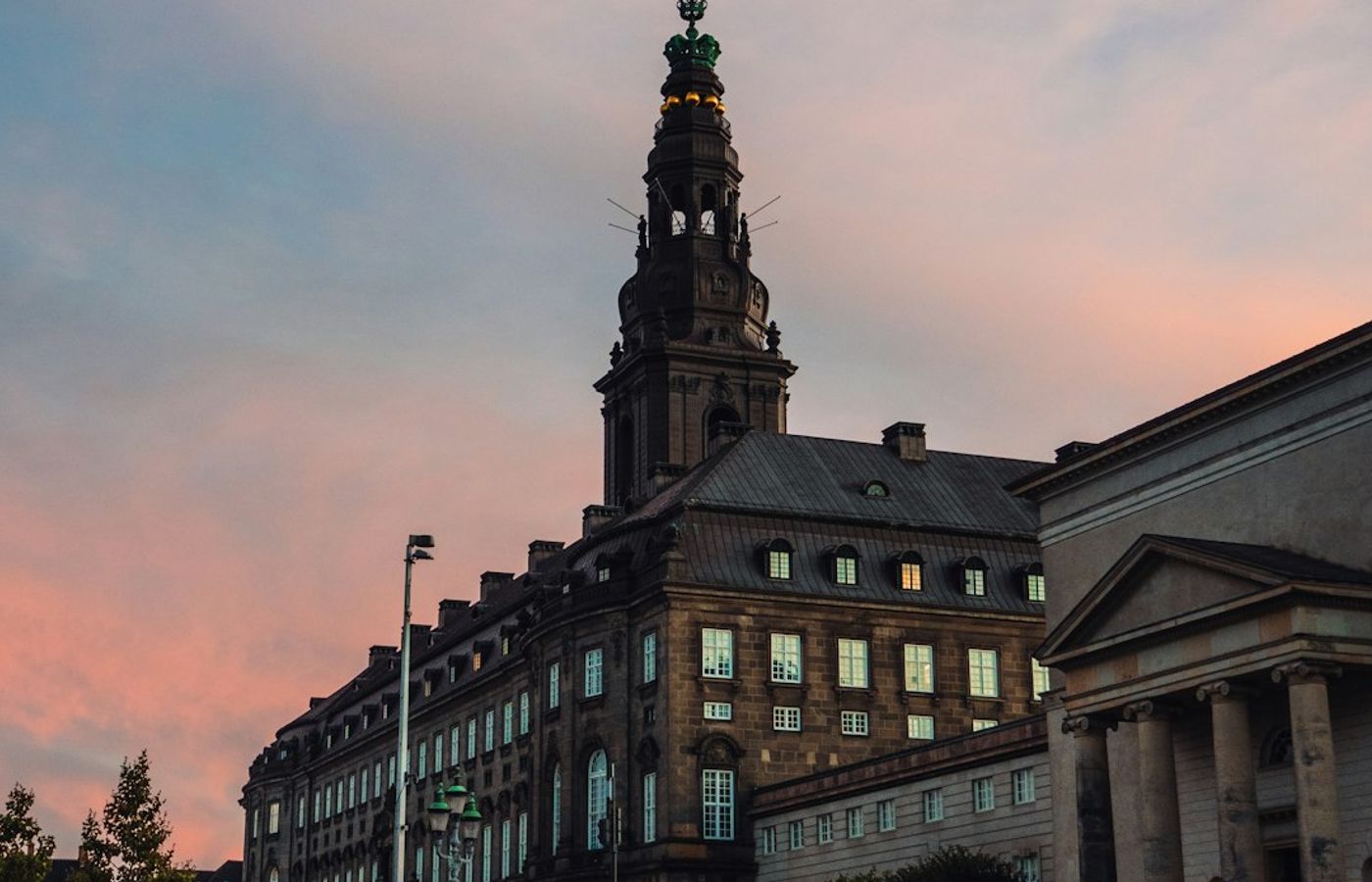
Christiansborg Palace on the island of Slotsholmen holds the Danish Parliament, the Supreme Court and the Prime Minister's Office, which makes it the only building in the world housing all three branches of government. The current palace is the third on the site, completed in 1928 after two fires. Its tower is the tallest in Copenhagen at 106 metres, and the viewing platform at the top is free to enter.
That last detail is the point. Copenhagen charges for most of its high views and this one costs nothing: a lift to a 360-degree platform over the spires, the harbour and the low rooftops of the old city. The tower closes on Mondays. Below it, the Royal Reception Rooms, the ruins of the earlier palaces under the courtyard and the Royal Stables are all separately ticketed.
Pro Tip: Go up about 45 minutes before sunset, which in mid-October is around 6pm and by the end of the month closer to 5pm. You get the city in low light and then the lights coming on, from the highest free vantage point in Copenhagen.
9Harbour Saunas at Refshaleoen - Where the Cold Becomes the Point
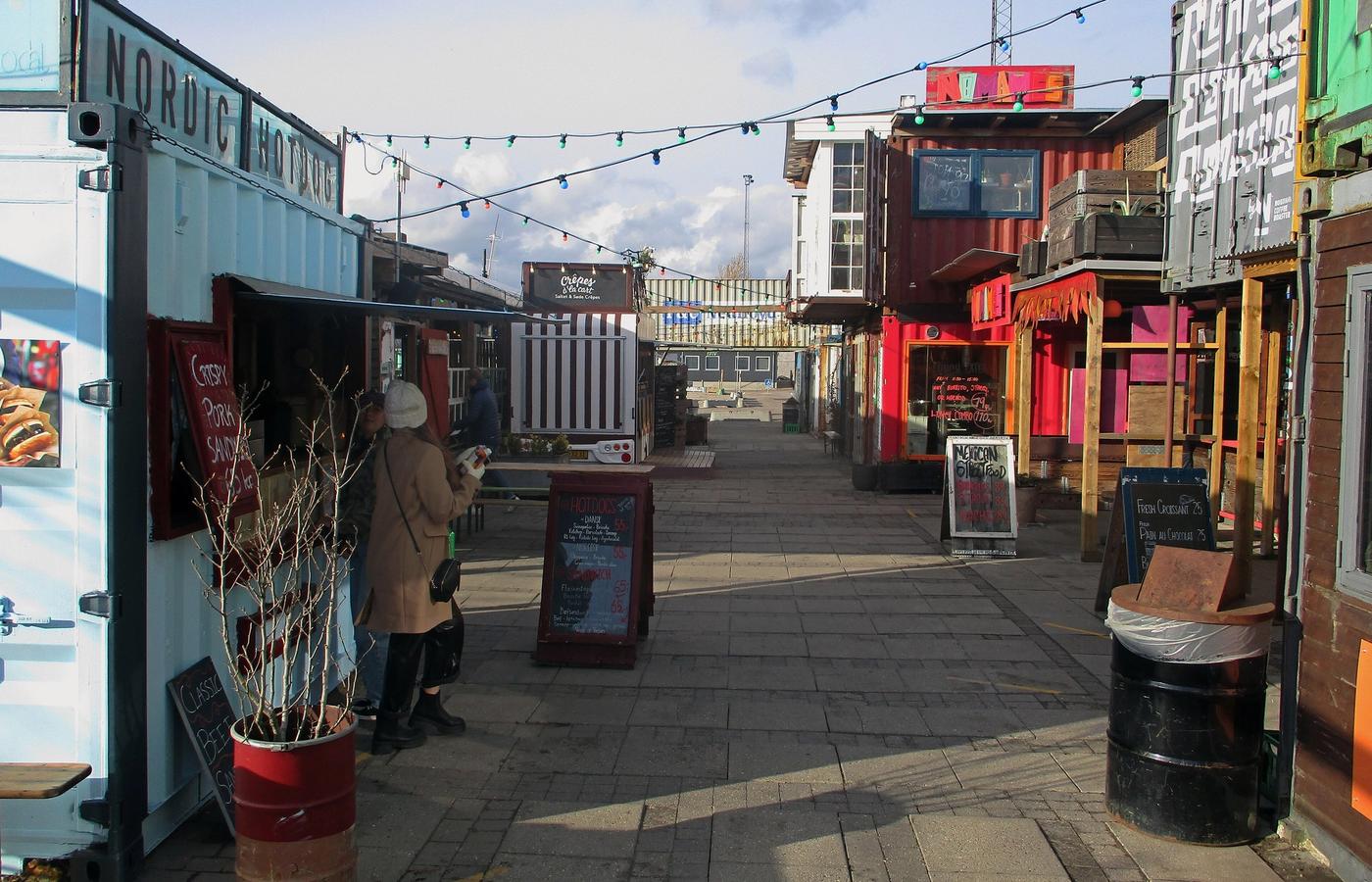
Winter bathing is a Danish institution and October is when the season properly begins, with the harbour dropping through the low teens. Refshaleoen, a former shipyard across the water from the centre, is where the culture is most accessible to visitors: floating saunas and bathing jetties looking back at the city skyline, run alongside the district's food halls and studios. The routine is a hot sauna, a short plunge into the harbour, and repeat.
Copenhagen's harbour water is clean enough to swim in, which took decades of investment and is the reason any of this exists in the middle of a capital city. Saunas take bookings and the well-known ones fill days ahead in autumn. Bring a swimsuit and a towel. Sessions usually run an hour or two, and the cold plunge is optional however much the regulars suggest otherwise.
Pro Tip: Take harbour bus 991 or 992 rather than a taxi. They run on ordinary public transport fares, which makes this the cheapest boat ride in Copenhagen, and arriving at Refshaleoen by water in the dusk is half the experience.
10Louisiana Museum of Modern Art - The Day Trip Up the Coast
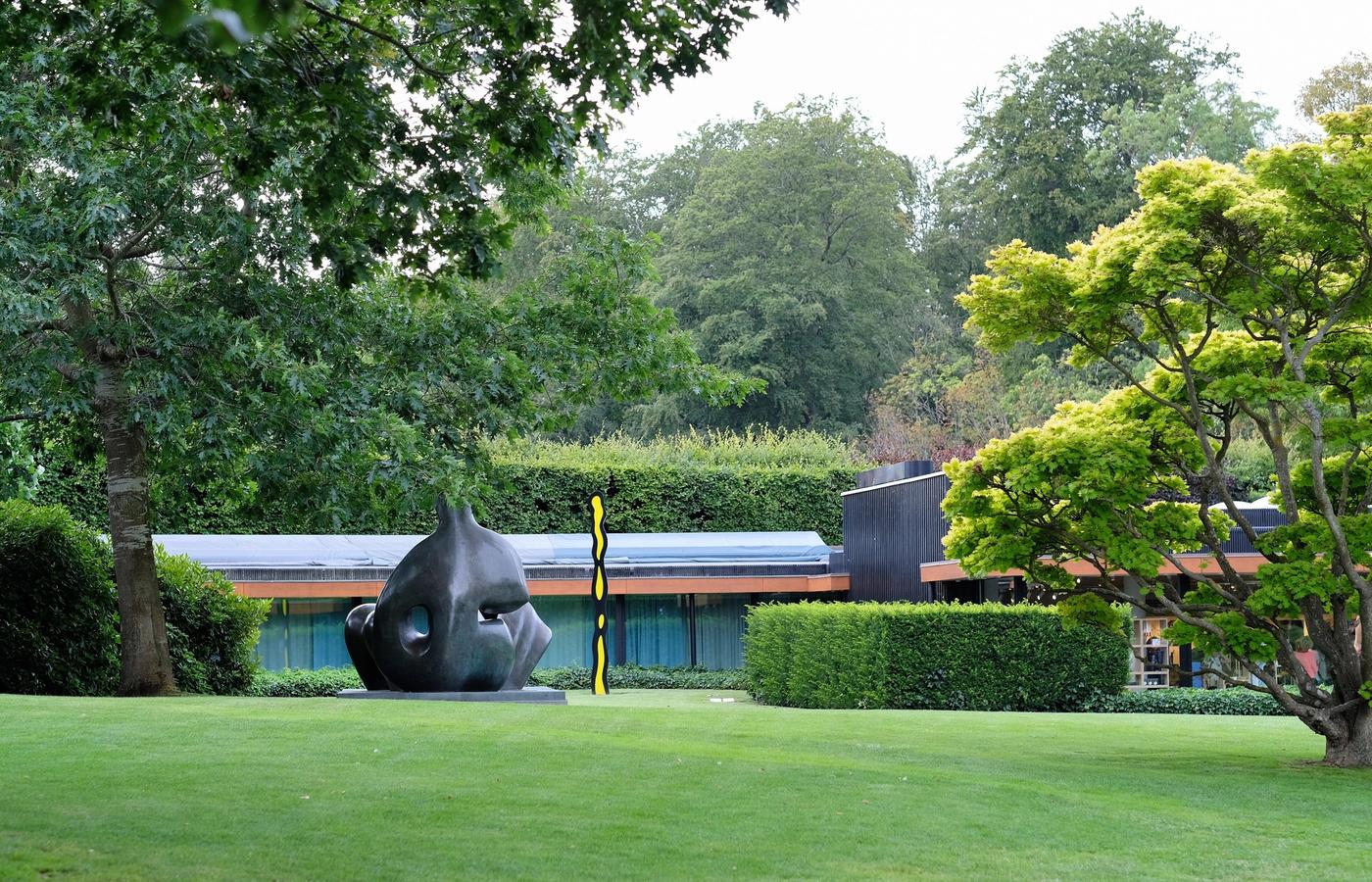
Louisiana Museum of Modern Art sits on the coast at Humlebaek, 35 minutes north of Copenhagen by train, and is regularly named among the best-designed museums anywhere. It opened in 1958 as a series of low glass corridors linking older buildings through a sloping park above the Oresund, so you move between galleries and the view of the sea and Sweden beyond. The sculpture park holds work by Calder, Moore and Giacometti.
The architecture is what makes it an October destination rather than a summer one: the glass walkways mean you get the autumn park and the grey sea as part of the exhibition whatever the weather does. Allow four hours including travel. The museum stays open late on weekdays and the cafe terrace looks straight out over the water. Trains from Copenhagen Central run several times an hour.
Pro Tip: Walk the sculpture park first, before the galleries, whatever the forecast says. October light on the Oresund is the best thing here and the weather can close in within the hour, whereas the indoor collection is not going anywhere.
11Christianshavn - Canals, Houseboats and a Spiral Spire
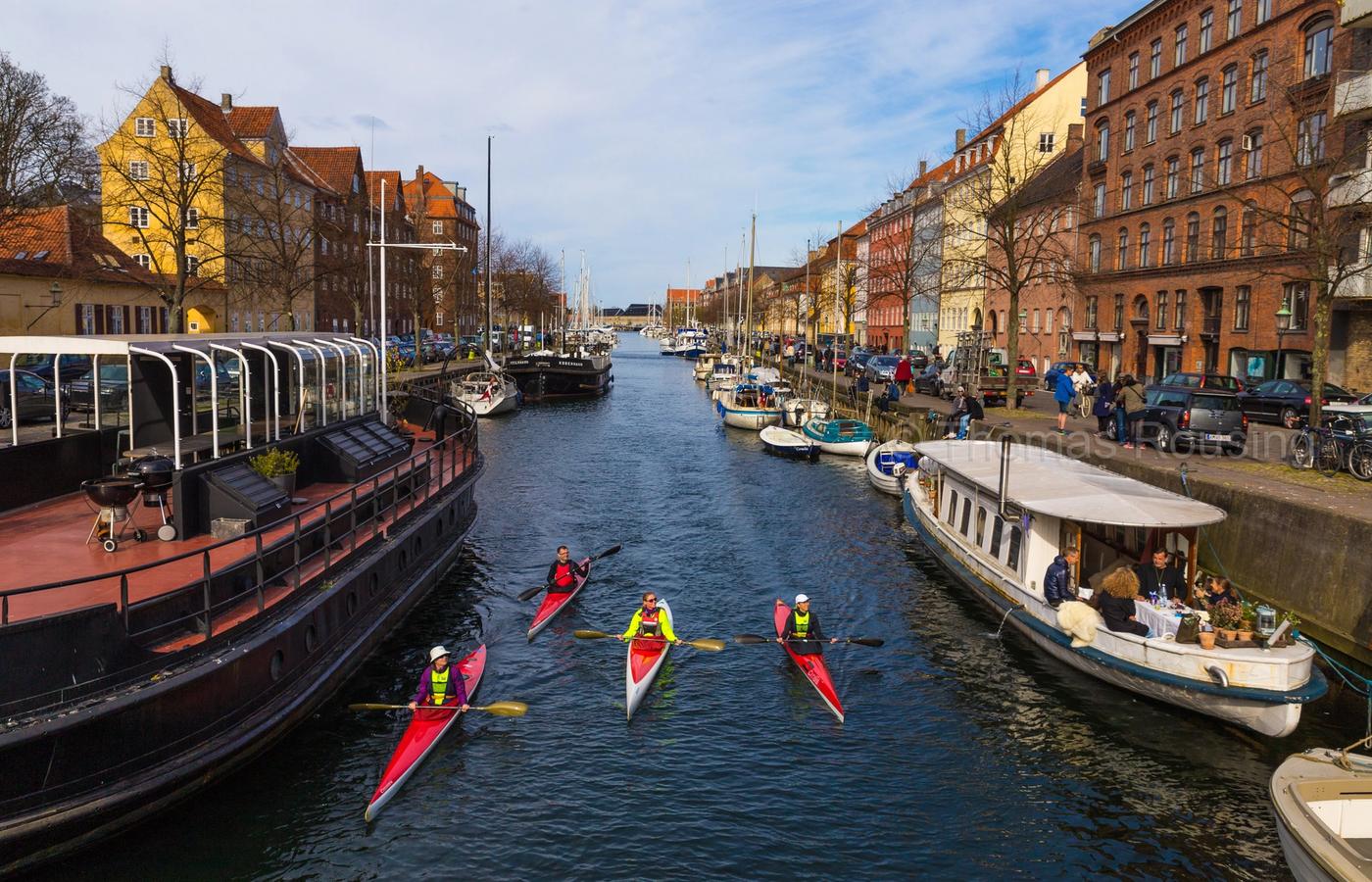
Christianshavn was built on reclaimed ground by Christian IV in the early 1600s as a fortified merchant district on the Dutch model, and it still reads that way: a grid of canals lined with houseboats, old warehouses converted to flats, and low bridges. It is a five-minute Metro ride from the centre and feels like a separate town. The Church of Our Saviour stands over it with an external spiral staircase winding up the outside of its spire.
The 400 steps up that spire, the last 150 of them outdoors and narrowing as they go, give the best view in Copenhagen for anyone who can face it. The tower is seasonal and usually closes for winter, so late October is near the end of the window and it shuts in bad weather. The canal at Overgaden Neden Vandet is the quietest water in the city and the walk along it takes 20 minutes.
Pro Tip: Check whether the spire is open on the day rather than in advance, because high wind closes it at short notice. If it is open, go up early: the staircase is single file at the top and a queue on the outside of a spire in October drizzle is a long wait.
Get hotel deals for Copenhagen
Price drops, new stays and local tips for Copenhagen, straight to your inbox.
No spam, unsubscribe anytime.

CEO and co-founder
Tomas is the co-founder and director of trip1, an European company specializing in reservation services. He launched the company in 2025 with a focus on building scalable, efficient operations.
Copenhagen in October: Hygge Season Starts - FAQ
Yes, if you like cosy over sunny. Candles appear on cafe tables in the afternoon, Tivoli runs its Halloween season from 2 October to 1 November 2026, Culture Night opens over 200 buildings on Friday 9 October, and the trees in Kongens Have and Assistens Cemetery turn. The catches are frequent rain and short days, under 9.5 hours of daylight by the 31st.
No, three days is about right in October. Spend one on the centre with Nyhavn, Christiansborg Tower, Torvehallerne and Rosenborg, one in Norrebro and the harbour with Assistens Cemetery and a sauna at Refshaleoen, and one on the train to Louisiana. Daylight is the real limit, so plan about four stops a day and keep the evenings for Tivoli.
Yes. Tivoli's Halloween season runs from 2 October to 1 November 2026, with 20,000 pumpkins, scarecrows and evening illuminations on Tivoli Lake. Entry is not free: you need an entrance ticket, and rides are paid separately or with a ride pass. Arrive around 4pm on a weekday to see the displays in daylight; weekends in the last fortnight are the busiest.
Cool and often damp. Daytime highs are about 13C in the first week and drop to 9C or 10C by the end of the month, with evenings around 5C to 7C. Rain is frequent rather than heavy, so a waterproof shell beats an umbrella in the wind. Clocks go back on Sunday 25 October 2026, and daylight falls under 9.5 hours.
Friday 9 October 2026, from 6pm to midnight, across Copenhagen and Frederiksberg. Museums, churches, ministries, libraries and palaces open, many of them shut the rest of the year. A Culture Pass costs DKK 125, admits up to two children under 12 with each adult, and includes free public transport for the evening. Last entry at most venues is 11.30pm.
It means something close to deliberate cosiness: warmth, low light, slowness and good company. In Copenhagen in October it is a practical answer to the weather, with candles on cafe tables from early afternoon. In practice it means finding somewhere warm to sit for two hours, such as Paludan Bogcafe in the Latin Quarter, with a kanelsnegle, the Danish cinnamon roll.