Get up to €50 off your staySubscribe and get up to €50 off your next stay
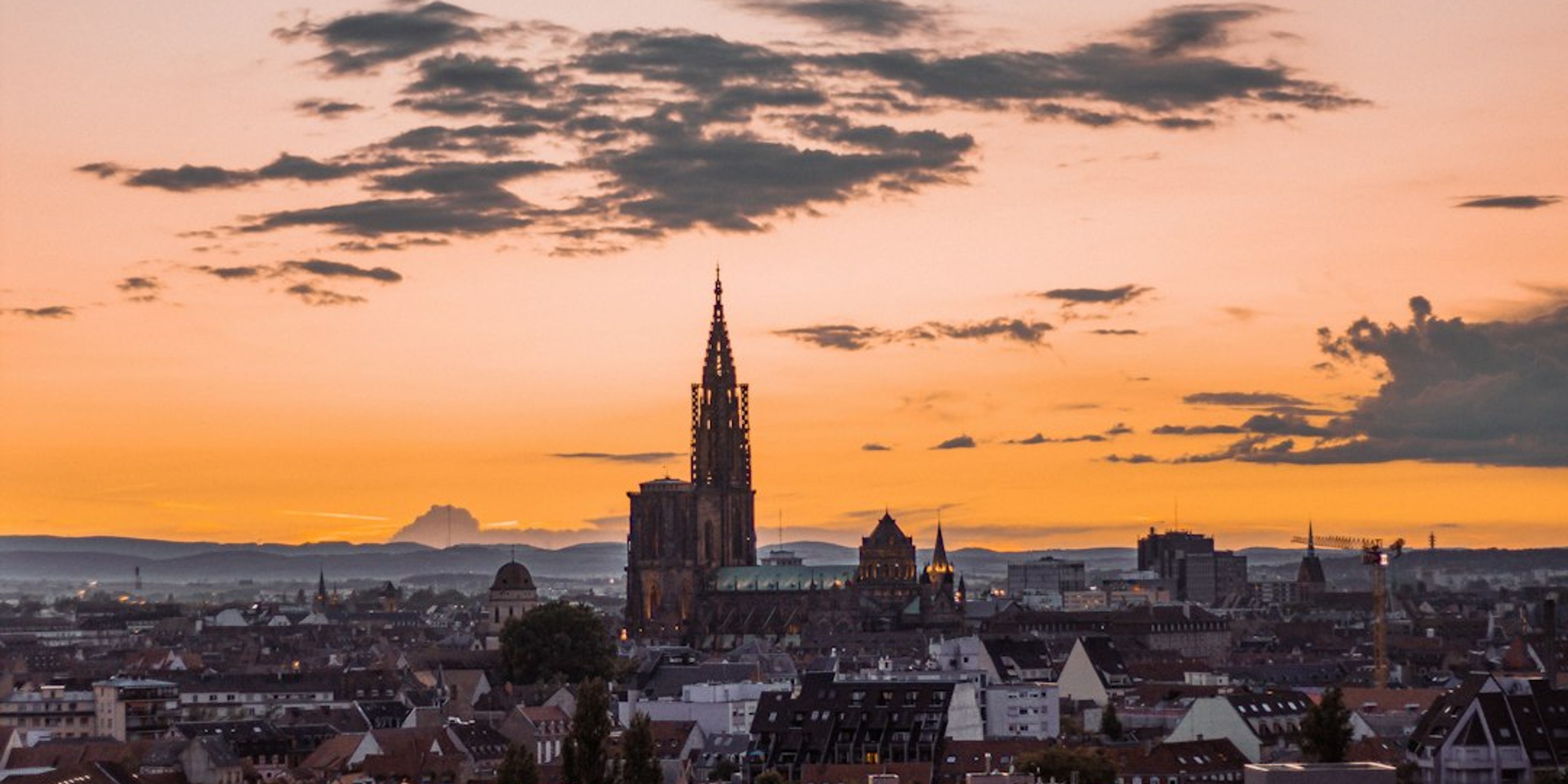
Browse and explore the best travel guides in Strasbourg.
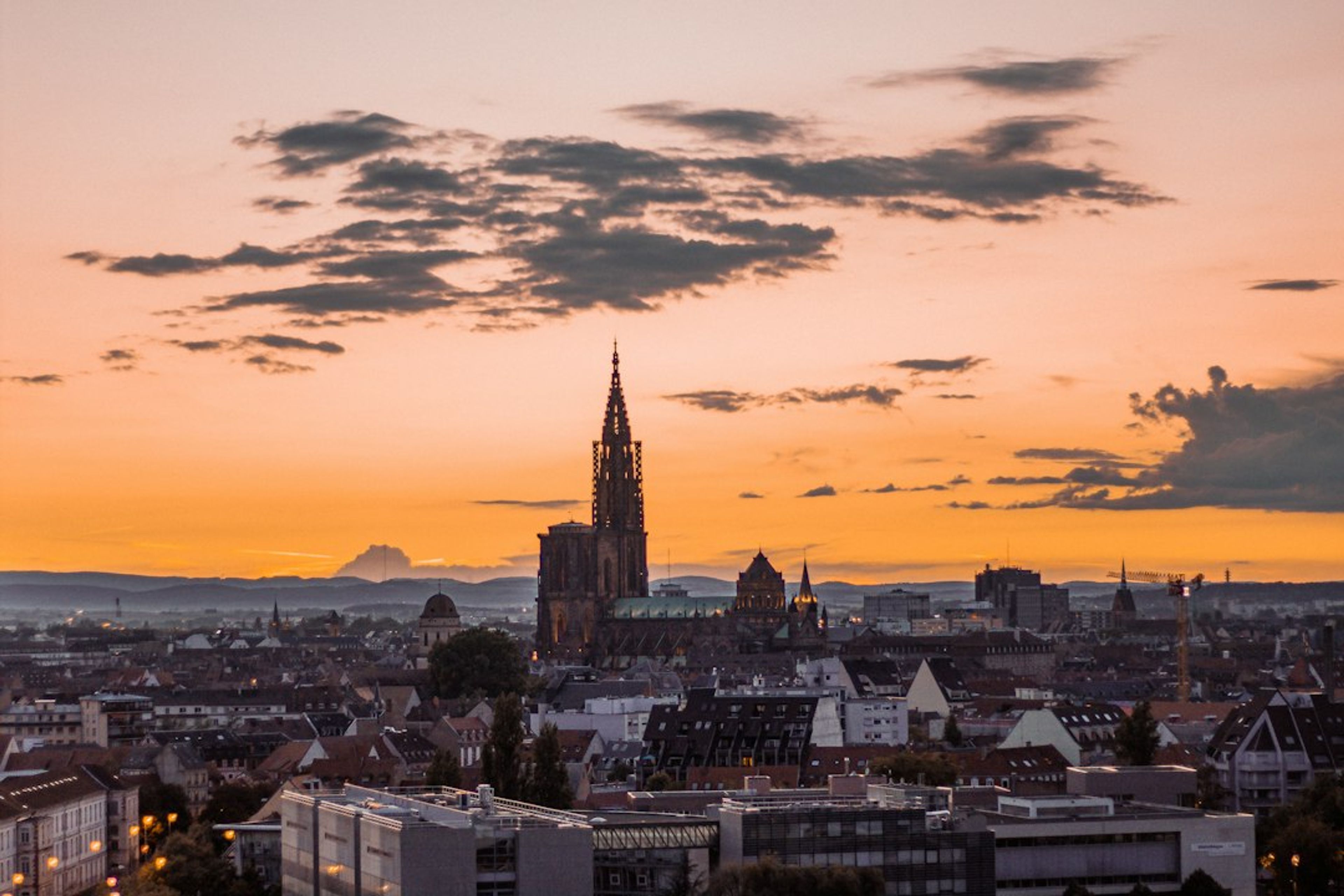
Strasbourg sits on the Rhine at the border between France and Germany, and its culture is a blend of both. The historic centre, the Grande Île, is an island ringed by the River Ill and listed by UNESCO, with the towering pink-sandstone cathedral at its heart and the half-timbered houses and canals of Petite France at its western tip.
As the seat of the European Parliament and the Council of Europe, the city has an international feel alongside its Alsatian traditions. Visitors come for boat tours on the Ill, the Palais Rohan museums, cosy winstubs serving tarte flambée and choucroute, and the Christkindelsmärik, one of Europe's oldest and most famous Christmas markets.
Strasbourg is compact, walkable and served by an excellent tram network, and fast trains reach Paris in under two hours. It also makes a natural base for the Alsace Wine Route, Colmar and Germany's Black Forest just across the river.
Country
France
Region
Bas-Rhin, Grand Est (Alsace)
Population
~290,000 (city), ~510,000 Eurométropole
Elevation
~140 m above sea level
Time Zone
CET (UTC+1), CEST (UTC+2) in summer
Currency
Euro (EUR)
Language
French (Alsatian also spoken)
Nearest Airport
SXB (Strasbourg-Entzheim), ~12 km
Airport to City Centre
~10 min by shuttle train to the main station
Typical Cost Level
Mid-range
Transport Pass
CTS 24-hour tram and bus ticket; Strasbourg Pass
Spring (Mar-May)
8-18°C
Summer (Jun-Aug)
15-26°C
Autumn (Sep-Nov)
7-18°C
Winter (Dec-Feb)
-1-6°C
Get the latest deals, new destinations, and travel tips delivered straight to your inbox.
No spam, unsubscribe anytime.
Entry rules, stay length and passport validity by nationality.
May to September is the best time to visit Strasbourg for warm weather and long evenings along the canals. Late November to late December brings the famous Christmas market, one of the oldest in Europe, but hotels fill up and prices rise, so book early. January to March is cold and quiet, with the lowest hotel rates.
The shuttle train is the fastest way from Strasbourg-Entzheim Airport to the city centre. Trains run from the airport station to Strasbourg's main station in about 10 minutes, and from there the tram reaches the Grande Île in a few stops. A taxi takes around 20 minutes depending on traffic.
You do not need a car in Strasbourg. The historic centre is compact and largely pedestrianised, and six tram lines plus buses cover the rest of the city, including a line across the Rhine to Kehl in Germany. Strasbourg is also one of France's most bike-friendly cities. A car only helps if you want to tour the Alsace Wine Route villages at your own pace.
Two days is enough to see Strasbourg's main sights. That gives you time for the cathedral, Petite France, a boat tour and an evening in a winstub. Add one or two more days for Colmar and the wine villages of the Alsace Wine Route.
Yes, Strasbourg is generally safe for tourists. The Grande Île and tourist areas are busy and well policed. Watch for pickpockets in crowds, especially at the Christmas market and around the main station, and take normal care at night.
On trip1, you can book hotels across Strasbourg and pay with over 50 cryptocurrencies including Bitcoin, Ethereum, and USDC. trip1 covers 3 million+ hotels in 190+ countries, making it easy to find and book accommodation with crypto.
Colmar is the most popular day trip from Strasbourg, about 30 minutes away by train. The Alsace Wine Route links half-timbered villages such as Riquewihr, Eguisheim and Obernai, and the hilltop castle of Haut-Koenigsbourg is nearby. Across the border, Germany's Black Forest and the spa town of Baden-Baden are within an hour.
Tarte flambée is the dish to try first in Strasbourg. This thin, crisp flatbread with crème fraîche, onions and bacon is served in most winstubs. Also look for choucroute garnie, baeckeoffe stew, kougelhopf cake and a glass of Alsace Riesling or Crémant d'Alsace.