
Get up to €50 off your staySubscribe and get up to €50 off your next stay
Browse and explore the best travel guides in Hamburg.
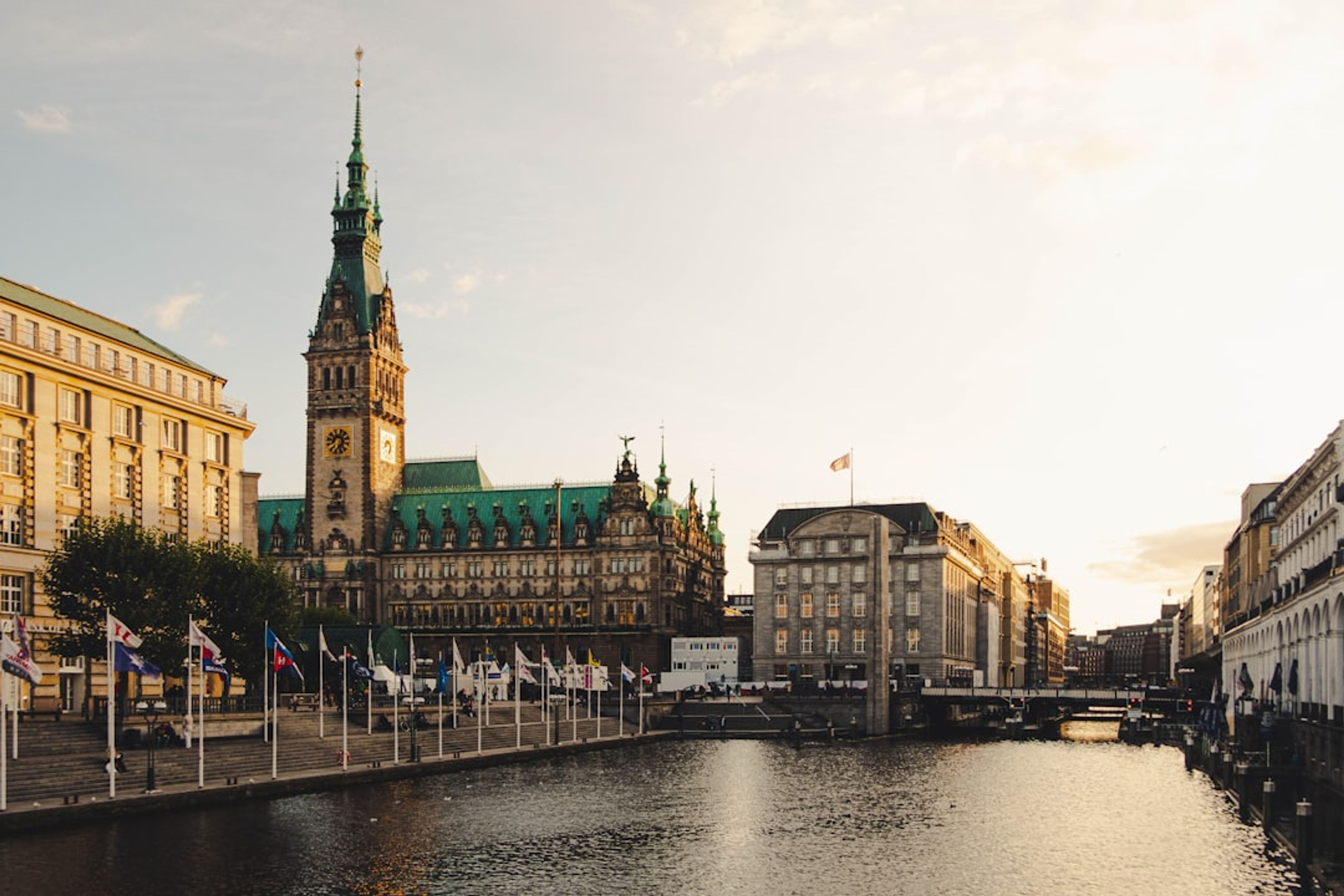
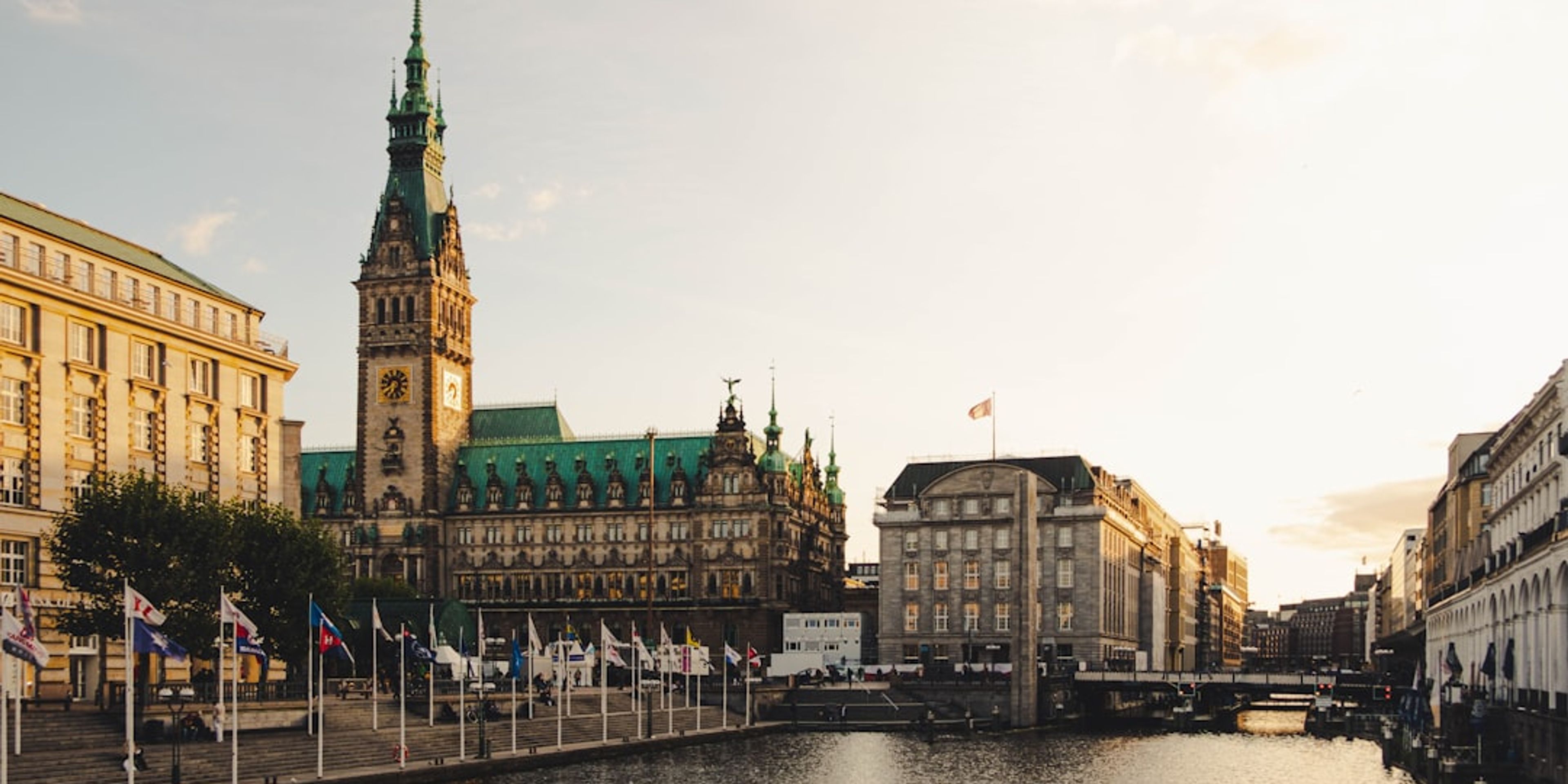
Hamburg is Germany's second city and its biggest port — a Hanseatic maritime capital of red-brick warehouses, canals (more than in Venice or Amsterdam), and the wave-like Elbphilharmonie concert hall crowning the redeveloped HafenCity waterfront. The Speicherstadt UNESCO warehouse district, the buzzing Reeperbahn nightlife strip in St. Pauli, and the elegant Alster Lake anchor a city that feels expansive but easy to navigate.
Hamburg pairs a rough-around-the-edges harbour identity with high-end shopping, world-class music venues, and one of Europe's most impressive gastronomy scenes. The Sunday-morning Fischmarkt, harbour ferries doubling as sightseeing tours, and neighbourhoods like Sternschanze and Ottensen give travellers plenty to explore beyond the traditional sights.
Country
Germany
Region / District
Free and Hanseatic City of Hamburg (city-state)
Population
~1.9 million (city), 5.1M metro
Elevation
6 m
Time Zone
CET (UTC+1) / CEST (UTC+2)
Currency
Euro (EUR)
Language
German (English widely spoken)
Nearest Airport
Hamburg Airport (HAM)
Airport to City Centre
~25 min by S-Bahn (S1)
Typical Cost Level
Mid-range to High
Transport Pass
HVV day pass; Hamburg Card
Spring (Mar-May)
3-15°C
Summer (Jun-Aug)
12-23°C
Autumn (Sep-Nov)
5-16°C
Winter (Dec-Feb)
-1-5°C

Get the latest deals, new destinations, and travel tips delivered straight to your inbox.
No spam, unsubscribe anytime.
Entry rules, stay length and passport validity by nationality.
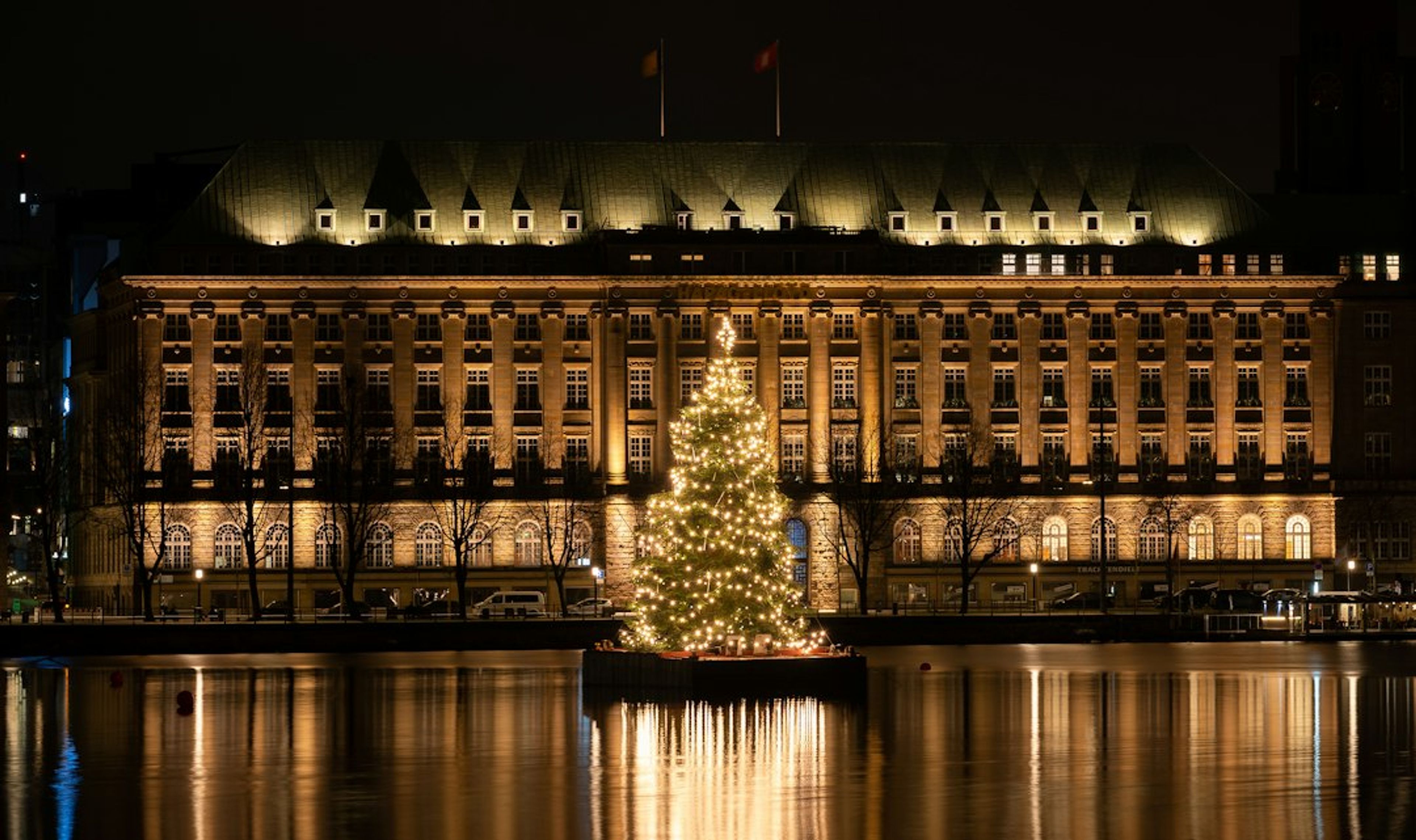
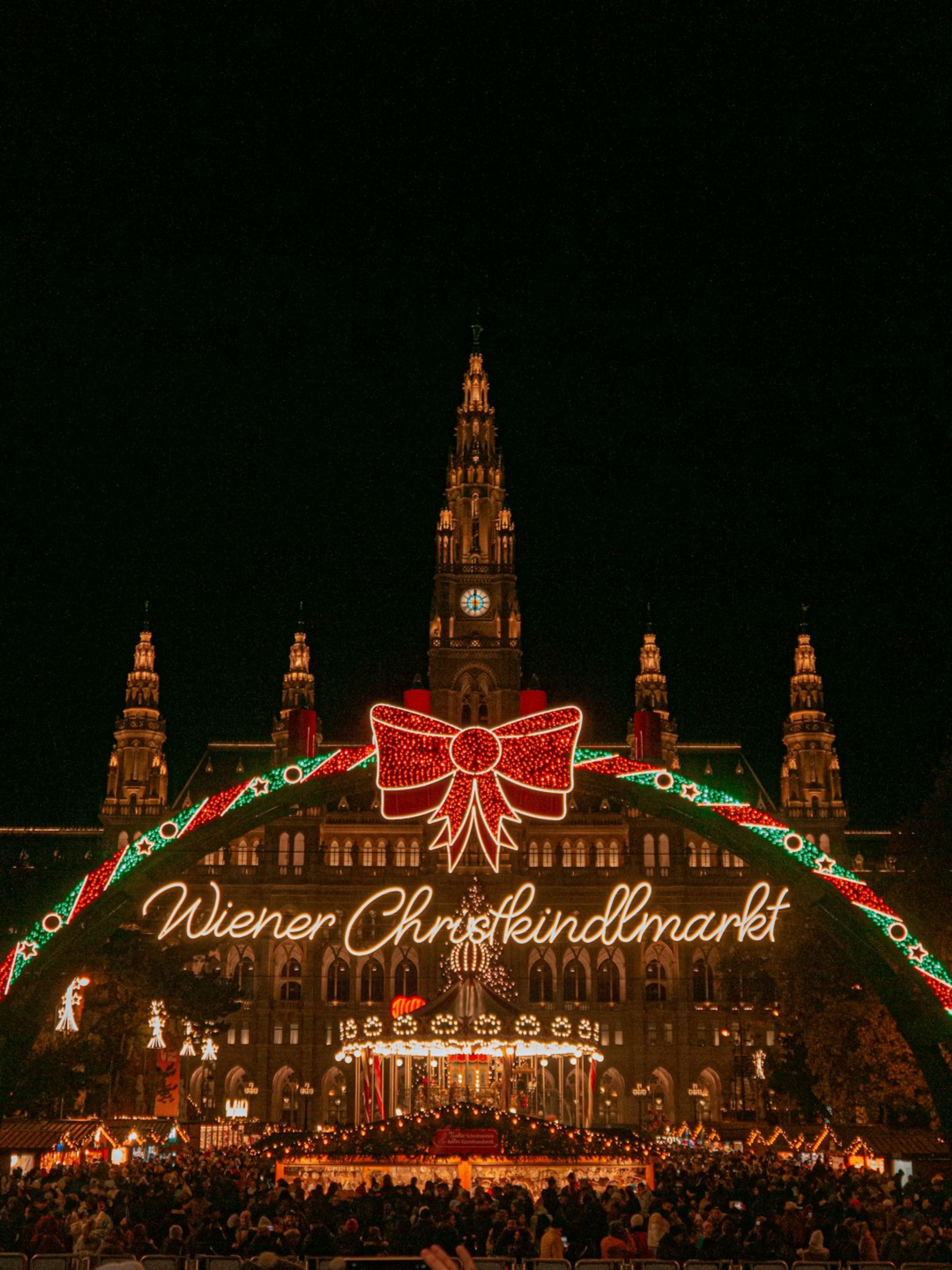
May through September is the best time to visit Hamburg, with mild weather, Alster Lake sailing, and the huge Hamburger Dom fair (three times a year). December brings some of Germany's most atmospheric Christmas markets, especially around the Rathaus.
The S1 S-Bahn train runs every 10 minutes from Hamburg Airport (HAM) to Hamburg Hauptbahnhof in about 25 minutes for 3.80 EUR. Taxis and Uber cost around 30-40 EUR and take 25-40 minutes depending on traffic.
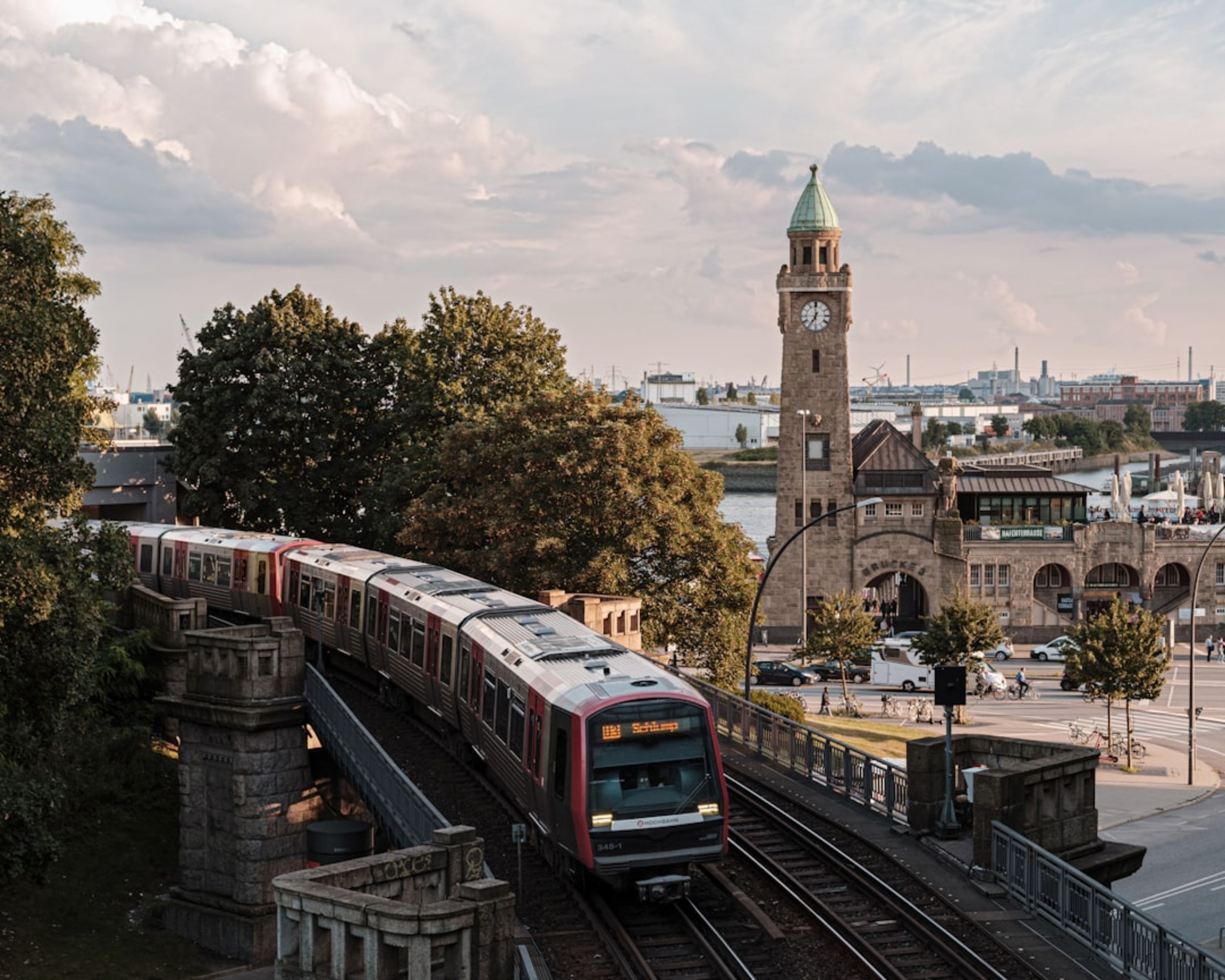
Hamburg's HVV network of U-Bahn, S-Bahn, buses, and harbour ferries makes it easy to get around; a day pass covers everything including the sightseeing-worthy ferry line 62. Central Hamburg is walkable in patches, but the city sprawls so plan to use transit for cross-city trips.
Three days is a good fit for Hamburg's harbour, Elbphilharmonie, Speicherstadt, and the Reeperbahn. Add a fourth for a Sunday Fischmarkt, a Miniatur Wunderland deep-dive, or a day trip to Lubeck (45 min) or the Wadden Sea coast.
Hamburg is generally safe for tourists, though the Reeperbahn and surrounding St. Pauli area get rowdy late at night with occasional pickpocketing and aggressive street touts. Central areas like Neustadt, Altstadt, and HafenCity are quiet and secure day and night.
On trip1, you can book hotels across Hamburg and pay with over 120 cryptocurrencies including Bitcoin, Ethereum, and USDC. trip1 covers 3 million+ hotels in 190+ countries, making it easy to find and book accommodation with crypto.
HafenCity and Speicherstadt around the Elbphilharmonie are the modern waterfront core, while Altstadt and Neustadt hold the classic sights. St. Pauli and Reeperbahn are the famous nightlife strip, Sternschanze is the hipster hub of bars and craft shops, and Ottensen is a leafy foodie neighbourhood in Altona.
Hamburg specialties include Fischbrotchen (fresh fish rolls, especially with matjes herring), Labskaus (a hearty corned-beef-and-beetroot mash), Pannfisch (pan-fried fish), and Franzbrotchen (buttery cinnamon pastries). The Sunday Fischmarkt in Altona is the classic place to try them, along with Astra beer or a shot of Kummerling.