
Guides · Hamburg
10 Top Places to Visit in Hamburg

CEO and co-founder
This guide ranks the 10 top places to visit in Hamburg, Germany - the sights that genuinely earn a spot on your itinerary whether you have a long weekend or a full week. Each entry below lists the exact street address with postal code, the nearest U-Bahn or S-Bahn stop with walking time, and a Pro Tip based on when queues thin and light is best. Hamburg is Germany's second-largest city and Europe's third-busiest port, and its centre folds around the Alster Lakes and the Elbe river in a way no other German city matches.
The list is ordered for efficient routing. Attractions 1 through 3 sit inside HafenCity and the UNESCO-listed Speicherstadt warehouse district and can be covered in one full day. Attractions 4 through 7 cover the classic city centre - Rathaus, Alster Lakes, Kunsthalle Hamburg, and St Michael's Church. Attractions 8 and 9 belong to a St Pauli evening - Reeperbahn and the Sunday Fischmarkt (which opens at 05:00). The final entry is a regional day trip to the medieval Hanseatic city of Lubeck. Everything but Lubeck is on the HVV public transport network.
Prices, timings and transit info reflect the 2026 season. If you plan to visit two or more paid museums the Hamburg Card at 11.90 EUR per day pays for itself. All venues below accept card payment - cash is rarely needed except at the Fischmarkt stalls.
1Elbphilharmonie and HafenCity - The Concert Hall on the Elbe
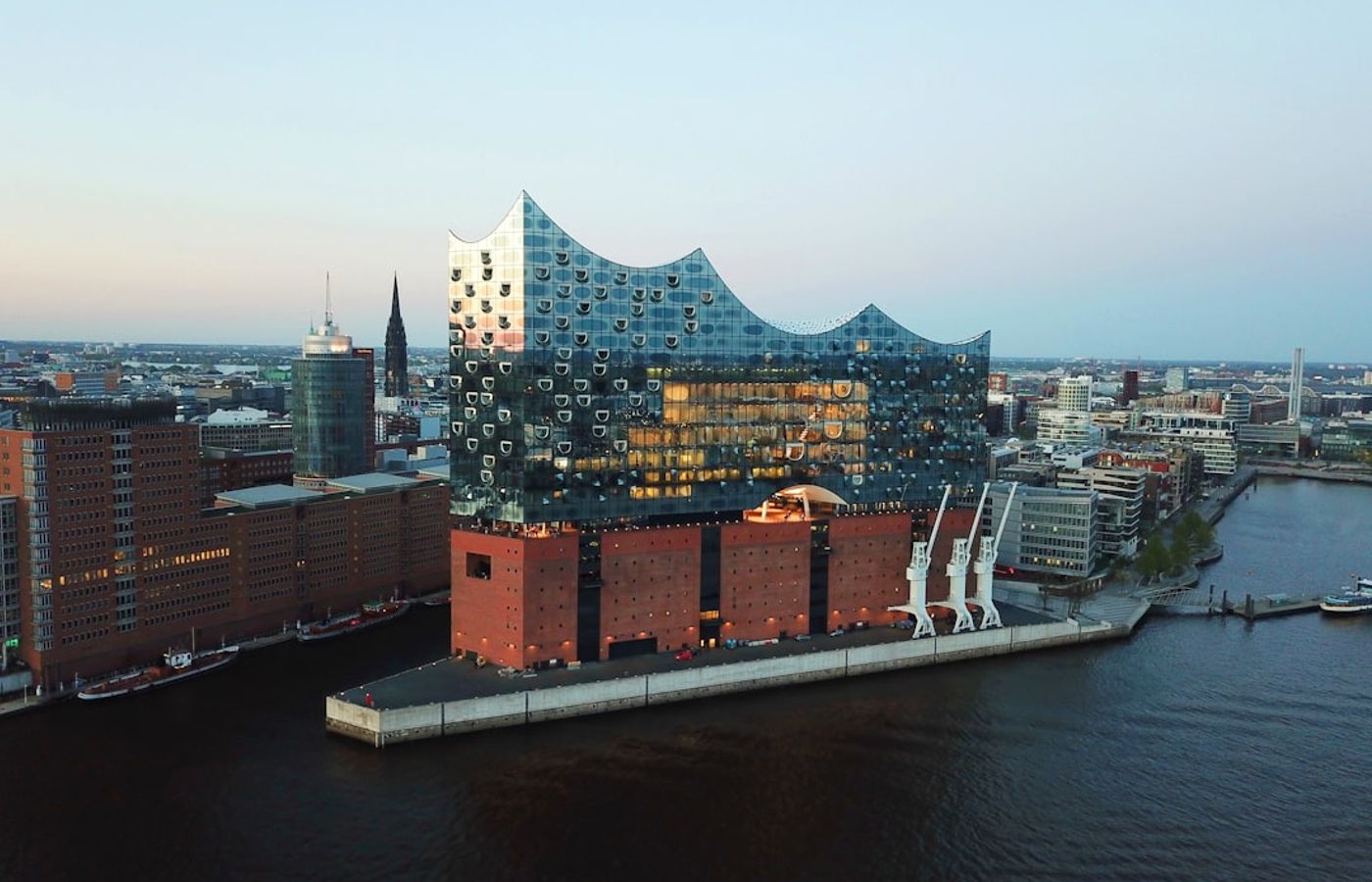

The Elbphilharmonie is Hamburg's defining 21st-century landmark - a glass wave-form concert hall by Swiss architects Herzog & de Meuron perched on top of a 1963 cocoa warehouse (Kaispeicher A) at the Elbe river tip of HafenCity. Opened in January 2017 after ten years of construction, the building stands 110 metres tall and holds three concert halls, a hotel and 45 apartments. The Grand Hall (Grosser Saal) seats 2,100 in a vineyard arrangement around a central stage with acoustic panels shaped by Japanese sound engineer Yasuhisa Toyota. The building hosts 500+ concerts per year.
You do not need a concert ticket to visit. The public Plaza observation deck at 37 metres wraps 360 degrees around the building and gives free harbour views - reserve a timed ticket online at least one day ahead (a same-day ticket at the ground-floor box office costs 3 EUR). The 82-metre curved escalator up to the Plaza is a set-piece in itself. HafenCity around it is Europe's largest inner-city development, adding 157 hectares of new city on former dock land - walk the promenades along Grasbrookhafen for the finest new architecture.
Pro Tip: Book the Plaza slot 90 minutes before sunset - you get golden hour on the harbour and evening blue hour without moving. Concert seats in the Grand Hall stalls have restricted views; the vineyard tiers above give the best sightlines and acoustics.
2Speicherstadt - The UNESCO Warehouse District
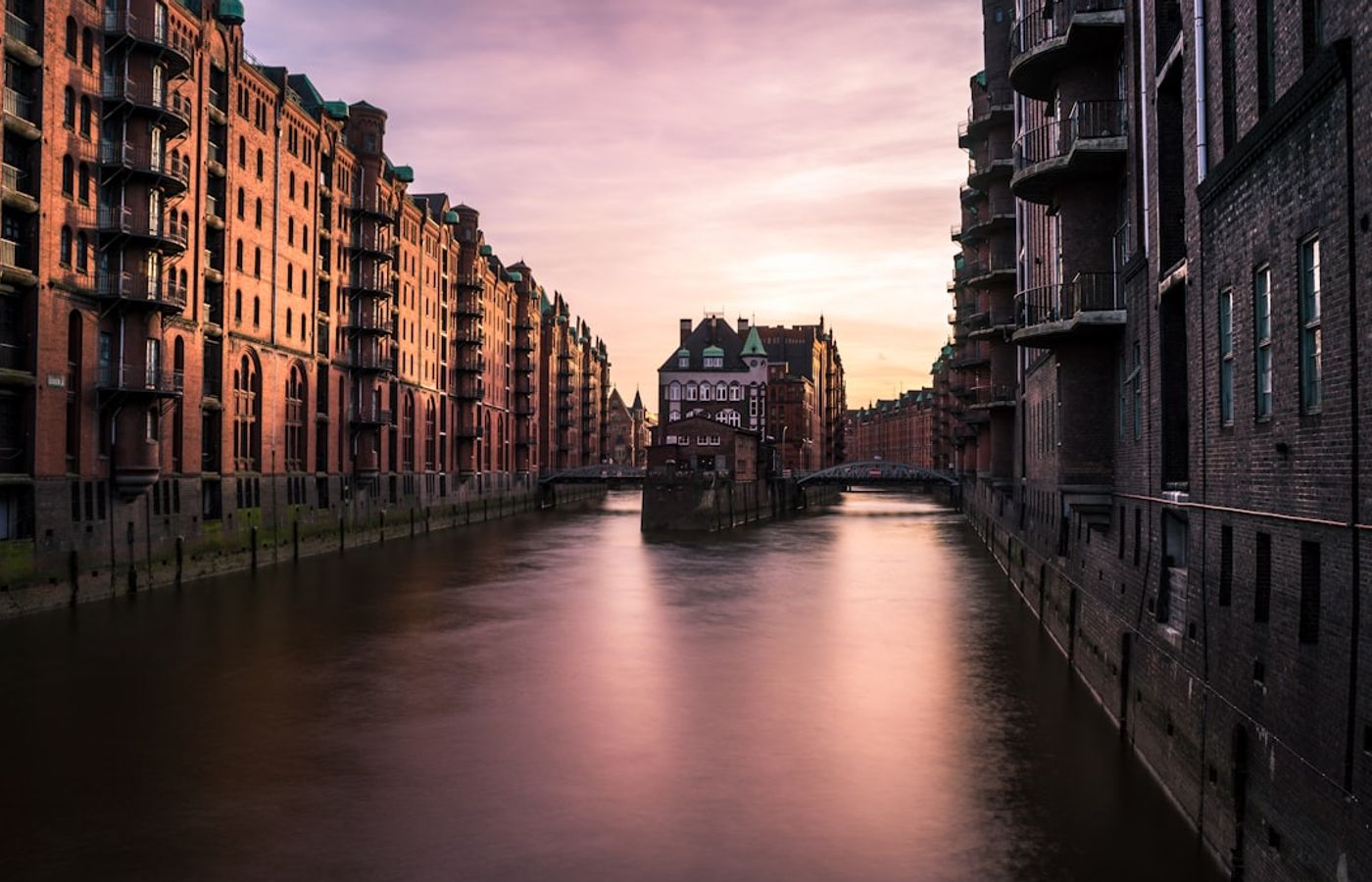

Speicherstadt is the largest continuous warehouse district in the world, and since 2015 has been a UNESCO World Heritage Site together with the neighbouring Kontorhaus office quarter. Built between 1883 and 1927 as a duty-free storage zone for the port, the complex covers 26 hectares of red brick neo-Gothic warehouses on oak pile foundations, cut through by canals (fleets) that once let barges load directly under the buildings. The distinctive turrets and gables were designed by Berlin architect Franz Andreas Meyer.
The public streets and canal-side walks are freely accessible any time. The area holds several paid attractions: the Miniatur Wunderland (see below), Hamburg Dungeon, and the German Customs Museum on Alter Wandrahm. Photographers head to the Poggenmuhlenbrucke bridge at dusk for the classic shot of Wasserschloss (the small water castle in the canal) framed by illuminated turrets. Speicherstadt Coffee Museum and Speicherstadt Kaffeerosterei offer working-warehouse context on the coffee and spice trades that filled the buildings until the 1990s.
Pro Tip: Walk Speicherstadt at blue hour (30 minutes after sunset) when the brick facades light up green and the canals go glassy black. Poggenmuhlenbrucke and Kannengiesserortbrucke are the two best bridges for the postcard shot.

3Miniatur Wunderland - The World's Largest Model Railway
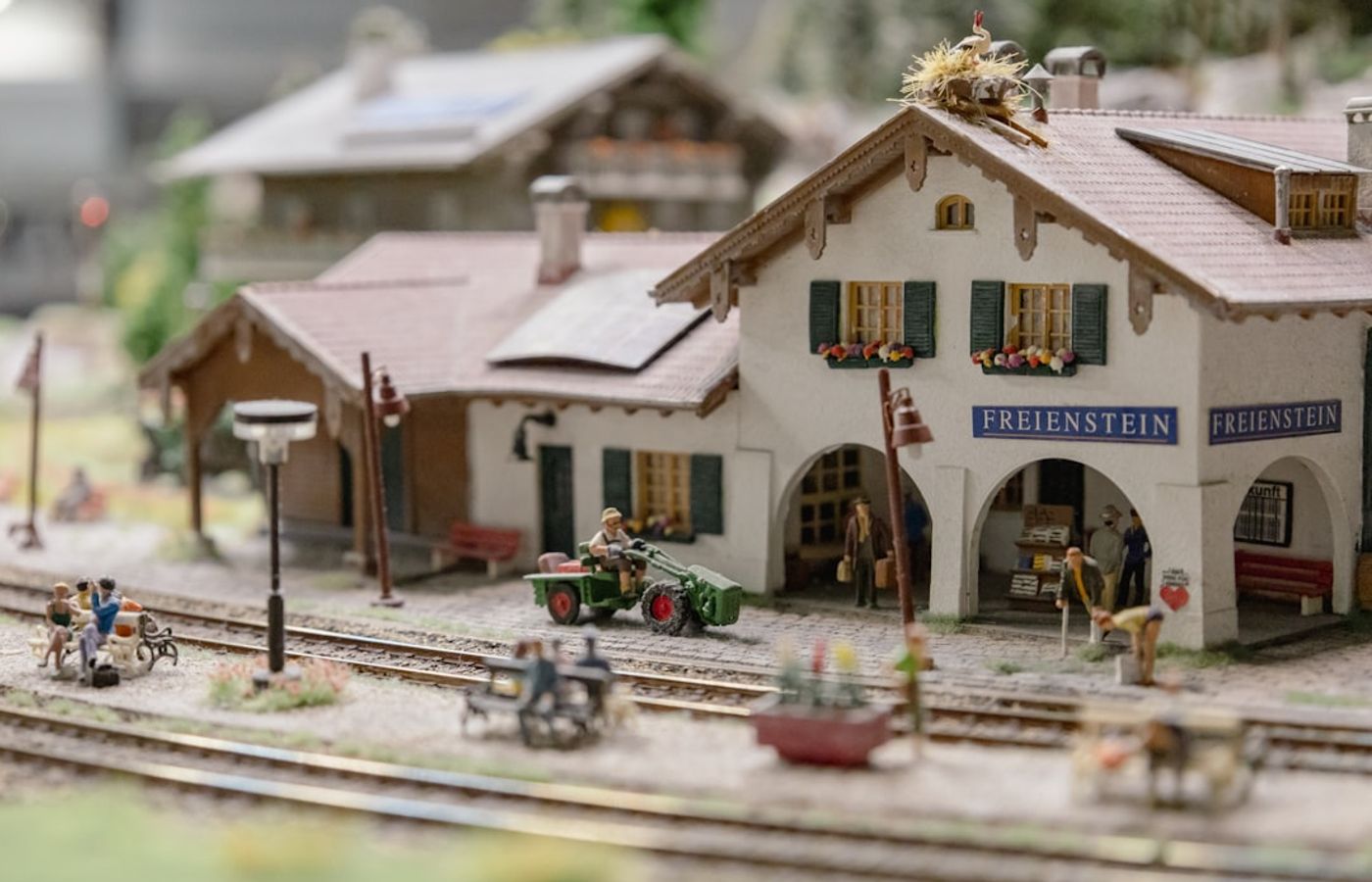

Miniatur Wunderland is the world's largest model railway - over 16,000 metres of H0-scale track spread across 1,700 square metres of exhibition space inside a Speicherstadt warehouse. Opened in 2001 by twin brothers Frederik and Gerrit Braun, the exhibit now covers 11 themed sections including Hamburg, the Alps, Scandinavia, Italy, USA and a functioning miniature Knuffingen Airport where planes take off and land every 30 seconds. Around 1,120 trains, 10,000 vehicles and 300,000 tiny figures populate the layout, with day-night lighting cycles every 15 minutes.
Miniatur Wunderland is the single most visited attraction in Hamburg and consistently ranks as the top-rated German attraction on visitor review sites. Standard adult entry is around 25 EUR in 2026. Advance timed tickets are essential - walk-up slots sell out weeks ahead in July, August and December. Allow 3 to 4 hours to walk all sections at a comfortable pace. Family-friendly and fully wheelchair-accessible with lower-level viewing rails. A new South America section is scheduled to open during 2026.
Pro Tip: Book the first slot of the day (typically 09:30) - you get the empty layouts before the school groups arrive at 11:00. The behind-the-scenes tour (extra 8 EUR) shows the control room and is worth it for anyone technically curious.
4Reeperbahn and St Pauli - Hamburg's Nightlife District
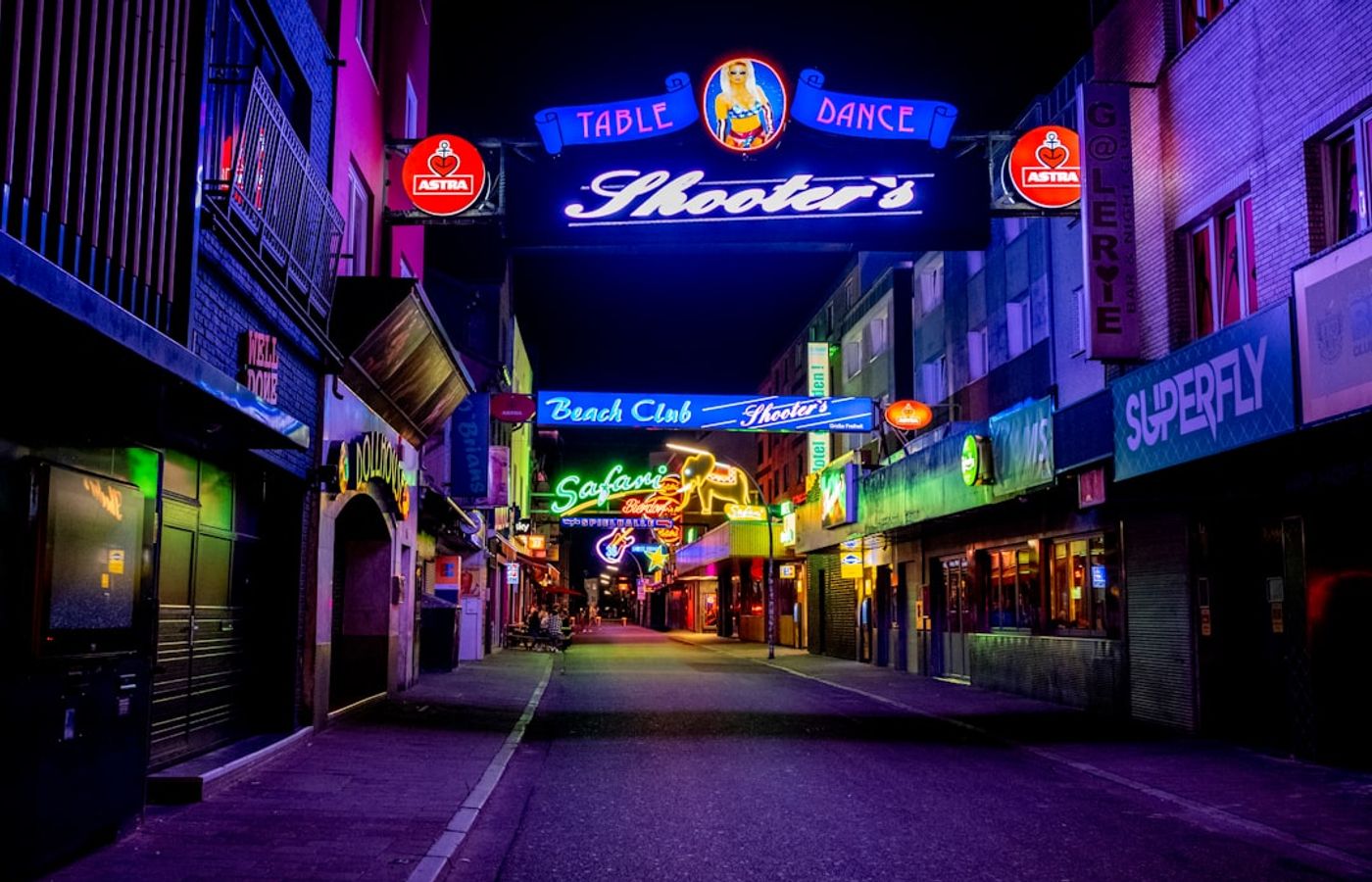
The Reeperbahn is Hamburg's most famous street - a 930-metre strip in St Pauli that has been the city's entertainment quarter since the 18th century. The name refers to the rope-makers (Reeper) who once needed the long straight street to lay hemp cordage for the port. Today it holds the densest concentration of live music venues, clubs, theatres and bars in northern Germany. The Beatles played 281 nights across five clubs on and around the Reeperbahn between 1960 and 1962 - a Beatles-Platz square marks the corner of Grosse Freiheit where the Star-Club and Kaiserkeller stood.
The area is safe to visit but confrontational to walk - drug dealing, sex work and drunk stag groups are all part of the streetscape after 22:00. Herbertstrasse (a small side alley) remains a licensed prostitution street closed to women and under-18s at either end. Come by daylight for the architecture (art deco cinemas like the Operettenhaus), by evening for the music. The annual Reeperbahn Festival every September is Europe's largest club festival with 900+ performances across 90+ venues.
Pro Tip: Do the Beatles walking tour (2 hours, around 20 EUR) which leaves from Beatles-Platz Saturdays at 15:00 - it hits the six Beatles clubs, the boarding house where they slept, and pieces together which songs were written where.
5Hamburg Rathaus - The Sandstone Neo-Renaissance City Hall
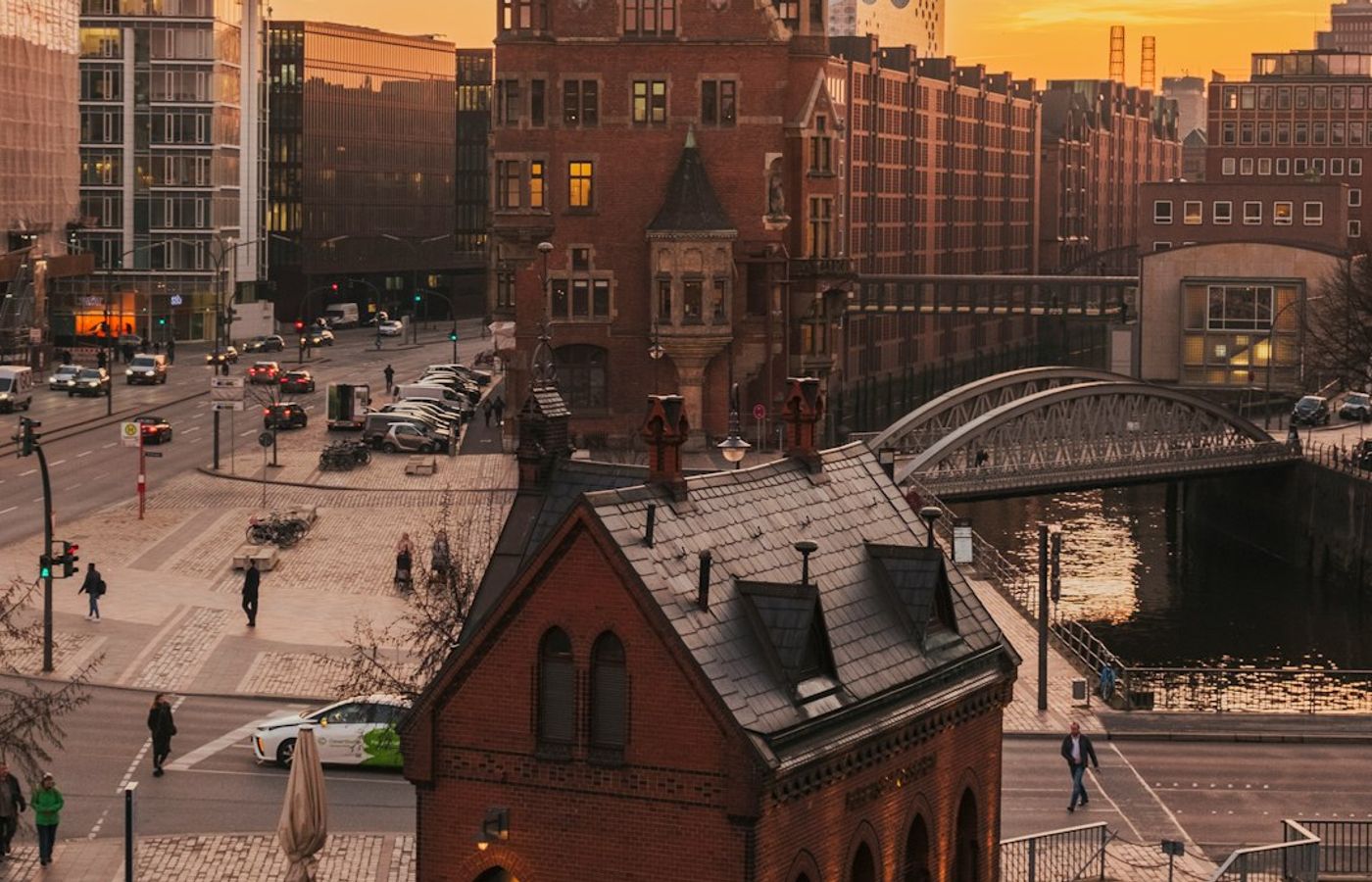
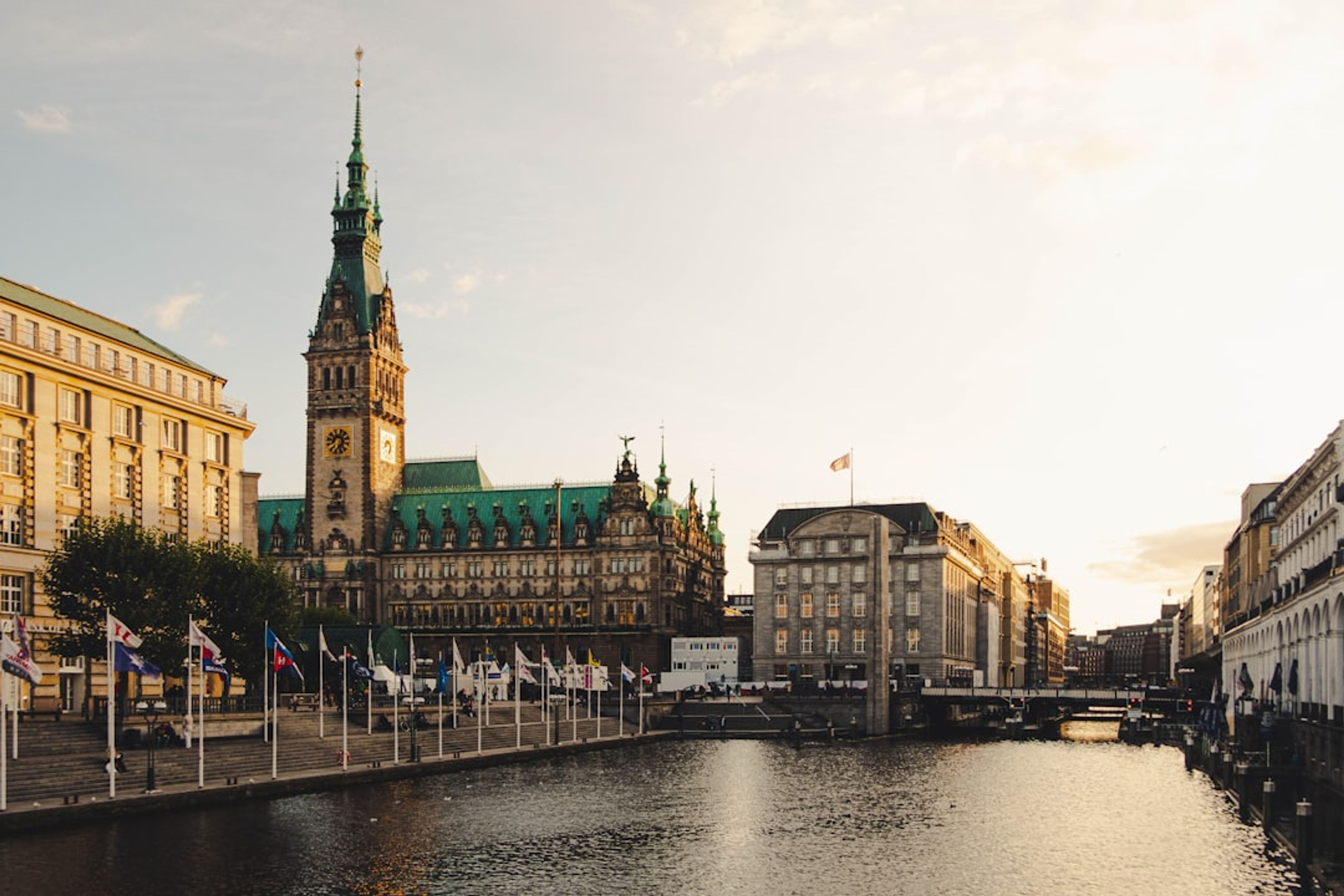
Hamburg Rathaus is the seat of both the city parliament and the state government of Hamburg (Hamburg is a city-state within Germany). Built between 1886 and 1897 in Neo-Renaissance style after the previous city hall burned in the Great Fire of 1842, it holds 647 rooms - more than Buckingham Palace - and stands on 4,000 wooden piles driven into the marshy ground. The 112-metre central spire is topped by a bronze figure of Hammonia, the personification of Hamburg. The sandstone facade is covered in 20 statues of Holy Roman Emperors.
The public forecourt (Rathausmarkt) is a working city square with cafes, the Alsterarkaden arcade running north to the Binnenalster, and the annual Christmas Market from late November. The interior state rooms are only accessible on guided tours - 45 minutes, 5 EUR per adult, booked at the information desk in the entrance hall on the day (Monday to Friday, hourly from 10:00 to 15:00). The Grand Ballroom (Grosser Festsaal) with its 46-metre-long ceiling paintings is the visual peak of the tour.
Pro Tip: Arrive at 09:45 on a weekday and book the 10:00 English tour before the desk queue builds. The interior courtyard fountain (Hygieia) is a public shortcut through to the Alsterarkaden and worth a look even without the tour.
6Alster Lakes (Binnenalster and Aussenalster) - The Two City Lakes
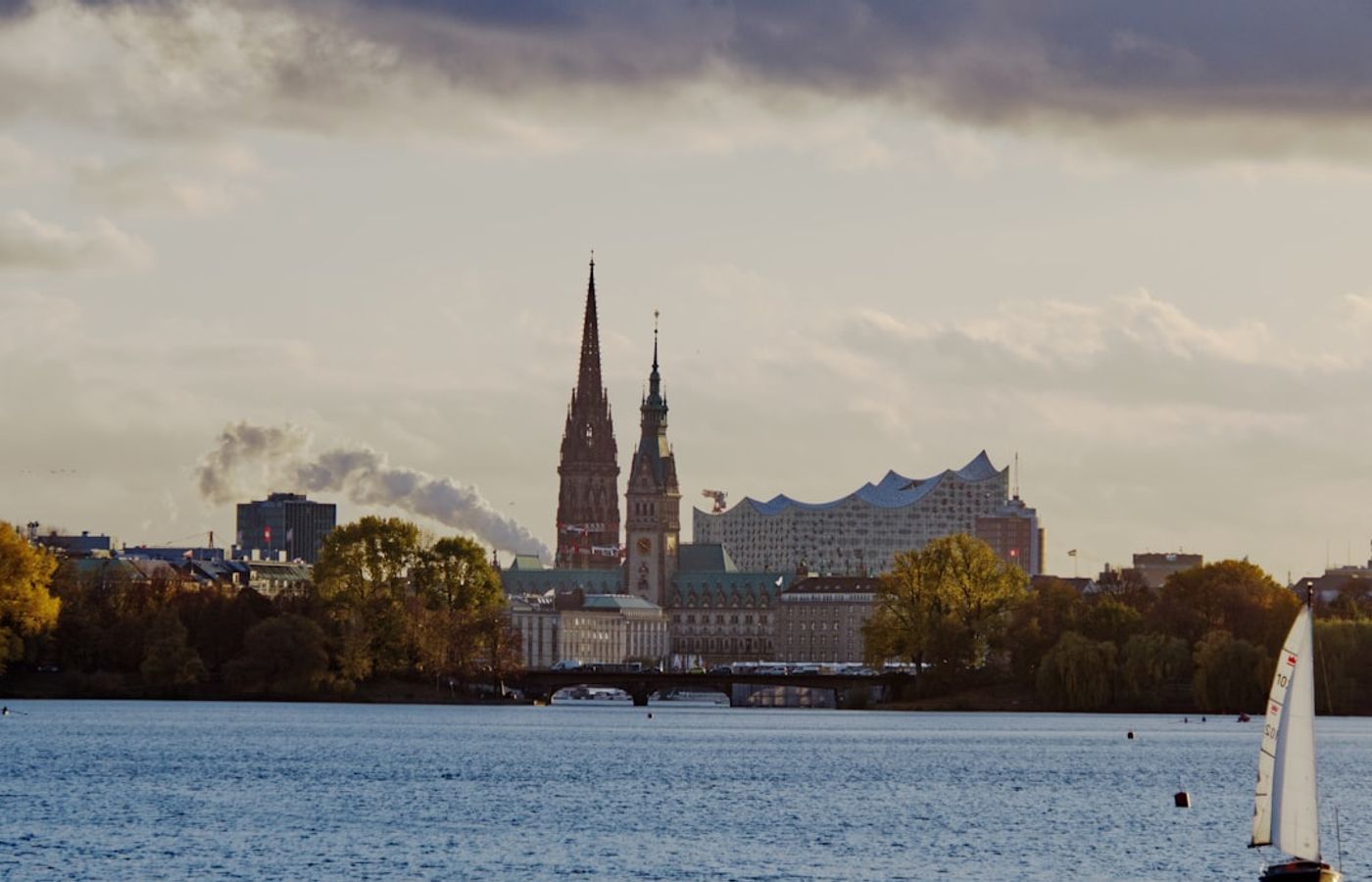
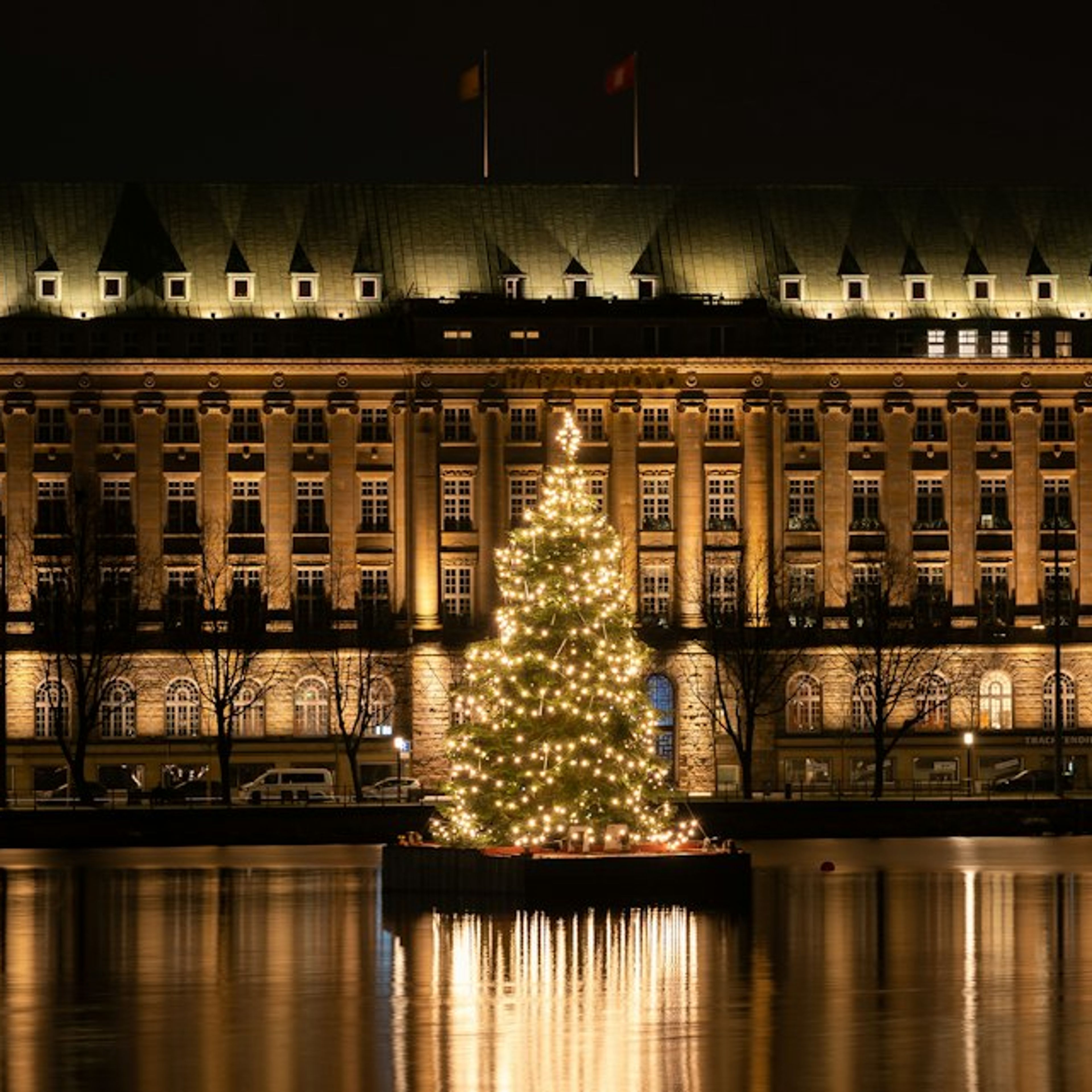
The Alster is a tributary of the Elbe that was dammed in the 13th century to power city mills, creating the two central lakes that give modern Hamburg its distinctive shape. The Binnenalster (Inner Alster) is the smaller basin surrounded by Jungfernstieg promenade, the Alsterarkaden and the classical white facades of the Alte Post - a working city lake covered in swans and small ferries. The Aussenalster (Outer Alster) is the much larger natural lake beyond the Kennedy and Lombard bridges, 1.6 square kilometres in size and lined with parks, sailing clubs and 19th-century villas.
The 7 km walking loop around the Aussenalster is the classic Hamburg exercise route and takes about 90 minutes at an easy pace. Alsterdampfer ferries operated by ATG make circular tours from Jungfernstieg (adult ticket 22 EUR, roughly one hour, HVV cards not valid). Rent a rowing boat, kayak or small sailing dinghy at Alsterschwimmhalle for 20-30 EUR per hour from May to September. In winter, if the ice reaches 30 cm the city opens the Alstervergnugen ice festival on the frozen surface - a rare event, most recently 2012.
Pro Tip: Walk the eastern shore of Aussenalster (Schone Aussicht) around 18:00 in summer - you get the sunset behind the Alster fountain and the Rathaus spire in the same shot. Sailing dinghy rental is the best summer money you can spend in Hamburg.
7Kunsthalle Hamburg - The Three-Building Art Museum
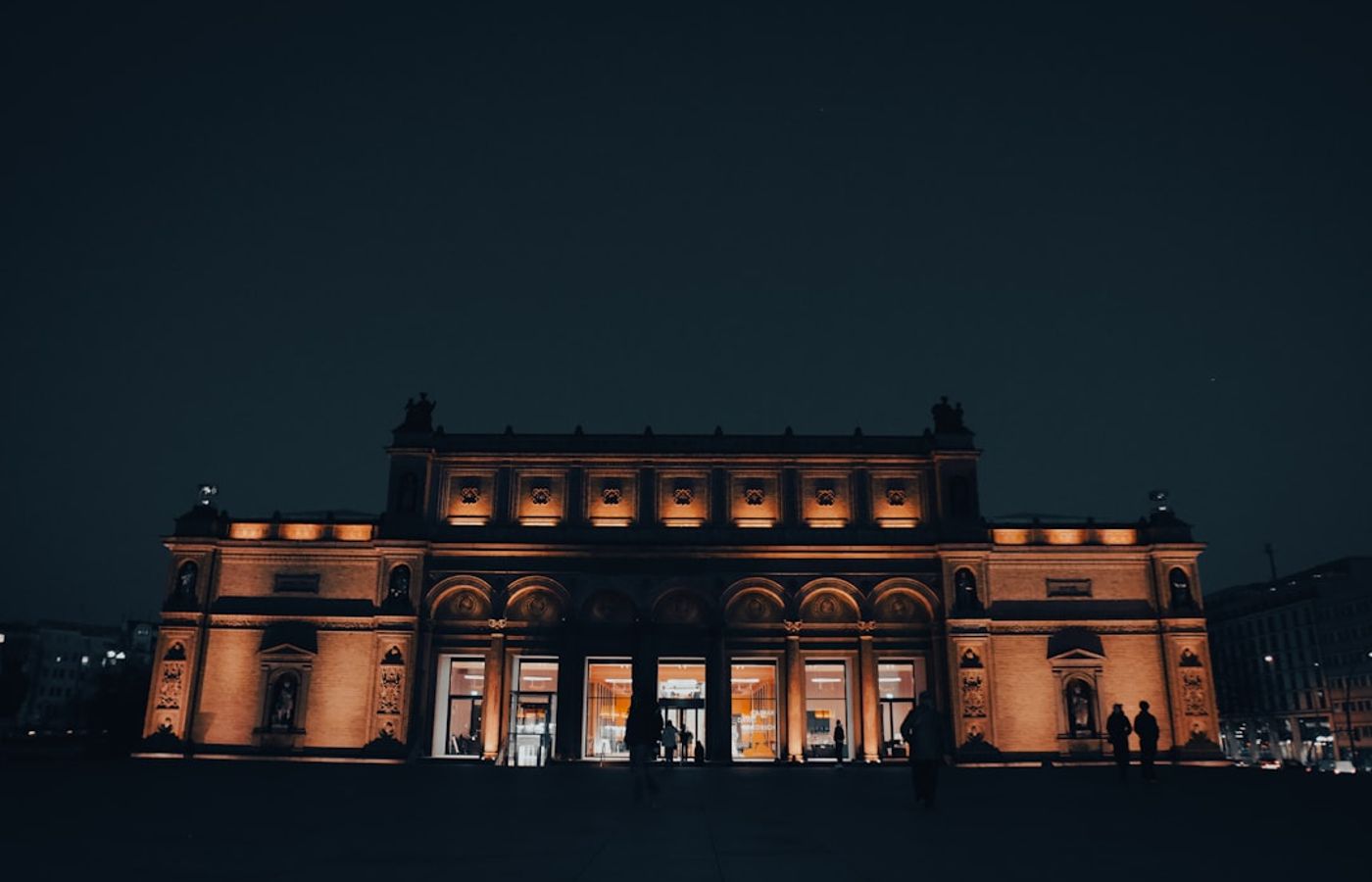
The Kunsthalle Hamburg is one of the largest and most complete art museums in Germany, holding over 700 years of European art across three connected buildings. The 1869 red-brick original by Georg Theodor Schirrmacher holds the medieval-to-19th-century collection. The 1919 extension by Fritz Schumacher covers the 19th and early 20th century. The 1997 Galerie der Gegenwart by architect Oswald Mathias Ungers is a stark white cube housing post-1960 contemporary art, including a major Andy Warhol group and Gerhard Richter's cycle 18 October 1977.
The permanent collection highlights include Caspar David Friedrich's Wanderer above the Sea of Fog (probably the most reproduced German painting of the Romantic period), Philipp Otto Runge's Times of Day cycle, Manet's Nana, and an Edvard Munch group. Adult entry is around 16 EUR in 2026 with reductions after 17:00 on Thursday (long night to 21:00). Allow at least 2 hours for the classical building, 1 more for the contemporary wing. Free lockers, good cafe on the ground floor.
Pro Tip: Go straight to the second floor of the main building for the Caspar David Friedrich room - the Wanderer is smaller than expected but the light through the north windows is best before 11:00. Thursday nights until 21:00 have a discounted 10 EUR after-5pm ticket.
8St Michael's Church (Michel) - The Baroque Landmark with the Harbour Tower View
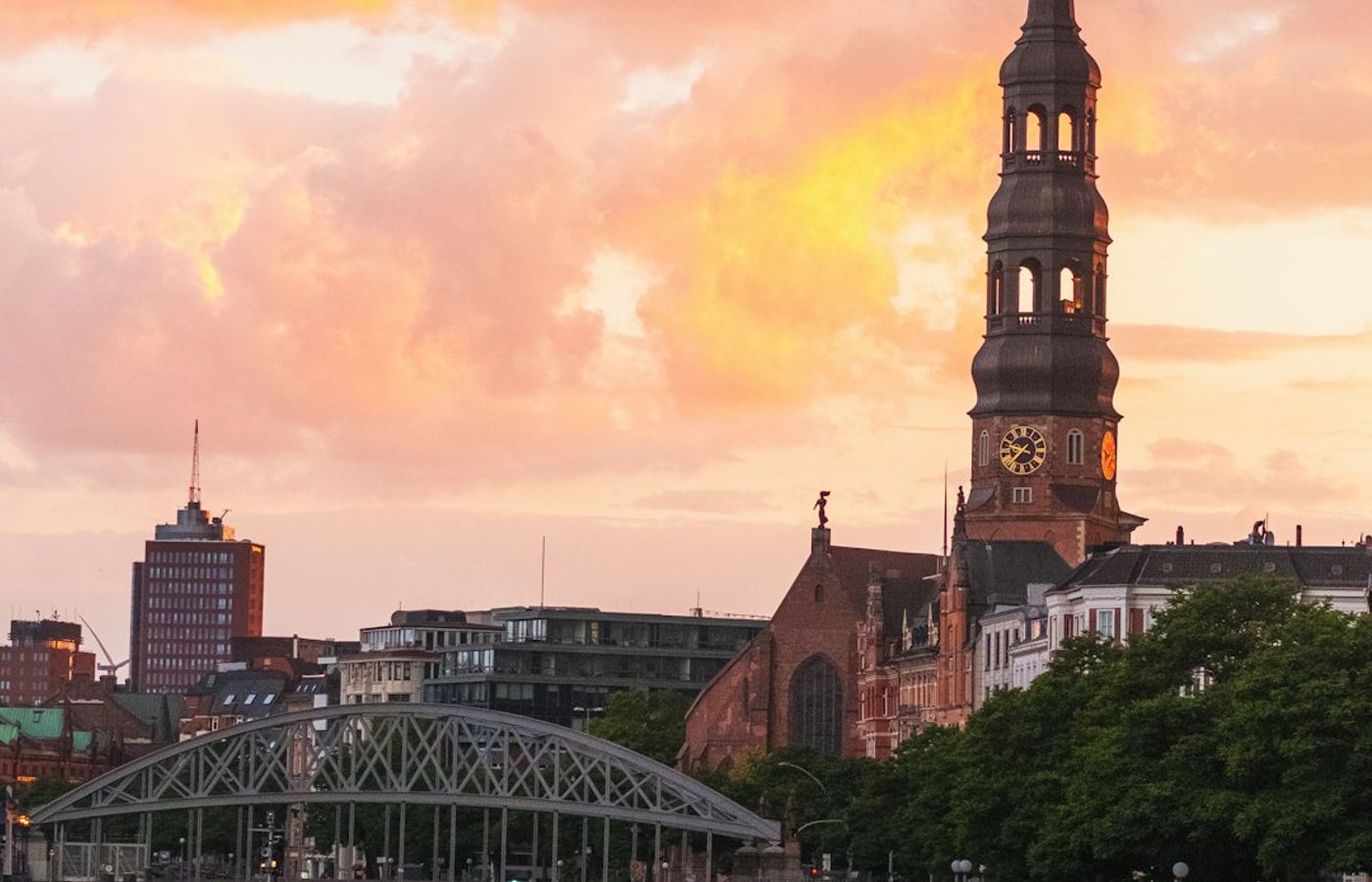
St Michael's Church - locally called the Michel - is Hamburg's largest Baroque church and the city's most recognisable landmark alongside Elbphilharmonie. The 132-metre copper spire dominates the western skyline and has served as an orientation mark for ships approaching the port for three centuries. The current building is the third on the site; the second, from 1786, burned down in 1906 after a lightning strike, and the reconstruction was completed in 1912. The interior seats 2,500 and holds five organs, including the largest by Steinmeyer completed in 1962.
The tower observation platform at 82 metres is one of the two best public viewpoints in Hamburg (the other being Elbphilharmonie Plaza) and unlike the Plaza rarely has queues. A lift covers 106 of the 452 steps; the final section is stairs. Adult tower entry is around 8 EUR, church nave is free. From up top the whole harbour, HafenCity, the Elbphilharmonie and the Alster Lakes fan out in one panorama. The daily 10:00, 12:00 and 21:00 chorale played by the tower trumpeter (Turmblasen) is a Hamburg tradition dating to the 17th century.
Pro Tip: Climb Michel tower at 09:00 opening for the clearest morning air over the harbour. Time the visit to catch the 10:00 Turmblasen chorale from the observation deck - four brass notes each direction of the compass, then you descend.
9Fischmarkt - The Sunday Morning Fish Market
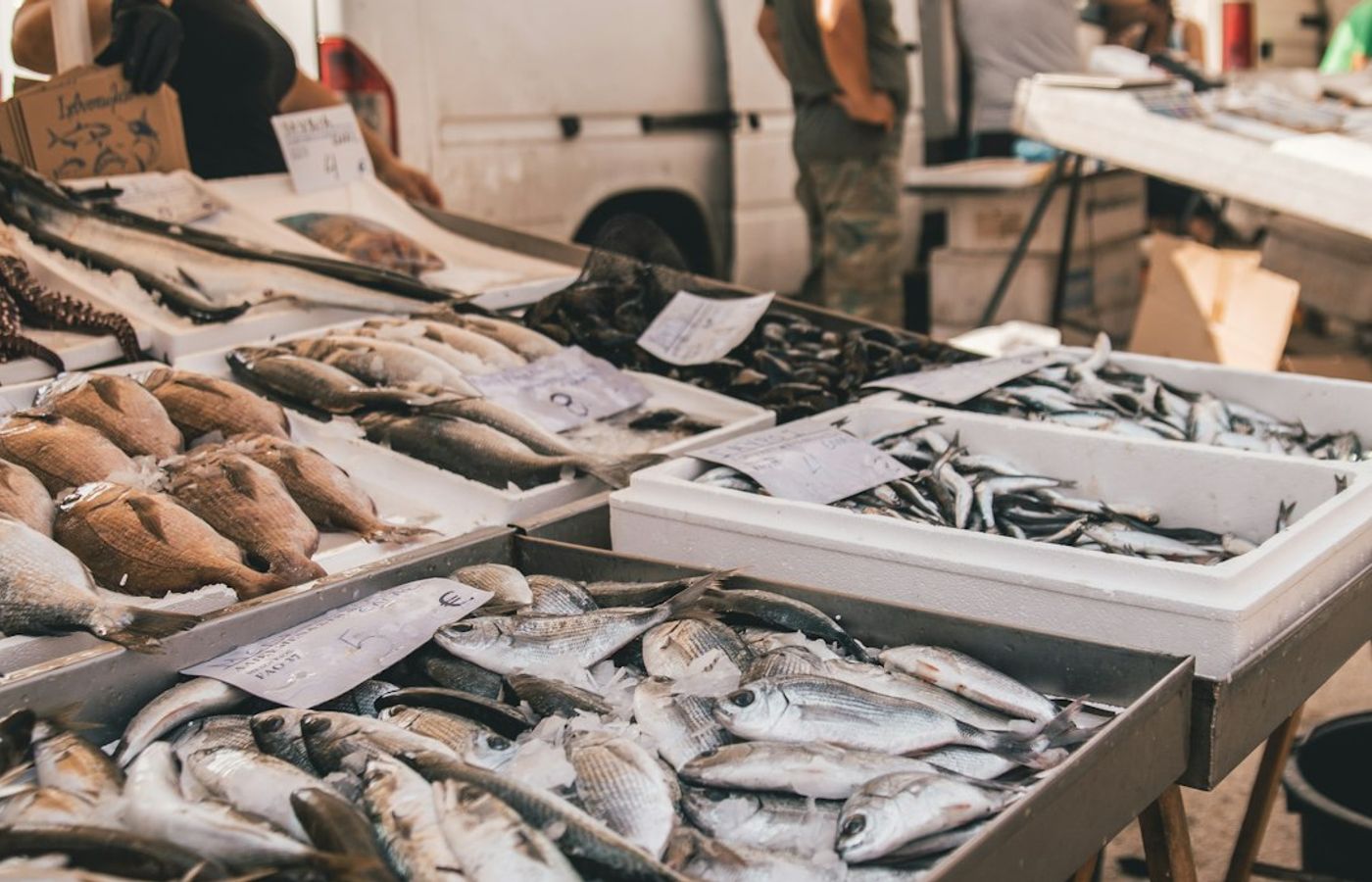
The Hamburg Fischmarkt at Altona is one of Germany's oldest markets and runs every Sunday morning from 05:00 (07:00 in winter) until exactly 09:30, when law forbids further trading. First licensed in 1703, the market originally served St Pauli fishermen selling their overnight catch before Sunday church - the odd early hours and strict cutoff still reflect that origin. Around 70,000 shoppers pass through each Sunday, drawn as much by the market callers (Marktschreier) shouting theatrical sales pitches as by the actual fish.
The adjacent Fischauktionshalle (1896 iron-and-glass fish auction hall) hosts a live band and beer stalls throughout the morning - a peculiar mix of fresh smoked mackerel sandwiches, live rock covers and pensioners drinking Astra pilsner at 06:00 alongside Reeperbahn party-goers who have not been to bed. Free to enter. The riverside setting on the Elbe with the container ships passing behind is the point. Nothing else in the city gives you Hamburg working-port culture as directly.
Pro Tip: Arrive at 07:00 with cash - the market callers hit peak entertainment between 07:30 and 08:30 with buy-one-get-ten fruit basket auctions. The smoked eel sandwich at Aal-Peter's stall is a Hamburg fixture; the queue is worth it.
10Lubeck Day Trip - The Medieval Hanseatic Capital
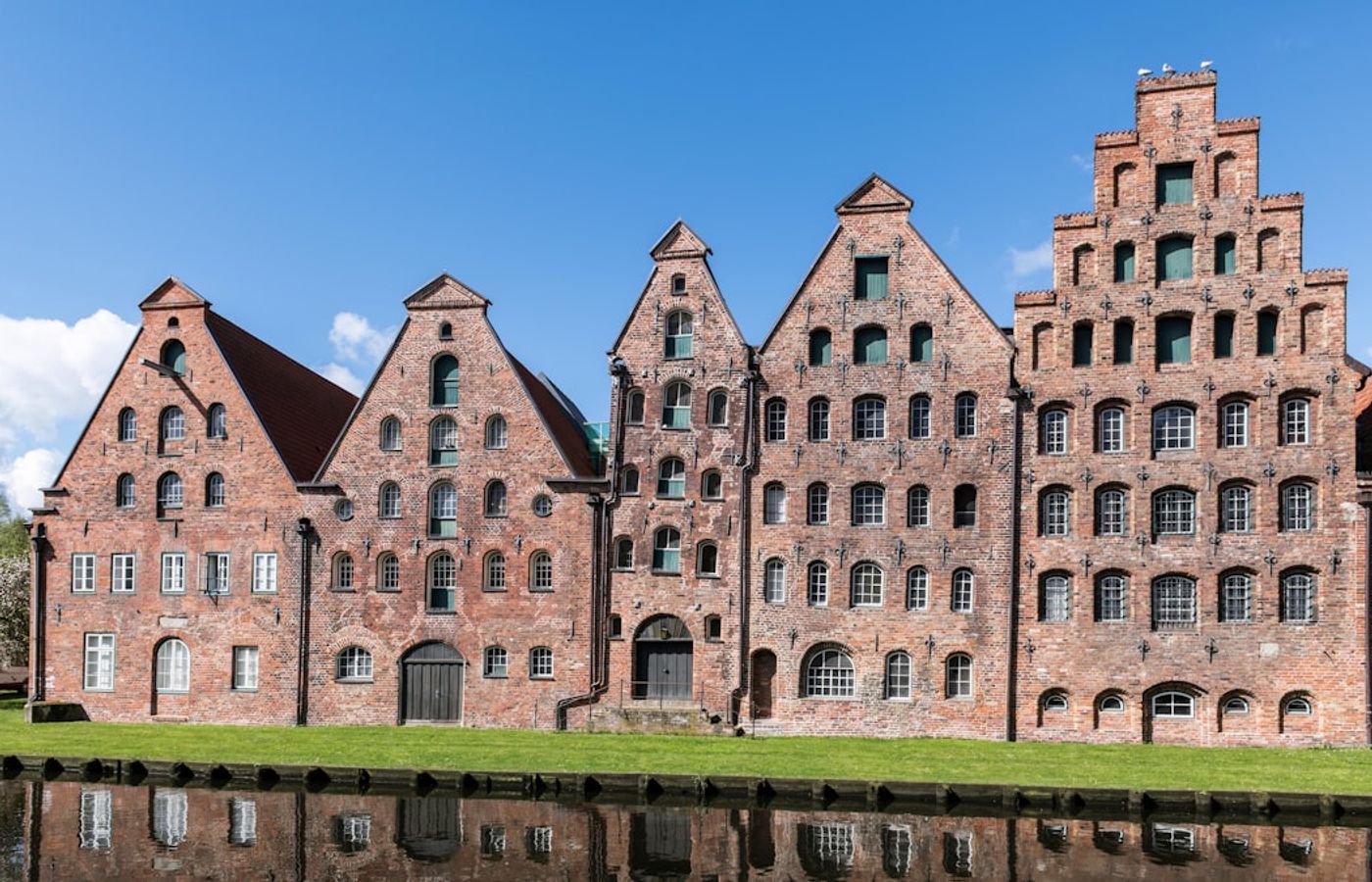
Lubeck was the medieval capital of the Hanseatic League and its historic centre on the Trave river island has held UNESCO World Heritage status since 1987. The Altstadt of Lubeck is a compact grid of red-brick Gothic buildings, seven church spires and merchants houses, all sitting on a natural moat - one of the finest surviving medieval trading cities in Europe. Founded in 1143, at its 14th-century peak Lubeck controlled Baltic sea trade from Bruges to Novgorod. The Holstentor gate (1478) is the most famous surviving city gate in Germany and the emblem on the old 50-mark note.
A day trip circuit hits five key stops - Holstentor gate and its museum (7 EUR), the Marienkirche (largest brick Gothic church in northern Europe, free), the European Hansemuseum (13 EUR, excellent), the Buddenbrookhaus which honours the Thomas Mann novel (currently closed for renovation through mid-2026), and Niederegger marzipan cafe on Breite Strasse for the local specialty. Regional Express trains leave Hamburg Hauptbahnhof every 30 minutes for the 45-minute run. Around 6 hours is enough to cover the essentials.
Pro Tip: Buy the Schleswig-Holstein Ticket at Hamburg Hauptbahnhof for 30 EUR - it covers the return train for one adult (23 EUR each additional adult up to five people) on any regional train all day. Walk from Lubeck station across Puppenbrucke to Holstentor for the classic postcard approach.
Get hotel deals for Hamburg
Price drops, new stays and local tips for Hamburg, straight to your inbox.
No spam, unsubscribe anytime.

CEO and co-founder
Tomas is the co-founder and director of trip1, an European company specializing in reservation services. He launched the company in 2025 with a focus on building scalable, efficient operations.
10 Top Places to Visit in Hamburg, Germany - FAQ
The Elbphilharmonie and its Plaza viewing deck, the red-brick UNESCO warehouses of the Speicherstadt and Miniatur Wunderland, the world's largest model railway. Add the Rathaus, a walk around the Alster lakes, the view from St Michael's Church tower, an evening on the Reeperbahn and the Sunday Fischmarkt, which runs from 05:00 (07:00 in winter) until 09:30.
Its port and its water. Hamburg is Germany's second-largest city and one of Europe's busiest ports, built around the Elbe river and the two Alster lakes. It is known for the Elbphilharmonie, the Speicherstadt warehouse district, the Reeperbahn, where the Beatles played 281 nights between 1960 and 1962, and the Sunday Fischmarkt, first licensed in 1703.
Yes, for the main sights. Day one: the Elbphilharmonie Plaza, the Speicherstadt and a timed slot at Miniatur Wunderland. Day two: the Rathaus, the Alster lakes, the Kunsthalle and St Michael's tower, then the Reeperbahn in the evening. If one day is a Sunday, start early at the Fischmarkt. A third day lets you add Lubeck, 45 minutes away by train.
Yes. No other German city wraps around water the way Hamburg does: a working port on the Elbe, two lakes in the centre and canals through the UNESCO-listed Speicherstadt, with the Elbphilharmonie on top. Many highlights are free to walk, every sight in the city is on the HVV public transport network, and the medieval Hanseatic city of Lubeck makes an easy day trip.
It can be, but many highlights cost nothing: the Speicherstadt, the Alster lakes, the Reeperbahn, the Fischmarkt and the nave of St Michael's Church. Miniatur Wunderland costs about 25 euros, the Kunsthalle about 16 euros and St Michael's tower about 8 euros. The Hamburg Card, 12.90 euros a day, adds public transport and pays for itself after two museums.
Yes, even without a concert ticket. The Plaza viewing deck, 37 metres up, wraps right around the building with views over the harbour, and you reach it on an 82-metre curved escalator. From 5 October 2026, Plaza entry costs 5 euros, booked online or bought on the day. Book a slot about 90 minutes before sunset for golden hour and blue hour.