


Gran Canaria travel guides
Browse and explore the best travel guides in Gran Canaria.
Gran Canaria travel facts
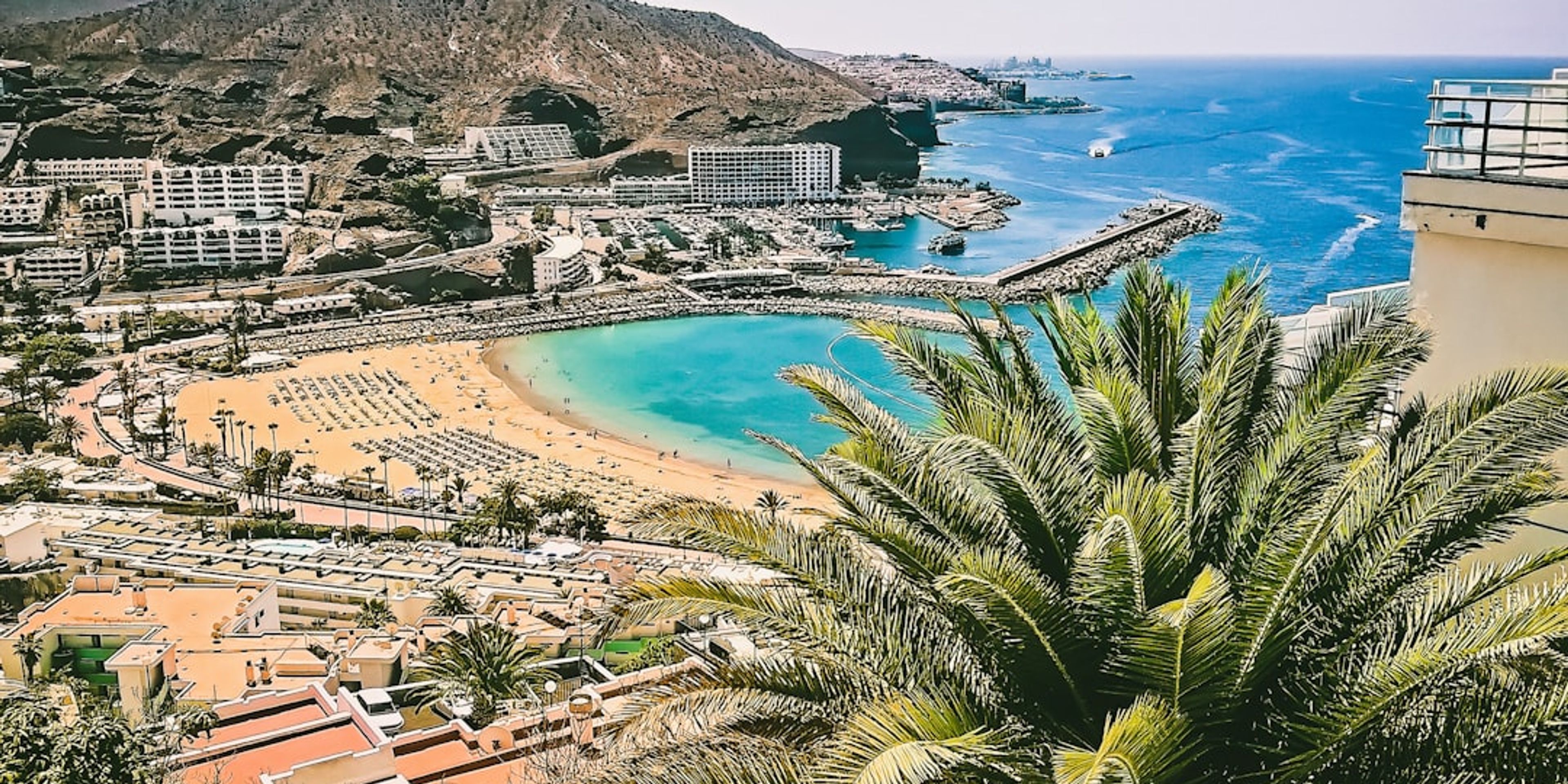
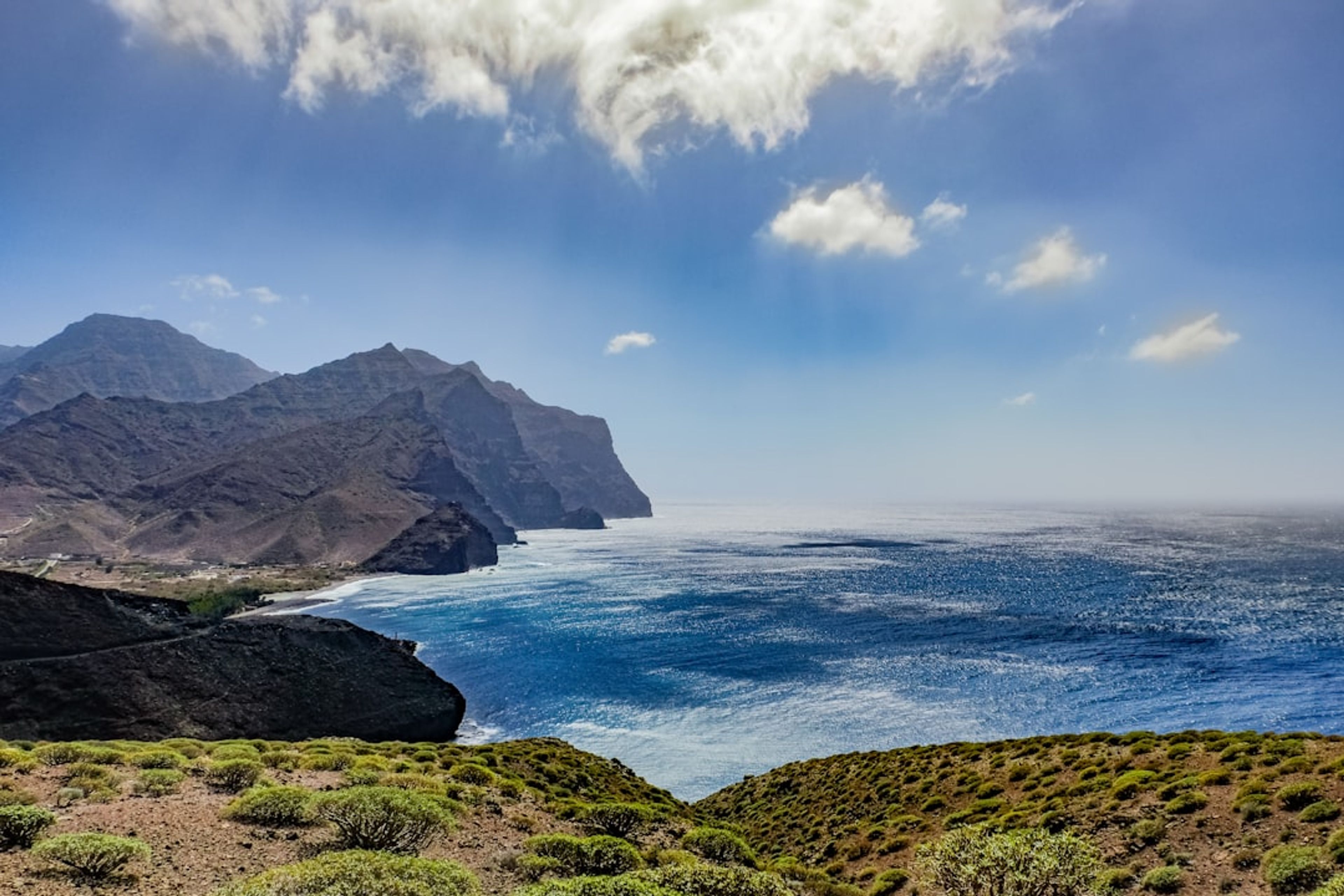
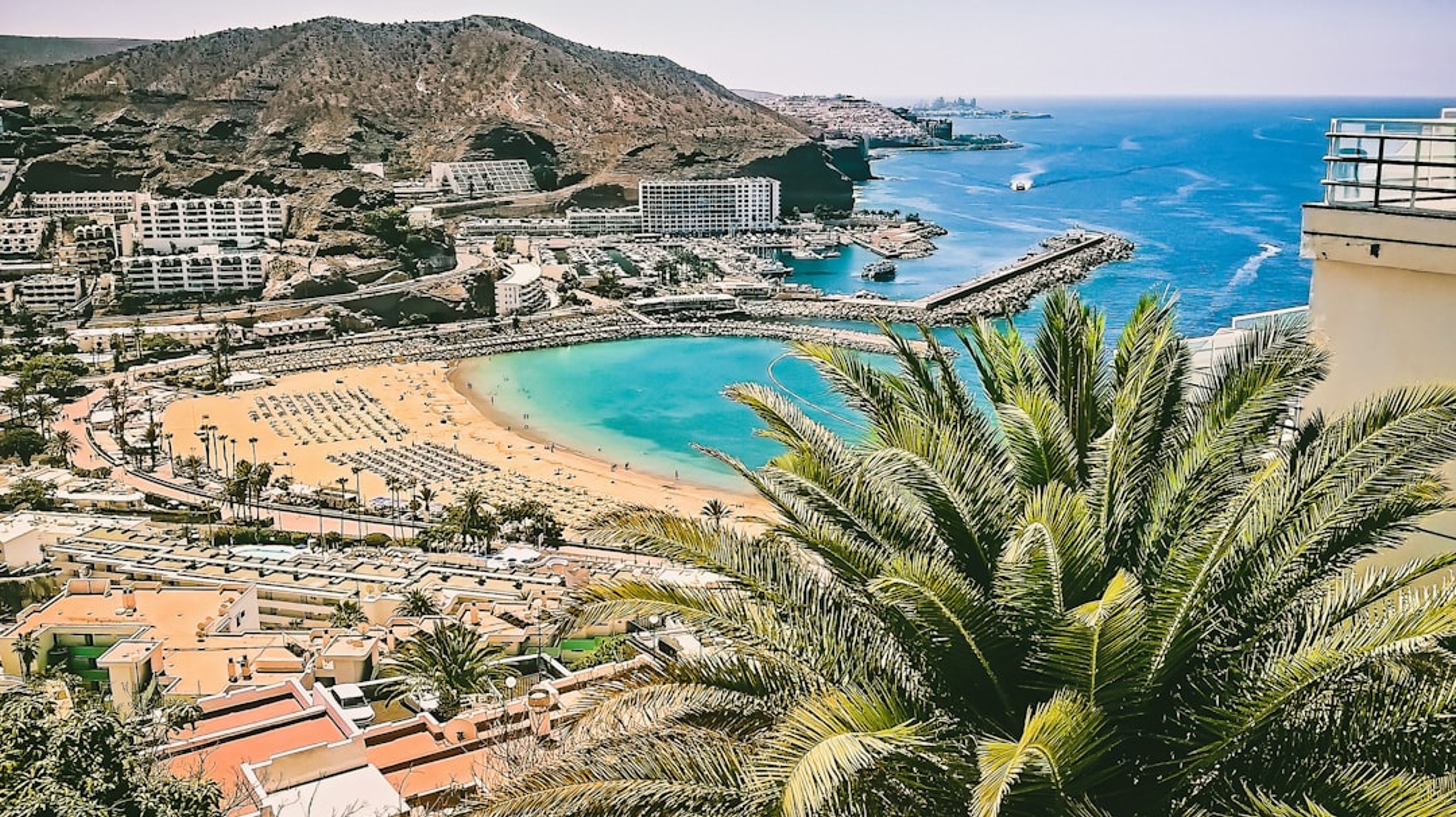
Gran Canaria is often described as a continent in miniature, and the label holds up: within 50 kilometres the island moves from the sand dunes of Maspalomas to pine forests, volcanic craters and the 1,949-metre summit of Pico de las Nieves. The south is where the resorts sit, the north is greener and far less developed.
Las Palmas de Gran Canaria, the island's capital, has a genuine city life alongside the urban beach at Las Canteras and the colonial quarter of Vegueta where Columbus stopped en route to the Americas. In the interior, whitewashed villages such as Tejeda and Agüimes sit under the monolith of Roque Nublo.
Temperatures hold between 18°C and 27°C all year, which makes Gran Canaria a reliable winter-sun destination as well as a summer one. A hire car is the best way to see the island properly, since the mountain roads reach places buses do not.

Country
Spain
Region
Canary Islands (Las Palmas province)
Population
~855,000 island-wide
Elevation
Sea level to 1,949 m (Pico de las Nieves)
Time Zone
WET (UTC+0), WEST in summer
Currency
Euro (EUR)
Language
Spanish
Nearest Airport
LPA (Gran Canaria), 18 km from Las Palmas
Airport to City Centre
~25 min to Las Palmas, ~30 min to Maspalomas by Global bus
Typical Cost Level
Budget to Mid-range
Transport Pass
Global bono card for island buses
Spring (Mar-May)
19-23°C
Summer (Jun-Aug)
24-27°C
Autumn (Sep-Nov)
23-26°C
Winter (Dec-Feb)
18-21°C
Gran Canaria travel guides
Stay in the loop
Get the latest deals, new destinations, and travel tips delivered straight to your inbox.
No spam, unsubscribe anytime.
Do you need a visa for Spain?
Entry rules, stay length and passport validity by nationality.
Climate averages · 1991–2020
When is the best time to visit Gran Canaria?
The best time to visit Gran Canaria is between April and September, the most comfortable stretch of the year on these averages.
Best time · April–SeptemberRainfall
- Jan18°
- Feb18°
- Mar19°
- Apr20°
- May21°
- Jun23°
- Jul24°
- Aug25°
- Sep25°
- Oct23°
- Nov21°
- Dec20°
Latest travel guides


Gran Canaria Destination FAQ
Gran Canaria works year-round, which is the main reason people go. Winter highs sit around 21°C, making December to March the peak season for northern Europeans escaping the cold. April to June and October are quieter with almost identical weather.
Global buses run from the airport in both directions along the motorway. Line 60 reaches Las Palmas in about 25 minutes to the north, and line 66 reaches Maspalomas and Playa del Inglés in around 30 minutes to the south. Taxis and hire-car desks are at the terminal.
You need a car if you want to see the interior. Buses connect the coastal towns well, but the mountain villages, Roque Nublo trailheads and the west-coast road are much easier with your own transport. Hire is cheap by European standards and the roads are good, if steep and winding.
A week suits most trips to Gran Canaria. That allows several beach days plus two or three days exploring the mountains, Las Palmas and the north coast. Shorter breaks of four days work if you stay in one region.
It depends what you want from the trip. Maspalomas and Playa del Inglés in the south have the dunes, the reliable sunshine and the resort infrastructure; Puerto de Mogán is quieter and prettier. Las Palmas in the north offers a real city with a great urban beach at Las Canteras, and the mountain villages suit hikers.
Gran Canaria is very safe and sees millions of visitors each year without incident. Petty theft on busy beaches is the only common issue. Take Atlantic swell seriously on the west and north coasts, where currents can be strong and not all beaches are patrolled.
On trip1, you can book hotels across Gran Canaria and pay with over 50 cryptocurrencies including Bitcoin, Ethereum, and USDC. trip1 covers 3 million+ hotels in 190+ countries, making it easy to find and book accommodation with crypto.