
Guides · London
5 Best Things to Do in London During the BFI London Film Festival

CEO and co-founder
The 70th BFI London Film Festival runs from Wednesday 7 October to Sunday 18 October 2026, with the red carpet galas playing on the Southbank Centre's 18-metre Royal Festival Hall screen and the rest of the programme spread across BFI Southbank, BFI IMAX and four West End cinemas. The 2025 edition carried more than 250 films, shorts and series over twelve days, and the full 2026 line-up was published on 2 September. The best things to do in London during the BFI London Film Festival therefore split two ways: the venues the festival swallows whole, and the ones it leaves alone.
These five are ordered by how deep inside the festival they sit. BFI Southbank is the engine room, so it goes first. BFI IMAX, a few hundred metres south, holds the largest screen in the country. The Prince Charles Cinema on Leicester Place is an official festival venue by day and an unrepentant repertory house by night. Regent Street Cinema sits outside the programme entirely, which in October is precisely the point. The Cinema Museum in Kennington is furthest out, and quietest.
Every entry gives the exact street address, the nearest Underground station with a walking time, current ticket prices and an hour actually worth turning up at. Pair them geographically rather than chronologically. BFI Southbank and BFI IMAX are under ten minutes apart on foot and work as one afternoon, while the Prince Charles Cinema and Regent Street Cinema are roughly twenty minutes apart through Soho. The Cinema Museum needs its own slot, because it admits visitors only on pre-booked guided tours. Queueing for returns is the one part of this that happens outdoors, so check London weather before you plan to stand on the Southbank for an hour chasing a sold-out screening. Visitors staying into early November should read the Bonfire Night guide as well, since the two events overlap by a weekend. The hotels in London near Waterloo put BFI Southbank and the IMAX within ten minutes on foot and the Soho pair within one short Tube ride.
1BFI Southbank - The Festival's Engine Room, and Why You Arrive at 10:00
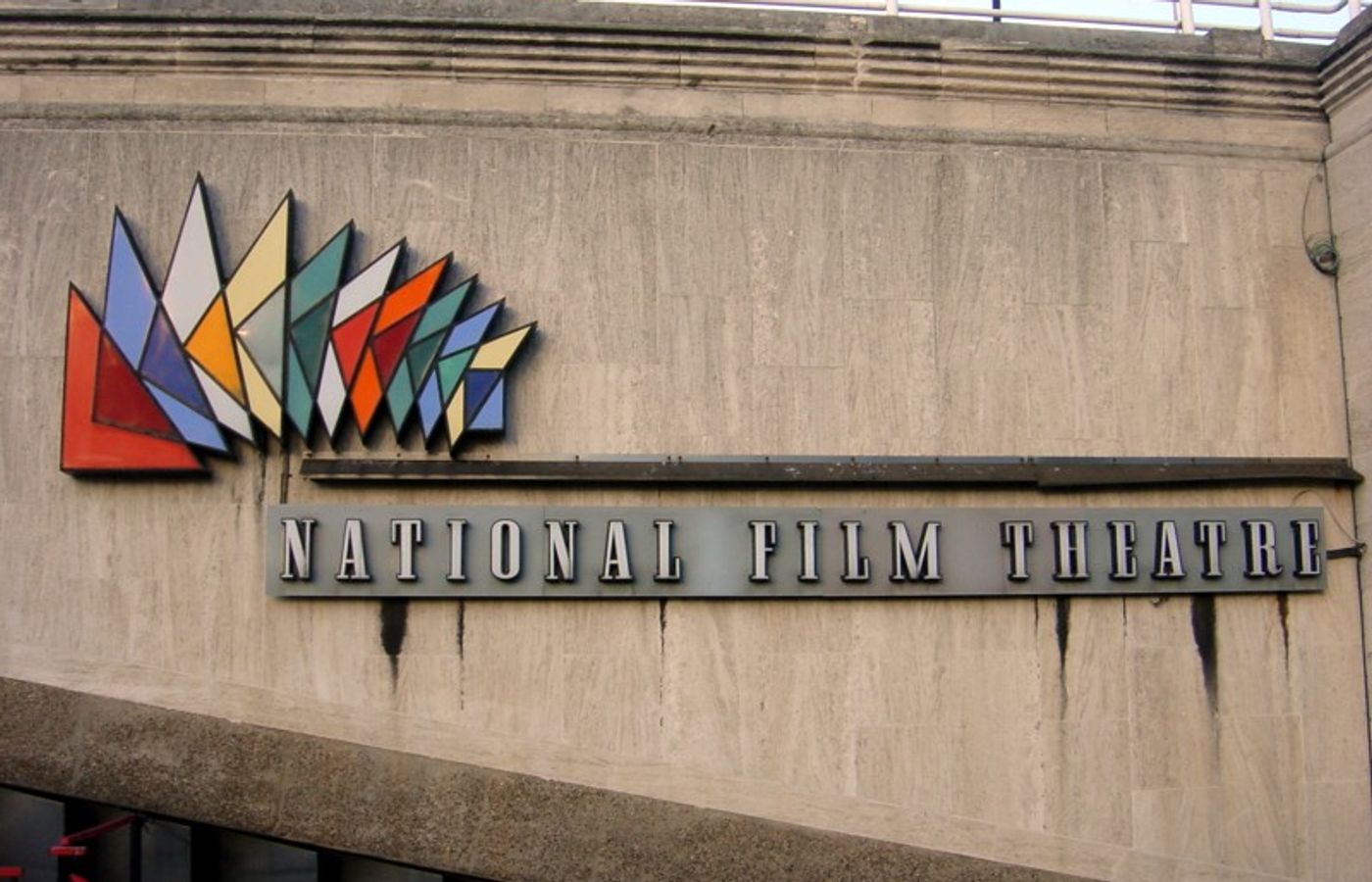

BFI Southbank sits under the southern approach to Waterloo Bridge on Belvedere Road, and it opened as the National Film Theatre on 16 October 1957. Four screens run off a single foyer: NFT1, NFT2, NFT3 and the Studio, which was added in 2007. Norman Engleback designed the original building for the London County Council, and it remains the only cinema in the United Kingdom licensed to project nitrate film. For eleven and a half months of the year this is a calm building with a good bar. During the festival it is not.
From 7 to 18 October 2026 the foyer becomes a queue, the box office works flat out from 11:00 to 20:45, and the printed programme, which ran to 120 pages in 2025, vanishes from the front desk by mid-morning. Standard evening and weekend seats cost £14.50 for non-members and £12.00 for BFI Members, dropping to £9.00 and £6.50 for weekday matinees. Festival screenings started at £10 in 2025, with £6 seats for anyone aged 25 and under, a free scheme worth registering for before you travel.
The counter-intuitive move is to ignore the screens altogether. The BFI Mediatheque on the ground floor costs nothing, opens Tuesday to Sunday from 11:00 to 21:00, and hands you a booth and headphones to pull whatever you like out of the BFI National Archive. During festival week it is the emptiest room on the South Bank, because everybody else is upstairs trying to talk their way into a sold-out premiere.
Pro Tip: Standby tickets for sold-out festival screenings are released daily at 10:00 on the festival website, and the Belvedere Road box office opens at 11:00, which is where returns surface. Do both on the same morning rather than picking one.
2BFI IMAX - The One Screen Big Enough to Justify the Surge
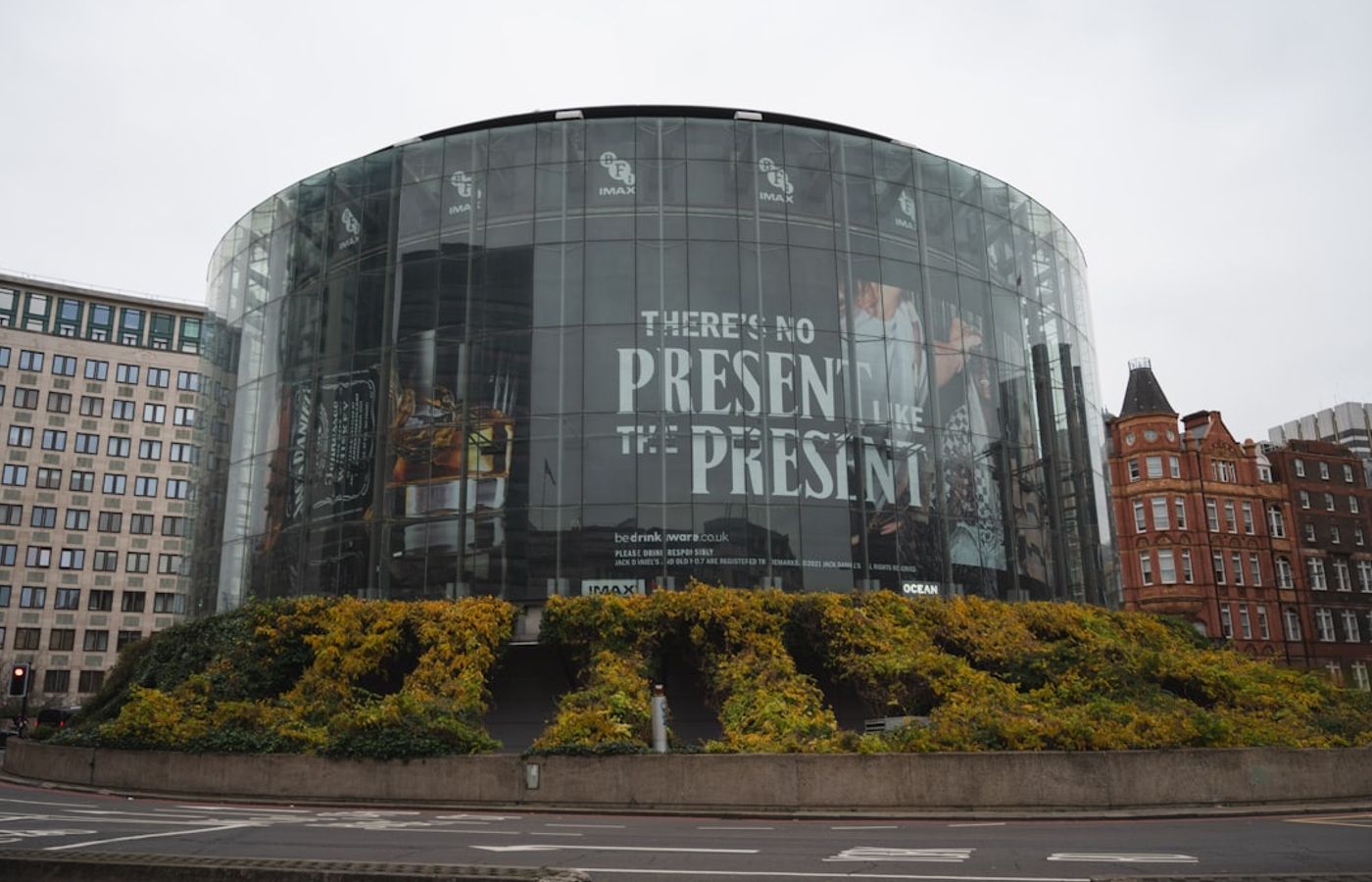

The BFI IMAX stands on its own island in the middle of the Waterloo roundabout, where Waterloo Road, Stamford Street, York Road and Waterloo Bridge all converge. Bryan Avery designed the glass drum, it opened in May 1999, and the British Film Institute took operation back from Odeon Cinemas in July 2022. The screen was rebuilt that same year at 25.9 metres wide and 19.8 metres tall, making it the largest in the United Kingdom. The auditorium seats 493 people, four of those spaces for wheelchairs.
The festival programmes a handful of large-format titles here every year, and those sell out before anything at BFI Southbank does. The building also keeps a working 15/70mm projector alongside its single-laser 4K IMAX system, so if the 2026 line-up puts anything on 70mm at Waterloo, that is the ticket to chase hardest. Standard adult admission starts at £12 and children aged 14 and under from £10. BFI Members take £2.50 off each seat and avoid the £1 per ticket booking fee.
Seating is banded into Standard, Premium (central, rows L to N) and VIP (rows P and Q, wider with more legroom). On a screen 25.9 metres across the back half is genuinely better than the front, so the surcharge earns its keep. The box office opens thirty minutes before the first screening of the day, which in festival fortnight is often mid-morning rather than lunchtime.
Pro Tip: Use the pedestrian subways from Waterloo station instead of crossing at street level. They surface directly on the IMAX island in about two minutes, and on festival evenings the surface crossings around the roundabout jam solid.

3Prince Charles Cinema - Festival Venue by Day, Repertory House by Night
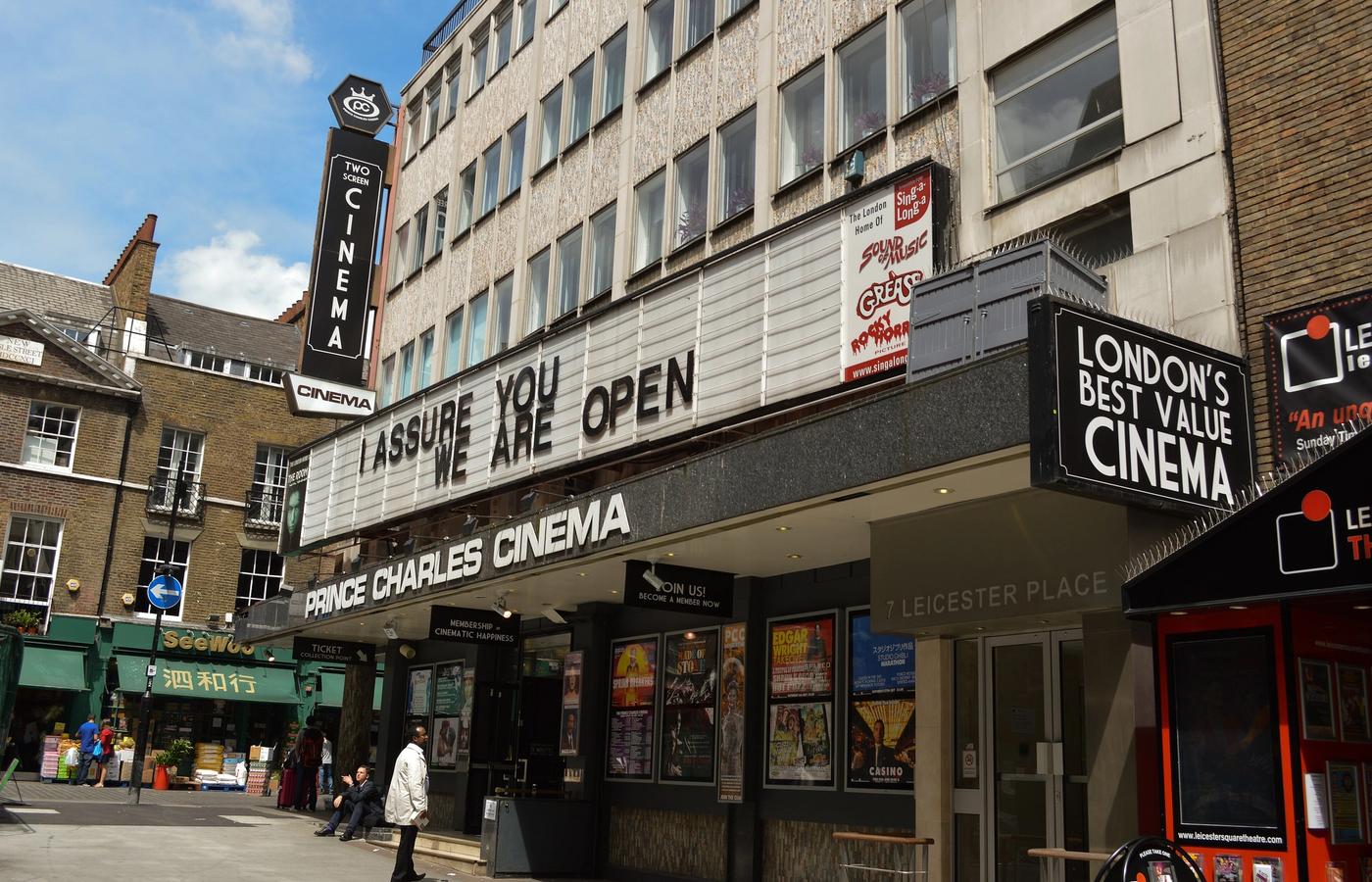

The Prince Charles Cinema occupies 7 Leicester Place, fifty yards north of Leicester Square, in a building put up as a theatre in the early 1960s and converted to repertory in 1991. Two screens hold 404 seats between them, 300 downstairs and 104 in the upstairs room. It is an official BFI London Film Festival venue for 2026, which means part of the programme plays here, a two-minute walk from Leicester Square station and nowhere near the South Bank crush.
What makes it useful in October is that it refuses to clear its own schedule. The repertory strand, the 35mm and 70mm season, the sing-alongs and the all-night marathons all keep running alongside the festival titles, so when everything official has gone there is still something starting. Non-members pay £14.50 for evenings, weekends and bank holiday matinees, and £11 for weekday matinees. A £15 annual membership brings those to £11.50 and £8, adds 15% off the bar and unlocks the regular £1 members' screenings.
Westminster City Council designated the cinema an Asset of Community Value in May 2025 during a lease dispute with its landlord, so the queue on Leicester Place during festival week doubles as a show of support. One practical warning: the box office opens only fifteen minutes before the first film, screen doors open ten minutes before the advertised start, and nobody is admitted more than twenty-five minutes in.
Pro Tip: Take the 300-seat downstairs screen over the upstairs room; the rake is steeper and the sound is better. Check the cinema's own listings at 10:00 alongside the BFI standby release, because the overlap between the two is where same-day seats actually appear.
4Regent Street Cinema - Where British Cinema Started, and Nobody Is Queueing
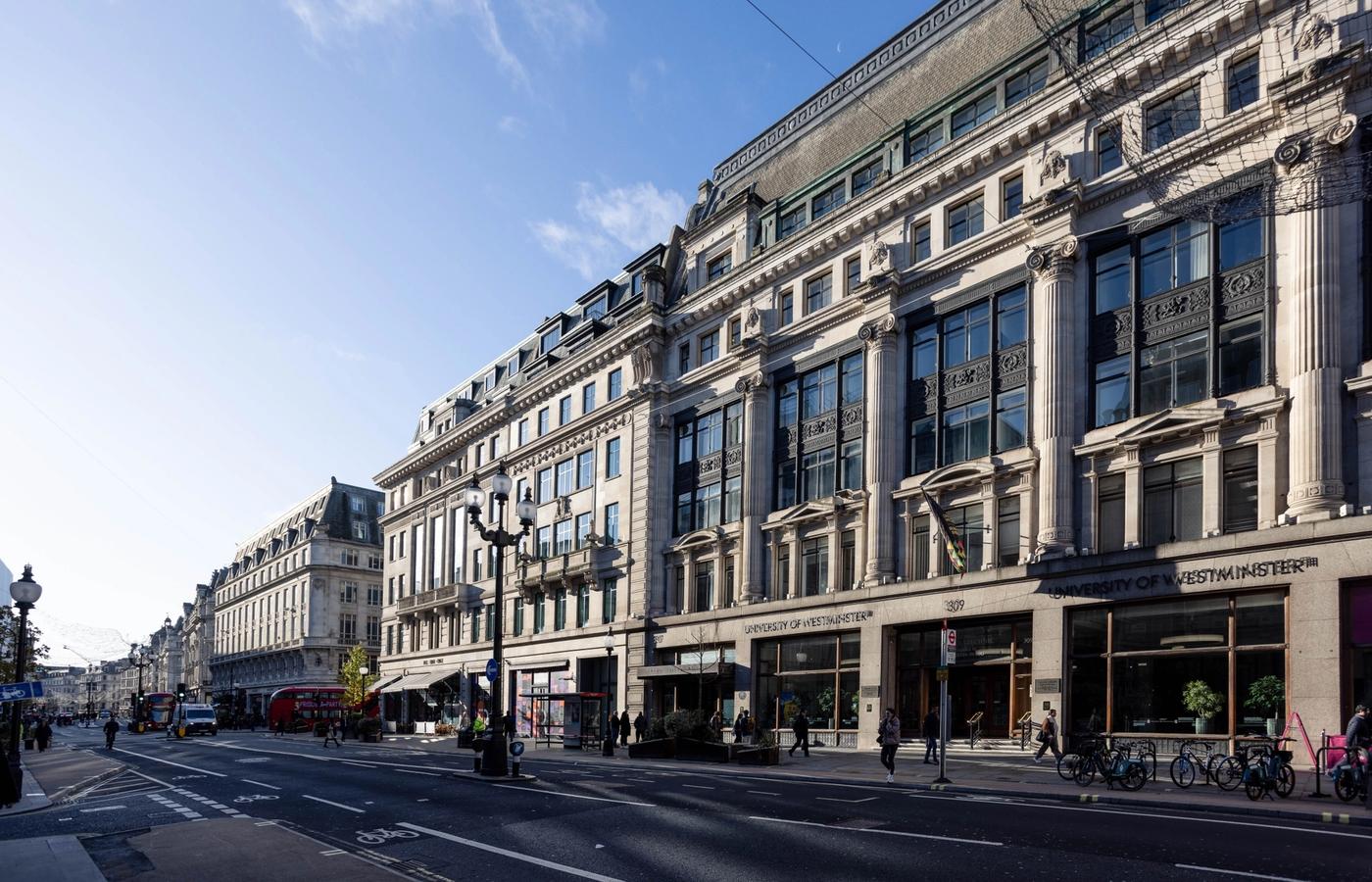
In February 1896 the Lumiere brothers ran their Cinematographe in the Polytechnic Institution's lecture theatre at 307 Regent Street, the first public film screening in Britain. The room closed to the public in 1980, served as a university lecture hall for thirty-five years, and reopened in 2015 after a £6.1 million restoration. It holds 187 seats, is Grade II listed, and kept its 1936 John Compton organ, which is still played at recitals.
The building is not a BFI London Film Festival venue, and that is the argument for going. Two minutes north of Oxford Circus station, it is close enough to the West End festival cinemas to drop into a gap between screenings, and far enough outside the programme that you can walk up on a Friday in October and get a seat. It projects 16mm, 35mm, Super 8 and 4K digital, so repertory here tends to arrive on actual film.
Full-price seats are not cheap. Adults pay £17 after 17:00 on weekdays and all day Saturday, £15 for weekday screenings before 17:00, and £12.50 on Sundays and bank holidays, with concessions at £15, £12.50 and £10.50. The value sits in two standing offers: Choose Days every Tuesday, where you pick £6, £8 or £10 yourself, and the 13:00 Monday matinee for over-55s at £5. Both land inside the festival's twelve days.
Pro Tip: Tuesday 13 October 2026 is the only Choose Days date inside the festival. Pick the £6 tier online, add the 90p transaction fee, and you have a seat in a Grade II listed 1896 auditorium for less than a standby ticket on the South Bank.
5The Cinema Museum, Kennington - Book Two Weeks Ahead or Skip It
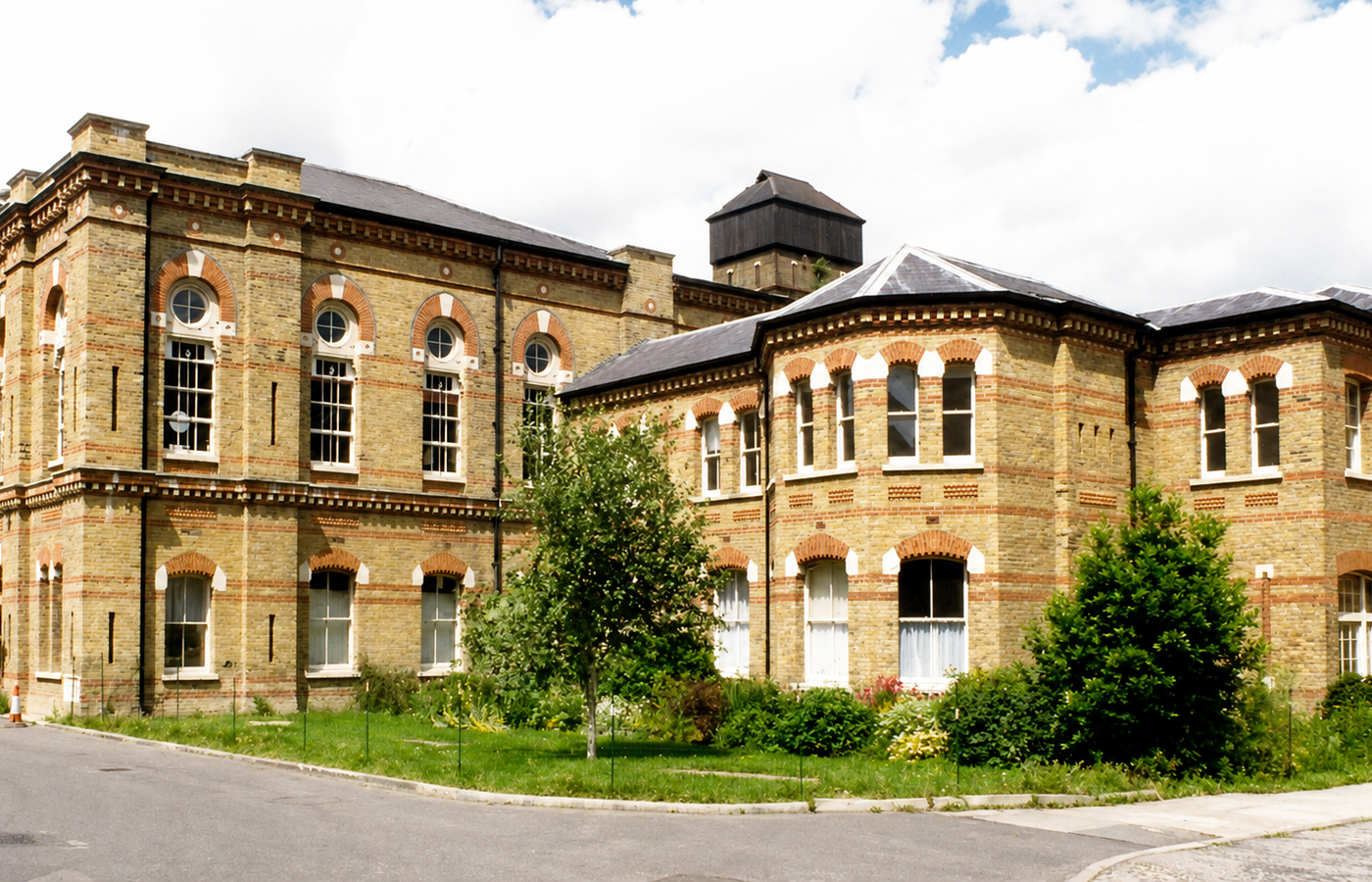
The Cinema Museum occupies the former administration block of the Lambeth Workhouse at 2 Dugard Way, off Renfrew Road in Kennington. Charlie Chaplin was admitted to that workhouse as a child in 1896, when his mother could no longer keep the family together. Ronald Grant and Martin Humphries founded the museum out of their own collection in 1986 and moved it into this building in 1998, where the South London and Maudsley NHS Foundation Trust remains the freeholder.
The holdings are the reason to make the trip: every gauge of film projector ever manufactured, art deco cinema seats, ushers' uniforms from the 1940s and 1950s, an estimated one million photographs and around 17 million feet of film, including Mitchell and Kenyon footage shot between 1899 and 1906. This is not a walk-in museum. Admission is by pre-booked guided tour only, tours run about two hours including roughly thirty minutes of short films, and they cost £15 for adults and £12 concession, with carers free.
Sitting 2.2 kilometres from Charing Cross and entirely outside the festival programme, this is the one entry on the list where the second week of October feels like any other week of the year. Book before you leave home, because there are no drop-in hours and the tour schedule is thin. Three resident cats, Garbo, Marble and Jimmy, run the building.
Pro Tip: Reserve a tour slot at cinemamuseum.org.uk at least a fortnight before you travel, and travel to Elephant & Castle rather than Kennington. It is a ten-minute walk from Elephant & Castle and the route is far easier to follow.
Get hotel deals for London
Price drops, new stays and local tips for London, straight to your inbox.
No spam, unsubscribe anytime.

CEO and co-founder
Tomas is the co-founder and director of trip1, an European company specializing in reservation services. He launched the company in 2025 with a focus on building scalable, efficient operations.
5 Best Things to Do in London During the BFI London Film Festival - FAQ
From Wednesday 7 to Sunday 18 October 2026. It is the festival's 70th edition, and the full line-up was published on 2 September. The 2025 edition carried more than 250 films, shorts and series over twelve days. Standby tickets for sold-out screenings are released on the festival website at 10:00 each morning while it runs.
Mostly on the South Bank and in the West End. Red carpet galas play at the Southbank Centre's Royal Festival Hall, and the rest of the programme runs at BFI Southbank, BFI IMAX and four West End cinemas: the Prince Charles Cinema, Curzon Soho, Vue West End and the ICA. BFI Southbank and BFI IMAX are under ten minutes apart on foot.
Yes. Tickets for festival screenings are sold to the public, one film at a time, so you do not need a pass or an industry badge. A BFI Membership is optional: it gives priority booking, which opened on 10 September for 2026, takes money off each ticket and removes booking fees. Popular premieres sell out fast, so standby and returns matter.
Online at bfi.org.uk. General sale for 2026 opened at 10:00 on 17 September, a week after members' priority booking. For sold-out screenings, check the festival website at 10:00 each morning for standby tickets, then try the BFI Southbank box office on Belvedere Road, which opens at 11:00 and is where returns surface. Doing both on the same morning works best.
Festival screenings start at £10 (about 11.50 euros), or £6 (about 7 euros) for anyone aged 25 and under with a free BFI 25 and Under account. Outside the festival, BFI Southbank charges £14.50 for evening and weekend seats for non-members and £9 for weekday matinees. BFI IMAX starts at £12, with £2.50 off each seat for BFI Members.
Go where the festival crowds are not. The BFI Mediatheque at BFI Southbank is free and quiet. Regent Street Cinema, where Britain's first public film screening took place in 1896, sits outside the programme, and Tuesday 13 October is a Choose Days date with seats from £6. The Cinema Museum in Kennington admits visitors only on pre-booked tours, so book a fortnight ahead.