


Buenos Aires travel guides
Browse and explore the best travel guides in Buenos Aires.
Buenos Aires travel facts
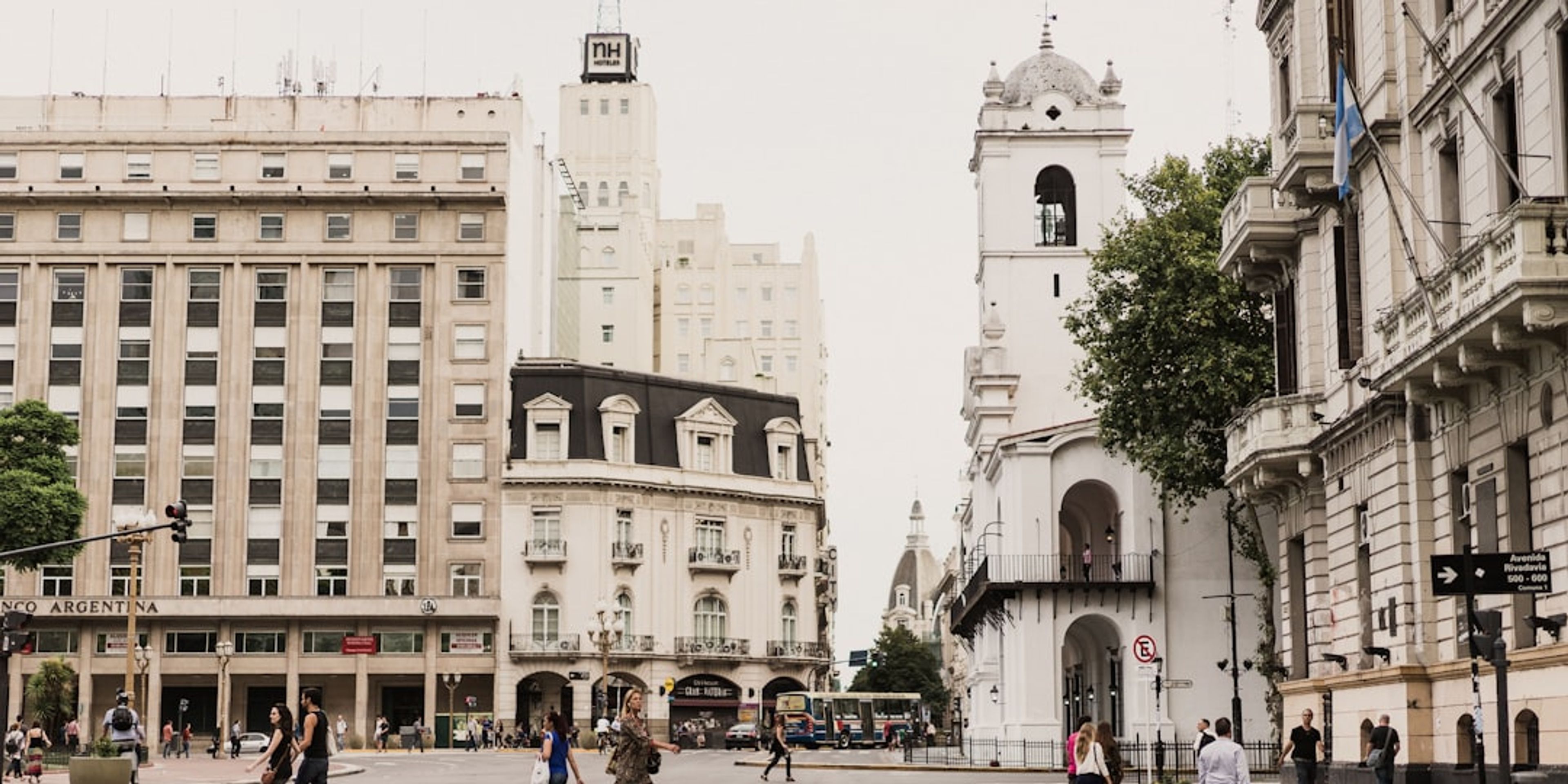
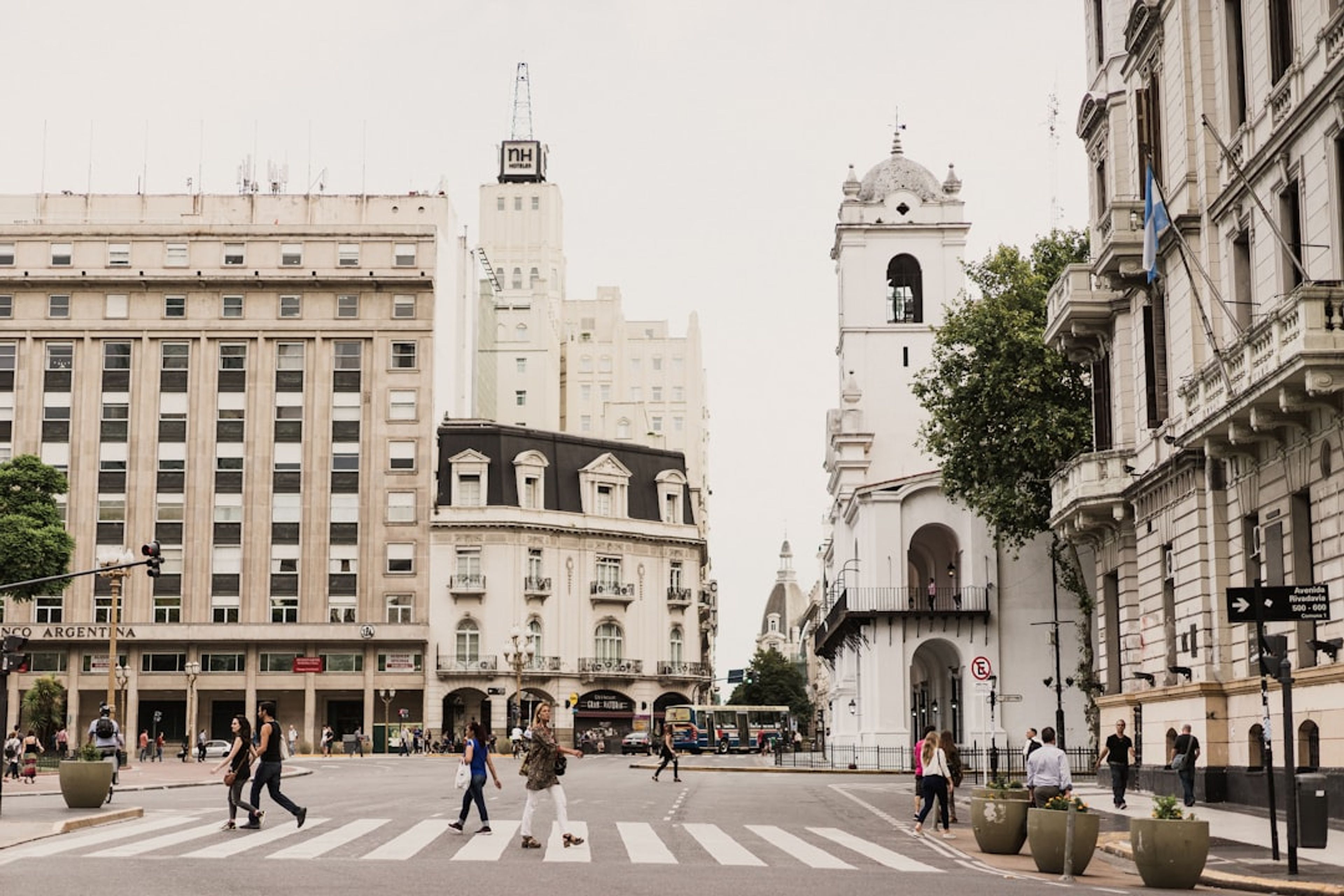
Buenos Aires looks like a European capital that drifted across the Atlantic — Haussmann-style boulevards, Parisian apartment blocks, Italian coffee culture — but it behaves entirely on its own terms. Dinner starts at ten, the bookshops stay open past midnight, and tango is danced in public squares as well as in theatres.
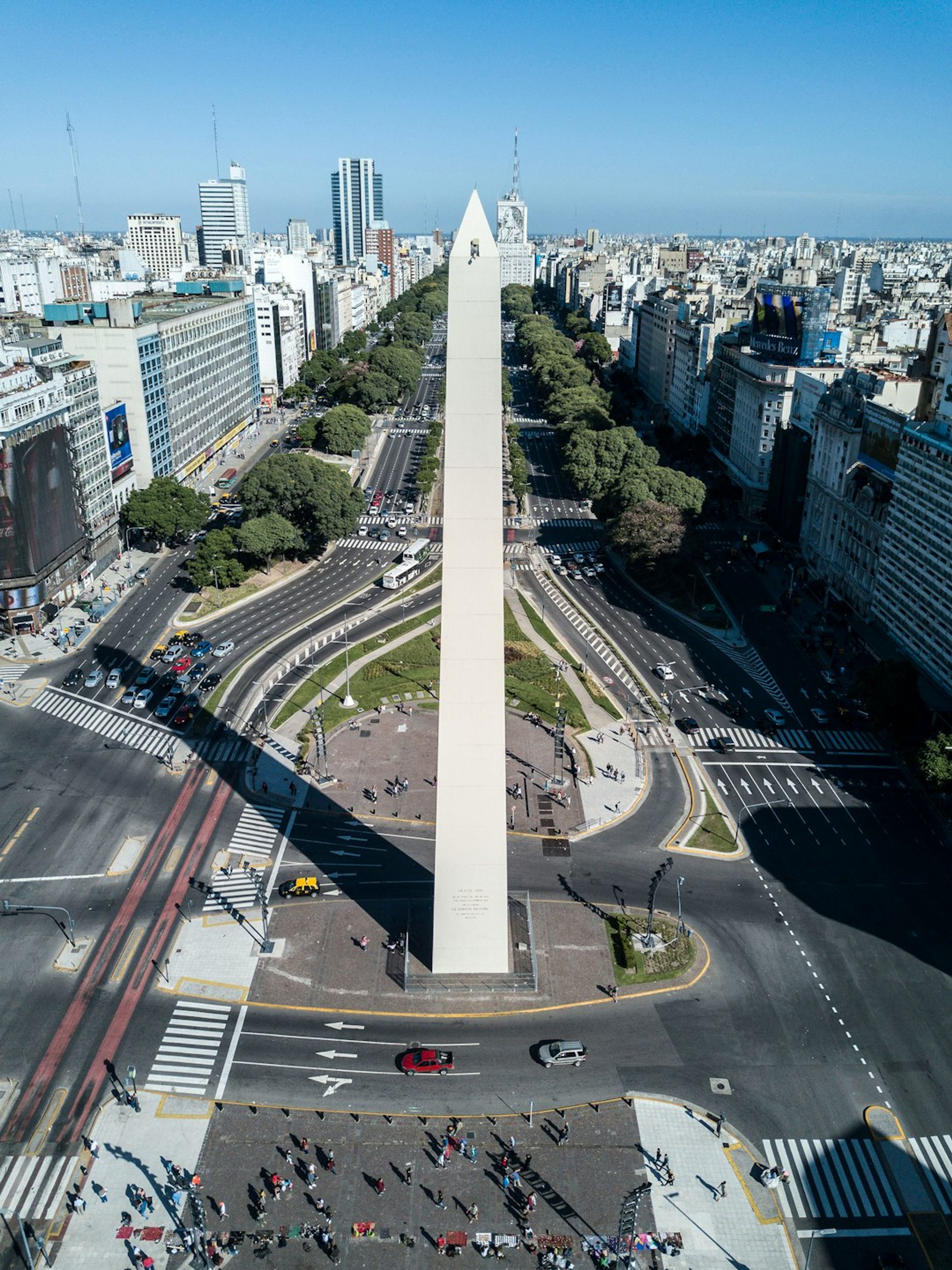
The barrios each have a distinct character: Recoleta with its ornate cemetery where Eva Perón is buried, Palermo's parks, boutiques and restaurants, San Telmo's Sunday antiques market and cobbled streets, and the painted houses of La Boca. Downtown holds the Casa Rosada on the Plaza de Mayo and the Teatro Colón, one of the great opera houses.
Steak and Malbec are the obvious pairing, but the city's Italian heritage means the pizza and pasta are equally serious. Day trips reach the river delta at Tigre in an hour, and Colonia del Sacramento in Uruguay is a ferry ride across the Río de la Plata.
Country
Argentina
Region
Río de la Plata, eastern Argentina
Population
~3.1 million (city), ~15.5 million metro
Elevation
25 m above sea level
Time Zone
ART (UTC-3)
Currency
Argentine Peso (ARS)
Language
Spanish (Rioplatense dialect)
Nearest Airport
EZE (Ezeiza International), 35 km; AEP (Aeroparque), 8 km
Airport to City Centre
~45-60 min by taxi or shuttle from Ezeiza
Typical Cost Level
Budget to Mid-range
Transport Pass
SUBE card for Subte, buses and trains
Spring (Sep-Nov)
17-24°C, jacaranda season
Summer (Dec-Feb)
25-30°C, humid and quieter as locals leave
Autumn (Mar-May)
16-24°C
Winter (Jun-Aug)
10-16°C, cool but rarely freezing
Buenos Aires travel guides
Stay in the loop
Get the latest deals, new destinations, and travel tips delivered straight to your inbox.
No spam, unsubscribe anytime.
Do you need a visa for Argentina?
Entry rules, stay length and passport validity by nationality.
Climate averages · 1991–2020
When is the best time to visit Buenos Aires?
The best time to visit Buenos Aires is between February and April, the most comfortable stretch of the year on these averages.
Best time · February–AprilRainfall
- Jan25°
- Feb23°
- Mar22°
- Apr18°
- May15°
- Jun12°
- Jul11°
- Aug13°
- Sep15°
- Oct18°
- Nov21°
- Dec23°
Latest travel guides

Buenos Aires Destination FAQ
Spring from September to November and autumn from March to May are the best seasons. October brings the jacarandas into flower across the city. January and February are hot, humid and quiet as locals leave for the coast, while winter is cool but perfectly manageable.
Use an official remise or a booked transfer from the arrivals hall, allowing 45-60 minutes. Ezeiza is 35 km from the centre. Tienda León runs a reliable shuttle bus service, and if you land at Aeroparque instead the ride is only 15 minutes.
Buy a SUBE card, which is required for the Subte metro, buses and local trains. The Subte covers the central corridors and the bus network fills everything else. Neighbourhoods like Palermo and San Telmo are best explored on foot.
Four days lets you do Buenos Aires justice. One for the centre and Recoleta, one for Palermo, one for San Telmo and La Boca, and one for a tango show, a football match or a trip to Tigre. The city rewards a slower pace than most capitals.
Palermo is the most popular choice for visitors, with parks, restaurants and boutique hotels across Palermo Soho and Hollywood. Recoleta is more classical and central, and San Telmo suits those who want the historic feel. Avoid basing yourself in the microcentro, which empties at night.
Buenos Aires is safe in the neighbourhoods visitors use, with pickpocketing the main concern. Be particularly careful around La Boca, Retiro bus station and crowded markets, and do not wander outside the tourist blocks of La Boca. Palermo and Recoleta are comfortable to walk at night.
On trip1, you can book hotels across Buenos Aires and pay with over 50 cryptocurrencies including Bitcoin, Ethereum, and USDC. trip1 covers 3 million+ hotels in 190+ countries, making it easy to find and book accommodation with crypto.