

Guides · Buenos Aires
10 Top Places to Visit in Buenos Aires

CEO and co-founder
This guide covers the 10 top places to visit in Buenos Aires, ordered so you can walk them in sensible clusters rather than criss-crossing the city. Every entry carries the exact street address, the nearest Subte station with a realistic walk time, how far the site sits from the centre, and a Pro Tip based on how the place actually works on the ground rather than on what the brochure says.
Entries group by barrio. Recoleta opens the list with its cemetery and, later, the Grand Splendid bookshop on Avenida Santa Fe. Plaza de Mayo, the Casa Rosada and Teatro Colon sit in the centre, all within a twenty-minute walk of one another. San Telmo and La Boca run south along the old port. Palermo takes in the Soho grid and the Bosques de Palermo parkland, while Puerto Madero fills the reclaimed docks just east of the centre. The last two entries break the pattern: an evening of tango in Almagro, and a full day north in the Tigre Delta.
Two days handles the centre, Recoleta and San Telmo. Four gets you Palermo, La Boca and a proper night of tango without rushing anything. Costs appear as rough euro equivalents because the Argentine peso moves fast, so treat every figure as a ballpark and check on the day. Where an area has no Subte service, the entry says so and gives the alternative. Travellers who come expecting something closer to Rio de Janeiro tend to find a city that reads far more like Madrid, from the boulevards down to the dinner hour, and it is worth adjusting your expectations before you arrive rather than on the first evening. The San Telmo market and the tango patios are open-air affairs, so check Buenos Aires weather before you fix which day goes where. The hotels in Buenos Aires around Recoleta and San Telmo keep those first two days walkable and the Subte close.
1Recoleta Cemetery - Marble Mausoleums and Evita's Grave
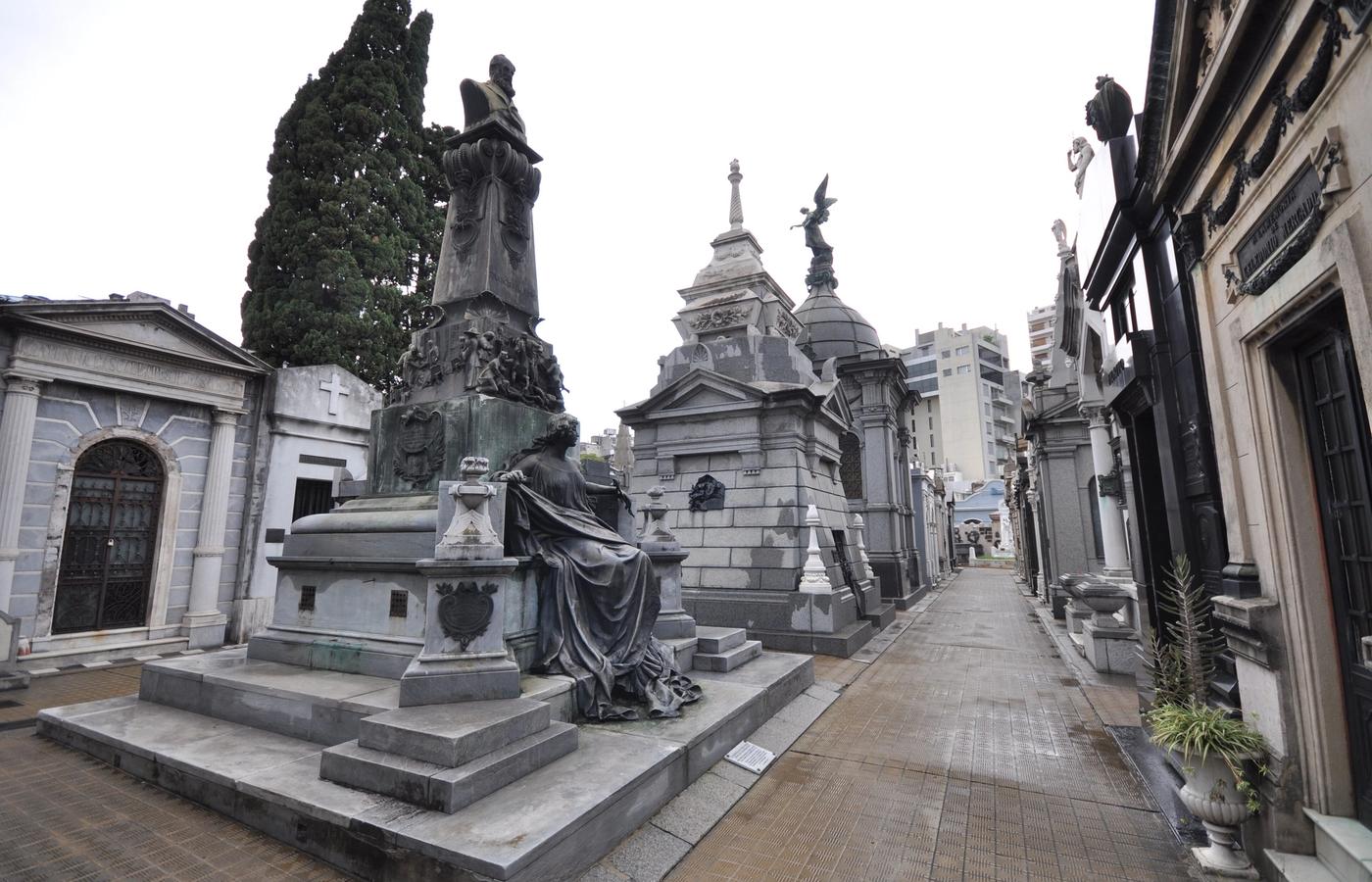

Recoleta Cemetery is where almost every visitor to Buenos Aires ends up, and it earns the attention. Roughly 4,700 vaults line a walled grid of narrow lanes, many of them marble mausoleums with glass doors, bronze fittings and coffins visible from the path. Presidents, generals, Nobel laureates and boxing champions are buried here. The most visited grave belongs to Eva Peron, in the Duarte family vault on a side lane off the main avenue - look for the small crowd and the fresh flowers rather than trying to read the map.
Entry runs around EUR 10 for foreign visitors and the ticket office sits just inside the neoclassical gate on Junin. Allow an hour, longer if you like reading inscriptions. The burial list and the architecture of the vaults are documented on Wikipedia. Gates open daily at 09:00, and the light is best before 11:00 before the marble washes out. Outside the walls, Plaza Francia holds a craft market at weekends and the Basilica de Nuestra Senora del Pilar next door dates to 1732.
Pro Tip: Enter through the Junin gate and turn left immediately. Free English-language walking tours leave from just inside at 11:00 on Tuesdays and Thursdays, and those guides know which vaults are open that week. Ignore the combo tickets sold by touts on the plaza outside.
2Plaza de Mayo and the Casa Rosada - The Political Heart of the City
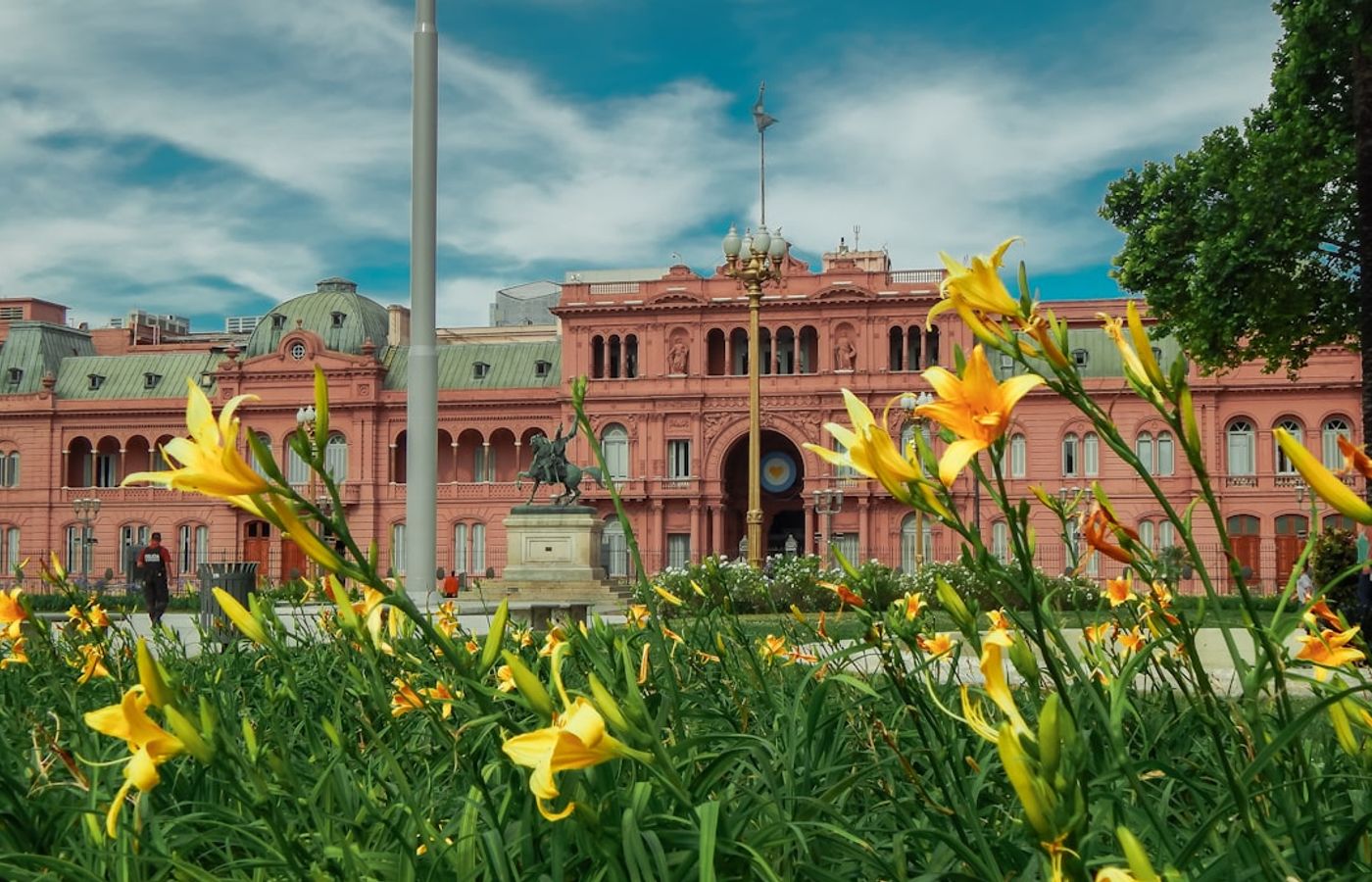

Plaza de Mayo has been the stage for Argentine politics since the May Revolution of 1810: Peron's balcony speeches, the 1955 bombing, the crowds of December 2001. The pink presidential palace, the Casa Rosada, closes the eastern end. Its colour is usually explained as white lime mixed with ox blood, chosen in the 1870s as a neutral shade between Federalist red and Unitarian white. Free guided tours of the interior run at weekends and must be booked online well in advance. The Museo Casa Rosada in the basement, built around the excavated foundations of the old customs house, is free and open Wednesday to Sunday.
The square is ringed by the Cabildo, the colonial town hall of 1610 and now a small museum, the Metropolitan Cathedral holding the tomb of General Jose de San Martin with its permanent grenadier honour guard, and the Banco de la Nacion. White headscarves painted onto the paving stones mark the circuit walked by the Madres de Plaza de Mayo, who have gathered every Thursday afternoon since 1977. Demonstrations here are frequent and generally orderly, but they can close surrounding streets with no notice at all.
Pro Tip: Come on a Thursday around 15:30 for the Madres de Plaza de Mayo march, then walk two blocks down Defensa straight into San Telmo. The changing of the grenadier guard at the cathedral happens roughly every two hours through the day.

3Teatro Colon - One of the World's Great Opera Houses
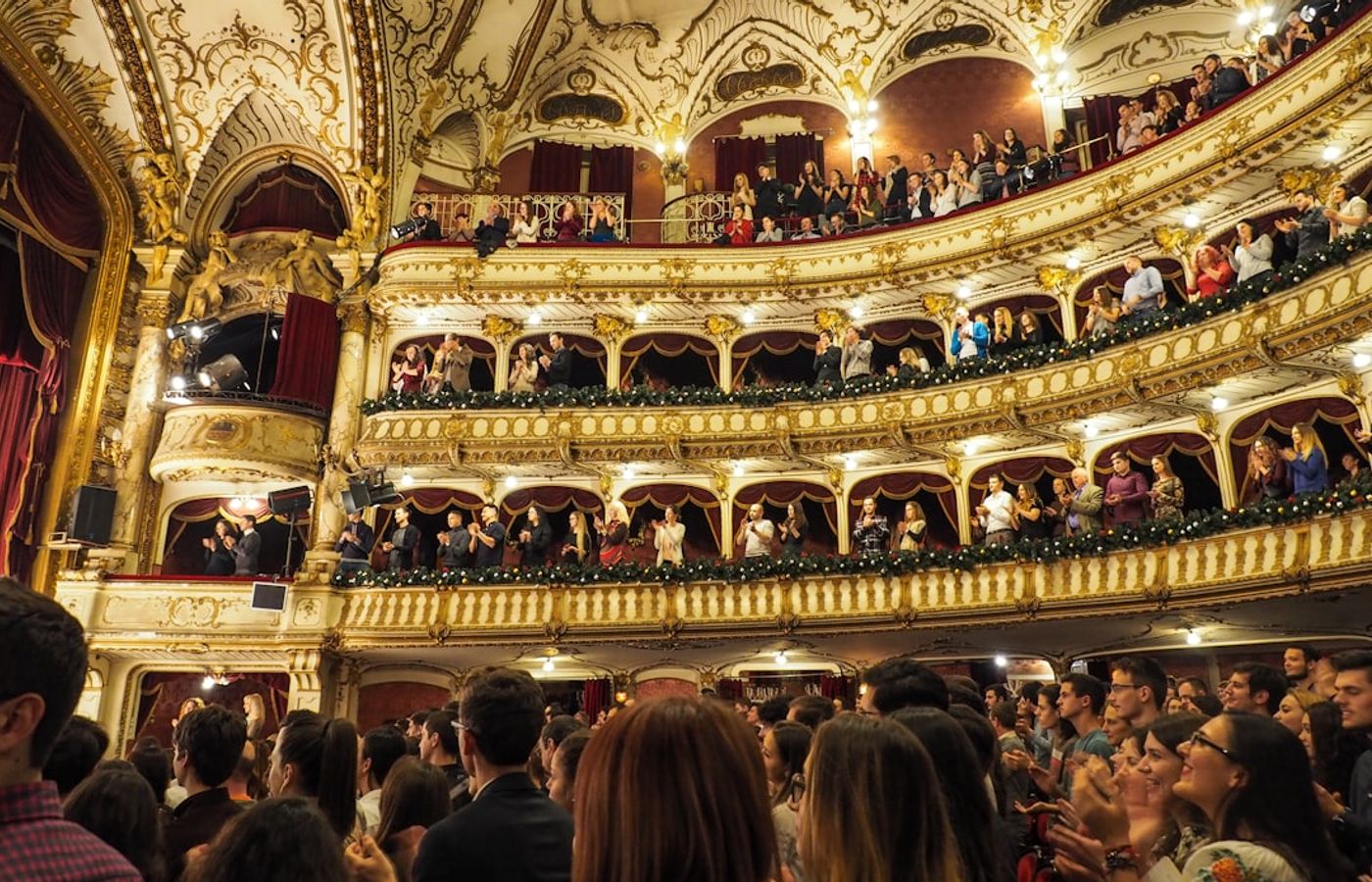

Teatro Colon opened in 1908 after twenty years of construction and three architects, two of whom died before the doors ever opened. The main hall seats about 2,500 with standing room for several hundred more, and its acoustics are routinely ranked among the best of any opera house anywhere. Toscanini, Callas, Nureyev and Pavarotti all worked this stage. The horseshoe auditorium is lined in gold leaf and red velvet beneath a dome painted by Raul Soldi in 1966, and the Golden Hall upstairs borrows its mirrored galleries from Versailles.
Guided tours leave roughly every 15 minutes from 09:00 to 17:00, last about 50 minutes and cost around EUR 20 for foreign visitors; the long construction saga is laid out in the theatre's Wikipedia entry. A cheap upper-gallery seat for a real performance often costs less than the tour and delivers the acoustics as they were designed - the standing paradise level right at the top is the local trick. The season runs March to December.
Pro Tip: Book online the night before for a 09:00 or 09:15 slot. The first two tours of the day are the only ones that reliably get onto the stage itself, and the English-language groups fill fastest.
4Caminito and La Boca - Painted Houses at the Old Port
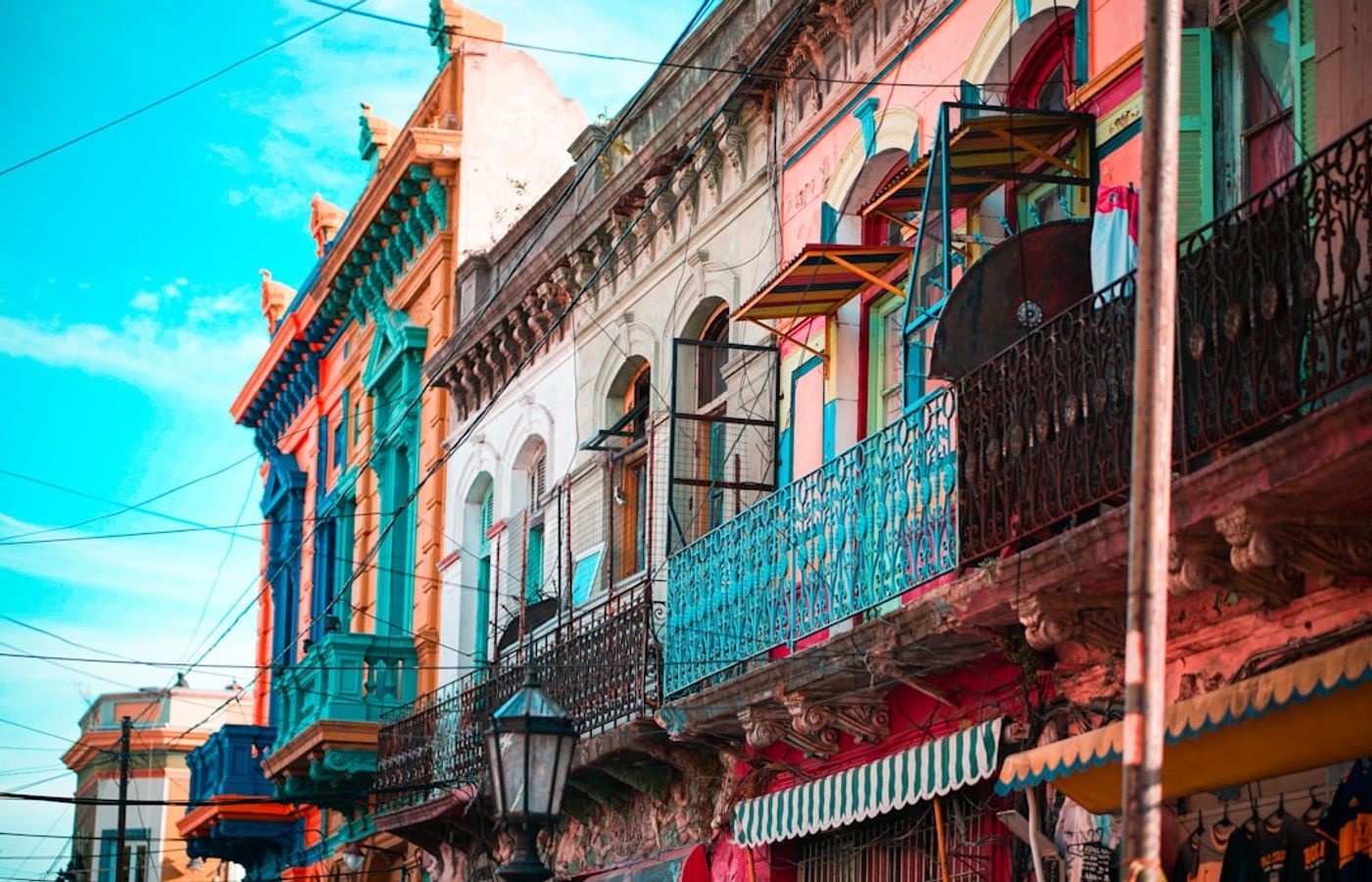
La Boca grew up at the mouth of the Riachuelo as a Genoese dockworkers' neighbourhood. The corrugated iron houses were painted with leftover marine paint scrounged from the shipyards, which is why no two walls match. Caminito is the short pedestrian lane at the middle of it, a disused rail cutting turned into an open-air museum in 1959 at the urging of the painter Benito Quinquela Martin. His studio and home, now the Museo Benito Quinquela Martin at Avenida Pedro de Mendoza 1835, is the strongest thing in the barrio and usually the emptiest.
Two blocks away stands La Bombonera, the Boca Juniors stadium, which runs a museum and stadium tour. A plain practical note: stay on the Caminito tourist blocks and the marked route linking Caminito, the museum and the stadium. The streets beyond are ordinary residential blocks with nothing set up for visitors, and locals will tell you the same thing. Come in daylight, ideally between 11:00 and 17:00, and arrive by taxi or remis rather than walking in from outside the area.
Pro Tip: Eat before you arrive. Restaurants on Caminito charge two to three times the normal rate for indifferent food and frequently add a tango show cover to the bill. A coffee at the Quinquela Martin museum is a far better use of the money.
5San Telmo and the Feria de San Telmo - Sunday Antiques on Cobblestones
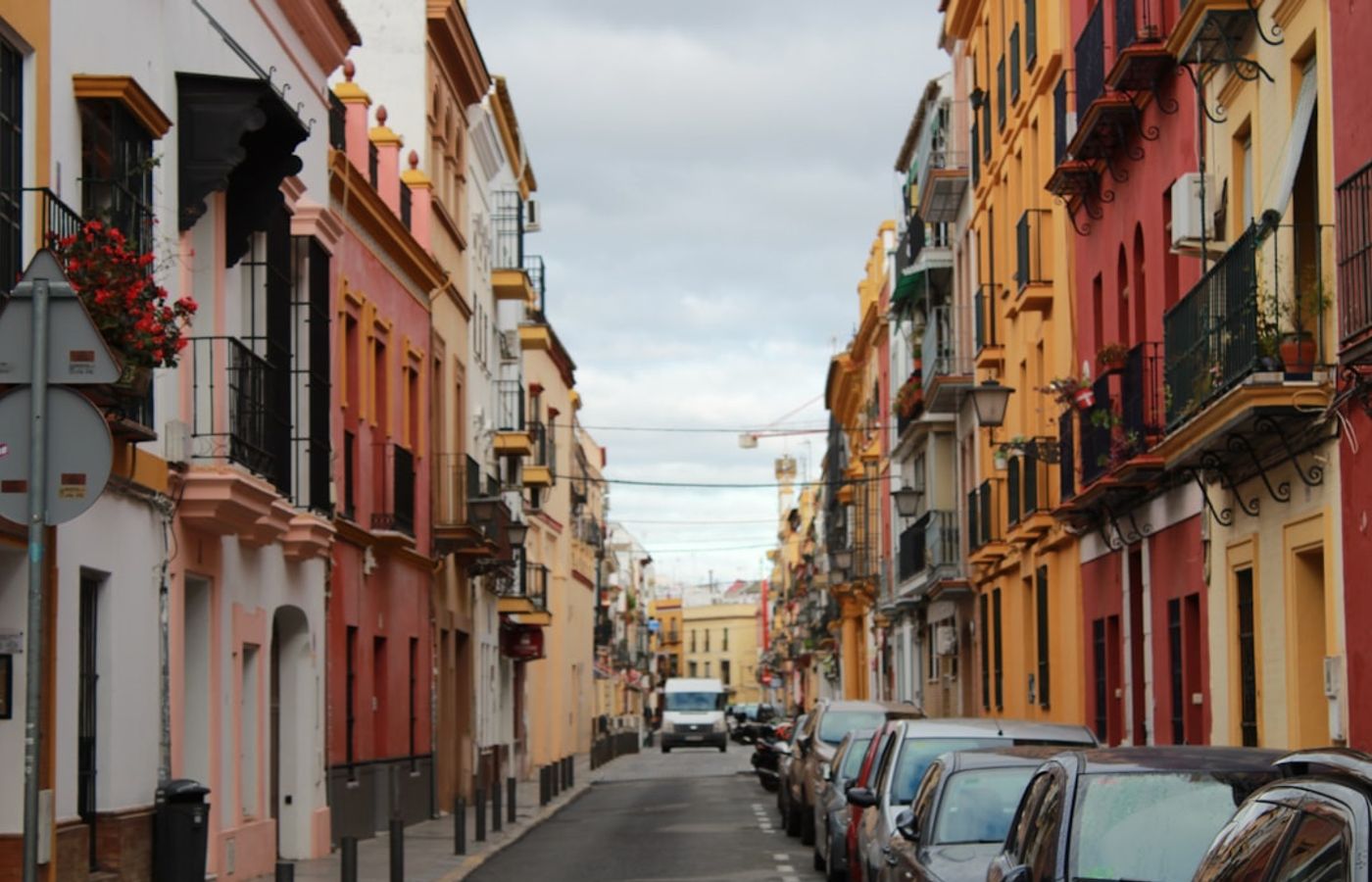
San Telmo is the oldest surviving barrio in Buenos Aires, laid out in the eighteenth century and left largely intact after the wealthy families fled north to Recoleta during the yellow fever epidemic of 1871. Cobbled Calle Defensa runs its full length. On Sundays from about 10:00 to 17:00 the Feria de San Telmo takes over some ten blocks of it, running from Plaza de Mayo down to Plaza Dorrego, with several hundred stalls selling antique soda siphons, silver mate gourds, vinyl, leather and a good deal of ordinary tourist stock.
The permanent Mercado de San Telmo at Bolivar 970, a covered iron-and-glass hall from 1897, trades every day and has quietly become the best place to eat in the barrio: empanadas, choripan, sandwiches de milanesa and a few newer coffee bars sharing floor space with butchers and greengrocers. Plaza Dorrego fills with tango dancers in the late afternoon, though the daytime performers work for tips and the evening dancing is the genuine article. Midweek San Telmo is a different, far calmer place.
Pro Tip: Walk the feria south to north, starting at Plaza Dorrego around 10:30 before the crowd thickens. Carry cash in small notes - most stalls take nothing else and nobody has change for large bills.
6Palermo Soho and the Bosques de Palermo - Design Shops and City Parkland
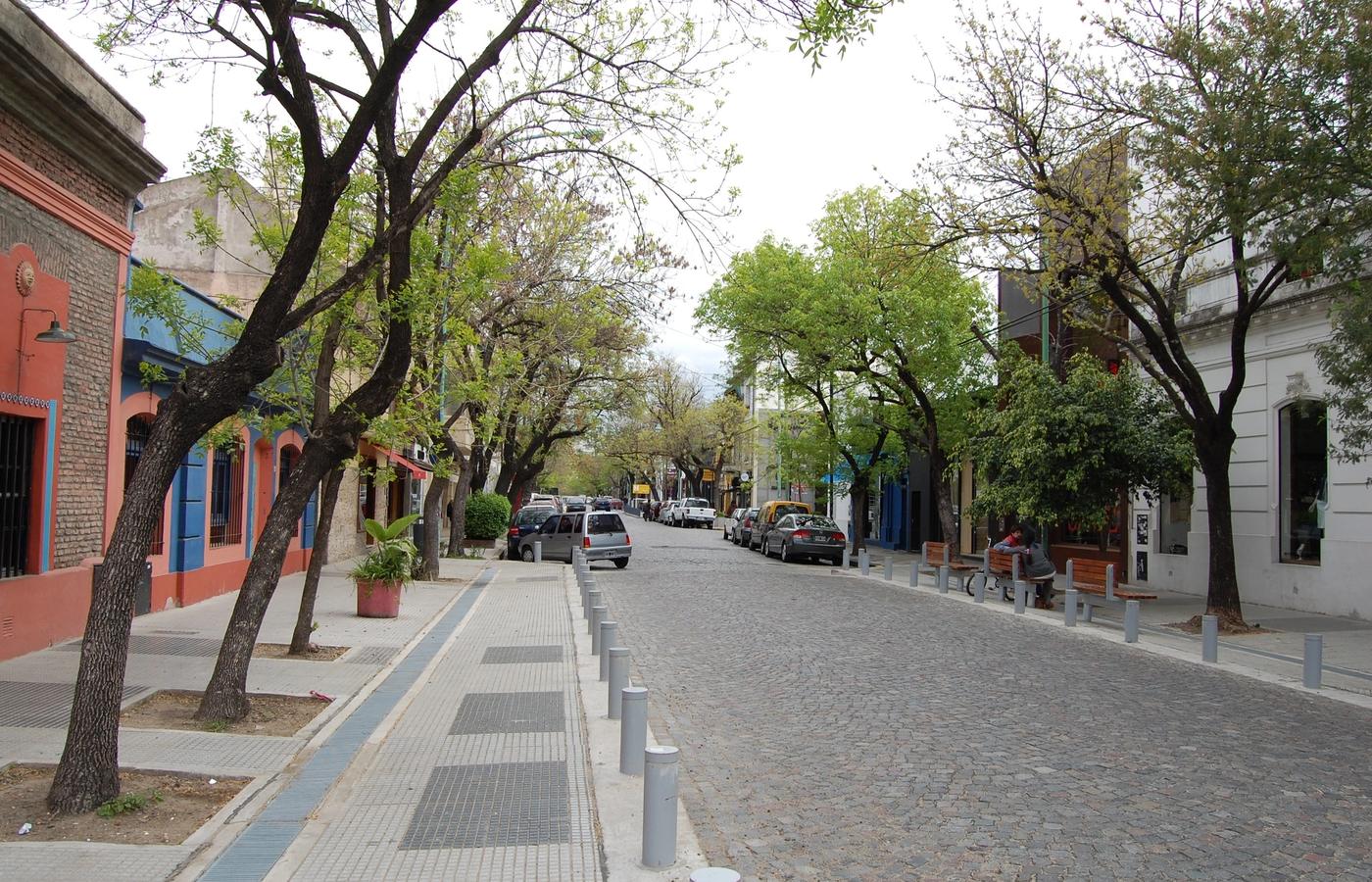
Palermo is the largest barrio in the city and splits into informal sub-districts. Palermo Soho, the grid around Plaza Julio Cortazar where Serrano meets Honduras, holds most of the independent clothing labels, leather workshops, bookshops and small restaurants. The streets are low-rise, heavily shaded and best covered on foot with no fixed plan. Shops open around 11:00 and stay open until 20:00, and dinner in Buenos Aires rarely starts before 21:30, so afternoons here stay quiet.
North across Avenida Santa Fe, the Bosques de Palermo spread over roughly 400 hectares of lakes, rose garden and jacaranda avenues. El Rosedal is free and holds more than 18,000 rose bushes under a white pergola beside the water. The Jardin Japones nearby charges a small entrance fee. Ten minutes further on, the Museo de Arte Latinoamericano de Buenos Aires at Avenida Figueroa Alcorta 3415 holds the country's strongest modern art collection, including Frida Kahlo's Self-Portrait with Monkey and Parrot.
Pro Tip: Pick up an Ecobici city bike at the Plaza Italia dock and ride the park roads on a Sunday morning, when Avenida Figueroa Alcorta and much of the Bosques close to traffic until early afternoon.
7El Ateneo Grand Splendid - A Bookshop Inside a 1919 Theatre
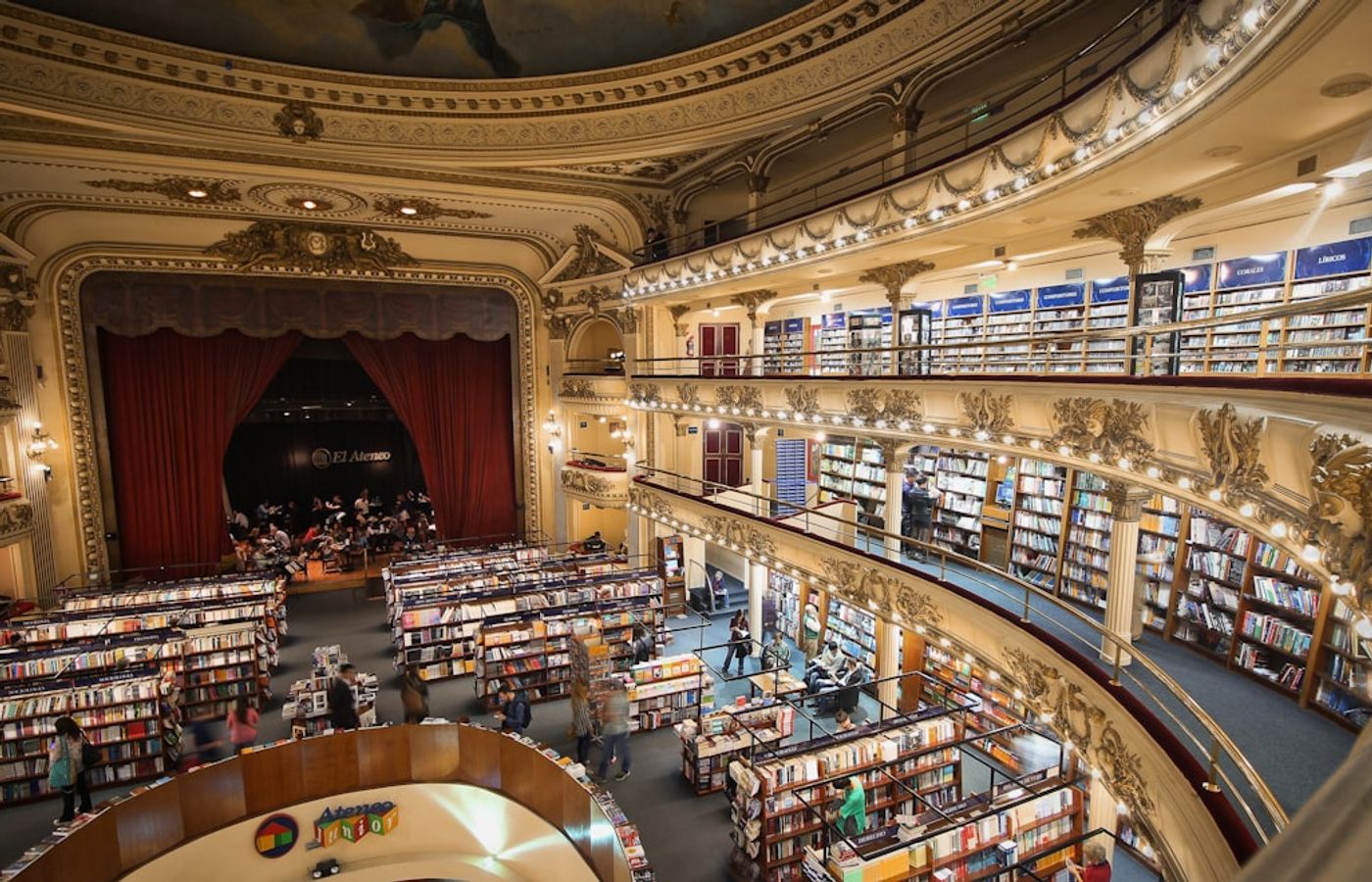
El Ateneo Grand Splendid opened in 1919 as a theatre with 1,050 seats, became a cinema in the 1920s showing Argentina's first sound films, and was converted into a bookshop in 2000 without anyone gutting the interior. The frescoed ceiling by Nazareno Orlandi survives, along with the carved balustrades, the crimson stage curtain and the boxes, which now hold reading chairs instead of theatre seats. Shelves fill the old stalls floor and climb three tiers of balcony.
The stage has been turned into a cafe, so you can sit where the orchestra once played and look out at the auditorium. Stock is mostly Spanish-language, with a reasonable English section on the ground floor and a basement of children's books and sheet music. Entry is free and nobody expects you to buy anything. It fills up from midday onward. The balcony levels are where people actually read rather than photograph, and the acoustics up there still carry.
Pro Tip: Climb to the second balcony on the left side for the clearest view of the Orlandi ceiling and the least foot traffic. Weekday mornings just after the 09:00 opening are close to empty.
8Puerto Madero and the Puente de la Mujer - Reclaimed Docks and a Rotating Bridge
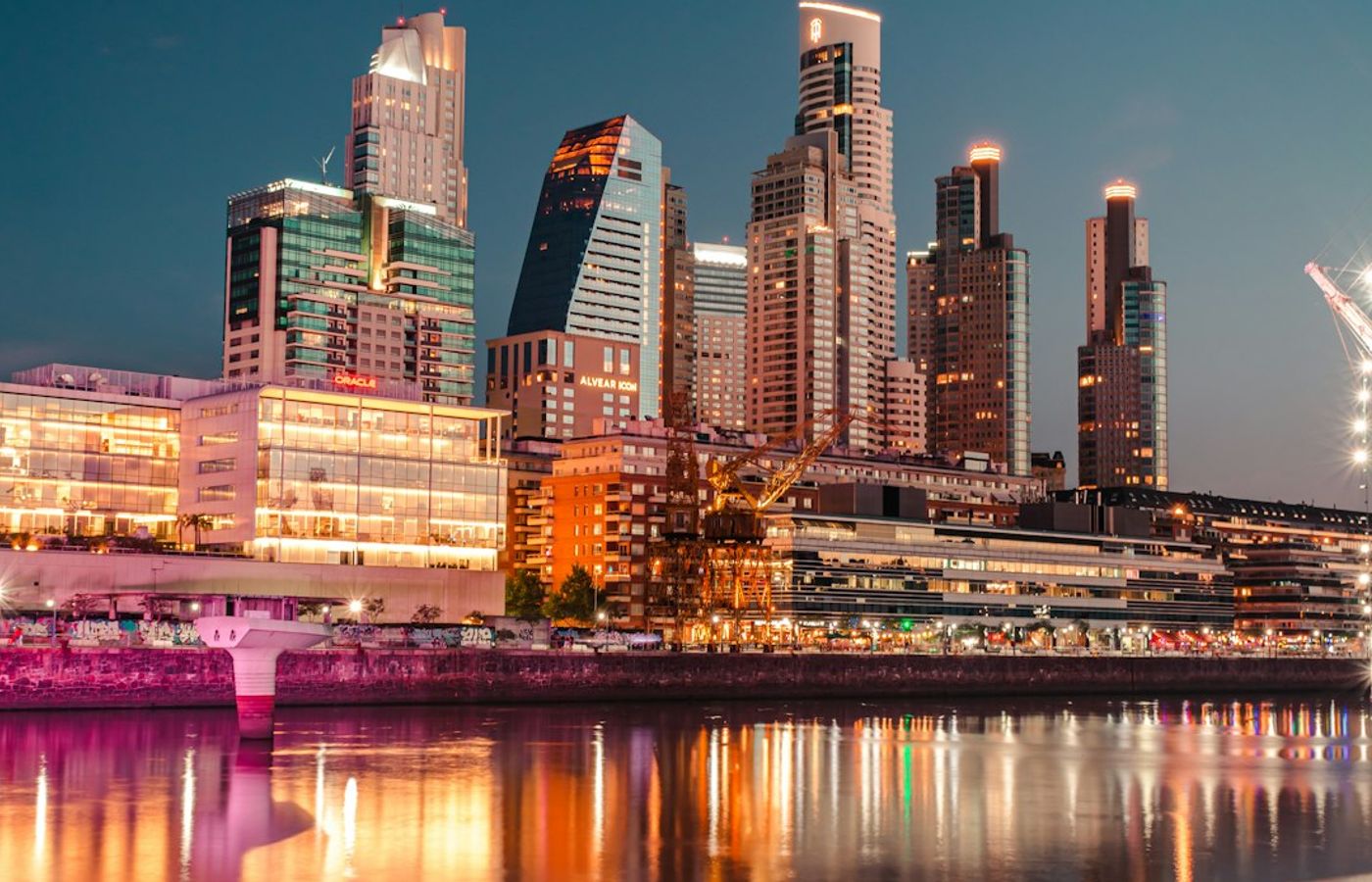
Puerto Madero is the newest barrio in Buenos Aires, built from 1990 onward out of four disused brick docks that had been obsolete almost from the day they opened in 1897. The warehouses along the western quays now hold offices and restaurants; the eastern side is glass towers. The Puente de la Mujer, designed by Santiago Calatrava and installed in 2001, crosses Dique 3 as a white steel span with one angled pylon meant to suggest a couple dancing tango. Its central section rotates to let boats through, although it does so rarely.
Two museum ships are moored along the quays: the Fragata Sarmiento, an 1897 naval training vessel, and the Corbeta Uruguay, which rescued a stranded Antarctic expedition in 1903. Both charge very little to board. Beyond the towers to the east lies the Reserva Ecologica Costanera Sur, 350 hectares of reclaimed riverside grassland with flat gravel paths, free entry and almost no shade. It closes on Mondays and after heavy rain.
Pro Tip: Do this stretch at sunset. Walk the north quay, cross the Puente de la Mujer, then take the coastal path into the Reserva Ecologica before it shuts at 18:00 in winter or 19:00 in summer. Bring water, because there is nowhere inside to buy any.
9A Tango Show or Milonga - Seeing the Dance Properly
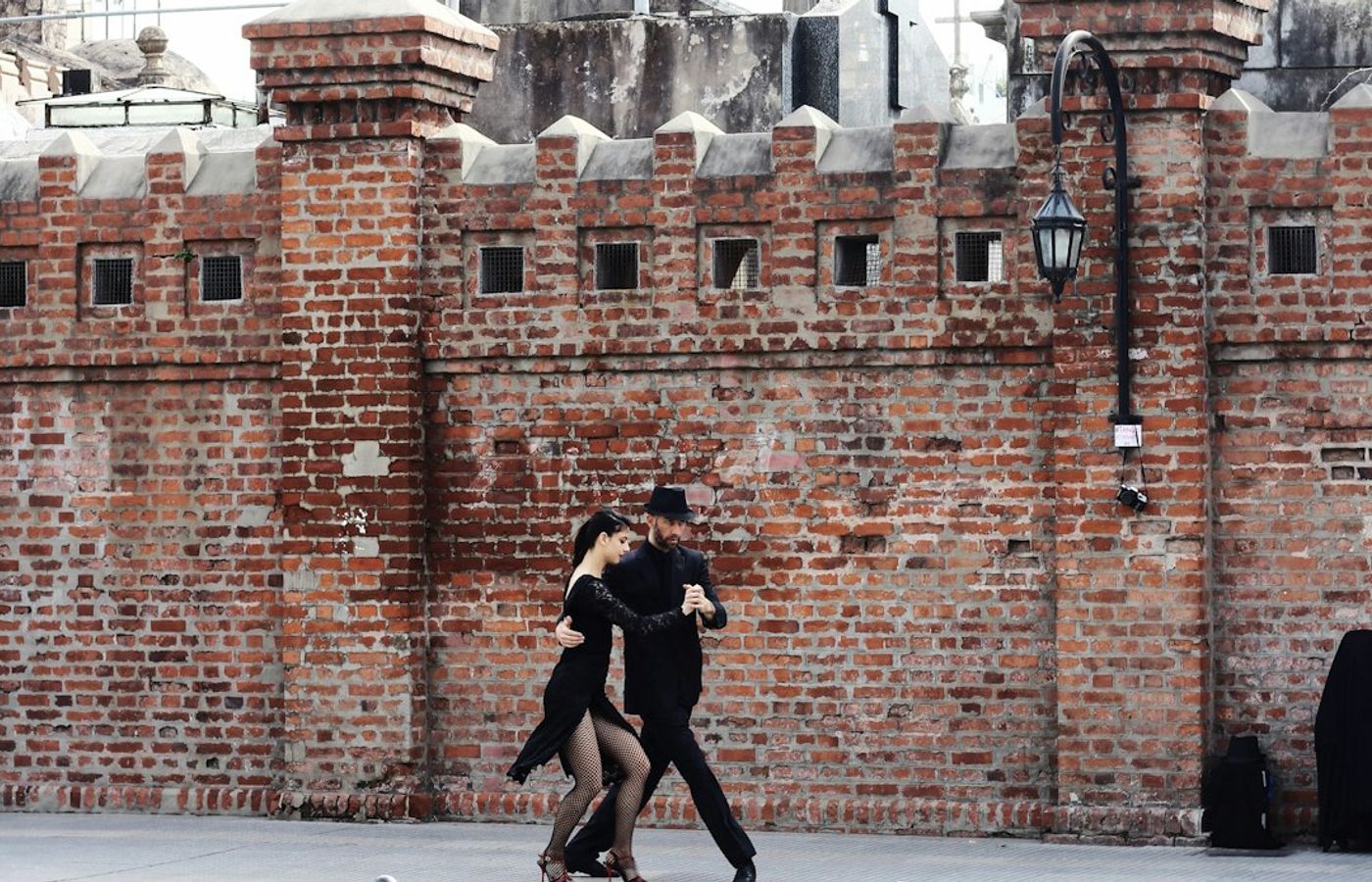
Tango in Buenos Aires splits into two things. A show is staged, choreographed and usually sold with dinner, running roughly EUR 60 to EUR 120 a head at the large houses in San Telmo and Puerto Madero - polished, and worth doing once for the live orchestra. A milonga is a social dance where ordinary people come to dance with each other, entry costs a few euros, and nobody is performing for you. La Catedral Club in Almagro makes the easiest first milonga: a cavernous former grain warehouse, dim, scruffy and genuinely welcoming to beginners.
Most milongas run a class in the early evening followed by open dancing that carries on past 02:00. The dancing follows codes. The cabeceo is an invitation made by eye contact across the room, and tandas of three or four songs are separated by a snippet of non-tango music signalling a change of partner. You can watch all night without dancing and nobody will mind. Salon Canning in Palermo and Nino Bien near Constitucion are the other two names locals give first.
Pro Tip: Check the Hoy Milonga listings the day before, because schedules shift week to week. Turn up for the beginner class around 20:00 even if you have no intention of dancing - it is the fastest way to understand what you are watching later.
10The Tigre Delta - A Day Trip Into the River Islands
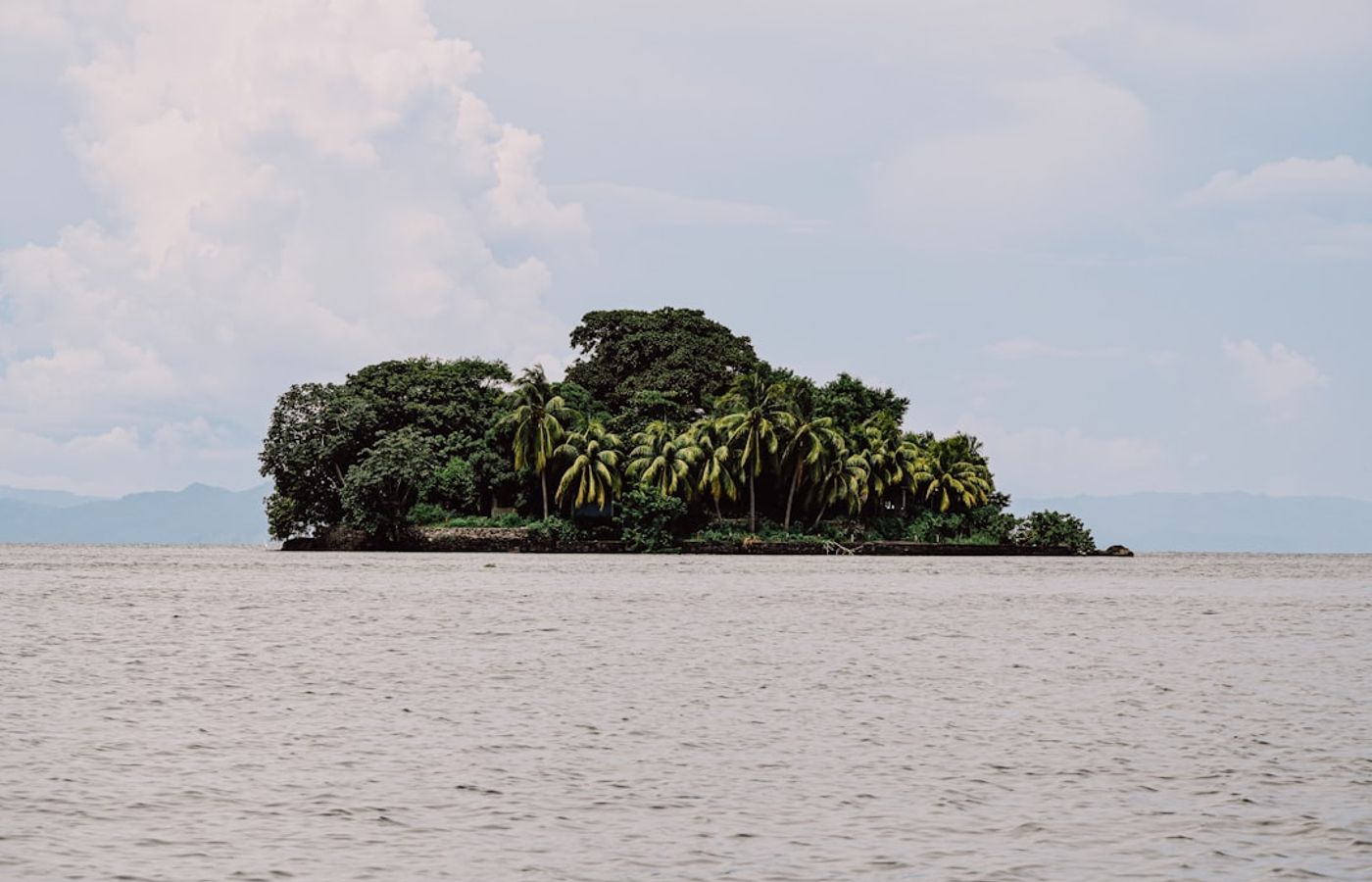
The Parana Delta begins about 28 km north of the city, where the river breaks into thousands of wooded islands laced with brown channels. Tigre is the town on its edge and the jumping-off point. Around 3,000 people live out on the islands with no roads at all, so everything arrives by boat: the school run, the grocery launch, the post. Public launches leave the Estacion Fluvial on scheduled routes to island jetties, cost a few euros, and are far better value than the hour-long tourist catamarans docked alongside them.
In Tigre itself the Puerto de Frutos market sells wicker, furniture and cheap souvenirs, while the Museo de Arte Tigre occupies a 1912 riverside social club worth the entry fee for the building alone. Out on the islands you will find riverside parrillas, swimming spots and old rowing clubs. The water runs silt-brown from sediment rather than pollution. Go on a weekday if you can, because Sunday brings half the city and the launches run full.
Pro Tip: Buy a return ticket on an Interisleña or Lineas Delta public launch to a stop about 40 minutes out, get off, eat lunch at a riverside parrilla and catch a later boat back. Note the return timetable when you board, because services thin sharply after 17:00.

CEO and co-founder
Tomas is the co-founder and director of trip1, an European company specializing in reservation services. He launched the company in 2025 with a focus on building scalable, efficient operations.
Climate averages · 1991–2020
When is the best time to visit Buenos Aires?
The best time to visit Buenos Aires is between February and April, the most comfortable stretch of the year on these averages.
Best time · February–AprilRainfall
- Jan25°
- Feb23°
- Mar22°
- Apr18°
- May15°
- Jun12°
- Jul11°
- Aug13°
- Sep15°
- Oct18°
- Nov21°
- Dec23°
10 Top Places to Visit in Buenos Aires, Argentina - FAQ
No, one day is not enough. A realistic pace is four or five of these places per day. Three entries eat several hours on their own - the Tigre Delta needs a full day, a Teatro Colon tour runs about fifty minutes plus travel, and a tango show or milonga is a late evening in its own right. Three days is the sensible minimum for the whole list.
Group them by barrio rather than by rank. Day one covers the centre: Plaza de Mayo and the Casa Rosada, Teatro Colon, then Puerto Madero and the Puente de la Mujer at dusk. Day two pairs Recoleta Cemetery with El Ateneo Grand Splendid, which sit about ten minutes apart on foot, then runs north into Palermo Soho and the Bosques de Palermo. Keep San Telmo for a Sunday, do La Boca on a bright morning, and give the Tigre Delta a separate day.
Four of them, effectively. Teatro Colon guided tours sell out days ahead between November and February, so book online first. Tango dinner shows almost always need reservations, and the better milonga classes fill up. Recoleta Cemetery sells timed entry for foreign visitors online, which saves queuing at the Junin gate. Free Casa Rosada tours run only at weekends and open for booking weeks in advance. Everything else on the list you can turn up to.
Budget roughly 90 to 130 EUR per person for entries and local transport, meals excluded. Argentine inflation moves peso figures fast, so treat any ARS number you read as indicative and check it the week you travel. Two line items dominate: a Teatro Colon tour and a tango show with dinner together account for more than half the total. Four of the ten places cost nothing at all, including Plaza de Mayo, Caminito, El Ateneo Grand Splendid and the Bosques de Palermo.
Seven of the ten sit within a ten minute walk of a Subte station. Three do not: La Boca has no Subte service and is reached by bus 29, 64 or 152, Puerto Madero is a twelve minute walk east from Leandro N. Alem on Line B, and the Tigre Delta needs the Mitre line train from Retiro. Yes, a SUBE card is required. The Subte, city buses and suburban trains no longer accept cash, and you can buy and top up a SUBE at station kiosks.
Several strong options narrowly missed the ten. The Museo Nacional de Bellas Artes in Recoleta is free and holds the best European collection in South America, while MALBA in Palermo covers Latin American modern art. Football fans should try for a match at La Bombonera or the Monumental. The Feria de Mataderos runs on Sundays for gaucho culture well away from the tourist circuit, and a ferry to Colonia del Sacramento in Uruguay makes a good second day trip alongside Tigre.
Related travel guides
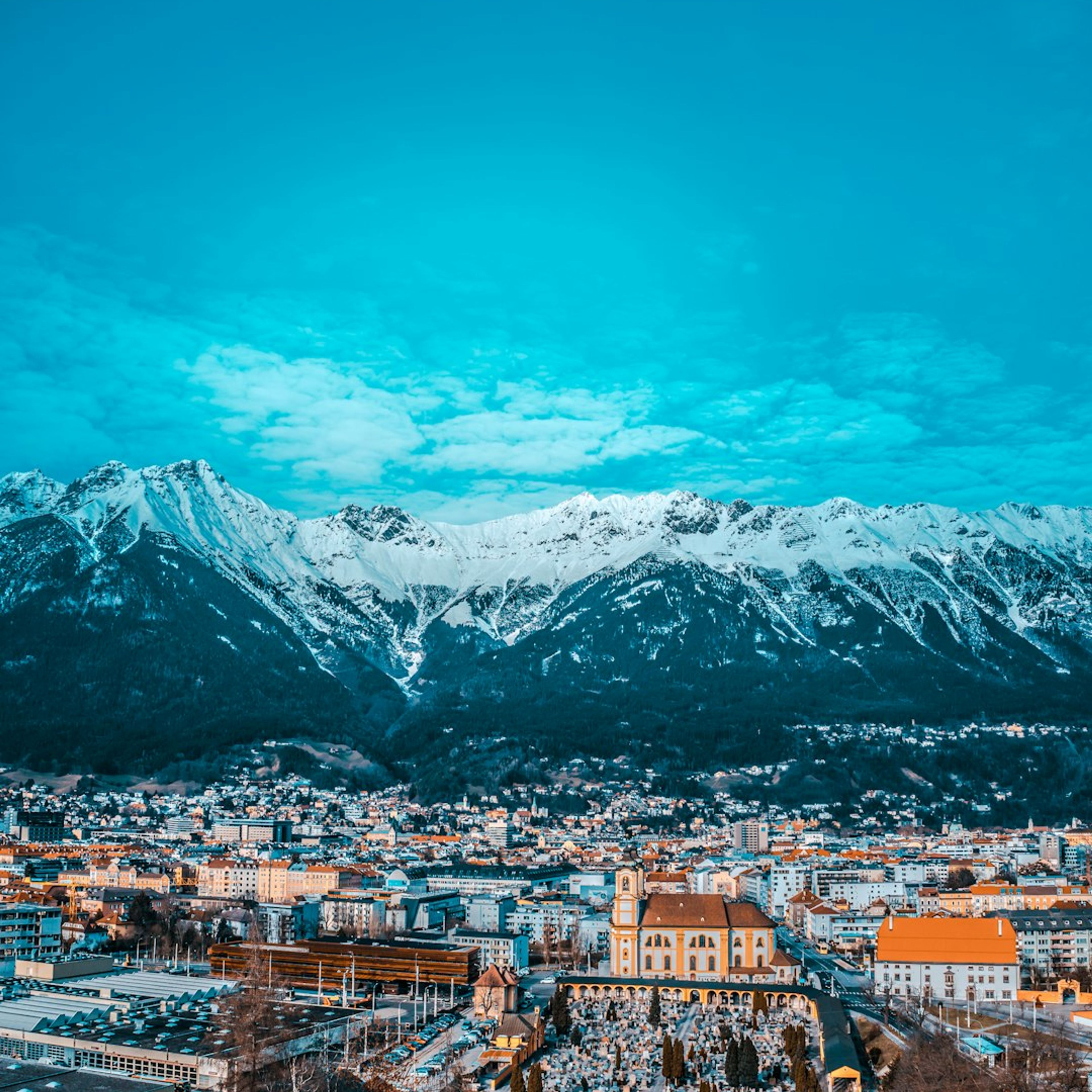
5 Best Ski Slopes Near Innsbruck
Best ski slopes near Innsbruck for 2026/27: the Nordkette Karrinne, two Olympic downhills, the Stubai Glacier Daunhill and Kühtai, with ski bus lines.
5 Best Ski Slopes in Zakopane
The best ski slopes in Zakopane for 2026: Kasprowy Wierch, Harenda, Szymoszkowa, Kotelnica Białczańska and Suche, with prices, lifts and transit.