

Guides · Marrakech
Marrakech in October: Weather, Souks and Atlas Mountain Trips

CEO and co-founder
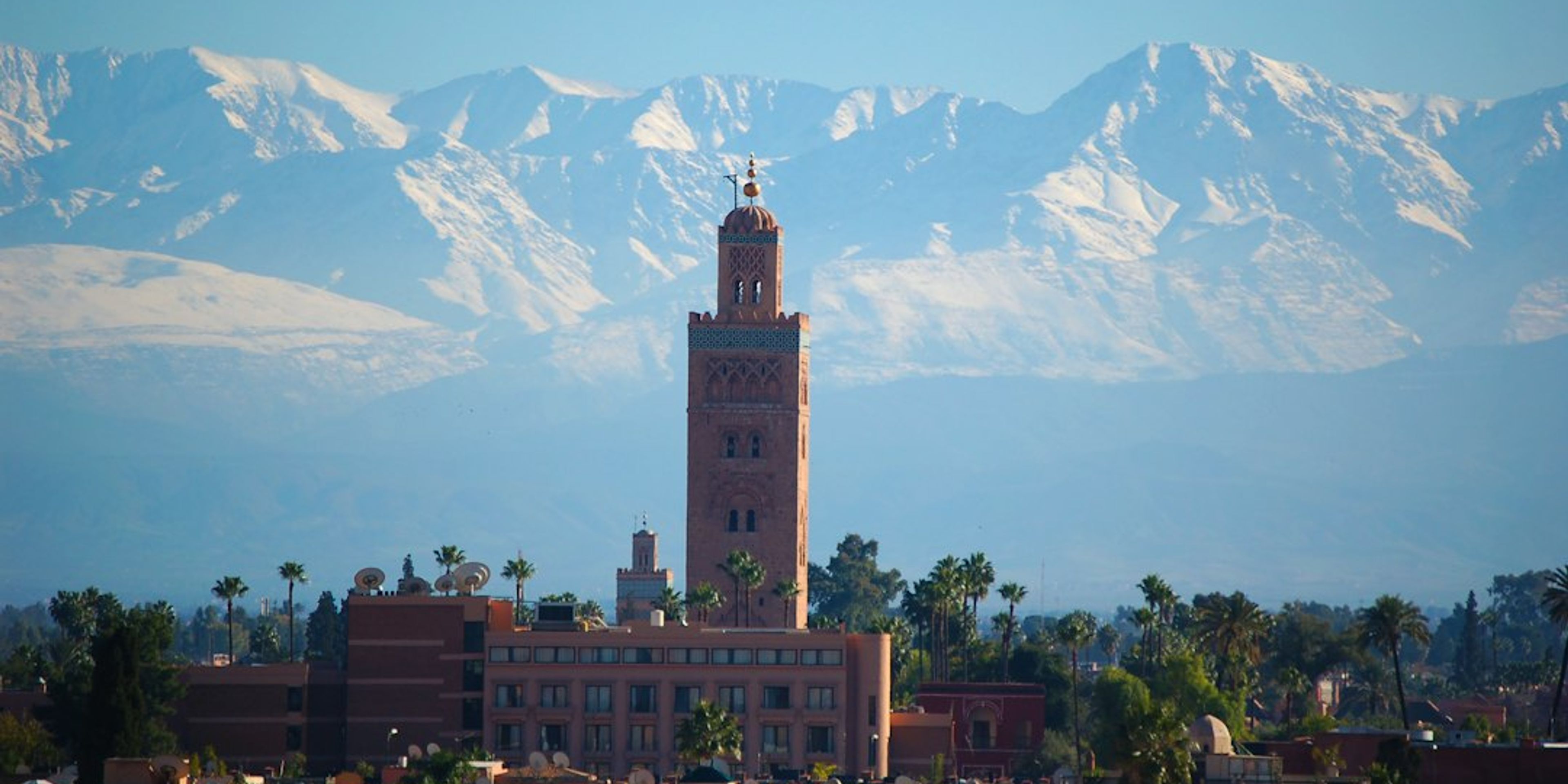
Marrakech weather in October is about as good as it gets: warm, dry days that make wandering the souks a pleasure rather than a sweat, cool evenings on rooftop terraces, and clear air over the snow-free peaks of the High Atlas. This guide covers 7 places worth planning around in Marrakech in October 2026, from Jemaa el-Fnaa and the medina souks to Jardin Majorelle and two trips out of the city, into the Atlas Mountains and the Agafay Desert, each with the exact address, how to get there and a Pro Tip.
Expect highs of about 28°C in the first week, easing to around 24°C by the end of the month, with nights of 13 to 16°C. Rain falls on only two or three days. Morocco keeps the same clock all year outside Ramadan, so there is no change on 25 October, and sunset moves gently from about 19:10 on 1 October to about 18:45 by the 31st. In the mountains, temperatures are 10 to 15°C lower, and nights can approach freezing.
Most city sights sit within the walled medina, best explored on foot; petits taxis cover the gaps to Gueliz and Jardin Majorelle. Morocco in October is shoulder season, so riads and tours are easier to book than in spring, though the last week of the month fills with European half-term travellers.
1Jemaa el-Fnaa - The Square That Comes Alive at Dusk
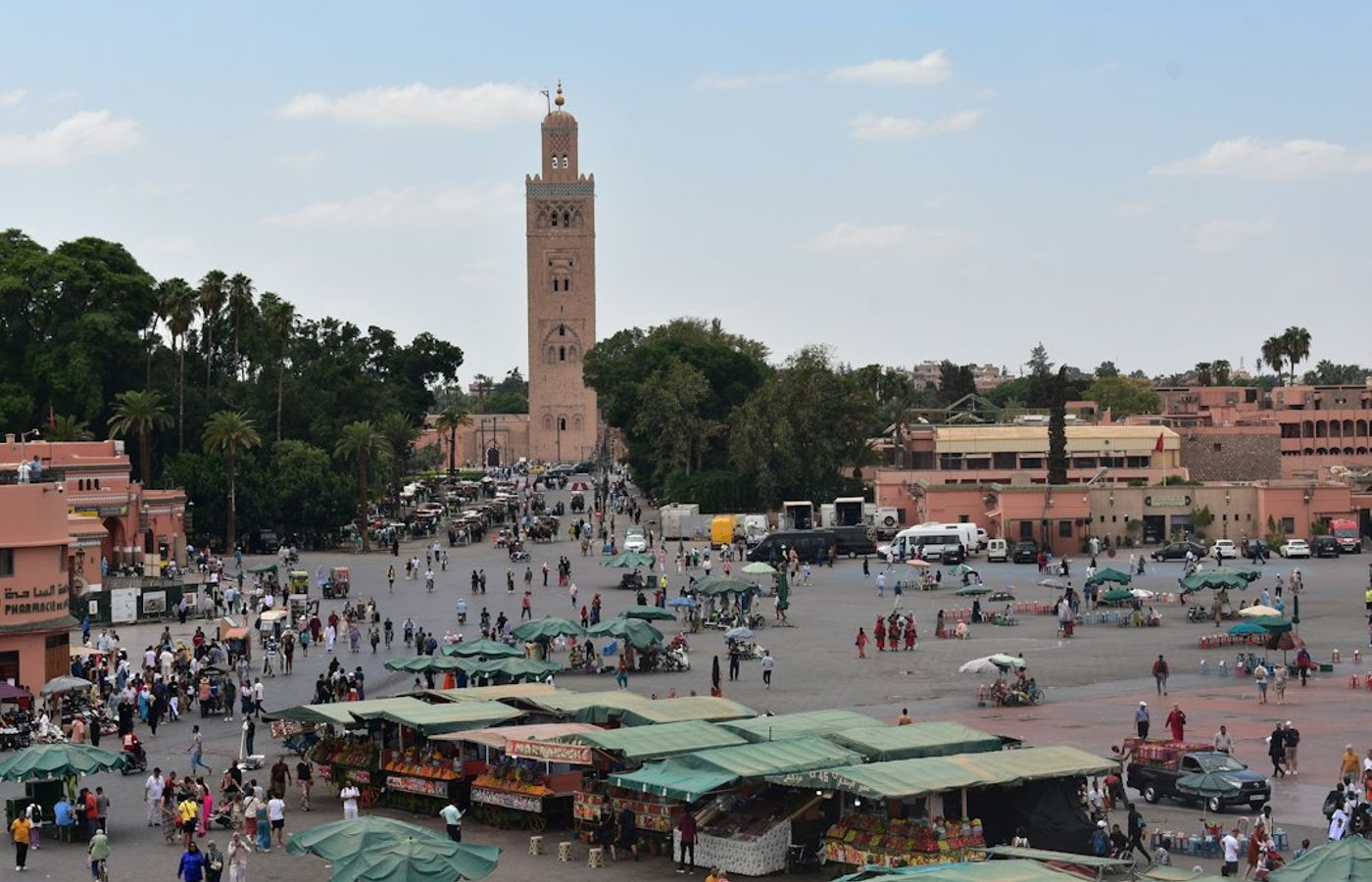

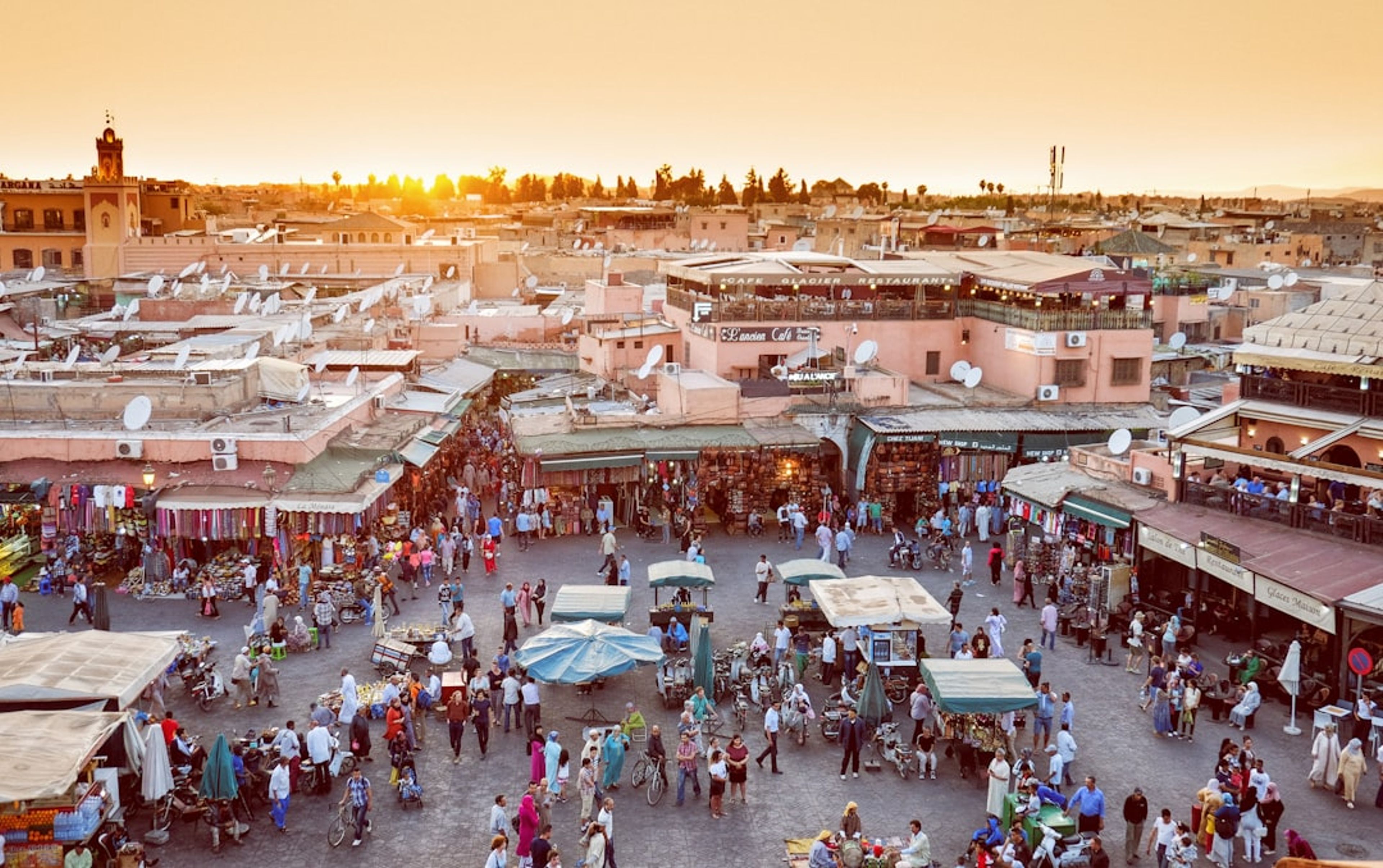
Jemaa el-Fnaa is Marrakech's main square and the reason UNESCO created its list of Masterpieces of the Oral and Intangible Heritage of Humanity in 2001. By day it is orange-juice stalls, henna artists and snake charmers; from late afternoon, dozens of numbered food stalls set up in rows, smoke rises from the grills, and storytellers, musicians and Gnawa bands gather circles of listeners.
October evenings are the best of the year here, warm enough to sit at the stalls without the heat of summer. Try harira soup, grilled merguez, snail broth or a tagine, and agree prices before ordering, as touts can be persistent. Photographing performers usually comes with a request for a tip, so keep small coins handy.
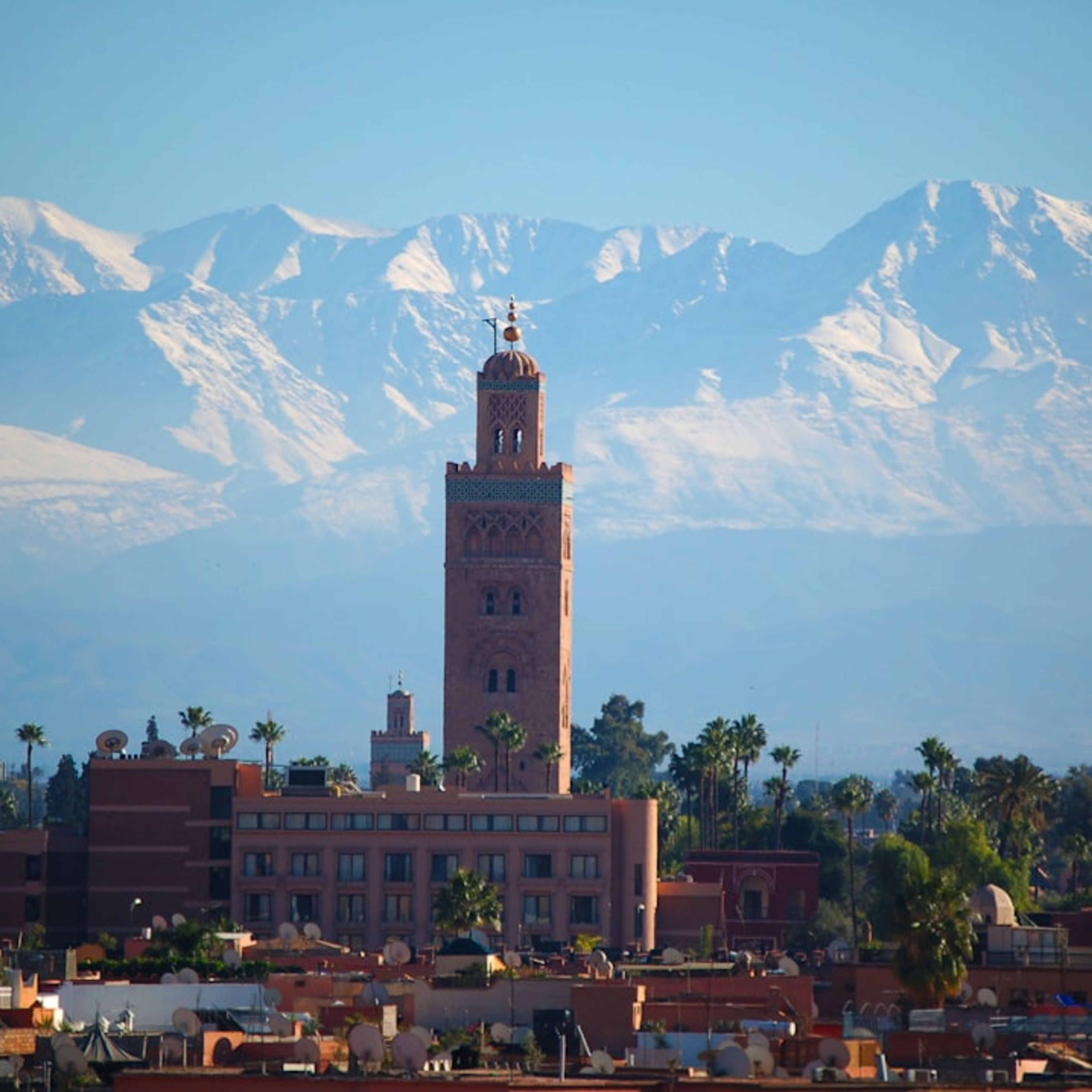
The 12th-century Koutoubia Mosque minaret, just west of the square, is Marrakech's landmark and most beautiful at sunset.
Pro Tip: Take a table on one of the café terraces overlooking the square about an hour before sunset, watch the food stalls set up, then go down for dinner once the grills are going.
2The Medina Souks - Leather, Spices and Lanterns

The souks of Marrakech are a maze of covered lanes spreading north from Jemaa el-Fnaa, organised traditionally by trade: Souk Semmarine for textiles, the Souk des Teinturiers where dyed wool hangs to dry, the Souk Haddadine of metalworkers, and lanes of leather slippers, ceramics, spices and brass lanterns. The medina as a whole is a UNESCO World Heritage Site.
In October the covered lanes stay pleasantly cool, and shopping is far more relaxed than in the heat of summer. Bargaining is expected: a counter-offer of around a third to a half of the first price is normal, and walking away politely is part of the game. Mopeds zip through even the narrowest lanes, so keep to the side.
Getting lost is inevitable; offline maps help, and politely declining unsolicited guides avoids requests for payment.
Pro Tip: Explore in the morning, when stallholders are setting up and more relaxed, and head for the Rahba Kedima spice square for mint tea on a terrace above the market.

3Ben Youssef Madrasa - The Finest Courtyard in the Medina
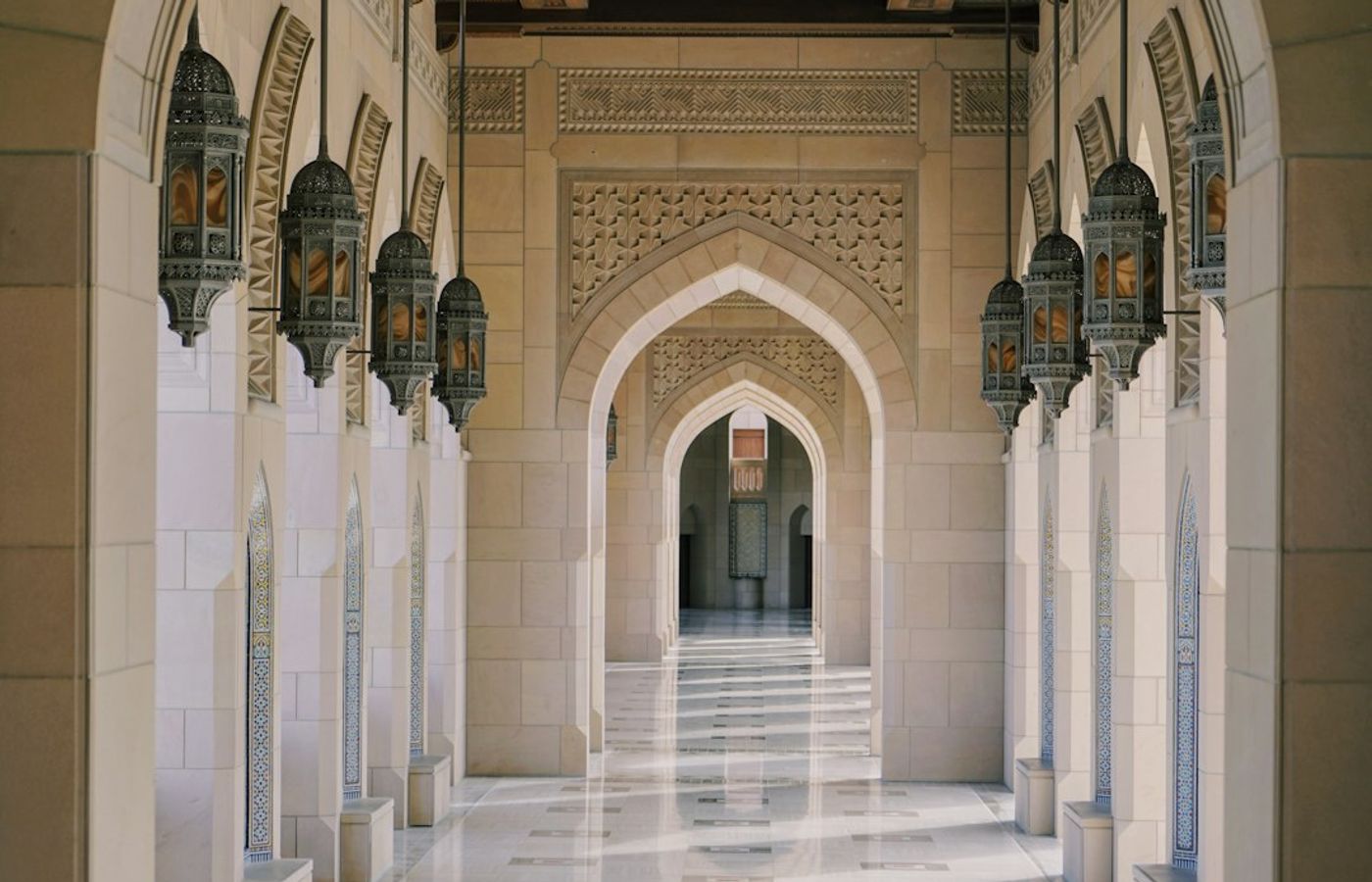

Ben Youssef Madrasa was one of the largest Islamic colleges in North Africa, rebuilt by the Saadian dynasty in the 16th century, and it housed up to 900 students in small cells around a central courtyard. That courtyard, with its reflecting pool, carved cedar, stucco and zellige tilework, is one of the most beautiful spaces in Morocco. It reopened in 2022 after a long restoration.
Upstairs, the tiny students' rooms and their small windows show how austere college life was. Nearby, the Marrakech Museum in the Dar M'nebhi palace and the Almoravid Koubba, one of the city's oldest surviving buildings, make easy additions. Tickets are sold at the door.
Mid-morning is when tour groups arrive, so early or late visits are calmer.
Pro Tip: Arrive at opening for an empty courtyard and the clearest reflections in the pool, then continue into the tanneries quarter to the east if you want to see leather being dyed.
4Bahia Palace - Painted Ceilings and Marble Courtyards
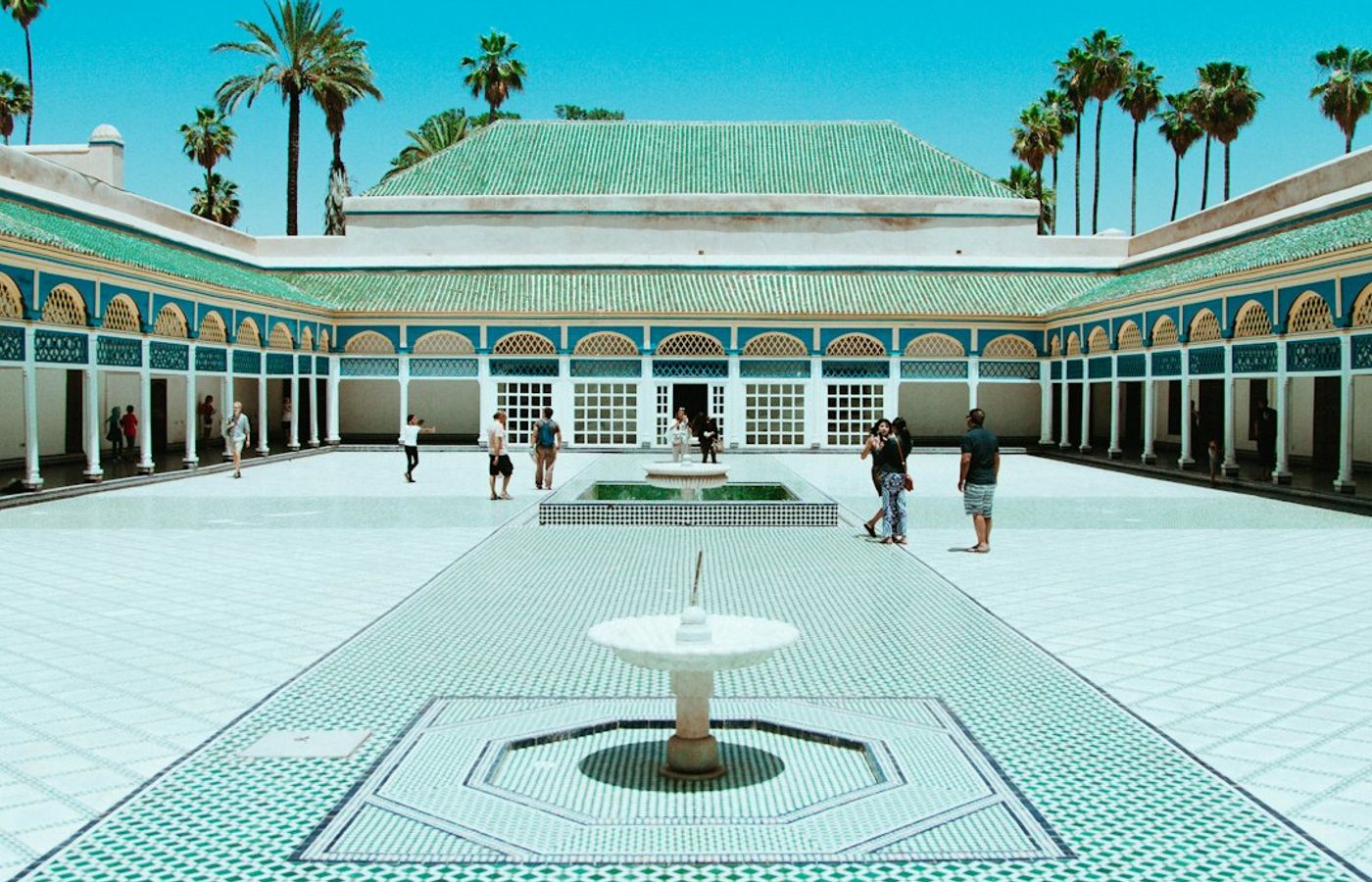
Bahia Palace was built in the late 19th century for Grand Vizier Si Moussa and his son Ba Ahmed, and its name means brilliance. Around 8 hectares of courtyards, gardens and reception rooms show off the finest Moroccan craftsmanship of the period: painted cedar ceilings, carved stucco, zellige tiles and a grand marble courtyard.
The palace is one of the busiest sights in Marrakech, and its open courtyards can be very hot in summer, so October makes a real difference. Nearby, the Mellah, the historic Jewish quarter, has a spice market and a restored synagogue, and the Saadian Tombs and the ruined El Badi Palace, with storks nesting on its walls, are a short walk south-west.
Tickets are sold at the entrance, and the queue is shortest at opening.
Pro Tip: Visit Bahia at opening, then walk to El Badi Palace and climb its ramparts for a view over the medina rooftops before lunch in the Mellah.
5Jardin Majorelle and the Yves Saint Laurent Museum - Cobalt Blue in Gueliz
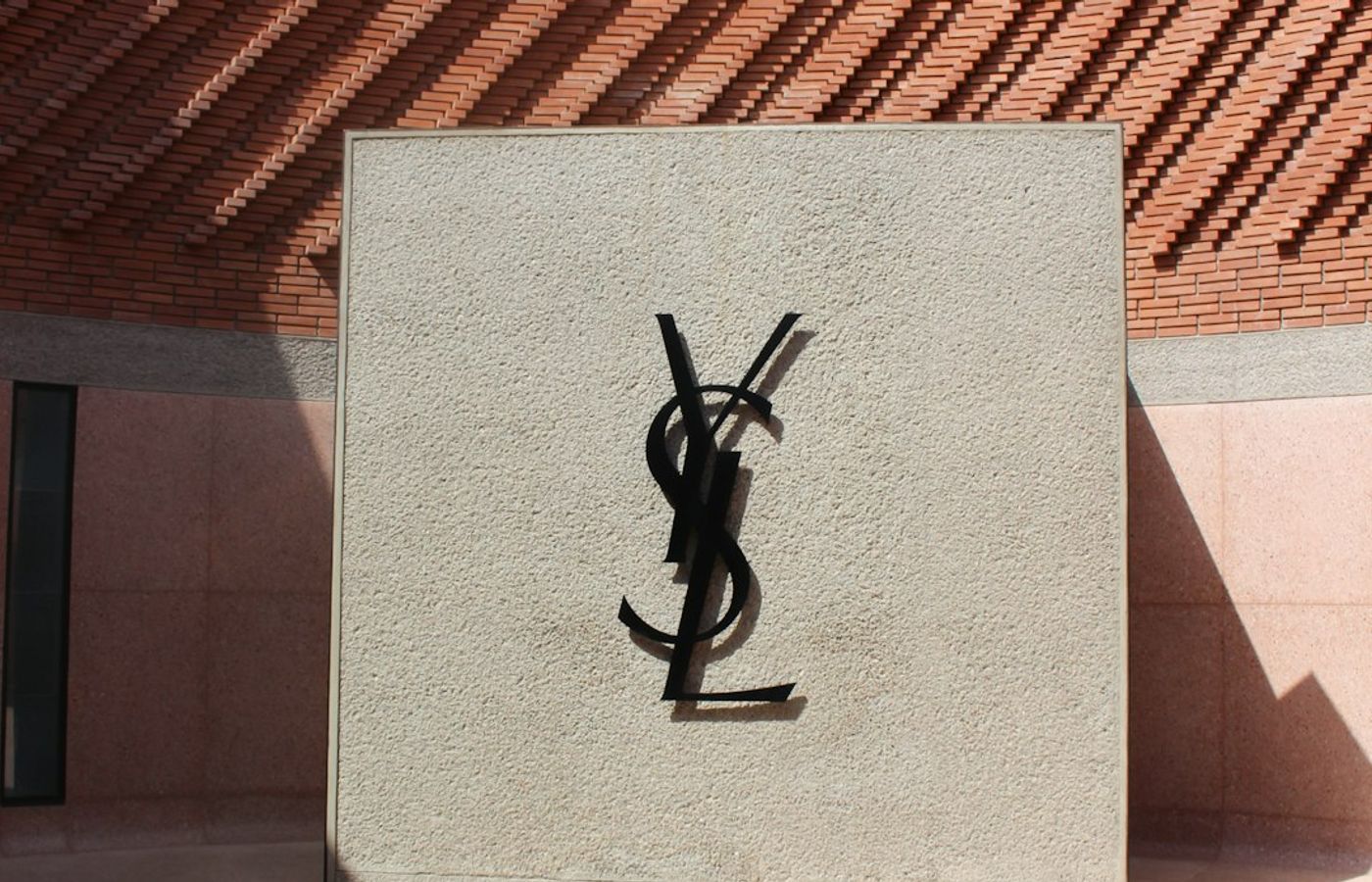
Jardin Majorelle was created by the French painter Jacques Majorelle from the 1920s, and his studio is painted in the intense cobalt now known as Majorelle blue. Yves Saint Laurent and Pierre Bergé bought and restored the garden in 1980, and it holds cacti, bamboo, bougainvillea and lily ponds from five continents, along with the Berber Museum inside the studio.
Next door, the Musée Yves Saint Laurent Marrakech, opened in 2017, displays rotating selections of the designer's haute couture in a building of terracotta brick. Both use timed tickets sold online, and entry slots do sell out in high season, including many October weekends.
Gueliz, the French-era new town around it, has cafés, galleries and a different pace from the medina.
Pro Tip: Book the first garden slot of the day, before the light turns harsh and the paths fill, and pair it with the YSL Museum straight afterwards.
6Imlil and the High Atlas - A Mountain Day Trip in Autumn Light
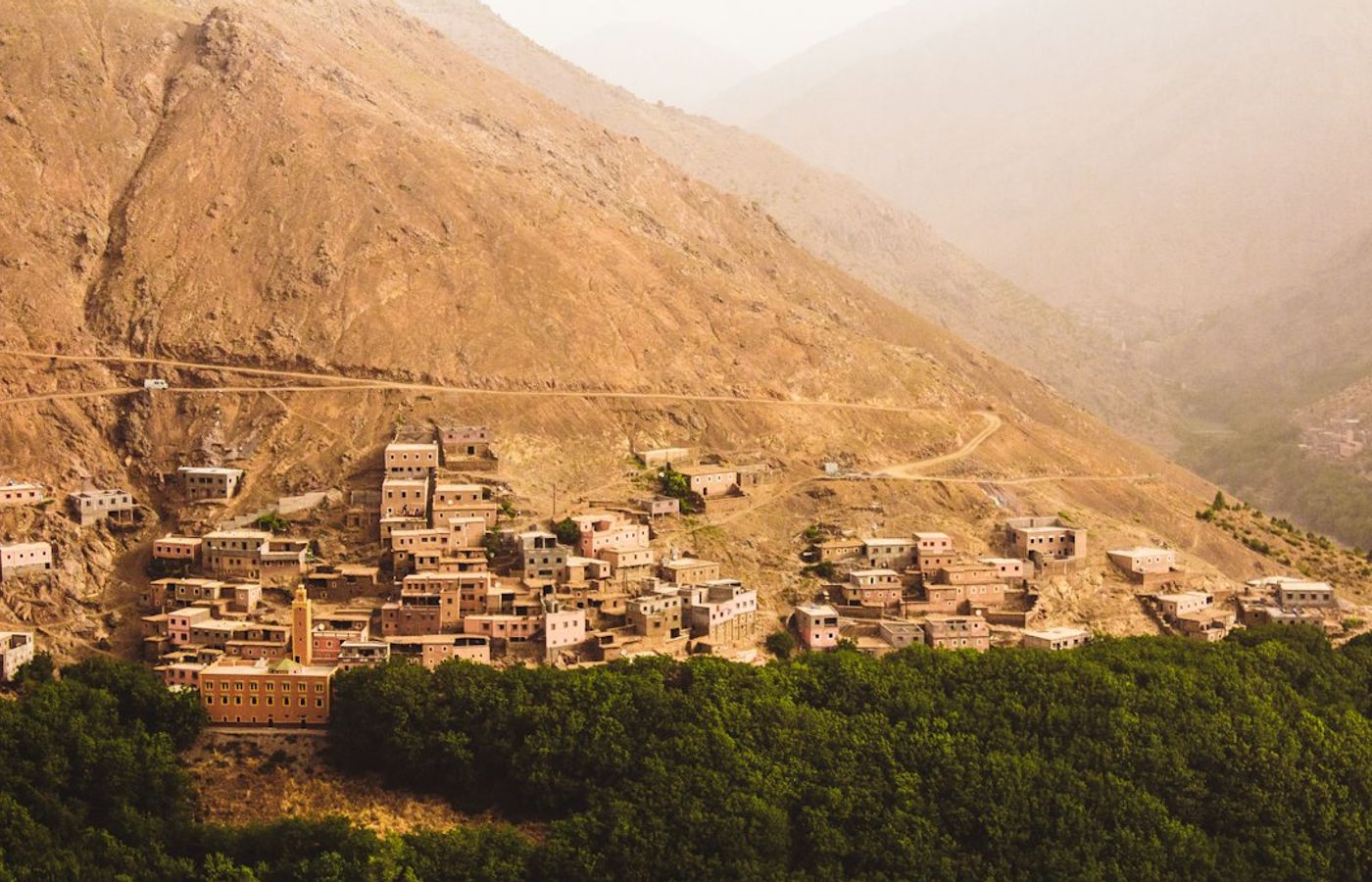
Imlil is a Berber village at about 1,740 metres at the edge of Toubkal National Park, the base for climbs of Jebel Toubkal, at 4,167 metres the highest peak in North Africa. For a day trip, walnut orchards, terraced fields and mud-brick villages give easy half-day walks with a local guide, often ending with lunch and mint tea in a family home.
October is one of the best months for the Atlas: clear skies, comfortable walking temperatures by day, and walnut trees turning gold. The region was hit hard by the September 2023 earthquake, and many villages are still rebuilding; visiting with local guides and eating in village homes puts money directly into recovery. The Ourika Valley, closer to Marrakech, is an easier alternative with riverside restaurants and waterfalls at Setti Fatma.
Mountain weather changes fast, and temperatures drop sharply once the sun goes behind the ridges.
Pro Tip: Leave Marrakech by 08:00, hire a licensed mountain guide in Imlil, and bring a warm fleece and sturdy shoes. Be back on the road by mid-afternoon to avoid driving the mountain road in the dark.
7Agafay Desert - Sunset Over Stony Dunes
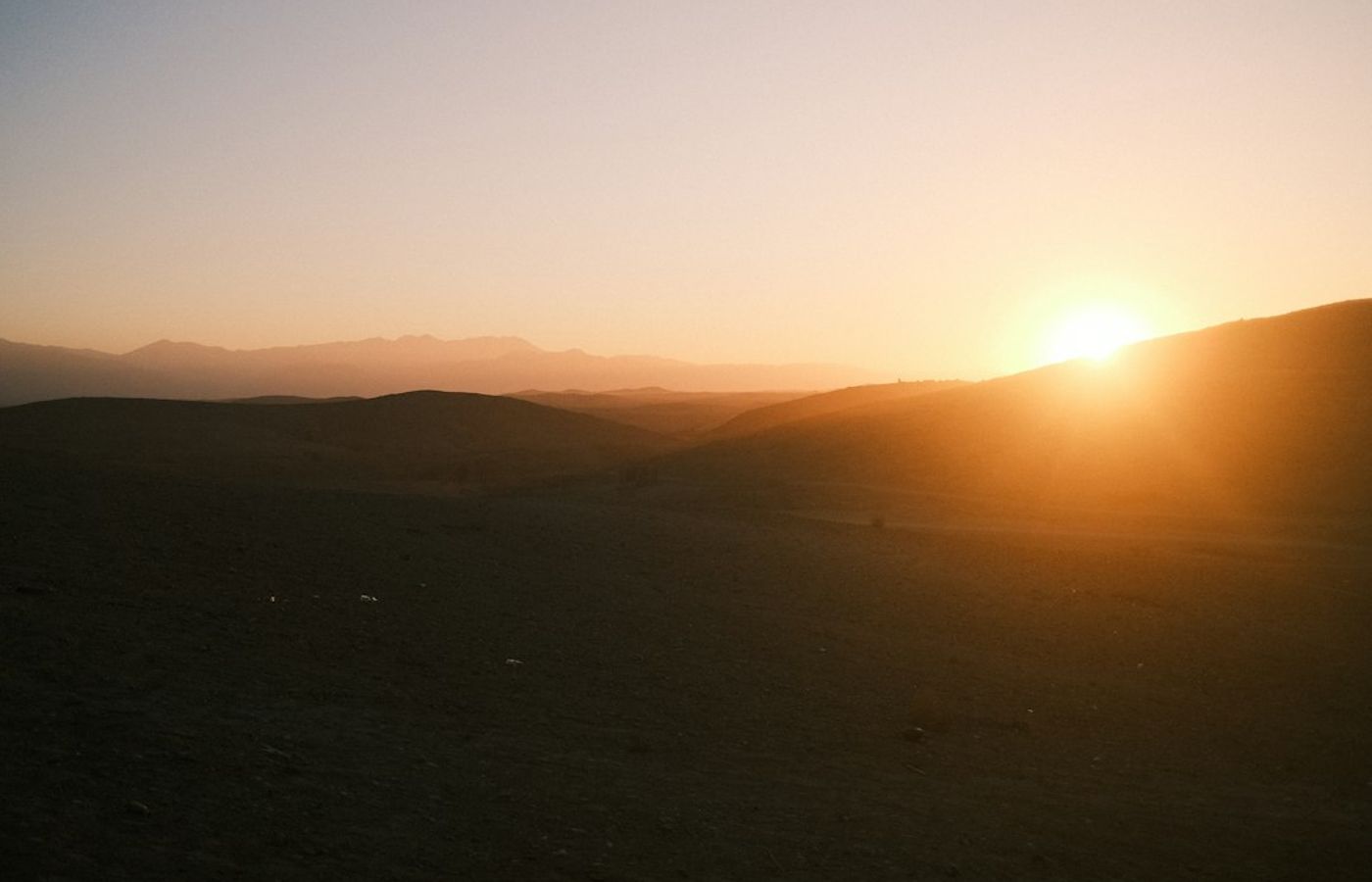
The Agafay Desert is a rocky, rolling stone desert rather than a sea of sand dunes, but its bare golden hills with the High Atlas behind make a dramatic landscape just 45 minutes from Marrakech. Camps offer camel rides, quad biking, sunset dinners and overnight stays in tented camps, a practical alternative for travellers without time for the long trip to the Sahara.
October is ideal: days are warm rather than scorching, and the evening light over the hills is soft and clear. Nights cool quickly after sunset, and stargazing is excellent on moonless nights. Most visitors book a half-day package including transfer, sunset activities and dinner.
Lalla Takerkoust lake, on the same road, adds a swim or lunch stop on warmer October days.
Pro Tip: Book a late-afternoon departure so you arrive about an hour before sunset, which falls between about 18:45 and 19:10 in October, and pack a warm layer for dinner under the stars.
Get hotel deals for Marrakech
Price drops, new stays and local tips for Marrakech, straight to your inbox.
No spam, unsubscribe anytime.

CEO and co-founder
Tomas is the co-founder and director of trip1, an European company specializing in reservation services. He launched the company in 2025 with a focus on building scalable, efficient operations.
Marrakech in October: Weather, Souks and Atlas Mountain Trips - FAQ
Marrakech weather in October is warm, dry and sunny. Highs start around 28°C and fall to about 24°C by the end of the month, while nights cool to 13 to 16°C. Rain is rare, usually just two or three days. In the High Atlas it is much colder, with mountain nights near freezing by late October.
Yes. Morocco in October avoids the heat of summer, when Marrakech often passes 40°C, and the cold nights of winter. It is a good month for the Atlas Mountains, desert trips and the imperial cities alike. It is also shoulder season, so riads and tours are easier to book than in spring, although prices climb around European half-term holidays at the end of the month.
Yes. Imlil, the gateway to Toubkal National Park, is about 90 minutes by road, and the Ourika Valley is about an hour away. Both work as day trips with a hired driver or a small-group tour, including a walk with a local guide and lunch in a Berber village. Leave early, since mountain afternoons cool quickly in October.
No. The medina sights can fill two days on their own, and the Atlas and Agafay trips each take a full day or evening. A realistic plan is three to four days: the souks, Ben Youssef Madrasa and Jemaa el-Fnaa on day one, Bahia Palace and Jardin Majorelle on day two, and the Atlas and Agafay on the others.
Jardin Majorelle and the Yves Saint Laurent Museum sell timed tickets online, and slots sell out, so book them ahead. Atlas day trips and Agafay desert dinners should be booked a day or two in advance. Jemaa el-Fnaa and the souks are free, and Bahia Palace and Ben Youssef Madrasa sell tickets at the door.
Dress modestly in the medina, with shoulders and knees covered, which is also practical against October sun. Light layers work best: warm days, cool evenings and much colder air in the mountains. Bring a warm jacket for any Atlas or Agafay trip, and comfortable shoes for the uneven medina alleys.
This guide focuses on Marrakech and short trips, so it skips longer journeys such as the overnight Sahara tours to Merzouga, which are best in October's mild weather. Essaouira on the Atlantic coast, about three hours away, makes a relaxed two-day extension, and a hammam session is an essential end to a day in the medina.