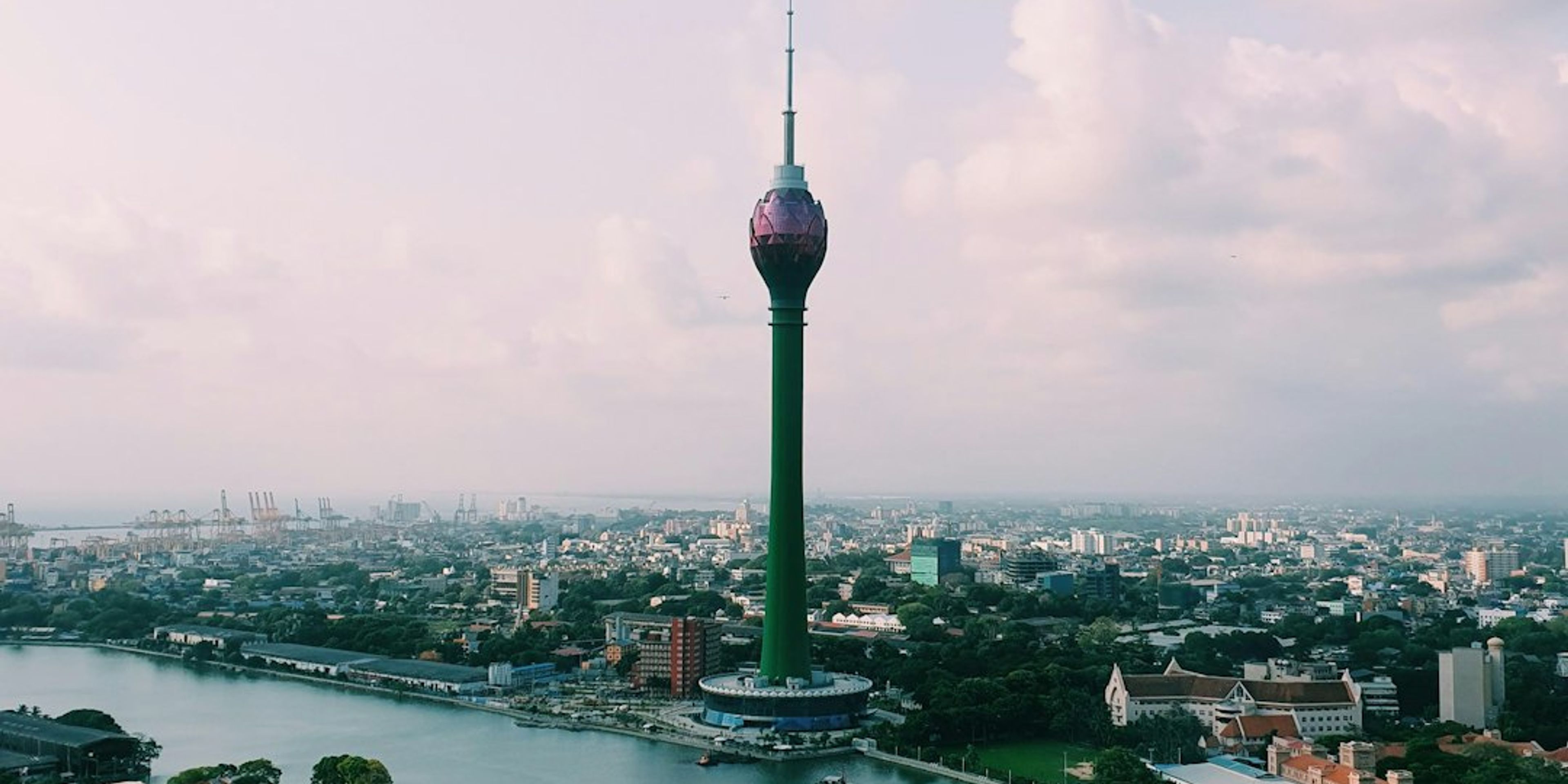

Guides · Colombo
10 Best Things to Do in Colombo

CEO and co-founder
This guide covers 10 things to do in Colombo, Sri Lanka, ordered so that you can walk between several of them instead of crossing the city twice. Each entry gives the exact street address with its numbered district, the nearest railway station or bus route, a tuk-tuk estimate via the PickMe app, and the distance from the commercial centre in Fort. Prices appear in Sri Lankan rupees with a rough euro equivalent, current for 2026.
The entries fall into three clusters. Fort and the harbour edge hold Galle Face Green, the Old Dutch Hospital and Pettah Market with the Red Mosque, all within a 20-minute walk of each other. The Colombo 07 belt, known locally as Cinnamon Gardens, gathers the Colombo National Museum, Viharamahadevi Park and Independence Memorial Hall. Gangaramaya Temple and Seema Malaka sit on Beira Lake in Colombo 02, between those two clusters and walkable from either.
Two entries lie outside that core. Kelaniya Raja Maha Vihara is 10 km northeast across the Kelani River, and Mount Lavinia Beach is 12 km south down the coastal railway line. Treat each as a half day of its own. Two full days covers the whole list without rushing; a single day forces you to drop the southern suburbs and the Kelaniya trip. Both of those run off the coastal line, so the hotels in Colombo around Fort and Galle Face keep the station and the core entries within a short tuk-tuk of each other. The southern beach and the temple grounds are the parts that the monsoon makes miserable rather than merely wet, so check Colombo weather before you decide which half day goes where.
1Galle Face Green - The Seafront Promenade at the Heart of Colombo
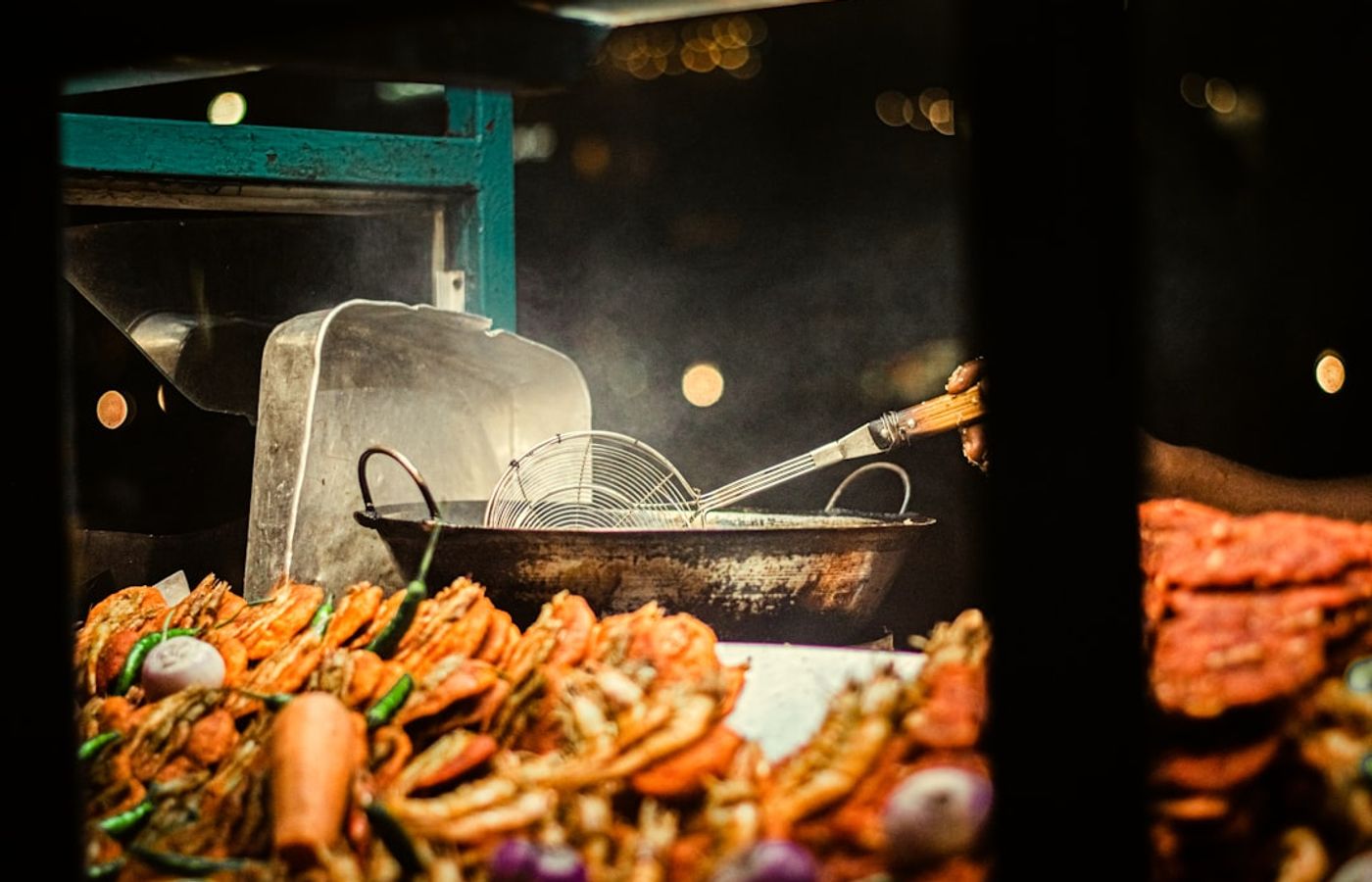

Galle Face Green is a 500-metre strip of lawn between Galle Road and the Indian Ocean, laid out in 1859 by Governor Henry Ward as a racecourse and golf links. It now works as the largest open space in the city. Families arrive around 5pm, kite sellers set up along the sea wall, and the food carts at the southern end start frying isso vadai, a prawn and lentil fritter that costs about LKR 150, roughly 0.45 EUR.
Access is free and the green stays open around the clock. Swimming is not permitted and the surf here is rough, so the draw is the walk, the sea spray and the crowd rather than the water. Weekends fill with cricket games and balloon vendors. Come before 8am on a weekday and you will have the promenade almost to yourself, with fishing boats working the horizon.
Pro Tip: Buy isso vadai from the stall with the longest local queue rather than the first one you reach, and carry small notes. Vendors almost never have change for a LKR 5,000 bill.
2Gangaramaya Temple - A Working Buddhist Temple and Museum on Beira Lake
Gangaramaya Temple has operated as a temple and monastic school on the eastern shore of Beira Lake since the late 19th century. The compound holds a stupa, a bodhi tree, a library and a museum crammed with donated objects: Buddha figures in jade and crystal, vintage cars, antique cameras, and the preserved tusks of a temple elephant. Entry costs LKR 500, about 1.50 EUR, and the same ticket covers Seema Malaka.
The clutter is the point. Nothing is curated in the museum sense, which is exactly why the collection reads as personal rather than institutional. Remove shoes and hats before entering the shrine rooms and cover shoulders and knees. The Navam Perahera procession sets out from here each February with dancers, drummers and decorated elephants circling the lake. Allow 45 minutes, or longer if the museum rooms hold you.
Pro Tip: Arrive before 9am for morning chanting, when the museum rooms are empty. Walk straight on to Seema Malaka afterwards, five minutes away on the same ticket.

3Pettah Market and the Red Mosque (Jami Ul-Alfar) - Colombo's Wholesale Trading District
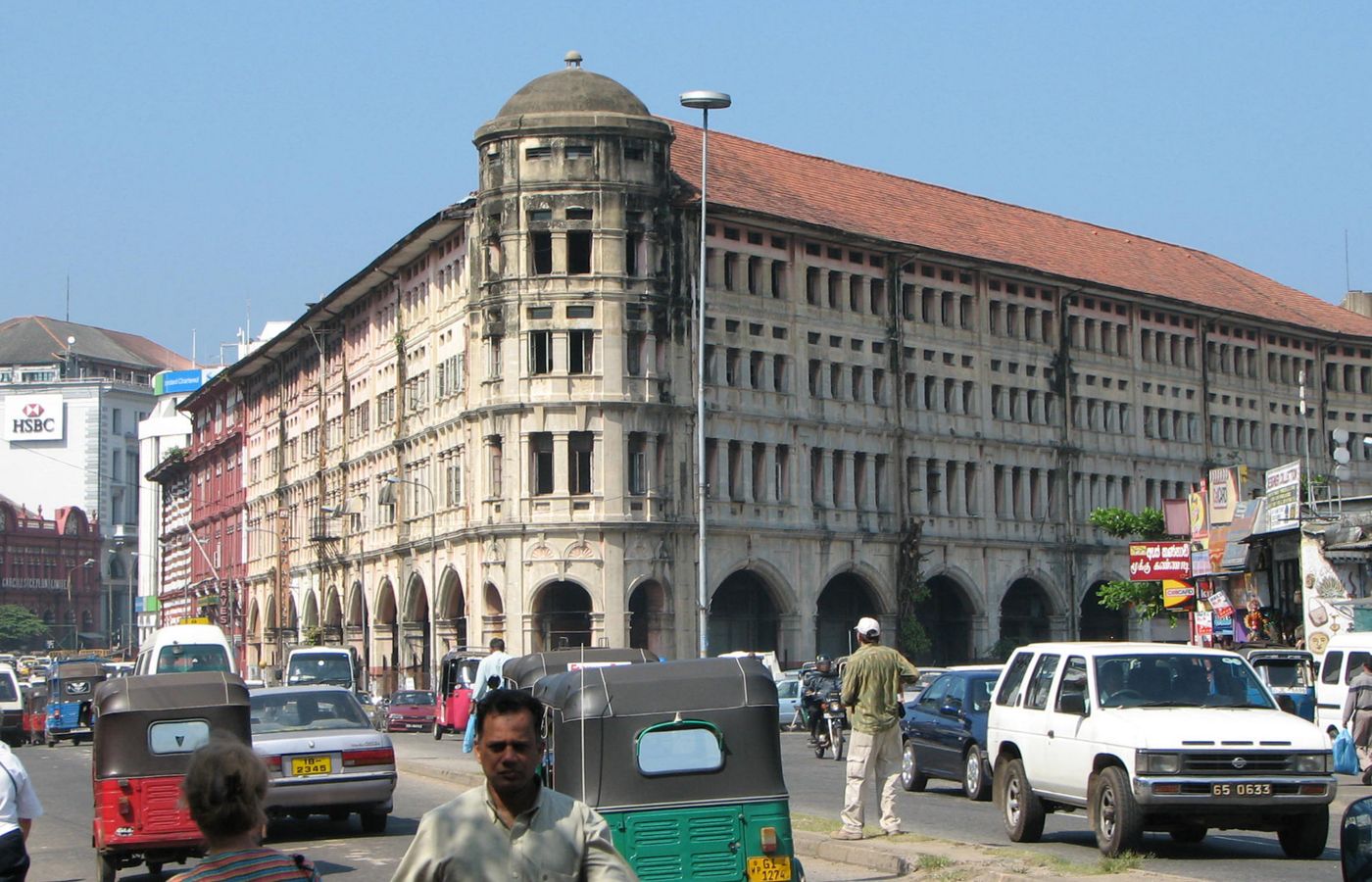
Pettah is the wholesale district immediately east of Fort, and it is organised street by street. Gabo's Lane sells ayurvedic herbs, Sea Street handles gold, Fifth Cross Street covers electronics, and Main Street runs to fabric and luggage. Prices sit well below the shopping malls if you haggle, and traders expect you to. Handcarts, loudspeakers and almost no pavement make this the loudest place on the list.
The Jami Ul-Alfar Mosque anchors the district at the corner of Second Cross Street. Completed in 1909, its red and white candy-striped brickwork served as a landmark for sailors approaching Colombo harbour. Non-Muslim visitors may enter outside prayer times if dressed modestly, and the caretaker will usually wave you up to the first-floor gallery for a view over the rooftops. Entry is free, though a small donation is welcome.
Pro Tip: Go on a weekday between 8am and 11am. Pettah largely shuts on Sundays and Poya full moon days, and Friday midday prayers close the mosque to visitors for around two hours.
4Colombo National Museum - Sri Lanka's Largest Collection of Antiquities
The Colombo National Museum opened in 1877 in an Italianate building commissioned by Governor William Henry Gregory. It holds the country's largest antiquities collection, including the throne and crown of Sri Vikrama Rajasinha, the last Kandyan king, ninth-century bronzes from Anuradhapura, ceremonial swords, and a gallery of carved demon masks used in healing rituals. Foreign adult entry runs around LKR 2,000, roughly 6 EUR.
Signage is uneven and the older halls have no air conditioning, so start upstairs and work down before the afternoon heat builds. The natural history wing next door is included in the ticket but skippable. Two hours covers the main galleries at a steady pace. Photography without flash is allowed in most rooms. The museum shares a garden compound with Viharamahadevi Park, which makes the two an obvious pairing.
Pro Tip: Open daily 9am to 5pm with last entry at 4.30pm. Turn up at opening to reach the Kandyan regalia room ahead of the school groups, and bring cash for the ticket counter.
5Independence Memorial Hall - The Monument to 1948
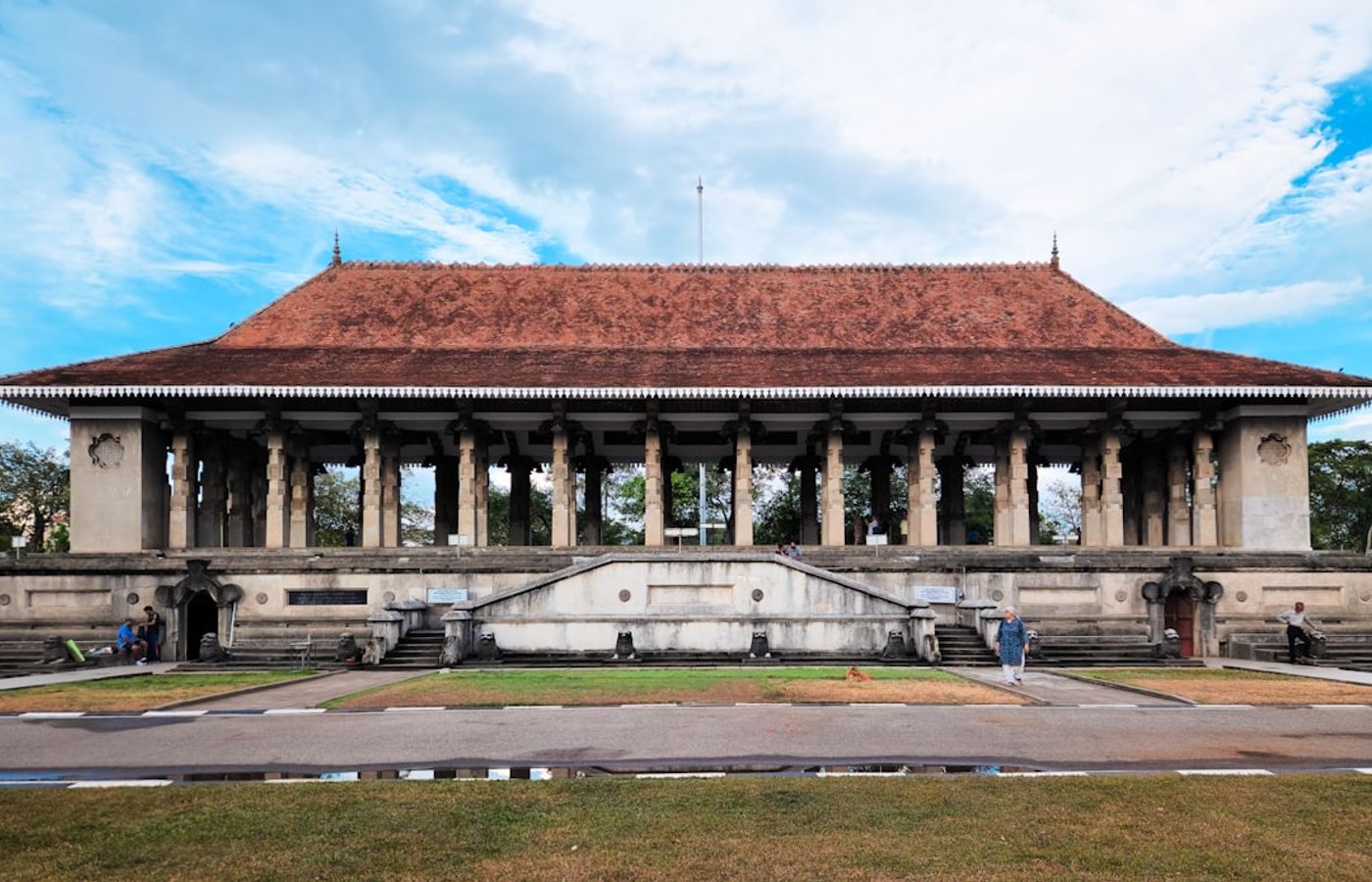
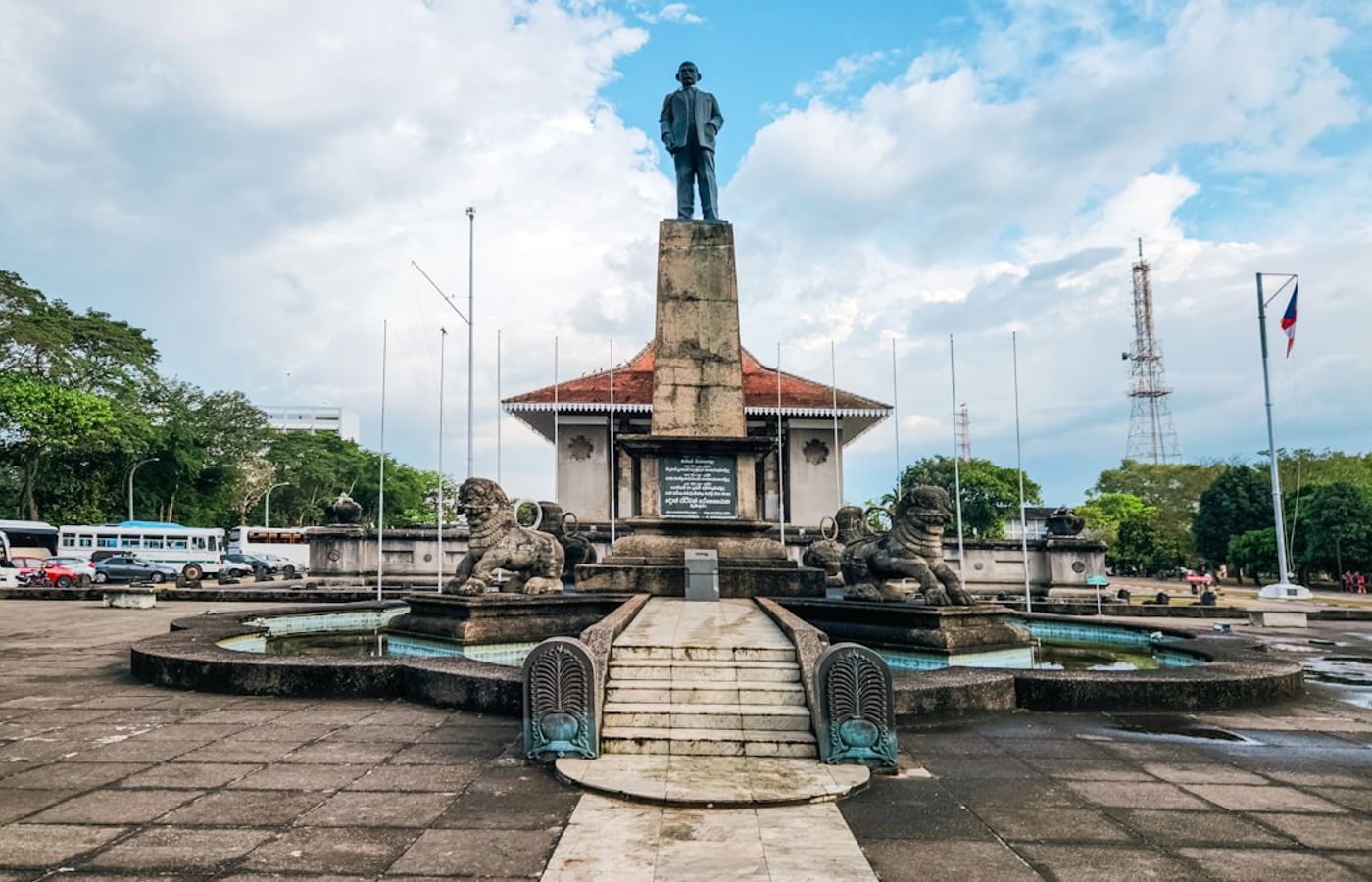
Independence Memorial Hall went up in 1953 at Torrington Square to mark the end of British rule in 1948. The open-sided pavilion copies the Royal Audience Hall of the Kandyan kings, raised on a platform ringed by 60 carved stone lions. A statue of D. S. Senanayake, the first prime minister of Sri Lanka, stands at the head of the approach. Entry is free and the site never closes.
The surrounding lawns fill with joggers at dawn and again after 5pm, and the arcade underneath houses a small independence museum plus a row of shops. Twenty minutes is enough to see it properly, which makes it a natural stop between the Colombo National Museum and the quiet residential streets of Colombo 07. The stonework takes light best in the last hour before sunset.
Pro Tip: The underground museum in the north wing opens 9am to 5pm and is usually deserted. Skip 4 February, when Independence Day ceremonies close the whole site to the public.
6The Old Dutch Hospital in Fort - Colombo's Oldest Surviving Building
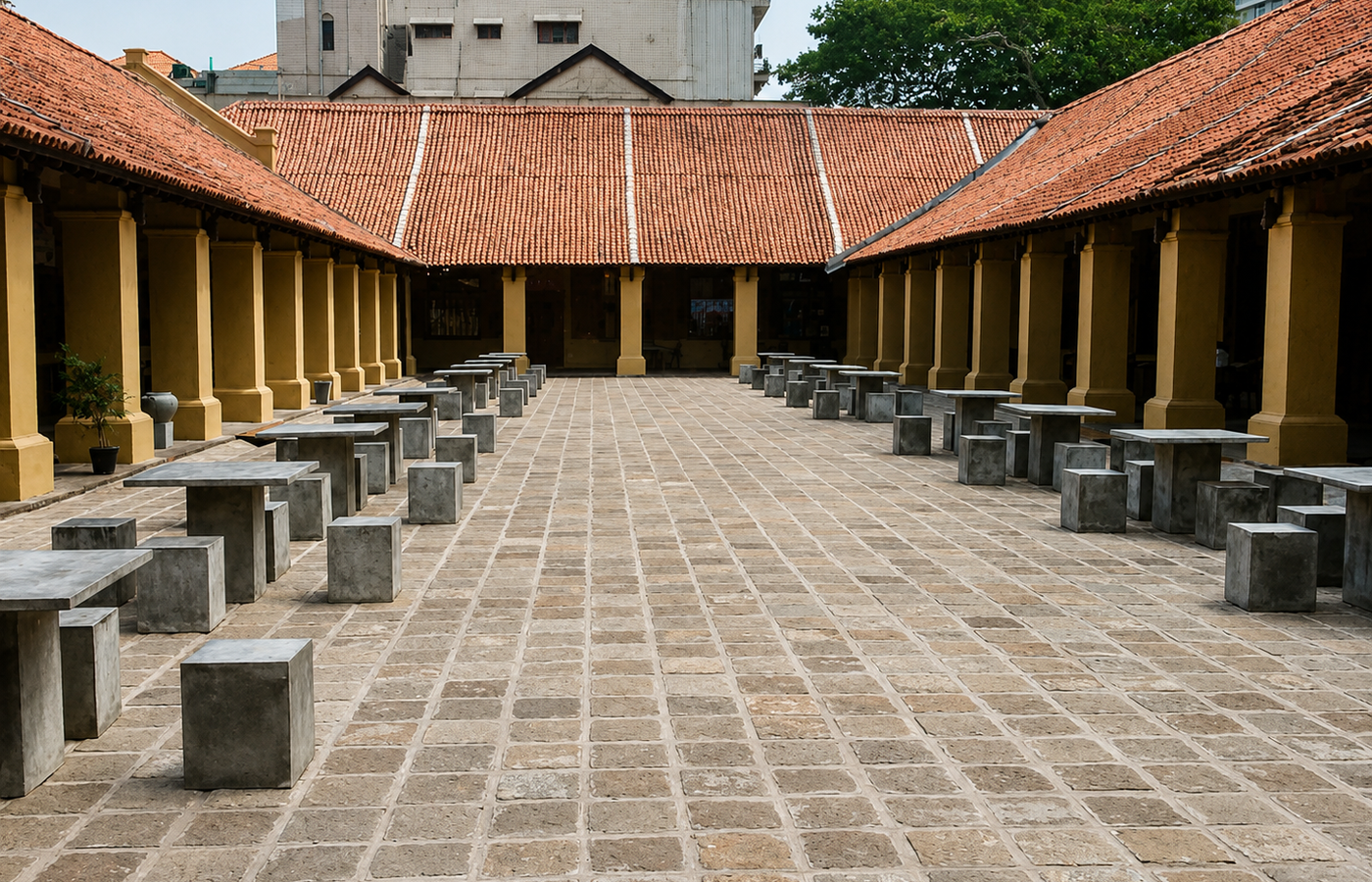
The Old Dutch Hospital is the oldest building still standing in Colombo Fort, dating to the Dutch East India Company period of the early 1600s when it treated company staff arriving by sea. Its two colonnaded courtyards were restored in 2011 and now hold restaurants, a spice shop and craft stores. Stone floors, metre-thick walls and the original timber roof beams all survive.
Walking in costs nothing and the precinct stays open late, which makes it the most reliable evening stop in Fort once the office district empties out. Prices inside run high by Colombo standards, so treat it as somewhere to wander and photograph rather than a place to eat cheaply. The 1857 Colombo Lighthouse Clock Tower stands two minutes away at the Chatham Street junction.
Pro Tip: Come between 6pm and 8pm when the courtyards are lit and the day's heat has dropped. Security screens bags at both entrances, so travel light through Fort.
7Viharamahadevi Park - The Oldest Public Park in Colombo
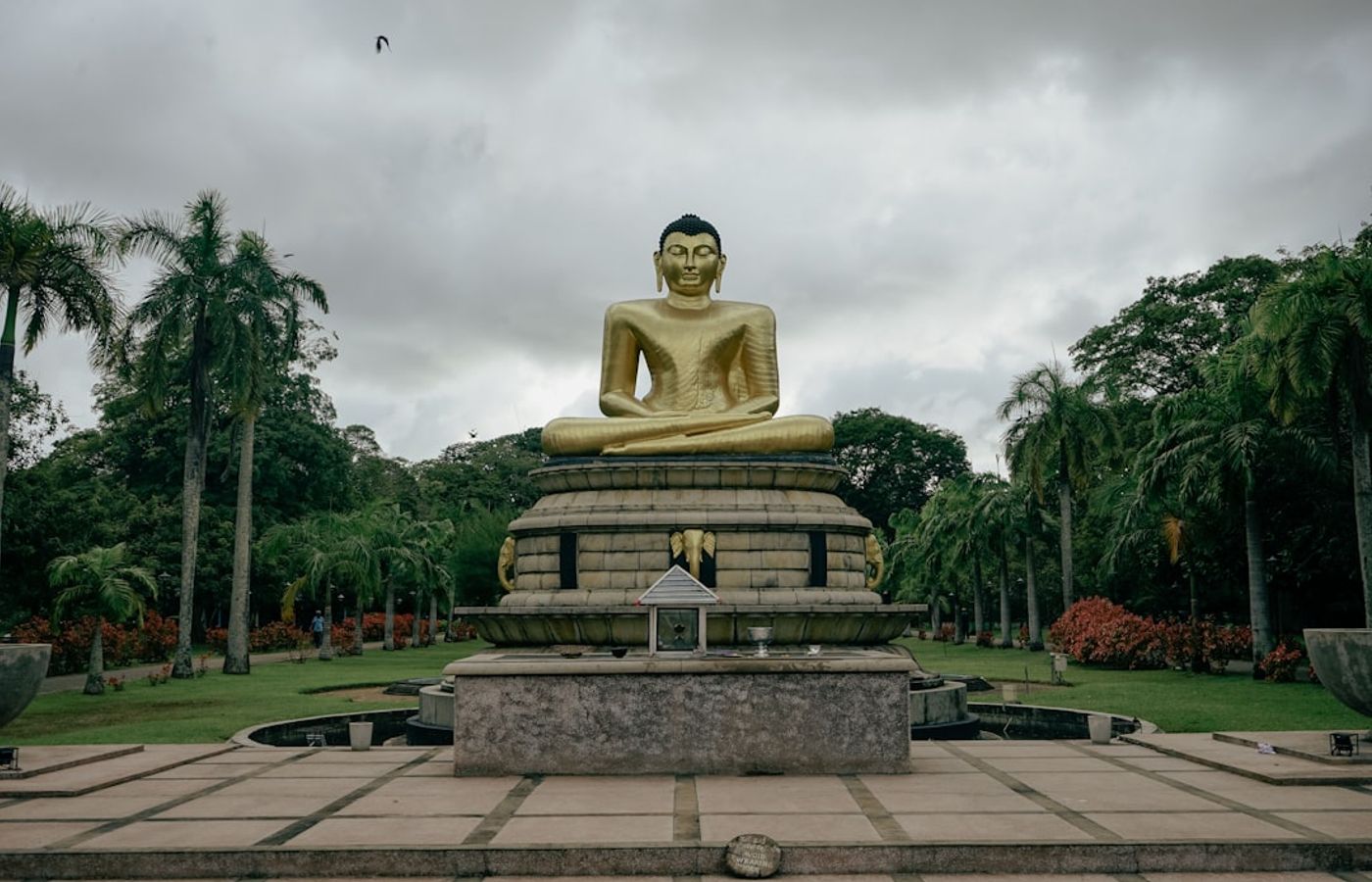
Viharamahadevi Park spreads across 55 hectares opposite Colombo Town Hall and dates to 1865, when the British laid it out as Victoria Park. It was renamed in the 1950s after the mother of King Dutugemunu. Flame trees line the main avenues and turn orange from March to May. A gilded Buddha statue faces the Colombo National Museum across the southern lawn.
The park is free and opens 6am to 6pm. Inside you will find a walking track used heavily at dawn, a children's play area, a small animal enclosure and an open-air amphitheatre that hosts occasional concerts. Vendors sell king coconut for about LKR 150, roughly 0.45 EUR. Shade matters here between 11am and 3pm, when Colombo regularly sits above 30 degrees with high humidity.
Pro Tip: Enter from the Ananda Coomaraswamy Mawatha side to hit the flame tree avenue first. Give the park a day or two after heavy monsoon rain, when the lower lawns stay waterlogged.
8Seema Malaka on Beira Lake - The Meditation Pavilion Built Over the Water
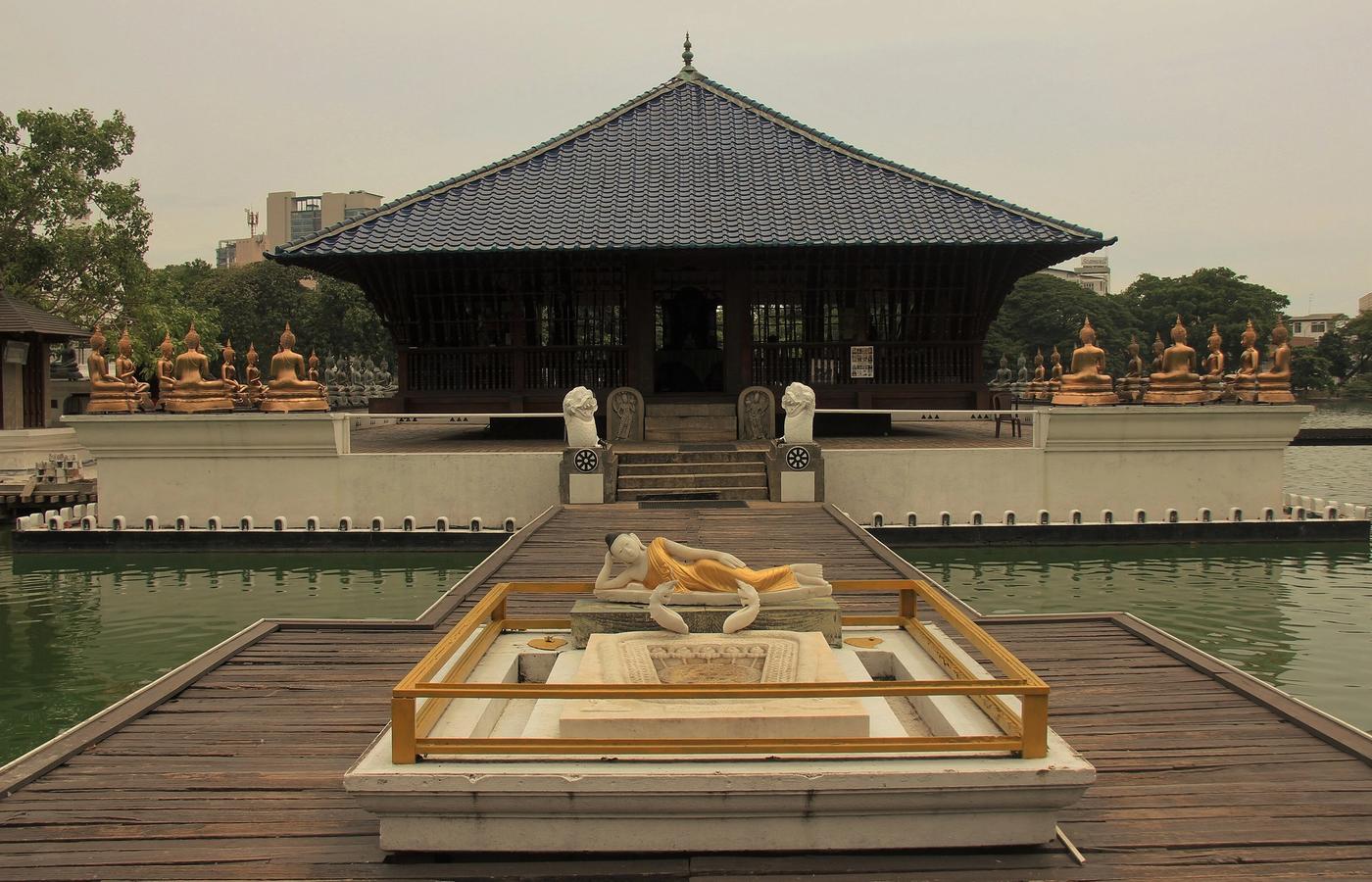
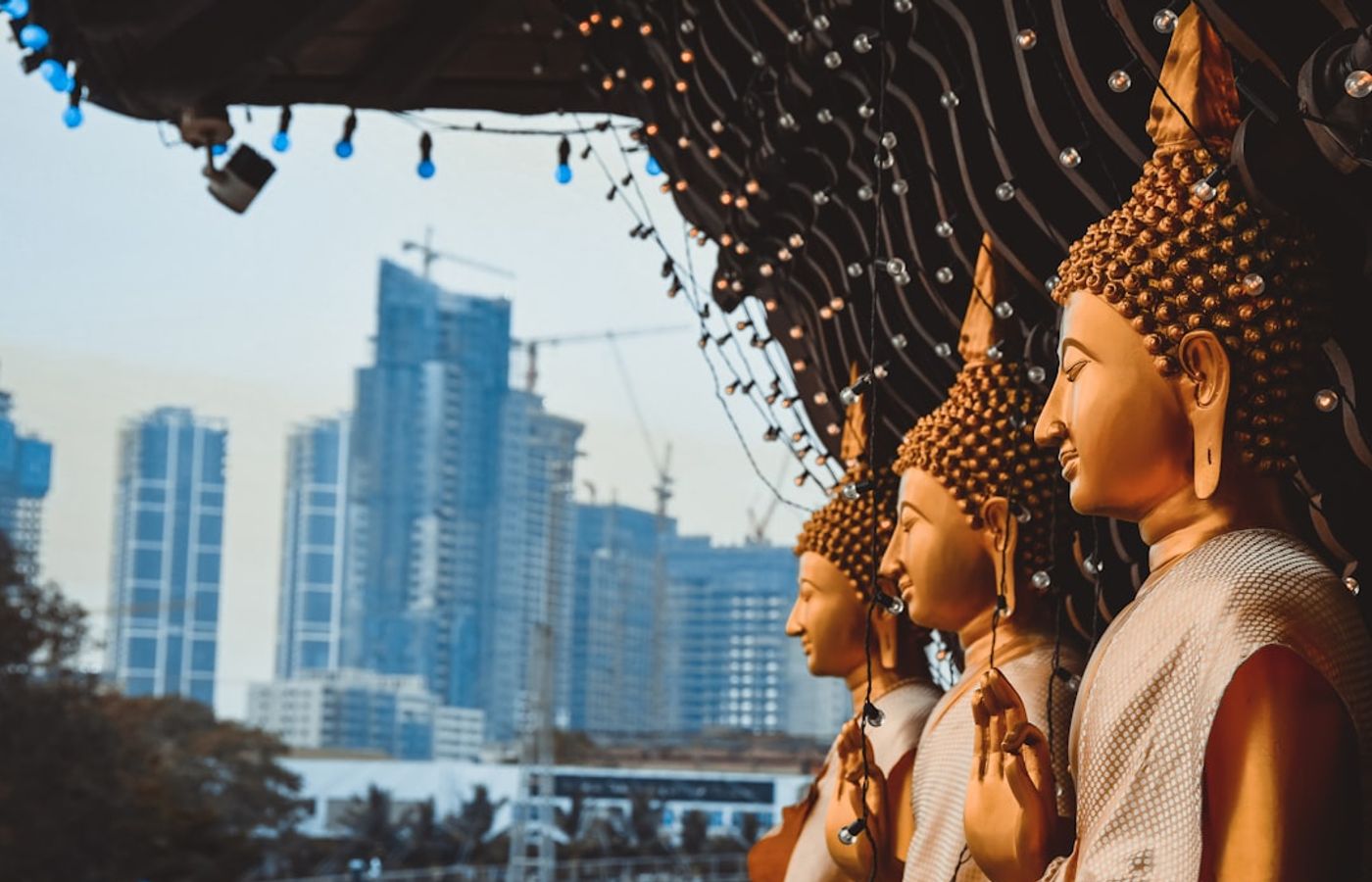
Seema Malaka is a set of three timber platforms with copper roofs, built out over Beira Lake and reached by a pontoon walkway. Geoffrey Bawa designed the current structure in 1976 after the original sank, and it now serves as the meditation and ordination hall for Gangaramaya Temple. Rows of seated Buddha figures line the outer decks, facing the office towers on the far bank.
The LKR 500 ticket, about 1.50 EUR, is shared with Gangaramaya Temple a short walk away. Most of the walkway has no roof, so this is a short visit in midday sun. Water monitors sun themselves along the lake edge and are harmless if left alone. Shoes come off at the entrance to the platforms, and shoulders should stay covered throughout.
Pro Tip: Arrive near 6pm for the light on the water. The platforms hold about 30 people comfortably, so wait a tour group out on the shore rather than crowding onto the deck.
9Kelaniya Raja Maha Vihara - The Temple of the Solias Mendis Murals
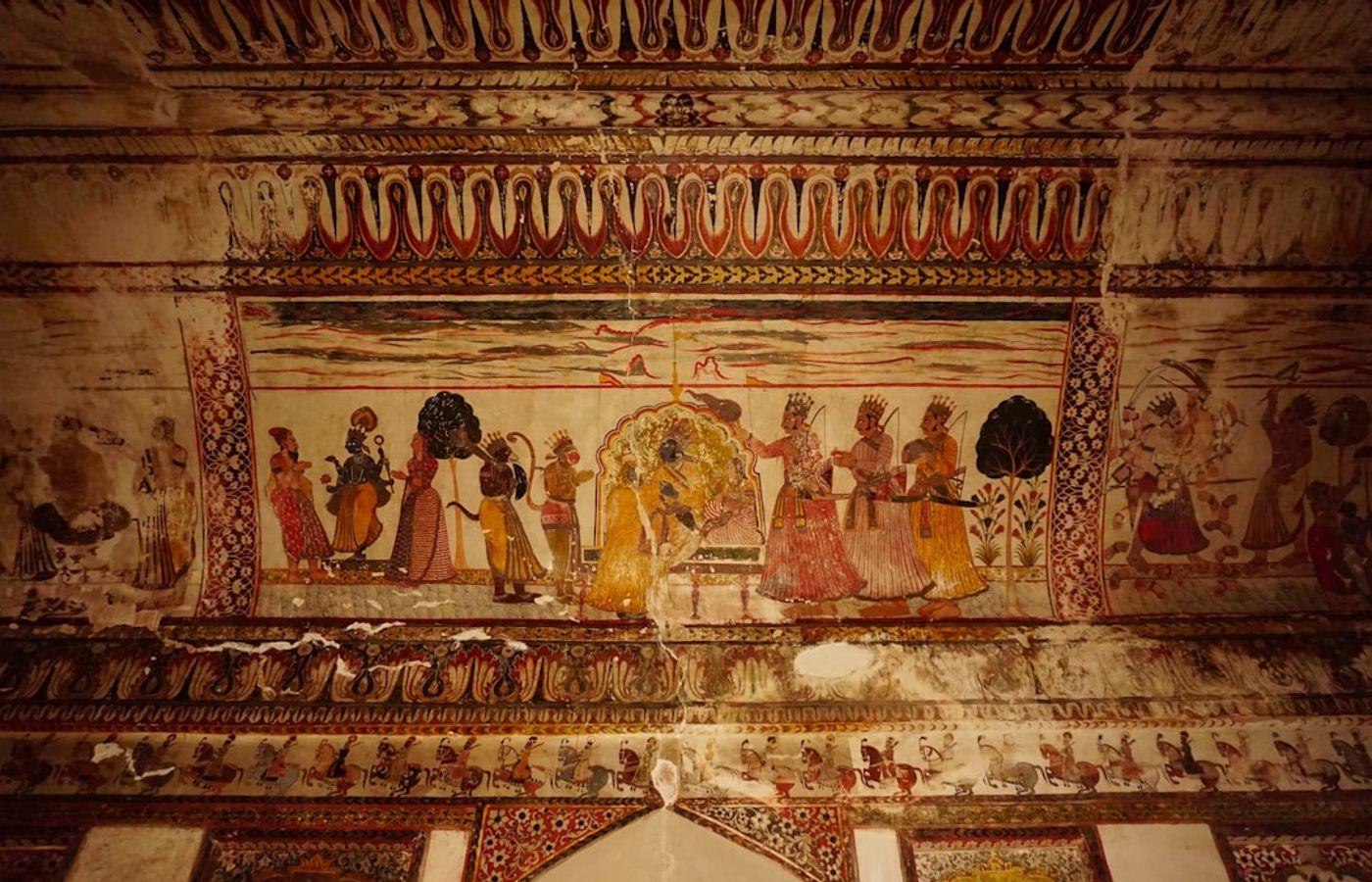
Kelaniya Raja Maha Vihara stands on the bank of the Kelani River, 10 km northeast of the city. Buddhist tradition holds that the Buddha visited this spot on his third journey to Sri Lanka, which makes it one of the island's most venerated temples. The present stupa comes from a 19th-century rebuild after Portuguese destruction, and the image house carries murals painted by Solias Mendis between 1927 and 1946.
Those murals justify the trip on their own. They cover the interior walls in panels drawn from the Sinhalese chronicles, painted in a revivalist style that borrows openly from the Ajanta caves in India. Entry runs on donation, typically LKR 500. The Duruthu Perahera each January fills the grounds with elephants and drummers over three nights. Dress code is enforced at the gate: light clothing, covered shoulders and knees, shoes off.
Pro Tip: Take the Main Line train from Colombo Fort to Kelaniya for about LKR 30 rather than paying roughly LKR 1,200 for a tuk-tuk each way. Avoid Poya full moon days unless you want the crowds.
10Mount Lavinia Beach - The Swimmable Coast in Colombo's Southern Suburbs
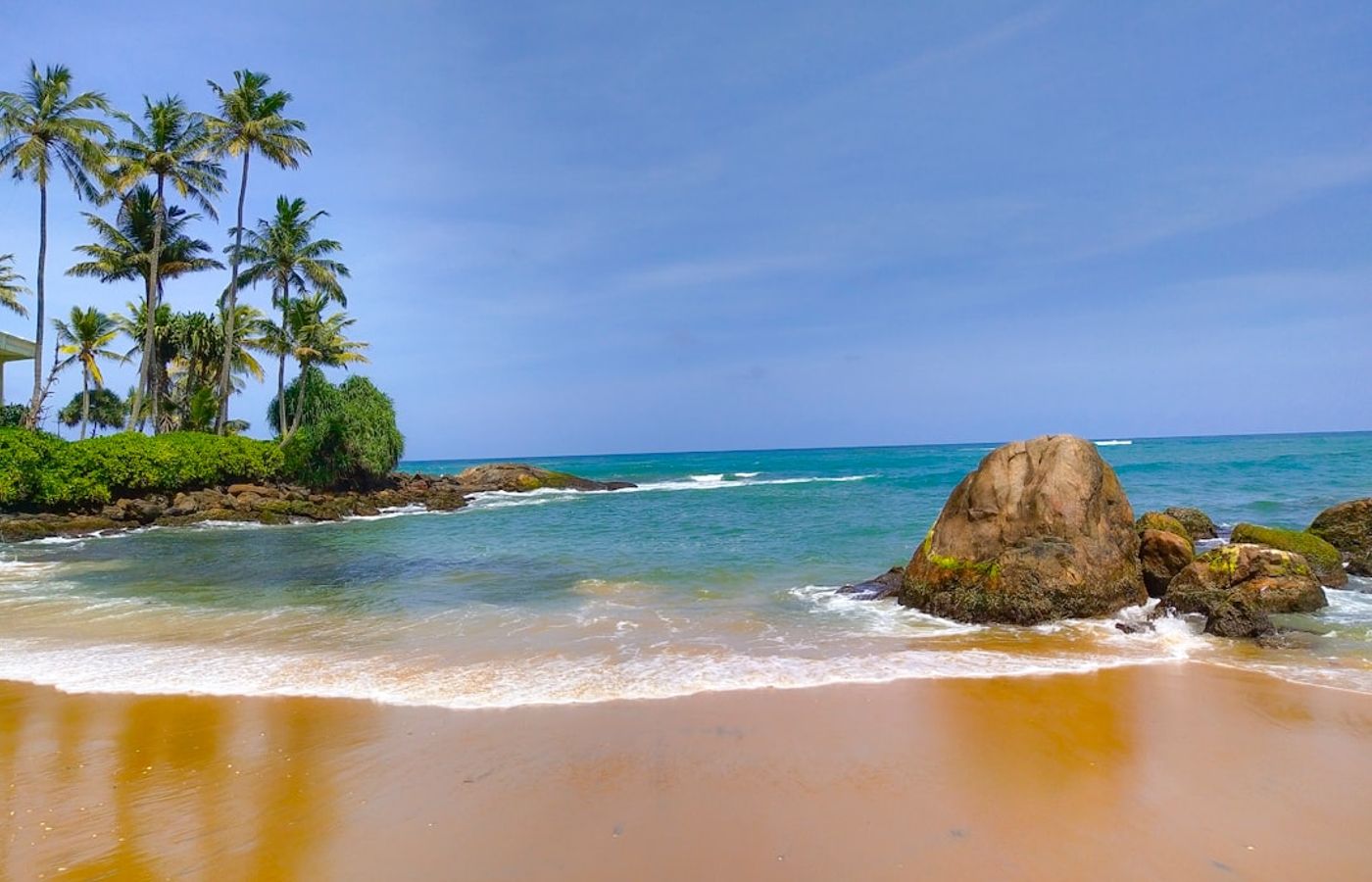
Mount Lavinia Beach is the closest usable stretch of sand to central Colombo, 12 km south along the coastal railway line. The beach runs about 1.5 km and is widest at the northern end, below the headland where the British governor Sir Thomas Maitland built his residence in 1806. Fishing boats land at the southern end each morning and sell the catch straight off the sand.
Swimming works here, unlike at Galle Face Green, though the current stiffens from May to September during the southwest monsoon and lifeguard cover is thin. Seafood shacks line the sand and a whole crab costs LKR 3,000 to 5,000, roughly 9 to 15 EUR, so agree the price by weight before you order. Sunset pulls in a mix of Colombo families, students and weekend visitors.
Pro Tip: The train from Colombo Fort takes 25 minutes and costs around LKR 40 in second class. Sit on the right-hand side heading south for the ocean view, and go midweek when the sand is far emptier.

CEO and co-founder
Tomas is the co-founder and director of trip1, an European company specializing in reservation services. He launched the company in 2025 with a focus on building scalable, efficient operations.
10 Best Things to Do in Colombo, Sri Lanka - FAQ
No, ten places in one day is not realistic in Colombo. Traffic between Fort and Kelaniya alone can eat an hour in each direction, and Mount Lavinia Beach sits 12 km south of the centre. Two full days covers the list at a comfortable pace. One day means dropping the two outlying entries and rushing the rest.
Start in Fort and work outward. Pettah Market with the Red Mosque, the Old Dutch Hospital and Galle Face Green sit within a 20-minute walk of one another, so cover them on the first morning. Move southeast next through Gangaramaya Temple, Seema Malaka on Beira Lake, the Colombo National Museum, Viharamahadevi Park and Independence Memorial Hall. Save Kelaniya Raja Maha Vihara and Mount Lavinia Beach for a separate half day each.
None of the ten require advance tickets. The Colombo National Museum sells entry at the gate, and Gangaramaya Temple, Seema Malaka and Kelaniya Raja Maha Vihara take a small foreigner fee or donation on arrival. Galle Face Green, Pettah Market, the Old Dutch Hospital, Viharamahadevi Park, Independence Memorial Hall and Mount Lavinia Beach are free. Queues stay short except on Poya full moon days.
Budget roughly LKR 6,000 to 8,000 per person, about 18 to 24 EUR, covering entry and local transport. The Colombo National Museum charges around LKR 2,000 for foreign adults. Gangaramaya Temple and Seema Malaka share a LKR 500 ticket, and Kelaniya Raja Maha Vihara asks a similar donation. Six of the ten cost nothing at all, so most of the total goes on tuk-tuk fares and food.
Tuk-tuks booked through the PickMe app are the practical default. Metered fares run about LKR 100 to 150 per kilometre, so most trips inside the city stay under LKR 800, roughly 2.40 EUR. Colombo has no metro system. The coastal railway line from Colombo Fort Railway Station is faster and cheaper than road for the run south to Mount Lavinia, at around LKR 40 in second class.
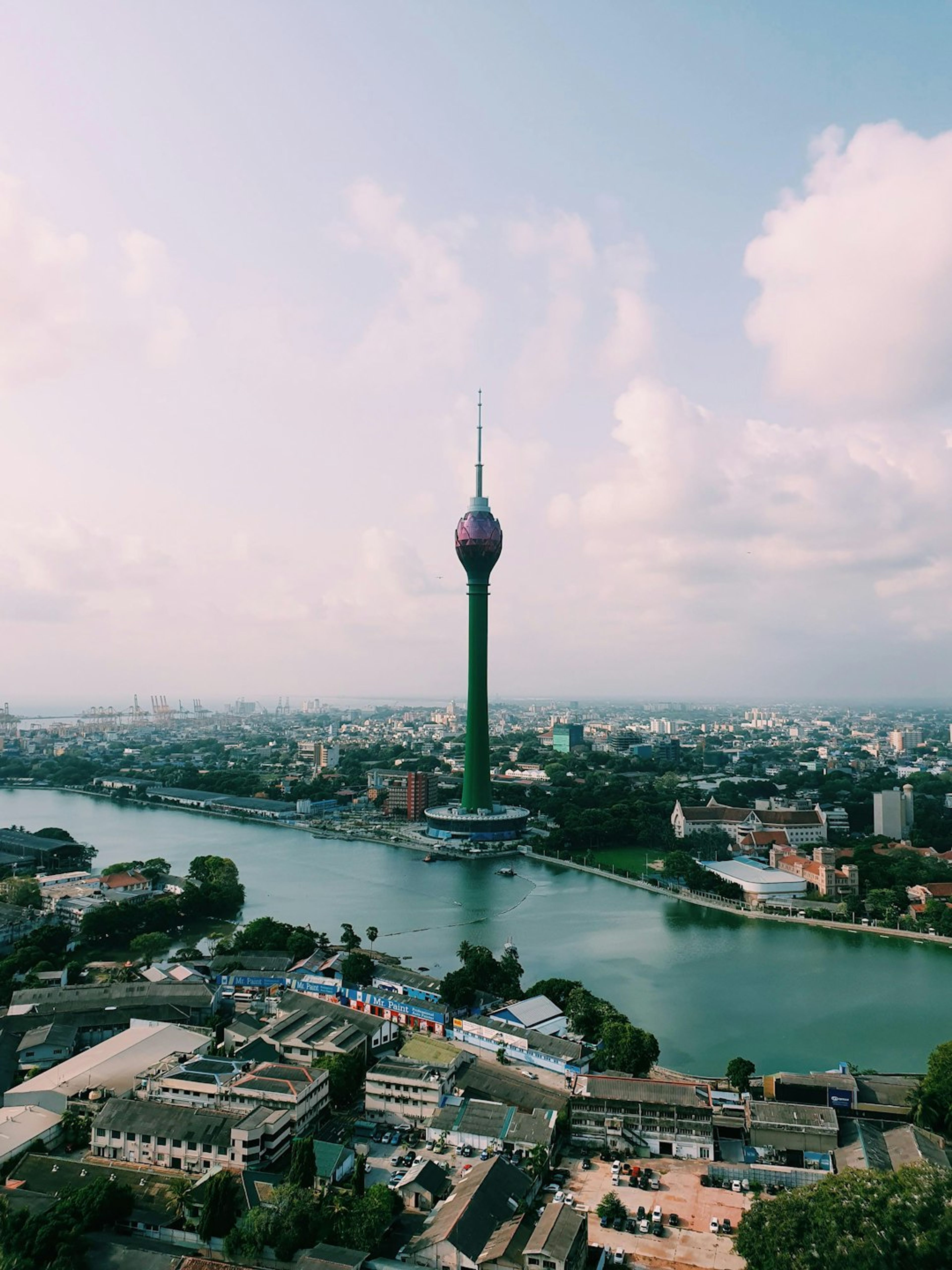
Four things are worth adding if you have extra time. The Lotus Tower in Slave Island gives the highest public viewpoint in the city. Wolvendaal Church in Pettah is a Dutch Reformed building from 1749 that most itineraries skip. Barefoot on Galle Road in Colombo 03 sells handloom textiles, and the crab restaurants in Wellawatte are the reason many people extend a Colombo stopover by a night.