

When is the best time to visit New Zealand?

The best time to visit New Zealand is between November and April, the most comfortable stretch of the year on these averages.

New Zealand has four seasons without a desert summer or a guaranteed freeze. Pack for mixed weather. The good outdoor weeks are real, and so are the grey ones. The pin on this page is a country centroid. Queenstown will not feel like the same week, and a city page is the honest place to read the year if you already know where you are going.

Most visitors come for cities, walking and the milder stretch of the year. Treat midwinter as museums and food unless you like weather for its own sake. The monthly table owns the averages. This layer is how New Zealand actually feels.

New Zealand

Spring

Spring in New Zealand is when the year becomes walkable again. September, October and November are mixed: bright days, wet days, and the odd reminder that winter has not fully left.

Seasons in New Zealand run opposite to the northern brochure: summer is December, January and February, winter is June, July and August. This is a good month-range for a city break that wants outdoor hours without betting the packing list on heat. Carry a shell.

Read New Zealand in this stretch as its own climate, not as a generic holiday season copied from another destination.

Summer

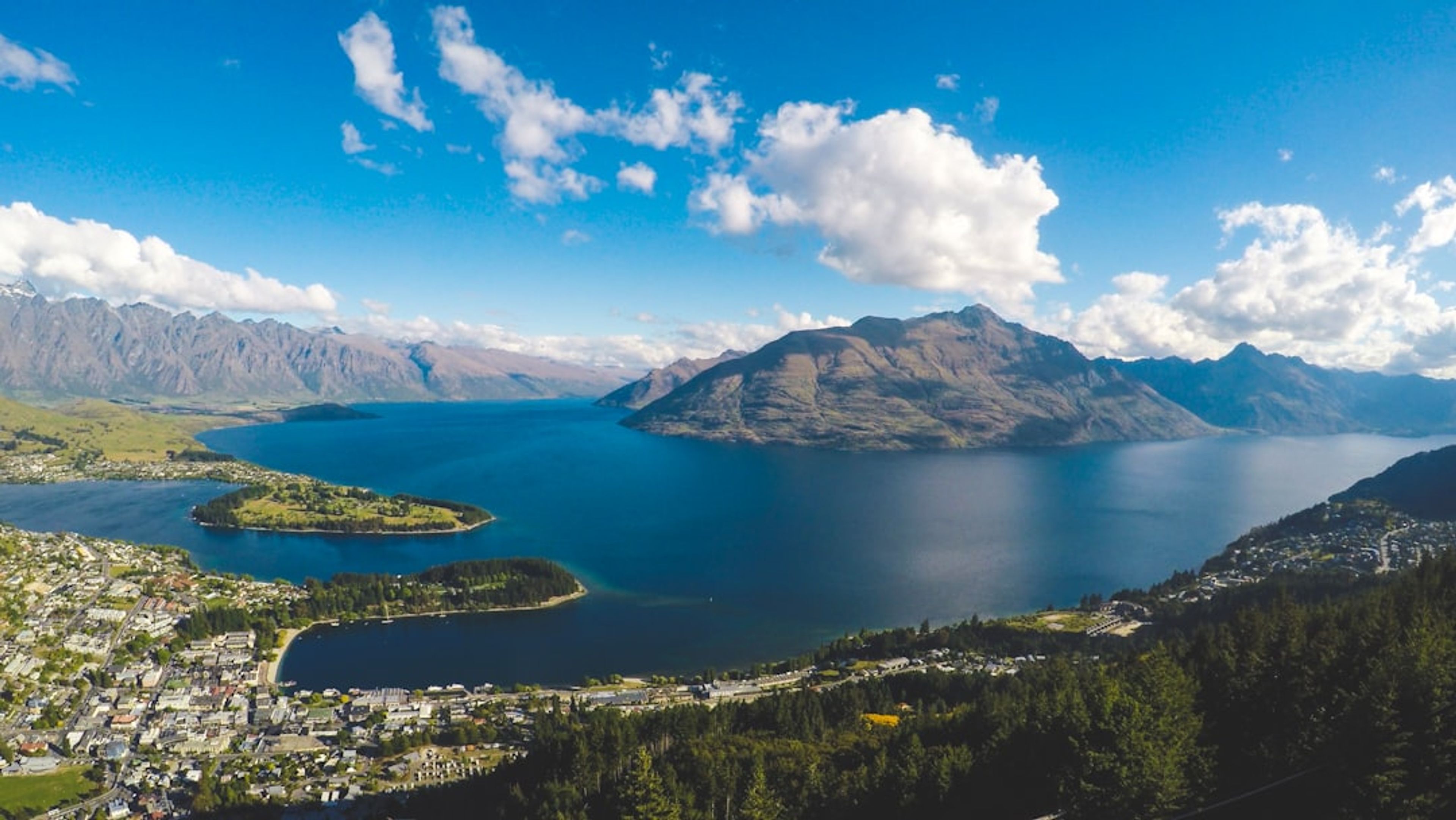
Summer in New Zealand is the most usable stretch of the year: December, January and February. Long days, milder nights, and outdoor weather that makes a city break feel like a holiday.

Seasons in New Zealand run opposite to the northern brochure: summer is December, January and February, winter is June, July and August. It is still a mixed-sky climate. A grey afternoon is not a surprise. Pack for sitting outside and for the hour you duck into a museum because the sky decided otherwise.

Autumn

Autumn in New Zealand is the second spring, then a slide: March, April and May. Early weeks are for walking. Later weeks are for jackets and shorter outdoor plans.

Seasons in New Zealand run opposite to the northern brochure: summer is December, January and February, winter is June, July and August. Rain returns as a planning constraint. New Zealand in these months is still a good city-break climate if you pack for weather instead of for a brochure afternoon.

Read New Zealand in this stretch as its own climate, not as a generic holiday season copied from another destination.

Winter

Winter in New Zealand is grey, wet and short on daylight: June, July and August. Snow is possible and not the identity of the season. Museums, food and walking between showers are the trip.

Seasons in New Zealand run opposite to the northern brochure: summer is December, January and February, winter is June, July and August. A bright winter afternoon in New Zealand is worth going out for. The rest of the day is not a failed summer. It is the climate this place actually has.

Average weather in New Zealand

TemperatureRainfall

Source: MeteostatPeriod: 1991-2020Checked: 28 Aug 2026265 places covered

Weather in New Zealand cities

Travel guides for New Zealand

What to read before you book.

All travel guides in New Zealand

Check another month

Now pick a month.

FAQs about New Zealand

Climate averages for New Zealand, 1991–2020.

The best time to visit New Zealand is between November and April, the most comfortable stretch of the year on these averages.

February is the hottest month, with an average around 17°C.

July is the wettest month, with about 116 mm of rain.

No. These are 1991–2020 climate normals from Meteostat, not a live forecast. Actual weather in any given week can differ.