


Siem Reap travel guides
Browse and explore the best travel guides in Siem Reap.
Siem Reap travel facts
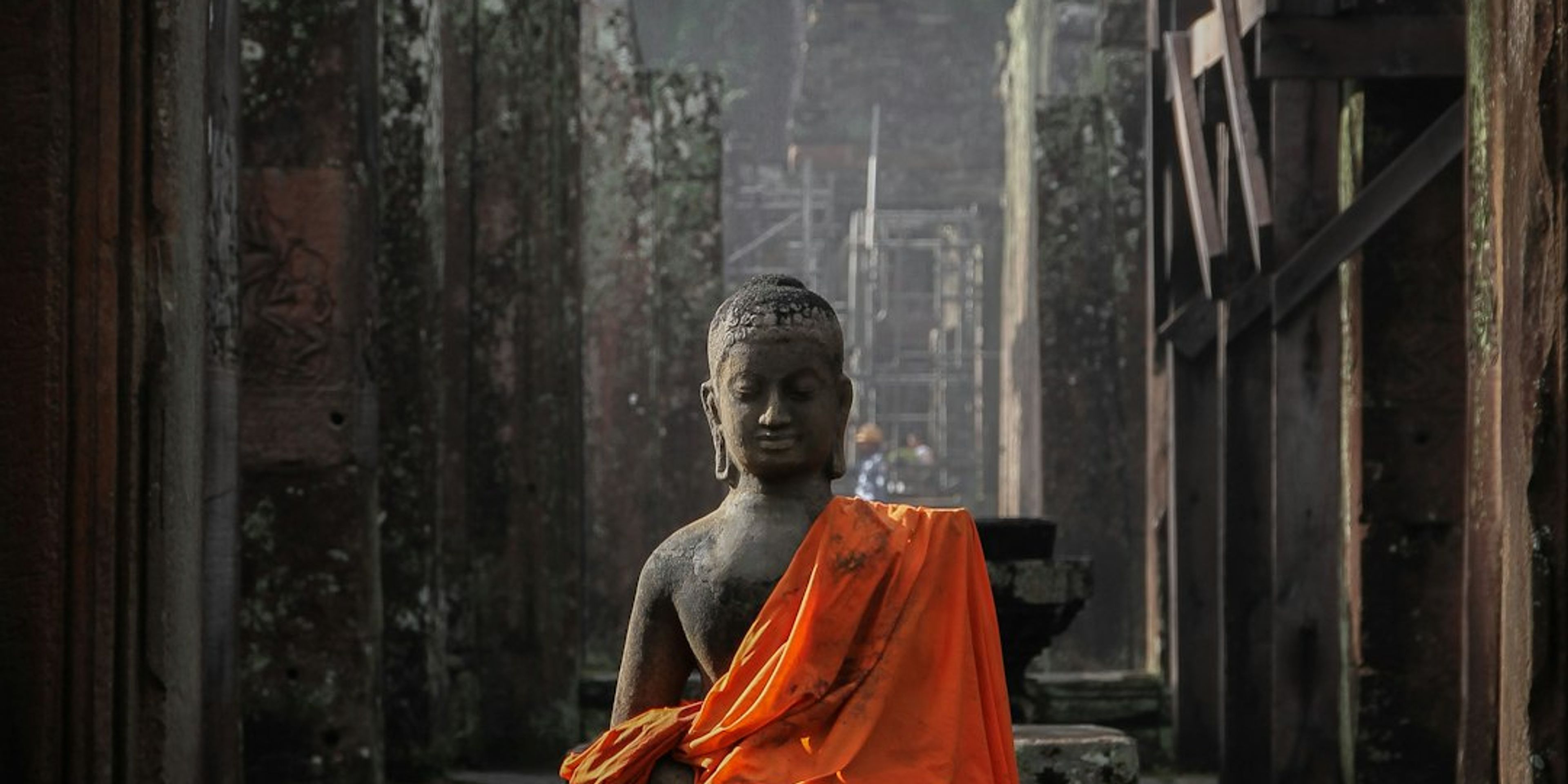
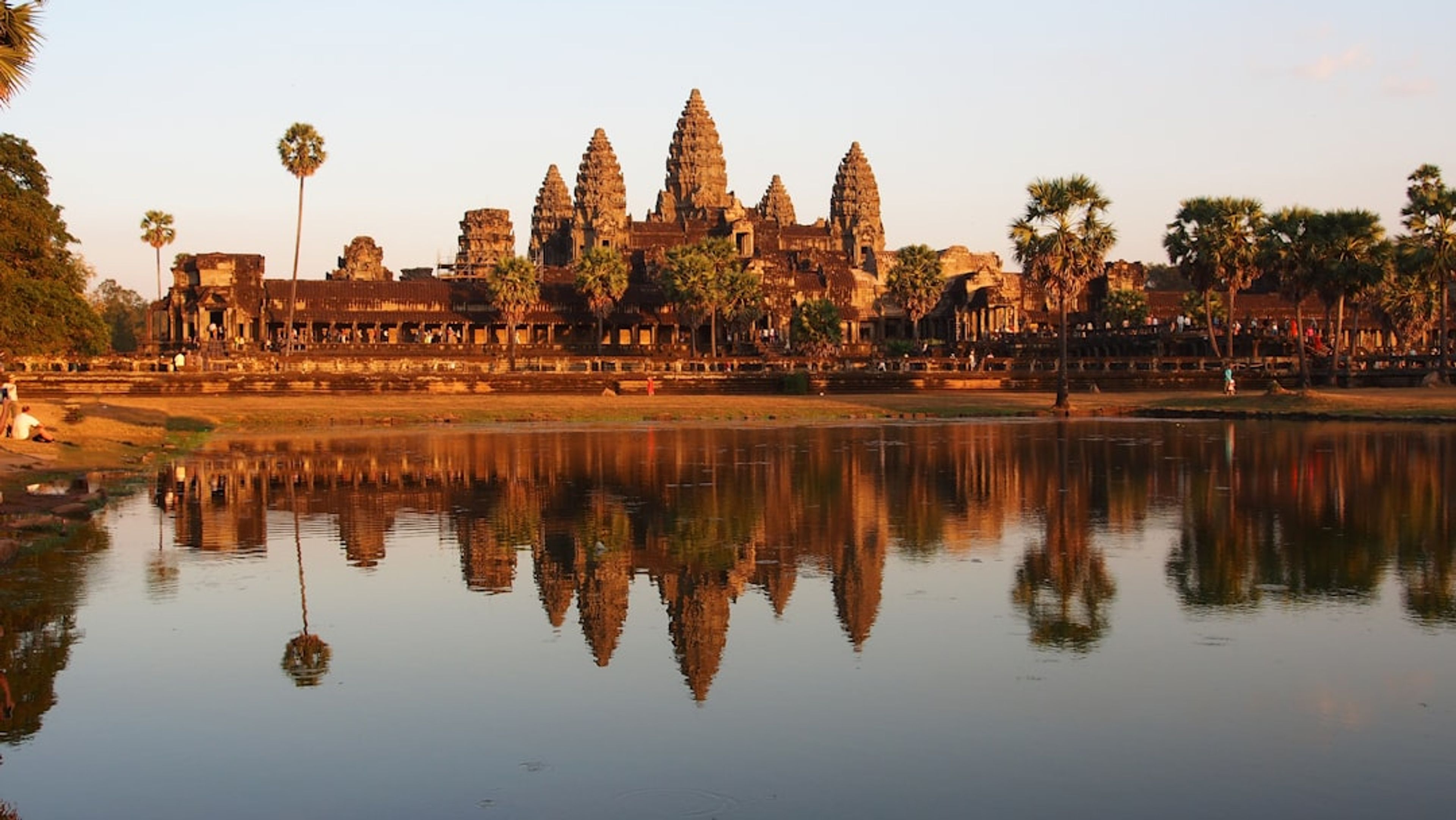
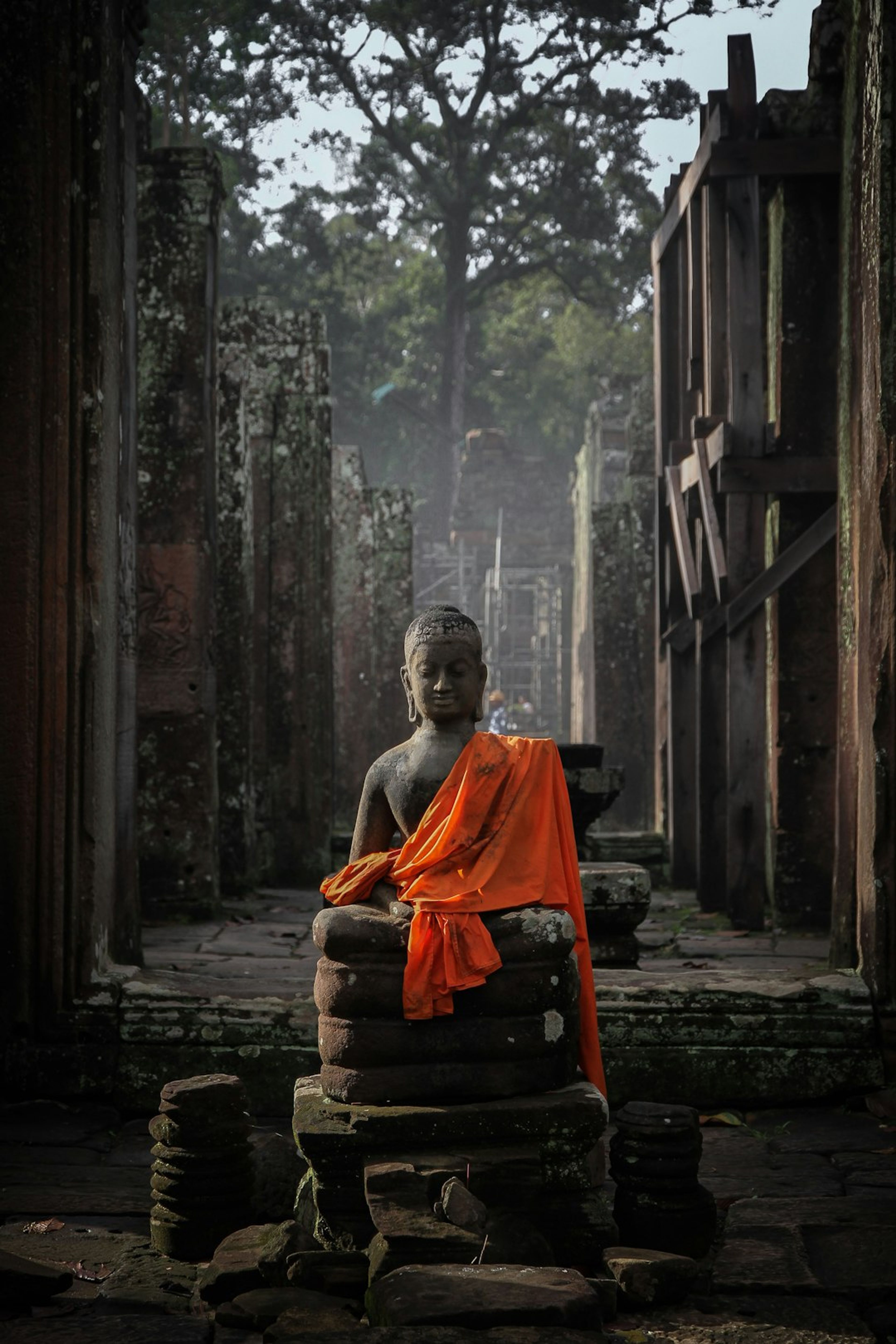
Siem Reap exists because of what lies eight kilometres to its north: Angkor, the capital of the Khmer Empire and the largest religious complex ever built. The town has grown from a village into Cambodia's tourism capital, but the temples remain the reason almost everyone comes.
Angkor Wat gets the sunrise crowds, but the archaeological park covers 400 square kilometres and includes the faces of Bayon, the strangler figs of Ta Prohm and dozens of outlying temples that see almost no one. Passes are sold for one, three or seven days, and most visitors need at least three to do it justice.
The town itself has Pub Street and the night markets at its centre, but also good restaurants, spas and the Angkor National Museum. Out on the Tonlé Sap lake, floating villages such as Kampong Phluk sit on stilts that rise several metres above the dry-season waterline.

Country
Cambodia
Region
Siem Reap Province, northwestern Cambodia
Population
~245,000
Elevation
18 m above sea level
Time Zone
ICT (UTC+7)
Currency
Cambodian Riel (KHR); US dollars widely accepted
Language
Khmer; English widely spoken in tourism
Nearest Airport
SAI (Siem Reap-Angkor International), 50 km
Airport to City Centre
~45-60 min by taxi or hotel transfer
Typical Cost Level
Budget
Transport Pass
Angkor Pass (1, 3 or 7 days); tuk-tuks for getting around
Spring (Mar-May)
26-35°C, the hottest months
Summer (Jun-Aug)
26-33°C, rainy season
Autumn (Sep-Nov)
25-32°C, wettest then clearing
Winter (Dec-Feb)
21-31°C, dry and the best time to visit
Siem Reap travel guides
Stay in the loop
Get the latest deals, new destinations, and travel tips delivered straight to your inbox.
No spam, unsubscribe anytime.
Do you need a visa for Cambodia?
Entry rules, stay length and passport validity by nationality.
Climate averages · 1991–2020
When is the best time to visit Siem Reap?
Monthly temperatures, rainfall and sunshine — not a live forecast.
See Siem Reap weatherLatest travel guides
Siem Reap Destination FAQ
November to February is the best time to visit Siem Reap, with dry days and temperatures manageable enough for long hours at the temples. March to May regularly exceeds 35°C. The rainy season from June to October brings fewer crowds, greener surroundings and full moats at Angkor.
Arrange a hotel transfer or take an airport taxi, allowing 45-60 minutes. The new Siem Reap-Angkor International Airport opened in 2023 and sits about 50 km east of town, much further out than the old airport. Fares are fixed at the arrivals desk.
Hire a tuk-tuk driver for the day, which is the standard way to tour the temples. Most charge a set rate for the small circuit and slightly more for the grand circuit or distant sites like Banteay Srei. Bicycles work for the closer temples if you can handle the heat.
Three days is the sweet spot. A one-day pass covers Angkor Wat, Bayon and Ta Prohm at a rush; a three-day pass lets you spread the temples out, avoid heat exhaustion and add Banteay Srei and the floating villages.
Passes are sold for one, three or seven days at the official ticket centre or online, and your photo is printed on the pass. Three- and seven-day passes are valid across a longer window, so the days do not need to be consecutive. Buying after 5pm gets you free entry for that evening's sunset.
Siem Reap is generally safe and heavily geared towards visitors. Bag snatching from motorbikes happens occasionally around Pub Street at night, so keep valuables secure. Heat and dehydration cause more trouble at the temples than crime does.
On trip1, you can book hotels across Siem Reap and pay with over 50 cryptocurrencies including Bitcoin, Ethereum, and USDC. trip1 covers 3 million+ hotels in 190+ countries, making it easy to find and book accommodation with crypto.