
Guides · Barcelona
Barcelona in December: Gaudí, Caga Tió & Festive Lights
By Viktorija Dvariskyte · Marketing Manager

Marketing Manager
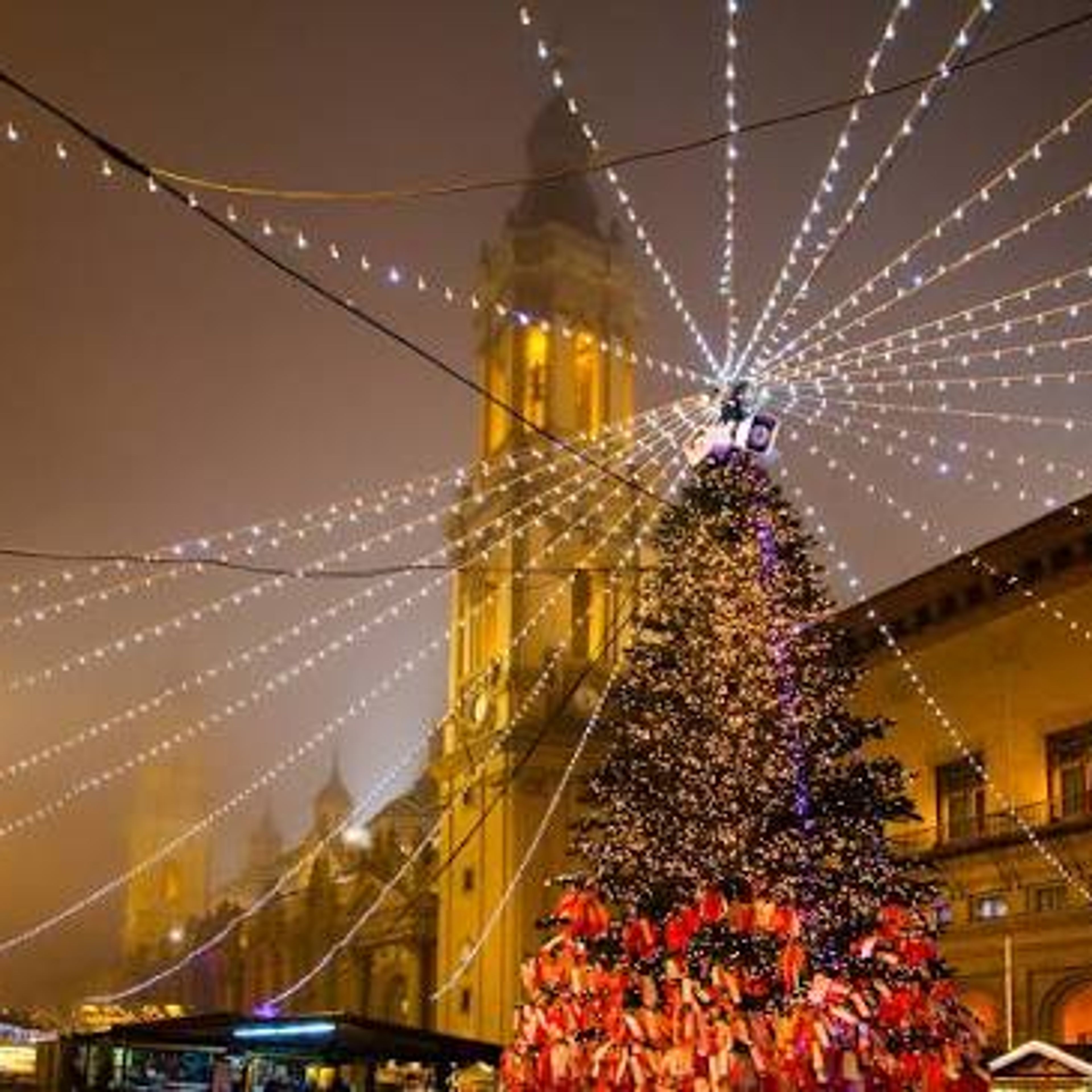
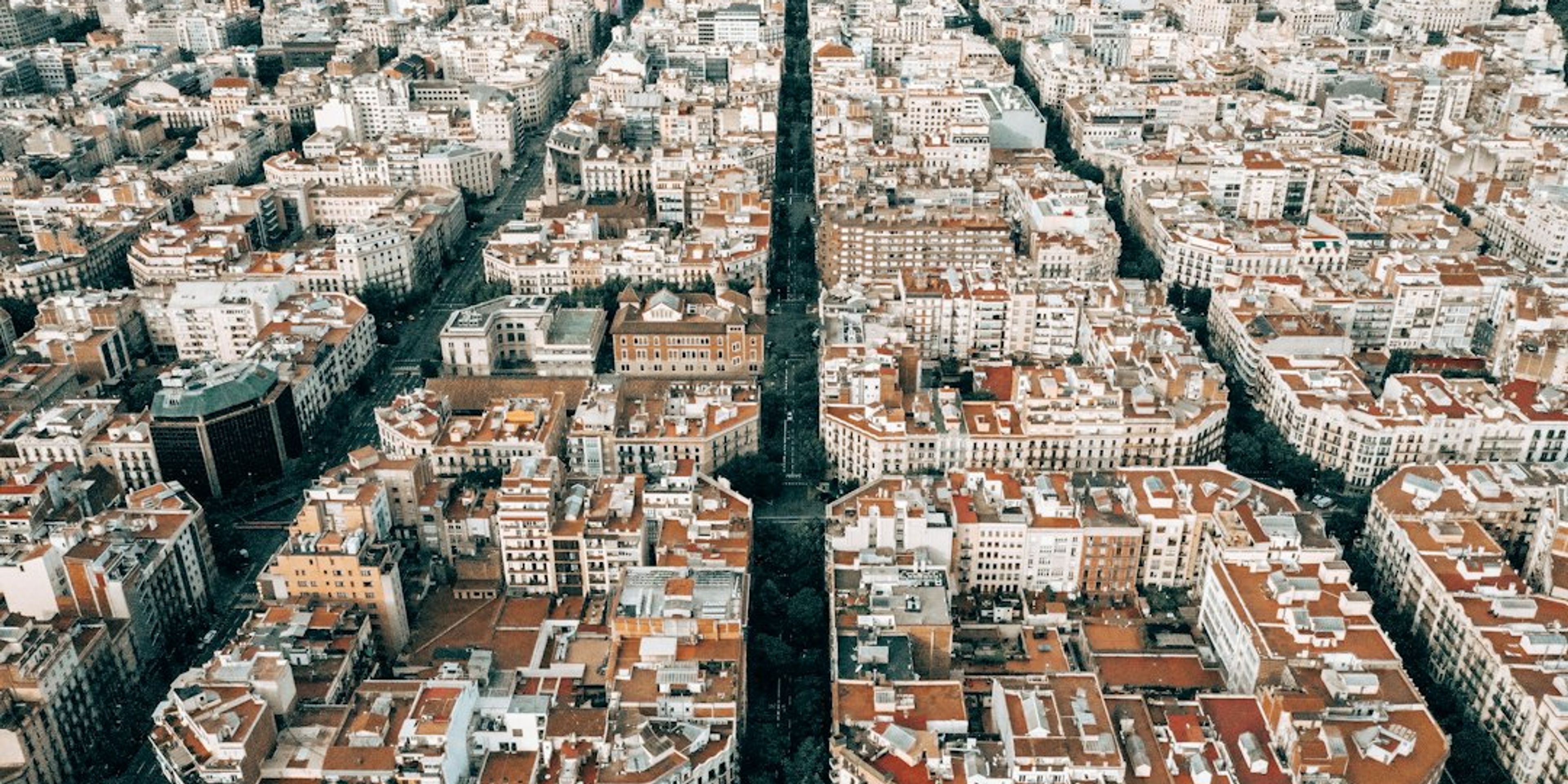
Barcelona in December trades summer beach crowds for low winter sun and Catalan Christmas customs you will not find anywhere else in Spain. Daytime highs of around 14-15°C make it one of Europe's mildest city breaks this month. This guide covers 5 things to do in Barcelona in December, from Gaudí's first house to Caga Tió at the city's oldest Christmas fair, the Nativity scene in Plaça de Sant Jaume and the lights on Passeig de Gràcia.
Each entry includes the exact address, the nearest Barcelona Metro station or bus line, its distance from Plaça de Catalunya, and a practical Pro Tip. Two entries are in the Gothic Quarter and can be visited together, two are in the Eixample and Gràcia districts, and one takes you up to Tibidabo for the clearest views of the year.
Spend one day in the Gothic Quarter and on Passeig de Gràcia after dark, and another in Gràcia and up on Tibidabo. Note that 8, 25 and 26 December are public holidays in Catalonia. On Christmas Day, families eat escudella i carn d'olla, a rich soup with giant pasta shells, and on 26 December, Sant Esteve, leftover meat becomes canelons.
Check dates for Barcelona
See what is available on your dates.
1Casa Vicens - Gaudí's First House
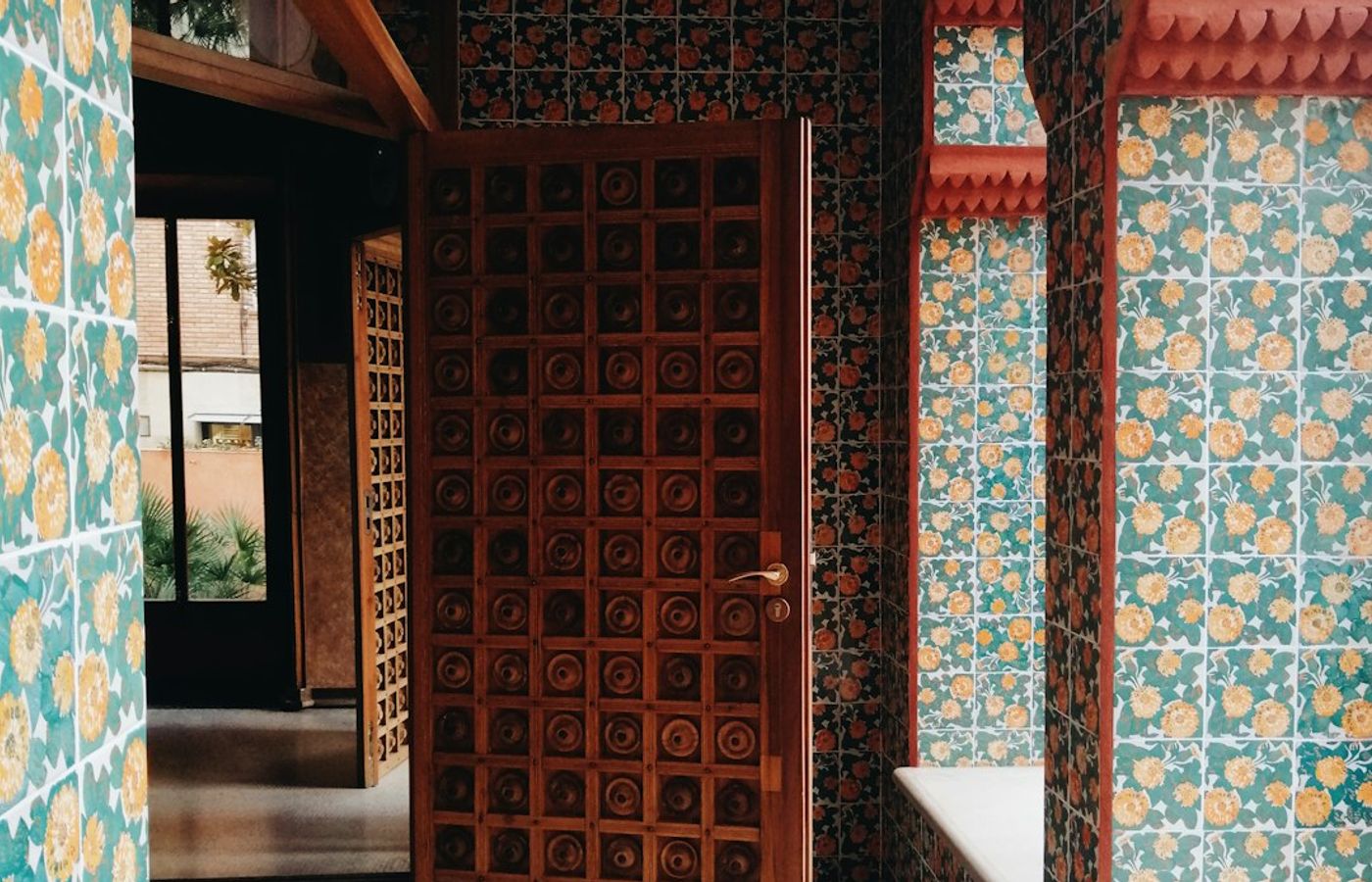

Before Sagrada Família, there was Casa Vicens. Antoni Gaudí designed it between 1883 and 1885 as a summer house for the stockbroker Manuel Vicens, and it was his first major commission. The facade is covered in green-and-white tiles decorated with yellow marigolds, mixed with red brick and Moorish-style turrets. Inside are painted ceilings, a smoking room with a carved honeycomb vault and a palm-leaf iron gate.
The house joined the UNESCO World Heritage listing of Gaudí's works in 2005 and opened as a museum in 2017. It is far quieter than the better-known Gaudí sites, especially in December, and tickets cost around €20. The surrounding Gràcia district, with its small squares and independent shops, is good for a slow afternoon walk.
2Fira de Santa Llúcia - Caga Tió and Caganers by the Cathedral
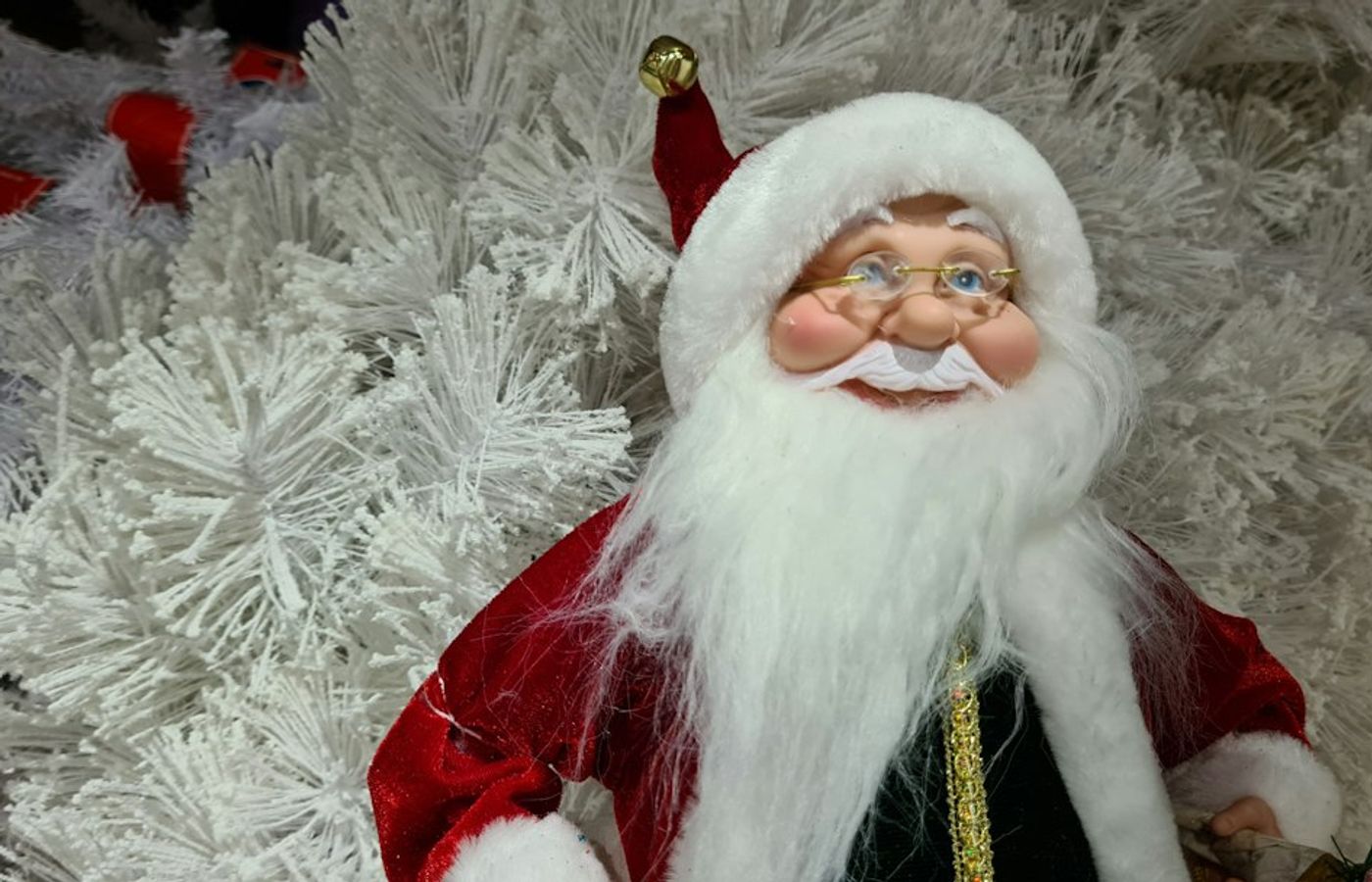

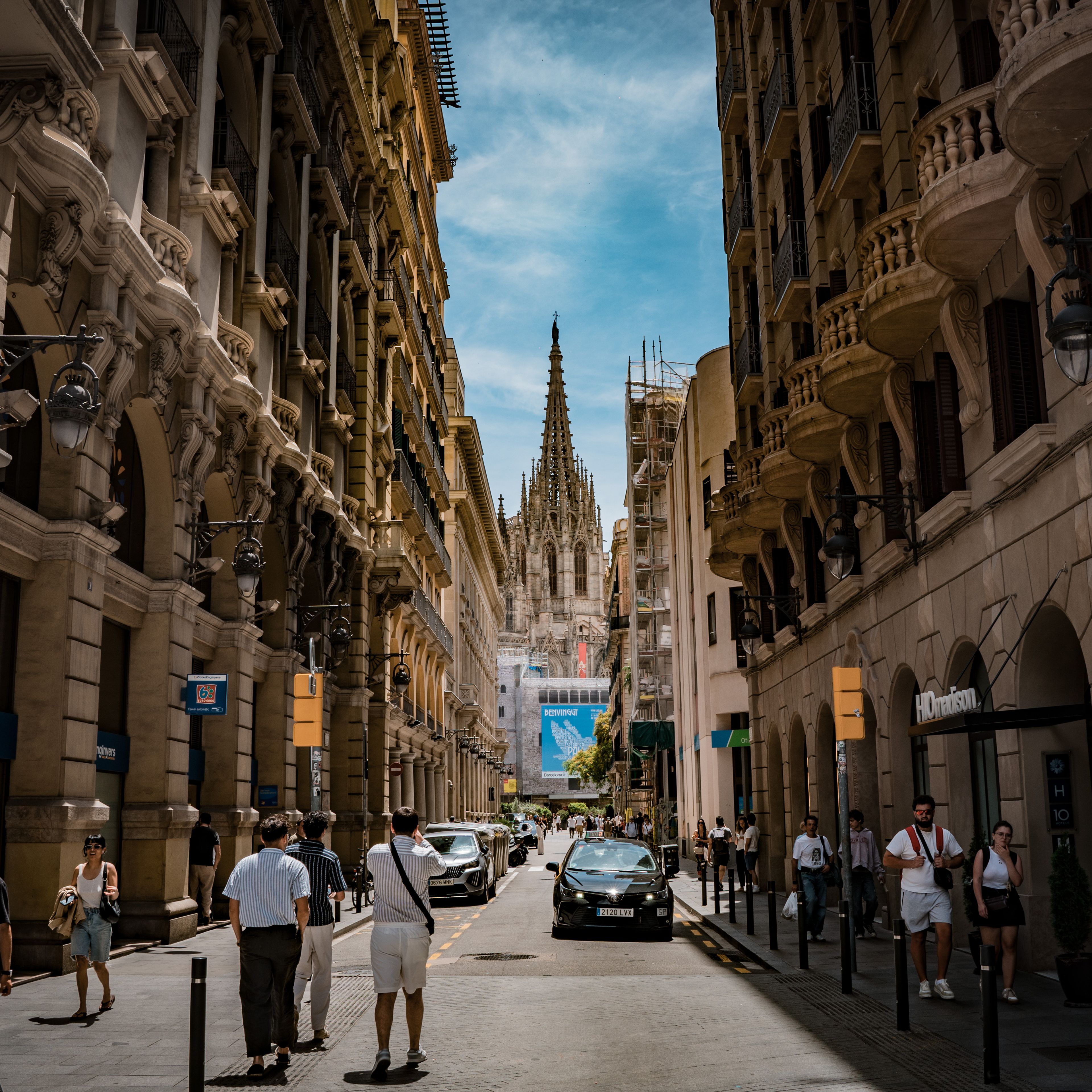
Running since 1786, the Fira de Santa Llúcia fills the square in front of Barcelona Cathedral with around 300 stalls from late November until 23 December. It is the place to discover Caga Tió, Catalonia's most unusual Christmas custom: a small log with a painted face and a red barretina hat. Children "feed" it from early December, then on Christmas Eve beat it with sticks while singing until it "poops" sweets and turrón.
Stalls also sell moss, cork and hand-painted figures for Nativity scenes, including the caganer, a squatting figure hidden in Catalan cribs and now made in the likeness of footballers and politicians. Prices range from a few euros for a small figure to €40 or more for a large tió. The fair is free to browse, and the surrounding Gothic Quarter lanes are decorated for the season.
3Passeig de Gràcia - Christmas Lights on Barcelona's Grandest Boulevard
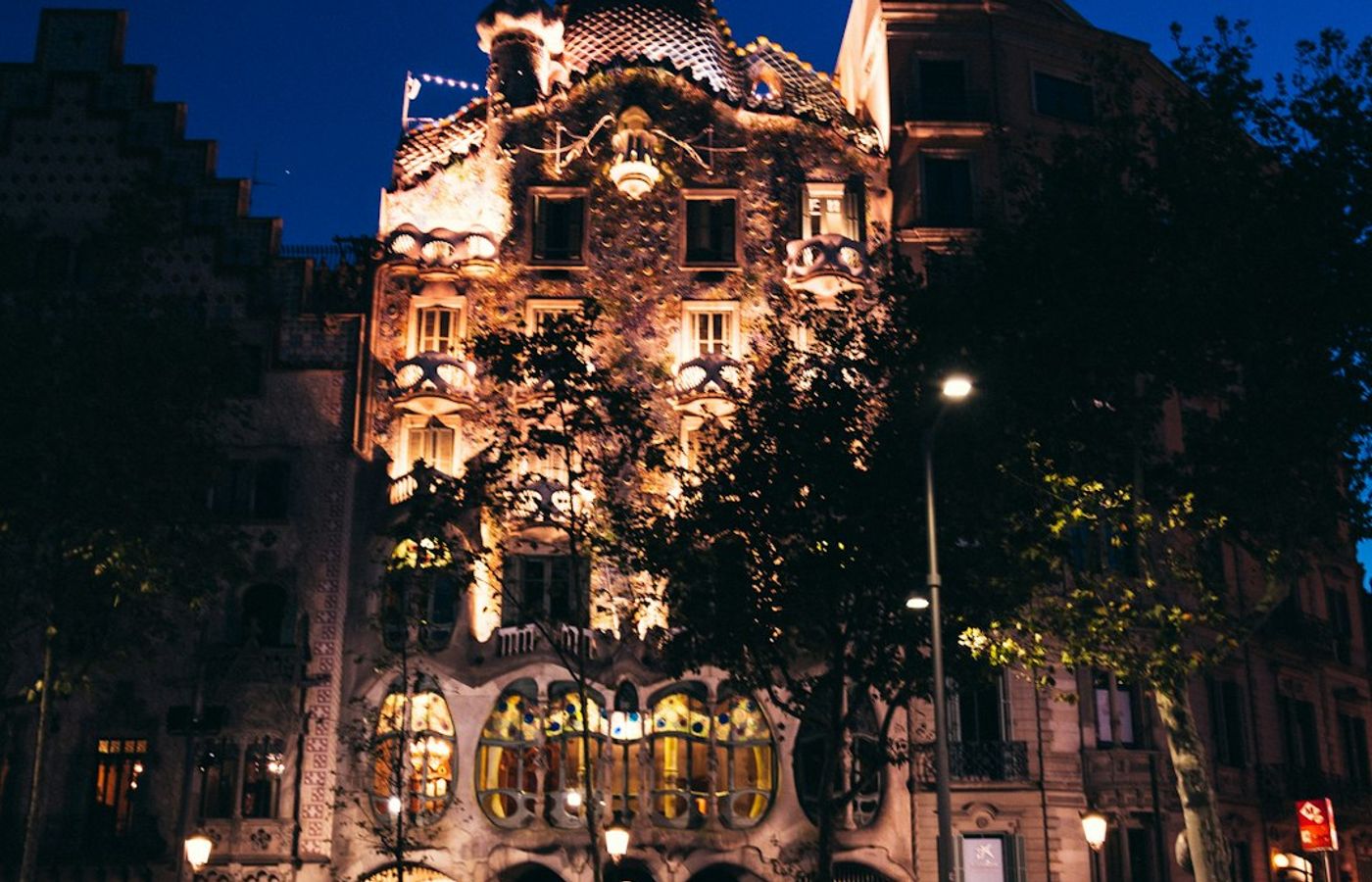

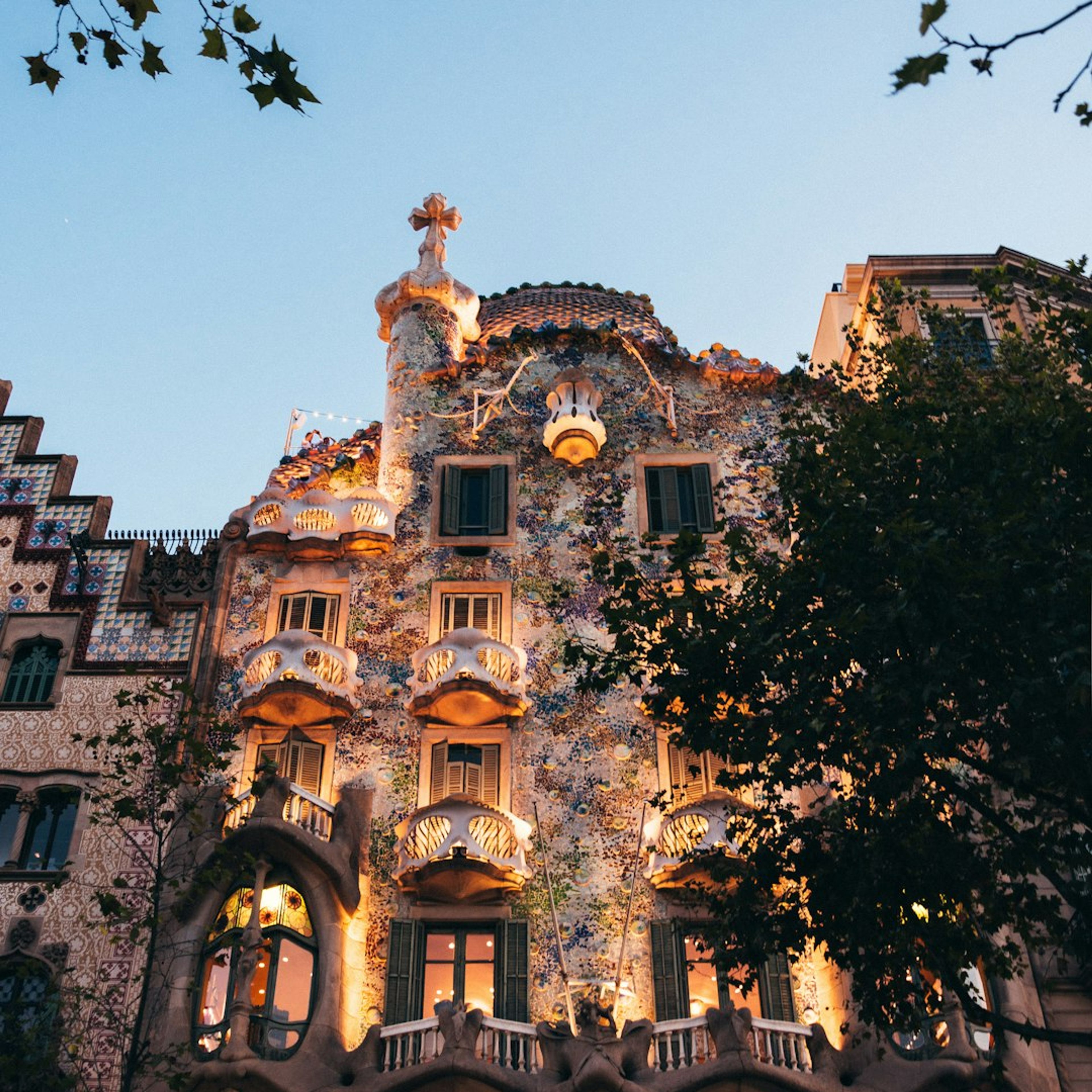
Barcelona switches on its Christmas lights in late November, decorating around 100 streets until early January. Passeig de Gràcia is the showpiece: a 1.3 km boulevard lined with modernista buildings, including Gaudí's Casa Batlló at number 43 and Casa Milà, known as La Pedrera, at number 92. The ornate lamp-benches along the pavement were designed by Pere Falqués in 1906.
At the southern end, Plaça de Catalunya usually hosts a large Christmas tree and seasonal installations. Casa Batlló often dresses its facade for the holidays, and both Gaudí houses run evening visits if you want to see their interiors. From the top of the boulevard, cross into the Gràcia district, where smaller streets have their own neighbourhood decorations.
Check dates for Barcelona
See what is available on your dates.
4Plaça de Sant Jaume - Barcelona's Official Nativity Scene
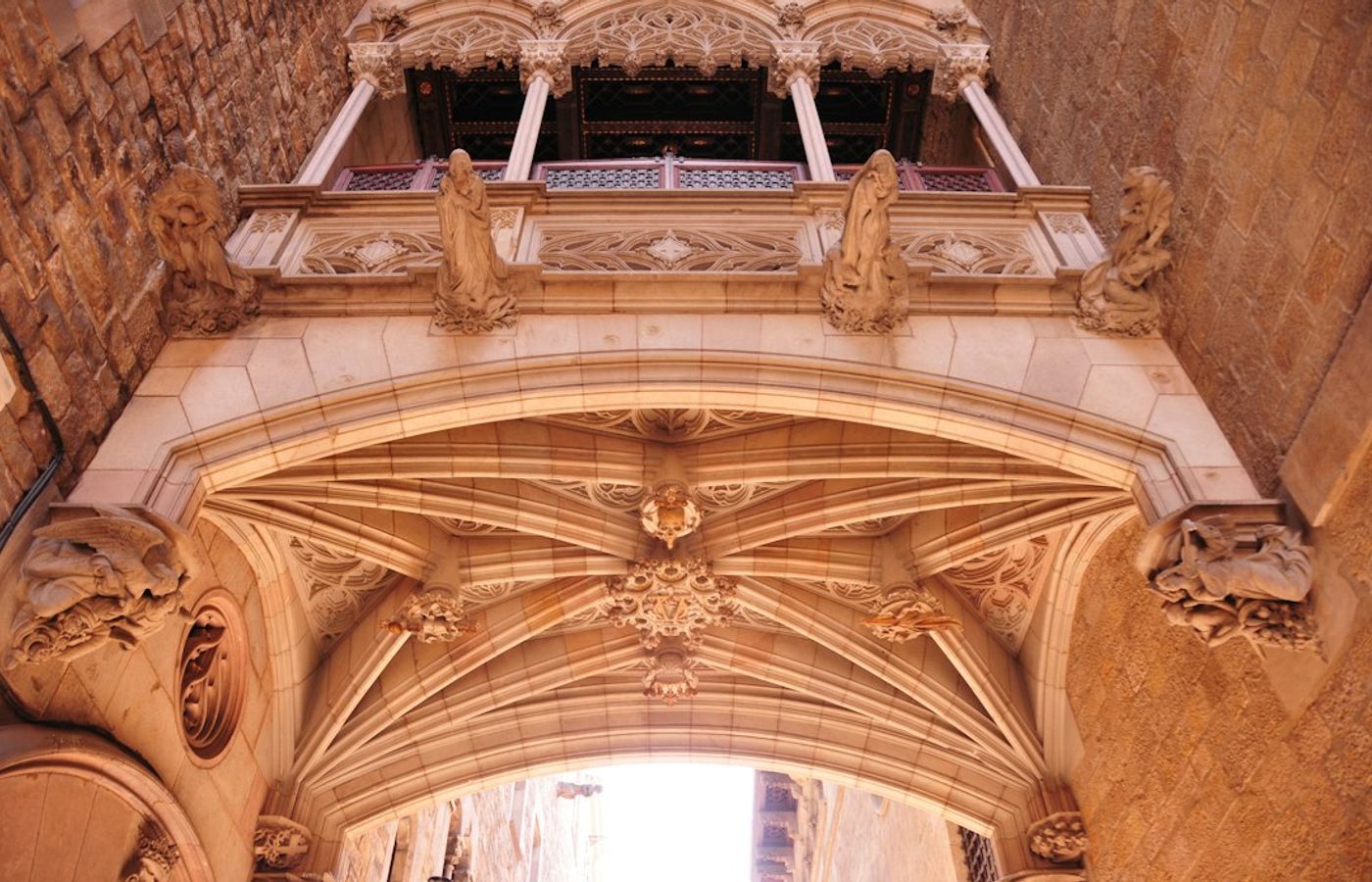
Plaça de Sant Jaume has been the political heart of Barcelona since Roman times, with the City Hall and the Palau de la Generalitat, seat of the Catalan government, facing each other across the square. Every December the city installs its official Nativity scene here, and the design changes each year. Some years it is a traditional crib, others a bold contemporary installation that becomes a talking point across the city.
The pessebre is usually unveiled in early December and stays until early January, alongside a large Christmas tree. A few minutes' walk north, Plaça del Rei is one of the best-preserved medieval squares in the city, where legend says the Catholic Monarchs received Columbus after his first voyage. Both squares are free and especially atmospheric once the lights come on.
5Tibidabo - Winter Views from Barcelona's Highest Hill
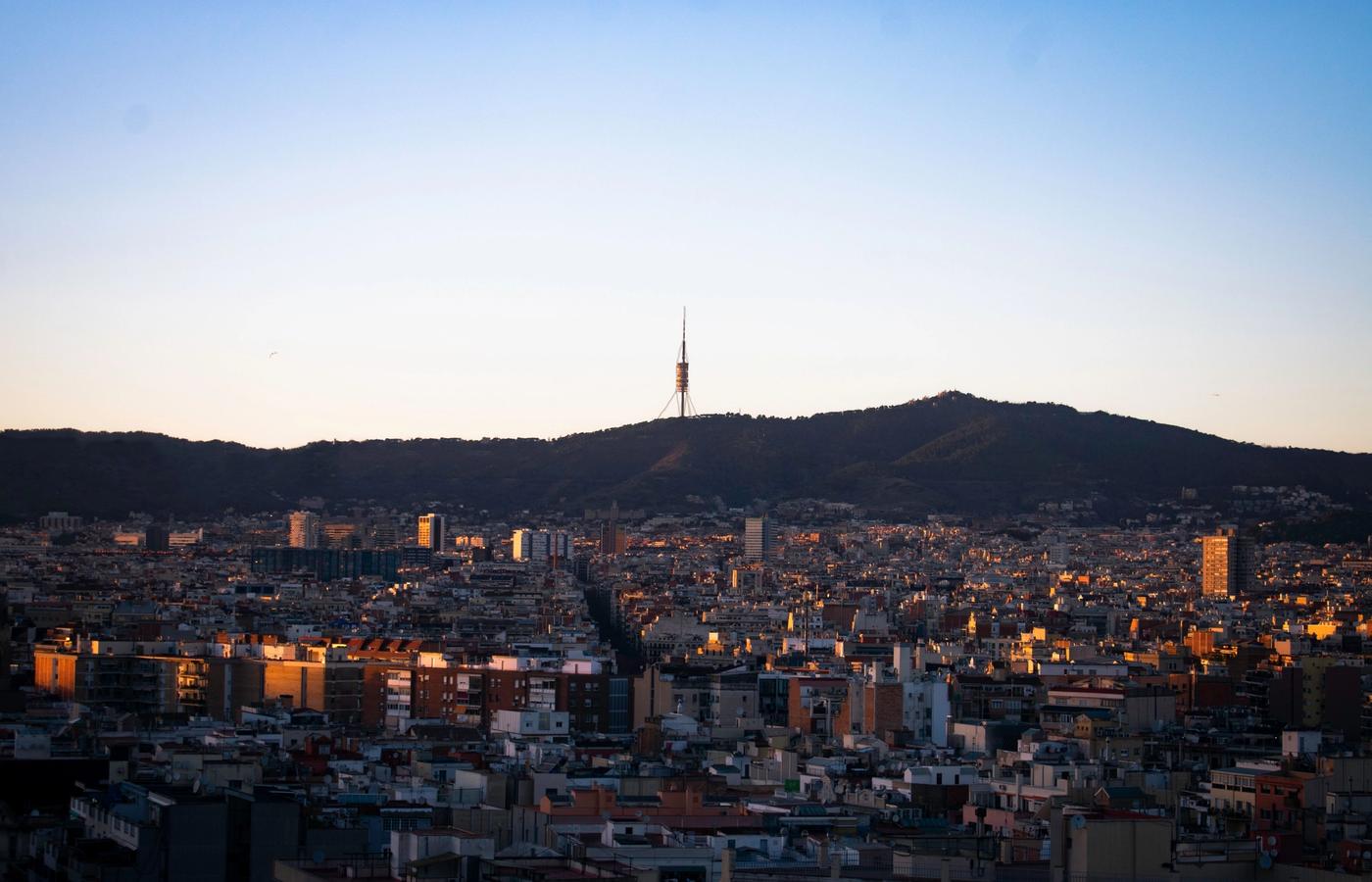
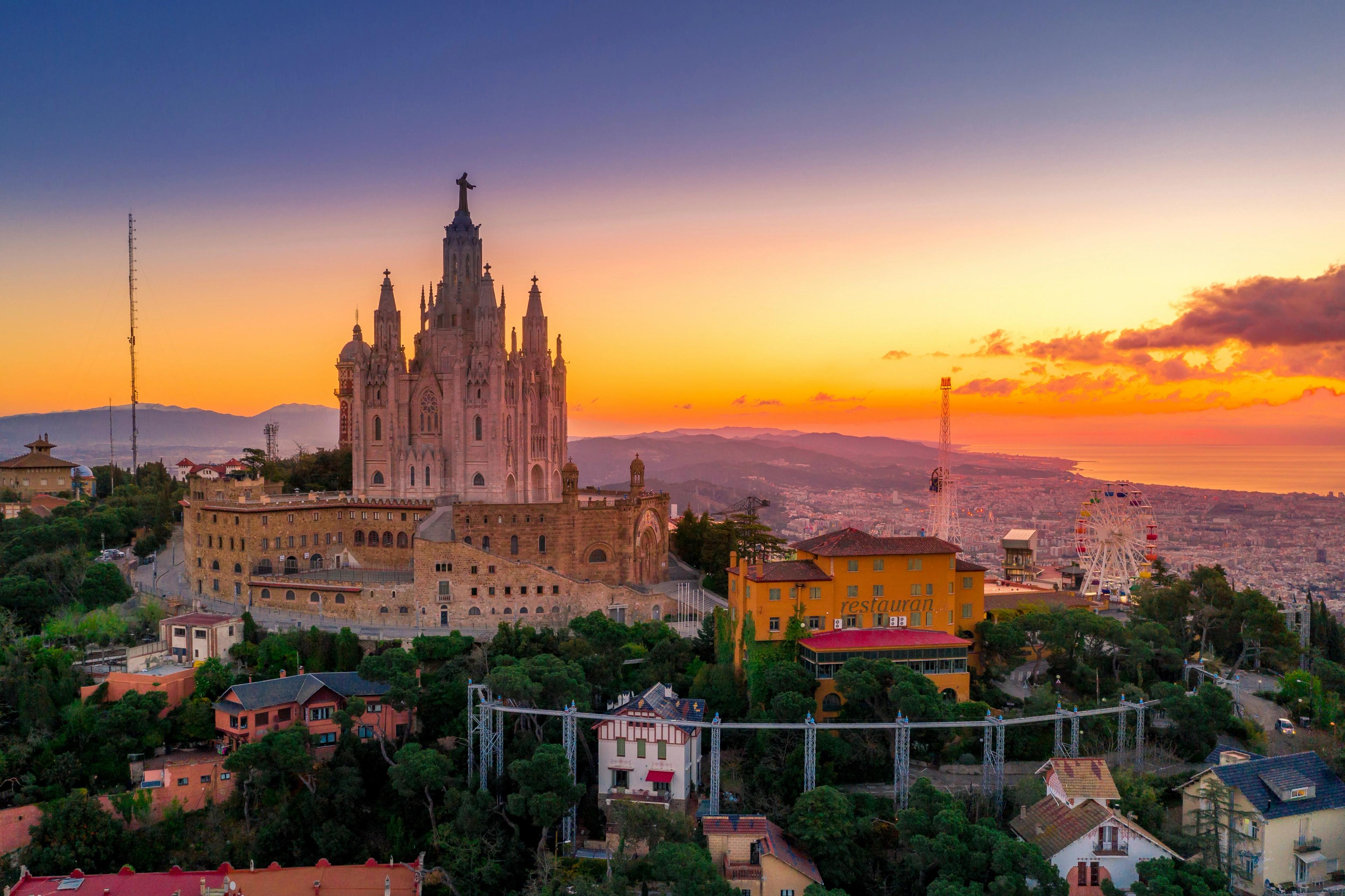
At 512 metres, Tibidabo is the highest point of the Collserola hills, and December's cold, clear days give it the sharpest views of the year. The summit is crowned by the Temple of the Sacred Heart, completed in 1961, with a bronze statue of Christ on top. A small lift and a final staircase take you to the highest terrace for a few euros, with views over the city, the sea and, on the clearest days, the Pyrenees.
Beside the church is the Tibidabo amusement park, which opened in 1901 and is one of the oldest still operating in the world. Its vintage rides include the Avió, a 1920s replica plane that circles out over the city. In winter the park opens only on selected days, so check the calendar before you go.
Take this guide with you
Get every place in this guide, with addresses and map links, in your inbox — easy to open on your phone during the trip.
One email to the address on your account. No newsletter.

Barcelona in December: Gaudí, Caga Tió & Festive Lights - FAQ
Yes, with some planning. Go up Tibidabo in the morning for the clearest views, come down to Casa Vicens in Gràcia, then head to the Gothic Quarter for the Fira de Santa Llúcia and Plaça de Sant Jaume. Finish on Passeig de Gràcia after dark. Two days is more relaxed, especially if the Tibidabo amusement park is open.
Start at Tibidabo on the clearest morning, then visit Casa Vicens in Gràcia. In the late afternoon, walk the Fira de Santa Llúcia and see the Nativity scene in Plaça de Sant Jaume, both in the Gothic Quarter. End on Passeig de Gràcia when the Christmas lights are on.
Only Casa Vicens is worth booking ahead with a timed ticket, and the Tibidabo amusement park sells tickets online on the days it opens. The Fira de Santa Llúcia, the Plaça de Sant Jaume Nativity scene, the Passeig de Gràcia lights and the Tibidabo temple are all free.
Expect about €30-40 per person. Casa Vicens costs around €20, the lift to the top of the Tibidabo temple a few euros, and transport up the hill several more. Everything else is free unless you buy a tió or caganer at the fair, or visit the Tibidabo amusement park.
Sagrada Família and Park Güell are the obvious Gaudí additions, and both are quieter in December. Barceloneta's seafront is pleasant on sunny winter afternoons, and the Three Kings parade on 5 January is one of the city's biggest celebrations if your trip runs into the new year.
Barcelona in December is mild rather than warm. Daytime highs are usually 14-15°C with plenty of sunshine, and nights drop to around 7-9°C. It is too cold for most people to swim, but warm enough for lunch on a seafront terrace in a light jacket.