

Guides · Istanbul
Istanbul in December: Hammams, Salep & Crowd-Free Sights
By Viktorija Dvariskyte · Marketing Manager

Marketing Manager
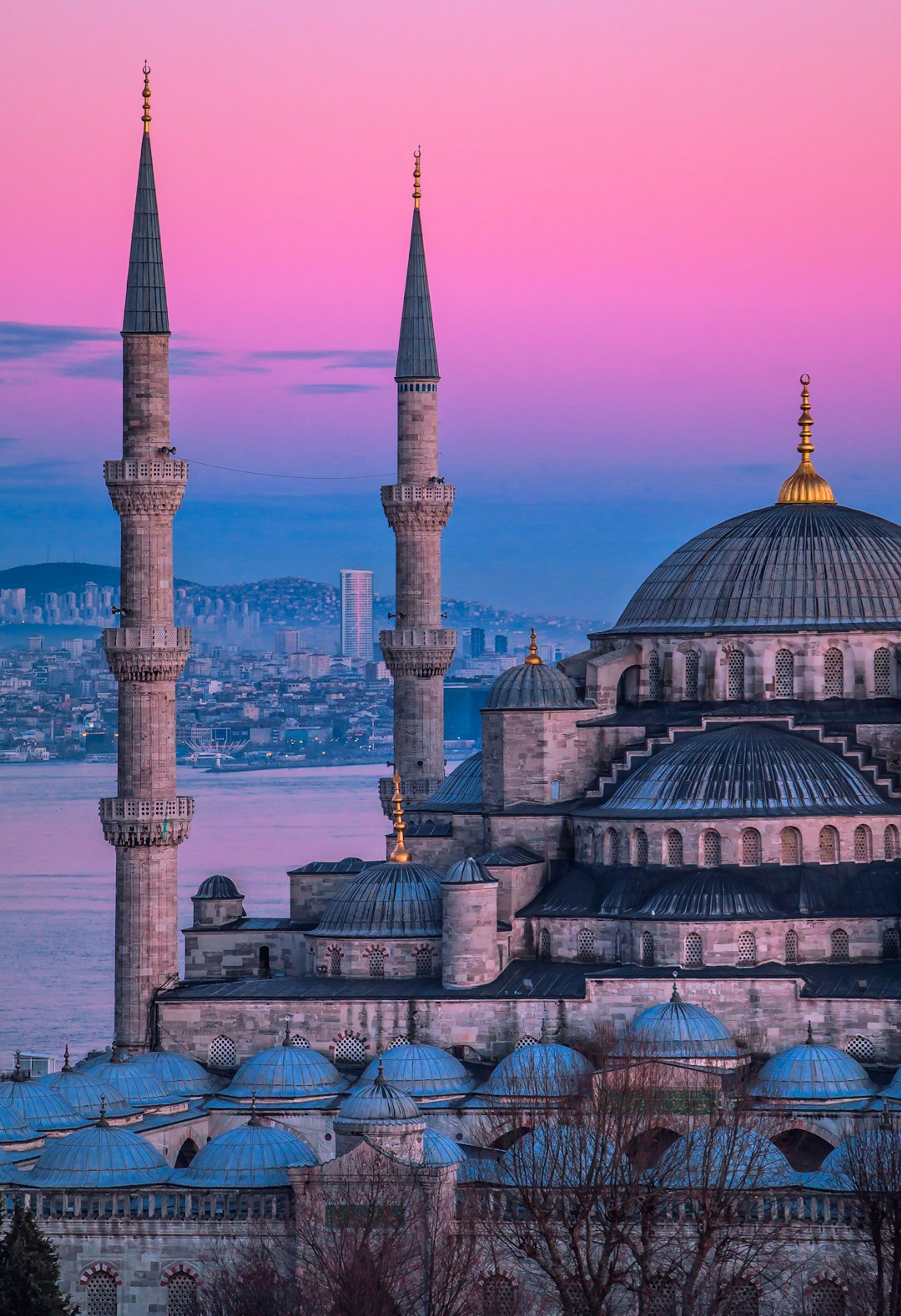
Istanbul in December is cool, often rainy and far less crowded than in spring or autumn. The city's winter rituals come into their own: steaming hammams, cups of salep, anchovies fresh from the Black Sea and roasted chestnuts on street corners. This guide picks 5 things to do in Istanbul in December beyond the famous Sultanahmet landmarks, from a traditional hammam to the view from Pierre Loti Hill over the Golden Horn.
Each entry includes the exact address, the nearest tram, metro or ferry stop, its distance from Sultanahmet Square, and a practical Pro Tip. Prices are given in euros where possible, since the Turkish lira (TRY) changes value often. An Istanbulkart, the city's rechargeable transit card, covers every tram, ferry and the Eyüp cable car in this guide.
Three entries are on the historic peninsula and can be linked on foot or by tram, Kadıköy is a short ferry ride across the Bosphorus, and Eyüp sits up the Golden Horn. Expect highs of around 10-12°C and some rain, which makes a hammam ideal for a wet afternoon.
Check dates for Istanbul
See what is available on your dates.
1Rüstem Pasha Mosque - Iznik Tiles Without the Crowds
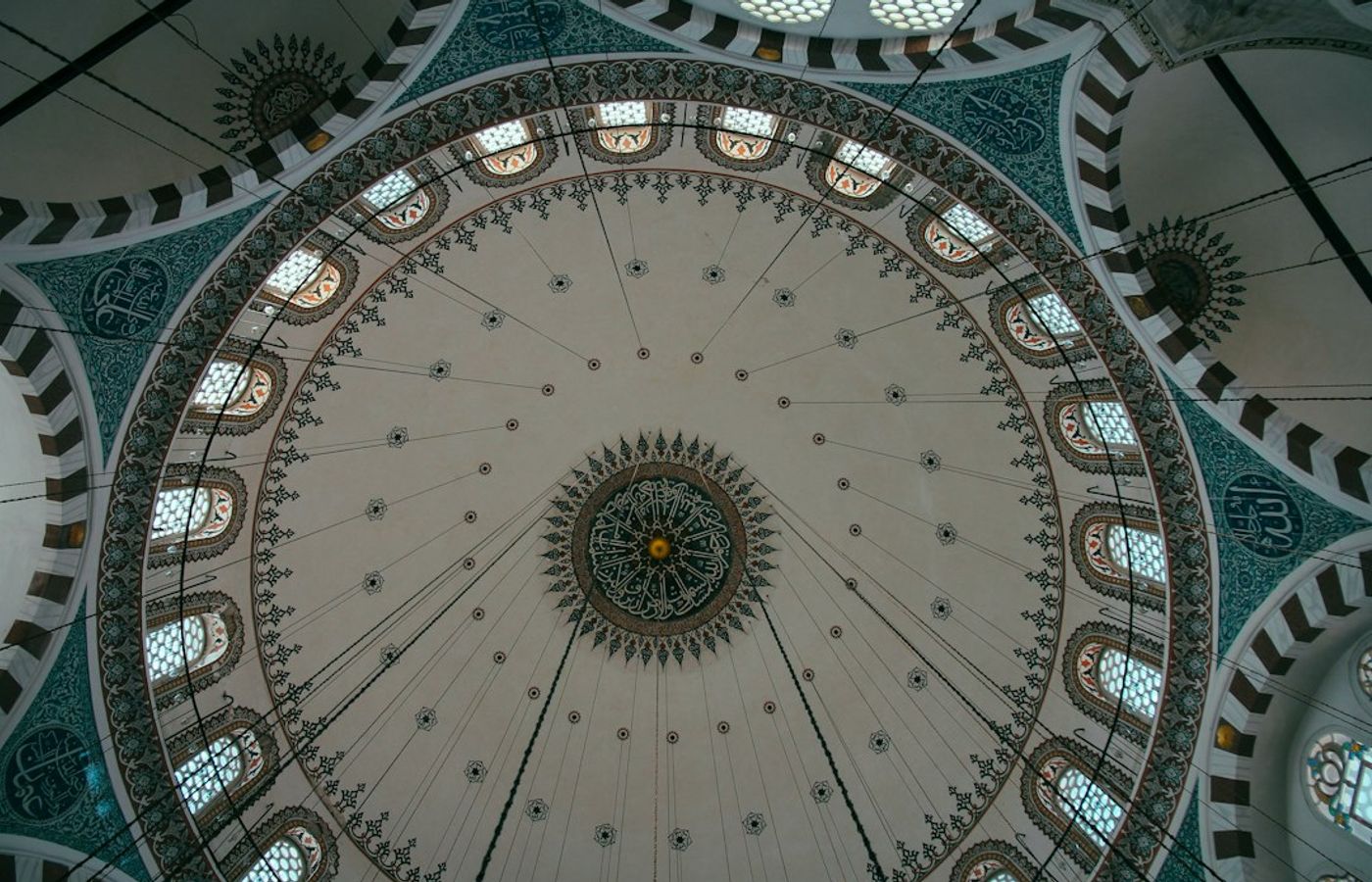

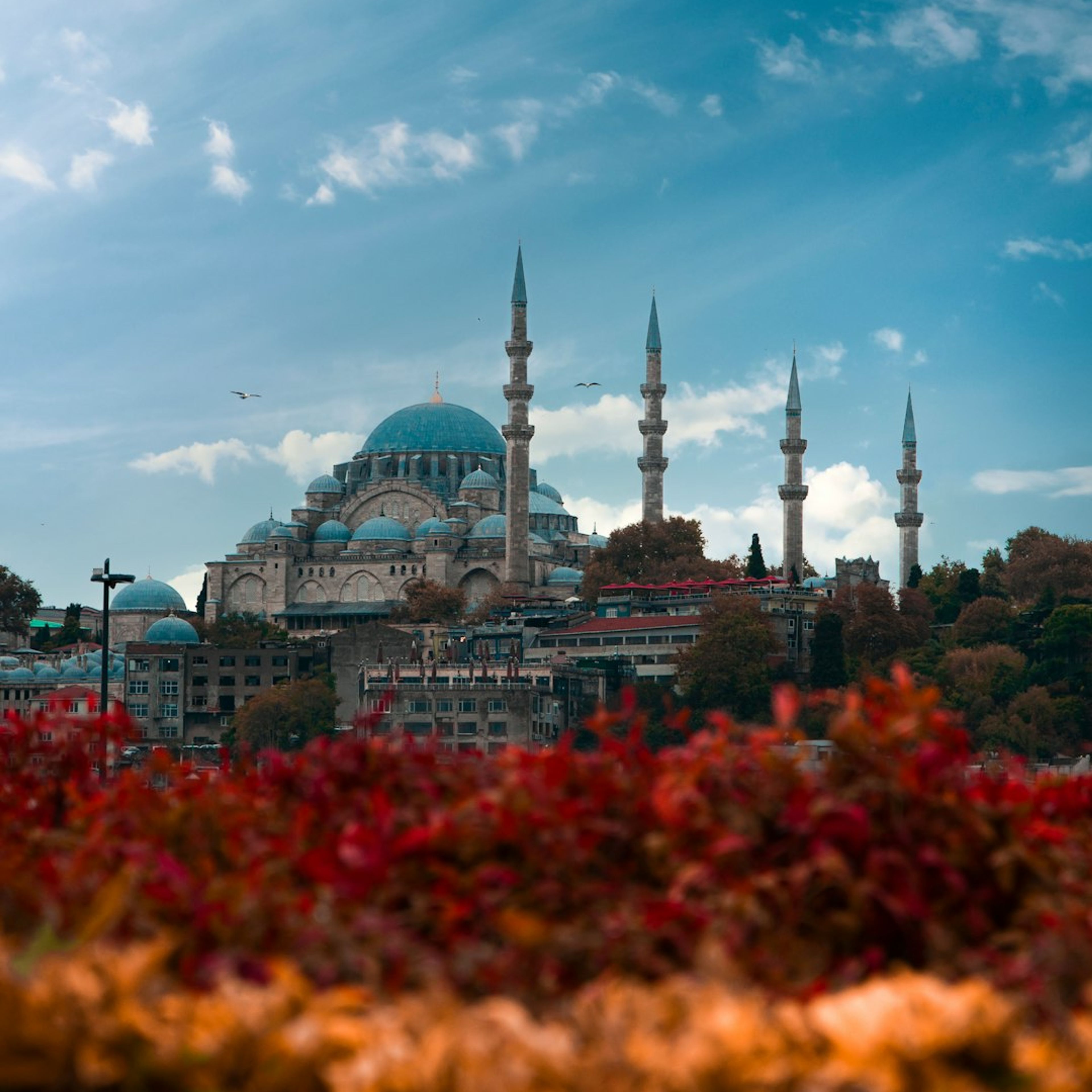
Built around 1561-1563 for Rüstem Pasha, grand vizier and son-in-law of Sultan Süleyman the Magnificent, the Rüstem Pasha Mosque was designed by the great Ottoman architect Mimar Sinan. Its interior is covered almost entirely in Iznik tiles, with tulips, carnations and hyacinths in deep red, cobalt blue and turquoise. Many consider it the finest tile work in Istanbul, yet it sees a fraction of the visitors of the city's larger mosques.
The mosque sits on a raised terrace above the shops of the market district, reached by a narrow staircase from the street, which is why many people walk past without noticing it. Entry is free, though it closes to visitors during prayer times. Women should cover their hair, and everyone should cover shoulders and knees.
2Cağaloğlu Hamamı - A Traditional Ottoman Hammam
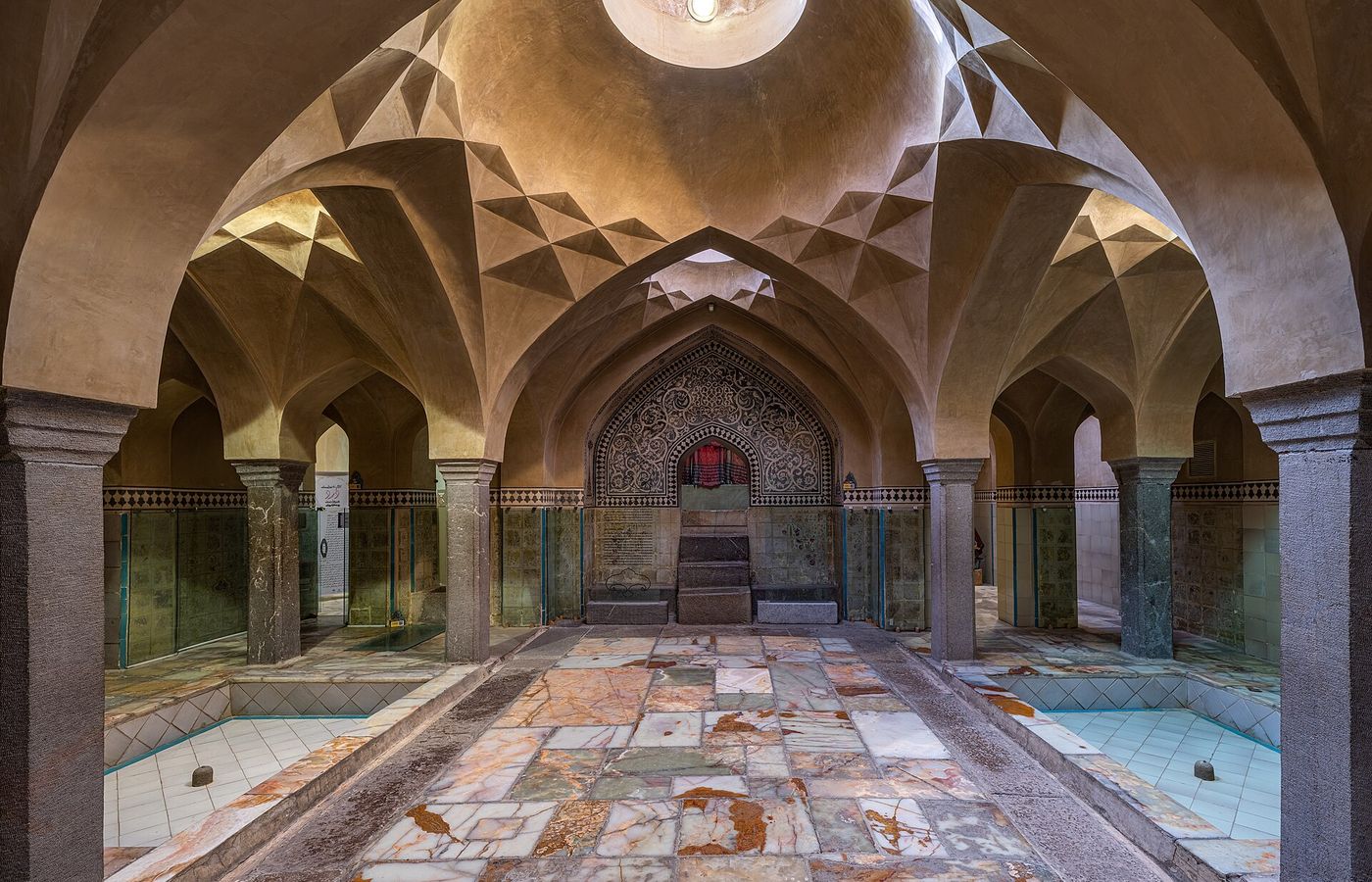

A traditional Turkish bath is the best way to warm up on a cold, wet Istanbul day. Cağaloğlu Hamamı, built in 1741, was one of the last great hammams of the Ottoman era and still has separate marble halls for men and women. You lie on the göbek taşı, a heated marble platform, before an attendant scrubs you with a rough kese mitt and finishes with a soap-foam massage.
Packages with scrub and foam massage usually cost about €50-100, and towels and a peştemal wrap are provided. For a different setting, Kılıç Ali Paşa Hamamı in Tophane, designed by the architect Mimar Sinan in the 1580s, has been carefully restored and is popular with couples and small groups.
3Vefa Bozacısı - Boza, Salep and Istanbul's Winter Drinks
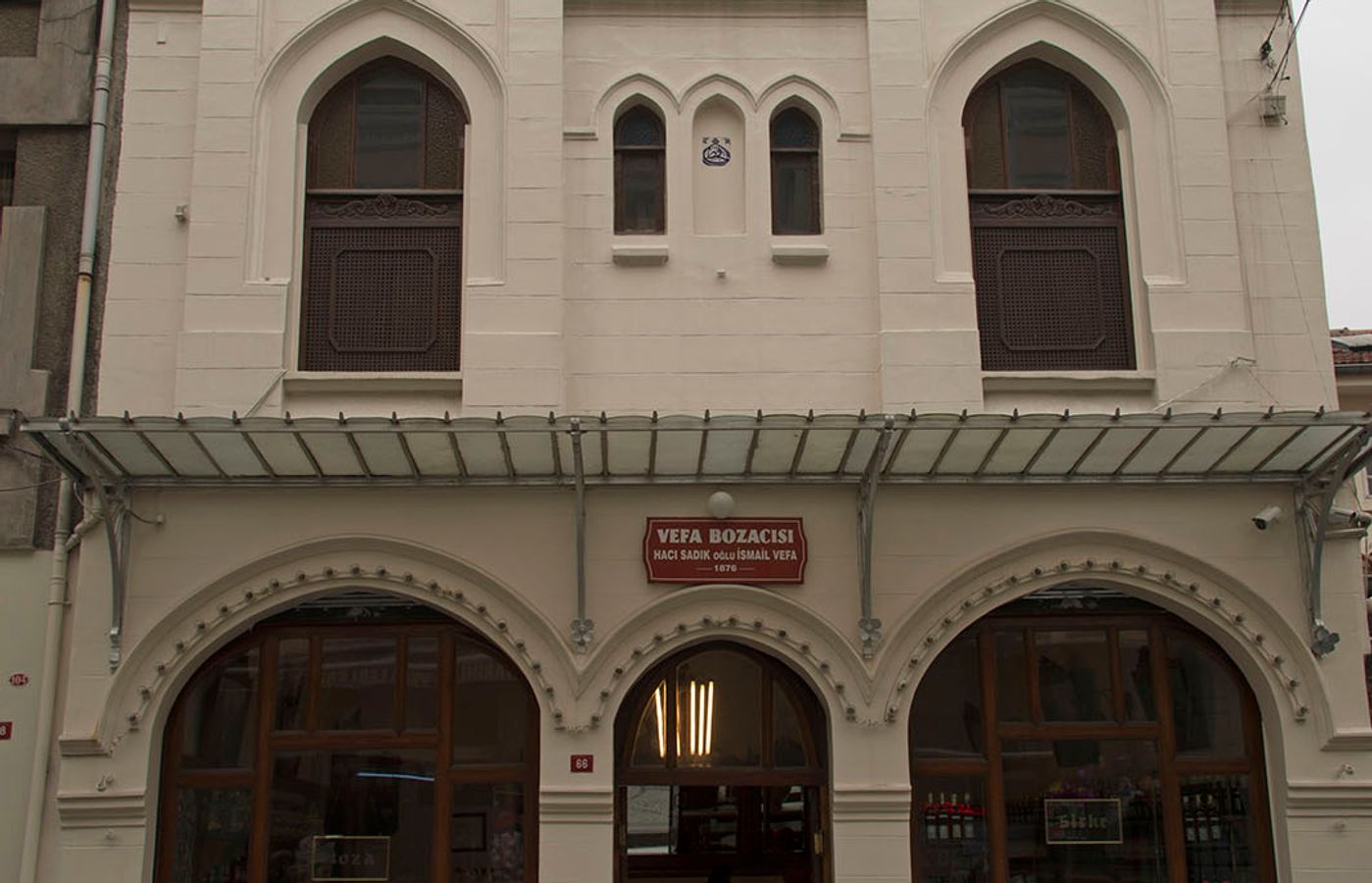

Two drinks define winter in Istanbul. Salep is hot, thick milk flavoured with flour from orchid roots and dusted with cinnamon, sold in cafes and on the ferries. Boza is a lightly fermented millet drink, sweet and slightly sour, served cold with cinnamon and roasted chickpeas on top. Vefa Bozacısı has been making it since 1876.
The shop has hardly changed in decades, with tiled walls, marble counters and a glass that Atatürk once drank from on display. A glass costs only a few lira. On the way, look for street vendors roasting chestnuts and corn, especially around Eminönü and the Spice Bazaar.
Check dates for Istanbul
See what is available on your dates.
4Kadıköy and Moda - Istanbul's Asian Side in Winter
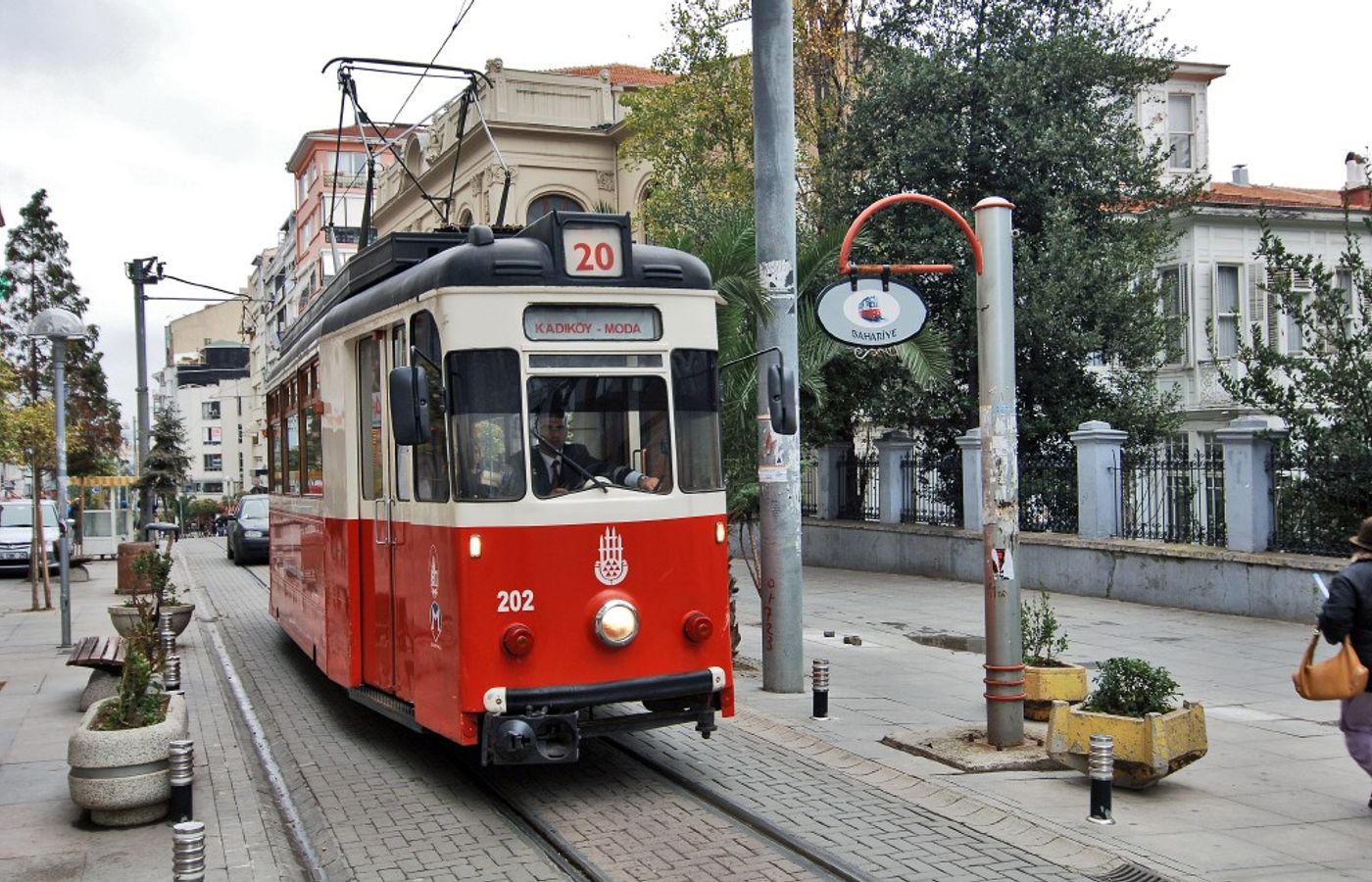
A 20-minute ferry ride from the old city takes you to Kadıköy on the Asian side, where locals outnumber visitors. The market streets around Güneşli Bahçe Sokağı are lined with fishmongers, pickle shops, cheese counters and meze bars. December is the season for hamsi, small Black Sea anchovies fried in cornmeal and served with onions, and for glasses of sour pickle juice that locals swear keep winter colds away.
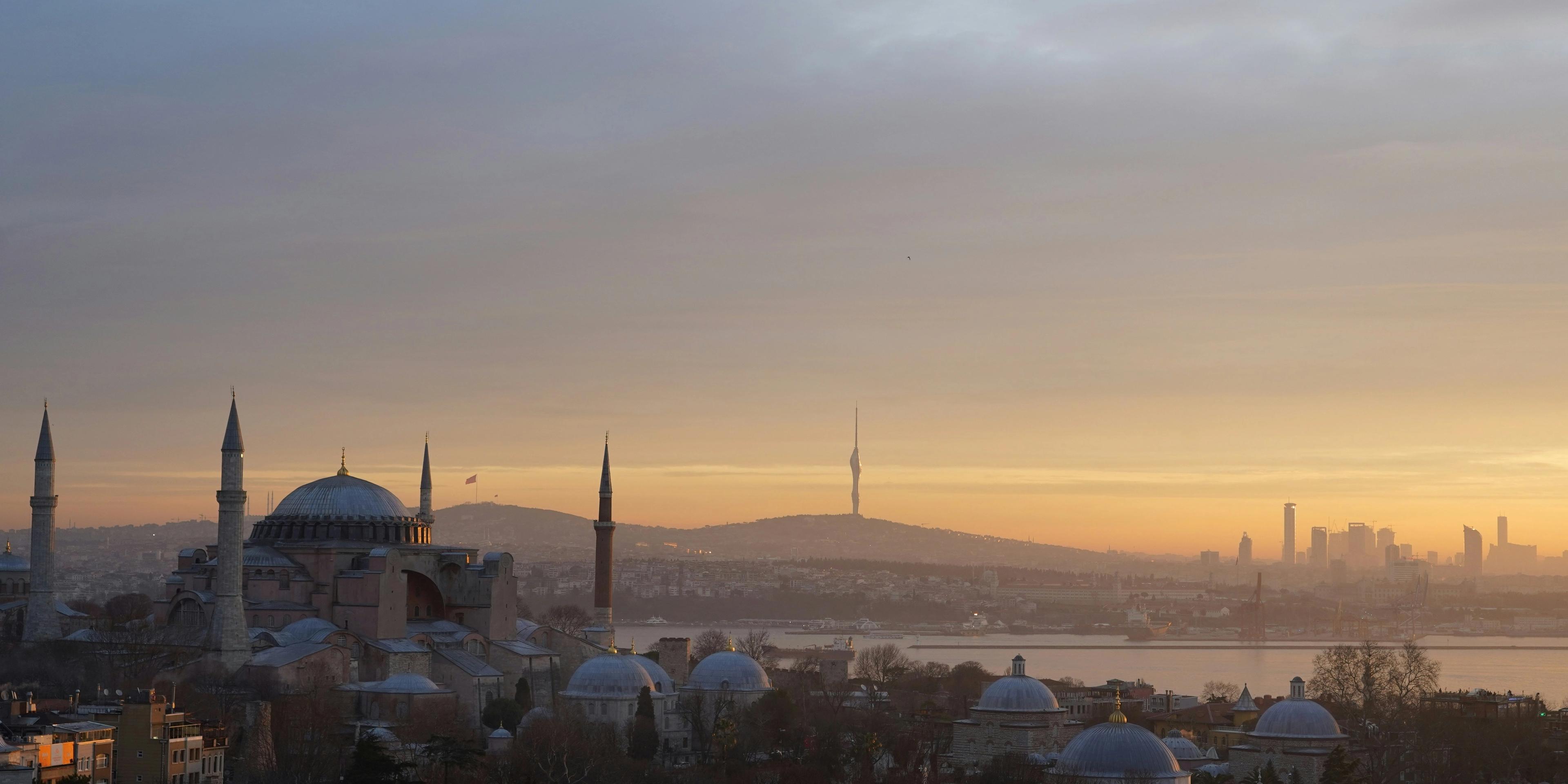
From the market, walk 15 minutes south to Moda, a residential neighbourhood on a small headland. Its waterfront park and tea gardens face west across the water to the domes and minarets of the historic peninsula, which makes it one of the best sunset spots in the city. Kadıköy's backstreets also have good cafes and bars for an evening out.
5Eyüp and Pierre Loti Hill - Golden Horn Views and Hot Salep
Eyüp Sultan Mosque is one of the holiest sites in Istanbul, built over the tomb of Abu Ayyub al-Ansari, a companion of the Prophet Muhammad who died during an Arab siege of Constantinople in the 7th century. The courtyard is filled with pilgrims and families, and the neighbourhood around it keeps a traditional, devout atmosphere very different from the city centre.
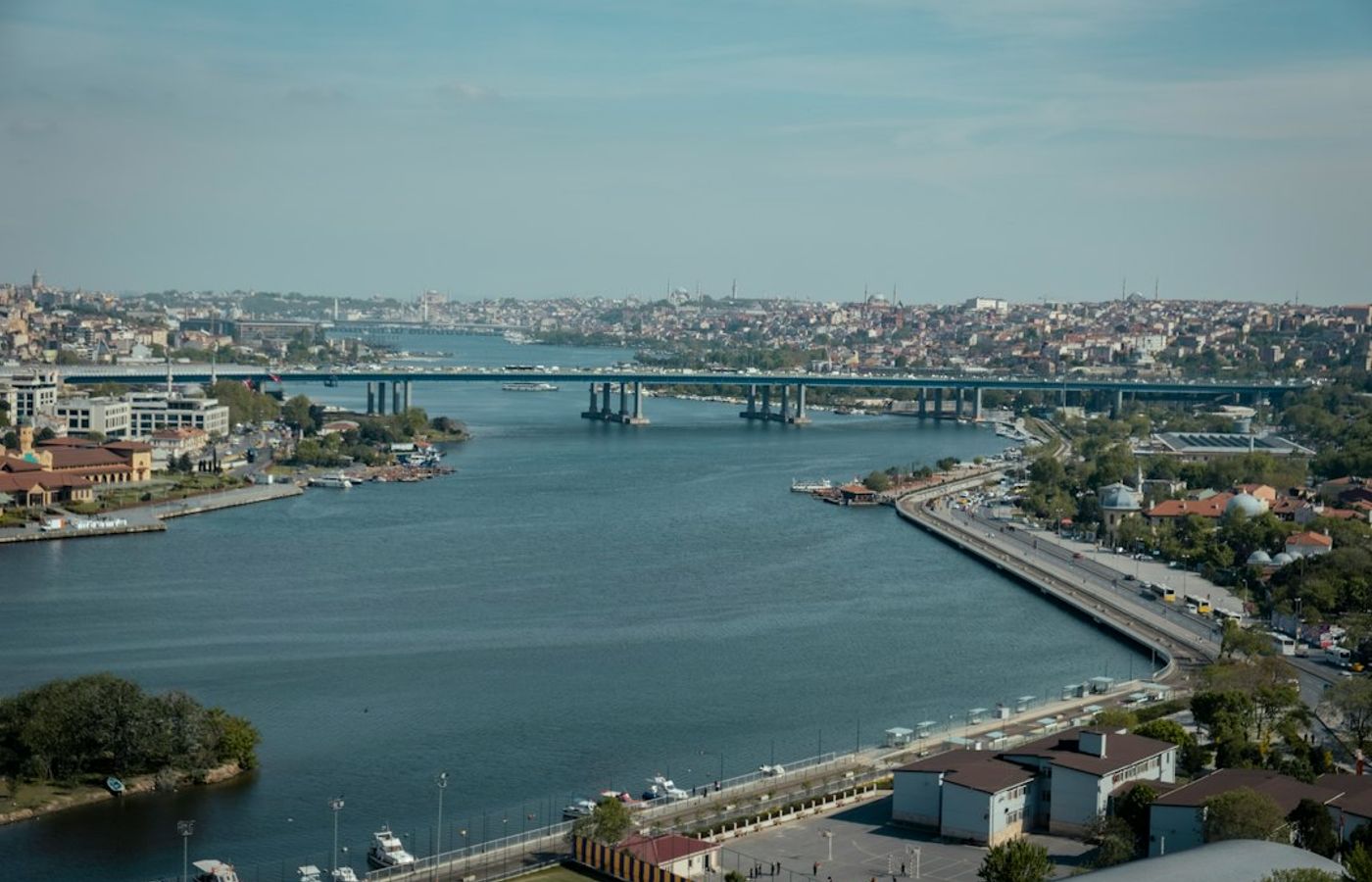
From near the mosque, a short cable car climbs to Pierre Loti Hill, named after the French novelist who spent long afternoons at the cafe here in the late 19th century. The terrace looks down the full length of the Golden Horn to the city's skyline, and on cold afternoons it is the perfect place for a cup of hot salep. The cable car accepts the Istanbulkart.
Take this guide with you
Get every place in this guide, with addresses and map links, in your inbox — easy to open on your phone during the trip.
One email to the address on your account. No newsletter.

Istanbul in December: Hammams, Salep & Crowd-Free Sights - FAQ
It is possible but rushed, so two days is better. Rüstem Pasha Mosque, Vefa Bozacısı and a hammam fit into one day on the historic peninsula. Kadıköy and Moda need an afternoon across the water, and Eyüp and Pierre Loti Hill another afternoon up the Golden Horn.
Start at Rüstem Pasha Mosque in the morning, walk up to Vefa for boza, and end the day in a hammam. On a second day, take the ferry to Kadıköy for lunch at the market and sunset in Moda. Keep Eyüp and Pierre Loti Hill for a third afternoon, timed for sunset.
Only the hammam usually needs booking, especially on weekend evenings. Rüstem Pasha Mosque and Eyüp Sultan Mosque are free, Vefa Bozacısı needs no reservation, and the ferry and the Eyüp cable car are paid with an Istanbulkart.
Plan for roughly €60-120 per person. A traditional hammam with scrub and foam massage costs about €50-100, which is by far the biggest cost. The mosques are free, and boza, salep, ferry rides and the cable car each cost only a few lira.
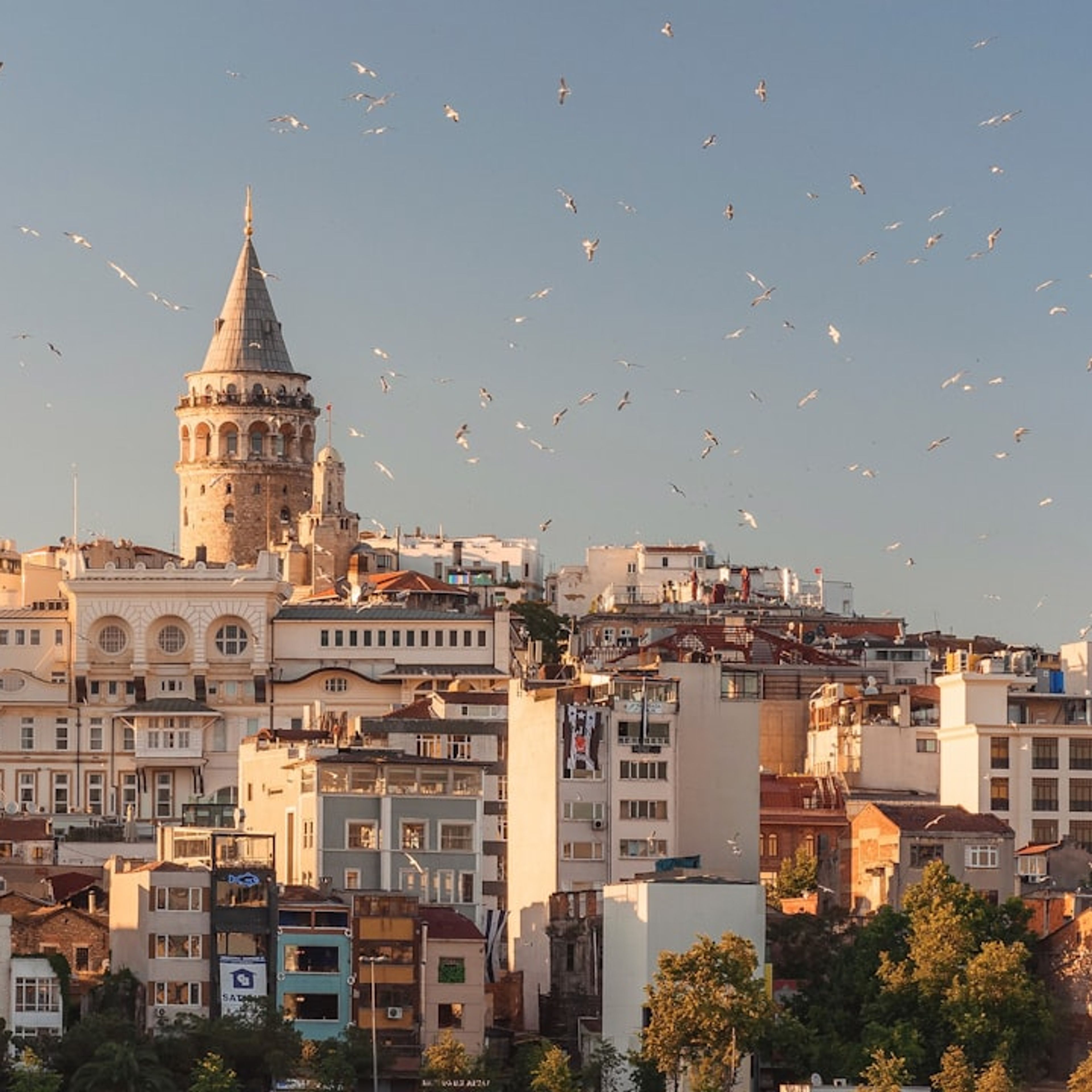
Hagia Sophia, the Blue Mosque, Topkapı Palace and the Grand Bazaar are the classic additions, and all are quieter in December. A Bosphorus cruise, Galata Tower and the New Year's Eve fireworks over the Bosphorus are also worth considering.
Istanbul in December is cool and often damp. Daytime highs are around 10-12°C and nights drop to 5-7°C, with rain on roughly one day in three. Snow is possible but uncommon before January, so a warm waterproof jacket and good walking shoes are enough.