

Guides · Nicosia
10 Top Places to Visit in Nicosia, Cyprus
By Tomas Achmedovas · CEO and co-founder

CEO and co-founder
This guide covers the 10 top places to visit in Nicosia - the sights that make a trip to Europe's last divided capital genuinely worthwhile, even if you only have one day between the coast and the airport. Every entry includes the exact address, nearest bus stop or walking directions, and a practical Pro Tip drawn from how the city actually works on the ground. Nicosia sits 50 km inland from Larnaca International Airport (LCA), and most visitors overlook it in favour of beach resorts. That is a mistake.
The 10 attractions below are ordered to help you walk the walled old city efficiently. We start at Ledra Street and the Green Line pedestrian crossing, loop through the Ottoman-era north (Buyuk Han, Selimiye Mosque), return south for the Cyprus Museum and Venetian Walls circuit, then finish in the atmospheric lanes of Laiki Geitonia. You can realistically cover all 10 in a long day, though two days lets you linger at the museums and cross into North Nicosia without rushing.
Nicosia rewards slow exploration. The walled city is compact - about 1.5 km across - so everything on this list is walkable. Bring your passport if you plan to cross the Green Line (EU citizens and most nationalities pass through in under two minutes), and carry both euros and a small amount of Turkish lira for the northern side.
Check dates for Nicosia
See what is available on your dates.
1Ledra Street & the Green Line Crossing - Europe's Last Divided Border
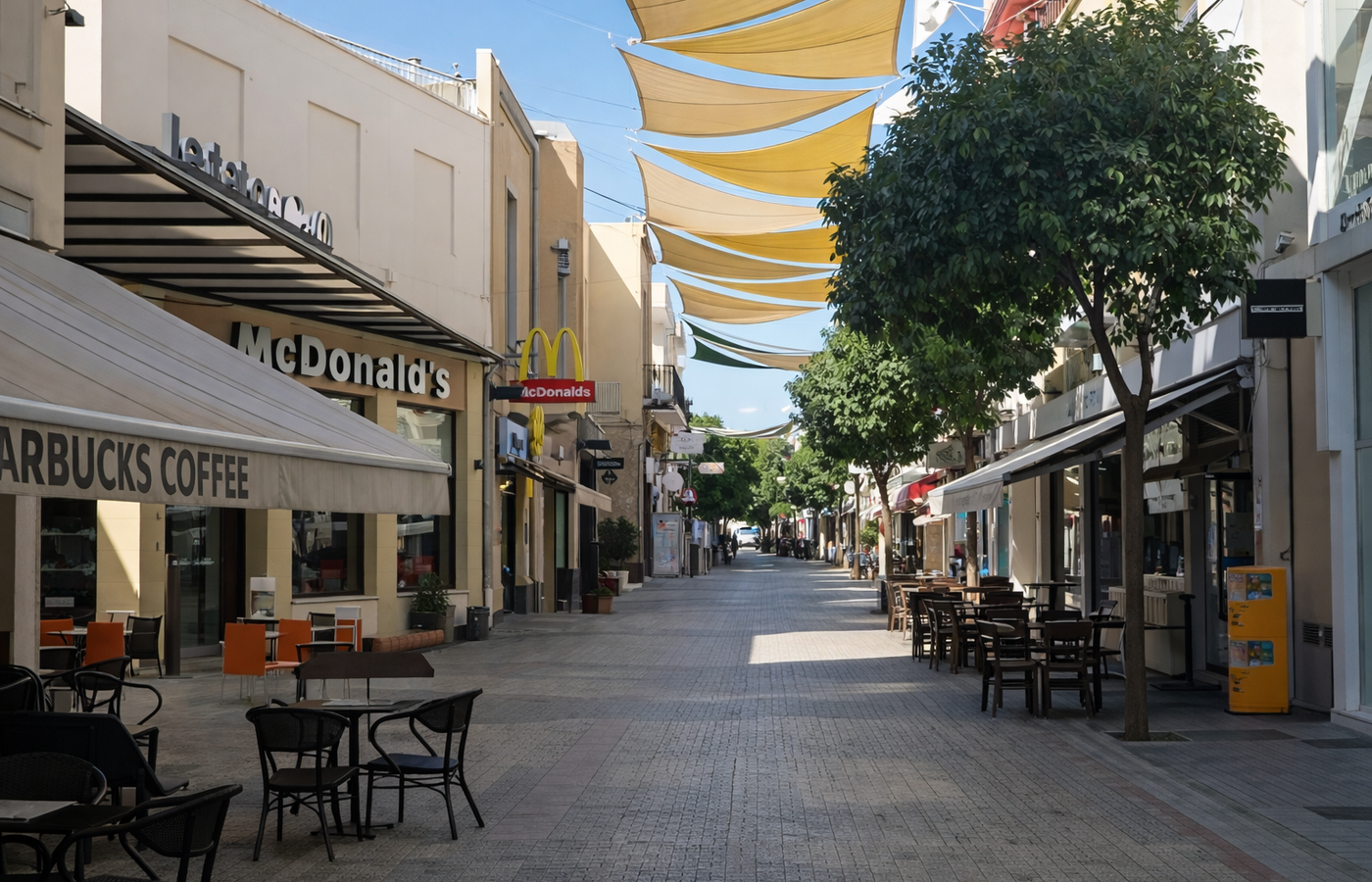

Ledra Street is Nicosia's main pedestrianised shopping artery, running straight through the old city from Eleftheria Square to the Ledra Street/Lokmaci checkpoint on the Green Line. Until 2008 this street was a dead end sealed by concrete and barbed wire. Today you can walk from a Greek-Cypriot cafe to a Turkish-Cypriot tea house in under five minutes. The crossing itself is the most vivid illustration of the island's division - a narrow corridor between passport booths, UN observation posts, and abandoned buildings frozen in time since 1974.
On the southern side, Ledra Street is lined with international chains and local boutiques. Cross into the north and the atmosphere shifts immediately - narrower lanes, cheaper prices, and the call to prayer echoing from minarets. The Ledra Street Observatory on the 11th floor of the Shacolas Tower (EUR 2 entry) gives a panoramic view over both halves of the city and the buffer zone below. The crossing is open daily from 07:00 to midnight for all EU citizens and most passport holders; bring your passport or ID card.
2Buyuk Han - The Finest Ottoman Caravanserai on the Island
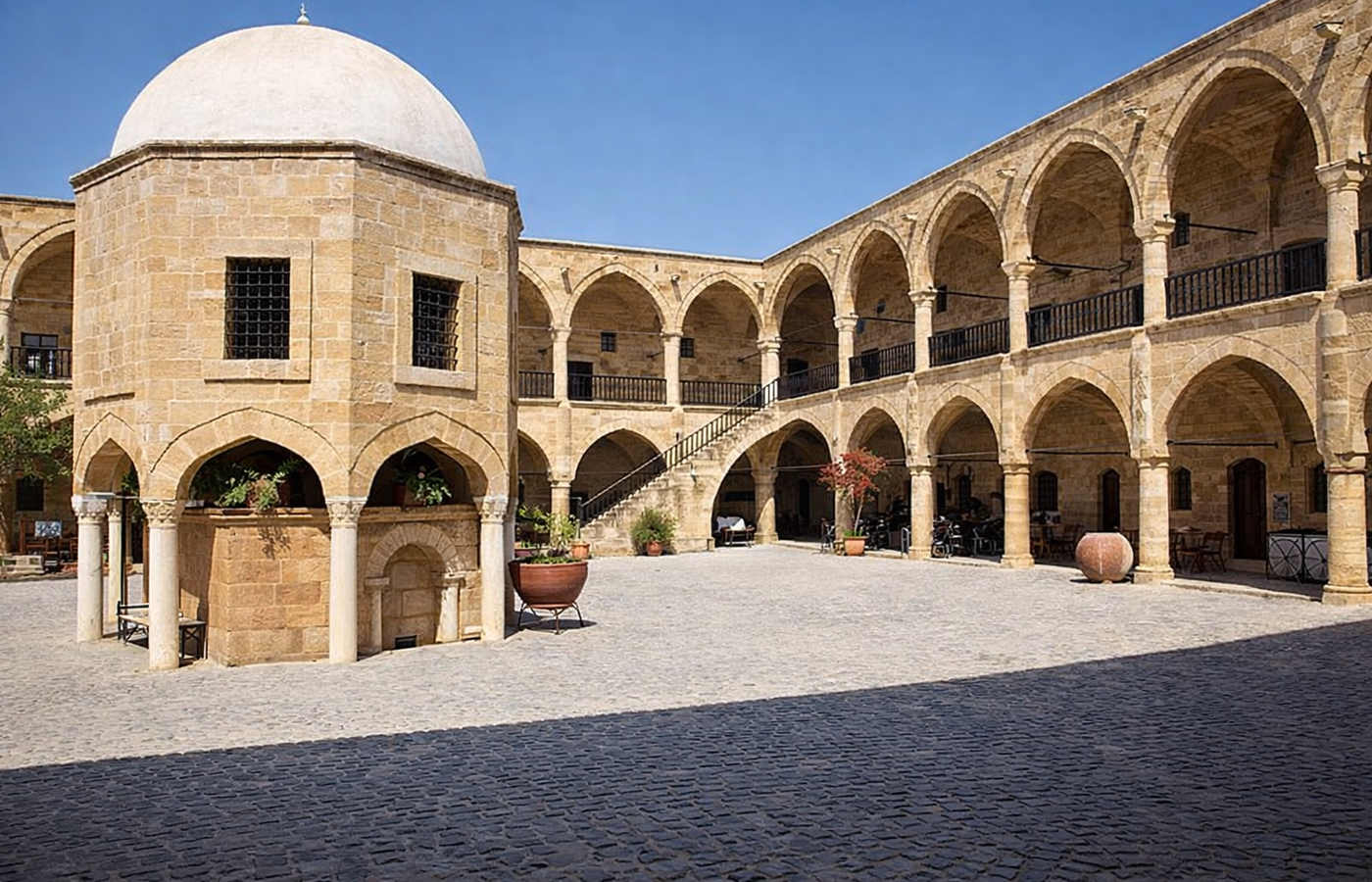

Buyuk Han (Great Inn) is a beautifully restored 16th-century caravanserai built in 1572, just one year after the Ottoman conquest of Cyprus. It is the largest caravanserai on the island and one of the best-preserved Ottoman-era buildings in the eastern Mediterranean. The two-storey stone structure wraps around a central courtyard with a small octagonal mosque (mescit) raised on columns at its centre - a classic feature of Ottoman caravanserais that provided a prayer space above the ablution fountain.
After centuries of neglect (it served as a prison under the British), Buyuk Han was restored in the early 2000s and now houses artisan workshops, small galleries, a bookshop, and a courtyard cafe shaded by the old stone arches. Entry is free. The upper gallery gives good views down into the courtyard and across the rooftops of North Nicosia. It sits about 200 metres from the Ledra Street crossing, making it the natural first stop after you cross into the north.
3Selimiye Mosque - A Gothic Cathedral Turned Ottoman Mosque
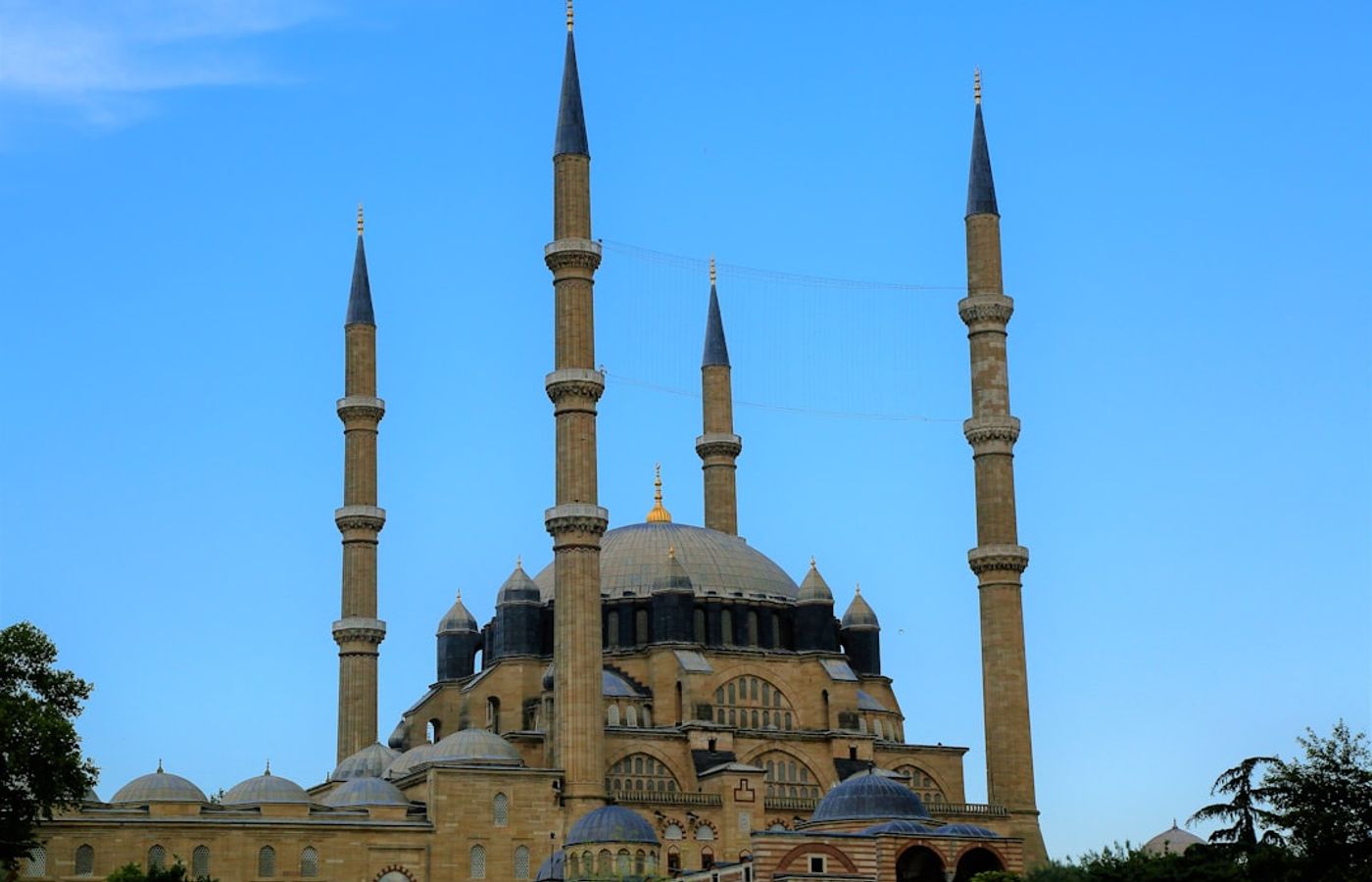
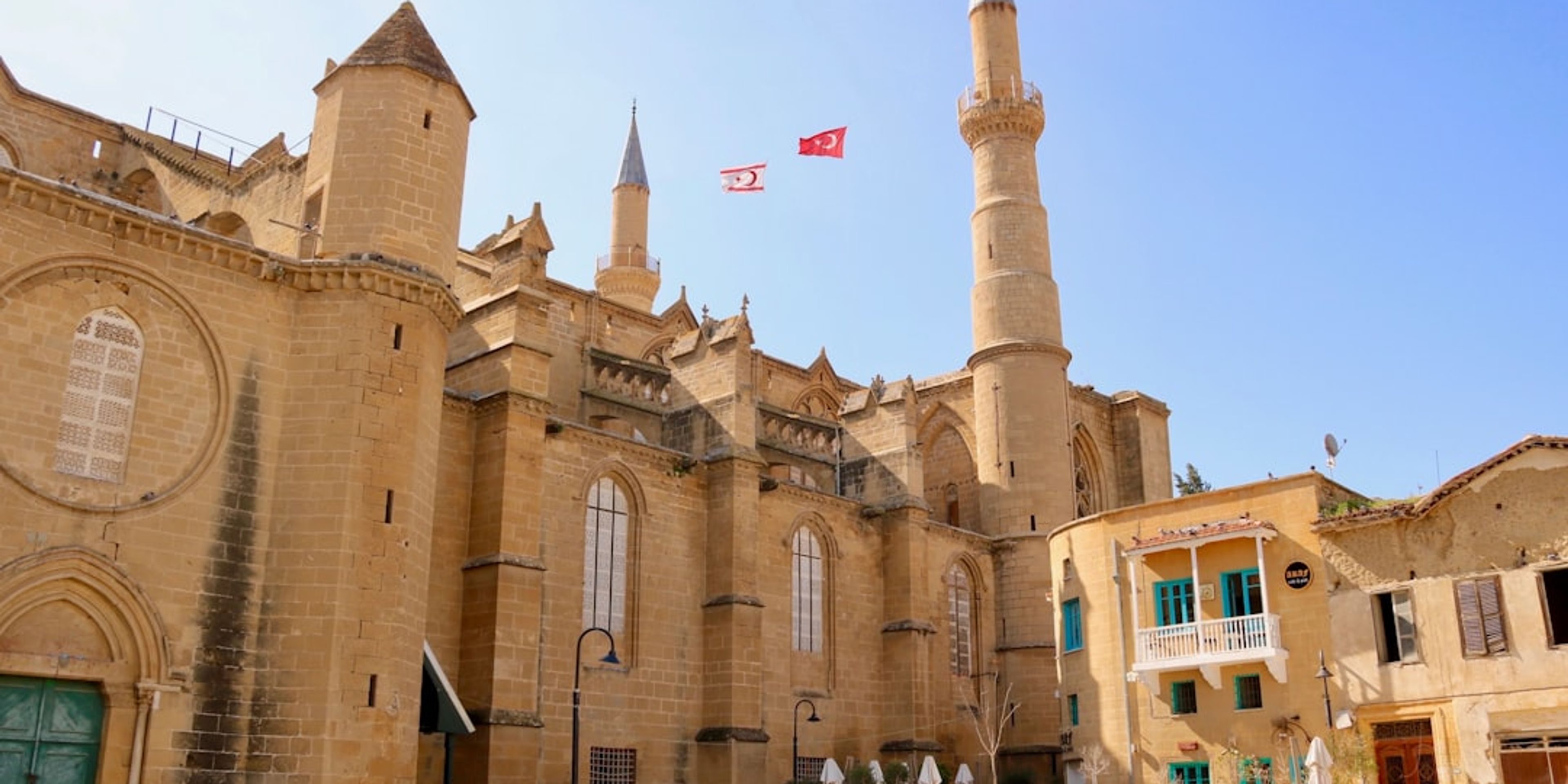
Selimiye Mosque is the most striking building in Nicosia's skyline - a 13th-century French Gothic cathedral with two Ottoman minarets bolted to its facade. Originally built as the Cathedral of Saint Sophia between 1209 and 1326 by the Lusignan dynasty, it was where the Lusignan kings of Cyprus were crowned. After the Ottoman conquest in 1570, the interior was whitewashed, the stained glass replaced, a mihrab added, and the two minarets erected. The result is one of the most architecturally unusual mosques in the world.
The Selimiye Mosque interior retains the Gothic pointed arches, ribbed vaulting, and soaring nave of the original cathedral. The floor is covered with prayer carpets, and the whitewashed walls give the space an austere beauty. Entry is free and visitors are welcome outside prayer times - remove shoes and dress modestly (scarves available at the entrance). The mosque is 300 metres north of Buyuk Han, so you can visit both in one walk.
Check dates for Nicosia
See what is available on your dates.
4Cyprus Museum - The Island's Most Important Archaeological Collection
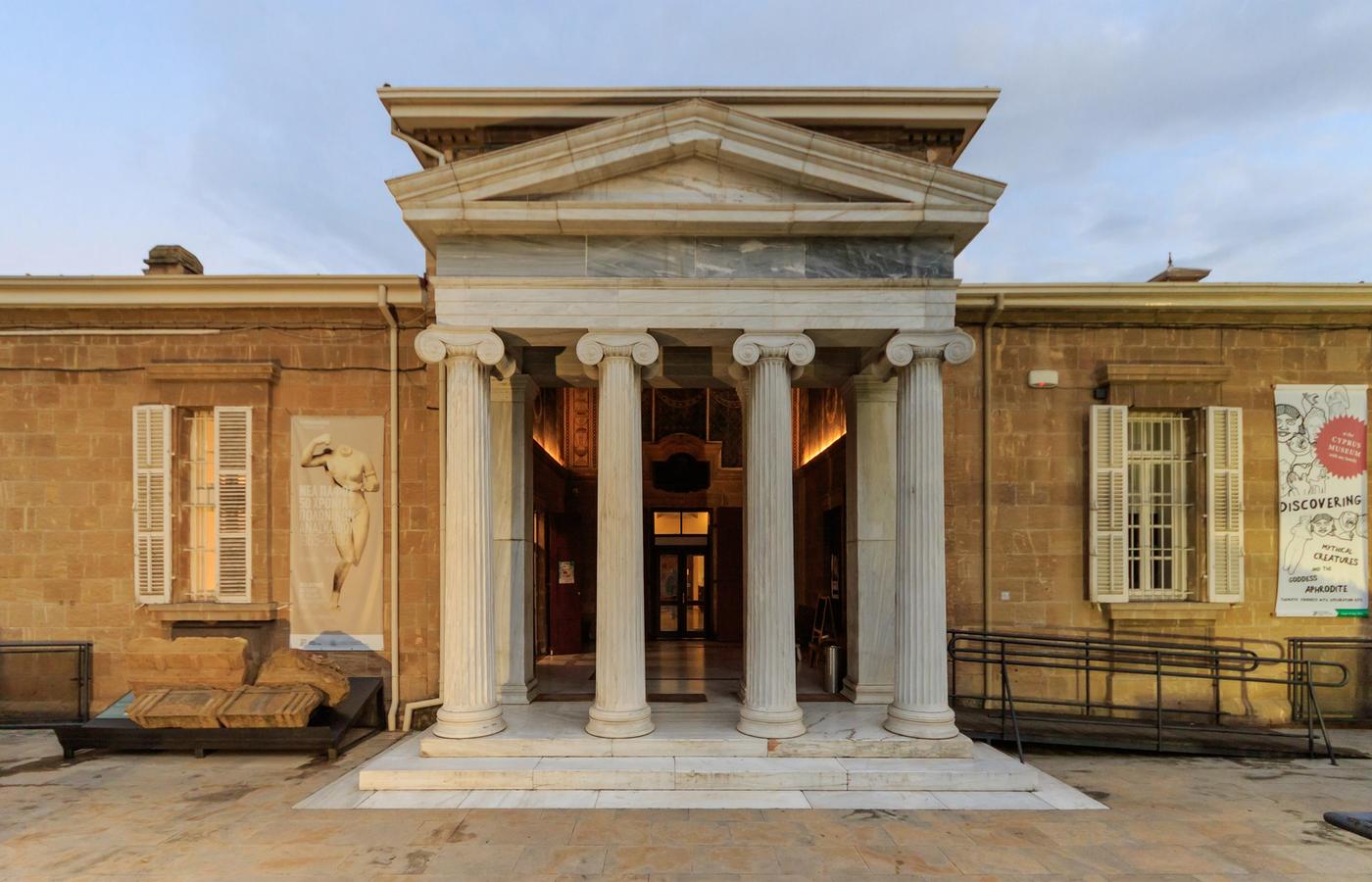
The Cyprus Museum (also called the Cyprus Archaeological Museum) on Mouseiou Street is the oldest and most comprehensive archaeological museum on the island. Founded in 1882 under British colonial rule, it houses artefacts spanning 11,000 years - from Neolithic stone tools to Roman-era bronzes. The star exhibit is the collection of Mycenaean pottery from Enkomi and the iconic terracotta figures from Ayia Irini, a group of over 2,000 votive statues dating to the 7th century BC that fills an entire room.
The museum sits just outside the western Venetian Walls, about a 10-minute walk from Paphos Gate. It is housed in a neoclassical colonial building and organised chronologically across 14 rooms. Admission is EUR 4.50 (2026 price). Allow 1.5-2 hours. The museum provides essential context for understanding every archaeological site you might visit elsewhere on the island - from Kourion to Choirokoitia to the Tombs of the Kings in Paphos.
5Venetian Walls - The Circular Fortification That Defines Old Nicosia
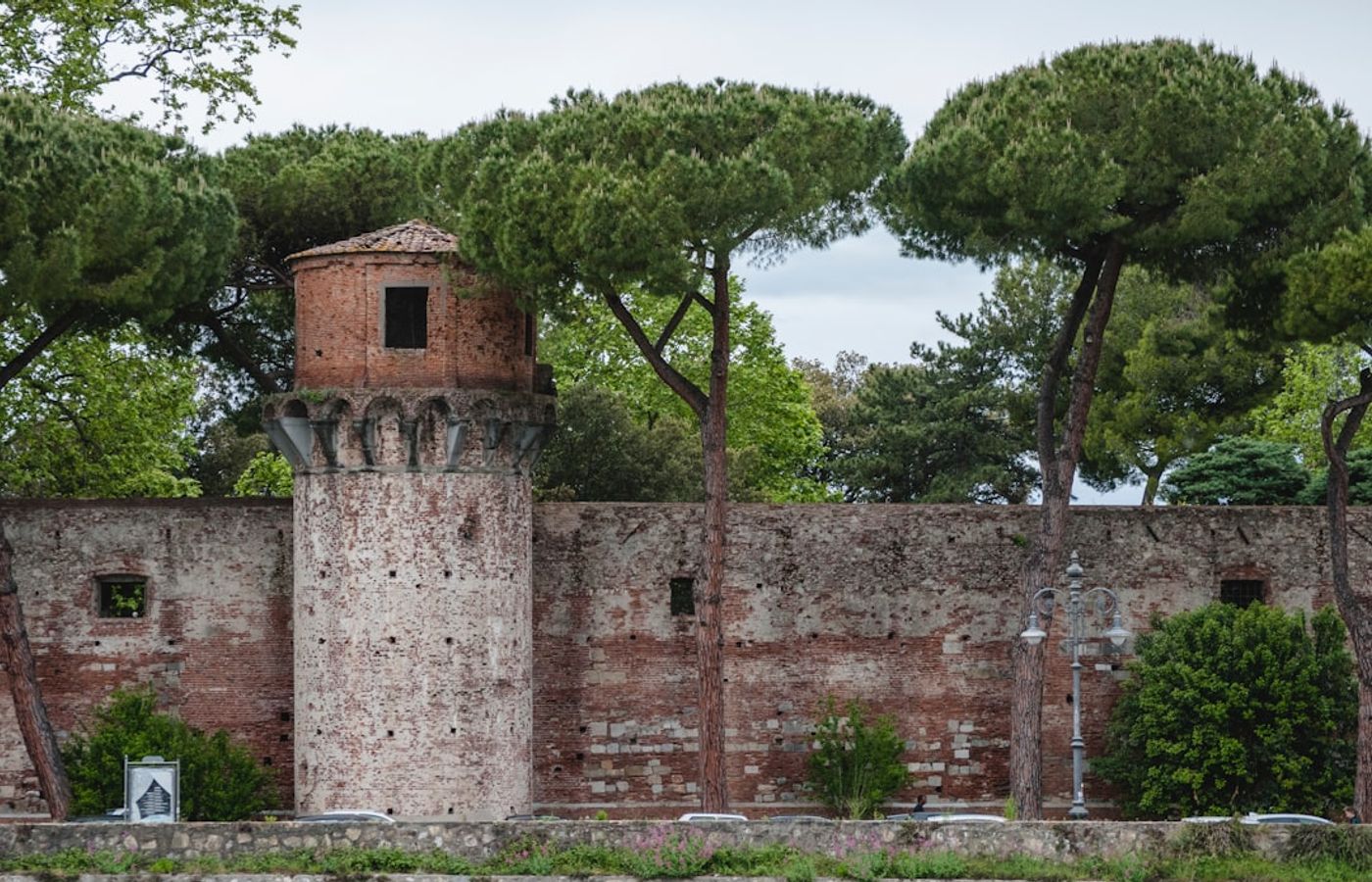
The Venetian Walls of Nicosia are a near-perfect circle of bastioned fortifications built between 1567 and 1570 by the Republic of Venice. Designed by military engineer Giulio Savorgnano, the walls replaced earlier medieval fortifications and feature 11 heart-shaped bastions connected by curtain walls. The entire circuit runs approximately 4.5 km. The Venetians demolished churches, houses, and even the royal palace to clear fields of fire, but the walls fell to the Ottoman siege in 1570 after just 46 days.
Today the walls still define the old city's perimeter and are visible from almost anywhere along their circuit. The best-preserved sections are around Famagusta Gate (Bastion of Caraffa), Paphos Gate, and Kyrenia Gate in the north. The moat has been repurposed as parks, sports fields, and car parks. Walking the full circuit along the moat takes about 90 minutes and gives you a sense of the old city's scale. Three original gates survive: Paphos Gate (west), Kyrenia Gate (north), and Famagusta Gate (east).
6Famagusta Gate - Nicosia's Grandest Venetian Gateway
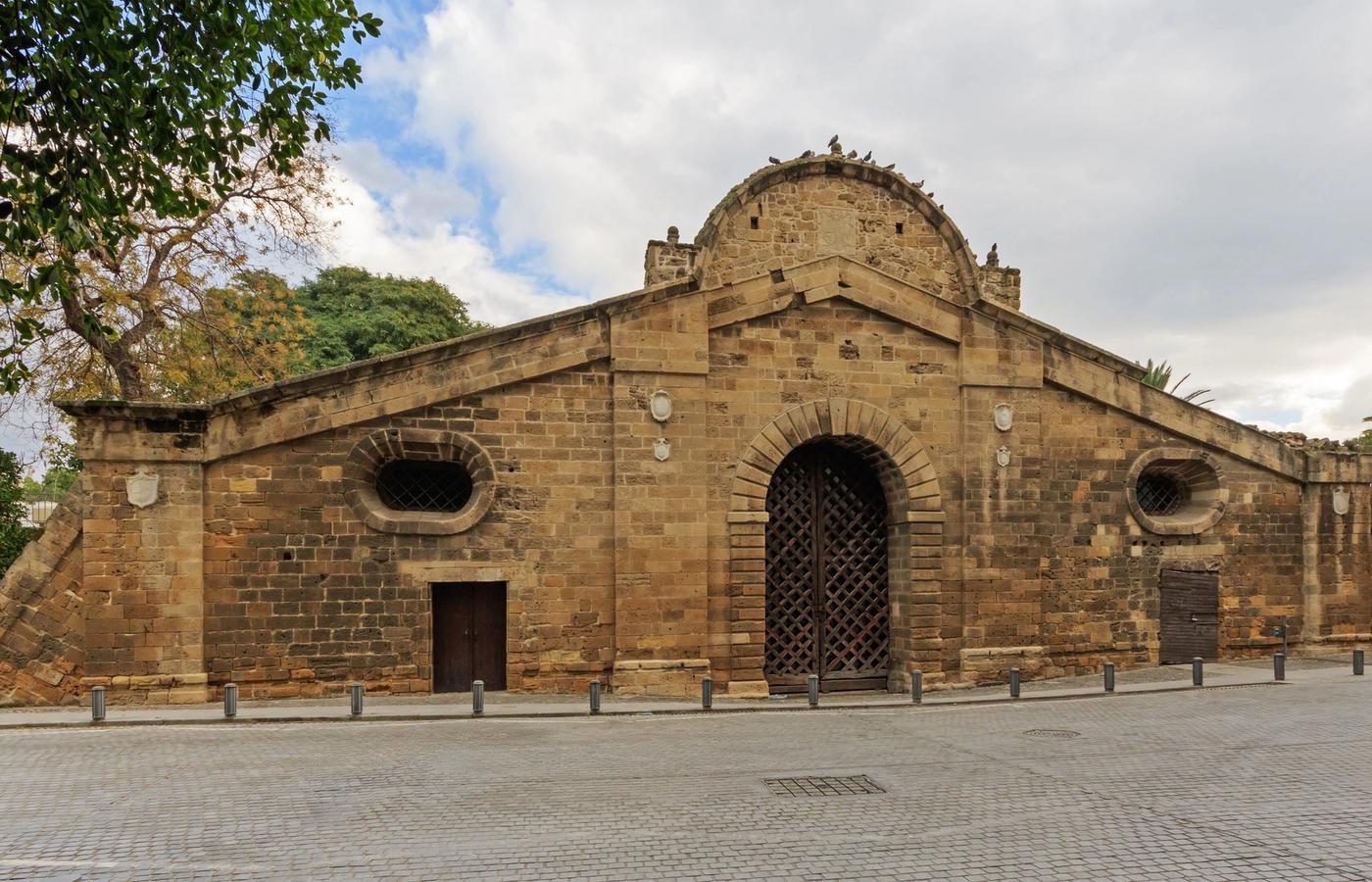
Famagusta Gate (Porta Giuliana) is the largest and most impressive of the three original gates in Nicosia's Venetian Walls. Built in 1567 as part of the Venetian fortification project, it takes its name from the road that led east to the port city of Famagusta. The gate is a vaulted stone tunnel roughly 35 metres long, passing through the massive Caraffa Bastion. The exterior portal features a carved marble plaque from the Venetian era, while the inner facade was added during the British colonial period.
Since its restoration in 1981, the Famagusta Gate vaulted passage has served as one of Nicosia's main cultural venues. The municipality uses it for art exhibitions, concerts, and events. Even when nothing is scheduled, the tunnel itself is worth walking through for its scale and acoustics. The surrounding area has been landscaped into a small plaza with benches, making it a good spot to rest during a walls walk. It sits at the eastern end of the old city, about a 15-minute walk from Ledra Street.
7Archbishop's Palace & Byzantine Museum - Medieval Icons and Church Treasures
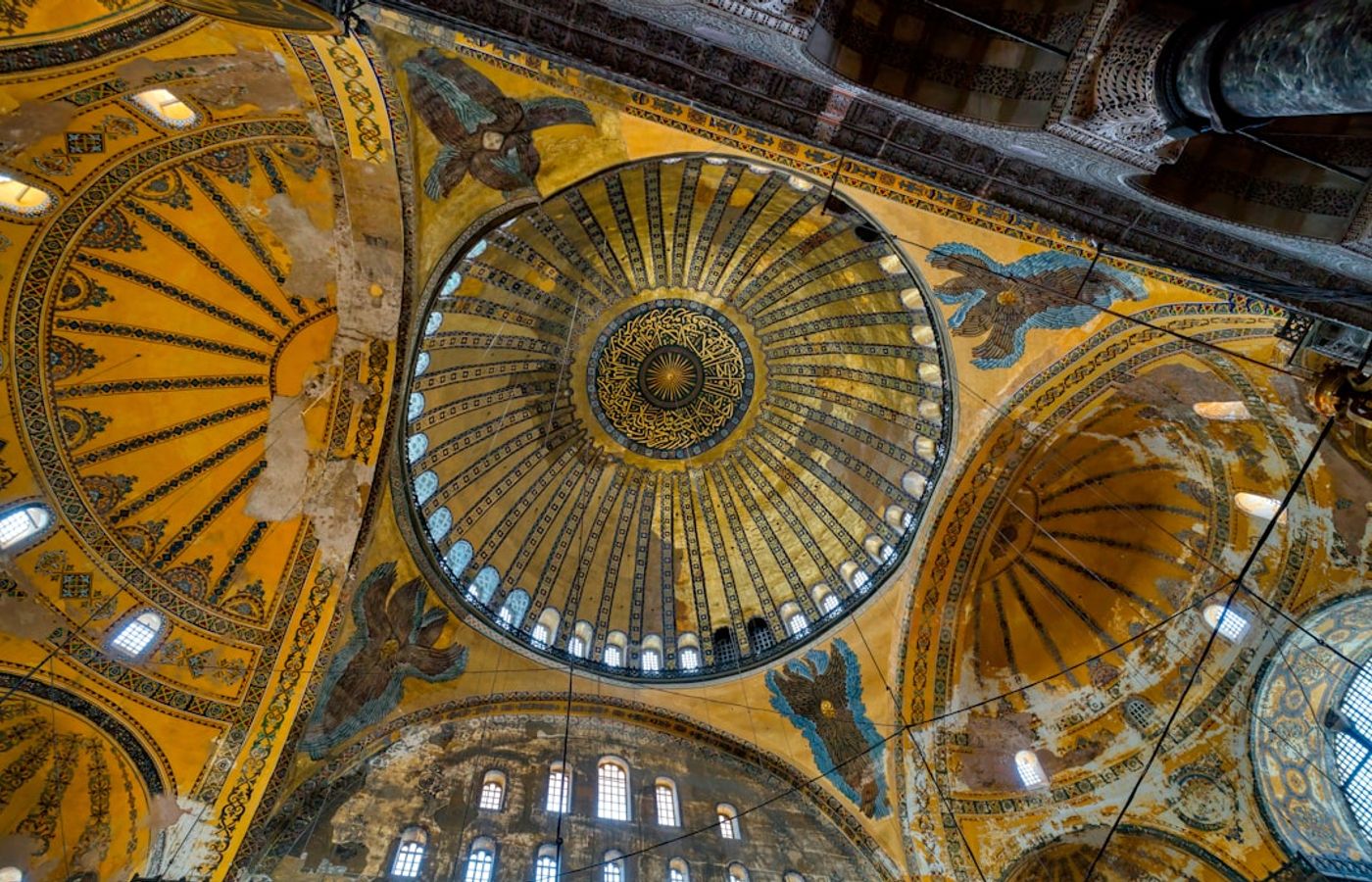
The Archbishop's Palace complex on Archiepiskopou Kyprianou Square is a cluster of buildings that includes the Archbishop's official residence, the Byzantine Museum and Art Gallery, and a large bronze statue of Archbishop Makarios III - the first president of independent Cyprus. The palace itself is a neo-Byzantine construction from the 1960s (the original was burned during the 1974 coup) and is not open to the public, but the museum inside is one of the most important collections of Byzantine art outside of Greece and Turkey.
The Byzantine Museum houses over 230 icons spanning the 8th to 18th centuries, including fragments of mosaic panels looted from the Kanakaria Church in the north and recovered after an international legal battle. The collection also includes liturgical vestments, carved wooden crosses, and illuminated manuscripts. Admission is EUR 4. Allow about an hour. The adjacent National Struggle Museum documents the Greek-Cypriot independence movement against British rule (1955-1959) through photographs, documents, and personal effects.
8Leventis Municipal Museum - Nicosia's Story Through the Centuries
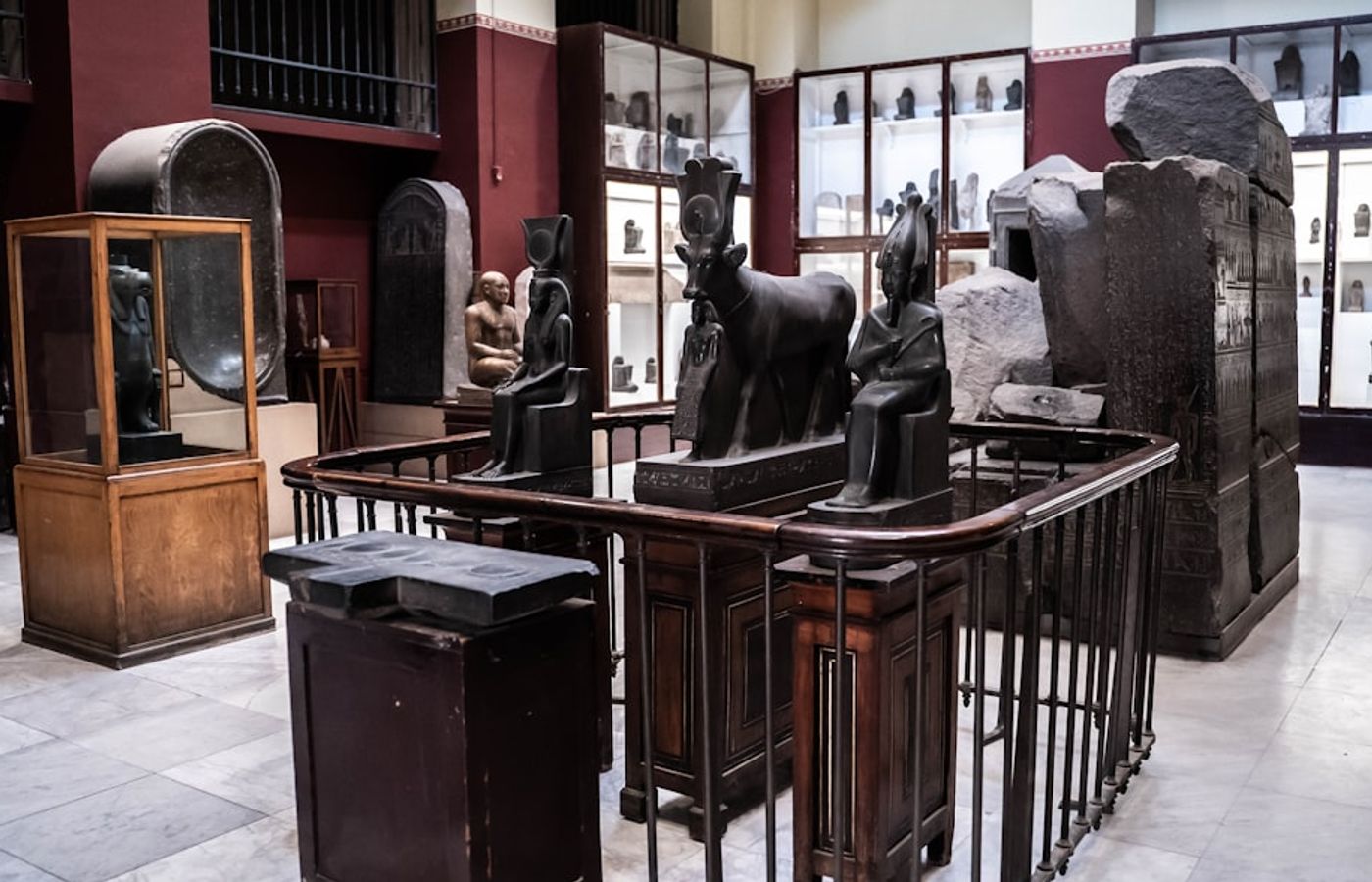
The Leventis Municipal Museum on Hippokratous Street, within the old walled city, is a free museum that traces the history of Nicosia from 3000 BC to the present day. It won the Council of Europe Museum Prize in 1991 - the first museum in Greece or Cyprus to receive the honour. The collection is organised chronologically across three floors, with each room covering a distinct era: Chalcolithic, Hellenistic, Lusignan, Venetian, Ottoman, British, and modern independence.
What makes the Leventis stand out is its focus on everyday life rather than grand monuments. Exhibits include medieval pottery, Ottoman-era household items, British colonial photographs, and reconstructions of traditional Cypriot rooms. The Lusignan and Venetian rooms are particularly good for understanding the layers of foreign rule that shaped the city. The museum sits in a restored 19th-century mansion on a quiet side street, about 5 minutes from Laiki Geitonia. Admission is free. Allow 45 minutes to an hour.
9Laiki Geitonia - The Restored Traditional Quarter
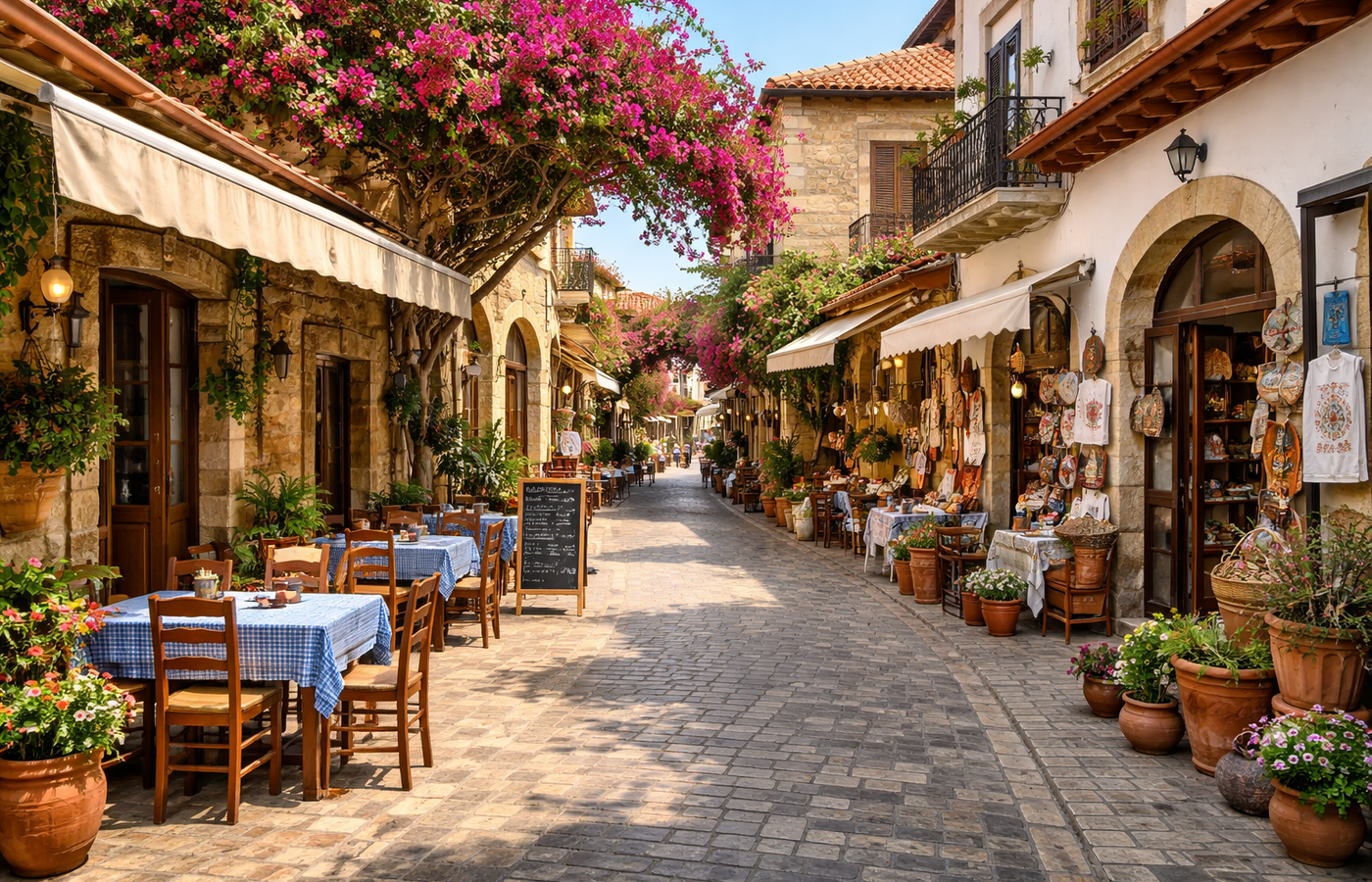
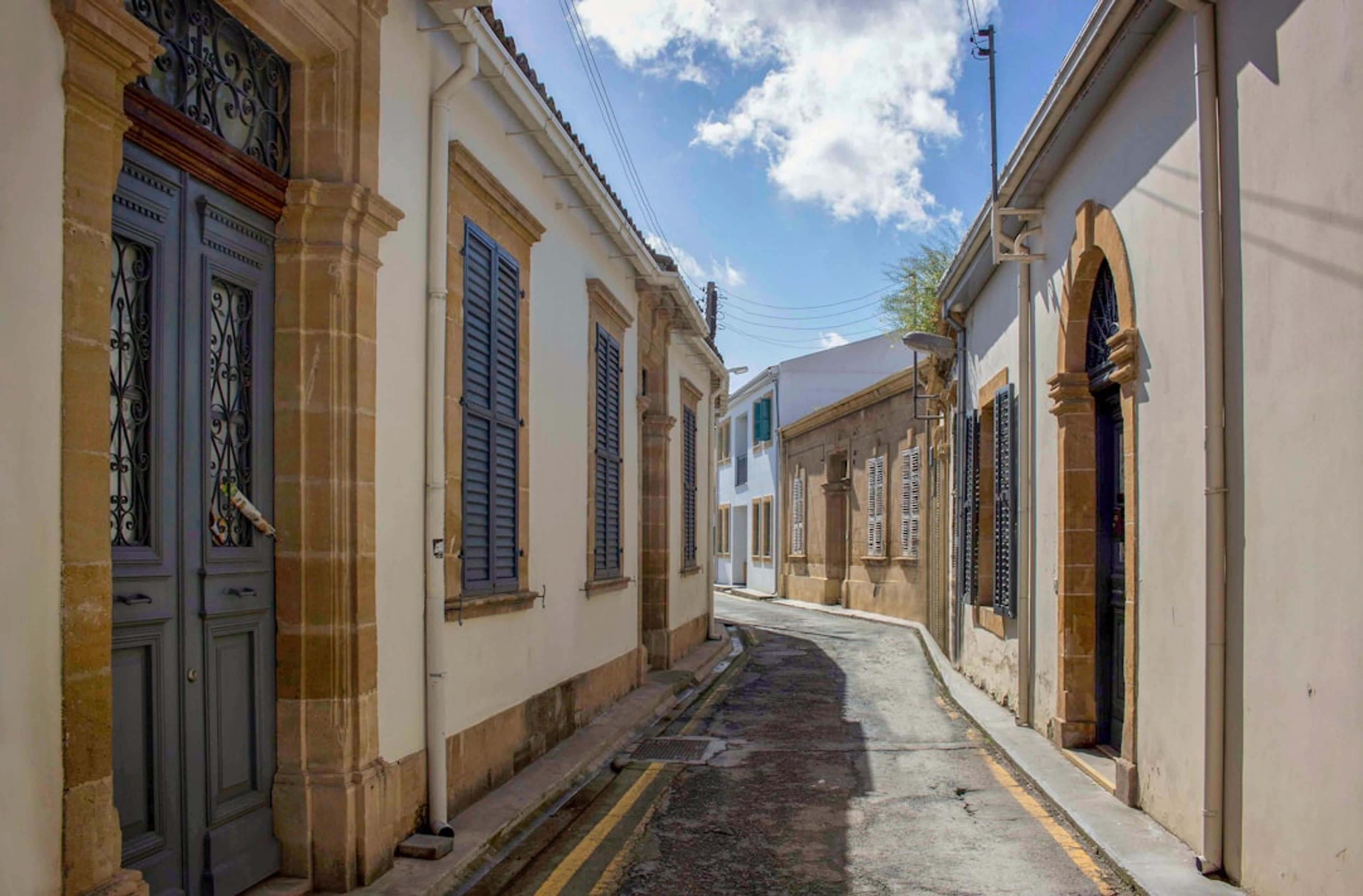
Laiki Geitonia (Popular Neighbourhood) is a pedestrianised quarter of narrow lanes and restored traditional houses in the heart of old Nicosia, immediately south of Ledra Street. The area was one of the first urban restoration projects in Cyprus, completed in the 1980s to preserve a fragment of what old Nicosia looked like before modernisation. The whitewashed and ochre-painted houses, with wooden shutters and overhanging balconies, now contain craft shops, tavernas, and small galleries.
Laiki Geitonia is undeniably touristy - it was designed as a showpiece - but it remains a pleasant place to eat lunch or browse for handmade lace, pottery, and leather goods. The tavernas serve reliable Cypriot mezes (EUR 12-18 per person for a full spread) and the area is lively at lunchtime. The Leventis Museum sits on its northern edge, making it easy to combine both. The lanes are shaded and cool even in summer, and the quarter gives a sense of pre-war Nicosia's domestic architecture that has largely disappeared elsewhere.
10Bedesten - The Covered Market in a Medieval Church
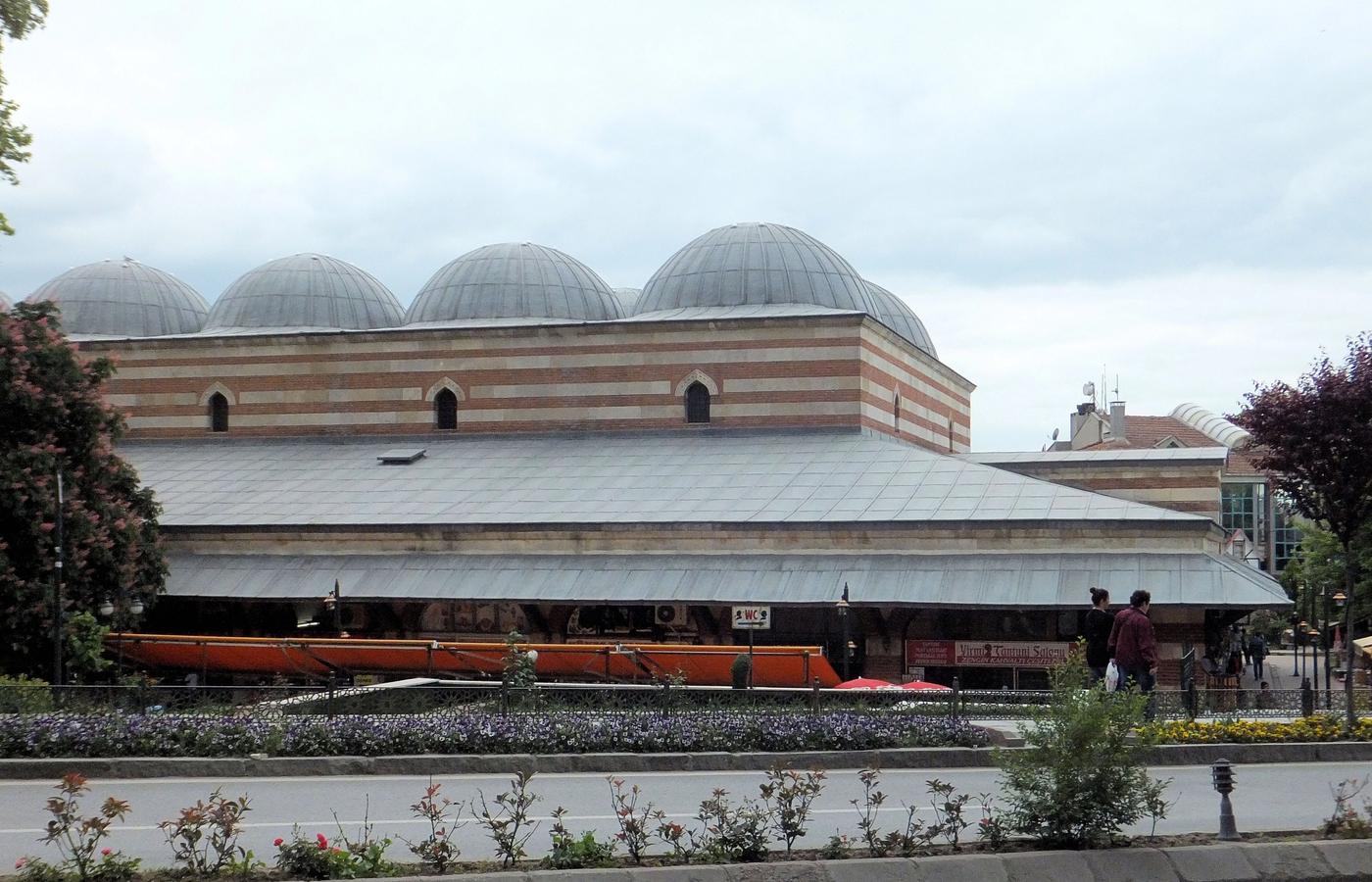
The Bedesten (covered market) in North Nicosia is a former 14th-century Orthodox church that was converted into a market hall by the Ottomans after 1570. Originally built as the Church of St Nicholas of the English (named after English Crusaders who may have funded its construction), the Gothic structure features pointed arches, carved doorways, and fragments of faded wall paintings. The Ottomans bricked up the nave, added a new entrance, and used the building as a cloth market - hence the name Bedesten, from the Turkish word for a roofed market.
After years of dereliction, the Bedesten was restored and reopened as a cultural centre and exhibition space. The interior is atmospheric - stone columns, Gothic arches overhead, patches of medieval fresco peeking through plaster. It sits next to Selimiye Mosque in the heart of North Nicosia's old market district, surrounded by small shops and street vendors. Entry is free. The carved stone doorway on the southern facade, featuring coats of arms and Gothic tracery, is one of the finest examples of Lusignan architectural decoration in the city.
Take this guide with you
Get every place in this guide, with addresses and map links, in your inbox — easy to open on your phone during the trip.
One email to the address on your account. No newsletter.

CEO and co-founder
Tomas is the co-founder and director of trip1, an European company specializing in reservation services. He launched the company in 2025 with a focus on building scalable, efficient operations.
10 Top Places to Visit in Nicosia, Cyprus - FAQ
Yes. Nicosia is the last divided capital in Europe, and you can walk from a Greek Cypriot cafe to a Turkish Cypriot tea house in under five minutes through the Ledra Street crossing. The walled old city is only about 1.5 km across, with Venetian walls, a Gothic cathedral turned mosque and the island's main archaeological museum.
Being divided. The city has been split by the Green Line since 1974, and the Ledra Street crossing opened to walkers in 2008. Nicosia is also known for its circle of Venetian walls from 1567 to 1570 with 11 bastions, Selimiye Mosque, a 13th-century Gothic cathedral with two minarets, and Buyuk Han, an Ottoman caravanserai from 1572.
Most of the old city is free. Cross the Green Line on Ledra Street, then visit Buyuk Han's courtyard and Selimiye Mosque outside prayer times, with shoulders and knees covered. Back in the south, the Leventis Municipal Museum is free, and so is walking the moat below the Venetian walls, about 90 minutes, and through Famagusta Gate.
Walk Ledra Street and cross the Green Line to Buyuk Han, Selimiye Mosque and the Bedesten. In the south, see the Cyprus Museum for the Ayia Irini terracotta figures, the Byzantine Museum's icons and Kanakaria mosaics, the Leventis Municipal Museum, Famagusta Gate and the Venetian walls, then finish with mezes in Laiki Geitonia.
Yes, for the highlights. The walled city is compact and walkable, so you can cover the main sights in a long day: start at the Cyprus Museum, cross to the north mid-morning and loop back south in the afternoon. Two days lets you linger in the museums and explore North Nicosia without rushing. In summer, take a long midday break indoors.
Yes, bring a passport, or a national ID card if you are an EU citizen. The Ledra Street crossing is a short pedestrian corridor, it is free and usually takes one to two minutes each way, and you can cross back and forth as often as you like. Carry a little Turkish lira as well as euros for the northern side.