


Goa travel guides
Browse and explore the best travel guides in Goa.
Goa travel facts
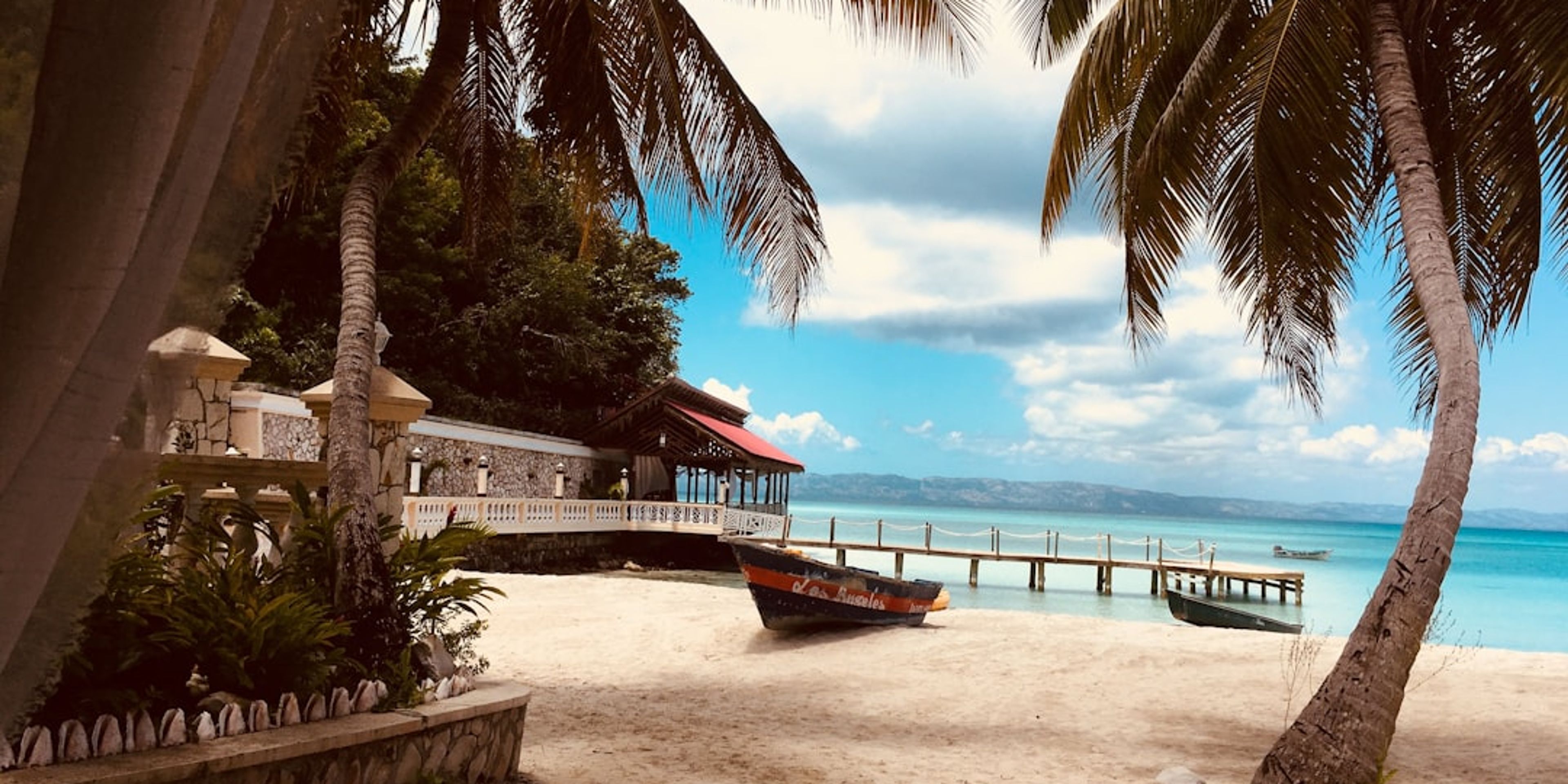
Goa is India's smallest state and its most distinctive, shaped by 450 years of Portuguese rule that ended only in 1961. Whitewashed churches, Latin street names and pork vindaloo sit alongside Hindu temples and Konkani fishing villages along a 100-kilometre stretch of the Arabian Sea.
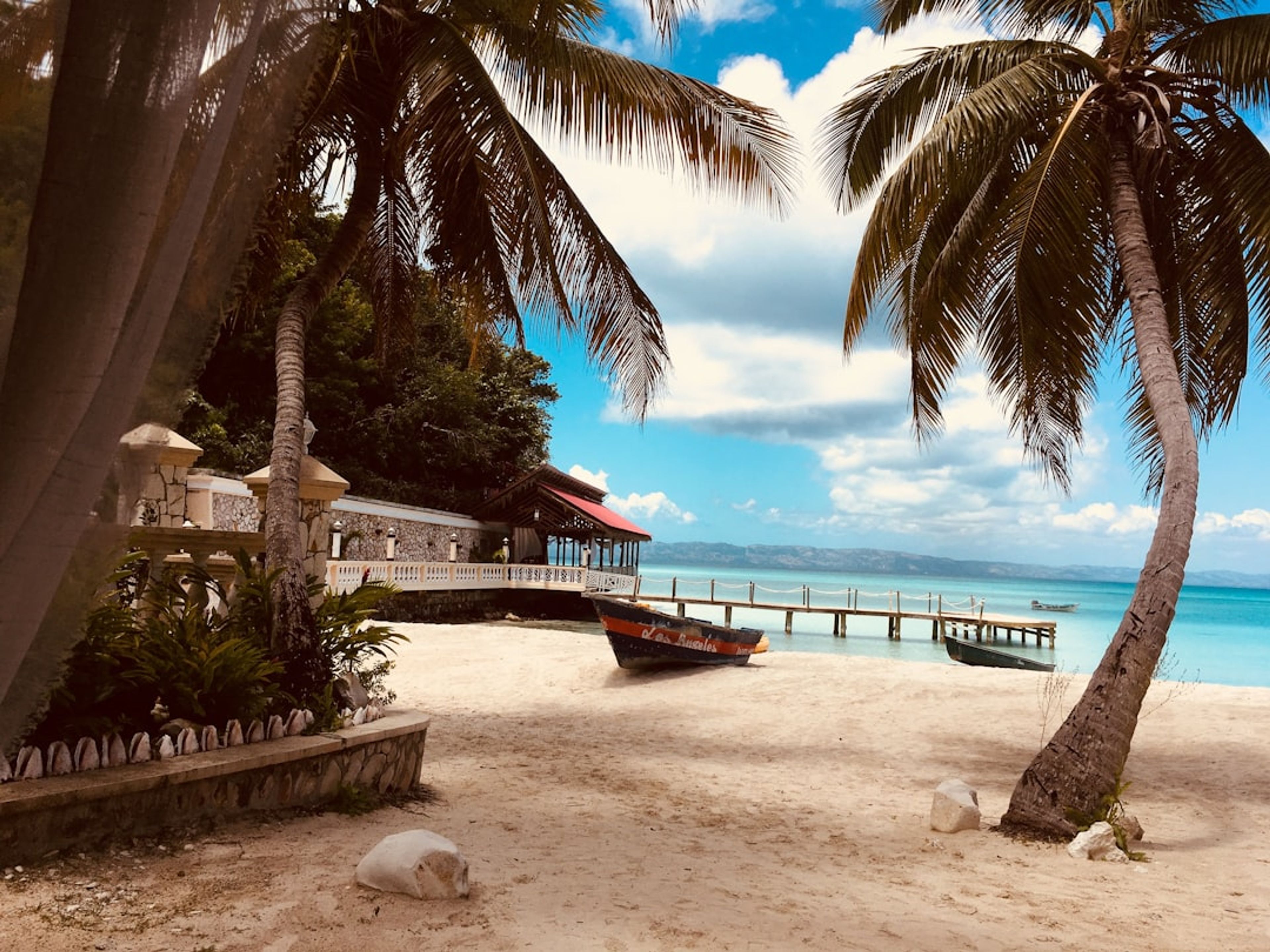
The state divides broadly in two. North Goa — Anjuna, Vagator, Arambol, Baga — carries the markets, beach shacks and the residue of the 1970s hippie trail. South Goa around Palolem, Agonda and Colva is quieter, greener and more resort-oriented. Inland, Old Goa's basilicas hold UNESCO status and the Western Ghats rise into spice plantations and the Dudhsagar waterfall.
The season runs from November to March, when the skies are dry and the shacks are open. During the June-to-September monsoon much of the coast shuts down, though the countryside turns spectacularly green.

Country
India
Region
Konkan coast, western India
Population
~1.5 million state-wide; Panaji ~115,000
Elevation
Sea level to 1,022 m (Sonsogor)
Time Zone
IST (UTC+5:30)
Currency
Indian Rupee (INR)
Language
Konkani, Marathi, Hindi and English
Nearest Airport
GOX (Manohar/Mopa), 35 km from north Goa; GOI (Dabolim), 30 km from Panaji
Airport to City Centre
~45 min by taxi to Panaji or the northern beaches
Typical Cost Level
Budget
Transport Pass
No transit card — rented scooters, taxis and app-based rides
Spring (Mar-May)
25-33°C, humid by May
Summer (Jun-Aug)
25-31°C, heavy monsoon
Autumn (Sep-Nov)
24-32°C, season reopens in November
Winter (Dec-Feb)
21-32°C, dry and the peak season
Goa travel guides

Stay in the loop
Get the latest deals, new destinations, and travel tips delivered straight to your inbox.
No spam, unsubscribe anytime.
Do you need a visa for India?
Entry rules, stay length and passport validity by nationality.
Climate averages · 1991–2020
When is the best time to visit Goa?
The best time to visit Goa is between November and April, the most comfortable stretch of the year on these averages.
Best time · November–AprilRainfall
- Jan26°
- Feb27°
- Mar28°
- Apr30°
- May30°
- Jun28°
- Jul27°
- Aug27°
- Sep27°
- Oct28°
- Nov28°
- Dec27°
Latest travel guides



Goa Destination FAQ
November to March is the season in Goa, when the beach shacks reopen and the weather is dry. December and early January are the busiest and most expensive weeks. The monsoon from June to September closes much of the coastal infrastructure but turns the interior spectacularly green.
It depends where you are staying. Manohar International (GOX) at Mopa is closer to the northern beaches such as Anjuna and Arambol, while Dabolim (GOI) is better for Panaji and the south. Transfers from either take 45 minutes to well over an hour depending on your destination.
Renting a scooter is the standard choice and gives you real freedom along the coast. You need an international driving permit and a helmet, and police checks are common. Taxis are plentiful but expensive by Indian standards, and app-based rides have limited coverage.
North Goa is busier, cheaper and more social; south Goa is quieter, greener and more upmarket. Anjuna, Vagator and Arambol suit markets, nightlife and long-stay travellers, while Palolem, Agonda and Cavelossim suit those wanting a calm beach. Panaji sits between the two.
Five to seven days is a comfortable stay in Goa. That allows beach time plus Old Goa, a spice plantation and a waterfall trip. Many visitors stay considerably longer, which the state is well set up for.
Goa is one of India's more relaxed destinations and is generally safe. The real risks are road accidents on rented scooters and strong currents at unpatrolled beaches, both of which cause more harm than crime. Drug possession carries severe penalties despite the party reputation.
On trip1, you can book hotels across Goa and pay with over 50 cryptocurrencies including Bitcoin, Ethereum, and USDC. trip1 covers 3 million+ hotels in 190+ countries, making it easy to find and book accommodation with crypto.