
Guides · Galway
10 Best Things to Do in Galway

CEO and co-founder
This guide covers the 10 best things to do in Galway, Ireland, ranked by how much they justify your time rather than by how often they turn up on a postcard. Six entries sit inside the city itself. Four are day trips west and south into County Galway and County Clare. Every entry gives you an exact address, the walk time from Eyre Square or the bus route that gets you there, the distance from the centre, and a Pro Tip based on how the place actually works rather than how it photographs.
Here is the honest framing. Galway city is small, and you can walk the Latin Quarter, the Spanish Arch, Galway Cathedral and Galway City Museum in about half a day, with Salthill Promenade adding two hours more. The real draw is what lies beyond it. Connemara, the Burren and the Aran Islands are the reason a two-night stop turns into a week, and all three are reachable by Bus Eireann, Citylink or an organised coach tour without renting a car.
Order matters less than weather. Rain arrives year-round on this coast, sometimes three or four times in one afternoon, so treat the city walking loop as your flexible day and commit the clear mornings to Diamond Hill or the ferry to Inis Mor. All prices below are in EUR and reflect 2026 rates. Book the Aran Islands ferry, Kylemore Abbey and Cliffs of Moher entry ahead if you are travelling in July or August.
1The Latin Quarter and Shop Street - Galway's Medieval Core on Foot
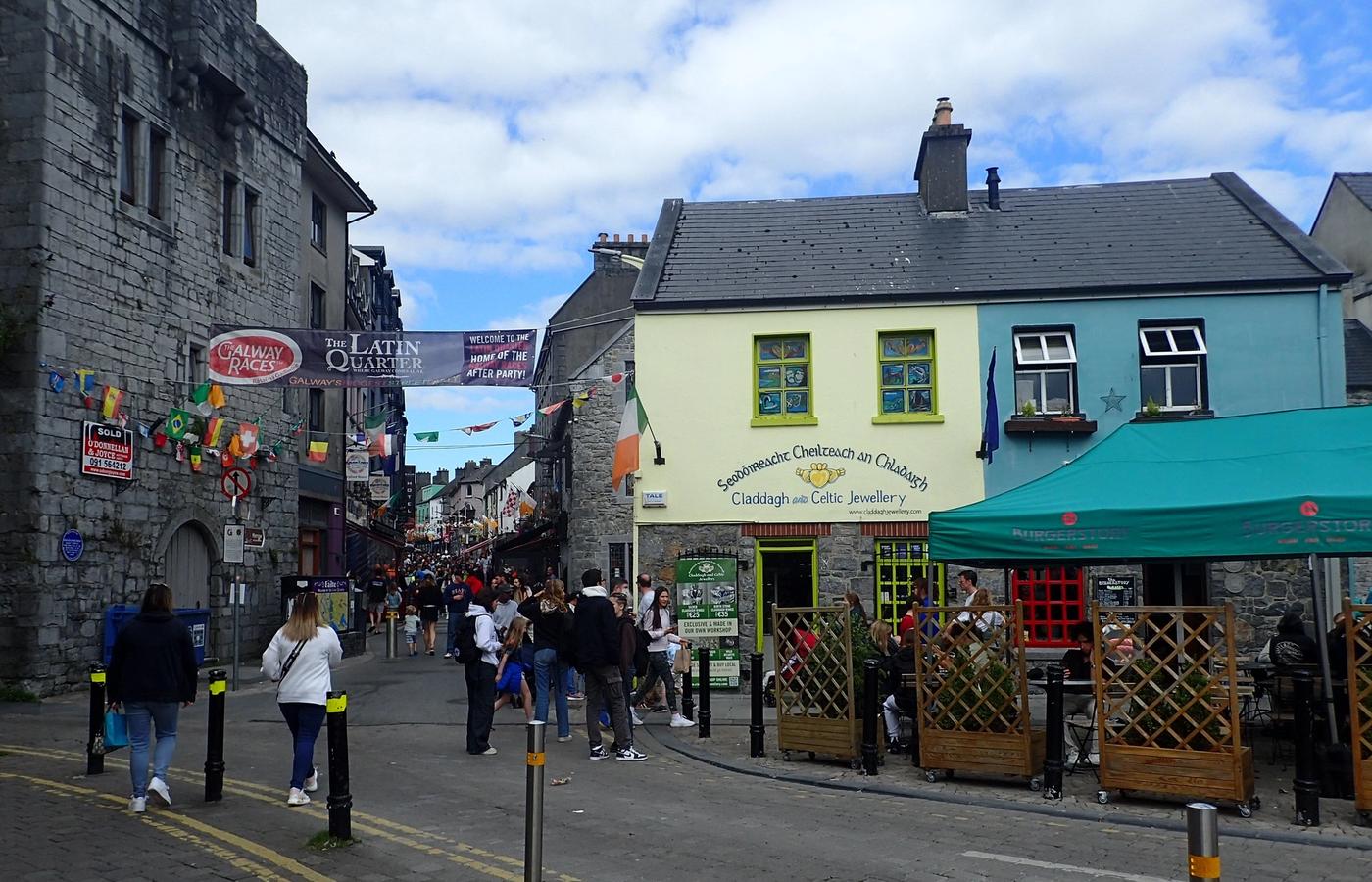

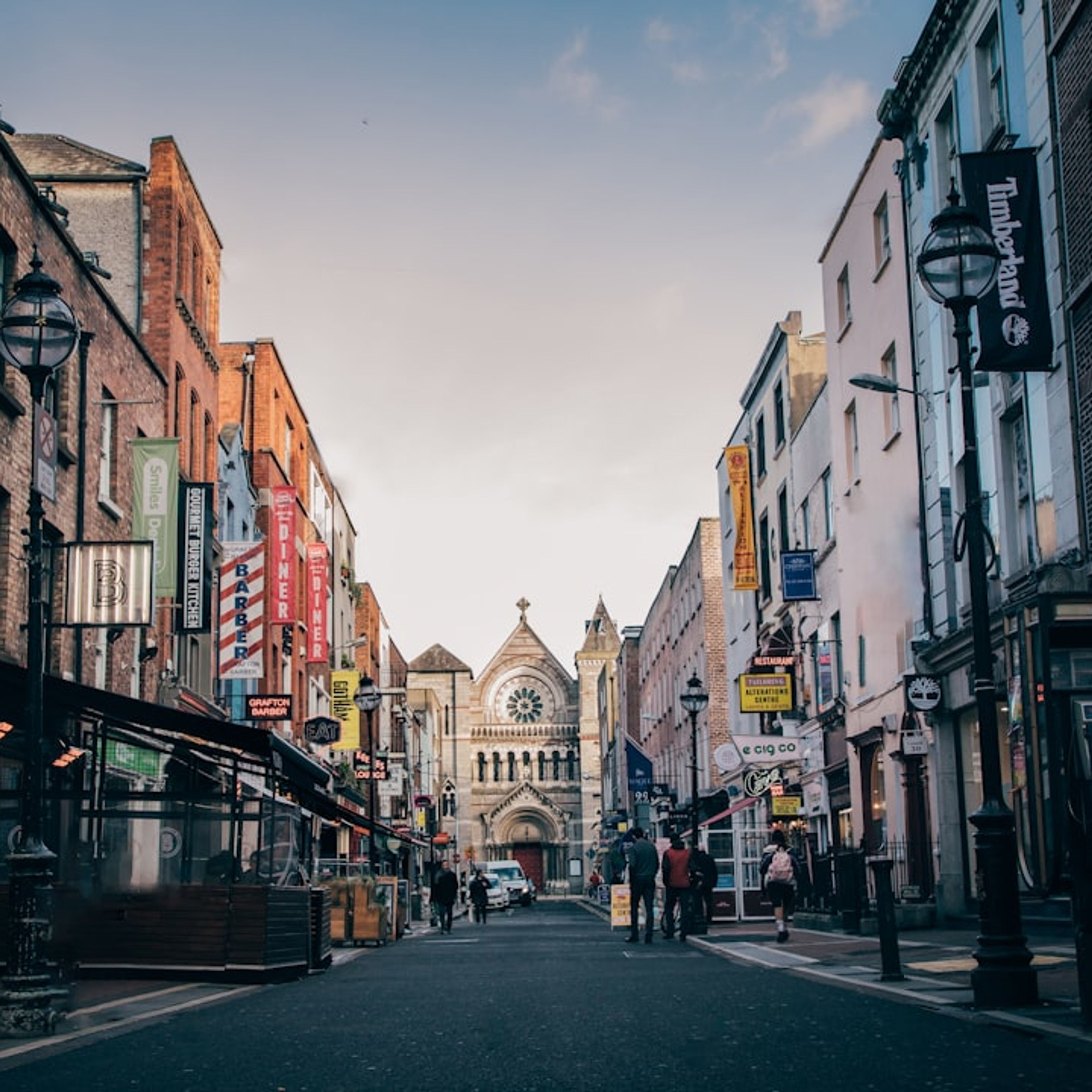
The Latin Quarter runs from Williamsgate Street through Shop Street, High Street and Quay Street down to the Spanish Arch, and it is where most visitors spend their first hour in Galway. The route is pedestrianised, roughly 700 metres end to end, and lined with shopfronts painted in colours that originally worked as a way of telling one trader from another. Lynch's Castle, a 16th-century merchant tower house now used as a bank branch, stands at the Shop Street junction and is the best surviving example of urban Irish domestic architecture from that period.
Street performers work the pitches outside Taaffes and Tigh Neachtain most afternoons from April to October, and the standard is high because Galway's busking scene feeds directly into the festival circuit. Shopping skews towards Claddagh rings, Aran wool and independent bookshops rather than chains. Expect heavy crowds between 14:00 and 18:00 in summer. Early morning is the only time you can properly see the stonework.
Pro Tip: Walk the Latin Quarter twice - once at 09:00 while the shutters are still down and the medieval facades are visible, and again after 21:00 when the pub sessions start spilling onto Quay Street.
2The Spanish Arch and the Long Walk - Where the Corrib Meets Galway Bay

The Spanish Arch is a surviving section of Galway's 1584 city wall, built to shelter merchant ships unloading wine and salt from Spain and Portugal. Two of the original four arches remain, the rest lost to the wave that followed the 1755 Lisbon earthquake. It is considerably smaller than photographs suggest, and first-time visitors are often underwhelmed. The reason to come is the grass bank behind it, where the River Corrib empties into Galway Bay and half the city sits out on any dry evening.
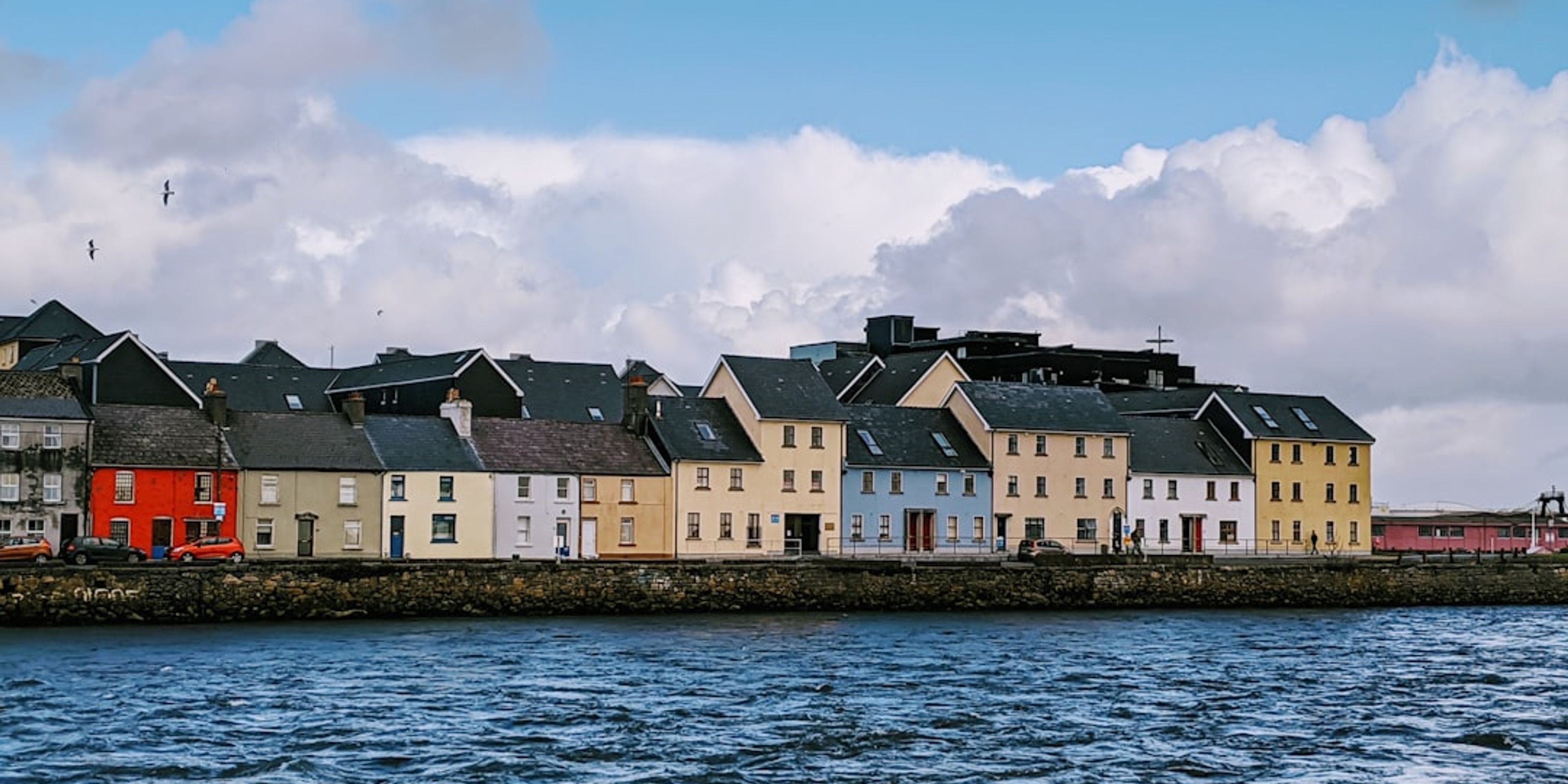
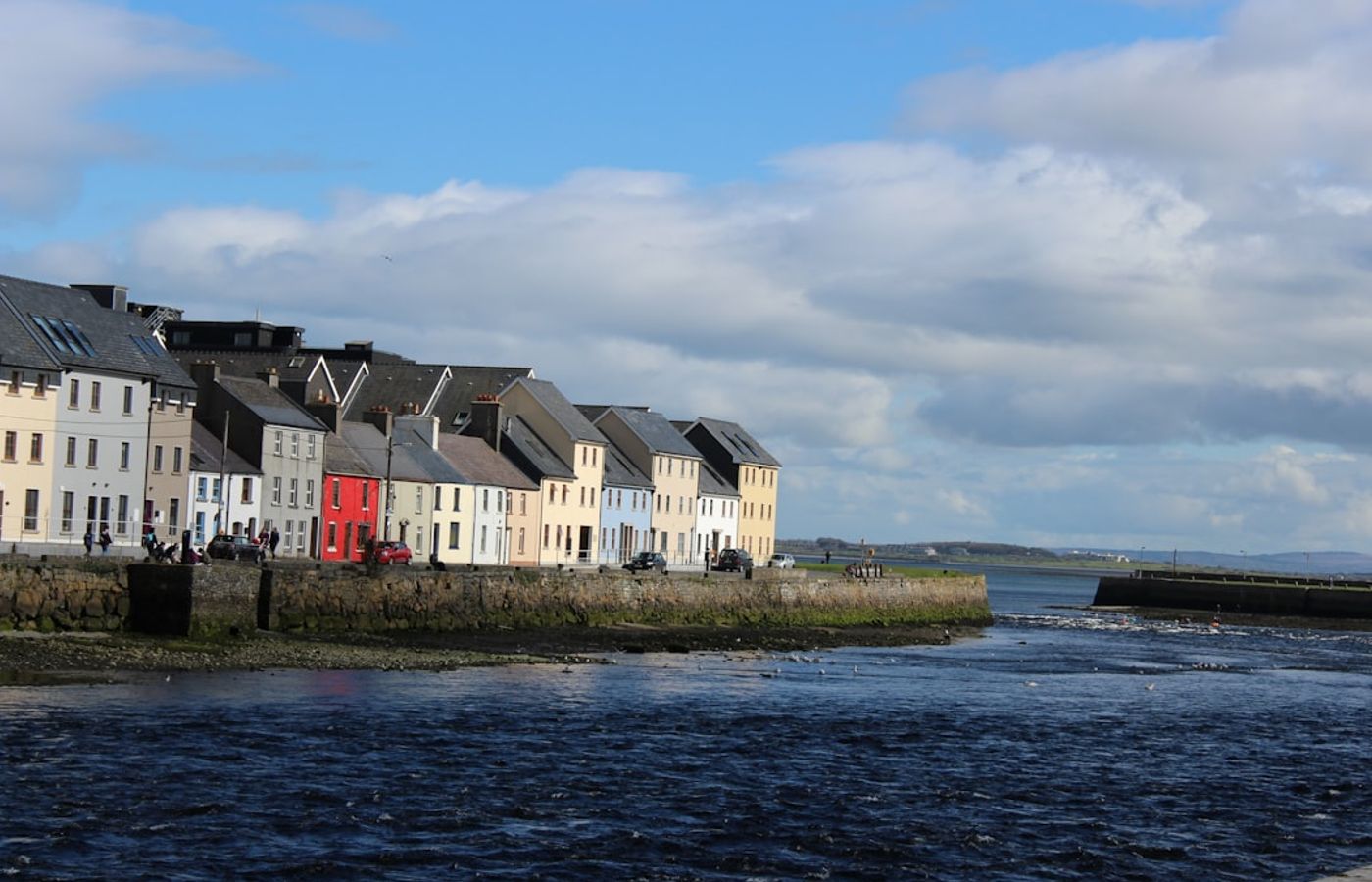
Cross the Wolfe Tone Bridge and the Long Walk runs along the far quay: a terrace of narrow houses painted deep red, blue and ochre, facing the water. This is the view that ends up on most Galway postcards. Swans gather at the Claddagh basin beside it, on the site of the fishing village cleared in the 1930s. The full loop takes twenty minutes and costs nothing.
Pro Tip: Photograph the Long Walk from the Claddagh side about an hour before sunset, when the light hits the house fronts directly. Shot from the Spanish Arch side they are backlit and flat for most of the day.

3Galway Cathedral - The Last Great Stone Cathedral Built in Europe
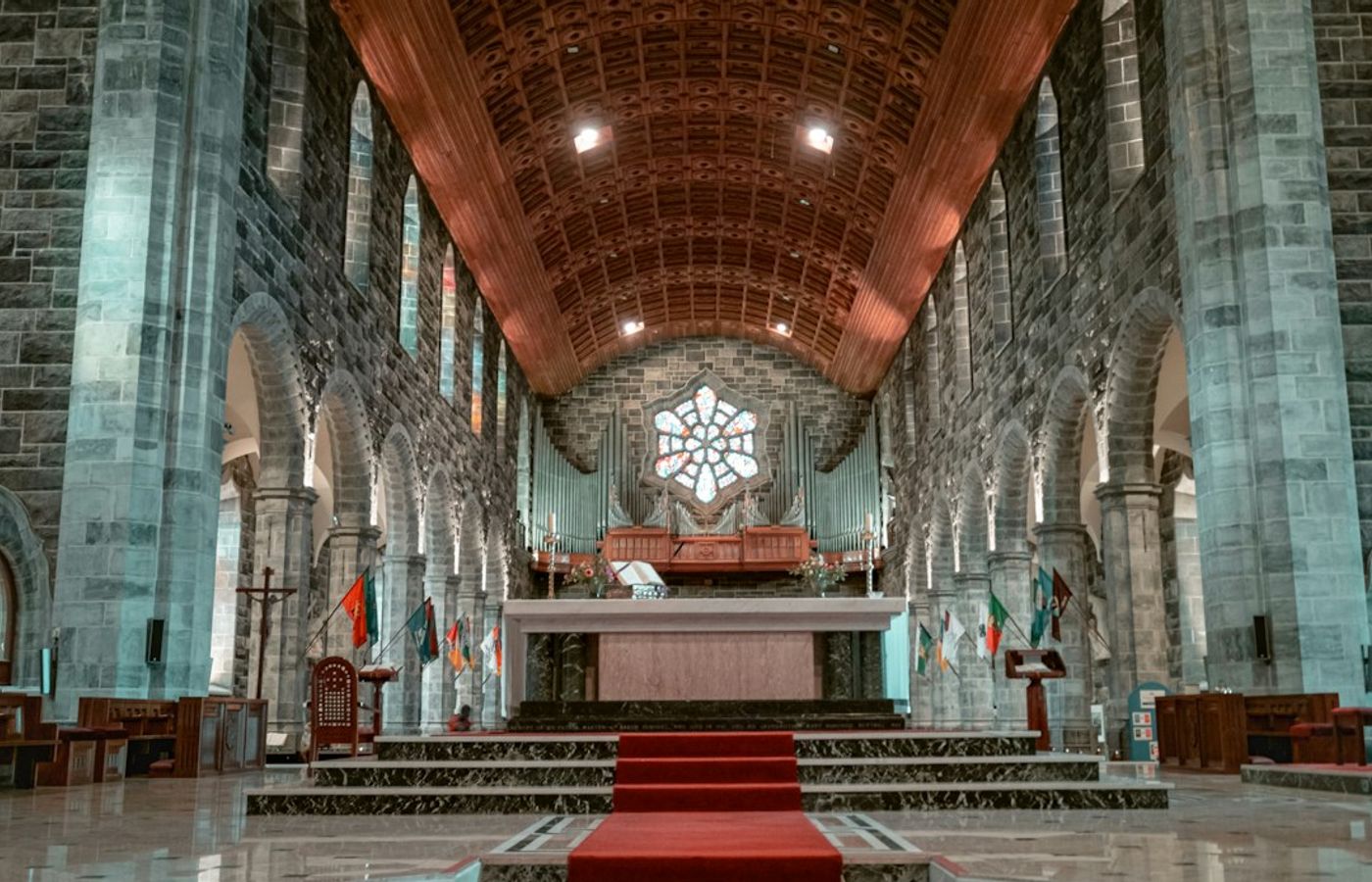
The Cathedral of Our Lady Assumed into Heaven and St Nicholas was completed in 1965, which makes it startlingly young for a building of this scale. It was cut from Galway limestone on the site of the old city jail, and the design borrows without apology: a Renaissance dome, Romanesque arches, and a rose window that would sit happily three centuries earlier. The dome rises just over 44 metres above the crossing and is visible from most of the west side of the city.
Inside, the mosaics repay a slow look, including a Resurrection panel that controversially includes John F. Kennedy. The acoustics are exceptional and free organ recitals run on many summer weekdays around lunchtime. Entry is free with a suggested donation of 2 EUR. Half an hour is enough unless a recital is on, in which case stay for it.
Pro Tip: Approach on foot across the Salmon Weir Bridge rather than driving. Between May and July you can usually see salmon holding in the pool below the weir, and the dome frames cleanly from the middle of the bridge.
4Salthill Promenade - The Seafront Walk Locals Actually Do
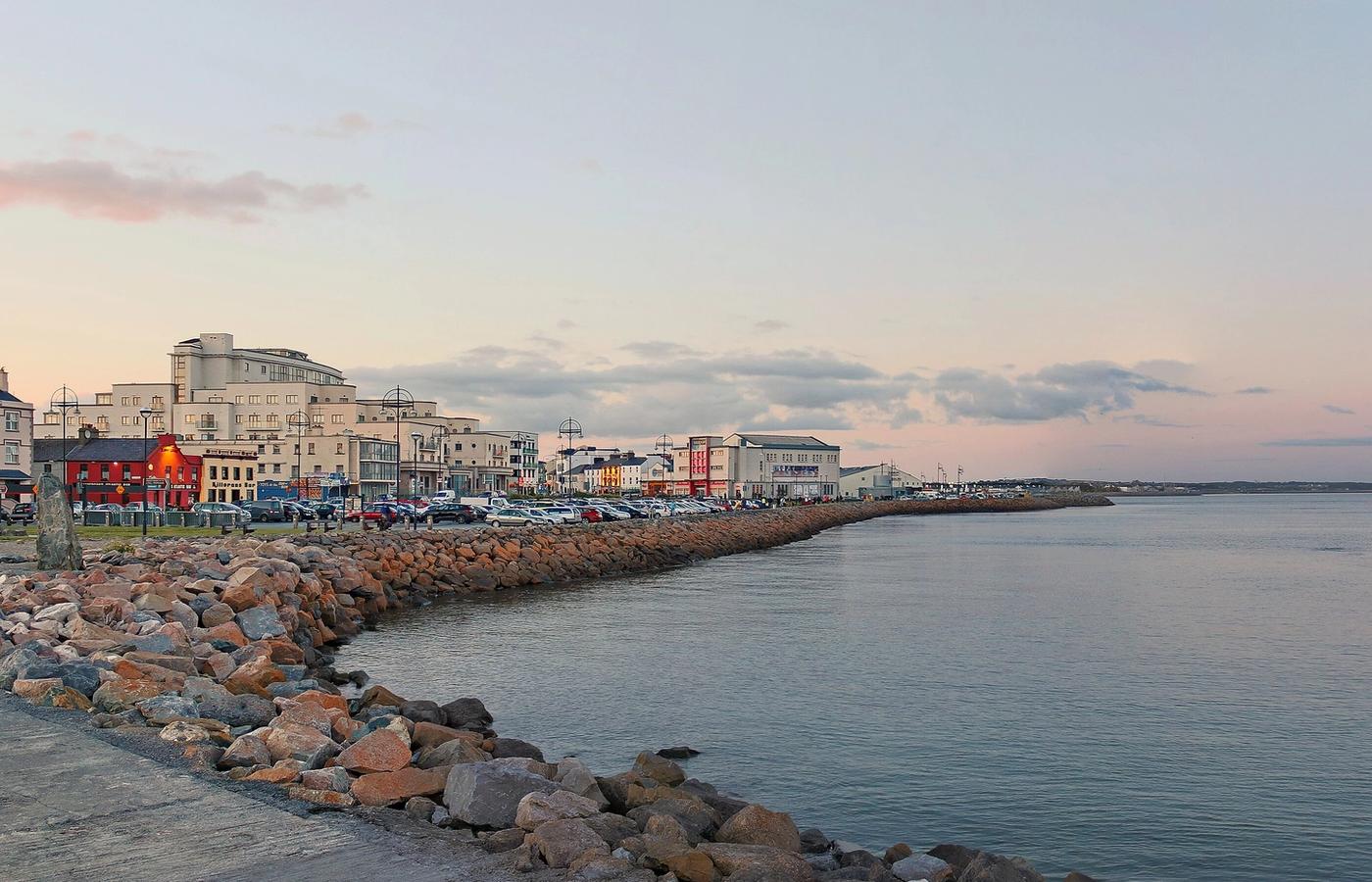
Salthill Promenade runs roughly two kilometres along Galway Bay from Grattan Road to the Blackrock diving tower, and walking it is a local ritual rather than a tourist activity. Tradition says you kick the wall at the Blackrock end before turning back, and people of every age still do it without irony. On a clear day the low hills of the Burren and the outline of the Aran Islands are visible across the water.
The Blackrock diving tower draws swimmers year-round, including February mornings when the sea sits near 8C. Ladies' Beach and Salthill Beach both hold Blue Flag status and are lifeguarded in summer. The promenade is flat, paved and fully accessible. Bring a windproof layer whatever the month, because the bay wind is relentless and the forecast here changes hour to hour.
Pro Tip: Take Bus Eireann route 401 out to the Blackrock end and walk back towards the city. That puts the prevailing southwesterly behind you instead of in your face for the full two kilometres.
5The Cliffs of Moher Day Trip - Ireland's Most Visited Natural Attraction
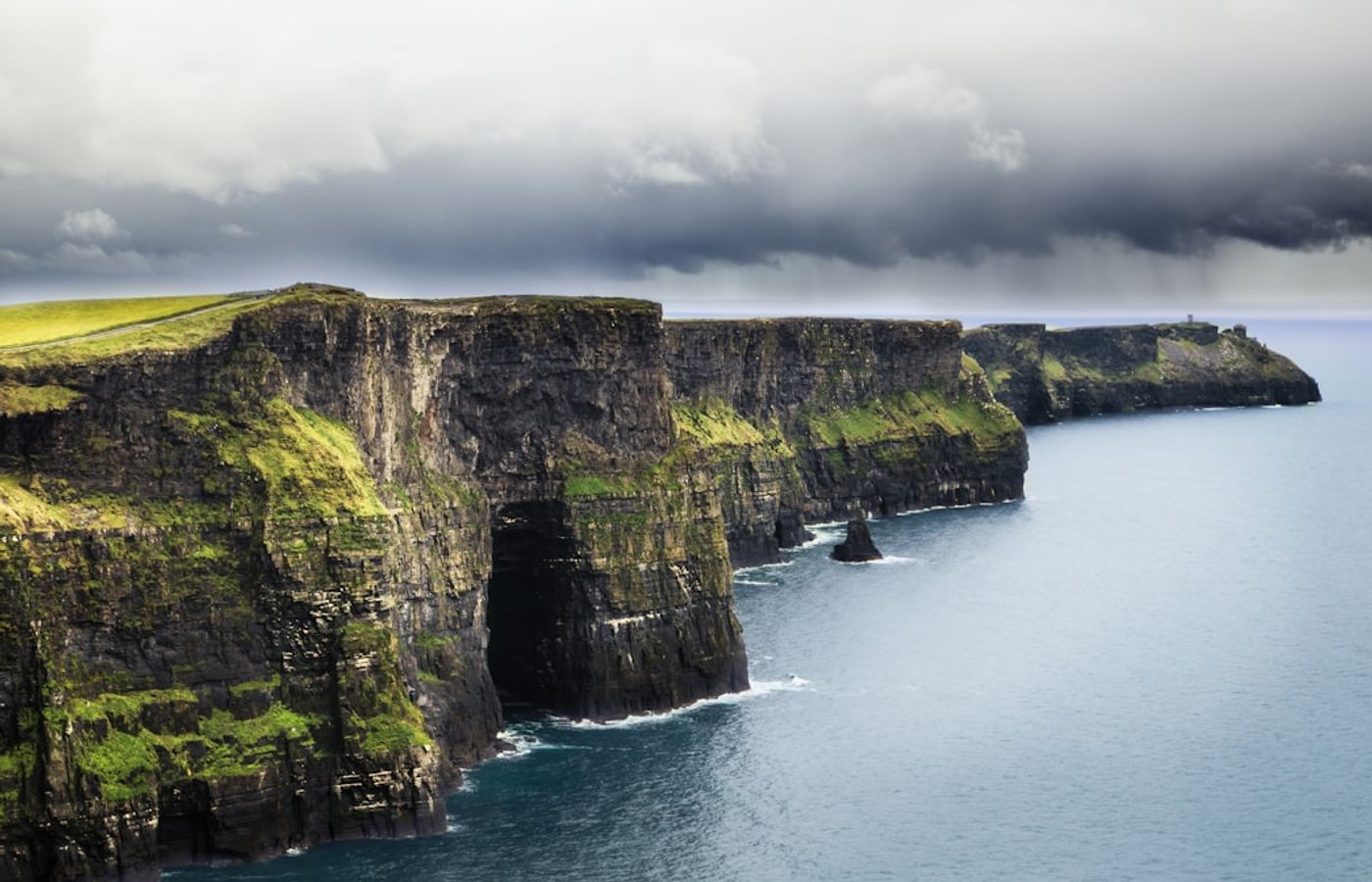
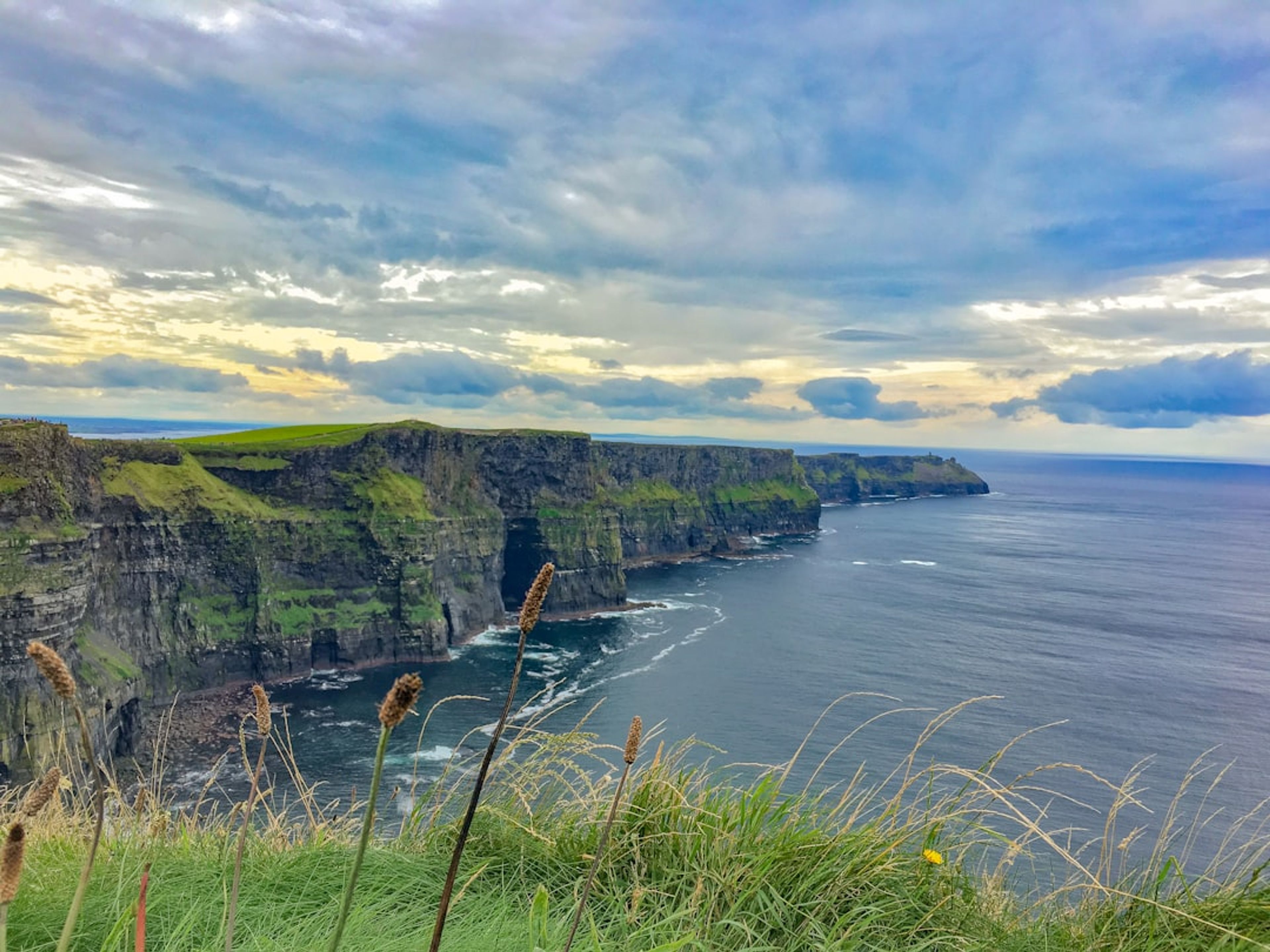
The Cliffs of Moher reach 214 metres at their highest point near Knockardakin and run for about 14 kilometres along the County Clare coast. They are the single most popular day trip from Galway and the numbers reflect it, with well over 1.5 million visitors a year. The site includes a grass-roofed visitor centre built into the hillside, O'Brien's Tower from 1835 at the north end, and a walled path that follows the cliff edge in both directions.
Puffins nest on Goat Island between April and July, part of a seabird colony of around 30,000 birds. Entry is timed and pre-booked at roughly 10 EUR per adult in 2026, while organised coach tours from Galway run 30 to 60 EUR and usually add the Burren. Sea fog closes the view entirely on a meaningful number of days each year, so check the forecast the night before rather than locking yourself in weeks ahead. The geology and the site's history are covered thoroughly in the Wikipedia entry for the Cliffs of Moher.
Pro Tip: Book the first entry slot of the day, before 10:00. Coaches from Galway, Limerick and Dublin all land between 11:00 and 15:00, and the southern path towards Hag's Head is close to empty before then.
6Connemara National Park and Kylemore Abbey - A Full Day West of the City
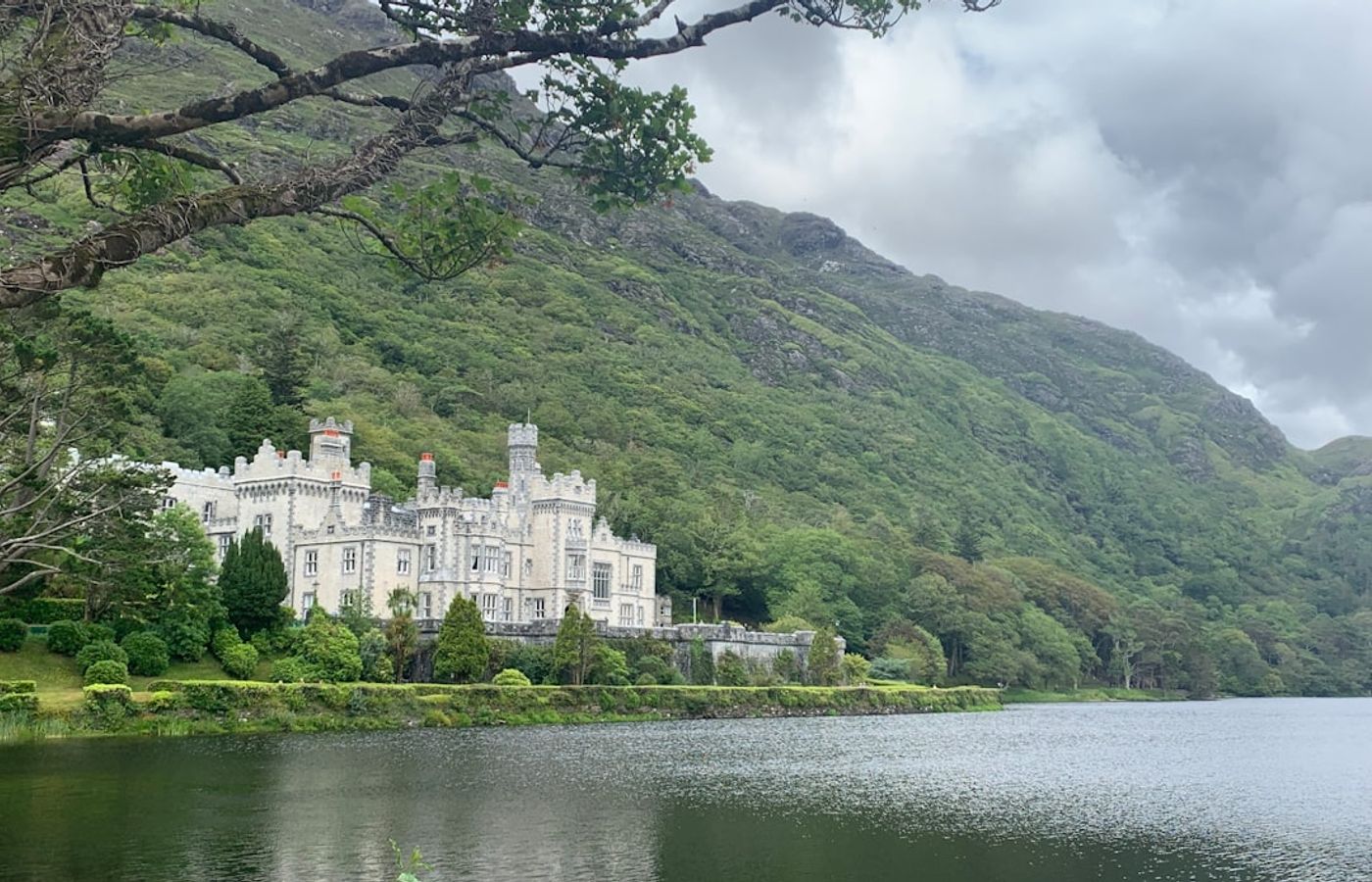
Connemara National Park covers 2,957 hectares of blanket bog, heath and mountain around Letterfrack, and the Diamond Hill loop is why most people make the trip. The full upper walk is about 7 kilometres, takes three hours, and climbs 400 metres to a summit looking over Ballynakill Harbour and the Twelve Bens. Park entry is free and the lower loop is a manageable 3 kilometres. Trail conditions and closures are posted on the official Connemara National Park website.
Kylemore Abbey sits 6 kilometres east: a Victorian castle built in 1868 by the Manchester businessman Mitchell Henry and run by Benedictine nuns since 1920. The six-acre walled Victorian garden and the miniature neo-Gothic church are the strongest parts of the visit, since only a handful of rooms in the house itself are open. Tickets are around 18 EUR and timed in summer. Paired with Diamond Hill this fills a full day including the drive.
Pro Tip: Climb Diamond Hill first thing and save Kylemore Abbey for after lunch. The hill is fully exposed with no shelter, so you want to be off it before the weather turns, and the walled garden is perfectly pleasant in drizzle.
7The Aran Islands - Inis Mor and the Cliff Fort at Dun Aonghasa
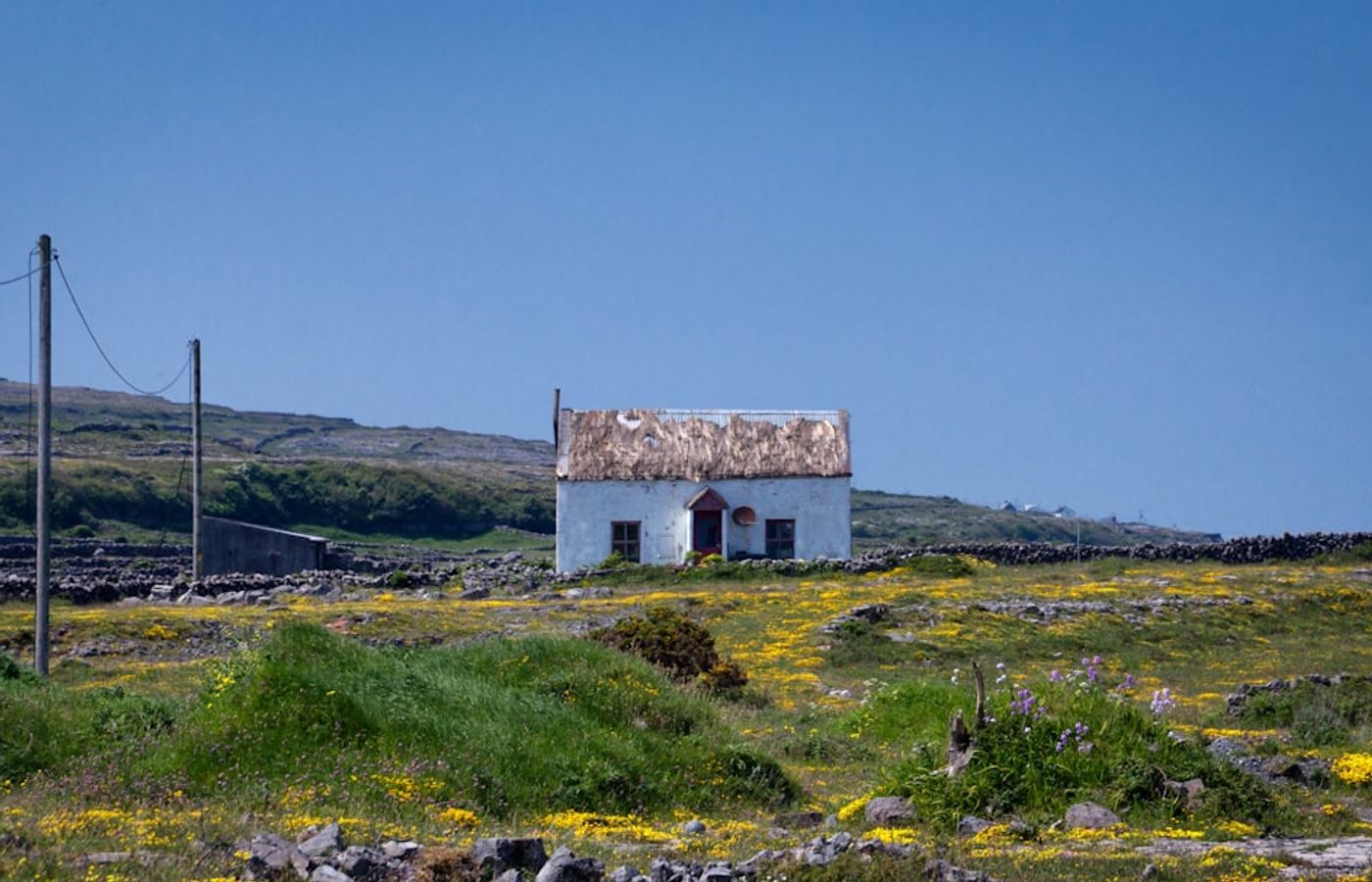
Inis Mor is the largest of the three Aran Islands, 14 kilometres long, with a permanent population of around 760 and Irish as the everyday spoken language. Ferries leave from Rossaveal, roughly 40 minutes west of the city by connecting shuttle bus, and the crossing itself takes about 40 minutes. Return fares run near 35 EUR with another 10 EUR or so for the shuttle. Crossings are cancelled outright in heavy swell, so build a spare day into your plans.
Dun Aonghasa is the reason to go: a prehistoric stone fort dating to roughly 1100 BC, built in semicircular terraces against a 100-metre cliff with nothing at all guarding the edge. It is a 20-minute uphill walk from the road. Beyond it the island is limestone pavement carved into fields by around 1,600 kilometres of dry stone wall. Bikes rent at Kilronan for about 15 EUR a day, and minibus tours cost 15 to 20 EUR.
Pro Tip: Take an early sailing and come back on the last boat rather than the mid-afternoon one. Short-turnaround day-trippers never get past Dun Aonghasa, and the western end of the island around Dun Eoghanachta is deserted after 16:00.
8The Burren - 250 Square Kilometres of Limestone Pavement
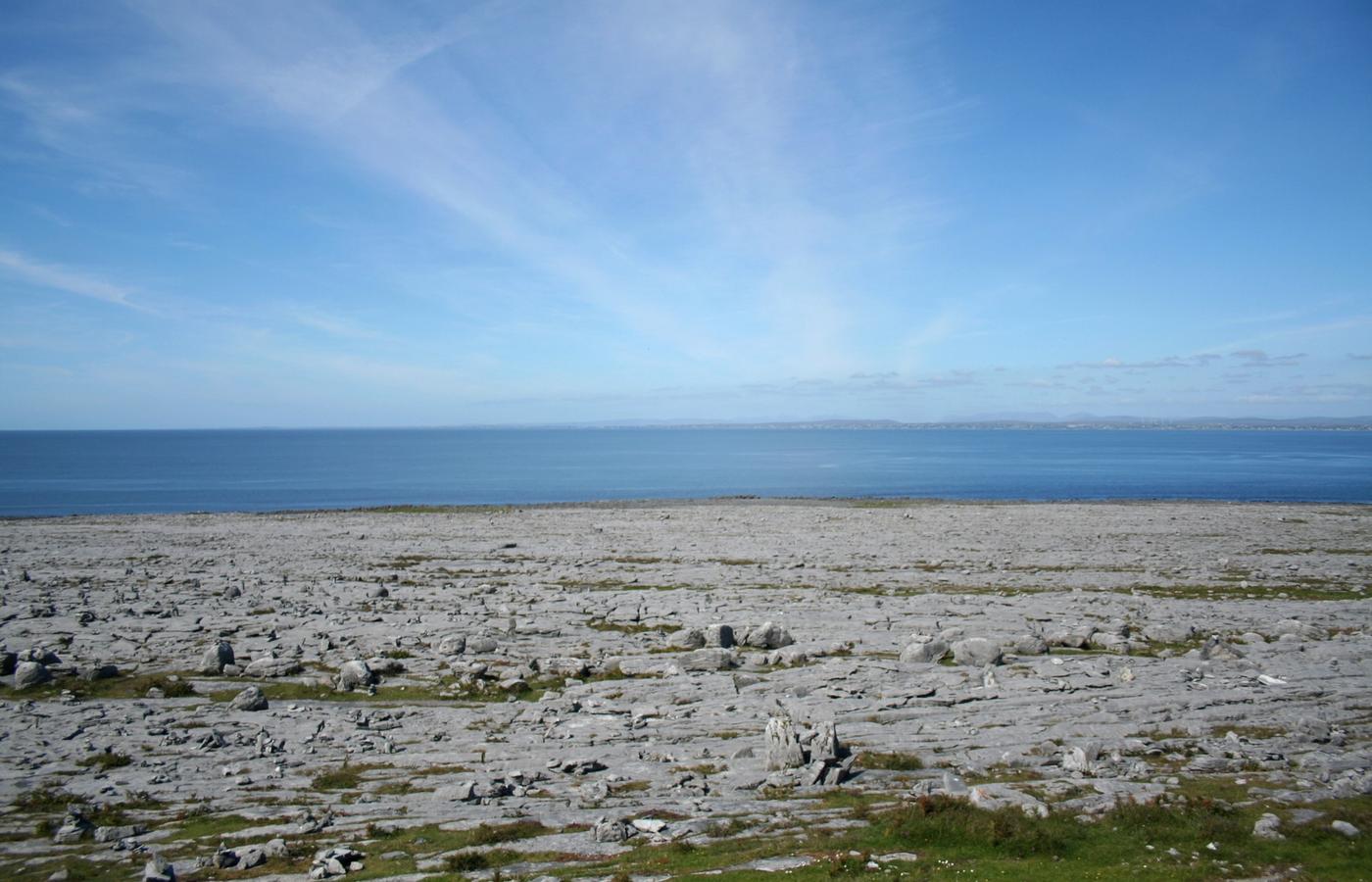
The Burren is a karst landscape in north County Clare where bare grey limestone pavement, split into blocks and fissures known as clints and grikes, covers roughly 250 square kilometres. The rock formed as a tropical seabed about 350 million years ago and was scoured clean by glaciers. Arctic, Mediterranean and alpine plants grow side by side in the grikes, which is why botanists rate the Burren among the strangest habitats in Europe. Peak flowering falls in May and June.
Poulnabrone dolmen, a portal tomb raised around 3800 BC, is the most photographed single site and sits right off the R480 with a small car park. Corcomroe Abbey, the Aillwee Cave system and the Burren Perfumery near Carron all justify a detour. Public transport reaches Ballyvaughan and Kilfenora but not the interior roads, so of everything on this list the Burren is the entry that most rewards a car or a guided tour.
Pro Tip: Skip the midday Poulnabrone stop that every coach makes and drive the Corkscrew Hill road out of Ballyvaughan instead. The pull-in near the top gives you the whole pavement sweeping down towards Galway Bay.
9Galway City Museum - Free Context for Everything Else on This List
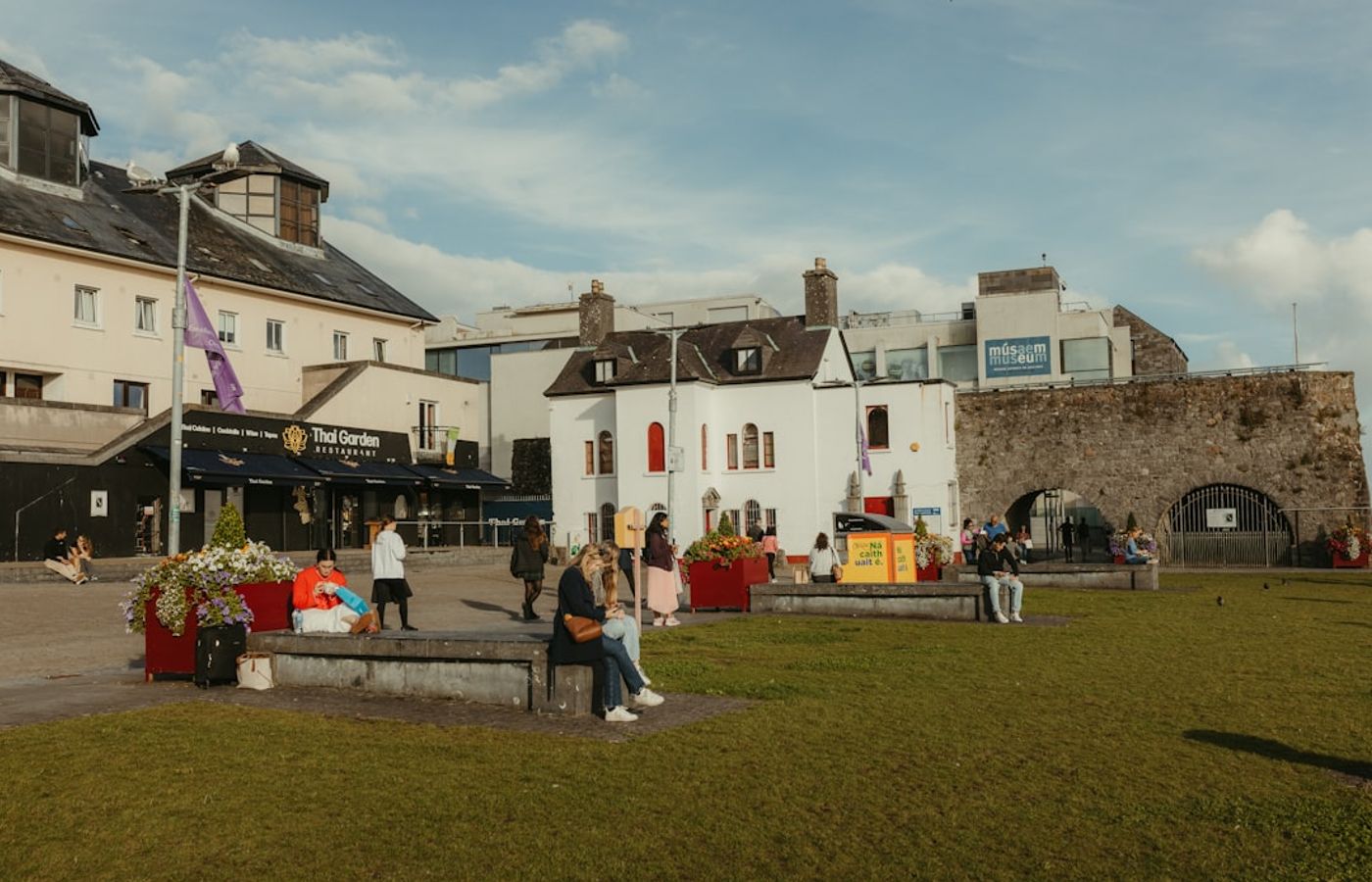
Galway City Museum stands directly behind the Spanish Arch and is free to enter, which makes it the obvious wet-weather fallback in a city that gets plenty of wet weather. Three floors cover medieval Galway's trade with Spain, the Claddagh fishing village that occupied the far bank until the 1930s, and the city's part in Irish revolutionary history. The Galway Hooker sailing boat suspended through the stairwell is the standout object.
Labelling is clear, the building is modern and glass-fronted, and every floor is accessible by lift. Allow 60 to 90 minutes. The upper-floor cafe has one of the better views over the mouth of the Corrib and the Long Walk terrace. Opening runs Tuesday to Saturday year-round, with extra Sunday and Monday hours from Easter through September.
Pro Tip: Save the museum for the day with the worst forecast. Combined with Galway Cathedral and the Latin Quarter shopfronts it makes a coherent indoor-leaning day, which frees your clear mornings for Connemara or the Inis Mor ferry.
10A Traditional Music Session in a Galway Pub - The West End After Dark
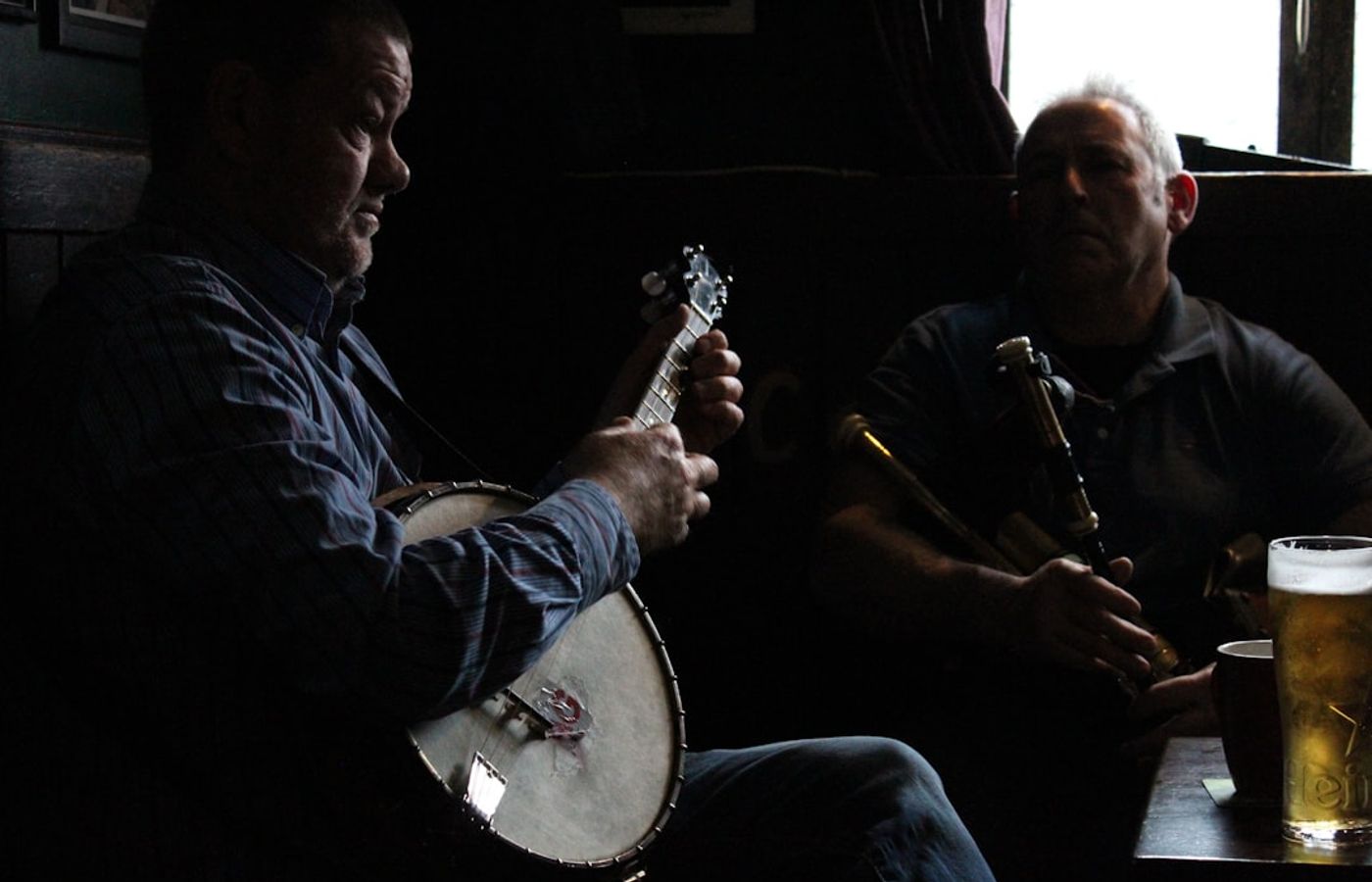
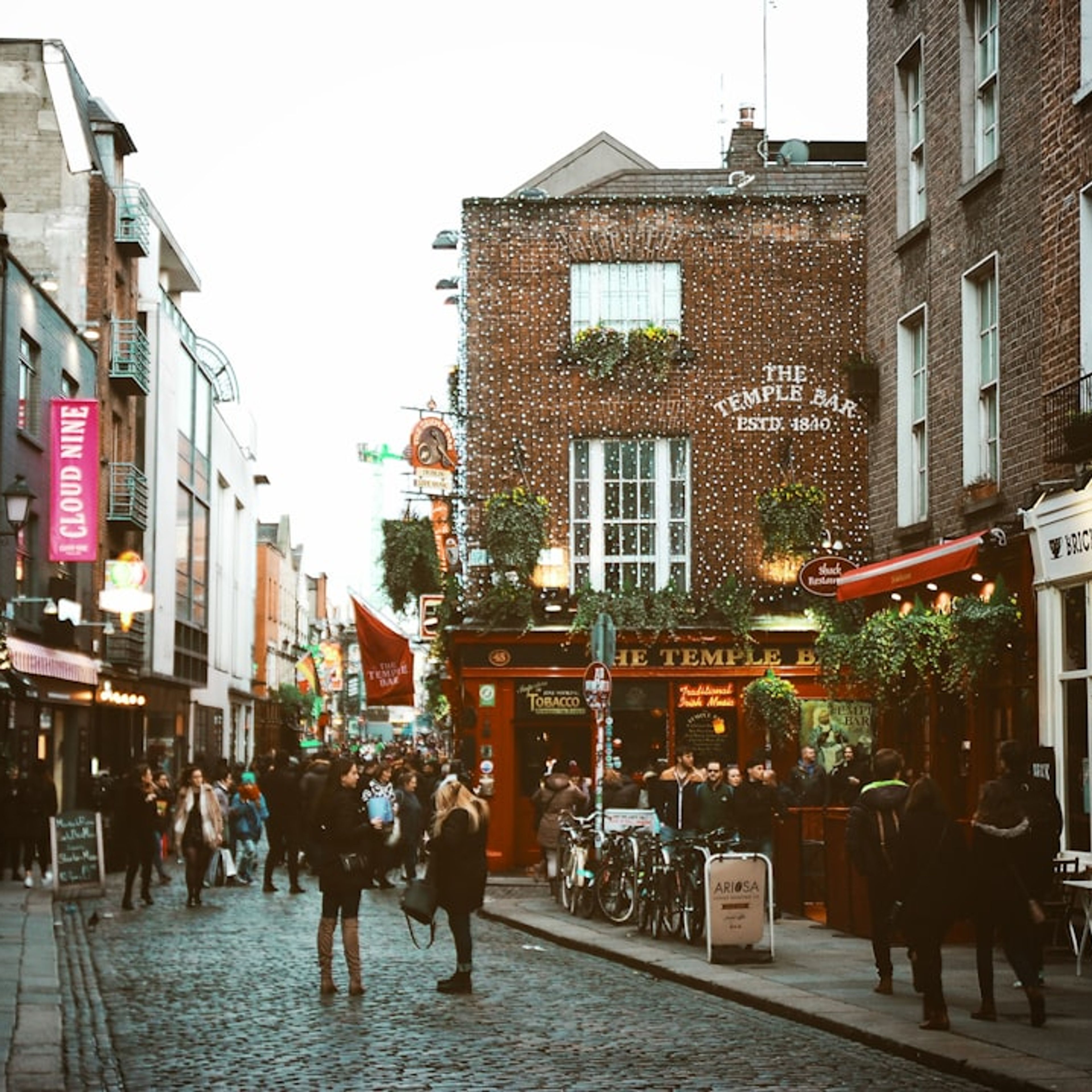
A traditional session in Galway is not a scheduled performance with a stage and a ticket. Musicians sit in a corner, agree sets of reels and jigs between themselves, and stop when they feel like stopping. The West End around Dominick Street Lower and Sea Road holds the most serious playing, with The Crane Bar the reference point. Tigh Neachtain on Cross Street and Taaffes on Shop Street run dependable nightly sessions closer to the Latin Quarter, though both pull far bigger crowds.
Sessions usually start around 21:30 and run past midnight. Most pubs charge nothing at the door, though a few West End venues run ticketed upstairs concerts alongside the free downstairs session. The etiquette is simple: do not talk over a slow air, do not shout requests, and do not clap in the middle of a set. A pint costs roughly 6 to 7 EUR.
Pro Tip: Get in by 21:00 to claim a seat within earshot of the corner. Tuesday and Wednesday nights bring the best playing, because the weekend crowds are gone and the musicians take longer sets.

CEO and co-founder
Tomas is the co-founder and director of trip1, an European company specializing in reservation services. He launched the company in 2025 with a focus on building scalable, efficient operations.
10 Best Things to Do in Galway, Ireland - FAQ
No, and trying would ruin the trip. Four entries are full day trips out of the city: the Cliffs of Moher, Connemara National Park with Kylemore Abbey, the Aran Islands and the Burren. The six city entries fit comfortably into one day on foot. Plan three to five days in Galway to cover the whole list properly.
Do the city cluster first, then spread the day trips over the following days. The Latin Quarter, the Spanish Arch, Galway Cathedral and Galway City Museum form one morning walking loop, with Salthill Promenade in the afternoon and a music session that night. Give Connemara, Inis Mor and the Cliffs of Moher a full day each, and pair the Burren with the Cliffs if your time is short.
Three of them, plus your transport. Cliffs of Moher entry is sold by timed slot, Kylemore Abbey sells timed tickets online in summer, and the Aran Islands ferry from Rossaveal fills up in July and August. The Latin Quarter, the Spanish Arch, Salthill Promenade, Galway Cathedral, Galway City Museum and pub sessions all need nothing booked in advance.
Budget roughly 150 to 200 EUR per person without a car. Six of the ten cost nothing: the Latin Quarter, the Spanish Arch, Salthill Promenade, Galway City Museum, the Burren landscape itself and a pub session, where you only pay for what you drink. Galway Cathedral suggests a 2 EUR donation, Cliffs of Moher entry is about 10 EUR, Kylemore Abbey about 18 EUR, and the Aran Islands ferry around 35 EUR return.
No, though a car makes the Burren far easier. Bus Eireann route 350 reaches the Cliffs of Moher and Ballyvaughan, Citylink route 923 runs to Letterfrack for Connemara National Park, and a shuttle bus connects Galway to the Rossaveal ferry port for Inis Mor. Coach tours from Galway Coach Station cover Connemara, the Cliffs and the Burren for 30 to 60 EUR. Only the interior Burren roads genuinely need your own vehicle.
Quite a lot, deliberately. Ten entries leave no room for the Saturday market beside St Nicholas' Collegiate Church, the seafood restaurants around Kirwan's Lane, Athenry and Dunguaire castles, Inis Oirr as a shorter alternative to Inis Mor, or the festival calendar that fills July with the Galway International Arts Festival and the Galway Races. Add at least one of those if you have a spare afternoon.