
Get up to €50 off your staySubscribe and get up to €50 off your next stay
Browse and explore the best travel guides in Puglia.
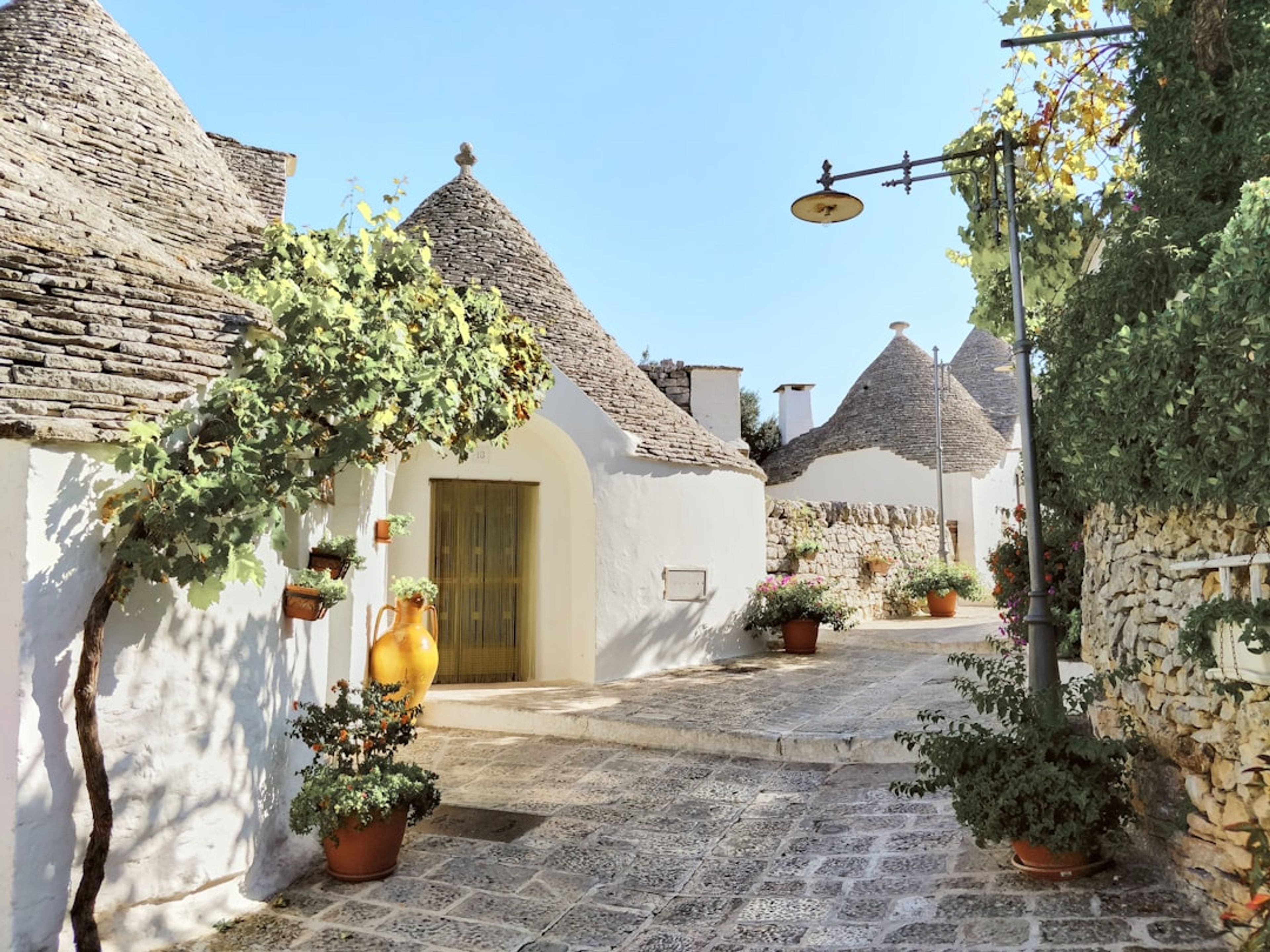
Puglia forms the heel of Italy's boot, a sun-drenched region stretching along 800 km of Adriatic and Ionian coastline. The landscape mixes conical trulli houses in Alberobello, whitewashed hilltop towns like Ostuni and Locorotondo, baroque limestone cities like Lecce, and centuries-old olive groves that produce roughly 40% of Italy's olive oil.
The regional food scene rivals any in Italy, from orecchiette pasta in Bari's old town to burrata from Andria, sea urchins in Polignano a Mare, and the multi-course seafood feasts of Gallipoli and Otranto. Beaches range from powdery white sand in Salento to turquoise Adriatic coves and pine-fringed shorelines around the Gargano promontory.
Puglia works best as a road trip, with Bari and Brindisi as main gateways and a mix of masseria farmhouses, boutique hotels, and cave-carved stays. May, June, and September deliver the best balance of warm sea, thin crowds, and long light.
Country
Italy
Region
Puglia (Apulia)
Population
~4M region
Elevation
Sea level to ~1,150 m (Gargano)
Time Zone
CET (UTC+1), CEST (UTC+2) in summer
Currency
Euro (EUR)
Language
Italian (some regional dialects)
Nearest Airport
BRI (Bari), BDS (Brindisi)
Airport to Region
Bari centre 10 km; Brindisi centre 3 km
Typical Cost Level
Mid-range
Transport
Rental car recommended; Trenitalia, FSE regional trains
Spring (Mar-May)
10-24°C, wildflowers and mild sun
Summer (Jun-Aug)
22-33°C, hot with sea breezes; peak season
Autumn (Sep-Nov)
13-27°C, harvest and warm sea into October
Winter (Dec-Feb)
5-14°C, quiet and low prices
Get the latest deals, new destinations, and travel tips delivered straight to your inbox.
No spam, unsubscribe anytime.
Entry rules, stay length and passport validity by nationality.
Late May to June and September to early October offer the best mix of warm weather, thinner crowds, and lower prices. July and August are hot and packed with Italian holidaymakers, especially along the Salento coast. Winter is quiet, mild, and a good time for food-focused stays in Lecce or Bari.
Fly into Bari (BRI) or Brindisi (BDS) from most Italian cities and major European hubs, or take a Frecciarossa high-speed train from Rome or Milan to Bari (4-6 hours). Overnight ferries connect Puglia's Adriatic ports to Croatia, Albania, and Greece for onward travel.
Yes, a rental car is highly recommended for exploring the trulli countryside, hilltop towns, and coastal coves. Trenitalia and the private FSE railway link larger towns like Bari, Lecce, Brindisi, and Ostuni, but many of Puglia's best masserie and beaches sit down country roads that public transport does not reach.
Plan for 7-10 days to see the highlights without rushing: 2-3 days in the Valle d'Itria (Alberobello, Ostuni, Locorotondo), 2 days along the Adriatic coast (Polignano a Mare, Monopoli), 2-3 days in Salento (Lecce, Otranto, Gallipoli), and time for Bari and the Gargano promontory.
Yes, Puglia is a safe and relaxed region for visitors, with low crime and welcoming locals. Standard travel precautions apply in busier train stations and beach towns during peak season. Roads can be narrow and winding in the countryside, so drive carefully in villages with tight lanes.
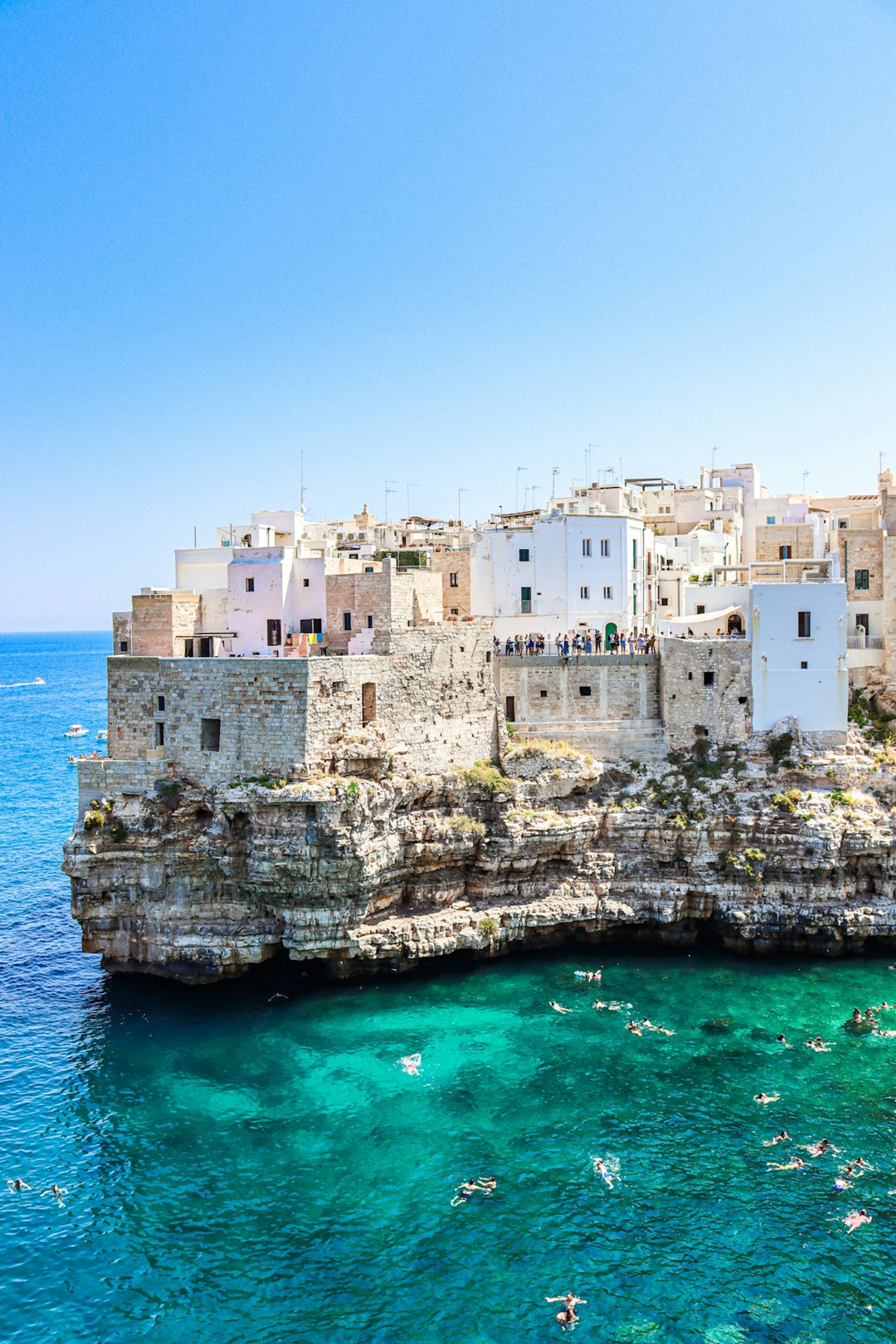
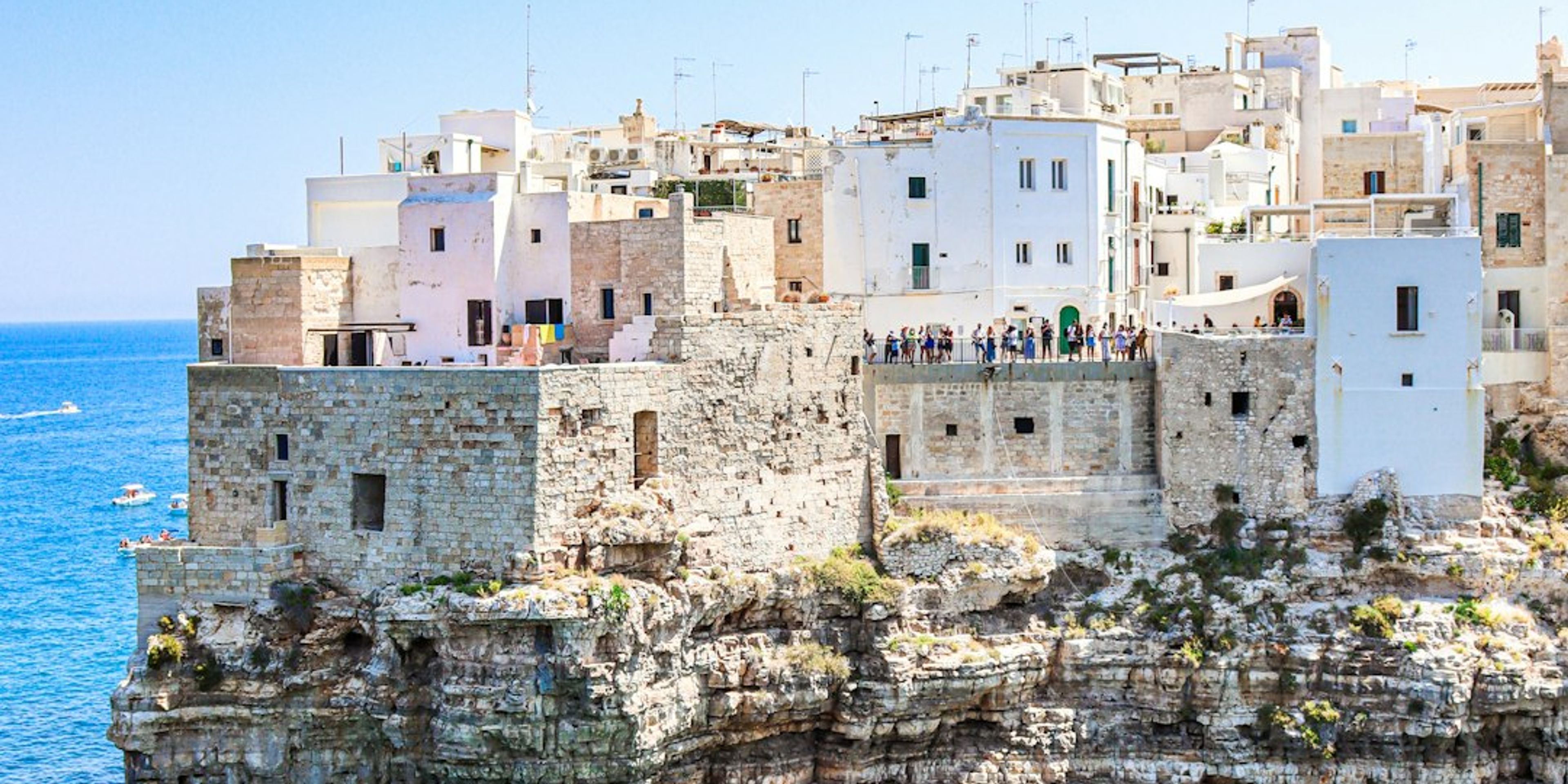
Top picks include Alberobello (UNESCO trulli village), Lecce (baroque "Florence of the South"), Ostuni (the White City), Polignano a Mare (cliffside sea town), Monopoli, Locorotondo, Otranto, Gallipoli, and the regional capital Bari.
On trip1, you can book hotels across Puglia and pay with over 120 cryptocurrencies including Bitcoin, Ethereum, and USDC. trip1 covers 3 million+ hotels in 190+ countries, making it easy to find and book accommodation with crypto.