
Hiroshima travel guides
Browse and explore the best travel guides in Hiroshima.
Hiroshima travel facts
Hiroshima is a modern city of 1.2 million on Japan's Inland Sea, rebuilt from the ground up after 1945 and organised around a message rather than a monument. The Peace Memorial Park occupies the delta at the city's heart, with the preserved skeleton of the A-Bomb Dome, the cenotaph and a museum that most visitors find difficult and necessary in equal measure.
Beyond the park, Hiroshima is a relaxed and genuinely likeable place. Trams rattle through the grid, the rebuilt castle and the Shukkei-en garden sit north of the centre, and the local food obsession is okonomiyaki — layered with noodles here, unlike the Osaka version — served at dozens of counters in Okonomimura.
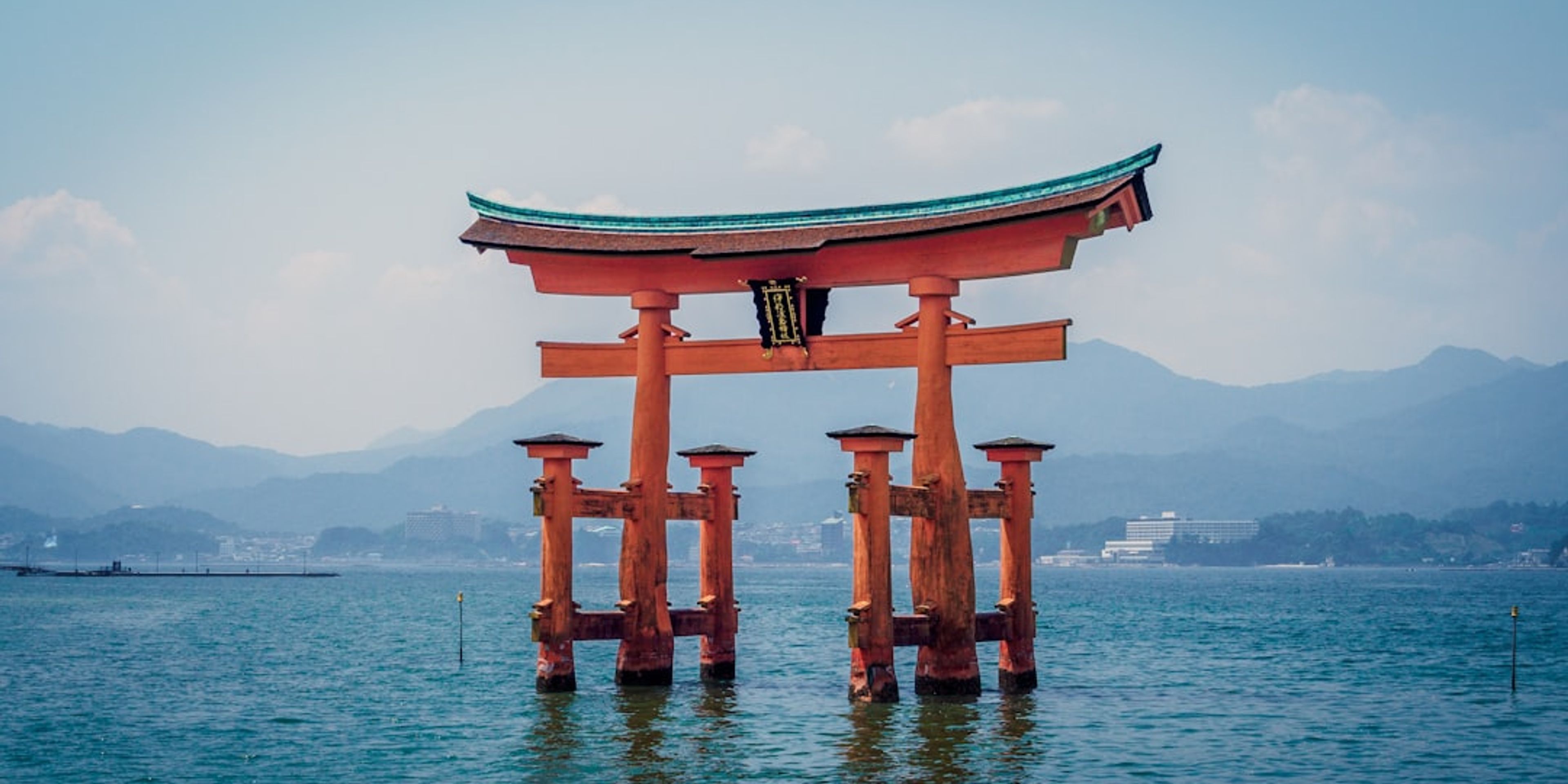
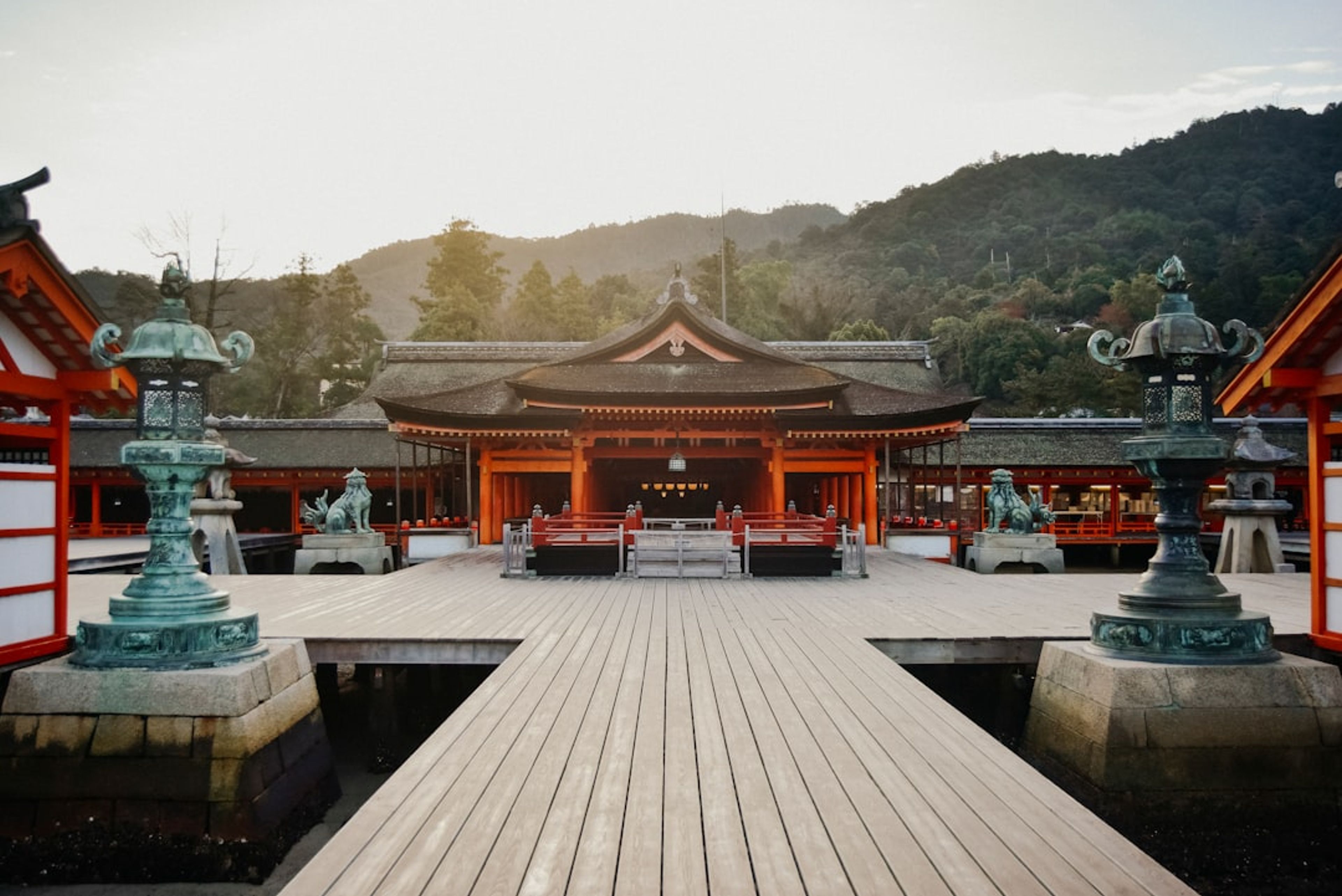
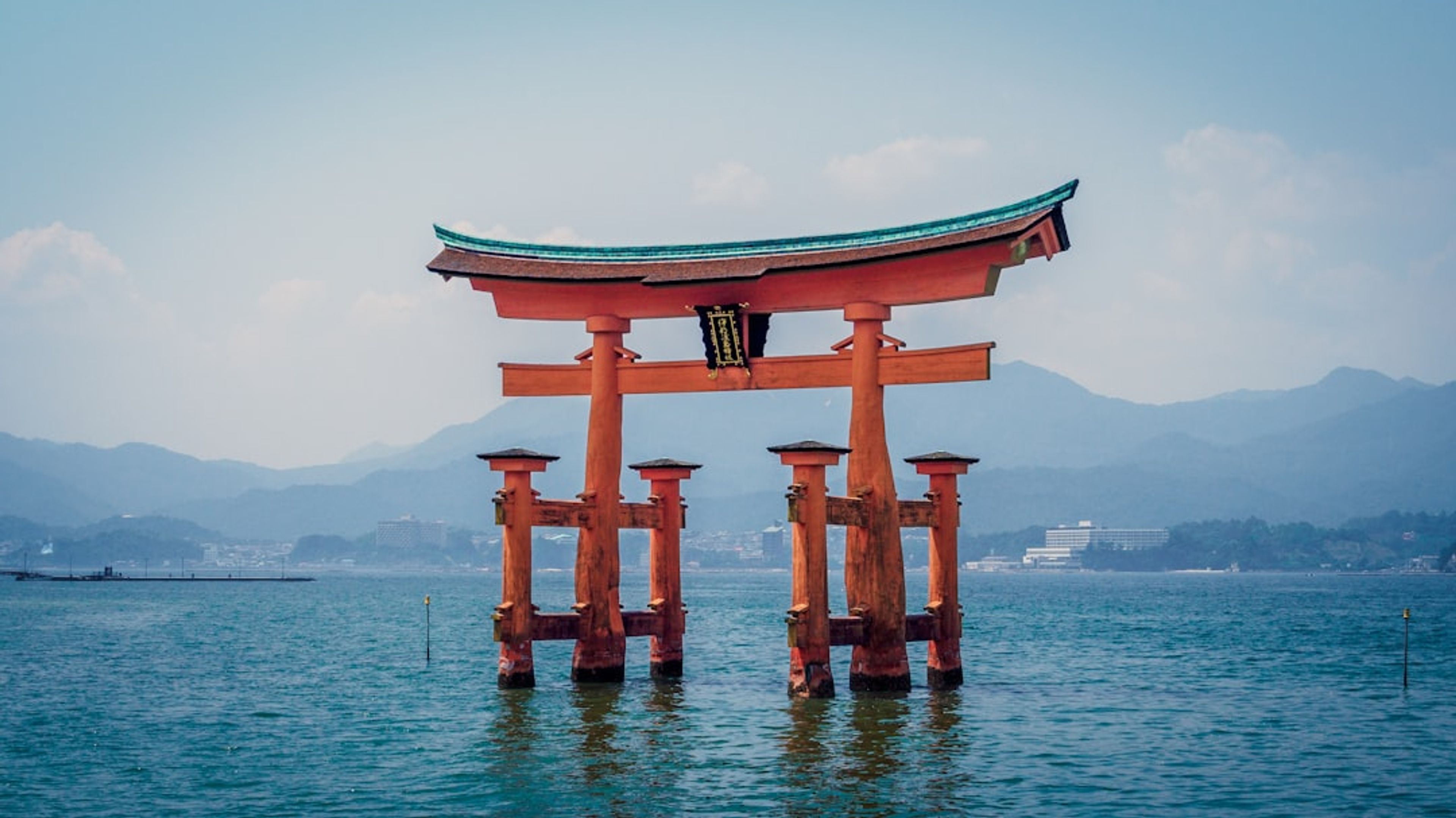
The island of Miyajima is a 40-minute trip by tram and ferry, where the floating torii gate of Itsukushima Shrine stands in the tidal shallows. Shinkansen trains put Kyoto within two hours and Fukuoka within one.
Country
Japan
Region
Chugoku region, Hiroshima Prefecture
Population
~1.19 million
Elevation
4 m above sea level
Time Zone
JST (UTC+9)
Currency
Japanese Yen (JPY)
Language
Japanese
Nearest Airport
HIJ (Hiroshima), 50 km
Airport to City Centre
~50 min by limousine bus to Hiroshima Station
Typical Cost Level
Mid-range
Transport Pass
IC cards (ICOCA, Suica) on the Hiroden trams; JR Pass covers the shinkansen and Miyajima ferry
Spring (Mar-May)
12-20°C
Summer (Jun-Aug)
26-31°C
Autumn (Sep-Nov)
16-25°C
Winter (Dec-Feb)
4-10°C
Hiroshima travel guides
Stay in the loop
Get the latest deals, new destinations, and travel tips delivered straight to your inbox.
No spam, unsubscribe anytime.
Do you need a visa for Japan?
Entry rules, stay length and passport validity by nationality.
Climate averages · 1991–2020
When is the best time to visit Hiroshima?
Monthly temperatures, rainfall and sunshine — not a live forecast.
See Hiroshima weatherLatest travel guides
Hiroshima Destination FAQ
Spring and autumn are the best times to visit Hiroshima. Late March and early April bring cherry blossom along the Peace Park rivers, and November delivers autumn colour on Miyajima. Summer is hot and humid, and the rainy season runs through June.
Most visitors arrive by shinkansen rather than by air. Hiroshima Station is about 1 hour 40 from Osaka, 2 hours from Kyoto and 4 hours from Tokyo on the Sanyo line. From Hiroshima Airport, a limousine bus takes 50 minutes to the station.
Use the Hiroden trams, which run through the centre and cost a flat fare within the city. IC cards such as ICOCA and Suica work on board. The Peace Memorial Park and the castle are also within walking distance of each other.
Two days covers Hiroshima and Miyajima properly. Give the Peace Memorial Park and museum a full morning at least, then use the afternoon for the castle or Shukkei-en. The second day is for Miyajima, which deserves more than a rushed few hours.
Take the JR Sanyo line to Miyajimaguchi and then the ferry, which takes about 10 minutes. The whole journey runs roughly 40-50 minutes from Hiroshima Station and is covered by the JR Pass. Check the tide times before going if you want to see the torii gate standing in water.
Hiroshima is as safe as anywhere in Japan, which is to say very. There is no residual radiation risk from 1945 — background levels have been normal for decades. Ordinary care with belongings is all that is required.
On trip1, you can book hotels across Hiroshima and pay with over 50 cryptocurrencies including Bitcoin, Ethereum, and USDC. trip1 covers 3 million+ hotels in 190+ countries, making it easy to find and book accommodation with crypto.