
Get up to €50 off your staySubscribe and get up to €50 off your next stay
Browse and explore the best travel guides in Nara.
Nara was Japan's first permanent capital, established in 710, and much of what was built then is still standing. Eight of its temples, shrines and forests hold UNESCO World Heritage status collectively, and the concentration of eighth-century architecture is unmatched anywhere in the country.
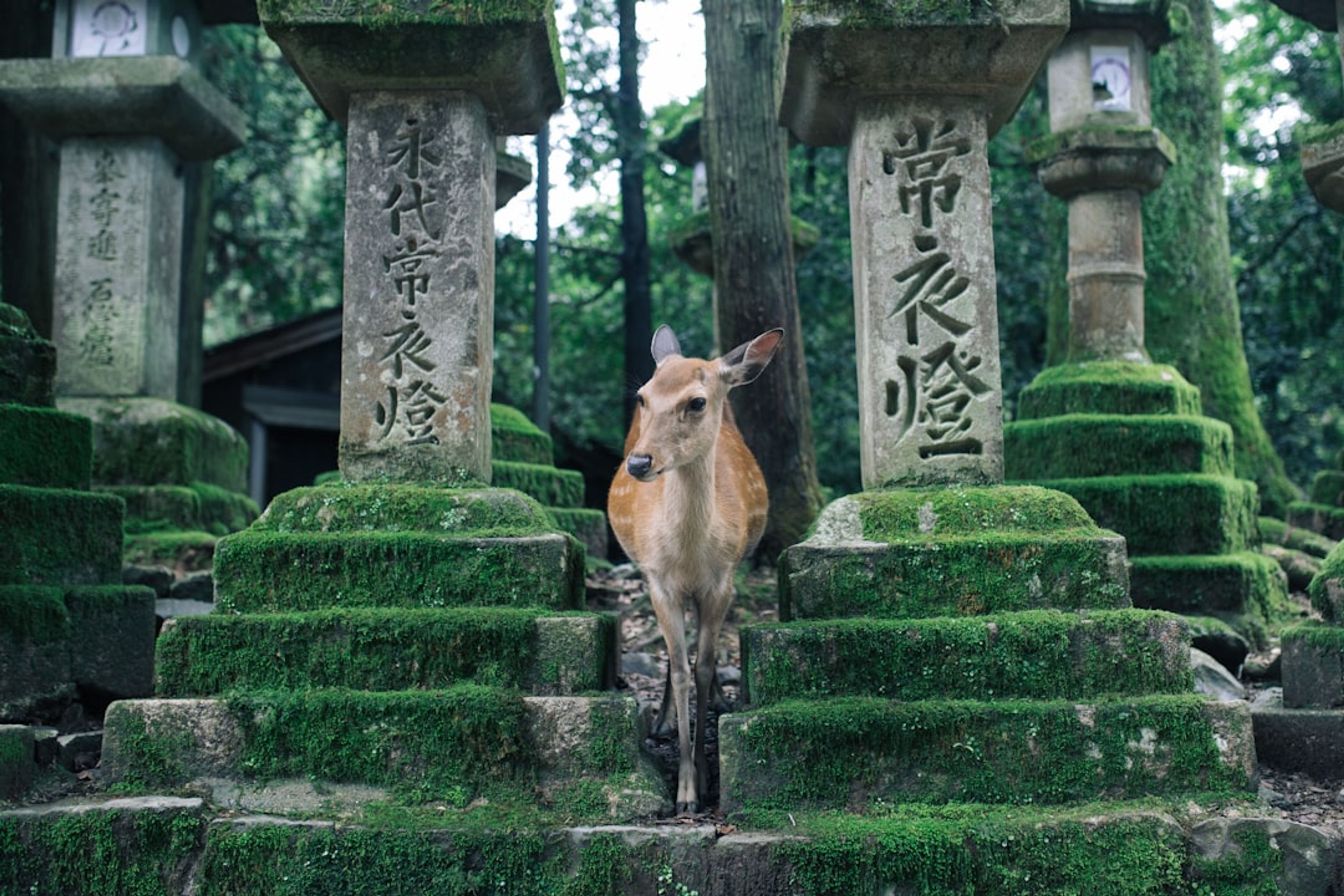
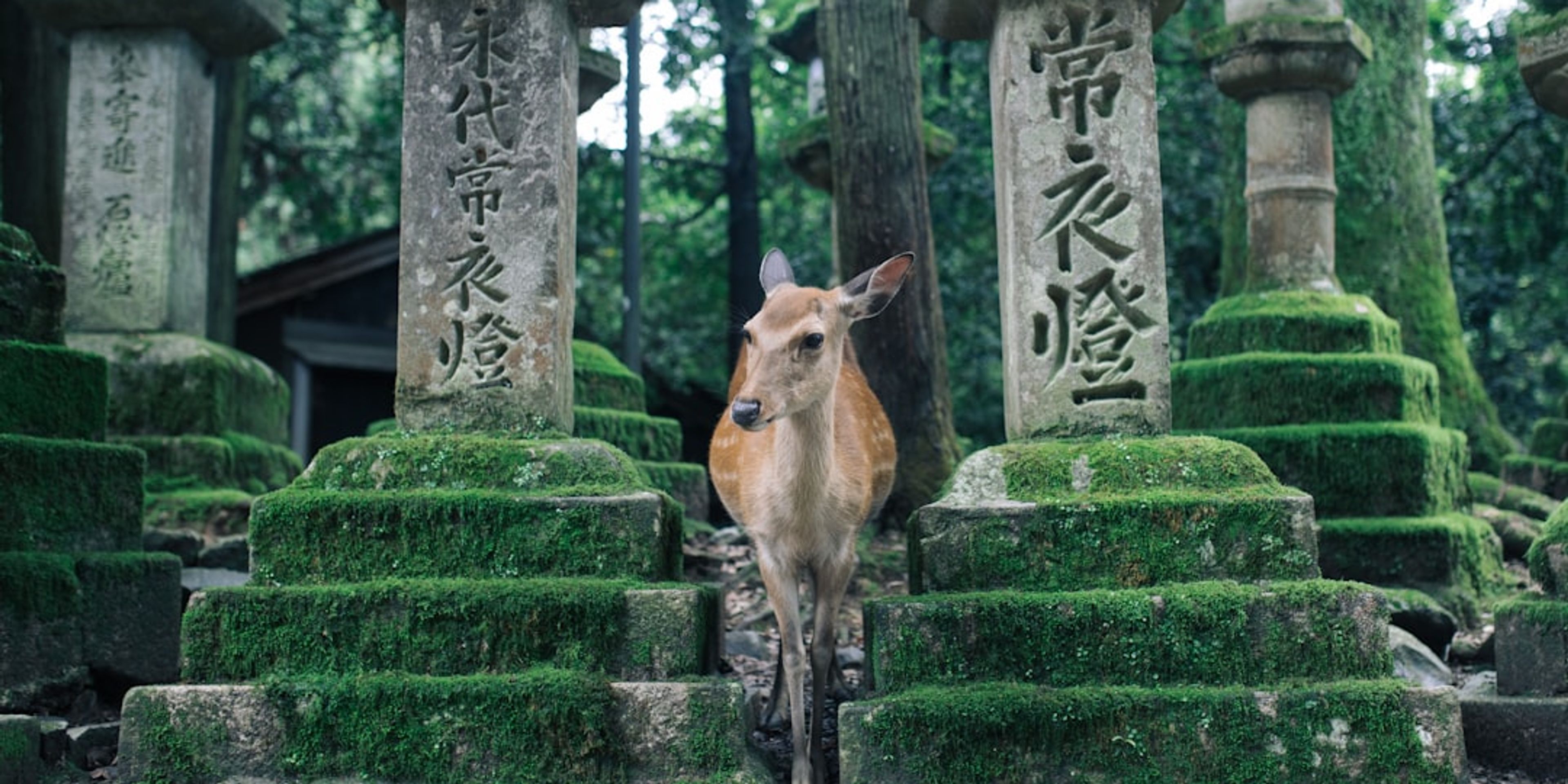
Nara Park sits at the centre, a wide expanse of lawn and woodland where more than a thousand sika deer roam freely and bow for crackers sold at stalls. Todai-ji's Great Buddha Hall — one of the largest wooden buildings in the world — anchors the northern end, while Kasuga Taisha's bronze lanterns line the paths through the cedar forest behind it.
Most visitors come as a day trip from Kyoto or Osaka, both 45 minutes away by train. Staying the night is worth considering: the deer and the temples belong to a much quieter town once the afternoon coaches leave, and the Naramachi merchant quarter comes into its own in the evening.
Country
Japan
Region
Kansai region, Nara Prefecture
Population
~350,000
Elevation
~100 m above sea level
Time Zone
JST (UTC+9)
Currency
Japanese Yen (JPY)
Language
Japanese
Nearest Airport
KIX (Kansai), 65 km; ITM (Osaka Itami), 45 km
Airport to City Centre
~1 hr 20 by limousine bus from Kansai Airport
Typical Cost Level
Mid-range
Transport Pass
ICOCA IC card; Kintetsu Rail Pass for Kansai day trips
Spring (Mar-May)
12-22°C
Summer (Jun-Aug)
26-33°C
Autumn (Sep-Nov)
15-25°C
Winter (Dec-Feb)
3-10°C
Get the latest deals, new destinations, and travel tips delivered straight to your inbox.
No spam, unsubscribe anytime.
Entry rules, stay length and passport validity by nationality.
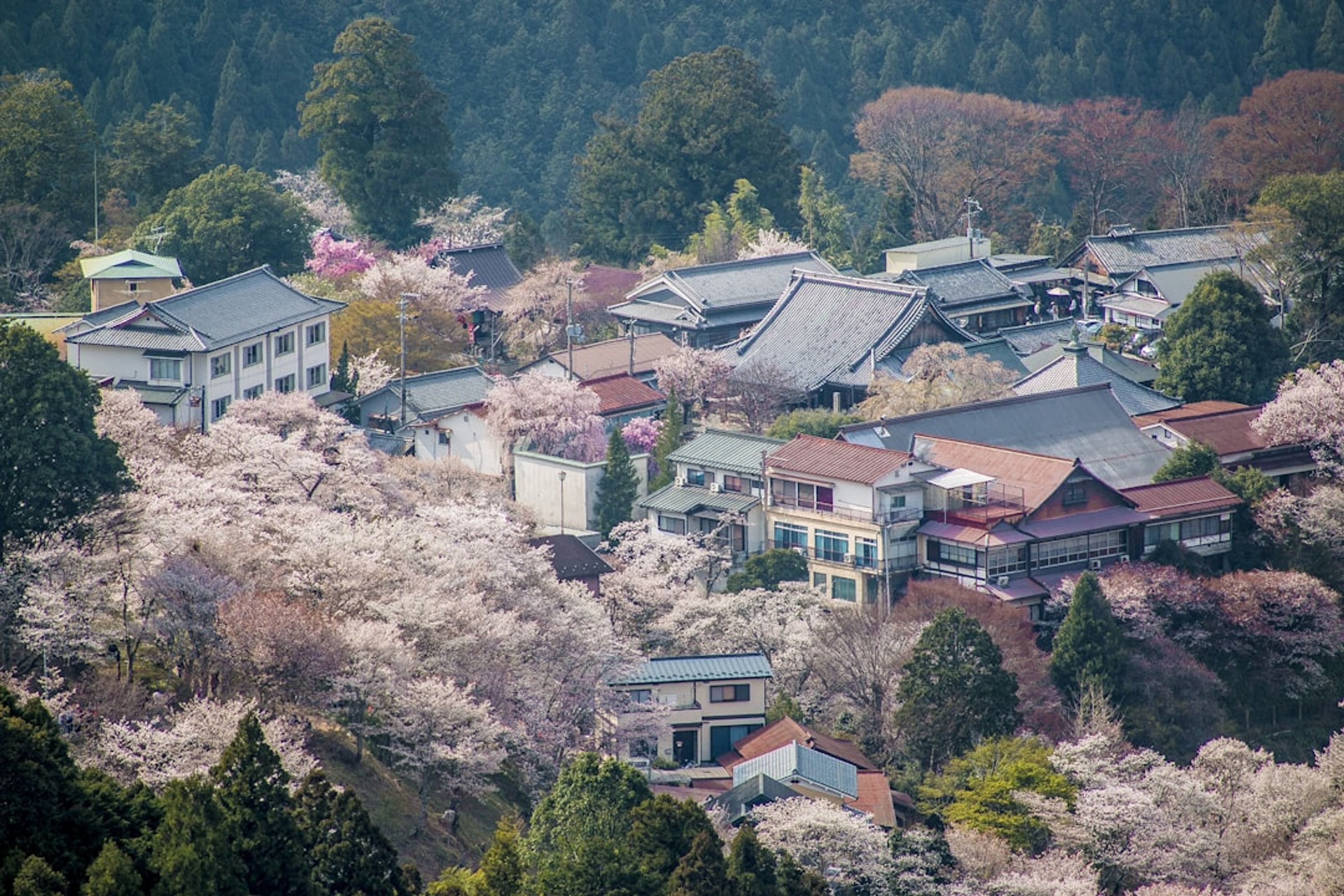
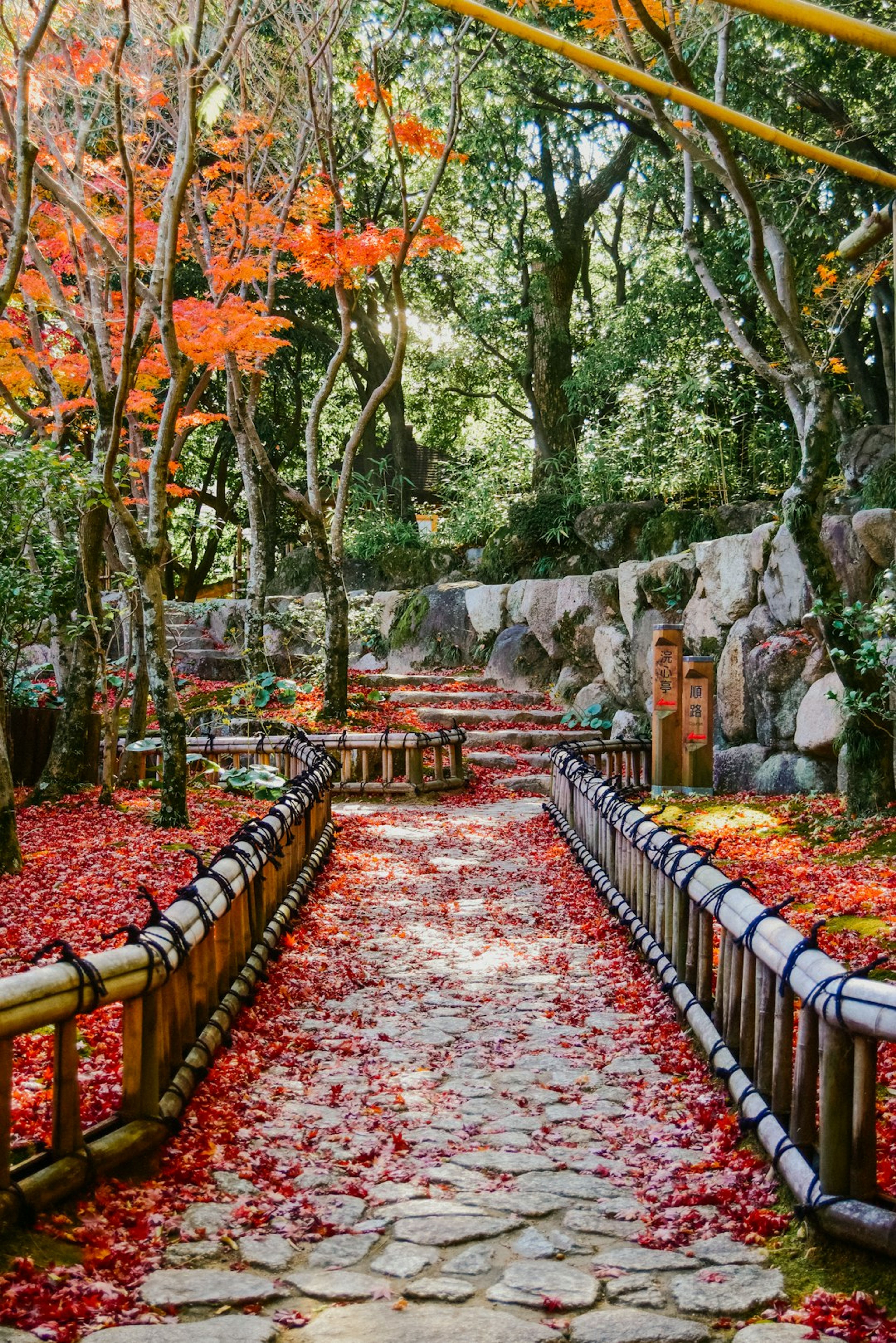
Spring and autumn are the best times to visit Nara. Cherry blossom peaks in Nara Park in early April and the maples turn in November, both spectacular and both busy. Summer is humid and the deer seek shade; winter is cold but very quiet.
Trains from both cities take about 45 minutes. From Kyoto, the JR Nara line or the Kintetsu limited express both work; from Osaka, take the JR Yamatoji line from Namba or the Kintetsu line. Kintetsu Nara station is closer to the park than JR Nara.
Walk — almost everything sits within Nara Park and the adjoining streets. From Kintetsu Nara station it is a five-minute walk to the deer and 20 minutes to Todai-ji. A loop bus covers the outlying temples such as Horyu-ji.
One day is enough for the main sights, which is why most people come from Kyoto or Osaka. An overnight stay is worthwhile if you want to see Nara Park at dawn or dusk without the day-trip crowds, or to reach Horyu-ji and Yoshino.
The deer are wild animals that have simply grown used to people. They are generally gentle and many will bow for the crackers sold in the park, but they can nip or headbutt if you tease them or hold food too long. Keep maps, tickets and paper out of reach — they eat those too.
Nara is extremely safe, as small Japanese cities generally are. Crime against visitors is close to nonexistent. The only real hazard is the deer, which are unpredictable around food.
On trip1, you can book hotels across Nara and pay with over 120 cryptocurrencies including Bitcoin, Ethereum, and USDC. trip1 covers 3 million+ hotels in 190+ countries, making it easy to find and book accommodation with crypto.