
Guides · Šilalė District
10 Best Things to Do in Šilalė District

CEO and co-founder
This guide ranks the 10 best things to do in Šilalė District, a rural municipality in Samogitia (Žemaitija) that most itineraries through western Lithuania drive straight past on the A1 motorway. It has no old town and no beach. What it has is the highest hillfort in Samogitia, the oldest museum in Lithuania built inside a hollowed oak, a church with altars made from whole oak trees, and a set of village museums that between them hold the district's aviation, deportation and craft history.
Every entry below gives the exact address and coordinates, the nearest bus stop or road turn-off, and opening hours and admission prices rechecked in September 2026, plus a Pro Tip that is specific rather than general. Šilalė town sits at the centre with roughly 20 km out to each of the outlying sights, so the list is ordered to build two efficient loops instead of a single long day of doubling back.
Start with Šilalė town itself, then take the eastern cluster together: Bijotai, Girdiškė, Upyna and Vytogala all sit within 12 km of one another. Save the northern hills for a second run, where Bilionys, Aukštagirė and Medvėgalis form a tight triangle, Kaltinėnai is fifteen minutes further on beside the A1, and Laukuva catches you on the way back. A car is close to essential here, because weekend bus service across the district is minimal.
1Medvėgalis Hillfort - The Highest Hill in Samogitia
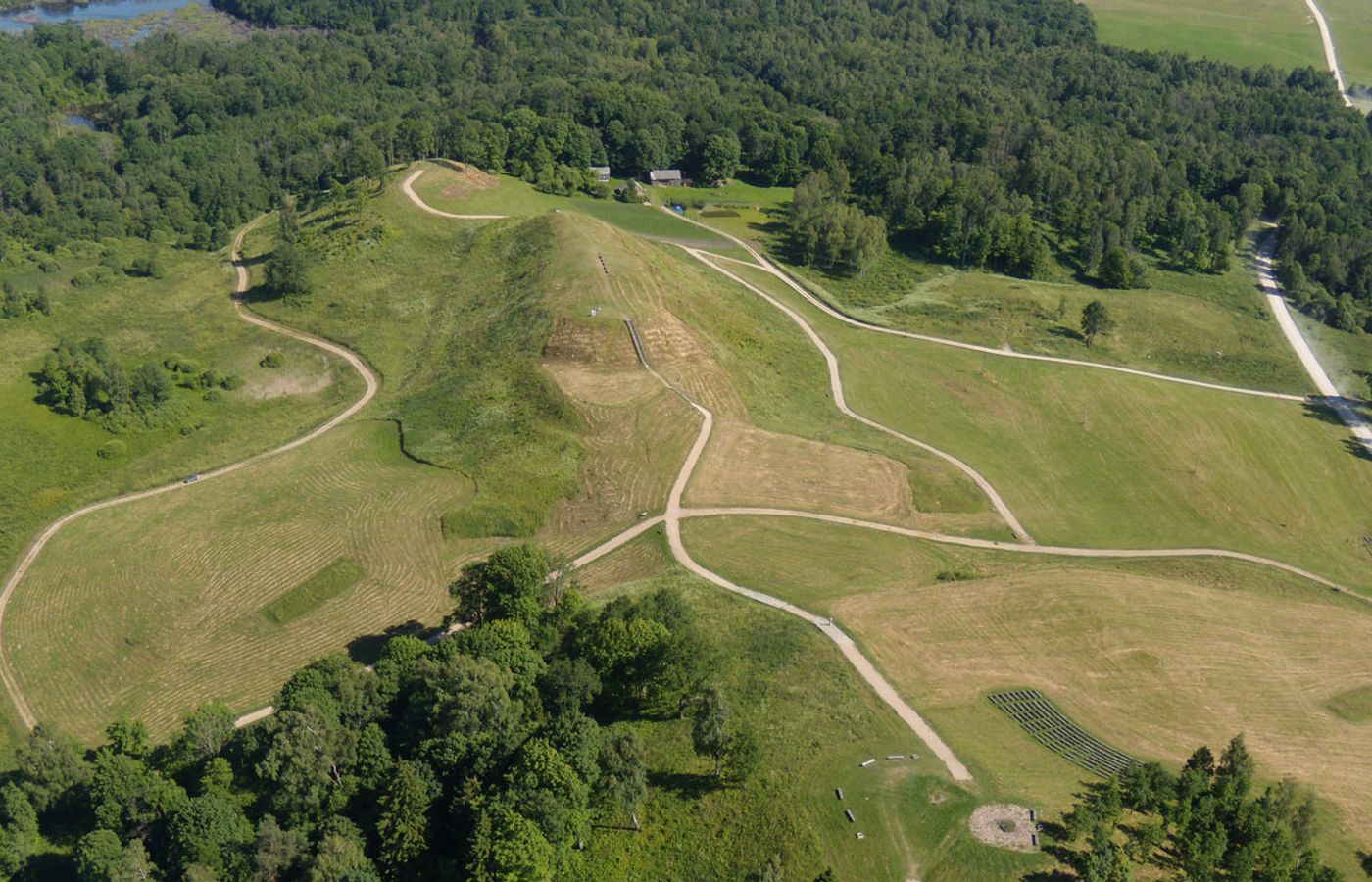

Medvėgalis is the one unmissable entry among the best things to do in Šilalė District. At 234 metres above sea level it is the highest hill in Samogitia, and the hillfort on its crown was the region's main stronghold against the Teutonic Order. In February 1329 the army of John of Luxembourg, King of Bohemia, took Medvėgalis during a winter crusade, and thousands of Samogitians were baptised under duress before the crusaders withdrew and the locals returned to their old gods.
The site is an archaeological complex rather than a single mound. Medvėgalis stands with the Pilies, Pilorių, Alkos, Ąžuolų and Sumonų hills around it, linked by a kūlgrinda, a stone causeway laid under the surface of the marsh so defenders could cross ground that swallowed heavy cavalry. Wooden steps climb the steepest face from the Karūžiškė side. The summit plateau is bare grass with forest in every direction, and in winter the northern slope doubles as a sledging hill for half the district.
Pro Tip: Park in the marked lay-by on the Karūžiškė side and take the wooden steps rather than the tractor track that leaves from the field gate. The steps are shorter, and the track turns to slick clay for a week after heavy rain.
2Dionizas Poška Baubliai Museum - The Oldest Museum in Lithuania
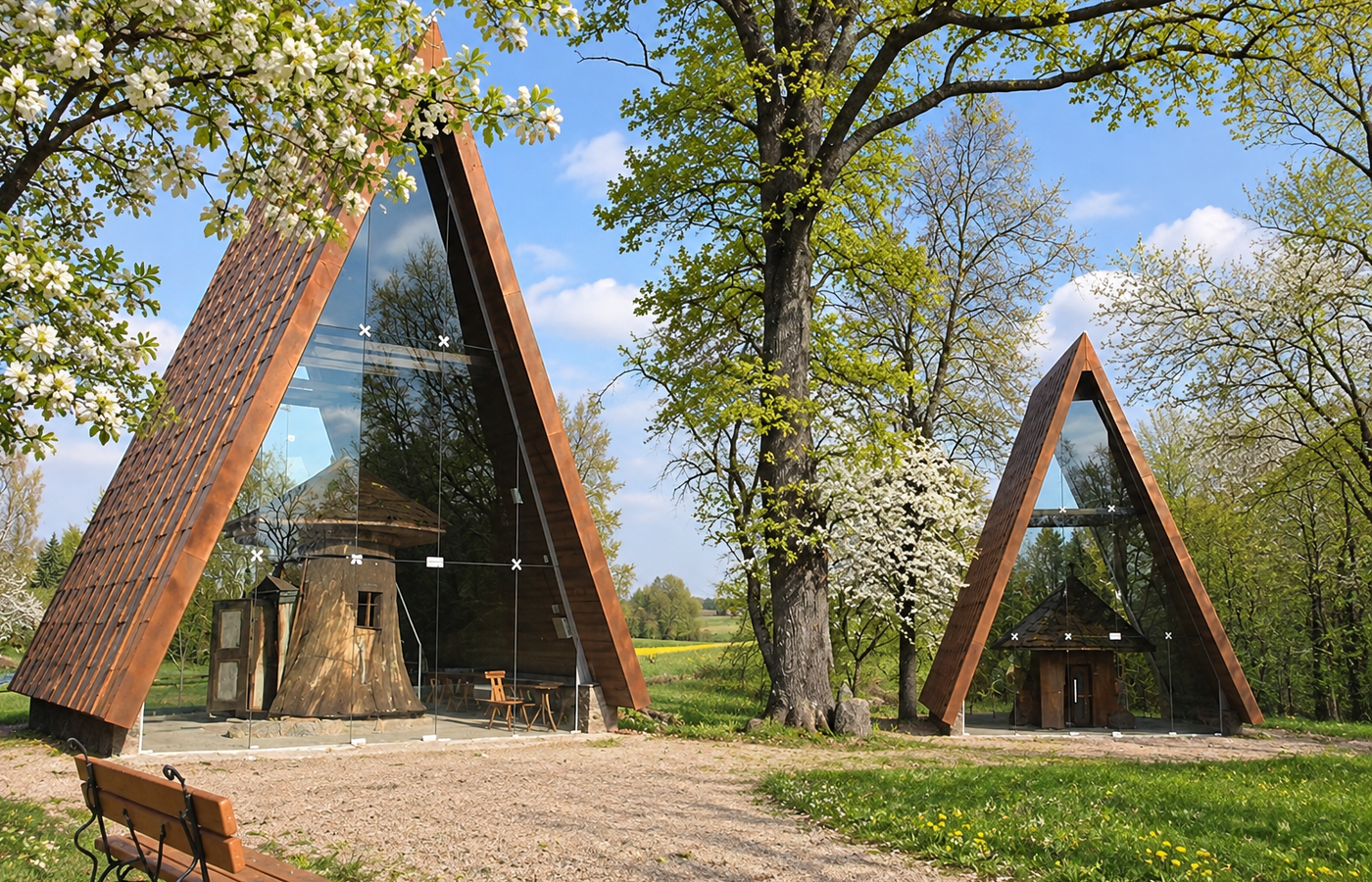

In 1812 the writer and antiquarian Dionizas Poška (1764-1830) cut the rotten heart out of a dead oak on his Baubliai estate, roofed it, fitted a door and windows, and filled it with his collection. That makes the Baubliai the oldest museum in Lithuania and very probably the smallest one you will ever pay to enter. The oak was reckoned to be around a thousand years old when it died, and a second trunk, nicknamed Baublys's brother, was hauled alongside it in 1824.
Inside the first trunk Poška kept archaeological finds, coins, portraits, carved figures of old Baltic gods and more than 200 books. Both trunks were braced with iron bands and sheltered under wooden roofs by 1930, then conserved again from 1956, which is why they are still upright. The €2 adult ticket, €1 for students and pensioners in 2026, also covers the manor grounds, the restored water mill and the Norbertas Paškevičius park planted around 1825; a guided tour adds €3 for up to ten people or €5 for a group of ten to twenty. The site is a branch of the Šilalė Vladas Statkevičius Museum and by far the busiest of them, with about 14,000 visitors in 2024.
Pro Tip: The museum keeps office hours - 08:00 to 17:00 Monday to Thursday, 08:00 to 15:45 on Friday, closed at weekends and an hour early on the eve of a public holiday - so Bijotai belongs in a midweek plan. Groups arriving outside those hours can sometimes be let in by calling +370 614 56223 a day ahead.

3Girdiškė Church of Our Lady of the Snows - Altars Made of Whole Oak Trees
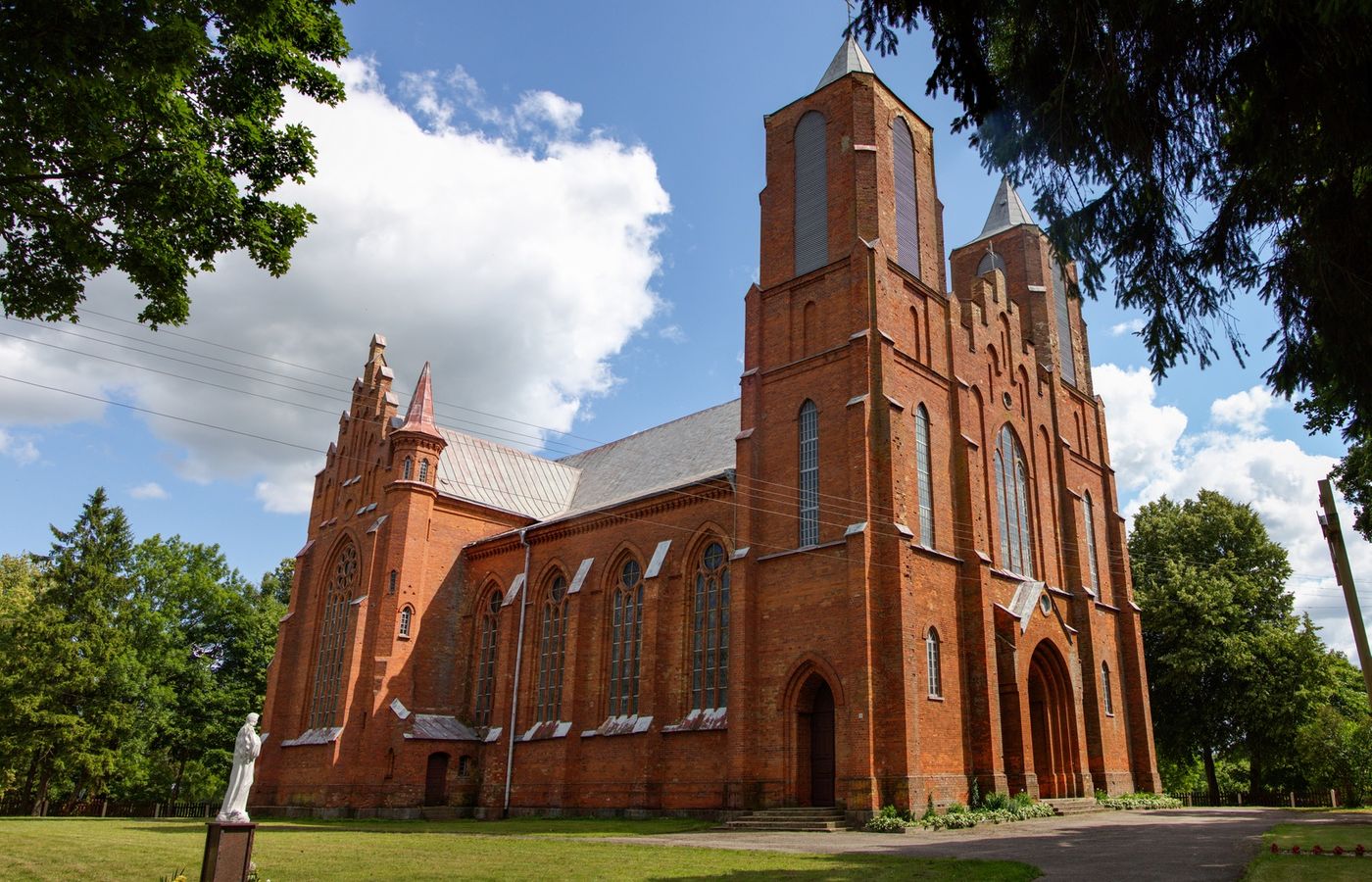

Girdiškė has the only church in Lithuania dedicated to Our Lady of the Snows, and the only pair of altars in the country that look like they are still growing. In 1930 the parish priest Kazimieras Andriukaitis had four large oaks felled, hauled in by horse and stripped of bark, then assembled them into two side altars whose branches form the niches holding the statues and paintings. He said openly that he wanted to match what Dionizas Poška had done with an oak trunk 4 km away in Bijotai.
The parish was established in 1804. The wooden church that stood here burned down in December 1909, and the neo-Gothic brick replacement on a Latin cross plan was consecrated over three days at the start of June 1928 by Bishop Justinas Staugaitis. The building is normally open around Sunday services and by arrangement with the parish. On 5 August the Snygena feast fills it, and white paper is scattered over the congregation to stand in for the miraculous August snowfall behind the dedication.
Pro Tip: Come on a bright morning. The oak altars sit in the side bays with no dedicated lighting, and in flat winter light the branchwork reads as a brown tangle instead of the sculpture it is.
4Aukštagirė Observation Tower - Panorama of the Samogitian Hills
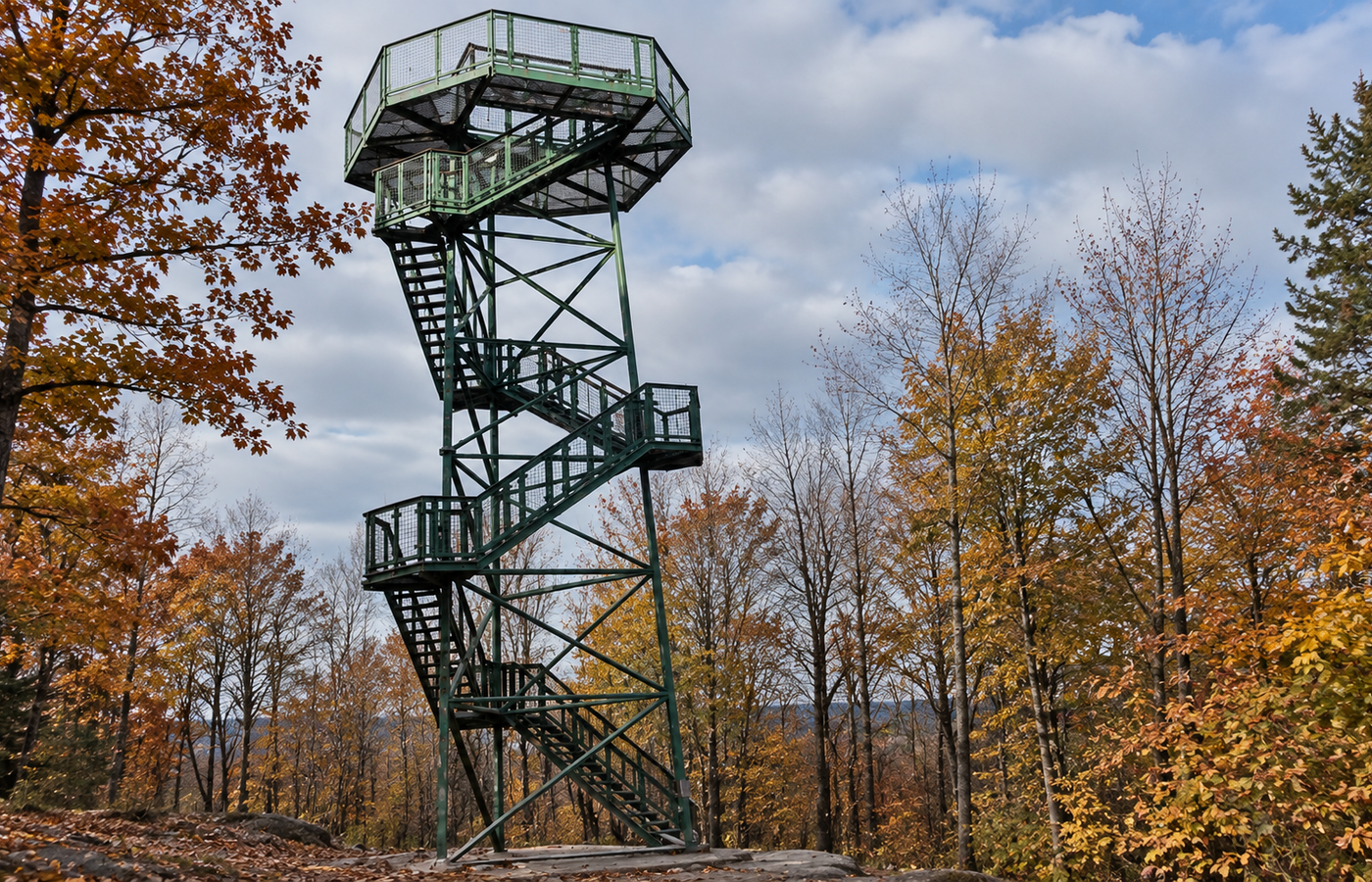
The Aukštagirė observation tower is 15 metres of plain steel lattice on top of a 208-metre hill, and the climb up to it is the steepest ten minutes in Šilalė District. The reward is the only public panorama of the Samogitian hills in this part of Lithuania: the Aukštagirė ridge runs roughly 750 metres below you, and on a clear day the flat-topped bulk of Medvėgalis is visible to the north-east.
The tower anchors the 23 km Aukštagirė walking and cycling trail, which loops through spruce plantations and past several smaller hillforts. In winter the slope below the car park is used for skiing and sledging, and the access road is ploughed. The last two kilometres are unpaved but passable in an ordinary car outside deep mud, and there is no charge for either the car park or the tower.
Pro Tip: Trees have grown up around the platform, so the view is widest between late October and April when the canopy is bare. Wear boots, because the path from the car park is clay and tree roots rather than steps.
5Šilalė Vladas Statkevičius Museum and the Town Centre
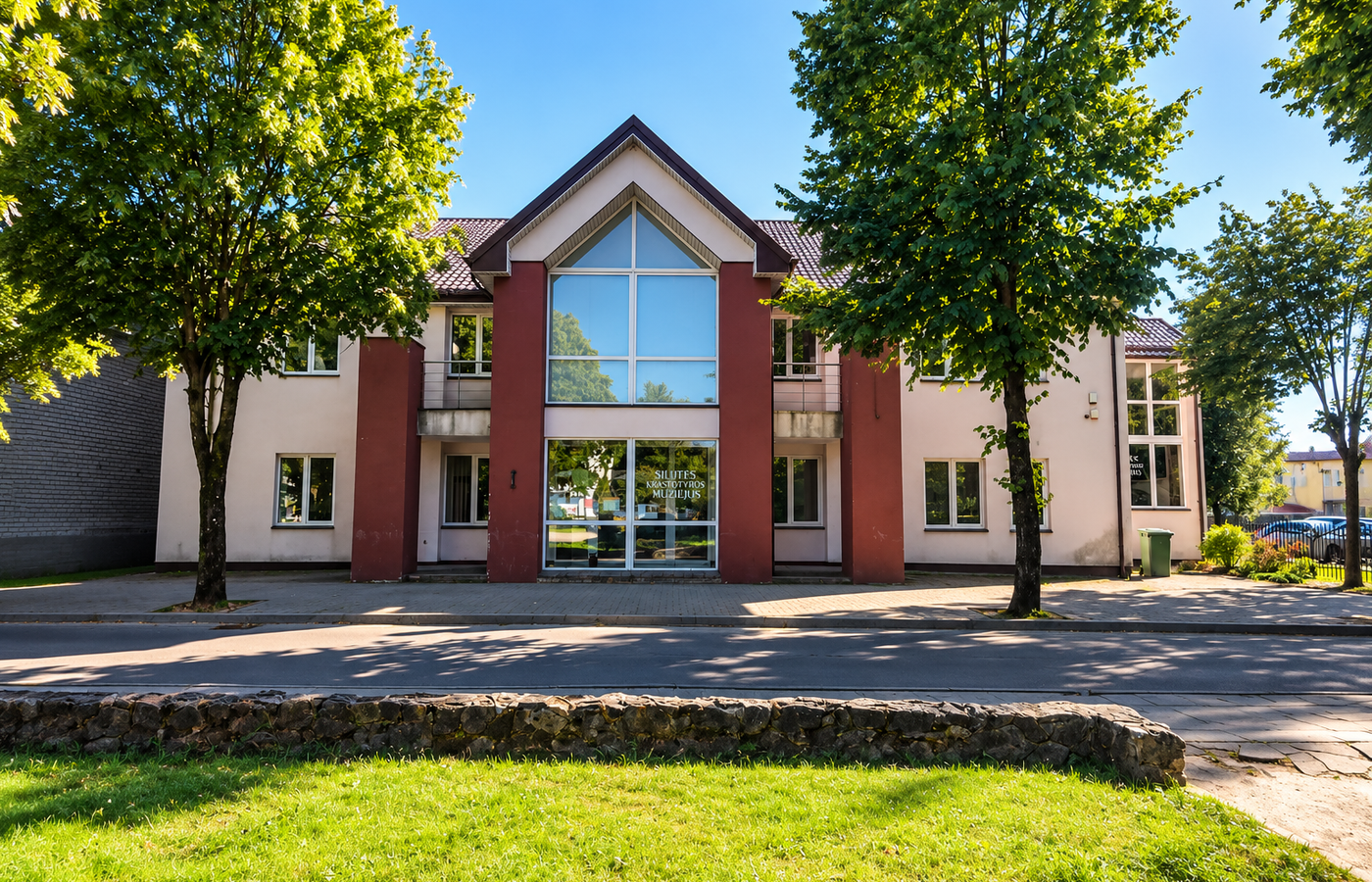
The Šilalė Vladas Statkevičius Museum holds close to 25,000 objects from the district, from Samogitian farm tools and folk textiles to the paperwork of deportation and postwar partisan resistance. It is named after the local ethnographer who assembled the founding collection, and it is the best hour you can spend before driving out to the villages, because the exhibits explain what you are about to look at. Opening hours are 09:00 to 17:00 Tuesday to Friday and 10:00 to 16:00 on Saturday, and admission is token money: €0.50 for adults, €0.30 for schoolchildren, students, soldiers and pensioners, who get in free on the first Wednesday of the month.
The same building houses the Šilalė tourism information centre, which sells trail maps, answers the phone on +370 697 42967 and publishes current hours for every site in this guide at visitsilale.lt. Step outside and the town is a 40-minute walk. The neo-Gothic Church of St Francis of Assisi at Vytauto Didžiojo g. 7, built in 1909 to a design by Józef Dziekonski, carries a 60-metre tower, 16 stained-glass windows finished by 1914 and an organ built in 1912 by the Königsberg master Bruno Goebel. The Independence Oak on J. Basanavičiaus g. was planted in 1937, and small bronze acorns known as giliukai are set into pavements across the centre.
Pro Tip: Ask at the museum desk for the giliukai map before you set off. There are more acorns hidden in kerbs and walls than anyone finds unaided, and the hunt keeps children moving between the church and the town pond.
6Kaltinėnai Spirituality Park - Exiles' Calvary and Lithuania's Tallest Cross
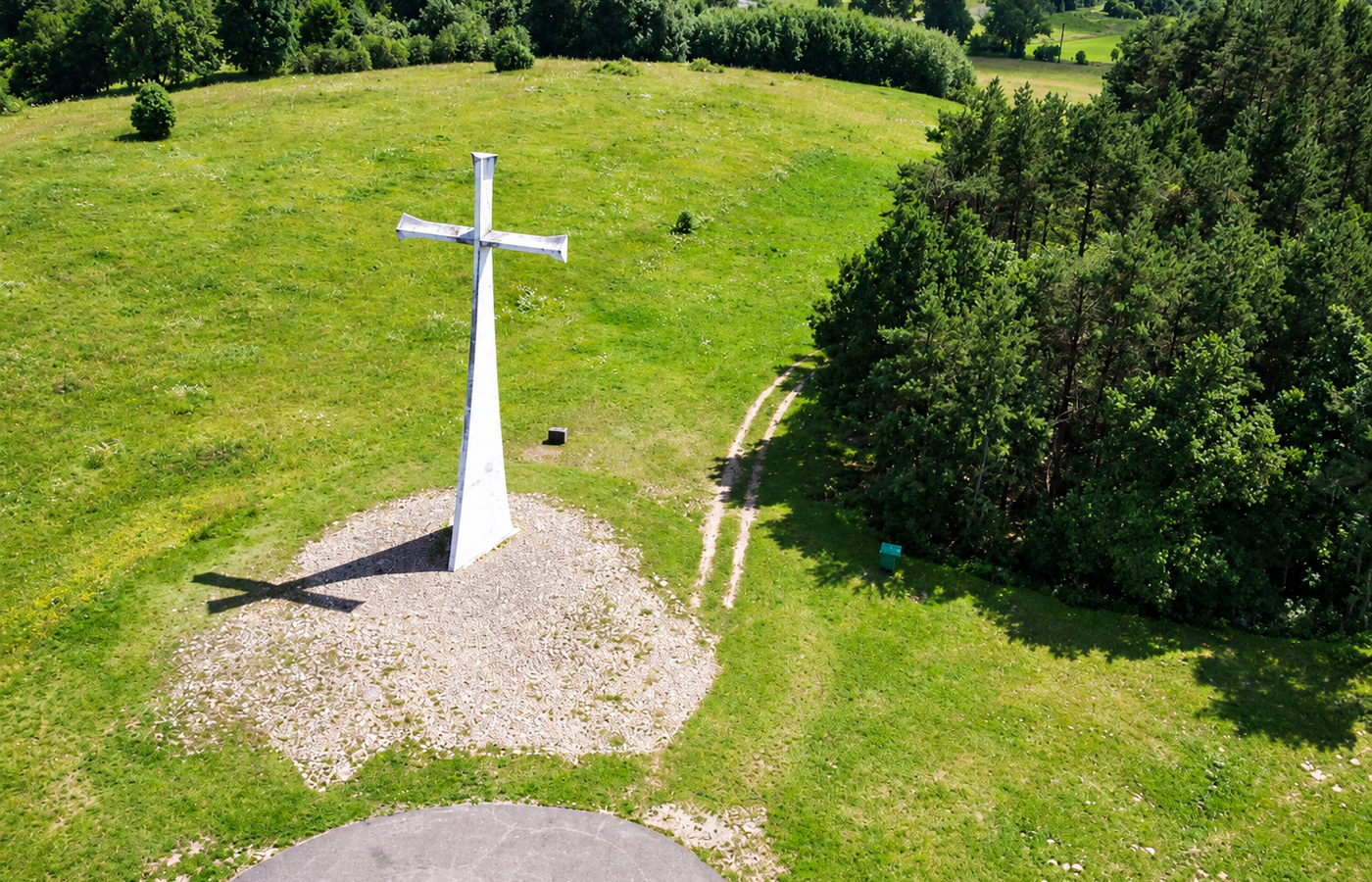
The Kaltinėnai Spirituality Park is the most affecting stop in Šilalė District. Twenty-one sculptures by Lithuanian carvers stand along its paths as an Exiles' Calvary, each commemorating people deported to Siberia from this parish and the villages around it. At the centre rises a white Resurrection Cross about 20 metres high, generally described as the tallest cross in Lithuania, with a small chapel of the Virgin Mary beside it and meditation paths threading the grounds.
The park was built between 1989 and 2006 by Petras Linkevičius, who arrived as parish priest in 1988 and in the same years founded a youth centre, an old people's home and a rehabilitation centre in the village. Entry is free and the grounds are maintained all year, including in winter, when snow cover makes the sculpture group considerably easier to read. Because Kaltinėnai sits beside the A1 motorway, it is the easiest of the district's sights to fold into a longer drive between Vilnius and Klaipėda.
Pro Tip: Walk the loop anticlockwise so you finish at the cross instead of starting there. The Church of St John the Baptist and the octagonal wooden cemetery chapel of 1798 are both five minutes away on foot and worth the detour.
7Upyna Folk Crafts Museum - 3,500 Objects in a Rectory Barn
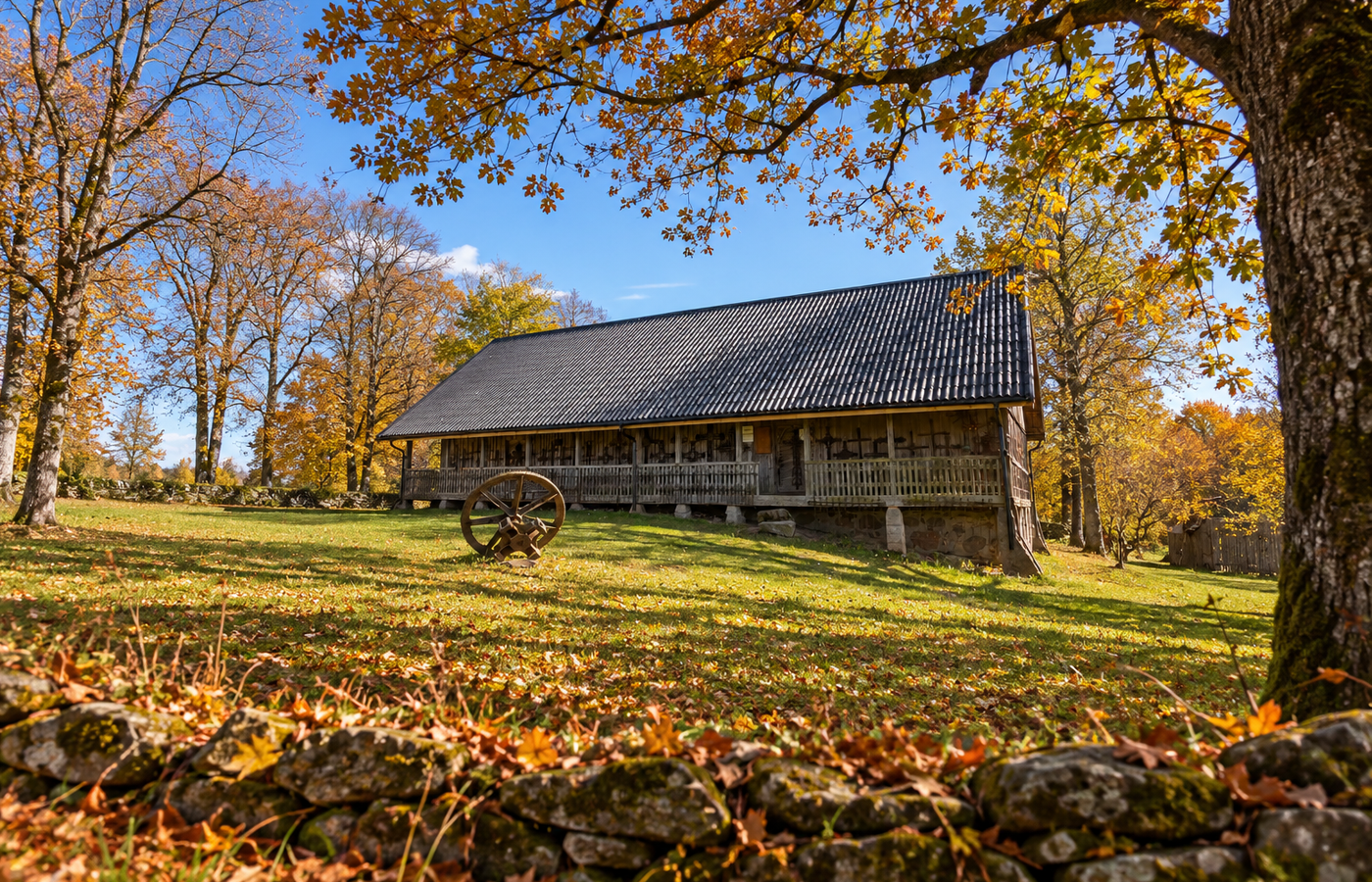
The Upyna folk crafts museum, now officially the Upyna Ethnographic Museum (Upynos etnografijos muziejus), packs about 3,500 objects into two floors of a former rectory barn beside the village church. It was built up by Klemensas Lovčikas, a local teacher and historian who spent decades collecting from farms around Upyna, and the range runs from stone and iron axes and bronze ornaments through to the complete workbenches of a carpenter, a blacksmith and a weaver.
Old carved wooden crosses are fixed along the outside walls, and the yard holds 19th and 20th century farm machinery, from horse-drawn ploughs to threshers, left where visitors can walk around them. Next door, the Church of the Blessed Virgin Mary of about 1835 is where the pilot Stasys Girėnas was baptised, which makes Upyna a natural pairing with his birthplace museum 5 km away in Vytogala. Entry is €0.50 for adults and €0.30 reduced, and the hours are short: 11:30 to 15:30 Tuesday to Friday, 10:00 to 14:00 on Saturday, closed Sunday and Monday. Ring +370 697 42967 before you drive out, because this is the least visited museum in the district and the keeper is not always on site.
Pro Tip: The upper floor is unheated and dim, so visit between May and September if you want to read the labels. Ask the keeper about the weaving loom rather than the axes; the textile section is where the local collecting was strongest.
8Dalia Grinkevičiūtė House-Museum in Laukuva - A UNESCO-Listed Memoir
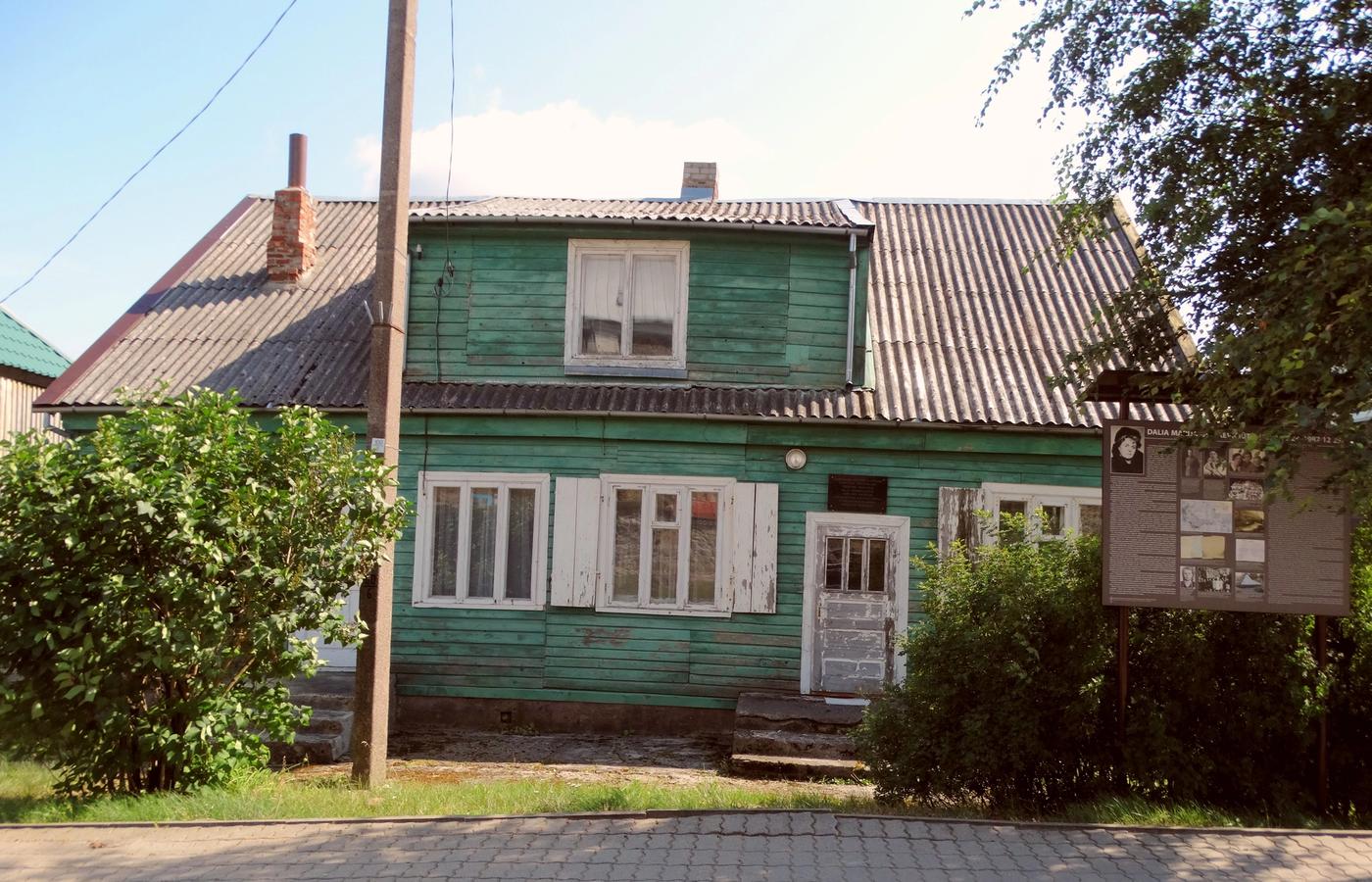
Dalia Grinkevičiūtė (1927-1987) was fourteen when she was deported with her family to the Laptev Sea. She survived Trofimovsk, made her way back to Lithuania illegally, was arrested again, and eventually worked as a doctor in Laukuva. The memoir she wrote about it, Lietuviai prie Laptevų jūros (Lithuanians by the Laptev Sea), has been translated into sixteen languages and in 2021 joined Lithuania's national list of the UNESCO Memory of the World register.
The manuscript she wrote around 1950 was sealed in a glass jar and buried in a Laukuva garden, and it was not recovered until 1991, four years after her death. The wooden house at Eitvydaičių g. 9 where she lived reopened on 1 April 2025 as a museum run with the Vytautas the Great War Museum, with authenticated fragments of the interior, her personal belongings, and the parallel stories of the Mil family who owned the house and of Aldona Šulskytė, her companion. It opens all year, Tuesday to Sunday 10:00 to 17:00 and an hour shorter on the eve of a public holiday, and charges €3 for adults, €1.50 for schoolchildren and €7.50 for a family.
Pro Tip: Read the first twenty pages of the memoir before you arrive, because the exhibition assumes you know the outline of the story. The English translation is published as Shadows on the Tundra and is easy to find before you travel.
9Bilionys Hillfort - The Quiet Contender for Pilėnai
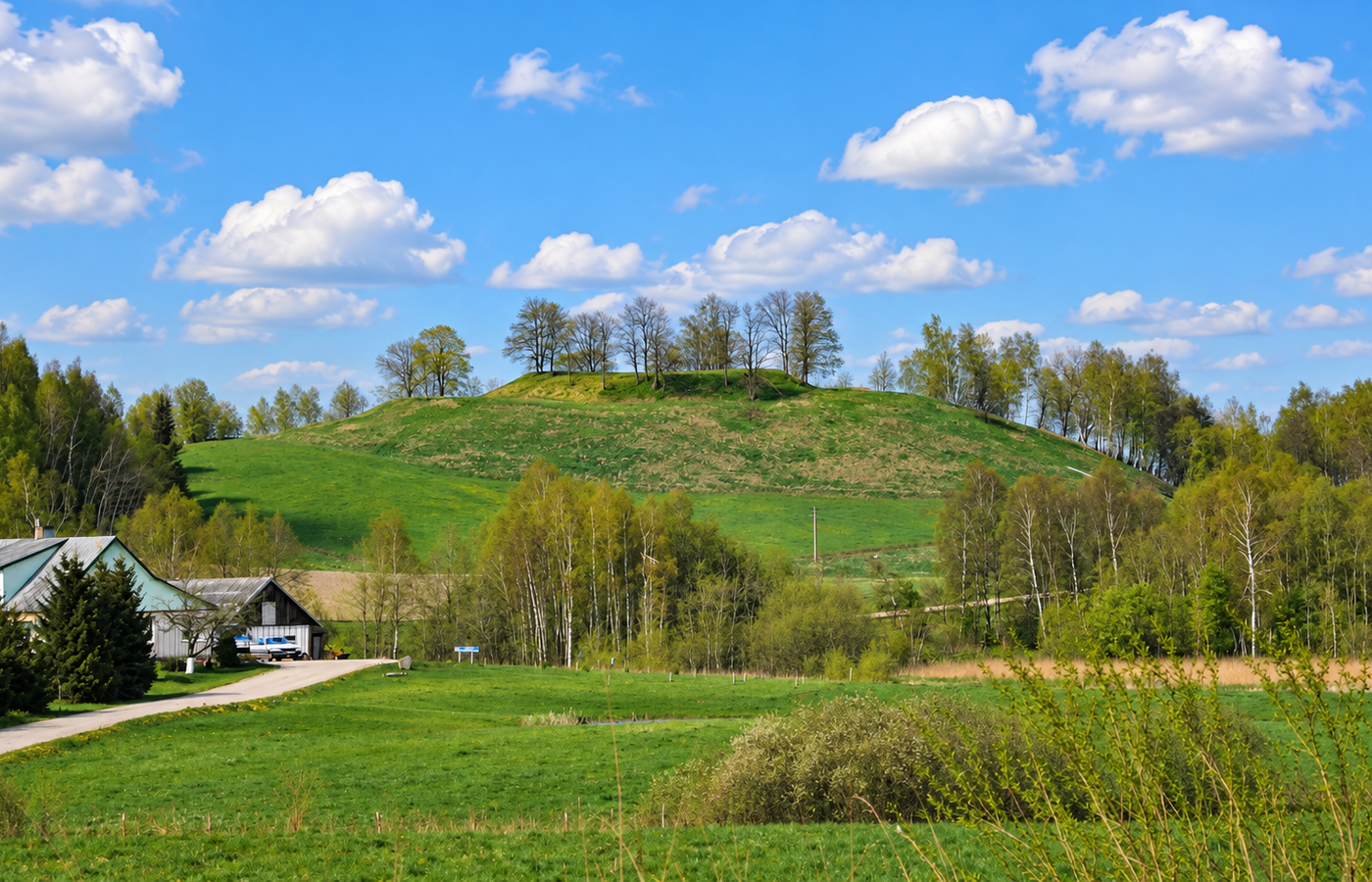
Bilionys hillfort is one of the best-shaped mounds in Samogitia and one of the least visited, sitting in a pocket of forest and bog north-east of Šilalė. Its southern side holds a cultural layer and visible traces of earthworks, and local tradition, backed by some researchers, identifies it as Pilėnai - the stronghold whose defenders burned their castle and themselves in 1336 rather than surrender to the Teutonic Order.
That identification is contested, with Punia in southern Lithuania the more widely accepted candidate, but the claim is why locals call the mound Pilies kalnas and why Vytautas Klova's 1956 opera Pilėnai turns up on the information boards. There are no steps and no ticket office. A path leaves the roadside verge, climbs steeply through hazel scrub and comes out on a grass plateau with a clear view over the tree line.
Pro Tip: Combine Bilionys with the Aukštagirė tower. They are about 2 km apart on the same side road, and the 23 km Aukštagirė trail links them for anyone on a bicycle, which turns two short stops into a proper half-day.
10Stasys Girėnas Birthplace Museum in Vytogala - Where the Lituanica Story Starts
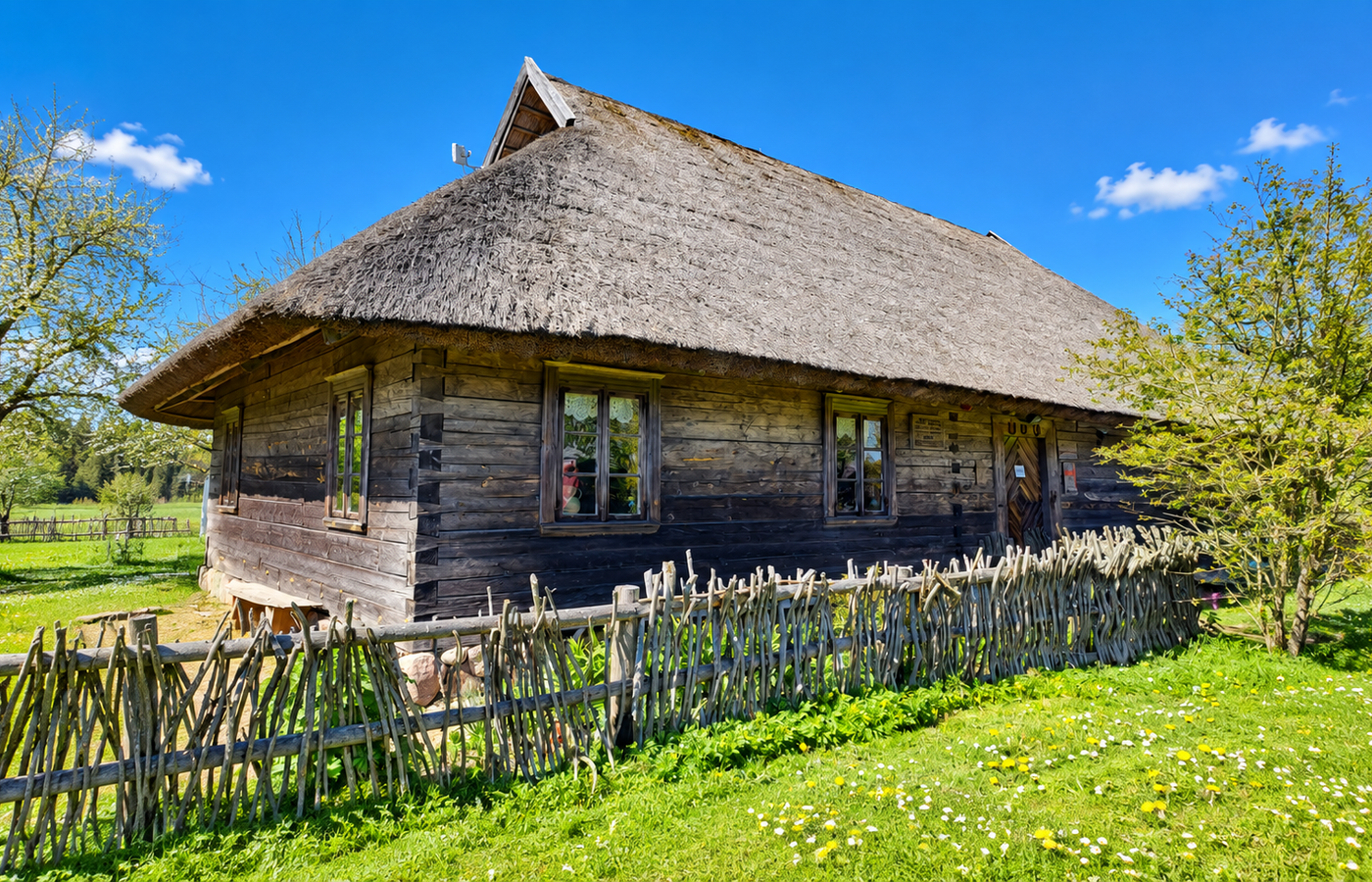
Stasys Girėnas was born in Vytogala in 1893 and, with Steponas Darius, flew the Lituanica from New York towards Kaunas in July 1933, covering 6,411 km in 37 hours and 11 minutes before the aircraft came down near Soldin in Germany and killed them both. That flight is the founding legend of Lithuanian aviation, and this farmyard on the edge of a Samogitian village is where the story starts.
The homestead was reconstructed in 1988 for the 55th anniversary of the flight, on a plot beside the original site. The house and the granary hold an exhibition on Girėnas, on the Lituanica crossing and on the history of Vytogala village. As a branch of the Lithuanian Aviation Museum it opens Tuesday to Saturday 10:00 to 17:00 and charges €4 for adults, €2 reduced and €6 to €8 for families, with free entry on the last Sunday of each month; an educational session costs €3 and a guided tour €20 for a group in Lithuanian or €30 in English, both booked ahead. Commemorations are held here every July.
Pro Tip: Pair Vytogala with Judrėnai in Klaipėda District, about 40 km west, where Steponas Darius was born. The two homesteads are run by the same museum, each tells half of the Lituanica story, and a single day covers both along the A1.

CEO and co-founder
Tomas is the co-founder and director of trip1, an European company specializing in reservation services. He launched the company in 2025 with a focus on building scalable, efficient operations.
10 Best Things to Do in Šilalė District, Lithuania - FAQ
Not comfortably. The ten sights are spread across roughly 45 km of secondary roads in Šilalė District, and four of them are small museums with short opening hours. Two days works far better: the eastern cluster of Bijotai, Girdiškė, Upyna and Vytogala on day one, the northern hills and Laukuva on day two, with Šilalė town itself taking about two hours.
Begin in Šilalė town at the Vlado Statkevičiaus Museum, which also houses the tourism information centre. Then run east to Bijotai, Girdiškė, Upyna and Vytogala, four stops that sit within 12 km of each other. On day two drive north to Bilionys hillfort, the Aukštagirė tower and Medvėgalis, finish at Kaltinėnai Spirituality Park, and pick up Laukuva on the way home.
None use timed tickets, but three reward a phone call. The Dionizas Poška Baubliai Museum in Bijotai is closed at weekends, Girdiškė church is normally open only around services, and the Stasys Girėnas homestead in Vytogala needs notice for guided tours and educational sessions. Medvėgalis, Bilionys hillfort and the Aukštagirė tower are free and open at all hours.
Budget about €10 per adult for 2026. The Stasys Girėnas birthplace museum charges €4, the Dalia Grinkevičiūtė exposition in Laukuva €3 and the Baubliai Museum €2, while the municipal museums in Šilalė and Upyna cost €0.50 for adults and €0.30 reduced. Medvėgalis, Bilionys hillfort, the Aukštagirė tower, Kaltinėnai Spirituality Park and Girdiškė church are free.
Only partly. Šilalė town, Laukuva, Kaltinėnai, Upyna and Bijotai are served by weekday regional buses with very thin weekend timetables. Medvėgalis, Bilionys, Aukštagirė and Girdiškė have no scheduled service at all. Šilalė has no passenger railway station either, the nearest being Tauragė about 40 km to the south-east, so a car is close to essential.
Yes, and it is the stop to keep if you only have a morning in Šilalė District. Medvėgalis is the highest hill in Samogitia at 234 metres above sea level, the wooden steps up its steepest face are maintained, and the summit makes clear why the Teutonic Order kept returning to this corner of Lithuania. Allow about 45 minutes.
Several places came close. The Paršežeris lake trail is a 13.8 km loop of boardwalk and forest with a lakeside campsite, though sections have been closed for repairs in recent seasons, so check with the Šilalė tourism centre before setting out. The Kazimieras Jaunius museum in Lemba, the Aleksandras Stulginskis birthplace and park in Kutaliai, and the wooden churches at Požerė and Teneniai all deserve a third day if you have one.